


Content Menu
● What Is a Bullet Magnet Separator?
● Why Bullet Magnets Are Critical for Industrial Safety and Product Quality
● How Bullet Magnets Work: Structure and Operating Principle
● Design Factors That Determine Bullet Magnet Performance
>> Cone Shape and Flow Dynamics
>> Magnetic Field Strength and Core Materials
>> Housing Design and Surface Finish
● Typical Industrial Applications of Bullet Magnets
>> Food and Beverage Processing
>> Plastics and Polymer Compounding
>> Pharmaceutical and Fine Chemical Industry
>> Ceramics, Minerals, and Mining
>> Recycling and Bulk Handling
● Bullet Magnets vs. Other Magnetic Separators
● How to Select the Right Bullet Magnet for Your Line
>> Define Pipeline and Flow Parameters
>> Analyze Material Characteristics
>> Choose Magnetic Core Type and Intensity
>> Define Hygiene and Regulatory Requirements
>> Consider Integration and Maintenance
● Installation Best Practices for Bullet Magnets
● Operation and Maintenance: Step‑by‑Step Guide
>> Scheduled Cleaning Procedure
>> Periodic Performance Checks
● Advantages of Bullet Magnets Highlighted in Industrial Use
● Why Work with Foshan Wandaye for Bullet Magnet and Magnetic Separation Solutions
● Practical Checklist Before Purchasing a Bullet Magnet
● Call to Action: Upgrade Your Line with a Tailored Bullet Magnet Solution
● Summary
● FAQ
>> 1. What types of contaminants can a bullet magnet remove?
>> 2. Can bullet magnets handle high‑temperature materials?
>> 3. How often do I need to clean a bullet magnet?
>> 4. Are bullet magnets suitable for sticky or high‑moisture products?
>> 5. How do bullet magnets compare to metal detectors?
In modern process lines, a bullet magnet separator (also called an inline magnetic separator or pipeline magnet) is one of the most efficient ways to remove ferrous contaminants from powders and granular materials in enclosed pipelines, protecting downstream equipment and product quality.
For industries such as mining, ceramics, food, plastics, and pharmaceuticals, installing bullet magnets at critical points in the line significantly reduces unplanned downtime, safety incidents, and contamination risks.
What Is a Bullet Magnet Separator?
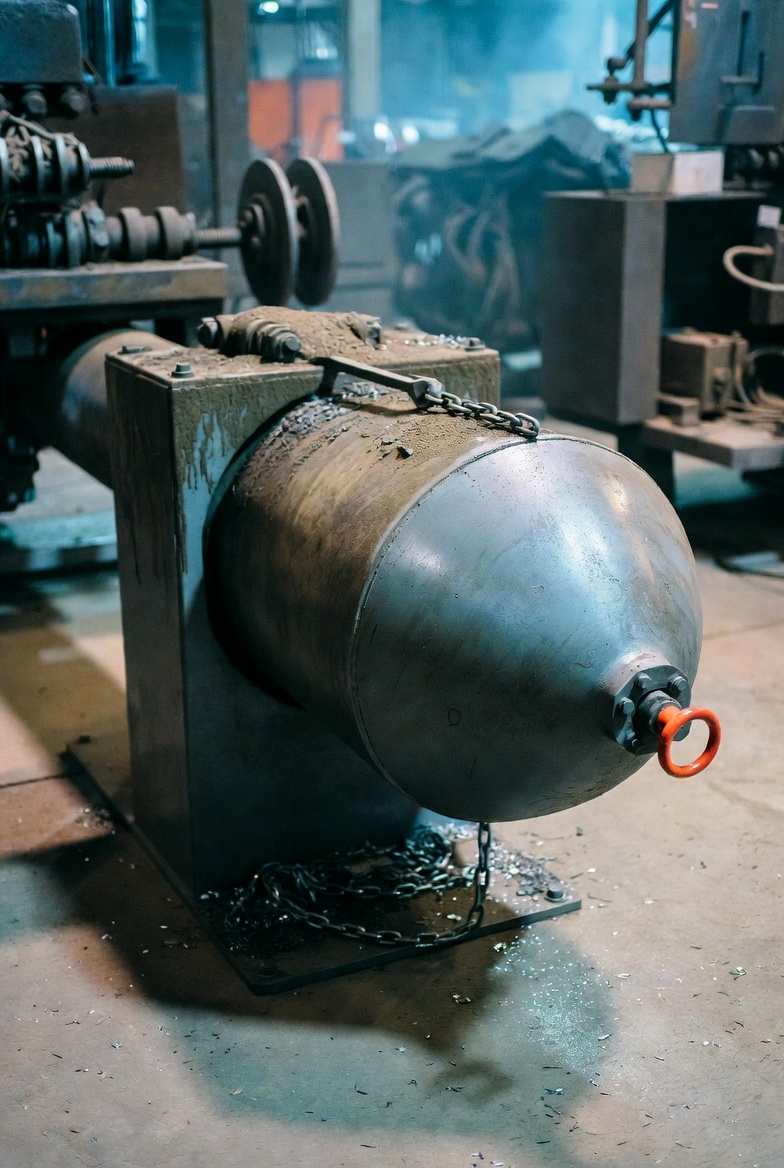
A bullet magnet is a housed, inline magnetic separator designed for gravity or pneumatic conveying pipelines that handles free‑flowing powders, granules, and small flakes.
Its bullet‑shaped magnetic core is positioned directly in the material stream, creating a high‑intensity magnetic field that captures tramp iron before it reaches sensitive processing equipment.
Bullet magnets usually consist of a central bullet‑shape magnetic core surrounded by a stainless steel housing, equipped with inlet and outlet connections that match existing pipeline standards.
Because the magnet is fully enclosed, it is ideal for applications where the product must remain contained and protected from environmental contamination.
Key characteristics of bullet magnets include:
– Inline installation in vertical or horizontal pipelines
– Bullet‑shaped central magnetic core for smooth flow and high capture efficiency
– Suitability for dilute phase pneumatic conveying and gravity fall applications
– Optional magnetic intensities to match required separation performance
This combination of streamlined flow and strong magnetic field makes bullet magnets ideal for first‑stage iron removal in closed systems across a wide range of industries.
Why Bullet Magnets Are Critical for Industrial Safety and Product Quality
Even tiny pieces of iron – such as nuts, bolts, screws, welding slag, or rust flakes – can cause serious problems in process plants.
A single contaminant can damage high‑value equipment, contaminate a whole batch, or trigger safety incidents and product recalls that severely impact brand reputation and financial performance.
In many production environments, ferrous impurities are inevitable because of equipment wear, raw material contamination, or handling operations.
Without an effective iron removal device, these contaminants can travel through the entire system unnoticed until they cause visible defects or mechanical failure.
Main risks of ferrous contamination in pipelines include:
– Damage to grinders, mixers, mills, and screw conveyors
– Abrasion and premature wear of pumps, valves, and seals
– Metal fragments in finished products, leading to complaints or legal liability
– Process downtime caused by jammed equipment or blocked lines
– Higher maintenance costs and reduced equipment life cycle
By placing a bullet magnet at the inlet or early section of the line, plants can intercept ferrous particles before they reach critical machinery, acting as a last line of defense for both equipment and product quality.
How Bullet Magnets Work: Structure and Operating Principle
A bullet magnet separator consists of a magnetic inner core and a stainless steel housing designed to minimize turbulence while maximizing contact with the magnetic field.
The streamlined geometry ensures that the product flows smoothly around the core instead of forming dead zones or blockages.
Core components of a typical bullet magnet:
– Bullet‑shaped magnetic core (often with a conical tip around 60°)
– Stainless steel housing, usually 304 or 316 non‑magnetic steel
– Inlet and outlet flanges matched to the pipeline diameter
– Diverter cone and internal guides to distribute material evenly
– Quick‑opening access door or cover for inspection and cleaning
Working principle step‑by‑step:
1. Material enters the bullet magnet housing by gravity or via a pneumatic conveying line.
2. The diverter cone and internal guides spread the material into a thin layer and direct it around the bullet core, ensuring all particles pass through the strongest magnetic field zone.
3. Ferrous contaminants such as iron filings, bolts, and rust are attracted and held on the surface of the magnetic core.
4. Clean material continues downstream, while captured metal remains fixed on the core until manually removed during cleaning.
Thanks to the strong field intensity and optimized flow path, well‑designed bullet magnets can reach very high separation rates and significantly reduce the risk of tramp metal entering expensive process equipment.
Design Factors That Determine Bullet Magnet Performance
The geometry and magnetic design of a bullet magnet have a direct impact on separation efficiency, pressure drop, and ease of maintenance.
Understanding these parameters helps engineers select and configure the right model for their application.
Cone Shape and Flow Dynamics
A well‑designed cone‑shaped core allows materials to hug the surface of the magnet while maintaining smooth flow.
If the core is too blunt or poorly shaped, material may accumulate, causing bridging, clogging, or uneven residence time in the magnetic field.
A streamlined cone with an appropriate angle reduces dead zones, keeps velocity uniform, and maximizes exposure of each particle to the magnetic field.
In practice, this balance between low pressure loss and high contact time is essential for stable and efficient operation.
Diameter and Length
The outer housing diameter and core length must match throughput and pipeline size.
Larger diameters allow a higher flow rate but require more magnetic material to maintain sufficient field strength across the entire cross‑section.
Longer cores provide a larger capture area and longer exposure time, which is helpful for high‑velocity or dense material flows.
However, if the magnet is oversize compared with the pipeline, it may increase pressure drop unnecessarily without proportional gains in performance.
Magnetic Field Strength and Core Materials
The magnetic core is typically made from high‑performance permanent magnets such as neodymium‑iron‑boron (NdFeB) or ferrite.
Core material selection depends on the required capture efficiency, operating temperature, and environmental conditions.
– NdFeB: very high magnetic energy, ideal for fine iron particles and high‑purity applications such as ceramics, pharmaceuticals, and high‑grade minerals.
– Ferrite: more economical and corrosion‑resistant, suitable for general industrial applications where most contaminants are medium to large tramp metals.
Many manufacturers offer multiple intensity options so users can tune the system to material properties and purity requirements instead of relying on a one‑size‑fits‑all solution.
Housing Design and Surface Finish
The internal surface finish of the housing is critical for hygienic and high‑flow applications.
Food and pharmaceutical lines typically require 304 or 316 stainless steel with smooth welds and polished surfaces to comply with hygiene standards and prevent residue buildup.
A high‑quality housing design also improves cleanability and reduces the risk of product sticking to the walls or corners.
This is especially important where frequent changeover, color change, or allergen control is required.
Typical Industrial Applications of Bullet Magnets
Bullet magnets are used wherever free‑flowing powders and granules are conveyed in enclosed systems and iron removal is critical.
They are particularly effective in industries where raw materials pass through long pipelines or pneumatic conveying systems before final processing.
Food and Beverage Processing
In food plants, bullet magnets are commonly installed in lines conveying flour, grains, sugar, spices, starch, and cocoa powders.
They remove metal fragments from raw materials before milling, mixing, or packaging to protect both equipment and consumers.
Food‑grade housings and welds help support HACCP and other food safety programs by reducing foreign body risks that could lead to recalls or regulatory penalties.
The enclosed design also minimizes the chance of secondary contamination from the surrounding environment.
Plastics and Polymer Compounding
For plastics manufacturers, even small metal particles in pellets or regrind can cause black spots, burning, or screw damage during extrusion and injection molding.
Bullet magnets protect extruders, injection molding machines, and pelletizers by removing ferrous contaminants from resin chips, flakes, and powders.
They are especially valuable in recycled plastics lines where contamination levels are higher and raw material quality is less predictable.
By preventing metal from entering screws and barrels, plants can reduce downtime and improve surface quality of final products.
Pharmaceutical and Fine Chemical Industry
In pharma and fine chemicals, bullet magnets support strict purity and safety requirements and help meet regulatory expectations.
They remove iron particles from active ingredients and excipients, particularly in powder dosing and blending systems.
Food‑grade and GMP‑compliant stainless housings, coupled with high‑intensity magnets, help ensure that final products remain free from metallic impurities that could affect safety, efficacy, or stability.
Easy‑clean designs also help reduce cross‑contamination risk during product changeover.
Ceramics, Minerals, and Mining
Bullet magnets are widely used to improve whiteness, surface quality, and stability in ceramic and mineral processing lines.
They can be integrated into pipelines conveying kaolin, quartz sand, feldspar powders, and other non‑metallic minerals to remove iron that would otherwise discolor or weaken the final product.
In mining and mineral beneficiation, bullet magnets can act as a first stage of tramp iron removal before high‑gradient magnetic separators or other processing equipment.
This step protects high‑value machinery from large ferrous pieces such as broken tools, nuts, and bolts.
Recycling and Bulk Handling
Recycling lines often contain high and variable levels of metal contamination mixed with plastics, rubber, wood, or mineral fractions.
Bullet magnets help clean shredded materials, granules, and powders in compact, closed systems without increasing dust emissions.
Better separation significantly increases the resale value and re‑use potential of recovered raw materials.
At the same time, bullet magnets protect shredders, mills, and granulators from damage caused by tramp iron in the recycled feed.
Bullet Magnets vs. Other Magnetic Separators
To design an optimal iron‑removal strategy, it is useful to compare bullet magnets with other popular separator types used in industrial plants.
Each technology has its own advantages and limitations depending on material characteristics and plant layout.
Key differences in practice:
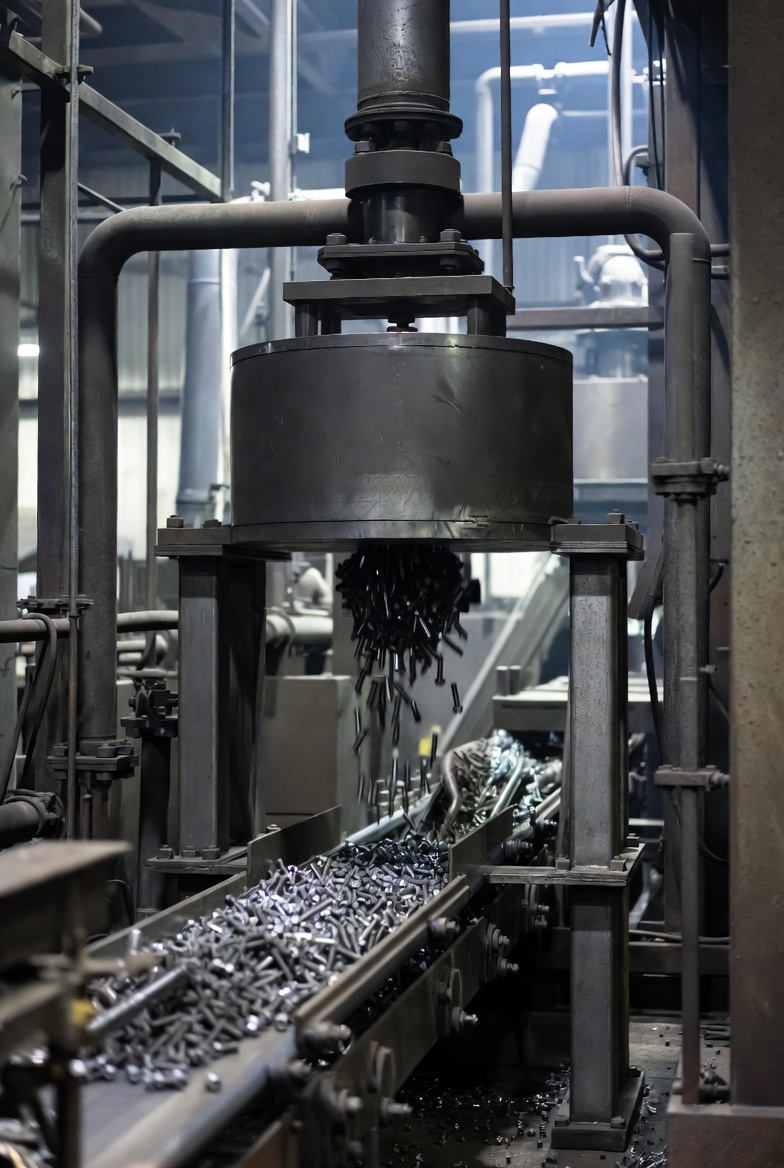
– Suspended magnets are installed above conveyor belts and are ideal for removing coarse ferrous pieces from thick material layers, but they are less effective for fine powders in closed pipelines.
– Magnetic drums are designed for continuous separation of coarse or mixed materials and are commonly used in bulk material handling systems.
– Flat plate magnets are often installed over chutes and transfer points where material flows in a thin layer, but they require more space and can be less efficient for fully enclosed pipeline systems.
– Bullet magnets, by contrast, are optimized for inline pipelines, offering a compact housing that is easy to retrofit and maintain.
In many modern plants, bullet magnets are used together with other separators to create multi‑stage iron removal systems that capture both large tramp metals and finer ferromagnetic particles.
How to Select the Right Bullet Magnet for Your Line
Choosing the correct bullet magnet model is essential to maximize return on investment and meet safety or purity targets.
A well‑planned selection process will reduce trial‑and‑error, minimize downtime, and ensure smooth integration into existing equipment.
Define Pipeline and Flow Parameters
Start with the basic mechanical and process information of your conveying system.
Bullet magnets are typically sized according to the following factors:
– Pipe diameter and orientation (vertical, horizontal, or inclined)
– Conveying mode: gravity, dense phase, or dilute phase pneumatic
– Flow rate and bulk density of the product
– Allowed pressure drop across the separator
These parameters determine the core length, housing size, and magnet strength required to achieve the desired separation efficiency without adversely affecting flow.
Analyze Material Characteristics
Material properties have a direct impact on magnet design and performance.
Before choosing a bullet magnet, evaluate the following aspects:
– Particle size and distribution (fine powder, granules, or flakes)
– Moisture content and stickiness
– Temperature and chemical aggressiveness
– Level and type of ferrous contamination (fine dust vs large tramp iron)
High‑viscosity or sticky powders may require a larger diverter cone and highly polished surfaces to prevent buildup and ensure stable throughput.
Choose Magnetic Core Type and Intensity
Select the magnet according to your purity requirements and iron particle size.
If you need to capture very fine iron or deal with high‑value products, high‑intensity neodymium magnets are usually recommended.
For general tramp iron removal in bulk processing, ferrite magnets can be an economical solution while still providing strong attraction for medium to large contaminants such as bolts, nuts, and washers.
Where possible, specify the required surface magnetic field or target capture size in your technical data sheet.
Define Hygiene and Regulatory Requirements
In food, pharma, and certain chemical sectors, the bullet magnet must meet additional standards beyond basic mechanical performance.
Typical requirements include:
– Stainless steel housings with documented material certificates
– Smooth interior surfaces and high‑quality welds for easy cleaning
– Suitable gasket and seal materials that meet food‑contact rules where applicable
– Documentation for audits, including inspection and cleaning records
Where audits are frequent, consider models that support traceable inspection and validation procedures such as magnet strength testing and cleaning cycle logs.
Consider Integration and Maintenance
Effective integration is not just about finding free space in the pipeline.
You must also ensure safe and convenient access for operators to open, inspect, and clean the magnet when required.
When planning your layout:
– Keep enough straight pipe before and after the magnet to stabilize the flow.
– Avoid installing directly after bends, valves, or elbows that create turbulence.
– Provide platforms, ladders, or working areas that allow safe handling of the magnetic core.
Installation Best Practices for Bullet Magnets
Correct installation can significantly improve iron removal efficiency compared with poorly installed units.
A few practical guidelines help ensure your bullet magnet works as intended from day one.
Recommended installation guidelines:
– Provide a straight pipe section upstream of the magnet (ideally at least three times the pipe diameter) to stabilize the flow.
– Avoid sharp bends immediately before or after the magnet to reduce turbulence and uneven loading.
– For gravity lines, vertical installation is usually preferred; for pneumatic lines, horizontal or inclined installation can be used depending on plant layout.
– Ensure that there is sufficient clearance around the magnet for opening the access door and removing the core during cleaning.
Before commissioning, verify that pressure drop and conveying velocity remain within acceptable limits and that no unexpected vibration or noise occurs at the installation point.
Operation and Maintenance: Step‑by‑Step Guide
The original concept of bullet magnets emphasizes easy cleaning and maintenance.
Below is a practical checklist that can be adapted into your standard operating procedures.
Daily or Per‑Shift Checks
1. Perform a visual inspection to check the housing and flanges for leaks, abnormal vibration, or loose clamps.
2. Confirm that all locks and fasteners are correctly engaged to avoid accidental opening during operation.
3. Monitor process indicators such as pressure or flow to detect signs of bridging or obstruction around the magnet.
Scheduled Cleaning Procedure
1. Stop the product flow and isolate the relevant section of the line according to your safety procedures.
2. Lock out and tag out power or air supplies where applicable.
3. Open the access door or cover to expose the magnetic core, following the manufacturer’s instructions.
4. Carefully remove the magnetic core; use appropriate PPE to avoid pinching injuries from strong magnetic forces.
5. Remove accumulated ferrous particles using non‑metallic tools or cloths and avoid scratching the magnet surface.
6. If specified, clean the housing and internal surfaces, then dry thoroughly before reassembly.
7. Reinsert the core, close and lock the housing, and record the maintenance operation in the inspection log.
Cleaning frequency depends on contamination levels and the criticality of the process; in heavily contaminated lines, cleaning once per shift or more often may be needed, while cleaner processes may only require periodic cleaning.
Periodic Performance Checks
Regular performance checks help ensure that the bullet magnet remains effective over its entire service life.
Key actions include:
– Measuring magnetic field strength at defined points on the core and recording the results over time
– Planning replacement or refurbishment if magnetic strength has dropped noticeably compared with initial values
– Inspecting seals, gaskets, and welds to prevent moisture ingress or product leakage
– Reviewing cleaning logs to verify that maintenance intervals are appropriate for actual contamination levels
Advanced plants may complement manual inspections with sensors or monitoring systems that track operating conditions and cleaning cycles, supporting predictive maintenance strategies.
Advantages of Bullet Magnets Highlighted in Industrial Use
Compared with many other magnetic separators, bullet magnets provide an attractive combination of performance, footprint, and ease of use.
They are particularly valued in retrofit projects and upgrades where pipeline space is limited but high levels of protection are required.
Typical advantages include:
– Compact inline design that fits easily into existing pipelines
– High separation efficiency for medium to large ferrous contaminants
– Strong magnetic cores that maintain performance over long periods
– Simple manual cleaning with easy access to the magnetic core
– Suitability for both conventional and pneumatic conveying systems
Because bullet magnets operate inside a closed housing, they also help control dust and maintain a cleaner production environment, which can support broader health and safety goals.
Why Work with Foshan Wandaye for Bullet Magnet and Magnetic Separation Solutions
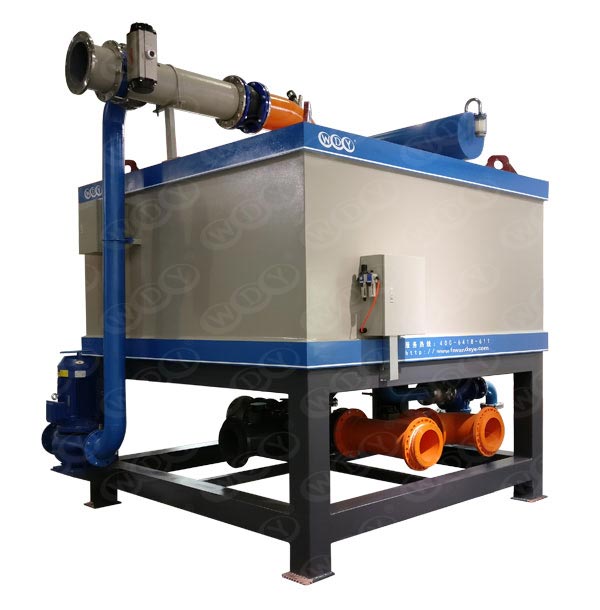
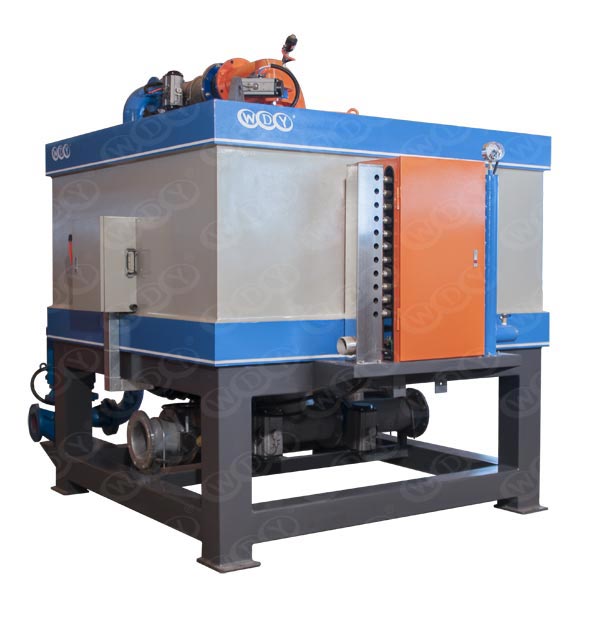
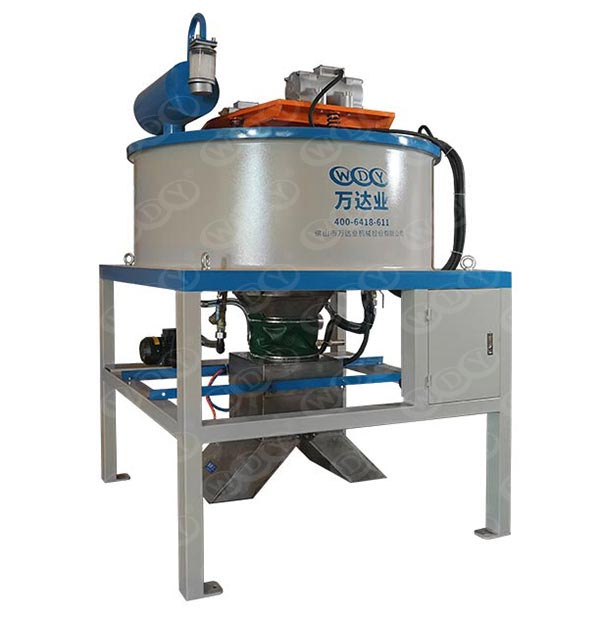
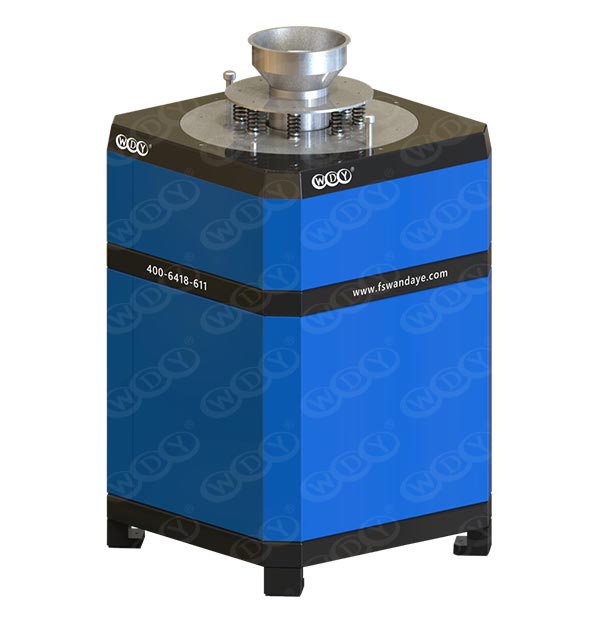
Foshan Wandaye Technology Co., Ltd. is a specialized magnetic separator R&D and manufacturing enterprise providing complete solutions from mineral testing to process design, equipment production, and on‑site commissioning.
The company’s portfolio covers electromagnetic and permanent magnetic separators for slurry, dry powder, and belt conveyor applications, as well as magnetic plates, rods, iron‑removal cabinets, and complete production lines.
By combining bullet magnets with high‑gradient magnetic separators, slurry separators, and vertical ring magnetic equipment, Wandaye can design process‑wide solutions that optimize overall separation efficiency rather than treating the bullet magnet as an isolated device.
This system‑level approach helps customers in mining, ceramics, pharmaceuticals, and other industries achieve stable quality with lower operating costs and reduced downtime.
Foshan Wandaye also focuses on customization, offering engineered products that match specific pipeline sizes, material properties, and process requirements.
From initial technical consultation to after‑sales service, the company supports customers in building reliable, energy‑efficient separation systems that deliver long‑term value.
Practical Checklist Before Purchasing a Bullet Magnet
Before sending a request for quotation or technical specification to a supplier, it is helpful to prepare key information in advance.
This ensures faster communication and more accurate product recommendations.
Recommended checklist:
– Define the application: industry, product type, and target purity level.
– Confirm pipeline data: diameter, orientation, conveying mode, and flow rate.
– Describe material characteristics: particle size, moisture, temperature, and abrasiveness.
– Identify contamination type: size and estimated concentration of ferrous impurities.
– Specify hygiene and regulatory requirements: food or pharma standards, documentation needs.
– Clarify integration constraints: available space, access for maintenance, upstream and downstream equipment.
Sharing this information with your supplier enables them to recommend the right bullet magnet configuration and magnetic intensity, reducing trial‑and‑error and ensuring that the separator performs effectively from the start.
Call to Action: Upgrade Your Line with a Tailored Bullet Magnet Solution
If you are planning to upgrade your iron removal system or design a new line for powders, granules, or mineral slurries, a properly selected and installed bullet magnet will significantly enhance safety, product quality, and equipment protection.
Foshan Wandaye Technology Co., Ltd. can help you evaluate your process, choose the correct bullet magnet specification, and integrate it with your broader magnetic separation system for mining, ceramics, food, plastics, and pharmaceutical applications.
You are welcome to contact our engineering team with your pipeline drawings, material data, and quality requirements to receive a customized magnetic separation proposal and quotation.
By working with a professional magnetic separator manufacturer, you can build a robust, future‑ready system that protects your production line and your brand.
Summary
Bullet magnets are compact yet powerful inline magnetic separators that play a critical role in protecting industrial pipelines from ferrous contamination.
Their bullet‑shaped cores, strong magnetic fields, and easy‑clean designs make them ideal for powders and granules in enclosed gravity or pneumatic lines across industries from food and pharma to mining and ceramics.
By understanding key design factors, installation best practices, and maintenance procedures, engineers can unlock the full potential of bullet magnets and integrate them into multi‑stage separation systems.
Partnering with an experienced supplier such as Foshan Wandaye further ensures that each project receives a tailored solution that balances performance, cost, and long‑term reliability.
Contact us to get more information!
FAQ
1. What types of contaminants can a bullet magnet remove?
A bullet magnet primarily removes ferromagnetic contaminants such as iron filings, rust, bolts, screws, nuts, staples, and steel fragments from free‑flowing powders and granules.
By capturing these particles inside the pipeline, it protects downstream equipment and reduces the risk of foreign bodies entering the final product.
2. Can bullet magnets handle high‑temperature materials?
Bullet magnets can be built with high‑temperature‑resistant magnetic materials and housings, but each design has a specific maximum operating temperature that must not be exceeded.
For very hot processes, you should choose magnet grades and seals rated for elevated temperatures and verify suitability with the manufacturer before installation.
3. How often do I need to clean a bullet magnet?
The cleaning interval depends on how much ferrous contamination is present, how critical the product is, and what your quality standards require.
Many plants start with frequent cleaning (for example once per shift), then adjust to a daily, weekly, or monthly schedule based on the amount of captured metal and inspection records.
4. Are bullet magnets suitable for sticky or high‑moisture products?
Bullet magnets work best with free‑flowing, low‑to‑moderate moisture materials that do not easily bridge or adhere to surfaces.
For sticky or cohesive products, the design may need special features such as larger cones, polished internal surfaces, or different separator types to maintain stable flow and consistent cleaning.
5. How do bullet magnets compare to metal detectors?
Metal detectors can sense both ferrous and non‑ferrous metals but do not physically remove them, relying instead on rejection devices downstream.
Bullet magnets, on the other hand, actually capture and hold ferrous particles within the pipeline, so many high‑risk lines use bullet magnets and metal detectors together for layered protection.
Citations:
1. https://www.greatmagtech.com/info/bullet-magnet-a-lifesaving-device-for-industr-84686827.html
2. https://www.greatmagtech.com/magnetic-separators/bullet-magnet.html
3. https://www.gme-magnet.com/magnetic-separators/bullet-magnet.html
4. https://gtekmagnet.com/products/magnetic-filter/bullet-magnet/
5. https://www.hsmagnets.com/blog/bullet-magnets/
6. http://en.fswandaye.com
7. https://www.wdymagnetic.com
Hot Tags: Bullet Magnet Lifesaving Device, Bullet Magnets, Industrial Bullet Magnet Separator, Bullet Magnet For Metal Removal, Pipeline Magnetic Separator Bullet Type, Magnetic Bullet Separator For Powders, Food Grade Bullet Magnet Systems, Inline Magnetic Filtration Equipment, Rare Earth Bullet Magnet Assembly, Industrial Magnetic Separation Solutions