


Content Menu
● Thomas Edison and the Invention Date of the Magnetic Iron Ore Separator
● Edison’s Magnetic Ore Separator: How It Worked
● From Invention in 1880 to Industrial Ore Milling
● What Made Edison’s Magnetic Separator Innovative?
● From Edison’s Idea to Modern Magnetic Separator Technology
● How Foshan Wandaye Technology Co., Ltd. Builds on Edison’s Legacy
● Typical Magnetic Separator Solutions Offered by Foshan Wandaye
● Practical Applications of Magnetic Separator Technology Today
● Videos That Help Explain Magnetic Separator Principles
● Why the 1880 Invention Still Matters for Today’s Buyers
● FAQ
>> 1. What year did Thomas Edison invent the magnetic iron ore separator?
>> 2. How did Edison’s magnetic separator work in practice?
>> 3. Why did Edison’s magnetic ore‑milling business ultimately fail?
>> 4. How is a modern magnetic separator different from Edison’s design?
>> 5. What advantages does Foshan Wandaye Technology Co., Ltd. offer for magnetic separator projects?
Foshan Wandaye Technology Co., Ltd. is a specialized manufacturer focused on the research, design, and production of magnetic separator equipment and iron‑removal systems for mining, ceramics, and pharmaceutical industries worldwide. By learning from the history of Thomas Edison’s magnetic iron ore separator and combining it with modern engineering, Foshan Wandaye Technology Co., Ltd. helps customers deploy efficient magnetic separator solutions that turn complex raw materials into high‑purity products.
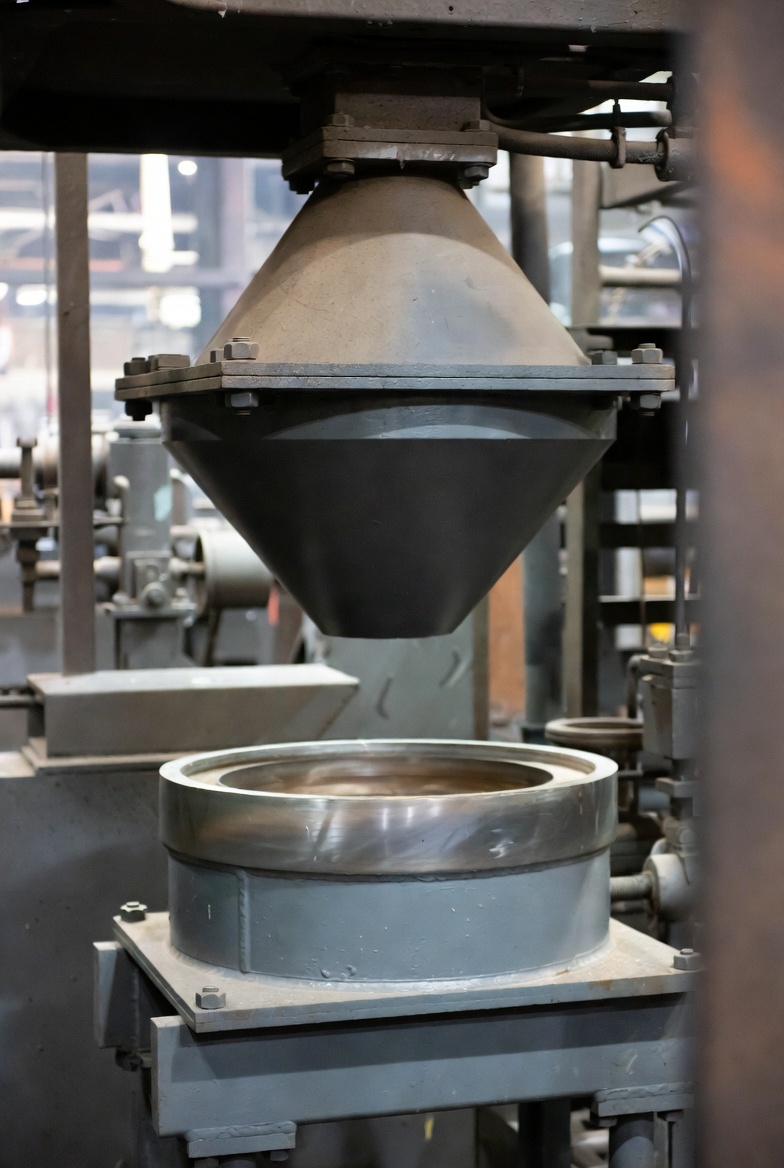
Thomas Edison and the Invention Date of the Magnetic Iron Ore Separator
Historical records show that Thomas Edison invented his magnetic ore separator around 1880, during the same period when he was heavily involved in developing electric lighting and related technologies. In biographies and technical archives, 1880 is widely cited as the year he first patented a practical magnetic separator for processing low‑grade iron‑bearing materials.
In that period, demand for steel was rising rapidly, but many high‑grade iron ore deposits had already been heavily exploited. Edison recognized that if a magnetic separator could economically concentrate low‑grade ores, huge deposits of previously uneconomic material could become valuable raw feed for steel producers. His magnetic iron ore separator was therefore conceived as a strategic solution to both resource scarcity and industrial growth.
Edison received patents in 1880 for his magnetic ore‑separation method, which used a powerful electromagnet to attract iron particles from crushed ore or beach sand. This early magnetic separator became the technological foundation for the larger ore‑milling and concentration projects he developed during the late 1880s and 1890s, especially in regions where iron‑rich sands and lean ores were abundant but difficult to process using traditional gravity separation alone.
Edison’s Magnetic Ore Separator: How It Worked
Edison’s magnetic ore separator was essentially an electromagnetic magnetic separator that processed fine particles falling in front of strong magnets so that iron‑rich grains were deflected away from waste material. Crushed rock or sand passed through a hopper and formed a thin stream that dropped in front of an electromagnet, causing magnetic particles to move toward one discharge outlet while non‑magnetic particles continued straight into another.
In some large installations, Edison’s separator design involved towers where powdered ore fell past multiple electromagnets arranged in series, enabling continuous separation at industrial scale. These electromagnetic stages allowed operators to concentrate low‑grade ore into higher‑grade products more suitable for steel production, even though market conditions later limited the success of the process.
To maintain stable performance, the ore had to be dried, crushed to a suitable particle size, and fed at a controlled rate into the magnetic separator. Variations in moisture, feed thickness, and particle size distribution could reduce the efficiency of separation and cause valuable iron to be lost in the tailings. Edison constantly adjusted the mechanical and electrical configuration of his magnetic separator towers to improve recovery and product grade.
Another important aspect of the design was the way the separated streams were collected. The magnetic fraction was often directed into chutes or bins for further processing, while the non‑magnetic fraction moved to waste piles or secondary treatment lines. By adding multiple magnetic separator stages in series, Edison tried to capture as much iron as possible and reduce metal losses in the final waste stream.
From Invention in 1880 to Industrial Ore Milling
After inventing the magnetic ore separator in 1880, Edison founded the Edison Ore‑Milling Company to commercialize his ore‑processing patents and explore applications for metals such as platinum, gold, and iron. In the late 1880s and early 1890s, he applied his magnetic separator concept to large iron ore deposits in the eastern United States, where high‑grade ore had become scarce and steelmakers faced rising raw‑material costs.
Edison built large ore‑processing plants with crushing, grinding, drying, and magnetic separator systems designed to handle hundreds of tons of ore per day. The plants typically included primary crushers to reduce the size of run‑of‑mine rock, secondary mills to produce fine particles, rotary dryers to remove moisture, and a series of magnetic separator stages to lift out the iron‑bearing fraction. The goal was a fully integrated, highly automated line that could transform low‑grade ore into a saleable concentrate.
In practice, these lines showed both promise and difficulty. Fine powders created dust problems, machinery faced heavy wear, and controlling the feed to each magnetic separator was more complex than Edison had anticipated. Even with continuous improvements to the magnetic separator towers, screening systems, and conveying equipment, operating costs remained high and uptime was challenging to maintain.
Despite the technical ingenuity, the business struggled. Maintaining such complex lines with early‑generation machinery required constant repair, and fine ore powders created clogging and handling problems. When richer iron ore deposits were exploited in other regions at lower cost, the economic justification for Edison’s magnetic separator‑based ore‑milling schemes weakened. Eventually the company shut down, but the core process idea remained influential in mineral processing and inspired many later designs of industrial magnetic separator equipment.
What Made Edison’s Magnetic Separator Innovative?
Edison’s separator integrated several process steps—crushing, drying, and magnetic separation—into a continuous production line, which was a forward‑looking concept for industrial engineering at the time. The use of multiple electromagnets in vertical towers allowed operators to pass large volumes of fine ore through the magnetic separator while maintaining relatively stable separation efficiency and allowing incremental refinement of the product.
The technology also inspired later developments in material handling and automation, such as conveyor‑based systems that transported ore between crushers, dryers, and each magnetic separator stage. These early experiments demonstrated that ore treatment could be organized as a controlled flow process rather than a series of isolated batch operations. Even though Edison’s specific ore‑milling venture did not achieve long‑term commercial success, aspects of his magnetic separator design contributed to future concepts in high‑volume, continuous processing lines.
Edison’s work also helped popularize the use of electricity in heavy industrial applications beyond lighting. Operating large banks of electromagnets, drives, and auxiliary equipment proved that electric power could be reliably used to run a magnetic separator plant deep in a mining district. This experience fed into broader industrial adoption of electrically driven machinery in the early twentieth century and laid groundwork for modern electrically powered magnetic separator systems in mineral processing plants around the world.
From Edison’s Idea to Modern Magnetic Separator Technology
Modern mineral processing plants use a wide range of magnetic separator designs, including drum magnetic separator units, high‑gradient magnetic separator systems, and wet or dry magnetic separator equipment tailored to different ores and particle sizes. In many flowsheets, a magnetic separator appears in several positions: roughing, cleaning, and scavenging, each stage serving a different role and operating under different conditions.
Some magnetic separator designs rely on permanent magnets, while others use advanced electromagnets with precisely controlled field strengths and configurations. Permanent magnetic separator models offer low energy consumption and simple structure, while electromagnetic magnetic separator units provide flexible control of field intensity and can be adjusted to suit different mineralogical conditions or product requirements.
Compared with Edison’s original device, current high‑performance magnetic separator solutions use stronger magnetic materials, optimized flow channels, and automatic control systems to achieve higher recovery and lower energy consumption in demanding industrial environments. Sensors monitor parameters such as feed density, motor current, and magnetic field intensity, allowing operators to fine‑tune each magnetic separator to the characteristics of the ore and respond dynamically to changes in feed quality.
Today’s magnetic separator equipment also integrates more advanced feeding, level control, and cleaning mechanisms so that plants can run continuously with minimal manual intervention. Self‑cleaning magnetic separator structures automatically discharge captured tramp iron or magnetic impurities, reducing downtime and labor. At the same time, mineral processors still rely on the same basic principle Edison used in 1880: exploiting the different magnetic properties of ore and gangue so a well‑engineered magnetic separator can pull valuable iron‑bearing particles away from non‑magnetic material and deliver a consistent concentrate grade.
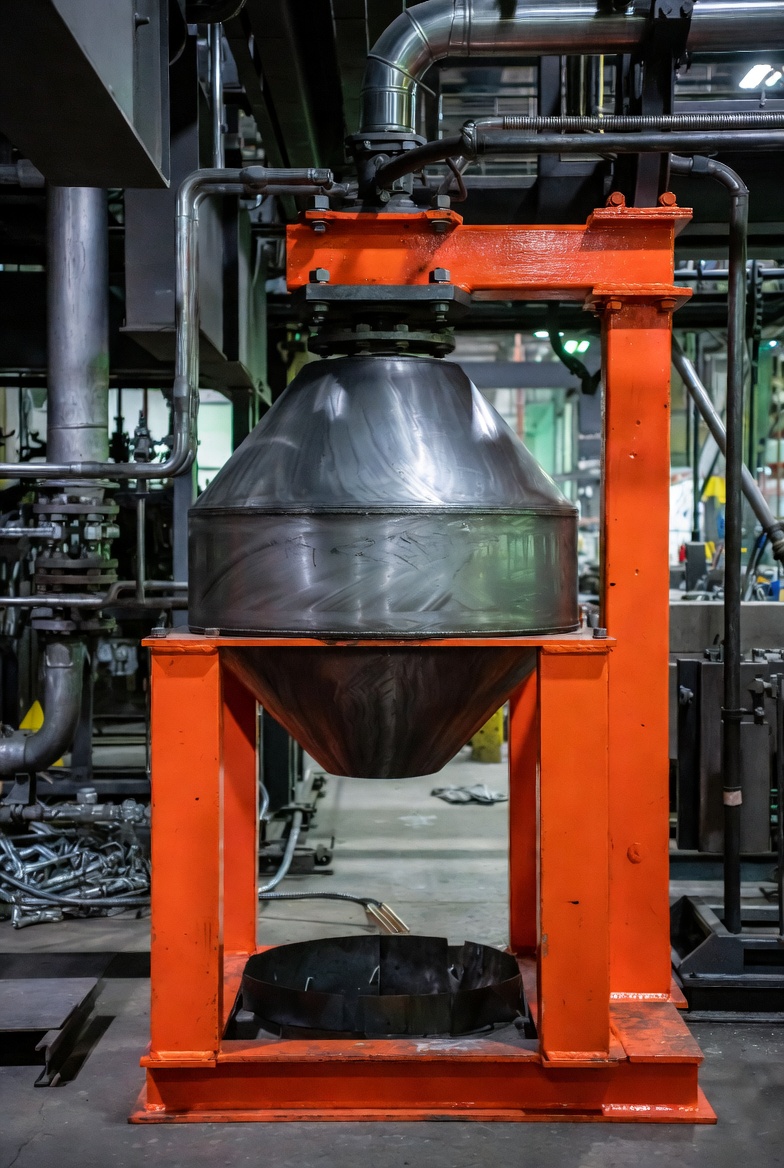
How Foshan Wandaye Technology Co., Ltd. Builds on Edison’s Legacy
Foshan Wandaye Technology Co., Ltd. focuses on high‑efficiency magnetic separator and iron‑removal systems that are optimized for modern mining, ceramics, and pharmaceutical processes, where product purity and stability are critical. The company takes the historical concept of magnetic separator technology and upgrades it with contemporary design tools, finite element magnetic field analysis, and industrial automation platforms to deliver solutions adapted to real‑world production environments.
By combining high‑gradient magnetic separator technology, precision magnetic circuits, and engineered flow paths, Foshan Wandaye Technology Co., Ltd. delivers magnetic separator solutions that can handle both strong magnetic and weakly magnetic contaminants in complex production lines. Engineers adjust matrix structures, coil configurations, magnet materials, and cooling systems so that each magnetic separator maintains strong, uniform fields while keeping energy consumption under control.
For mining customers, Foshan Wandaye Technology Co., Ltd. designs magnetic separator equipment that can upgrade low‑grade iron ores, remove harmful iron phases, and protect downstream grinding or flotation equipment from tramp metal. This may include rougher, cleaner, and scavenger stages arranged in sequence, where each magnetic separator is tuned to capture specific particle size ranges or mineral phases, maximizing total iron recovery from the ore body.
For ceramics and pharmaceutical plants, its magnetic separator systems help reduce iron‑spot defects and metal contamination, improving product quality and helping producers meet increasingly strict export standards. High‑gradient slurry magnetic separator units can be installed directly in pipelines or process tanks, continuously extracting iron impurities without interrupting production. This kind of solution extends the role of the magnetic separator far beyond raw ore, into fine, high‑value powders and specialty materials where even trace iron contamination is unacceptable.
Typical Magnetic Separator Solutions Offered by Foshan Wandaye
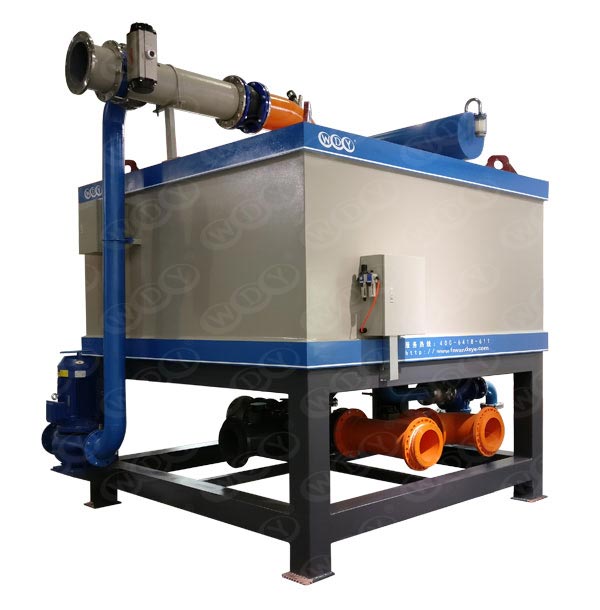
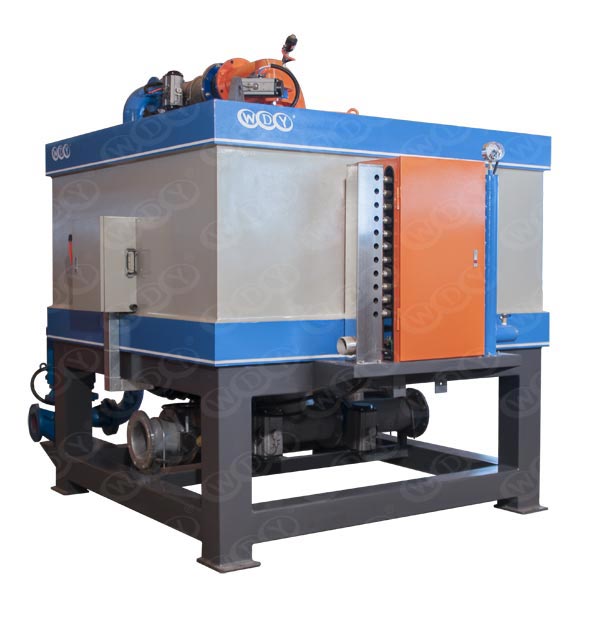
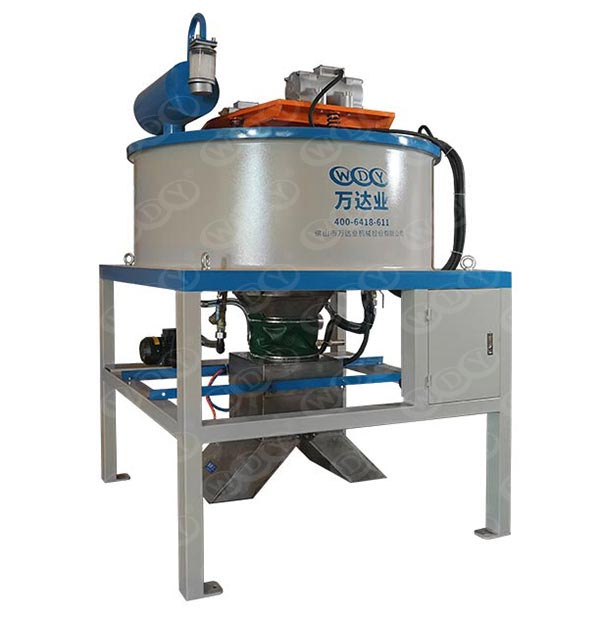
Foshan Wandaye Technology Co., Ltd. provides a broad portfolio of magnetic separator products, including dry‑type and wet‑type units, high‑gradient magnetic separator equipment, and custom iron‑removal devices for powders, slurries, and granular materials. Dry magnetic separator models are often used for coarse or medium‑grained ores in regions with limited water resources, while wet magnetic separator units handle fine particles suspended in water or process fluids for better separation efficiency.
Each magnetic separator solution is engineered according to feed properties, target impurity levels, and required process capacity, so that mining, ceramics, and pharmaceutical customers get a balanced combination of separation efficiency and operating cost. Engineers evaluate factors such as magnetic susceptibility, particle size distribution, temperature, viscosity, and chemical environment to choose the best magnetic separator type and configuration for each project, ensuring that technical performance aligns with economic goals.
The company also supports customers with technical consultation, laboratory testing of ore samples, and pilot‑scale verification to ensure that the selected magnetic separator configuration performs reliably before full‑scale implementation. Test results give project owners clear data on expected recovery, concentrate grade, iron‑removal efficiency, and energy consumption, reducing uncertainty in capital investment decisions and helping them compare alternative magnetic separator designs.
By offering turnkey engineering services around the magnetic separator—such as layout design, auxiliary equipment selection, automation integration, and commissioning—Foshan Wandaye Technology Co., Ltd. streamlines project execution and shortens the time needed to reach stable operation. After installation, the company can provide training, optimization services, and remote technical support so that operators learn how to adjust each magnetic separator for changing ore bodies, production targets, or regulatory standards.
Practical Applications of Magnetic Separator Technology Today
In modern iron ore processing, a magnetic separator is used to remove magnetic gangue from non‑magnetic minerals or to recover magnetite and hematite from mixtures containing silica and other waste components. Plants may use a series of wet drum magnetic separator units or high‑gradient magnetic separator stages to upgrade concentrate quality before pelletizing or sintering operations, thereby improving blast furnace performance and reducing impurity levels in the final steel.
In non‑metallic minerals, a magnetic separator removes iron impurities from raw materials such as kaolin, feldspar, quartz sand, and glaze slurries, reducing black spots and improving fired surface appearance. Many high‑end ceramic producers rely on a high‑gradient magnetic separator to capture extremely fine iron contaminants that could otherwise cause defects in tiles, sanitary ware, tableware, or electronic ceramics used in high‑reliability components.
In pharmaceuticals and fine chemicals, precision magnetic separator equipment captures fine ferromagnetic particles from powders and liquids, helping protect sensitive downstream processing and ensuring product safety. A sanitary‑design magnetic separator can be installed in transfer lines, sieving stations, fluidized bed systems, or filling machines, giving process owners an additional layer of quality control without introducing overly complex mechanical stages or large pressure drops.
Recycling and environmental industries also use the magnetic separator as a key tool. Ferrous metals are recovered from municipal solid waste, electronic scrap, and construction debris using drum or over‑belt magnetic separator devices, while high‑intensity magnetic separator units help remove metallic contamination from plastics or glass cullet. In wastewater treatment, specially designed magnetic separator systems can capture iron‑based flocs or magnetic adsorbents, improving sludge dewatering, reducing chemical consumption, and enhancing pollutant removal from industrial effluents.
Videos That Help Explain Magnetic Separator Principles
Many educational and industrial demonstration videos show how a magnetic separator works by visualizing the movement of magnetic and non‑magnetic particles in a transparent chute or drum. These videos usually display ore or powder falling through the field while the magnetic separator pulls iron‑bearing particles in a different trajectory, which makes it easier for engineers and operators to understand how adjustments to feed rate, magnetic field strength, splitter positions, and feed distribution affect separation performance.
Other videos focus on complete mineral processing lines, where a high‑capacity magnetic separator is combined with crushers, mills, classifiers, and filters, giving viewers a full picture of how magnetic separator equipment fits into an integrated plant configuration. Simulation videos may use animations to show magnetic field lines, force distribution, and particle tracking inside a high‑gradient magnetic separator, helping decision‑makers visualize otherwise invisible physical effects and compare different magnetic separator designs before making investment decisions.
For buyers evaluating solutions from companies such as Foshan Wandaye Technology Co., Ltd., such process videos are useful references because they illustrate real‑world performance of different magnetic separator designs under industrial conditions. Prospective customers can compare how quickly a magnetic separator responds to disturbances, how the discharge system handles captured iron, how wear parts are arranged, and how easy it is to maintain or clean the core components, all of which influence long‑term operating costs and reliability.
Why the 1880 Invention Still Matters for Today’s Buyers
The fact that Edison invented the magnetic ore separator in 1880 demonstrates how long the fundamental idea of using a magnetic separator for ore concentration has been part of industrial practice. Over more than a century, improvements in materials, magnet technology, fluid dynamics, and process design have transformed the original magnetic separator concept into a family of highly specialized products for mining, ceramics, recycling, food, and pharmaceuticals around the world.
For modern project investors and plant managers, understanding this history helps explain why choosing the right magnetic separator supplier is crucial for long‑term reliability and performance. A poorly designed magnetic separator can waste energy, lose valuable minerals, cause frequent downtime, and create bottlenecks, while a properly engineered magnetic separator raises overall plant efficiency, product quality, and profitability.
Suppliers like Foshan Wandaye Technology Co., Ltd. not only deliver advanced magnetic separator equipment but also apply accumulated application experience so that plants avoid repeating technical and economic mistakes similar to those that limited Edison’s ore‑milling venture. By analyzing ore characteristics, process flows, and customer objectives, Foshan Wandaye engineers can recommend magnetic separator solutions that reflect both historical lessons and modern best practices, helping clients make confident, data‑driven decisions for their separation projects.
Conclusion
Thomas Edison invented his magnetic iron ore separator in 1880, creating a pioneering electromagnetic magnetic separator that used falling streams of crushed material and powerful magnets to pull iron away from non‑magnetic gangue. Although his large‑scale ore‑milling operations faced technical and market challenges, the engineering principles behind that early magnetic separator directly influenced later generations of mineral processing and industrial automation technologies and helped shape how engineers think about continuous ore treatment.
Today, companies such as Foshan Wandaye Technology Co., Ltd. build on more than a century of progress to deliver magnetic separator and iron‑removal systems that are efficient, stable, and tailored to demanding mining, ceramics, and pharmaceutical applications. By combining high‑gradient magnetic separator designs, precise control systems, comprehensive testing, and turnkey project engineering services, Foshan Wandaye Technology Co., Ltd. helps global customers turn raw materials into higher‑value products while minimizing contamination, protecting downstream equipment, and maintaining a competitive edge in challenging markets.
Contact us to get more information!
FAQ
1. What year did Thomas Edison invent the magnetic iron ore separator?
Thomas Edison invented his magnetic ore separator in 1880, and he received patents that year for devices using electromagnets to pull bits of iron from mixtures of ore and sand. This 1880 invention marks the beginning of Edison’s more extensive experiments with magnetic separation and large‑scale ore milling in the following decades, laying technological groundwork for modern magnetic separator systems used in many industries.
2. How did Edison’s magnetic separator work in practice?
Edison’s device used an electromagnet positioned next to a falling sheet of finely crushed ore or sand, so that magnetic particles were deflected toward a separate collection bin while non‑magnetic material continued straight downward. In large installations, towers contained many electromagnets, enabling the magnetic separator to process substantial volumes of low‑grade ore in a continuous flow, provided that the material was properly dried, crushed, and evenly fed to maintain a stable separation zone.
3. Why did Edison’s magnetic ore‑milling business ultimately fail?
Edison’s ore‑milling projects faced persistent technical issues, such as equipment wear, process complexity, dust control, and the difficulty of handling very fine powdered ore at large scale. At the same time, the discovery and exploitation of abundant high‑grade iron ore in other regions reduced the economic advantage of concentrating low‑grade eastern ores with a magnetic separator, leading to the eventual closure of his ore‑milling enterprises despite the innovative character of the underlying technology.
4. How is a modern magnetic separator different from Edison’s design?
Modern magnetic separator equipment uses advanced permanent magnets or electromagnets, optimized flow channels, and automatic controls to achieve higher separation efficiency and lower energy consumption than Edison could reach. Current high‑gradient magnetic separator systems can capture extremely fine weakly magnetic particles and are available in many specialized forms, including wet and dry drum magnetic separator units, pipeline magnetic separator devices, plate and grate separators, and custom high‑intensity separators for precision industrial and hygienic applications.
5. What advantages does Foshan Wandaye Technology Co., Ltd. offer for magnetic separator projects?
Foshan Wandaye Technology Co., Ltd. specializes in designing and manufacturing magnetic separator solutions matched to the needs of mining, ceramics, and pharmaceutical customers, including high‑gradient and custom iron‑removal systems. The company provides engineering consultation, sample testing, pilot runs, layout and automation design, and turnkey project services so that buyers receive magnetic separator equipment that delivers stable performance, high separation efficiency, and cost‑effective operation over the long term, supported by technical training and after‑sales service.
Citations:
1. https://edison.rutgers.edu/life-of-edison/inventions?catid=91&id=537%3Aore-milling&view=article
2. https://ethw.org/Edison_and_Ore_Refining
3. https://ethw.org/Thomas_Edison’s_Gamble_with_Resource_Extraction
4. https://en.wikipedia.org/wiki/Edison_Ore-Milling_Company
5. https://www.edisonmuseum.org/new-page-1
6. https://www.inventionandtech.com/node/85490
7. https://www.thehenryford.org/explore/stories-of-innovation/what-if/what-if-thomas-edison
8. https://berkshistory.org/article/titan-in-berks-edisons-experiments-in-iron-concentration/
9. https://www.miningjournal.net/news/2024/06/historically-speaking-169/
10. https://insight.ieeeusa.org/articles/your-engineering-heritage-thomas-edisons-legacy-in-resource-extraction/
Hot Tags: Bullet Magnet Separator, Industrial Bullet Magnet, Magnetic Separator For Powder, Pipeline Magnetic Filter, Food Grade Magnetic Trap, Magnetic Contamination Removal, High Intensity Magnetic Separator, Rare Earth Bullet Magnet, Inline Magnetic Separator System, Industrial Metal Detection And Separation