


Content Menu
● What Is the Core Question: Is Gold Magnetic or Not?
● Why Gold Does Not Stick to Magnets: Basic Magnetism Explained
>> Ferromagnetic, Paramagnetic, and Diamagnetic Metals
>> Electron Structure and Gold’s Magnetic Inertness
● Magnetic Metals vs Non-Magnetic Metals (Including Gold)
● Can Strong Neodymium Magnets Pick Up Gold?
>> Using Neodymium Magnets Around Gold
● How Magnets Help in Gold Prospecting and Black Sand Separation
>> Basic Procedure for Using Magnets to Remove Black Sands
>> Does Magnetic Separation Lose Gold?
● How Magnets Are (and Are Not) Used to Test Gold Authenticity
>> What a Magnet Test Can Tell You
>> Limitations of the Magnet Test
● Reliable Non-Magnetic Methods to Test Gold
>> Electronic Gold Testers and XRF Analysis
>> Density (Specific Gravity) Testing
>> Traditional Acid Tests and Marking
● Safety Tips When Using Strong Magnets Around Gold and Other Metals
● Industrial Perspective: Magnetic Separation in Gold and Mineral Processing
● Practical Takeaways: When Does It Make Sense to Use Magnets Around Gold?
● Summary
● FAQ
>> 1. Can a magnet ever pick up real gold?
>> 2. Why does some “gold jewelry” stick to a magnet?
>> 3. Can magnets help me find gold when prospecting?
>> 4. Is the magnet test enough to verify if my gold is real?
>> 5. Are there any cases where gold shows magnetic behavior?
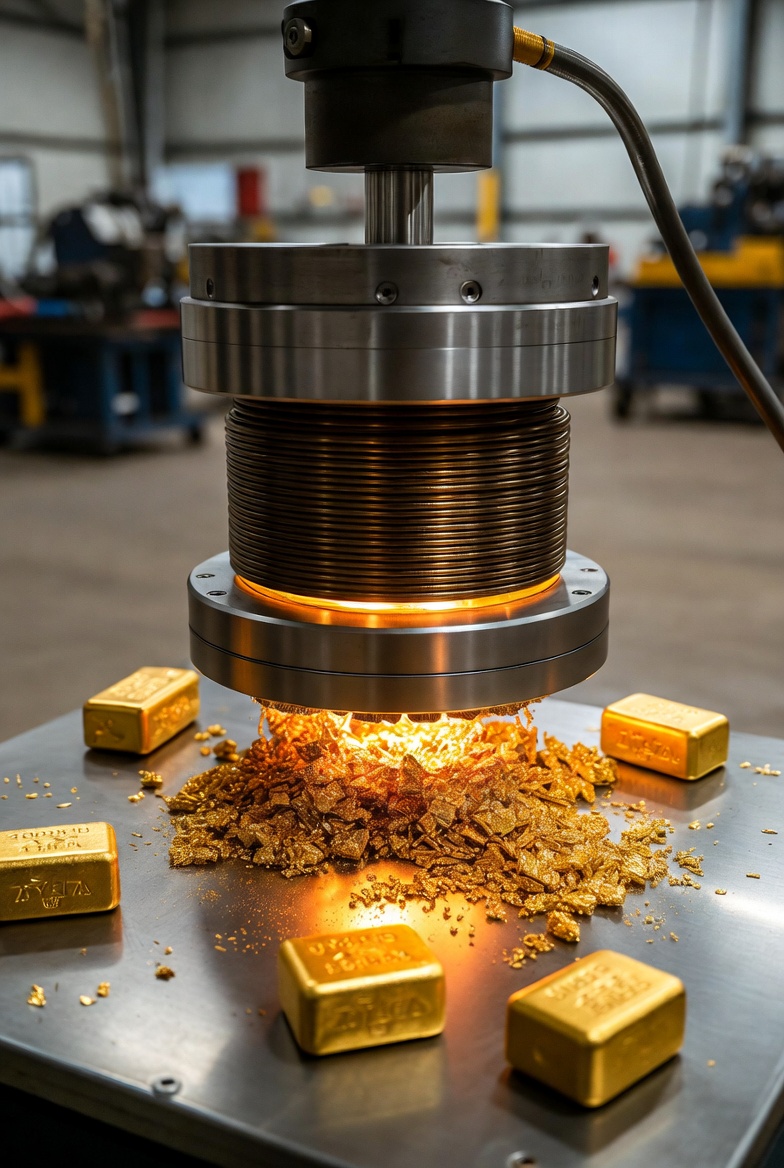
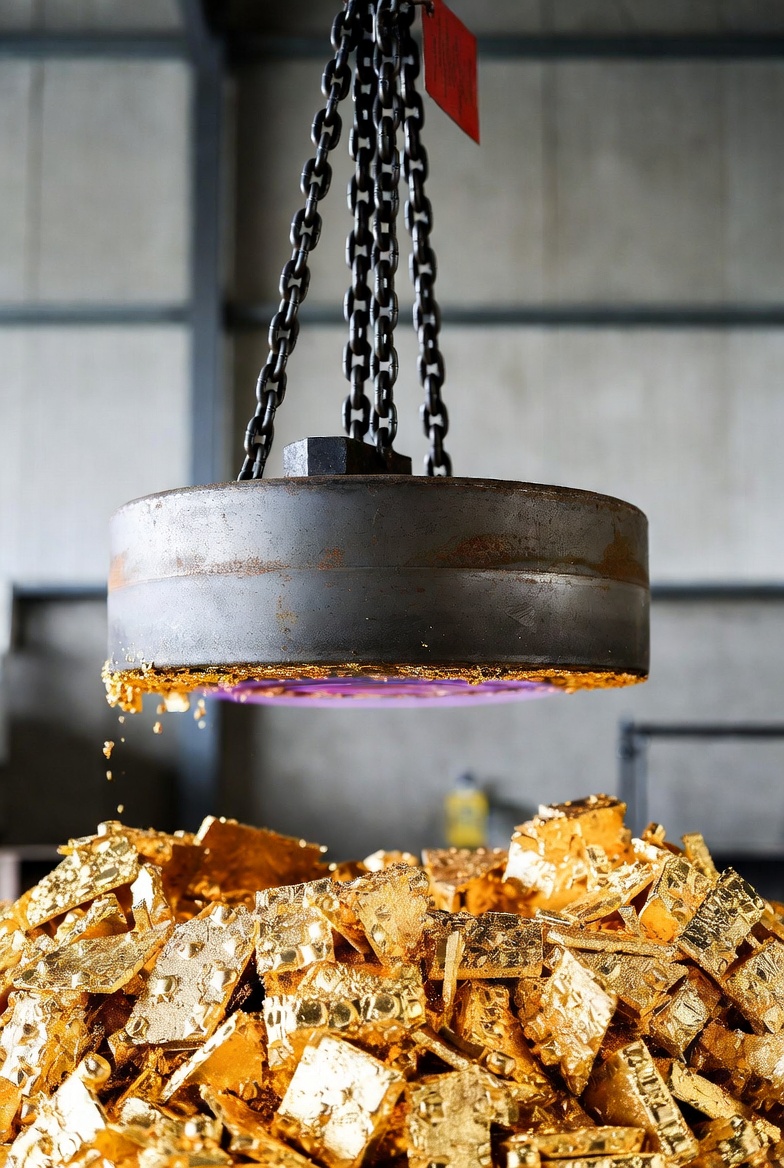
Gold is a non-magnetic metal, so even very strong magnets cannot directly pick up pure gold, whether in the form of nuggets, bars, or jewelry.
However, magnets are still extremely useful around gold, from removing magnetic black sand in placer mining to sorting scrap and supporting accurate purity tests in jewelry, recycling, and refining.
This guide explains the science, clears up common myths, and shows how magnets and magnetic separators can actually improve gold recovery, product quality, and testing efficiency in both small-scale and industrial environments.
What Is the Core Question: Is Gold Magnetic or Not?
Pure gold is classified as diamagnetic, which means it weakly repels magnetic fields instead of being attracted to them.
In practical terms, you will not see any visible attraction between a normal-size piece of gold and a magnet in everyday conditions, even if the magnet is a strong neodymium type.
Most gold alloys used in jewelry also show no noticeable attraction to magnets in simple “fridge magnet” or handheld magnet tests.
If you see a strong pull to a magnet, the item likely contains a significant proportion of magnetic metals or is not gold at all, which is why the magnet test is often used as a quick screening step for fake gold items.
Why Gold Does Not Stick to Magnets: Basic Magnetism Explained
Understanding why magnets cannot pick up gold starts with the fundamentals of how different materials behave in a magnetic field.
Ferromagnetic, Paramagnetic, and Diamagnetic Metals
– Ferromagnetic metals: Strongly attracted to magnets and can themselves become magnets (iron, nickel, cobalt). They have internal magnetic domains that easily align with an external field, creating strong magnetization that remains even when the field is removed.
– Paramagnetic metals: Weakly attracted to magnetic fields (for example, aluminum and some forms of platinum or pyrite). The effect is usually so small that it becomes noticeable only with very strong magnets and carefully controlled conditions.
– Diamagnetic metals: Slightly repel magnetic fields, with no lasting magnetization (gold, silver, copper). The repulsion is extremely weak and not observable in normal handling, but it is measurable with sensitive instruments in laboratory settings.
Gold belongs to the diamagnetic category, so it does not show any visible attraction to magnets in normal conditions and cannot be turned into a permanent magnet.
Electron Structure and Gold’s Magnetic Inertness
At the atomic level, magnetism is controlled by unpaired electrons and how their spins align when a magnetic field is applied.
Ferromagnetic metals have many unpaired electrons whose spins can align and reinforce each other, forming strong magnetic domains that respond strongly to external fields.
In gold, the electron configuration leads to most electrons being paired, which causes their individual magnetic effects to cancel out, leaving only a very weak diamagnetic response.
Advanced research has shown that under very special conditions, such as in gold nanoparticles or at extremely low temperatures with intense fields, gold can exhibit subtle magnetic behavior, but these effects are far too weak to let a magnet pick up normal gold items in any practical scenario.
Magnetic Metals vs Non-Magnetic Metals (Including Gold)
Many everyday and industrial metals show very different responses to magnets, and understanding these differences helps when testing jewelry, sorting scrap, or designing mineral processing circuits.
Magnetic metals typically include:- Iron and low-carbon steels, which are strongly ferromagnetic and easily picked up by magnets.
– Nickel and cobalt, which are also ferromagnetic and commonly used in magnetic alloys and permanent magnets.
– Some alloyed stainless steels, which can be weakly magnetic if they contain enough iron and certain phases such as martensite or ferrite.
Non-magnetic or effectively non-magnetic metals include:- Gold and silver, both diamagnetic and not attracted by magnets in normal tests.
– Copper, brass, and bronze, which are often used as base metals in counterfeit or plated jewelry but do not respond strongly to magnets themselves.
– Aluminum, which is weakly paramagnetic and not attracted in everyday magnet tests, though it can interact with moving magnets through induced currents in special setups (for example, eddy current separators).
Some items, such as gold-plated steel or gold-colored costume jewelry, may show strong attraction to a magnet because of the underlying steel or nickel core, not because of the thin gold-colored surface layer.
Can Strong Neodymium Magnets Pick Up Gold?
Neodymium magnets are among the strongest permanent magnets available, widely used in electronics, motors, magnetic separators, and industrial lifting applications.
They have a very high energy product, which allows small magnets to generate intense magnetic fields that easily attract ferromagnetic metals such as iron and steel, even through protective housings or wear liners.
Despite their impressive strength, neodymium magnets still cannot directly attract or lift pure gold, because gold lacks the ferromagnetic domains necessary to align with the magnetic field in a way that produces a strong, visible force.
Using Neodymium Magnets Around Gold
Even though neodymium magnets cannot pick up gold itself, they are extremely useful in environments where gold is present, because they can remove magnetic impurities and contaminants.
In recreational panning, handheld neodymium magnet tools are used to pull up magnetite and other magnetic minerals from gold concentrates, reducing the amount of heavy black sand that must be manually panned.
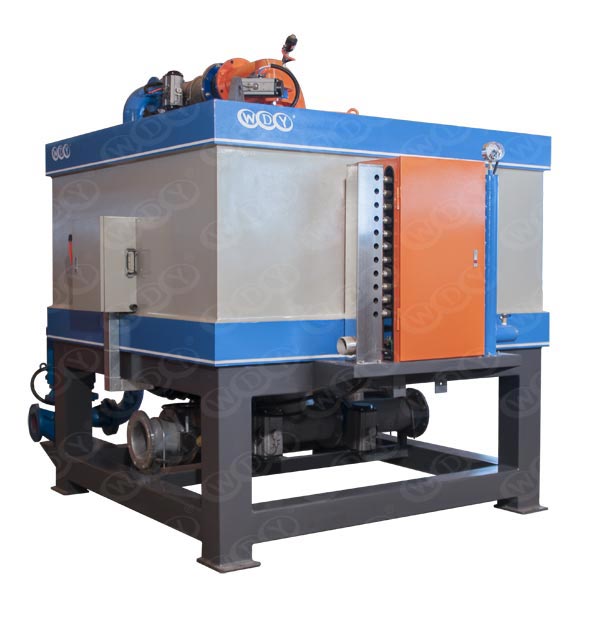
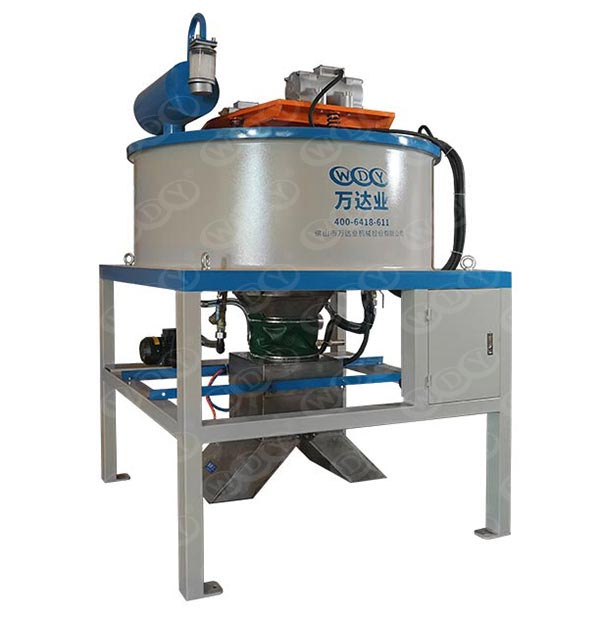
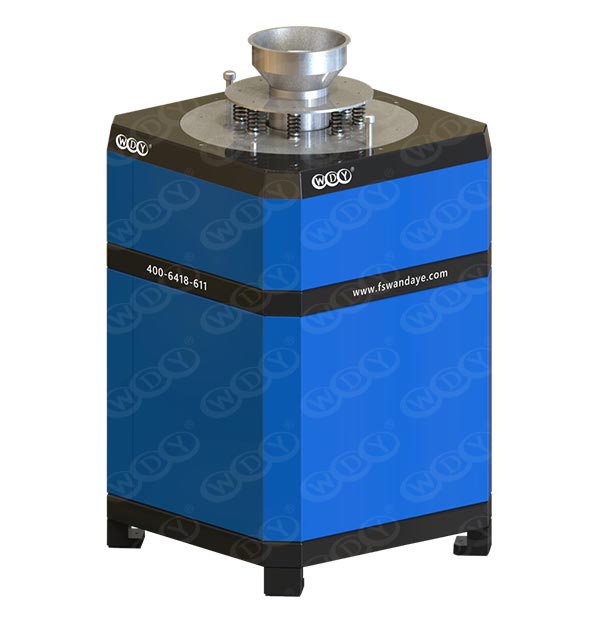
In industrial mineral processing, high-intensity neodymium-based magnetic separators are installed at various points in the circuit to remove tramp iron, steel wear fragments, and strongly magnetic minerals before downstream grinding, gravity concentration, or leaching processes.
By removing these magnetic materials, operators can improve process stability, reduce equipment wear, and make it easier to recover non-magnetic valuable minerals, including gold, more efficiently.
How Magnets Help in Gold Prospecting and Black Sand Separation
For prospectors and small-scale miners, magnets are mainly tools for cleaning up concentrates, not for attracting the gold itself.
Gold-bearing gravel and sand often include magnetite, ilmenite, and other dense minerals that form a heavy, dark “black sand” layer at the bottom of the pan or sluice box.
These black sands are strongly attracted to magnets, while gold is not, so a magnet becomes a convenient tool for rapidly removing much of this unwanted material and leaving behind a cleaner concentrate to work with.
Basic Procedure for Using Magnets to Remove Black Sands
1. Dry or nearly dry the gold concentrates to reduce the risk of gold particles sticking to wet magnetic clumps. 2. Slowly pass a strong magnet, often inside a plastic sleeve or tube, over the concentrate to pull up the magnetic black sand. 3. Move the magnet away from the pan and release the captured black sand into a separate container by withdrawing the magnet from the sleeve or opening the housing. 4. Repeat this process several times, gently agitating the material between passes to free any gold particles that may have been lodged between magnetic grains. 5. After most magnetic material has been removed, pan or process the remaining non-magnetic fraction more carefully to recover the gold.
When done correctly, careful use of magnets can dramatically speed up gold recovery and reduce the volume of material that must be panned, without significantly increasing gold losses.
Does Magnetic Separation Lose Gold?
If magnets are used too aggressively or with very wet, sticky concentrates, there is some risk that fine gold particles can become trapped within magnetic clumps and inadvertently removed.
To minimize this risk, prospectors often ensure the material is as dry and free-flowing as possible, gently fluff the concentrate between magnetic passes, and periodically check the discarded magnetic fraction to confirm that little or no gold is being thrown away.
In industrial operations, properly designed magnetic separation stages, combined with careful process control and sampling, can remove tramp iron and magnetic minerals while keeping gold and other valuable non-magnetic particles in the main process stream.
How Magnets Are (and Are Not) Used to Test Gold Authenticity
The magnet test is a popular quick check for jewelry and coins, but it is only one small part of a complete gold testing procedure.
A magnet test is best seen as a simple screening method that can reveal obvious fakes or highly suspicious items, rather than as a definitive proof of authenticity or purity.
What a Magnet Test Can Tell You
– If a “gold” item is strongly attracted to a magnet, it almost certainly contains ferromagnetic metals such as iron, nickel, or cobalt, indicating that it is either fake, heavily alloyed, or gold-plated over a magnetic base.
– Mild attraction in some white gold alloys can be caused by small amounts of nickel or other alloying elements, but this effect is usually weak and not reliable for estimating purity.
– For scrap sorting, a magnet helps quickly separate clearly magnetic pieces from non-magnetic ones before more precise tests are performed, saving time and reducing the cost of detailed analysis on obviously non-gold items.
Limitations of the Magnet Test
– Gold-plated steel or nickel-based jewelry can show a strong magnetic response even though the surface looks very similar to solid gold, which can mislead inexperienced buyers.
– Non-magnetic metals such as copper or brass can be gold-plated and pass the magnet test even if there is very little or no gold content, so a “no reaction” result does not guarantee authenticity.
– High-karat gold alloys that contain no ferromagnetic metals will not respond to a magnet regardless of whether they are 18K, 22K, or 24K, so the test cannot distinguish between different purities of genuine gold.
Because of these limitations, professional jewelers, refiners, and assay laboratories always combine the magnet test with other methods that measure composition, density, or chemical behavior in more detail.
Reliable Non-Magnetic Methods to Test Gold
Accurate gold testing relies on physical and chemical methods that measure the metal’s composition or density instead of its magnetic behavior.
These methods provide much more reliable information about whether a piece is genuine gold, gold-plated, or made from base metals.
Electronic Gold Testers and XRF Analysis
Modern electronic gold testers use electrical conductivity, resistance, or other measurable properties to estimate the karat of a piece and detect base-metal cores beneath a surface layer.
They are relatively fast, non-destructive, and suitable for jewelry shops and small dealers who need to test items frequently without causing visible damage.
X-ray fluorescence (XRF) analyzers take this further by directly measuring the elemental composition of the metal, identifying the percentages of gold, silver, copper, nickel, and other elements present in the sample.
XRF equipment is more expensive but is widely used by refineries, recycling plants, and industrial users who need precise composition data for high-value transactions or process control.
Density (Specific Gravity) Testing
Gold has a characteristic density of about 19.3 g/cm³, which is much higher than that of most common base metals used in jewelry and coins.
A simple density test involves weighing the item in air, weighing it again while submerged in water, and using the difference in apparent weight to calculate the volume and thus the density.
If the calculated density is close to that of pure gold or of a known gold alloy, the item is more likely to be genuine, whereas large deviations suggest the presence of lighter base metals or internal cavities.
Density testing is inexpensive and relatively easy to perform, but it requires accurate scales and careful technique to avoid measurement errors, especially for small pieces or items with stones and non-metal components.
Traditional Acid Tests and Marking
Acid testing kits rely on the reaction between the metal surface and specific acid strengths to indicate the approximate karat of gold or to show whether a piece is base metal under a thin gold layer.
The tester typically scratches a small sample onto a test stone and applies different acids, observing which marks remain and which dissolve.
This method is somewhat destructive because it creates small scratches, and it requires experience to interpret the results correctly, but it remains a widely used and accepted method in the jewelry trade.
Professional assay laboratories may also use fire assay and other more complex techniques for highly accurate gold content determination, especially in mining and refining operations.
Safety Tips When Using Strong Magnets Around Gold and Other Metals
High-power magnets, especially neodymium types, demand careful handling to avoid injury and unintended damage to equipment or nearby objects.
Their strong attractive forces can create unexpected hazards if proper precautions are not taken.
Key safety guidelines include:- Keep fingers and hands clear of pinch points, because large neodymium magnets can snap together with enough force to cause bruises, cuts, or even fractures.
– Avoid placing magnets near electronic devices, magnetic storage media, or medical implants such as pacemakers, because strong magnetic fields can interfere with or permanently damage these devices.
– Use non-magnetic handles, housings, or sleeves when manipulating magnets in gold concentrates, industrial equipment, or tight spaces, to keep your hands at a safe distance from the magnetic field.
– Store magnets separately with spacers or keepers to prevent them from slamming together unexpectedly, and clearly label storage areas to warn staff about the presence of strong magnetic fields.
In industrial environments, magnetic separators should be installed with appropriate guarding, interlocks, and lockout procedures, and maintenance staff should be trained in safe cleaning and inspection methods.
Industrial Perspective: Magnetic Separation in Gold and Mineral Processing
While magnets cannot extract gold directly, magnetic separation is a key upstream step in many gold and mineral processing flowsheets.
Removing magnetic materials at the right points protects equipment, improves product quality, and makes downstream gold recovery more efficient.
Typical roles of magnetic separation in gold-related processing include:- Removing tramp iron and steel fragments from crushed ore to protect crushers, mills, and conveyor belts from damage and excessive wear.
– Separating strongly magnetic minerals such as magnetite or ferrosilicates from non-magnetic fractions before gravity concentration, flotation, or cyanidation circuits that target gold and other valuable minerals.
– Cleaning feed streams in grinding and classification stages to stabilize operating conditions and reduce contamination of final concentrates or refined products.
By integrating appropriate magnetic separators—such as overband magnets, drum magnets, high-intensity rare-earth roll separators, or wet drum separators—plants can reduce downtime and maintenance while improving overall metal recovery.
Practical Takeaways: When Does It Make Sense to Use Magnets Around Gold?
For prospectors, jewelers, refiners, and processing engineers, the most important points can be summarized as follows:
– A magnet cannot directly pick up pure gold, regardless of how strong the magnet is, because gold is non-magnetic in practical conditions.
– Use magnets mainly to remove magnetic contaminants—such as black sand, tramp iron, and steel fragments—around gold, not to attract the gold itself.
– Combine simple magnet tests with density measurements, electronic gold testers, acid tests, or XRF analysis for reliable gold authentication and purity checks.
– In industrial mineral processing, well-designed magnetic separation systems installed at critical stages protect equipment, improve process stability, and support efficient downstream gold recovery.
Understanding these principles helps avoid common myths, prevents incorrect testing, and ensures that magnets are used where they add real value in both small-scale and industrial gold-related operations.
Summary
Gold is a non-magnetic, diamagnetic metal, so magnets cannot directly pick up pure gold or make it behave like a ferromagnetic material.
However, magnets and magnetic separation equipment play critical supporting roles around gold, from cleaning black sand concentrates in prospecting to removing tramp iron and magnetic minerals in industrial processing lines.
The magnet test is a useful first step for identifying obvious fakes or magnetic components in jewelry and coins, but it must be combined with density, electronic, acid, or XRF testing for reliable results.
Used correctly and safely, magnets help improve gold recovery efficiency, protect equipment, and streamline testing and sorting workflows across the entire value chain.
Contact us to get more information!

FAQ
1. Can a magnet ever pick up real gold?
No. Pure gold is diamagnetic and shows no noticeable attraction to magnets in normal conditions, even when exposed to strong neodymium magnets. Any strong magnetic response indicates the presence of other metals, not the gold itself.
2. Why does some “gold jewelry” stick to a magnet?
If a piece of “gold jewelry” sticks firmly to a magnet, it usually contains a significant amount of ferromagnetic metal such as iron or nickel, or it may be gold-plated steel or another base metal. The magnet is reacting to the underlying magnetic material, not to the gold-colored surface layer.
3. Can magnets help me find gold when prospecting?
Magnets cannot attract gold directly, but they are very helpful for removing magnetic black sand and iron scrap from concentrates. By pulling out magnetite and similar minerals, magnets reduce the amount of heavy material you need to pan and make it easier to see and collect fine gold particles left behind.
4. Is the magnet test enough to verify if my gold is real?
The magnet test is not enough on its own. It is useful for quickly detecting obvious fakes or items with magnetic cores, but a lack of magnetic response does not prove that an item is genuine gold. For reliable verification, you should also use density measurements, electronic gold testers, acid tests, or XRF analysis.
5. Are there any cases where gold shows magnetic behavior?
In specialized laboratory experiments, gold nanoparticles and certain extreme conditions can produce subtle magnetic effects, but these are extremely weak and have no practical impact on normal gold items. In everyday situations, bars, coins, and jewelry made of gold are effectively non-magnetic and will not stick to magnets.
Citations:
1. https://www.greatmagtech.com/info/can-a-magnet-pick-up-gold-103171886.html
2. https://magnetstore.co.uk/magnetic-materials/is-gold-magnetic/
3. https://metalsmint.com/is-gold-magnetic/
4. https://www.quicktest.co.uk/blogs/testing-precious-metals/testing-precious-metals-with-magnets
5. https://www.apexmagnets.com/news-how-tos/using-magnets-to-determine-if-gold-silver-is-real/
6. https://www.911metallurgist.com/blog/black-sands-magnetic-separator/
7. https://kleshgold.com/products/p/magnetic-black-sand-removal-tool
8. http://www.spring8.or.jp/en/news_publications/press_release/2012/120123_2/
Hot Tags: Can Gold Be Attracted To A Magnet, Will A Magnet Pick Up Gold, Does Gold Stick To A Magnet, Can Magnets Pick Up Gold, Gold Magnetic Properties Test, Gold Versus Magnetite Separation, How To Separate Gold From Black Sand, Magnet Gold Prospecting Method, Does Silver React To Magnets, Non Magnetic Metals Identification