


Content Menu
● What Is an Overband Magnet, Really Doing?
● Permanent vs Electro Overband Magnets: Core Differences
>> How Each Type Generates Magnetic Field
>> Practical Pros and Cons for Plant Engineers
● When a Permanent Overband Magnet Is the Better Choice
● When an Electro Overband Magnet Is the Only Sensible Option
● Step‑by‑Step Selection Framework I Use with Clients
>> 1. Define Your Process Objective
>> 2. Characterize the Material on the Belt
>> 3. Evaluate Site Constraints
>> 4. Consider Lifetime Cost, Not Just Purchase Price
>> 5. Integrate with the Whole Separation Line
● Common Mistakes That Destroy Overband Magnet Performance
● New Industry Trends: Smarter, Stronger, and More Sustainable Magnets
>> Stronger Permanent Magnets and High‑Gradient Designs
>> Digitalization, AI, and Predictive Maintenance
>> Sustainability and Energy Efficiency
● Practical Installation Tips for Better Performance
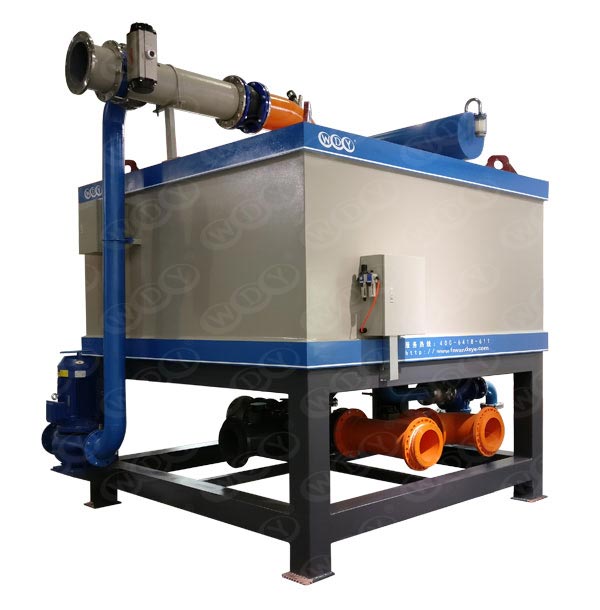
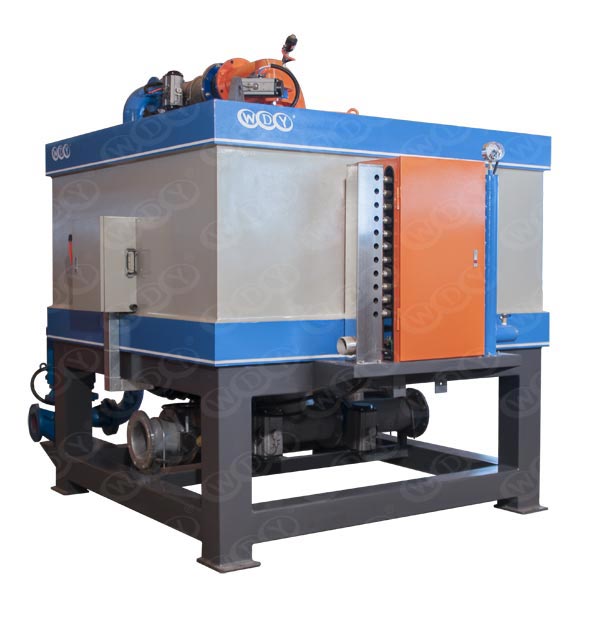
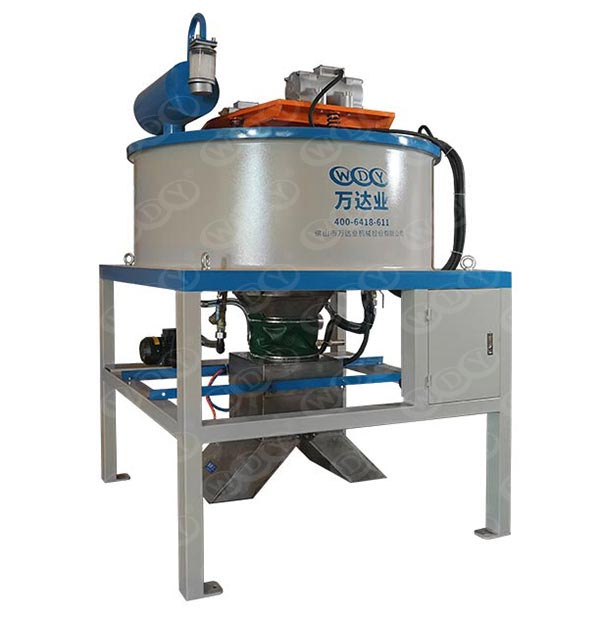
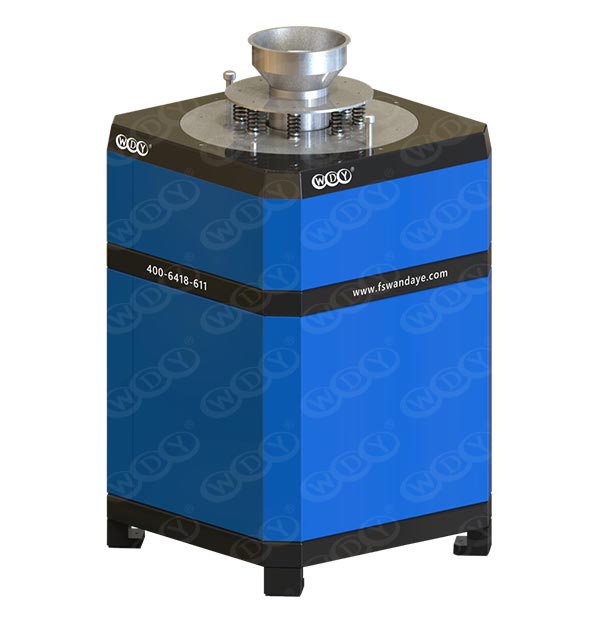
● Where Foshan Wandaye Fits In Your Magnetic Separation Strategy
● Call to Action: Get a Tailored Magnet Selection
● FAQs
>> 1. How do I decide between a permanent and an electro overband magnet?
>> 2. Can a permanent overband magnet protect high‑value equipment?
>> 3. How often should I maintain or inspect my overband magnet?
>> 4. Where should I install the overband magnet on my conveyor?
>> 5. How is Foshan Wandaye different from general magnet suppliers?
Choosing between a permanent overband magnet and an electro overband magnet is no longer a simple “price vs. power” question. As someone who has spent years working with magnetic separators in minerals, ceramics, glass, plastics, and battery materials production lines, I’ve seen both options succeed—and fail—depending on how well they match the real conditions on site. [buntingmagnetics]
In this in‑depth guide, I’ll walk you through how I evaluate permanent vs electro overband magnets in actual projects, and how a dedicated manufacturer like Foshan Wandaye Technology Co., Ltd. integrates that choice into complete powder magnetic separation solutions across multiple industries. [fswandaye]
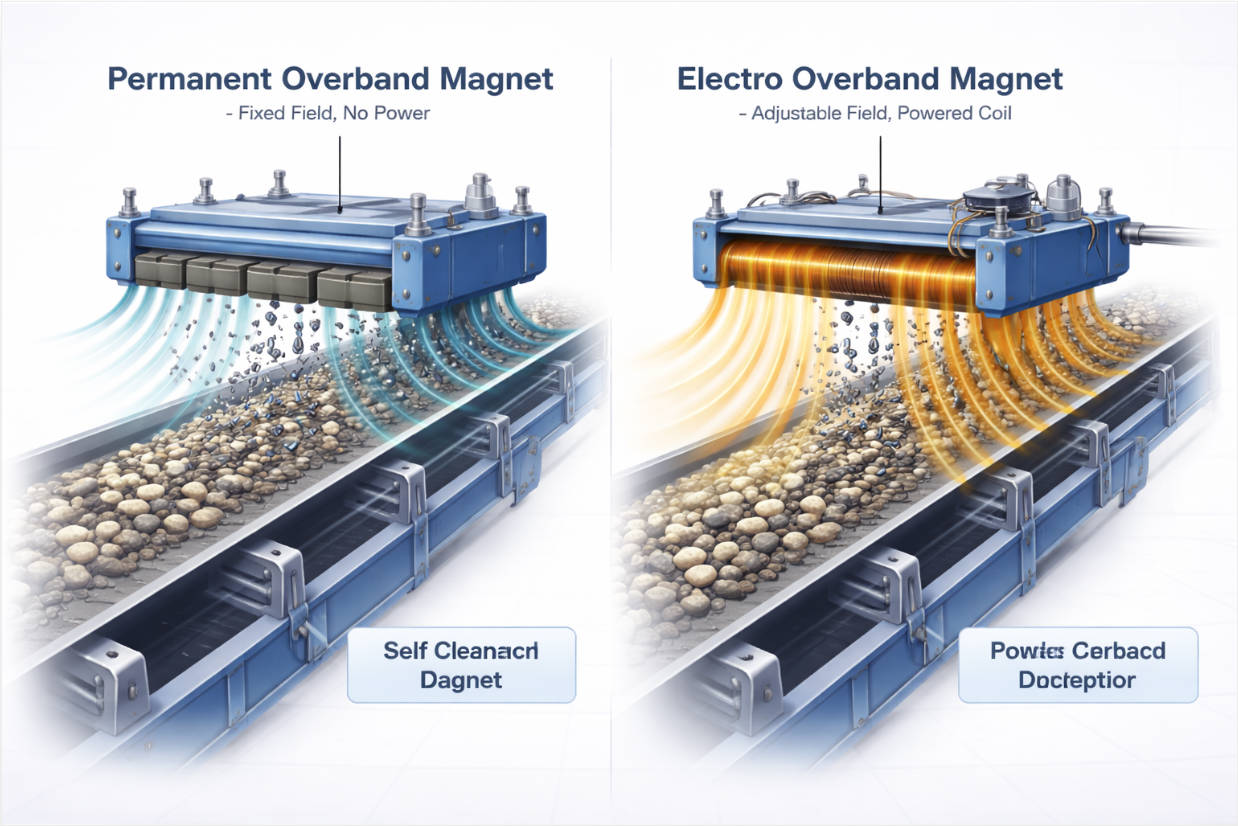
What Is an Overband Magnet, Really Doing?
In simple terms, an overband magnet is a safety and quality gate placed above your conveyor or chute to remove ferrous contaminants before they damage equipment or contaminate product. [gtekmagnet]
– It sits across or along the conveyor, creating a magnetic field through the burden.
– Ferrous pieces (nuts, bolts, tools, wire, caps, tramp steel) are attracted, lifted out, and discharged via a self‑cleaning belt or manual cleaning.
– In powder and granular lines (quartz, feldspar, kaolin, glass, battery cathode/anode materials, ceramic raw materials), overband magnets are often paired with high‑gradient powder magnetic separators to achieve both coarse tramp removal and fine iron reduction. [futuremarketinsights]
From a user’s perspective, you’re not buying a magnet—you’re buying reliability, product purity, and uptime.
Permanent vs Electro Overband Magnets: Core Differences
The first decision point is understanding how the two technologies work and where each one shines. [gme-magnet]
How Each Type Generates Magnetic Field
– Permanent overband magnet
– Uses high‑energy permanent magnet materials (such as ferrite or rare‑earth) to create a continuous, fixed magnetic field. [hub-4]
– No excitation coil, no transformer, no rectifier.
– Magnetic field is always “on”; strength is set by design, not by current.
– Electro overband magnet
– Uses a wound copper or aluminium coil supplied with DC current, generating a strong electromagnetic field. [buntingmagnetics]
– Field strength is adjustable via current and duty cycle.
– When current stops, the magnetic field collapses, simplifying maintenance and cleaning.
Practical Pros and Cons for Plant Engineers
| Factor | Permanent Overband Magnet | Electro Overband Magnet |
|---|---|---|
| Power consumption | No coil power, only small motor for self‑cleaning belt if fitted. hub-4 | Continuous power required for coil, higher operating cost. buntingmagnetics |
| Magnetic field depth | Fixed, shallower penetration; best for thin burden layers. gme-magnet | Deep, adjustable field; better for thick, heavy, or fast material layers. buntingmagnetics |
| Weight & space | Generally lighter, favoured on mobile equipment and constrained structures. hub-4 | Heavier due to coil and steel housing; demands stronger support. buntingmagnetics |
| Maintenance | Very low; no coil to heat or fail, fewer components. gme-magnet | Requires monitoring of coil temperature, insulation, and power system. buntingmagnetics |
| Control & flexibility | Fixed strength, “fit‑and‑forget”. | Tunable strength, options for demagnetisation and interlocks. buntingmagnetics |
| Typical contamination level | Moderate, regular tramp; typical in ceramics, glass, plastics, food pre‑cleaning. gme-magnet | Heavy tramp or critical safety applications (e.g., recycling, mining, aggregates). buntingmagnetics |
| Lifetime cost | Lower energy cost; attractive for 24/7 continuous lines. hub-4 | Higher energy and maintenance, but may be justified by higher capture and flexibility. buntingmagnetics |
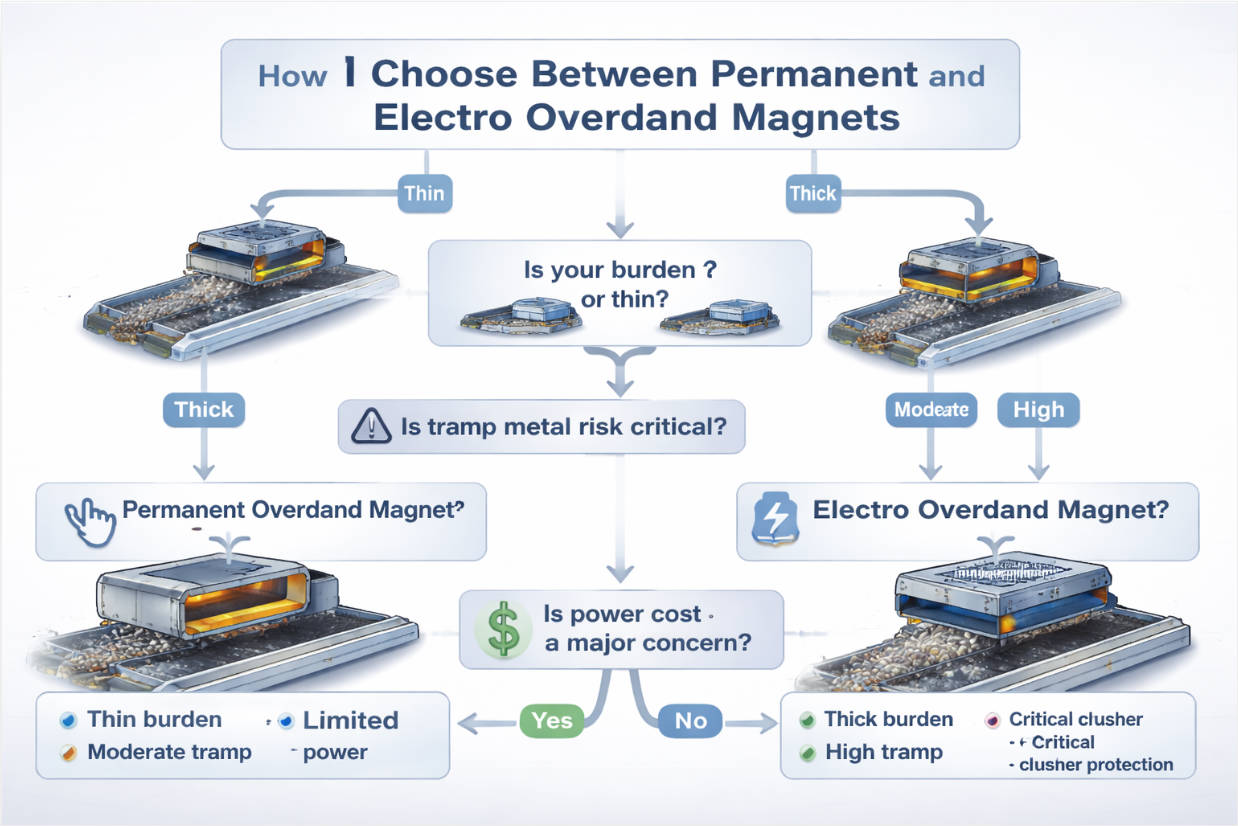
When I audit a production line, I start from the burden thickness, tramp risk, and power cost profile; that usually predicts which side of this table we’ll end up on.
When a Permanent Overband Magnet Is the Better Choice
In many of the powder and non‑metallic mineral projects we support, a permanent overband magnet is the most economical and robust solution. [gme-magnet]
You should lean toward permanent overband magnets when:
1. Burden layer is thin to medium
– Example: belt thickness under roughly 150–200 mm with relatively uniform loading. [gtekmagnet]
– Ferrous pieces are exposed or near the surface, not buried deep.
2. Power availability or cost is a concern
– Remote sites, high electricity cost, limited transformer capacity.
– Mobile crushing and screening plants where generator load is critical. [hub-4]
3. You want low‑touch reliability
– Continuous, 24/7 duty in ceramics, glass frit, plastics, and battery material lines where shutdowns are expensive. [futuremarketinsights]
– Operators prefer simple, passive equipment that just runs with minimal intervention.
4. Weight limitations on structure
– Retrofitting on existing conveyors or elevated galleries where additional weight is restricted. [assets.magnetics]
In such scenarios, a permanent overband magnet combined with high‑gradient powder magnetic separators, magnetic drums, or magnetic grids downstream often achieves excellent iron removal without the complexity of an electromagnet. [wenkh.com]
When an Electro Overband Magnet Is the Only Sensible Option
On the other hand, there are applications where I would not recommend a permanent unit, even if it’s cheaper upfront. [buntingmagnetics]
Choose an electro overband magnet when:
1. Material layer is thick or deeply loaded
– High‑capacity mining, aggregates, coal, or waste streams with deep burden and buried tramp. [gme-magnet]
– Electro magnets offer deeper magnetic penetration, catching metal that permanent units would miss at the bottom of the layer. [gtekmagnet]
2. Tramp metal risk is critical for safety or equipment
– Protecting high‑value crushers, mills, grinding lines, or calcining kilns.
– Plants handling explosives, blasting caps, or hazardous ferrous debris where one missed piece is unacceptable. [okonrecycling]
3. You need adjustable or switchable field
– Lines with variable product types or changing burden profiles.
– Situations where you want to de‑energize for cleaning, maintenance, or to reduce attraction during certain runs. [buntingmagnetics]
4. You target very heavy or large ferro pieces
– Steel tools, large rebars, big bolts or plates in recycling and demolition waste streams. [linkedin]
In these cases, the higher energy and maintenance of an electromagnet are usually offset by avoided downtime, fewer equipment failures, and improved safety. [okonrecycling]
Step‑by‑Step Selection Framework I Use with Clients
To move from theory to practice, here is the simple decision workflow I use during plant audits, whether I’m specifying equipment from Foshan Wandaye or reviewing an existing installation. [sollau]
1. Define Your Process Objective
– Primary goal:
– Equipment protection
– Product quality compliance (ppm iron content, black spot reduction, etc.)
– Regulatory or food‑safety compliance
– Product type:
– Mines & minerals, ceramic powders, glass batch, plastics pellets, rubber granules
– Lithium battery cathode/anode materials and other positive/negative electrode materials
– Food and pharmaceutical powders
A line producing high‑purity quartz for glass or electronics will have a very different risk tolerance than a basic aggregate conveyor. [wenkh.com]
2. Characterize the Material on the Belt
– Burden depth and width
– Particle size distribution (powder vs coarse granules vs lumps)
– Bulk density and moisture, which affect material “packing”
– Estimated size, shape, and frequency of contaminants
This helps answer the key question: can a permanent magnet reach the deepest ferrous pieces, or do we need the stronger penetration of an electromagnet? [gme-magnet]
3. Evaluate Site Constraints
– Available electrical power and control infrastructure. [hub-4]
– Structural capacity for weight and vibration. [assets.magnetics]
– Ambient temperature and dust level around the magnet and power supply.
At many ceramic, glass, and battery material plants we support, existing conveyors and platforms favour a lighter, compact permanent solution, especially when adding multiple magnets in series. [fswandaye]
4. Consider Lifetime Cost, Not Just Purchase Price
– Energy consumption over 5–10 years (coil power vs permanent).
– Maintenance cost: coil, insulation, oil or air cooling systems for electromagnets vs essentially none for permanent. [buntingmagnetics]
– Downtime cost due to missed tramp events or failures.
Industry analysis suggests that digitalized, well‑optimized magnetic separation systems can reduce operational costs by 15–20% while pushing separation efficiency above 98% when correctly selected and tuned. That cannot be achieved if the wrong magnet type is chosen at the start. [bakkermagnetics]
5. Integrate with the Whole Separation Line
Finally, I rarely treat the overband magnet as a standalone asset.
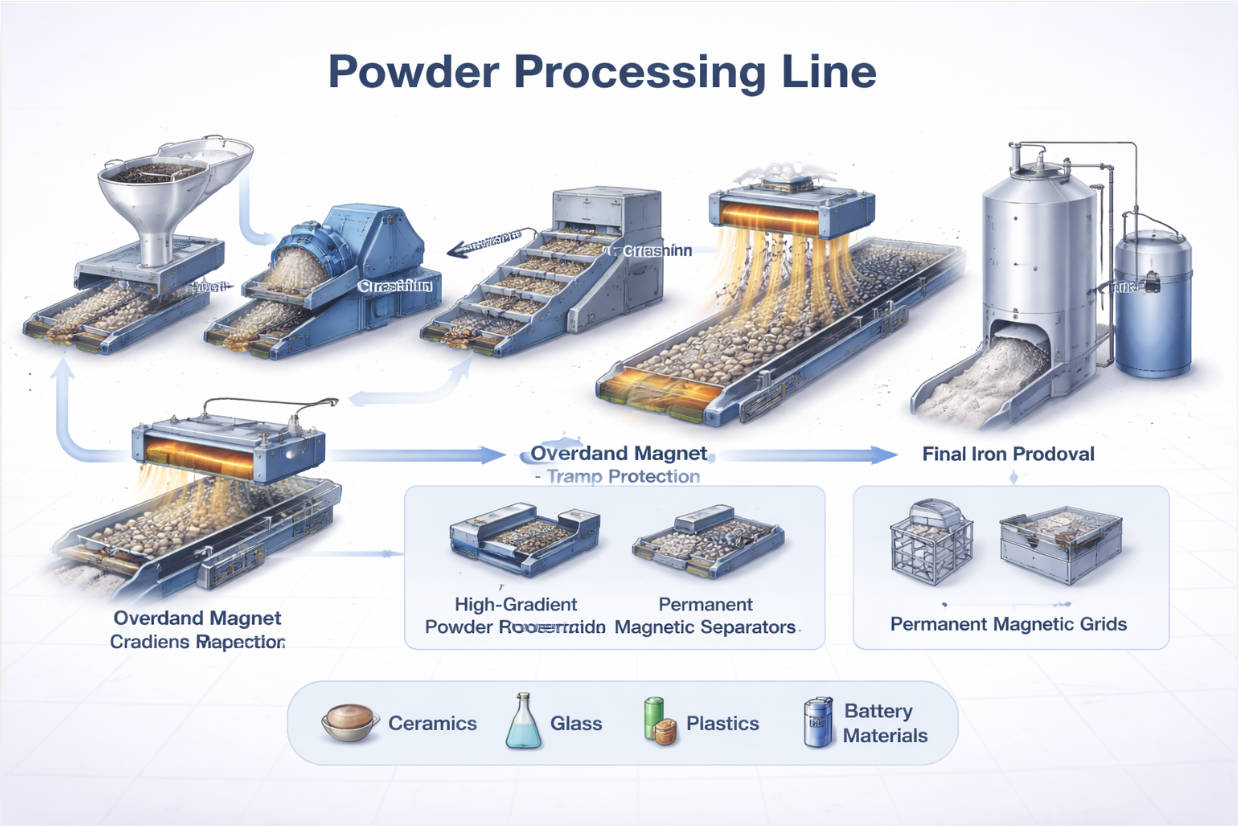
We combine it with:
– High‑gradient electromagnetic separators for removal of weakly magnetic particles in non‑metallic minerals.
– Powder magnetic separators and permanent magnetic separators placed upstream and downstream.
– Magnetic grids, rods, and drums in critical hygienic or polishing stages. [wenkh.com]
This system‑level design is where a dedicated manufacturer like Foshan Wandaye adds real value, because we design, install, and commission the entire line—not just sell a single magnet. [fswandaye]
Common Mistakes That Destroy Overband Magnet Performance
Even the best magnet will underperform if it is installed or used incorrectly. These are mistakes I see over and over again on site: [sollau]
1. Placing the magnet too late in the process
– Many plants put the separator at the end of the line, after critical equipment, which means ferrous pieces can already damage crushers, mills, or roller presses. [sollau]
– Better practice: place the magnet before critical equipment, and use secondary polishing magnets before packaging for sensitive products. [sollau]
2. Ignoring burden depth during selection
– Choosing a permanent overband magnet for a very thick, fast moving burden simply because it is cheaper.
– Result: metal buried deep in the layer stays in the product, leading to equipment damage or customer complaints. [gtekmagnet]
3. Incorrect installation geometry
– Wrong height above the belt, incorrect angle (in‑line vs cross‑belt), or belt speed mismatched to magnet performance. [assets.magnetics]
– A magnet mounted too high loses capture force; mounted too low, it can contact the burden or belt.
4. Lack of preventive inspection and cleaning
– Self‑cleaning belts not tensioned, wear parts not replaced, large ferrous pieces blocking collection areas.
– For electromagnets, cooling systems or power cables are neglected until there is a failure. [gme-magnet]
5. No integration with process monitoring
– Magnets operating “blind”, with no metal count, alarm, or efficiency tracking.
– With modern automation and AI‑enabled systems, plants increasingly track capture rates and adjust operating parameters in real time to optimize performance. [linkedin]
Avoiding these mistakes often increases effective separation more than upgrading from a permanent to an electro unit.
New Industry Trends: Smarter, Stronger, and More Sustainable Magnets
The magnetic separation landscape has changed rapidly in the last few years, and these trends should influence your selection. [bakkermagnetics]
Stronger Permanent Magnets and High‑Gradient Designs
– Advances in magnet materials and high‑gradient engineering have significantly increased the performance of permanent and electromagnetic separators, especially for fine powders. [futuremarketinsights]
– For industries like lithium battery materials, ceramics, and high‑purity glass, specialized high‑gradient separators now recover finer and weaker magnetic contaminants at higher throughput. [futuremarketinsights]
Digitalization, AI, and Predictive Maintenance
– Manufacturers are integrating sensors, PLCs, and AI algorithms into magnetic separation systems to adjust parameters based on real‑time material conditions. [linkedin]
– Benefits include:
– Automatic field adjustment (in electro systems) for different products.
– Predictive maintenance on bearings, belts, and coils.
– Better documentation and compliance for food and pharma customers.
Sustainability and Energy Efficiency
– Global market studies highlight the growing importance of energy‑efficient, low‑maintenance magnetic separators, pushing many plants toward permanent technologies where feasible. [wenkh.com]
– At the same time, eco‑friendly materials and recycling‑oriented designs are becoming more common in magnetic equipment manufacturing. [bakkermagnetics]
For Foshan Wandaye, this means combining energy‑saving permanent magnets in suitable lines with optimized, high‑efficiency electromagnetic systems where deeper penetration is truly needed. [fswandaye]
Practical Installation Tips for Better Performance
Correct installation can make the difference between average and excellent separation. [wdymagnetic]
1. Plan the mounting structure carefully
– Verify beam strength and vibration limits for the added weight, particularly for electro magnets. [assets.magnetics]
– Ensure enough space for safe inspection, belt tensioning, and coil access.
2. Set the right geometry
– For many conveyor applications, an in‑line installation over the head pulley delivers the best separation when belt speed is high. [assets.magnetics]
– Cross‑belt arrangements can be effective on slower belts with moderate burden depth; follow the manufacturer’s recommended heights and offsets. [gtekmagnet]
3. Align with upstream and downstream magnets
– In stacks or multiple‑separator systems, align each unit to ensure consistent magnetic coverage and avoid “dead zones” in the material flow. [wdymagnetic]
4. Commission with live product
– Use actual contaminated material to verify capture efficiency and adjust height, angle, and in‑feed conditions.
– Document baseline performance to support future optimization and predictive maintenance programmes. [wdymagnetic]
For clients who purchase complete systems from Foshan Wandaye, we normally provide on‑site installation guidance and commissioning support, ensuring that each magnet is positioned and tuned for real‑world conditions rather than just theoretical drawings. [wdymagnetic]
Where Foshan Wandaye Fits In Your Magnetic Separation Strategy
Foshan Wandaye Technology Co., Ltd. is not just a component supplier; we act as a full‑line magnetic separation partner. [fswandaye]
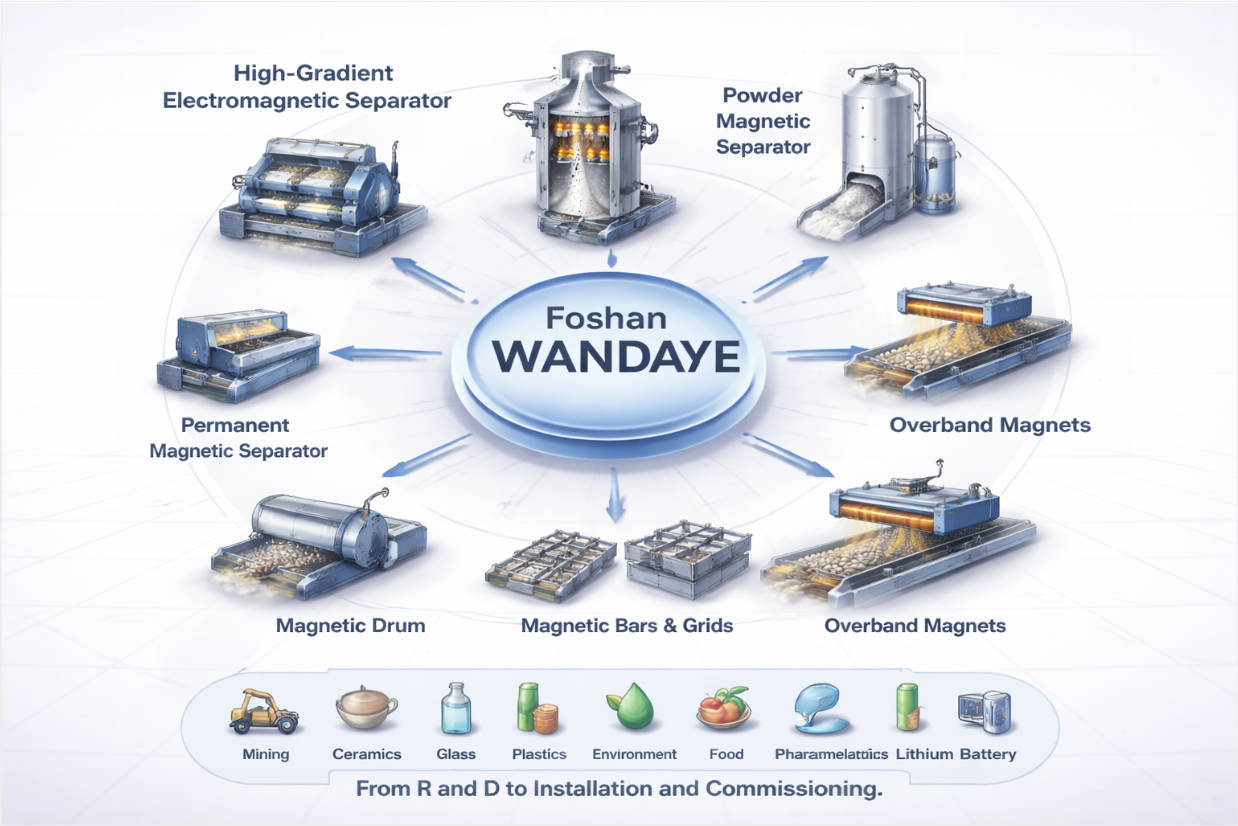
Our capabilities include:
– R&D, engineering design, production line installation, and commissioning for magnetic separation equipment.
– A complete portfolio of high‑gradient electromagnetic separators, powder magnetic separators, permanent magnetic separators, vertical ring electromagnets, magnetic plates, iron removal boxes, and magnetic bars. [fswandaye]
– Application coverage across:
– Mines and non‑metallic minerals (quartz, feldspar, kaolin, etc.)
– Ceramics, glass, building materials
– Plastics, rubber, environmental protection, and power generation
– Food, pharmaceuticals
– Positive and negative electrode materials for lithium batteries and other advanced materials. [wenkh.com]
In practice, that means we can help you:
– Audit existing lines for magnetic risks and missed tramp.
– Select the appropriate permanent or electro overband magnet, plus complementary separators.
– Design integrated, energy‑efficient systems aligned with the latest market and technology trends. [linkedin]
Call to Action: Get a Tailored Magnet Selection
If you are still unsure whether a permanent overband magnet or an electro overband magnet is right for your conveyor, the safest next step is to get a data‑driven assessment based on your actual material, burden depth, and process goals. [buntingmagnetics]
Share your:
– Material type and particle size range
– Belt width, burden depth, and speed
– Current or expected tramp metal size and frequency
– Target product purity and critical equipment list
With this information, Foshan Wandaye’s engineering team can propose a complete magnetic separation solution—including overband magnet type, size, position, and complementary equipment—optimized for your specific line.
FAQs
1. How do I decide between a permanent and an electro overband magnet?
Start with burden depth and tramp risk: permanent magnets are ideal for thin to medium burden and moderate contamination where energy savings and low maintenance matter, while electro magnets are preferred for thick burden, heavy tramp, and critical equipment protection. A plant audit or sample‑based assessment can refine this choice further. [hub-4]
2. Can a permanent overband magnet protect high‑value equipment?
Yes, for many ceramic, glass, plastics, and powder lines with moderate contamination, a properly sized permanent overband magnet combined with high‑gradient downstream separators provides robust protection. For lines with extreme tramp risk or deep burden, an electro magnet is usually safer. [okonrecycling]
3. How often should I maintain or inspect my overband magnet?
Permanent overband magnets require minimal maintenance but should still be inspected for belt wear, structure integrity, and build‑up during routine shutdowns. Electro magnets need additional checks of coil temperature, insulation, power connections, and cooling systems according to the manufacturer’s schedule. [hub-4]
4. Where should I install the overband magnet on my conveyor?
Avoid placing the first separator at the very end of the line; instead, position it before critical crushers, mills, or kilns, and consider final polishing just before packaging for sensitive products. Many installations perform best with an in‑line magnet over the head pulley, especially at higher belt speeds. [sollau]
5. How is Foshan Wandaye different from general magnet suppliers?
Foshan Wandaye integrates research, engineering design, installation, and commissioning, offering a complete portfolio of high‑gradient, powder, permanent, and auxiliary magnetic equipment tailored to industries such as non‑metallic minerals, ceramics, glass, environmental protection, plastics, food, and battery materials. This system‑level approach ensures that your overband magnet choice fits into an optimized, future‑ready separation line aligned with current market and technology trends. [bakkermagnetics]
References
1. Bunting Magnetics. “Permanent or Electro Overband Magnet Selection.” (Accessed 2026). [buntingmagnetics]
2. GTEK Magnet. “How to Choose a Proper Overband Magnetic Separator.” (Accessed 2026). [gtekmagnet]
3. Great Magtech. “Permanent vs Electro Overband Magnet Separation.” (2026). [gme-magnet]
4. HUB‑4. “Permanent or Electro Overband Magnet Selection.” (2021). [hub-4]
5. Okon Recycling. “Recycling Overband Magnets for Conveyors: A Technical Guide.” (2025). [okonrecycling]
6. Future Market Insights. “Magnetic Separator Market – Global Industry Analysis Report.” (2026). [futuremarketinsights]
7. Wenkai Consulting. “全球与中国高强磁磁选机市场规模、竞争格局及产业链研究报告2025.” (2025). [wenkh.com]
8. Sollau. “The Most Common Mistakes in Magnetic Separation and How to Avoid Them.” (2025). [sollau]
9. Industrial Magnetics Inc. “Installation Manual – Suspension Magnets.” (Accessed 2026). [assets.magnetics]
10. Installation guide for magnetic sheet separators. (Accessed 2026). [wdymagnetic]
11. Bakker Magnetics. “How Magnetic Technology Will Continue to Evolve in 2026.” (2026). [bakkermagnetics]
12. Foshan Wandaye Technology Co., Ltd. Official Website. Company and product overview. (Accessed 2026). [fswandaye]
13. Market commentary on magnetic separation devices and automation trends. (2026). [linkedin]
Hot Tags: Overband Magnetic Separator, How Does Electromagnet Differ From Permanent Magnet, Overband Magnetic Separator, Overband Magnet, Overband Magnetic Separator, Overband Magnets, Manufacturers, Customized, Custom, Suppliers, Buy, Cheap, Quality, Advanced, Durable, in Stock, Made in China, Price, Quotation