


Content Menu
● Why Source Magnetic Roller Separators from India
● How We Evaluate High-Quality Magnetic Roller Separator Suppliers
● Why India Is Competitive in Magnetic Roller Separators
● Transparent Selection Criteria for This “Top Manufacturers” List
● Top Magnetic Roller Separator Manufacturers and Suppliers in India
>> 1. Permanent Magnets Ltd. (PML), India
>> 2. Kumar Magnet Industries, Ahmedabad
>> 5. Other Indian Magnetic Separator Manufacturers to Watch
● Strategic “Value Alternative”: Foshan Wandaye Technology (China)
● Key Technical and Compliance Considerations for Magnetic Roller Separators
>> Market and application trends (2025–2026)
● Comparison Table: Representative Suppliers
● Industry “Pain Points” and How to Avoid Them
>> Common risks in sourcing magnetic roller separators
>> “Insider” avoidance guideline rarely discussed online
● Practical Buyer’s Guide for Global Procurement Managers
>> 1. Shortlisting and background checks
>> 2. Verifying certifications and compliance
>> 3. Sampling and technical validation
>> 4. Contracting and quality clauses
>> 5. Logistics and installation
● Conclusion and Call to Action
● FAQ: Advanced Questions Real Buyers Ask
>> 1. How can I verify if a supplier’s ISO 9001 certificate is genuine and up‑to‑date?
>> 2. What is the best way to confirm the actual magnetic field strength of a roller separator?
>> 3. How do I evaluate whether an Indian supplier can handle my project’s required capacity?
>> 4. What should I do if the separator performance in my plant does not match lab test results?
>> 5. When should I consider dual‑sourcing between India and China?
Why Source Magnetic Roller Separators from India
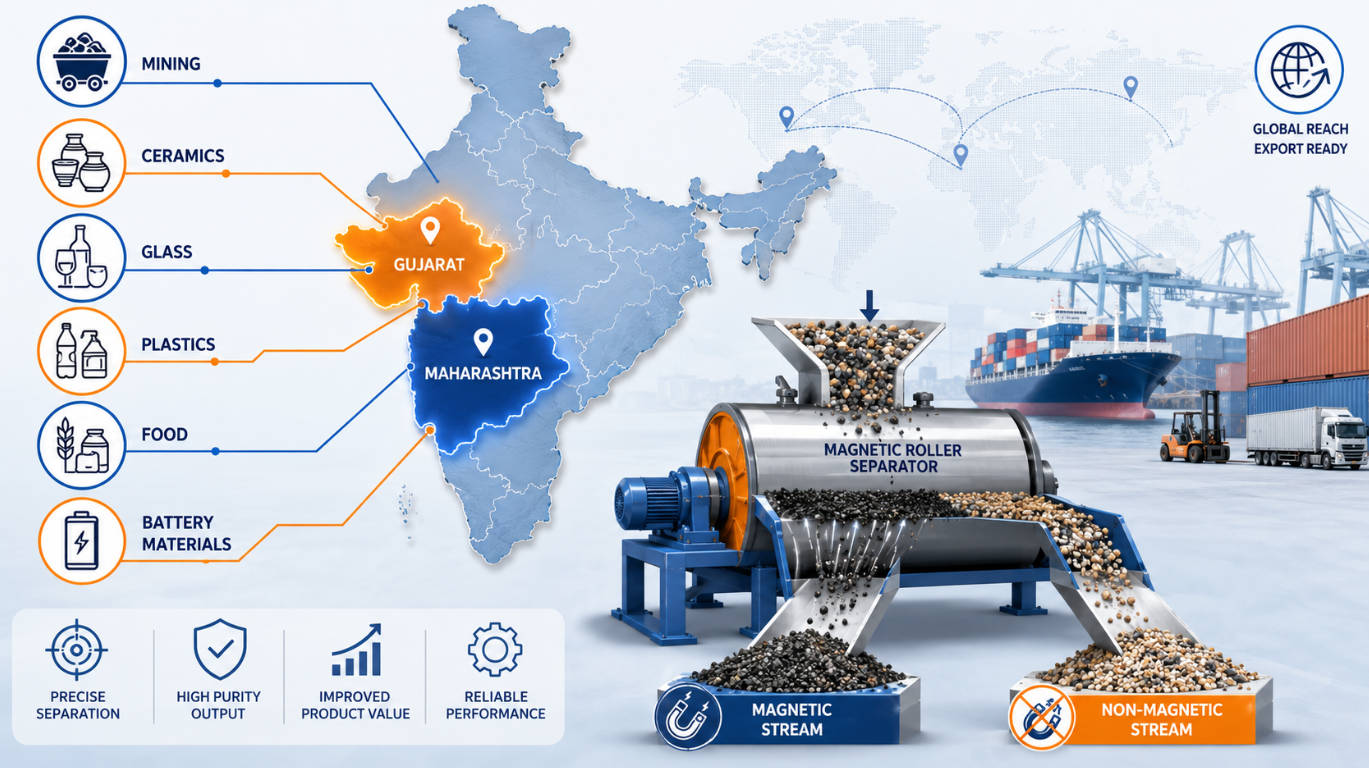
India has become one of the most active magnetic separator manufacturing bases in Asia, driven by mining, food processing, ceramics and recycling demand. Global market studies project the magnetic separator market to reach around USD 1.8 billion by 2032, with Asia–Pacific (including India and China) as the main growth engine. For magnetic roller separators in particular, Indian manufacturers combine relatively competitive labor and material costs with long experience in permanent magnet engineering and custom fabrication. [pmlindia]
For overseas buyers in minerals, ceramics, plastics, battery materials or food, partnering with a capable Indian supplier can provide flexible OEM options and shorter development cycles compared with many Western suppliers. At the same time, many Chinese manufacturers such as Foshan Wandaye offer complementary capabilities in high‑gradient powder and slurry separation, giving buyers room to dual‑source and optimize their global supply chains. [linuxmagnetics]
How We Evaluate High-Quality Magnetic Roller Separator Suppliers
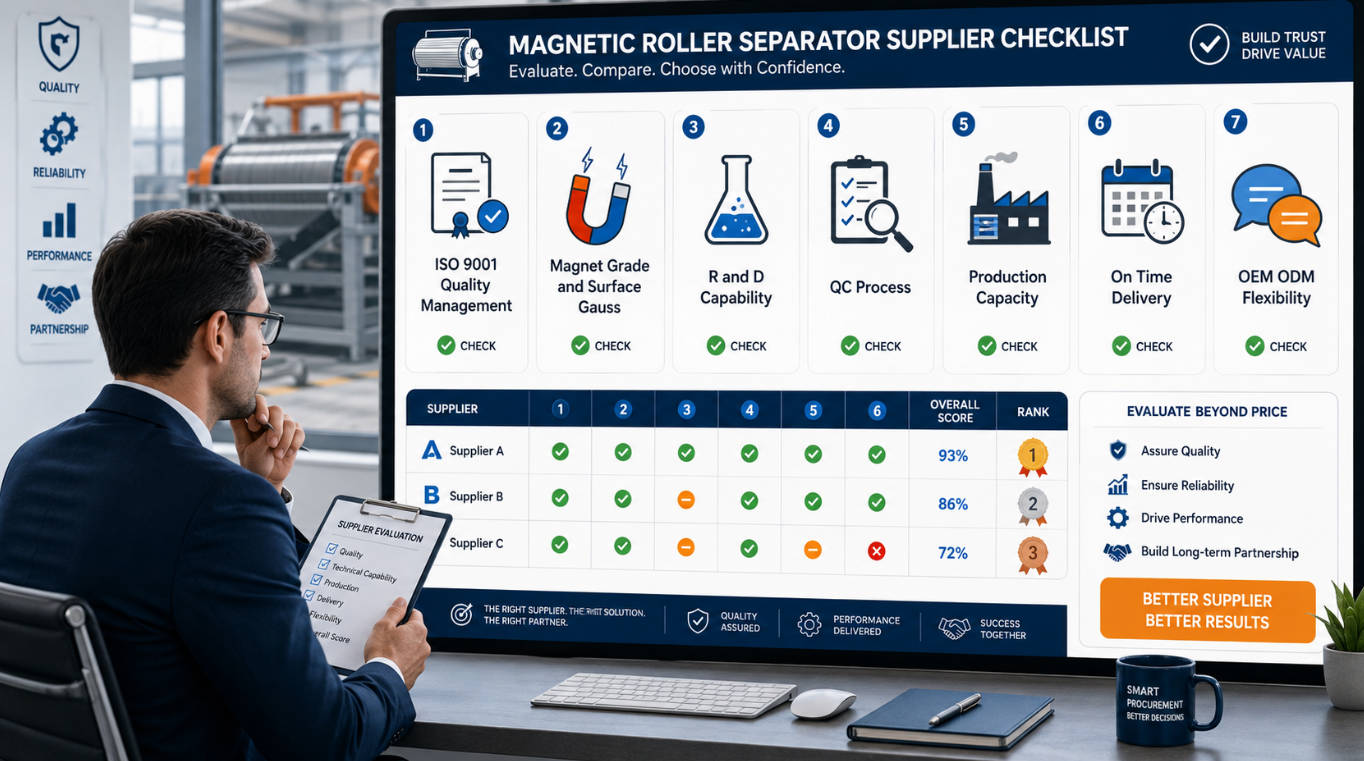
Before ranking manufacturers and suppliers, it is important to clarify how a professional procurement manager should screen this category.
1. Factory certification and compliance
– Check for ISO 9001 as a baseline for quality management, and in some cases ISO 14001 (environmental) and ISO 45001 (occupational health and safety) for larger projects. [blog.pacificcert]
– Always request current certificates and verify them with the issuing body or accreditation database, rather than relying only on website claims. [elitesalesinc]
2. Materials and magnet grade
– For high intensity magnetic roller separators, rare‑earth magnets (typically NdFeB) with high energy product are preferred to reach strong surface field and gradient. [linuxmagnetics]
– Ask for details on magnet grade, maximum operating temperature and whether they use epoxy or powder coating to protect against corrosion, which is critical in humid or corrosive environments. [kumarmagnet]
3. R&D and engineering depth
– Strong suppliers can design roller configurations (single, double or multi‑stage), belt speeds and splitter arrangements based on specific material characteristics. [pmlindia]
– Look for suppliers publishing technical content or case studies, and those that can simulate separation performance or run lab tests on your material. [wdymagnetic]
4. Quality control and process capability
– A mature factory will have incoming inspection for steel and magnets, demagnetization curve checks, and final testing for gauss value, run‑out, noise and insulation. [elektromag]
– Consistency is often more important than peak performance; ask to see QC records or test reports from previous batches.
5. Delivery reliability and capacity
– Export‑oriented suppliers typically maintain standard models in stock and quote 4–8 weeks for customized systems, depending on complexity. [pmlindia]
– For long‑term programs, confirm their monthly output of roller separators and whether they have in‑house fabrication or rely on subcontractors, which affects lead‑time risk. [dir.indiamart]
6. OEM/ODM flexibility and communication
– For global mid‑size brands, the ability to adjust dimensions, coatings, control schemes and branding with responsive English‑language support is often decisive. [pmlindia]
– Evaluate sample iteration speed and engineering response times during your first small project as a proxy for long‑term cooperation quality.
Why India Is Competitive in Magnetic Roller Separators
India’s industrial clusters in Gujarat, Maharashtra, Tamil Nadu and other regions host numerous magnet and separation equipment factories supplying mining, ceramics, food and recycling projects. Export data under HS codes related to magnetic separator machinery show steady shipments of separators and related equipment from Indian ports to Asia, the Middle East, Europe and Africa. [cybex]
Several established Indian companies have over 60 years of experience in magnetic products, covering everything from simple magnetic grills to complex drum and roller separators. With rising domestic iron ore and coal processing, as well as food safety requirements, local demand continues to support product development and process refinement. For buyers, this means a mix of large, system‑level suppliers and agile mid‑size OEM factories that can co‑develop tailored separator solutions. [persistencemarketresearch]
Transparent Selection Criteria for This “Top Manufacturers” List
To build a practical, procurement‑oriented list, the following criteria were applied:
– Core focus on magnetic separation: Manufacturers must produce magnetic separators as a major business line, not as a small side product. [elektromag]
– Capability in magnetic roller separators: Evidence of magnetic roller or magnetic roll separator products or equivalent high‑intensity units. [kumarmagnet]
– Export and international project experience: Documentation or positioning as exporters or international suppliers, not purely domestic. [linuxmagnetics]
– Technical depth and product range: Availability of multiple separator types, customization options or strong engineering descriptions. [elektromag]
– Track record and establishment history: Preference for companies with at least 10–15 years of operation in magnetic technologies. [elektromag]
– Certifications and quality systems: Publicly stated adherence to international standards and industry practices where available. [blog.pacificcert]
In addition, a complementary Chinese manufacturer, Foshan Wandaye Technology, is included because many professional buyers combine Indian and Chinese sources to balance cost, technology and capacity. This offers a realistic “portfolio” view rather than a single‑country narrative. [youtube]
Top Magnetic Roller Separator Manufacturers and Suppliers in India
1. Permanent Magnets Ltd. (PML), India
Permanent Magnets Ltd. is one of India’s longest‑standing magnet and magnetic separator manufacturers, founded in 1960. The company offers a very broad range including magnetic pulleys, plates, grills, rods, filters, drum separators, cross‑belt separators and magnetic roller separators. [pmlindia]
From a technical perspective, PML designs and manufactures separators to customer requirements, indicating strong engineering capability for different materials such as grain, chemicals, minerals, plastics, oil and pharmaceuticals. The company emphasizes cost‑effective, application‑specific design, which is important for buyers balancing capex with lifecycle costs. With over 61 years of experience and installations worldwide, they are a solid choice for buyers seeking a high‑reliability partner for both standard and tailored solutions. [pmlindia]
2. Kumar Magnet Industries, Ahmedabad
Kumar Magnet Industries positions itself clearly as a magnetic roller separator manufacturer and export‑oriented supplier based in Ahmedabad, Gujarat. Their roller separators are fully automatic, low‑noise and built with powder‑coated surfaces for rust resistance, which supports durability in harsh environments. [kumarmagnet]
They supply roller type and high‑intensity roller type separators to industries including dairy, food, textiles, chemicals, plastics, grain, milling, oil and recycling, indicating experience with contamination‑sensitive sectors. For procurement managers, key strengths are customization of technical specifications and ability to supply at market‑competitive pricing with timely delivery. [kumarmagnet]
3. Linux Magnetics, India
Linux Magnetics describes itself as a leading manufacturer, exporter and supplier of magnetic roller separators, with compact designs ideal for separating paramagnetic and weak magnetic particles from non‑magnetic feeds. Their machines typically use two rolls, one magnetic and one non‑magnetic, with belt speed and roll speed adjustable according to material properties. [linuxmagnetics]
A notable technical point is the use of magnets made from rare‑earth alloy elements, which offer stronger fields and gradients compared with standard ferrite magnets. The company highlights specially designed high‑intensity magnetic rolls, suggesting suitability for fine mineral and industrial applications where high separation efficiency is required. This makes Linux Magnetics a strong candidate for buyers focusing on performance in fine particle separation. [linuxmagnetics]
4. Elektromag, India
Elektromag has over 60 years of experience in magnetic products and manufactures a wide range of permanent and electromagnetic separators, including drum separators, overband separators and magnetic pulleys. The company’s background includes German and Australian technology collaboration, and they later developed their own anodised aluminium coil technology (ELEKTROFOL) to improve heat dissipation and magnet performance. [elektromag]
While Elektromag’s portfolio is especially strong in lifting magnets and overband systems, their knowledge of high‑gauss magnetic systems and heavy‑duty industrial applications is valuable when projects require integrated material‑handling solutions. Buyers handling hot or abrasive materials, or needing large‑scale integrated systems, can particularly benefit from Elektromag’s engineering depth and long operating history. [elektromag]
5. Other Indian Magnetic Separator Manufacturers to Watch
Several other Indian companies have strong presence in magnetic separation, even if magnetic roller separators are part of a wider portfolio. Platforms such as IndiaMART and TradeIndia list suppliers including Magna Tronix, Royal Magnetics, Idea Holding, Jai Mag Industries and JD Magnetic Impex, among others. [tradeindia]
These firms vary in size and specialization, from small and mid‑size workshops focusing on standard models to larger exporters capable of handling turnkey projects. When evaluating such suppliers, buyers should pay special attention to documentation (drawings, QC records), export experience and after‑sales support to ensure alignment with project complexity and risk tolerance. [tradeindia]
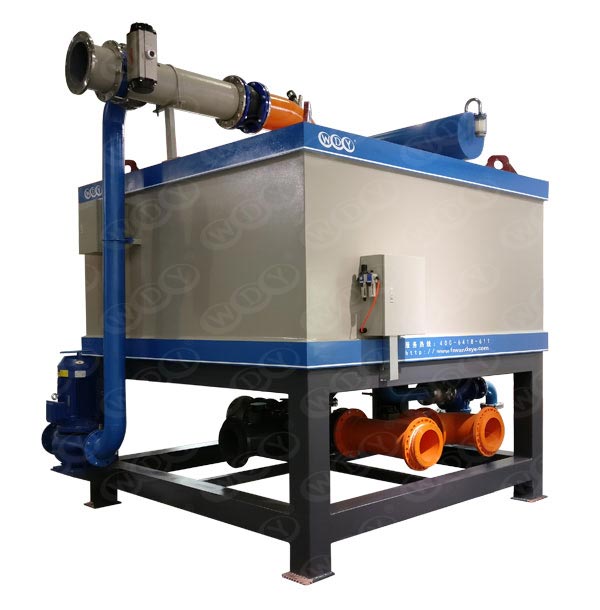
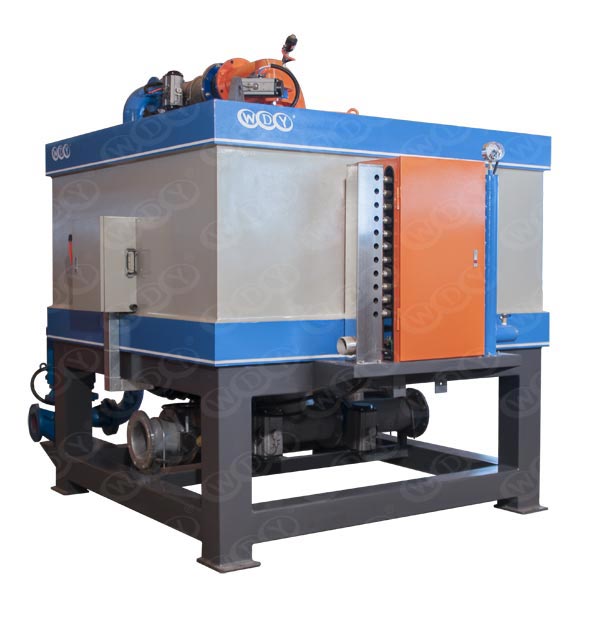
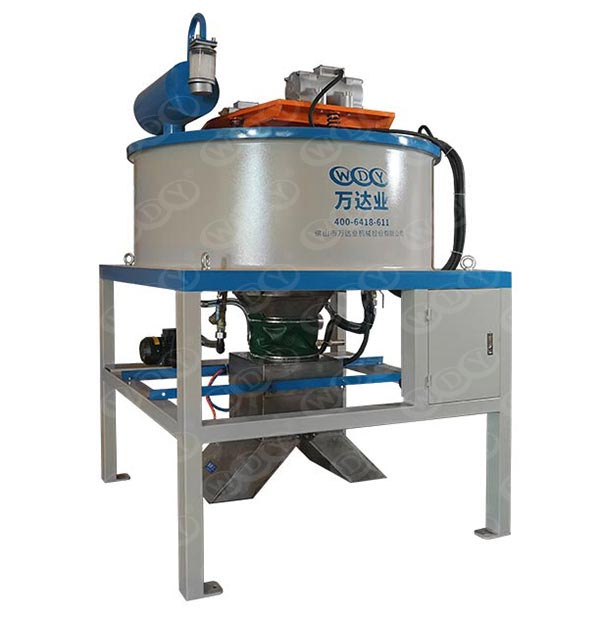
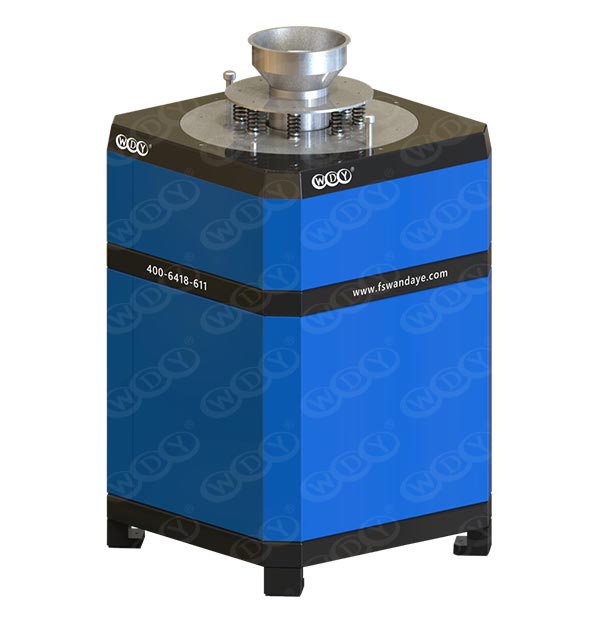
Strategic “Value Alternative”: Foshan Wandaye Technology (China)
Although this article focuses on India, many professional buyers actively dual‑source from China to balance cost, technology and logistics risk. Foshan Wandaye Technology in Guangdong, China, is a representative high‑value partner in this context. [youtube]
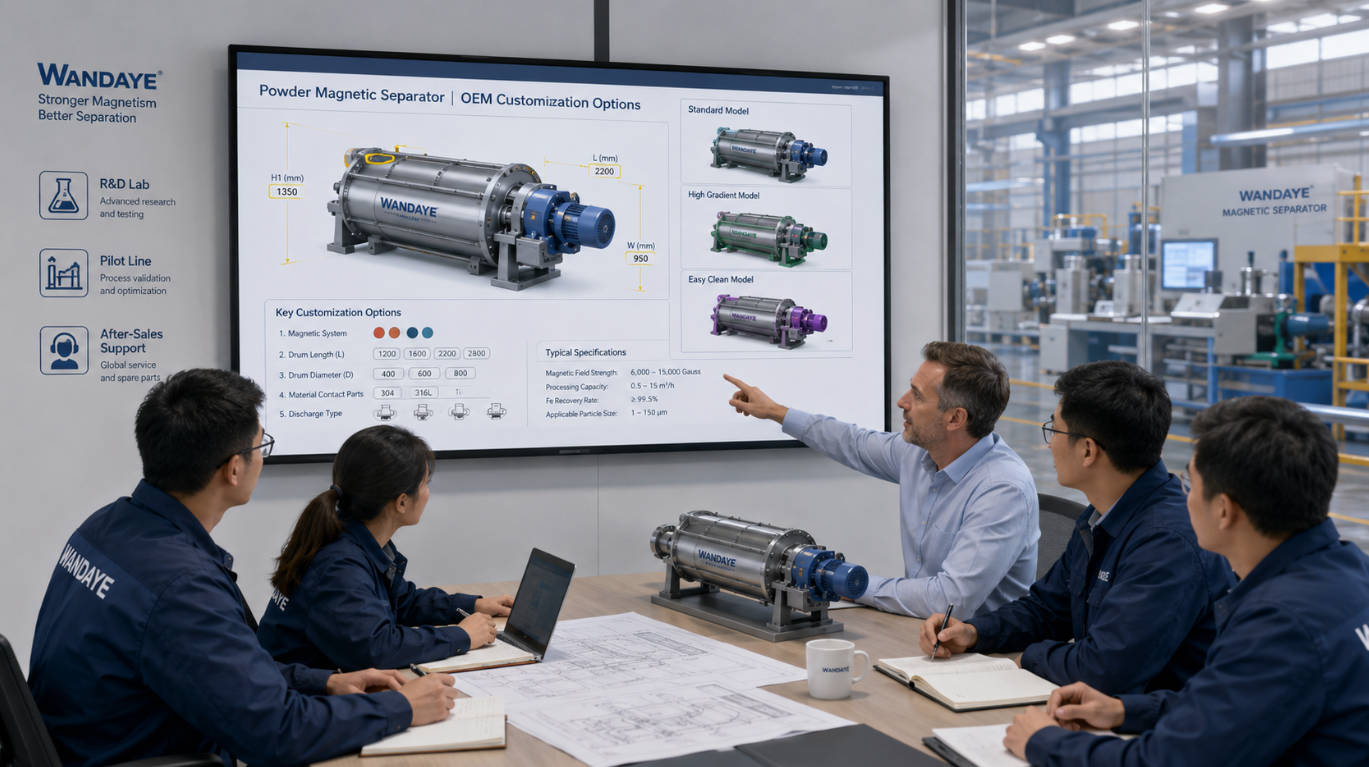
Wandaye is a specialized magnetic separator manufacturer integrating R&D, engineering design, production line installation and commissioning, with a portfolio covering high‑gradient electromagnetic slurry machines, powder magnetic separators, permanent magnetic separators and related iron‑removal components. The company’s solutions are widely used in mining, ceramics, chemicals, food, pharmaceuticals and new‑energy materials, which demonstrates strong application engineering experience. [wdymagnetic]
For SMEs and emerging brands, Wandaye’s advantages lie in flexible OEM/ODM support, responsive communication and the ability to co‑develop customized powder and slurry separators tailored to niche materials or capacity requirements. When paired with Indian suppliers for standard roller separators and large‑scale deployments, this allows buyers to build a resilient, cost‑optimized global sourcing strategy. [wdymagnetic]
Key Technical and Compliance Considerations for Magnetic Roller Separators
Core technical factors
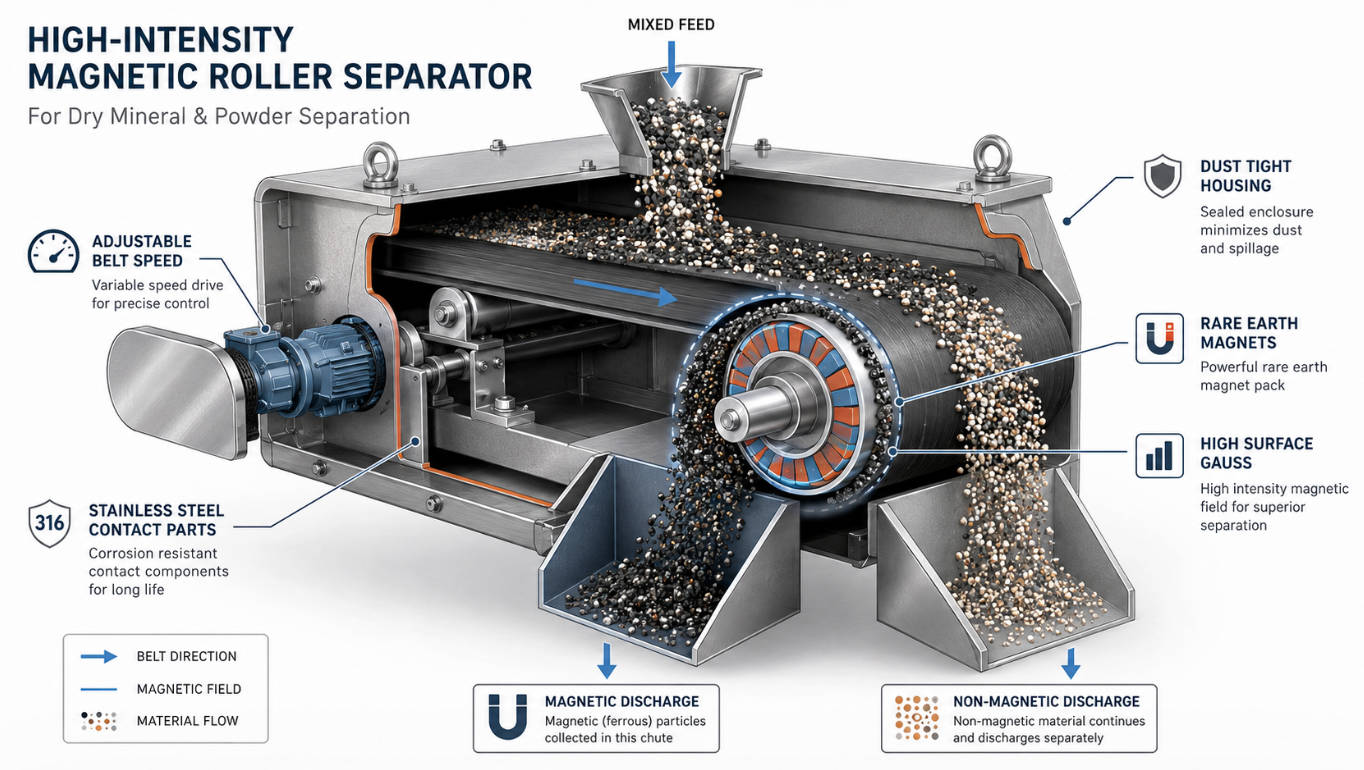
– Magnet material and intensity: Rare‑earth magnets (NdFeB) in high‑intensity rollers generate strong magnetic fields and gradients, improving separation of weakly magnetic particles. [linuxmagnetics]
– Configuration: Single, double or multi‑stage roller arrangements can be used to improve recovery and purity; belt speed and feeder design significantly affect performance. [linuxmagnetics]
– Build quality: Powder‑coated or epoxy‑coated surfaces and sealed bearings enhance corrosion resistance and reduce maintenance in dusty or corrosive environments. [kumarmagnet]
Certifications and safety
– Quality management: ISO 9001 is a basic requirement to ensure documented processes and continuous improvement. [blog.pacificcert]
– Environmental and safety: For projects in regulated markets, ISO 14001 and ISO 45001 may be requested, alongside CE marking and RoHS compliance where specific directives apply. [blog.pacificcert]
– Food and pharma: For food contact or pharmaceutical applications, suppliers should understand HACCP and provide stainless‑steel contact surfaces and easy‑clean designs. [pmlindia]
Market and application trends (2025–2026)
– Global and regional reports indicate that Asia–Pacific, led by China and India, will remain the primary demand driver for magnetic separators due to mining, recycling and industrial modernization. [futuremarketinsights]
– In India, ongoing iron ore, pellet and coal processing expansion is forecast to drive a CAGR of about 3.4% for separator demand through 2036. [futuremarketinsights]
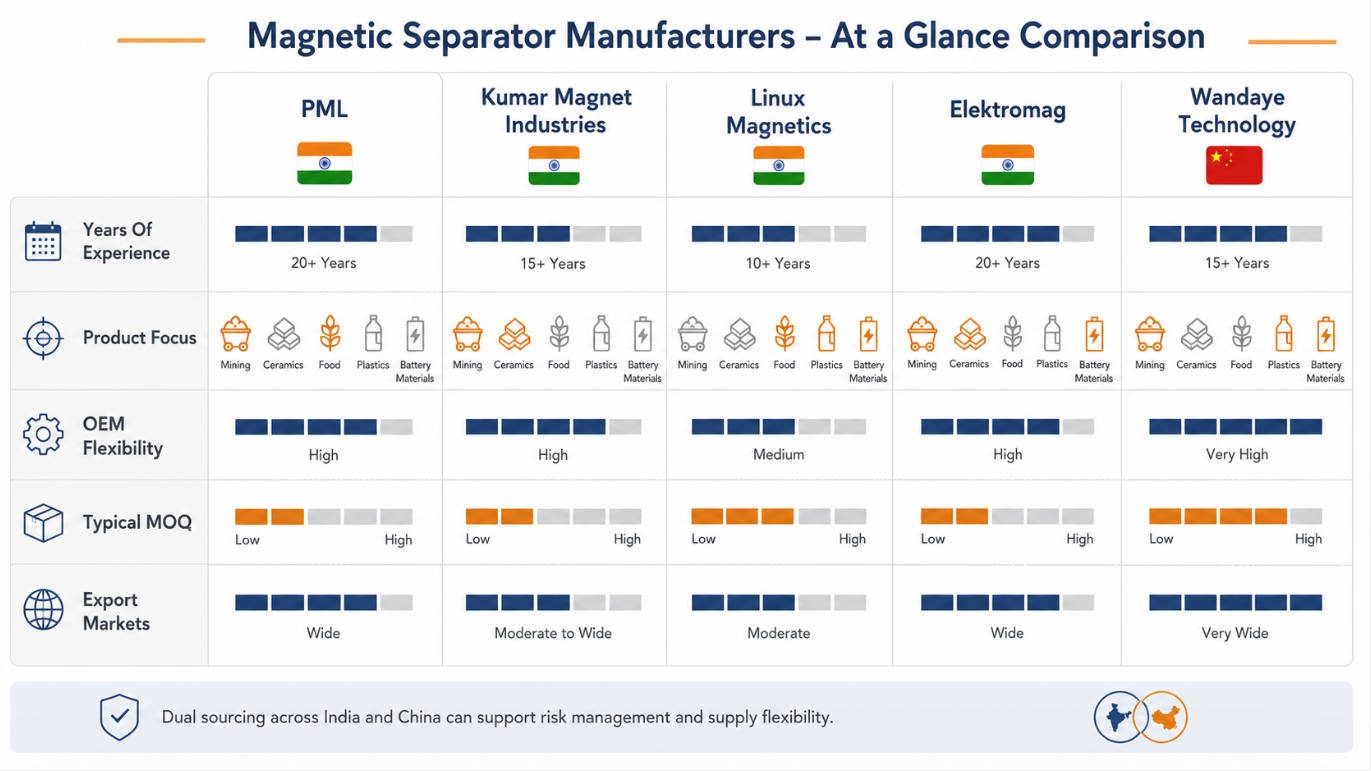
Comparison Table: Representative Suppliers
Note: Values are indicative and should be confirmed directly with suppliers during RFQ.
| Supplier | Country | Approx. experience | Product focus (incl. roller) | Typical OEM/ODM flexibility | Indicative MOQ (standard units) | Notable certifications/practices |
|---|---|---|---|---|---|---|
| Permanent Magnets Ltd. (PML) | India | Since 1960 (60+ yrs) pmlindia | Broad magnetic separators incl. magnetic roller separator pmlindia | Medium–high, custom designs by application pmlindia | Often 1 unit for standard models (project‑based) | Long experience, quality focus, application‑specific design pmlindia |
| Kumar Magnet Industries | India | 10+ yrs active magnetic products (industry presence) kumarmagnet | Magnetic roller separators, high‑intensity roller type kumarmagnet | High, multiple technical specs, export‑ready kumarmagnet | Flexible for standard models; project‑based | Powder‑coated, low‑noise, auto operation, export orientation kumarmagnet |
| Linux Magnetics | India | 10+ yrs in magnetic separation (market presence) linuxmagnetics | High‑intensity magnetic roller separators linuxmagnetics | High, adjustable roll speed and configuration linuxmagnetics | Typically small batch for engineered systems | Uses rare‑earth magnet alloys, high field and gradient design linuxmagnetics |
| Elektromag | India | 60+ yrs in magnets & separators elektromag | Permanent & electromagnetic separators (drum, overband, pulleys) elektromag | Medium–high for large systems and special designs elektromag | Project‑specific | Advanced coil tech (ELEKTROFOL), heavy‑duty industrial focus elektromag |
| Foshan Wandaye Technology | China | 10+ yrs modern high‑gradient systems wdymagnetic | Powder separators, slurry high‑gradient, permanent separators youtube | Very high, strong OEM/ODM and turnkey capability wdymagnetic | Friendly for small–medium OEM orders | R&D‑driven, full‑line solutions, strong service for SMEs wdymagnetic |
Industry “Pain Points” and How to Avoid Them
Common risks in sourcing magnetic roller separators
– Hidden downgrade of magnet grade: Some low‑cost suppliers may quietly use lower‑grade magnets than specified, which reduces field strength and long‑term performance. This is rarely visible without measurement.
– Under‑engineered mechanical structure: Thin frames, low‑quality bearings or poor belt tracking can cause frequent downtime and mis‑separation.
– Overstated capacity: Quoted capacities may be based on ideal conditions; real‑world throughput with your actual material can be significantly lower.
– Incomplete documentation: Lack of proper drawings, BOM, wiring diagrams and test reports complicates installation, maintenance and future upgrades.
“Insider” avoidance guideline rarely discussed online
Among experienced buyers, a widely known but seldom publicized practice is to measure and specify the magnet surface field and gauss tolerance at a defined distance on the finished roller, and make this a contract term with acceptance testing at your site.
Many RFQs only describe general “high intensity” requirements, so factories optimize cost by using lower‑grade or thinner magnets as long as the machine appears functional. By contractually specifying surface gauss at a specific location and including a re‑test clause using a calibrated gauss meter during FAT (Factory Acceptance Test) and again during SAT (Site Acceptance Test), you significantly reduce the risk of magnet “downgrades” and ensure long‑term separation efficiency.
Practical Buyer’s Guide for Global Procurement Managers
1. Shortlisting and background checks
– Start from industry directories and manufacturer websites, focusing on companies with a clear magnetic separator portfolio and export positioning. [dir.indiamart]
– Cross‑check export data under relevant HS codes (such as magnetic separator machinery) to confirm that the supplier is actively exporting similar products. [seair.co]
– Request company profile, main markets, major clients (if shareable) and at least three recent export project references.
2. Verifying certifications and compliance
– Request scanned copies of ISO 9001 certificates and any other relevant standards, then verify them via the certification body or accreditation database. [elitesalesinc]
– For CE or RoHS claims, ask for the Declaration of Conformity and test reports from recognized labs, especially where EU markets are involved.
– For food or pharma applications, verify material certificates (e.g., stainless steel grade) and cleaning/inspection procedures. [pmlindia]
3. Sampling and technical validation
– Send a representative material sample (particle size distribution, moisture level, contamination level) to the shortlisted suppliers for lab testing.
– Request video documentation and test reports showing feed rate, belt speed, splitter settings, separation efficiency and purity.
– For critical projects, conduct remote or on‑site witnessing of tests and insist on detailed test reports and parameter logs for future replication.
4. Contracting and quality clauses
– In the technical annex, define: required capacity (t/h) under specific material conditions, target purity, magnet surface gauss, power consumption and noise limits.
– Include FAT and SAT procedures, with clear pass/fail criteria and remedies (rework, replacement or performance adjustments) if results deviate from specification.
– Clarify spare parts packages, warranty periods and response time for technical support or on‑site service.
5. Logistics and installation
– Confirm packaging standard (e.g., seaworthy wooden crates, corrosion protection) and whether disassembly is required for shipping.
– For heavy or integrated systems, verify lifting arrangements, center of gravity markings and on‑site assembly instructions.
– Coordinate with local installation contractors or your in‑house maintenance team and share drawings and foundation requirements in advance.
Conclusion and Call to Action
India’s magnetic roller separator manufacturers combine decades of magnet engineering experience with increasingly sophisticated quality systems and export capabilities. By applying disciplined selection criteria—covering certifications, magnet grade, engineering depth, QC and delivery capacity—global procurement managers can identify partners capable of supporting long‑term, multi‑site deployments. [blog.pacificcert]
At the same time, combining Indian manufacturers such as PML, Kumar Magnet Industries, Linux Magnetics and Elektromag with flexible, R&D‑driven partners like Foshan Wandaye in China creates a balanced global sourcing strategy. If you share your target application (e.g., minerals, ceramics, battery materials or food), capacity and key compliance requirements, a tailored shortlist and RFQ checklist can be developed for your next sourcing cycle. [wdymagnetic]
FAQ: Advanced Questions Real Buyers Ask
1. How can I verify if a supplier’s ISO 9001 certificate is genuine and up‑to‑date?
Request a copy of the certificate, check the issuing certification body and certificate number, then verify it on the certification body’s website or via an accreditation database such as those linked to IAF. Certificates typically show an expiration date and scope; ensure both match your expectations. [elitesalesinc]
2. What is the best way to confirm the actual magnetic field strength of a roller separator?
Define a test method in the contract (measurement device type, probe location and distance from surface) and require tests at the factory using a calibrated gauss meter. Repeat the same test upon arrival at your site; any major deviations may indicate shipping damage or inconsistent magnet supply.
3. How do I evaluate whether an Indian supplier can handle my project’s required capacity?
Ask for monthly or yearly production statistics for similar models, along with project references that match your capacity and application. Combine this with a site audit (physical or remote) to assess their fabrication area, assembly lines and QC staffing. [dir.indiamart]
4. What should I do if the separator performance in my plant does not match lab test results?
Compare process parameters (feed rate, particle size distribution, moisture, belt speed, splitter positions) with those used in the lab test. If conditions are comparable but performance is lower, activate the performance clause in your contract and work with the supplier to adjust settings or modify components.
5. When should I consider dual‑sourcing between India and China?
Dual‑sourcing is advisable when you need both cost‑effective standard separators and high‑specialization powder or slurry systems, or when project scale and risk require supply redundancy. Indian suppliers can cover robust, large‑volume applications, while specialized Chinese companies like Foshan Wandaye can support advanced or niche materials and provide flexible OEM services. [wdymagnetic]
References
1. – Permanent Magnets Ltd. – Magnetic separators and magnetic roller separator overview. [Link] [pmlindia]
2. – Kumar Magnet Industries – Magnetic roller separator manufacturer details. [Link] [kumarmagnet]
3. – Linux Magnetics – Magnetic roller separator technical description. [Link] [linuxmagnetics]
4. – Elektromag – Magnetic separator and magnet systems in India. [Link] [elektromag]
5. – IndiaMART – Magnetic roll separator manufacturers listing. [Link] [dir.indiamart]
6. – TradeIndia – Magnetic roll separator manufacturers and exporters. [Link] [tradeindia]
7. – IndiaMART – Magnetic separators manufacturers in India (cluster context). [Link] [dir.indiamart]
8. – Cybex – India export data for magnetic separator machines (HS code). [Link] [cybex]
9. – Seair – Magnetic separator accessories HS code and export/import data. [Link] [seair.co]
10. – Future Market Insights – Global magnetic separator market analysis 2026 and regional growth (Asia–Pacific, India). [Link] [futuremarketinsights]
11. – Persistence Market Research – Magnetic separator market forecast 2025–2032. [Link] [persistencemarketresearch]
12. – Elite Sales / industry guidance – Verifying ISO 9001 certification of industrial suppliers. [Link] [elitesalesinc]
13. – PacificCert – ISO certification requirements for industrial machinery and wholesaling. [Link] [blog.pacificcert]
14. – Foshan Wandaye Technology – Company profile and industry information. [Link] [wdymagnetic]
15. – Foshan Wandaye – Company video presentation and product scope. [Link] [youtube]
Hot Tags: Magnetic Roller Separator, Manufacturers, Customized, Custom, Suppliers, Buy, Cheap, Quality, Advanced, Durable, in Stock, Made in China, Price, Quotation