


Content Menu
● What Is a Magnetic Conveyor Roller?
● From Basic Rollers to Intelligent Magnetic Handling
>> A brief evolution of magnetic rollers
● Why Magnetism Is So Powerful in Material Handling
● Core Components: Magnetic Pulley Magnets and Roller Design
>> The role of the magnetic pulley
>> Permanent vs electromagnet technology
● Where Magnetic Conveyor Rollers Shine: Key Applications
>> Manufacturing and assembly lines
>> Food, pharma, and hygienic powders
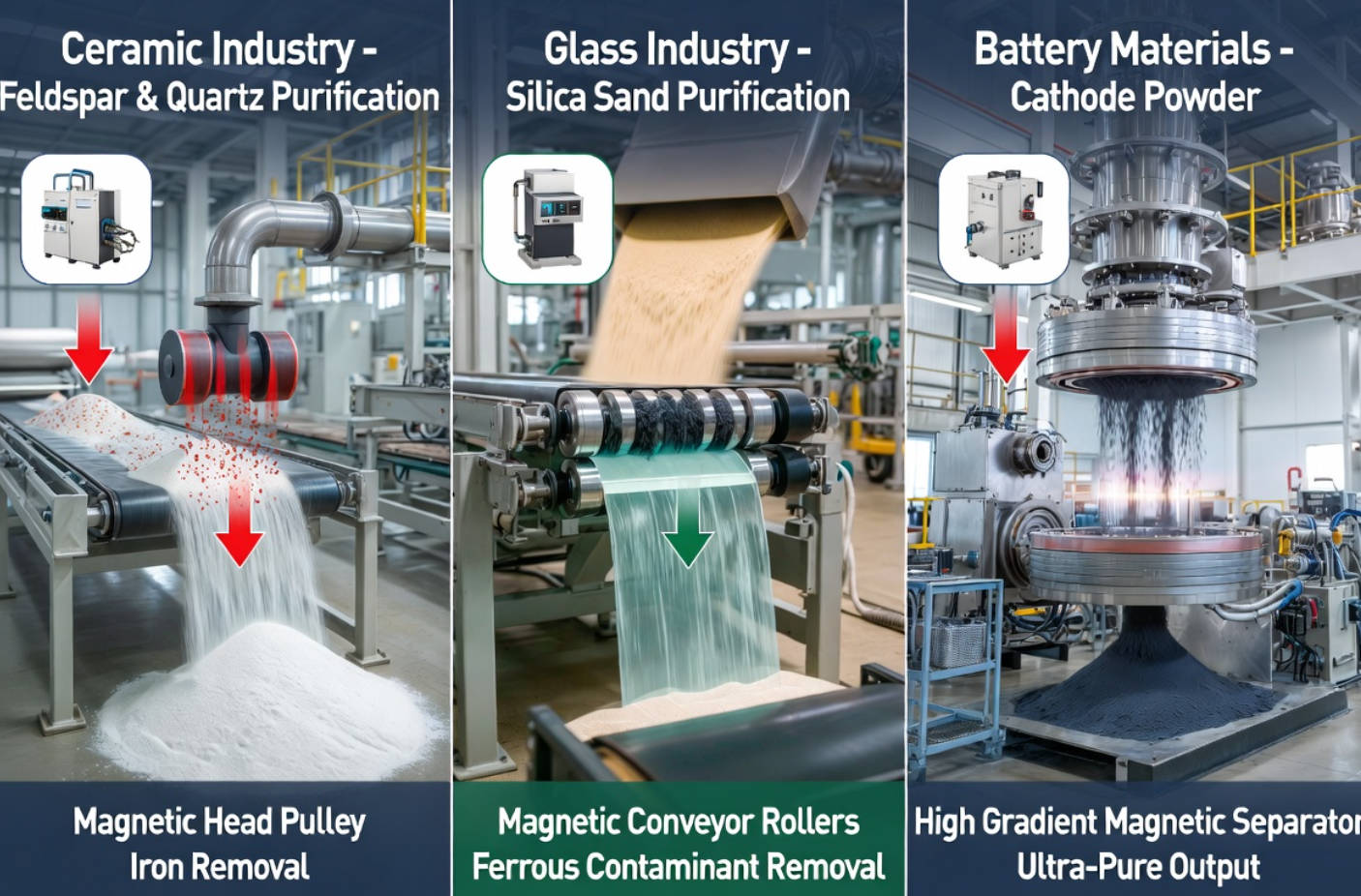
>> Mining, ceramics, glass, and battery materials
>> Recycling, waste management, and cleanrooms
● Magnetic Conveyor Rollers vs Traditional Conveyor Systems
>> Performance and cost comparison
● How Magnetic Conveyor Rollers Work with Powder and Permanent Magnetic Separators
● Latest Trends: Smart, Dry, and High‑Gradient Magnetic Technologies
● Practical Selection Guide: How to Choose the Right Magnetic Conveyor Roller Solution
● Future Outlook: Where Magnetic Conveyor Rollers Are Headed
● Call to Action: Partner with a Specialist Magnetic Separator Manufacturer
● FAQ
>> 1. How do magnetic conveyor rollers differ from standard rollers?
>> 2. Can magnetic conveyor rollers handle ultra‑fine powders?
>> 3. Are magnetic conveyor rollers suitable for food and pharmaceutical applications?
>> 4. How do I know what magnetic strength I need?
>> 5. Can magnetic conveyor rollers be retrofitted to existing lines?
>> References
As a magnetic separation engineer working with powder and permanent magnetic separators, I have seen magnetic conveyor rollers evolve from a niche concept into a core technology for smart, energy‑efficient material handling systems. For manufacturers handling powders, granules, or bulk materials, understanding how these rollers integrate with advanced powder and permanent magnetic separators is now a strategic advantage rather than a technical detail. [hbroule]
What Is a Magnetic Conveyor Roller?
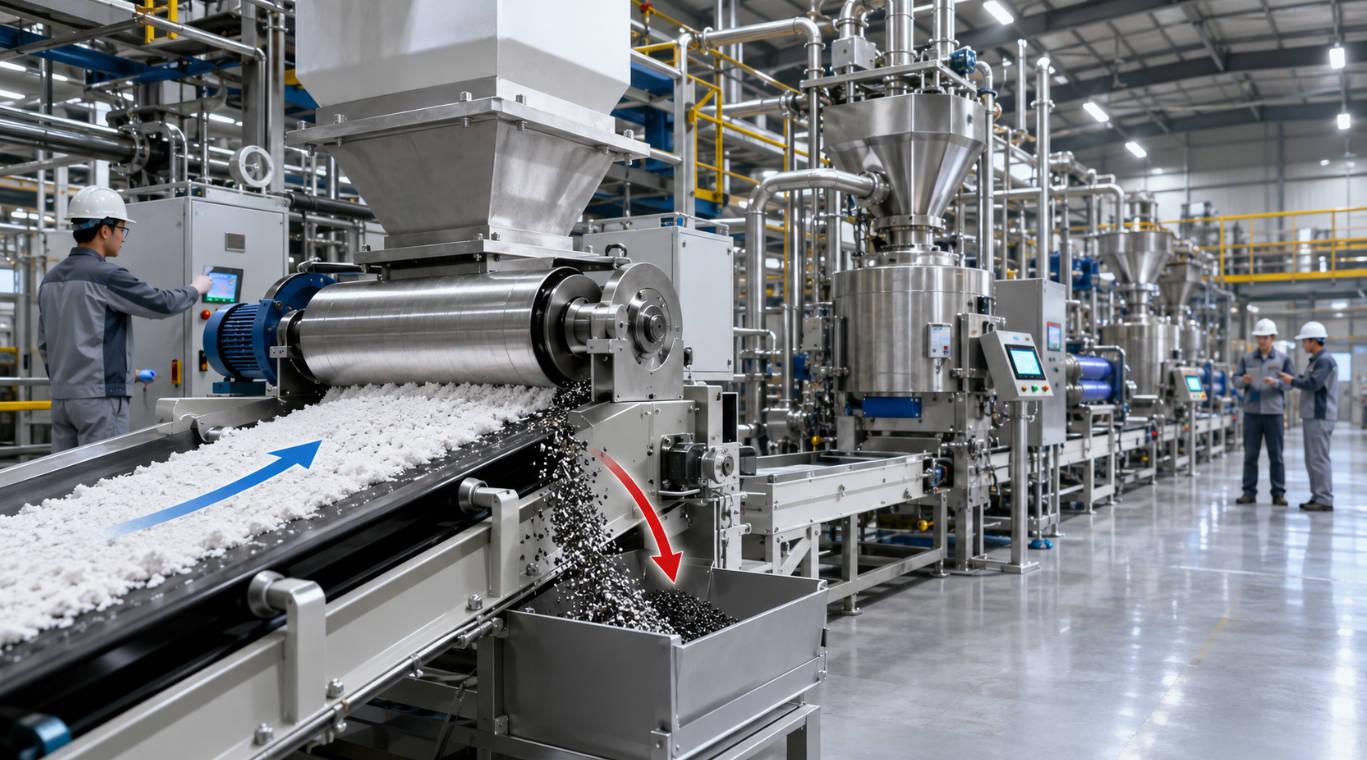
Magnetic conveyor rollers are specially designed conveyor components that use magnetic force instead of traditional friction and drive systems to transport and separate materials along a belt or line. Unlike conventional rollers, which must be driven by external motors, magnetic rollers embed permanent magnets (often neodymium) to create strong, stable magnetic fields that can move or capture ferrous material with high precision. [greatmagtech]
In practice, this means:
– Less mechanical complexity and fewer rotating parts. [greatmagtech]
– Lower energy consumption because many movements rely on magnetism, not continuous motor torque. [nai-group]
– Better control of ferrous contamination and metal removal in powder and bulk flows. [powder-solutions]
For companies like Foshan Wandaye Technology Co., Ltd. (Wandaye), which specialize in powder magnetic separators, permanent magnetic separators, and complete production line solutions, magnetic conveyor rollers are a natural extension of the same core magnetic separation principles. [hbroule]
From Basic Rollers to Intelligent Magnetic Handling
A brief evolution of magnetic rollers
Early magnetic rollers, used in the mid‑20th century, were simple devices for pulling iron contaminants out of bulk materials such as ores or grain. Over time, stronger rare‑earth magnets and better magnetic circuit design turned them into compact, high‑gradient separation elements capable of handling fine powders and high‑throughput production lines. [pubs.aip]
Today, the best systems combine:
– High‑energy neodymium magnet cores for strong fields and compact designs. [greatmagtech]
– Optimized shell materials and shapes to focus the field in the working zone. [greatmagtech]
– Integration with upstream and downstream powder magnetic separators and permanent magnetic separators for multi‑stage cleaning. [eclipsemagnetics]
When I visit ceramic or battery material plants, I often see magnetic conveyor rollers paired with high‑gradient powder separators: the rollers handle continuous transport and coarse iron removal, while the dedicated separators deliver ultra‑fine purification for sensitive products. [powder-solutions]
Why Magnetism Is So Powerful in Material Handling
Magnetism is uniquely suited to modern material handling because it offers contact‑minimal, selective force that targets ferrous and weakly magnetic particles without mechanically stressing the entire product stream. [eclipsemagnetics]
Key advantages in real production environments include:
– Energy savings: Eliminating or downsizing drive motors on certain sections of the line can cut energy use significantly. [nai-group]
– Lower wear and maintenance: Fewer gearboxes, chains, and friction points mean longer service intervals and less unplanned downtime. [nai-group]
– Selective separation: Only magnetic particles are captured, leaving non‑magnetic material largely unaffected, which is ideal for powders and high‑value bulk products. [eclipsemagnetics]
– Cleaner, safer products: From food to pharmaceuticals to lithium battery powders, modern regulations demand ultra‑low metal contamination levels that only strong magnetic separation can reliably achieve. [powder-solutions]
In my experience, once a plant quantifies the cost of recalls, product rework, equipment damage, or brand risk caused by metal contamination, the business case for robust magnetic handling becomes extremely compelling. [eclipsemagnetics]
Core Components: Magnetic Pulley Magnets and Roller Design
The role of the magnetic pulley
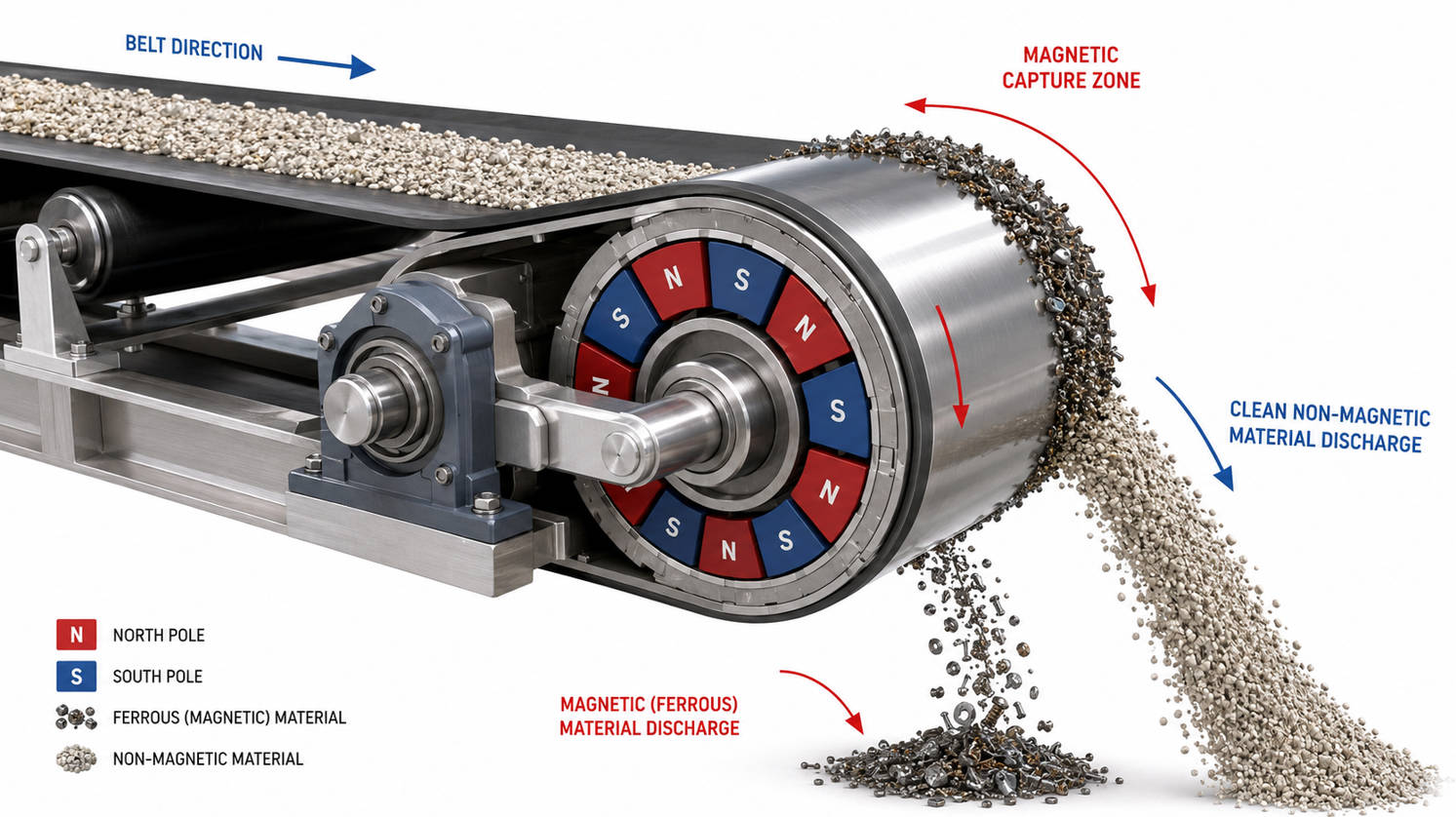
At the heart of many magnetic conveyor roller systems is the magnetic pulley magnet, which replaces a standard terminal pulley at the discharge end of a belt. As the belt wraps around this pulley, ferrous material is held to the surface by the magnetic field while clean material falls away with gravity. [greatmagtech]
Key technical points:
– Permanent magnet pulleys do not require a continuous power supply to maintain their field, boosting reliability and cutting energy costs. [pubs.aip]
– Designs can be tuned for surface field strength, magnet depth, and coverage angle to match specific throughput and particle size ranges. [greatmagtech]
– Many systems now add sensors or monitoring to detect performance deviations or build‑up, supporting predictive maintenance. [sciencedirect]
Permanent vs electromagnet technology
For conveyor rollers and pulleys, we typically choose between:
– Permanent magnets (e.g., ferrite, neodymium):
– Stable fields with no power draw. [pubs.aip]
– Ideal for continuous 24/7 lines where energy efficiency and simplicity matter.
– Electromagnets:
– Adjustable field strength and the ability to switch circuits on and off. [sciencedirect]
– Preferred when process conditions vary widely or when deep magnetic penetration is needed for thick burden layers.
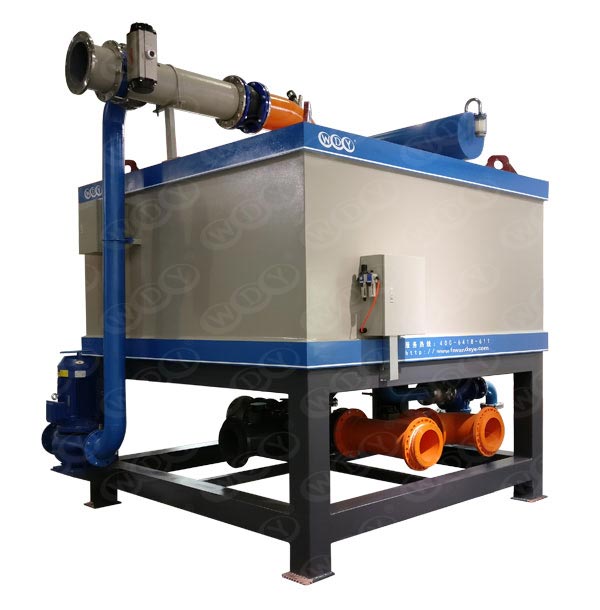
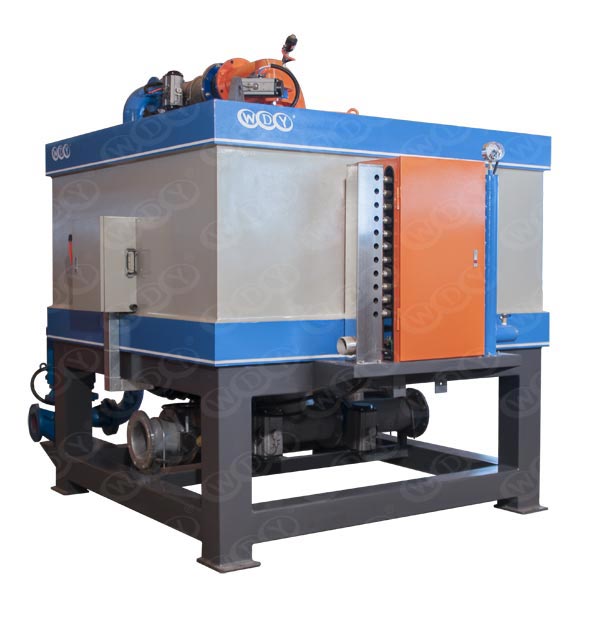
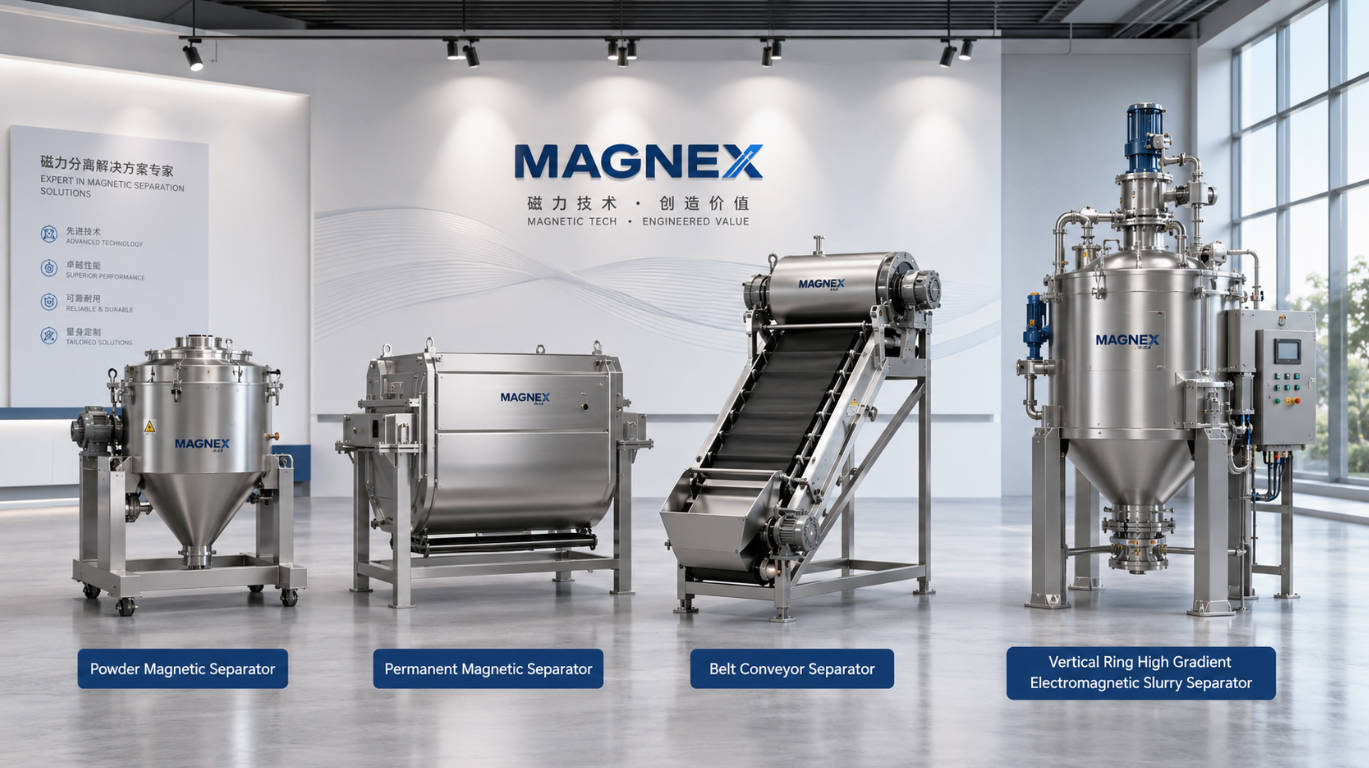
Wandaye’s product portfolio includes both permanent and electromagnetic solutions—from belt conveyor type magnetic separators for bulk handling to high‑gradient vertical ring and slurry separators for fine powders and slurries—making it possible to design the right combination instead of forcing a single technology into every scenario. [hbroule]
Where Magnetic Conveyor Rollers Shine: Key Applications
Manufacturing and assembly lines
In automated assembly and general manufacturing, magnetic rollers help:
– Transfer steel or partially magnetic parts between stations with accurate positioning. [nai-group]
– Prevent falling, jamming, or misalignment of components on high‑speed lines. [greatmagtech]
– Integrate with robotic pick‑and‑place systems that rely on stable, predictable part orientation. [hbroule]
For example, a customer in the appliance industry combined magnetic conveyor rollers with permanent magnetic separators to ensure both reliable part flow and removal of machining chips before paint and final assembly, reducing rework and surface defects. [powder-solutions]
Food, pharma, and hygienic powders
Regulators and auditors increasingly expect validated magnetic separation at critical control points in dairy, infant formula, spices, and pharmaceutical powders. Magnetic rollers and pulleys, when designed with hygienic housings, help: [powder-solutions]
– Eliminate lubricants and open bearings that can contaminate sensitive products. [powder-solutions]
– Capture stainless steel fragments and wear particles that metal detectors alone may miss. [powder-solutions]
– Enable easy access for inspection and cleaning to meet HACCP and GMP requirements. [powder-solutions]
Coupled with Wandaye’s electromagnetic slurry and powder separators, these systems create multi‑layer protection: the roller for bulk ferrous removal, and the dedicated high‑gradient separator for sub‑micron capture. [hbroule]
Mining, ceramics, glass, and battery materials
In mining, ceramics, glass, and cathode/anode material production, magnetic rollers must deliver heavy‑duty reliability:
– Handling high tonnages of ore, sand, feldspar, quartz, and battery powders without excessive wear. [eclipsemagnetics]
– Protecting mills, crushers, and classifiers from tramp iron damage. [eclipsemagnetics]
– Improving product purity to meet strict chemical and physical specifications in downstream processes. [sciencedirect]
Wandaye’s vertical ring high‑gradient magnetic separators and powder separators are frequently deployed alongside magnetic conveyors to create staged circuits: coarse tramp iron removal at the belt, followed by refined separation in dedicated process cells. [hbroule]
Recycling, waste management, and cleanrooms
Magnetic rollers are also critical in:
– Metal recycling lines where ferrous and non‑ferrous metals must be sorted from complex waste streams. [eclipsemagnetics]
– WEEE and battery recycling, where clean separation directly impacts recovery rates and profitability. [market-prospects]
– Aerospace and semiconductor cleanrooms, where contact‑minimal transport and zero lubricant shedding are mandatory. [market-prospects]
In these environments, the combination of powder magnetic separators, permanent magnetic pulleys, and smart conveyor controls delivers both contamination control and traceable quality data. [market-prospects]
Magnetic Conveyor Rollers vs Traditional Conveyor Systems
Performance and cost comparison
Below is a practical comparison based on what I see in real projects:
| Aspect | Magnetic conveyor rollers | Traditional rollers and drives |
|---|---|---|
| Energy use | Low, many sections can run with minimal power input. greatmagtech | Higher, continuous motor torque and mechanical losses. nai-group |
| Maintenance | Fewer moving parts, reduced lubrication, longer service life. greatmagtech | Regular bearing, chain, and gearbox service. nai-group |
| Contamination control | Integrated ferrous removal and clean conveying. greatmagtech | Requires separate magnetic devices, more risk of bypass. |
| Precision handling | Strong control over ferrous items and fine powders. greatmagtech | Less selective; bulk pushing and friction‑driven. |
| Installation | Often retrofitted into existing conveyors via magnetic pulleys. greatmagtech | Standard designs but less built‑in separation. |
In many cases, a hybrid approach—standard rollers in low‑risk zones and magnetic conveyor rollers at critical control points—delivers the best ROI. [nai-group]
How Magnetic Conveyor Rollers Work with Powder and Permanent Magnetic Separators
From an engineering standpoint, the most robust lines treat magnetic conveyor rollers as part of an integrated separation ecosystem rather than a standalone gadget. A typical configuration with Wandaye equipment might look like this: [hbroule]
1. Belt conveyor type magnetic separator at the feed, using magnetic rollers or pulleys to remove large ferrous contaminants. [hbroule]
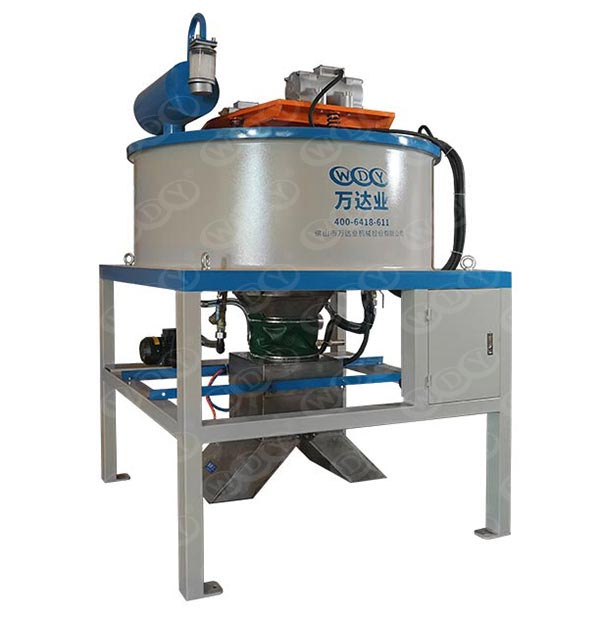
2. Electromagnetic dried‑powder separator or new‑type powder magnetic separator for high‑gradient capture of fine magnetic and weakly magnetic particles. [sciencedirect]
3. Slurry magnetic separators downstream if the process includes wet milling or slurry transport. [hbroule]
4. Final magnetic checks (drum or plate magnets) near packing to protect the finished product. [eclipsemagnetics]
In this setup, magnetic conveyor rollers provide transport plus primary separation, while Wandaye’s specialized separators deliver the ultra‑high purity required by ceramics, glass, lithium battery, and food customers. [eclipsemagnetics]
Latest Trends: Smart, Dry, and High‑Gradient Magnetic Technologies
Recent research and market data show several clear trends in magnetic conveyor and separator technology:
– High‑gradient and nanoparticle separation: Advanced matrices and stronger fields enable separation of ultra‑fine magnetite, paramagnetic minerals, and even nanoparticles, which is critical for modern battery and catalyst materials. [sciencedirect]
– Dry magnetic separation: Dry systems reduce or eliminate water consumption, making them attractive in water‑scarce regions and for products that must remain dry, such as powders and bulk solids. [market-prospects]
– Superconducting separators: Experimental superconducting magnetic separators deliver extremely high field strengths for difficult separations, although they remain a niche due to cost and complexity. [sciencedirect]
– Smart, self‑powered conveyor rollers: Research prototypes now integrate energy harvesting and sensors directly into conveyor rollers, enabling condition monitoring, load sensing, and local control without external power. [sciencedirect]
These trends align with Wandaye’s focus on efficiency, energy saving, environmental protection, and intelligence, as reflected in its company profile and ongoing R&D. [wdymagnetic]
Practical Selection Guide: How to Choose the Right Magnetic Conveyor Roller Solution
When I design or review a magnetic conveyor system, I follow a structured approach that plant engineers can adapt:
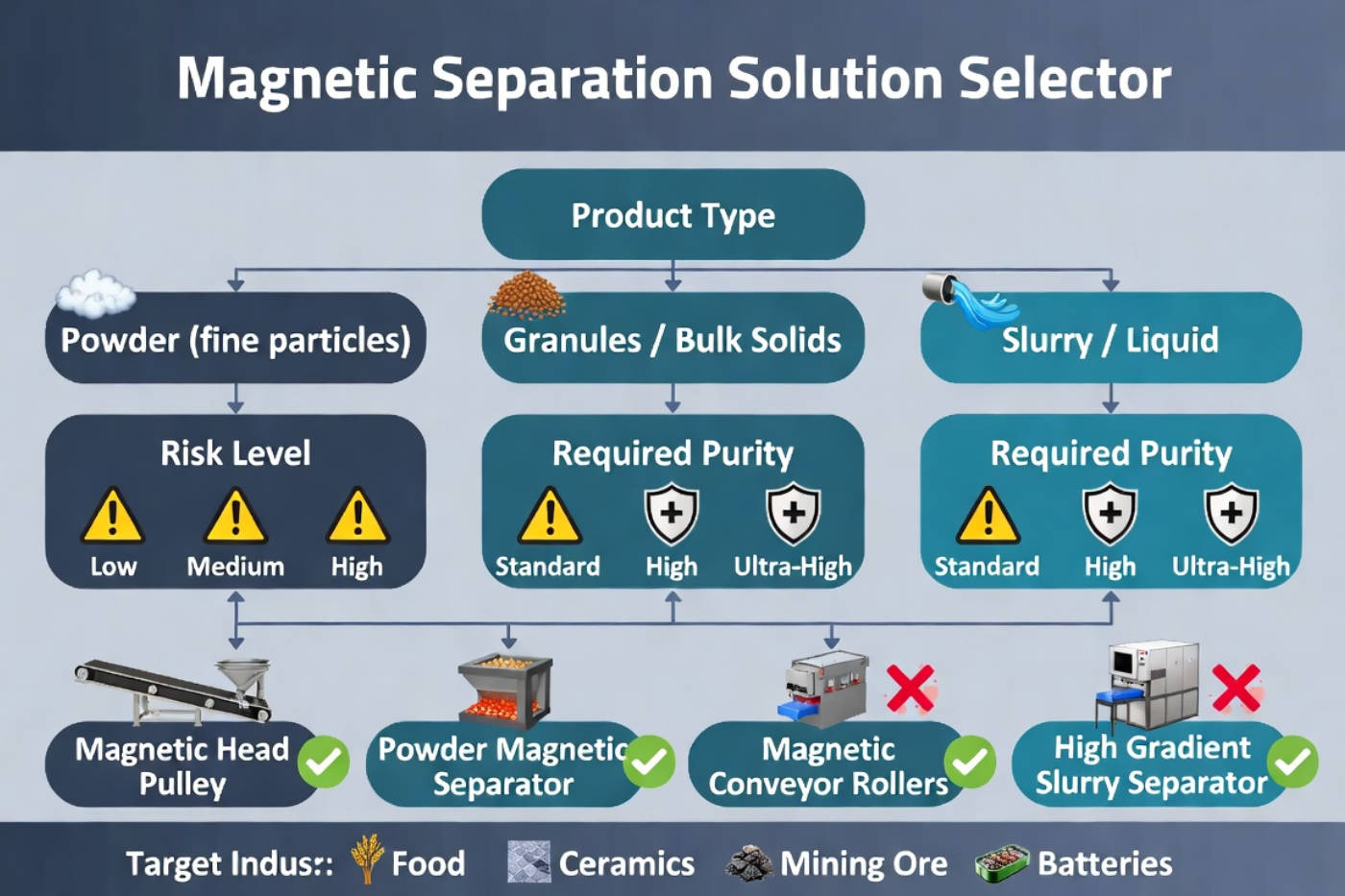
1. Define the product and risk level
– Powder, granules, or bulk pieces?
– What is the acceptable residual metal level and regulatory requirement?
– Is the product abrasive, sticky, hygroscopic, or explosive?
2. Map the process flow
– Identify critical control points (feed hoppers, mills, screens, packing) where metal can enter or cause damage. [powder-solutions]
– Decide where a magnetic conveyor roller or pulley delivers both transport and separation benefits.
3. Specify magnetic parameters
– Required field strength at the surface (in Gauss or Tesla) based on particle size and material. [sciencedirect]
– Coverage angle of the magnetic arc to ensure adequate exposure time.
– Choice of permanent vs electromagnet depending on flexibility needs.
4. Consider hygiene and cleanability
– For food, pharma, and battery materials, insist on smooth stainless steel surfaces, sanitary welds, and easy access for inspection. [powder-solutions]
– Align with HACCP and GMP validation requirements.
5. Integrate with other separators
– Use belt magnetic pulleys and rollers for bulk tramp removal.
– Combine with high‑gradient powder and slurry separators for fine and weakly magnetic contaminants. [hbroule]
6. Plan for monitoring and maintenance
– Add sensors or inspection ports to monitor build‑up or performance drift. [sciencedirect]
– Include magnet strength checks in preventive maintenance schedules. [powder-solutions]
At Wandaye, our engineering team typically supports customers through this entire evaluation, from mineral tests and process simulation to on‑site commissioning and optimization. [wdymagnetic]
Future Outlook: Where Magnetic Conveyor Rollers Are Headed
Looking ahead, I expect magnetic conveyor rollers to become even more tightly integrated with smart factory and low‑carbon initiatives:
– IoT‑enabled rollers and separators will feed real‑time data on throughput, metal load, temperature, and vibration into central control systems, enabling predictive maintenance and automated quality reporting. [sciencedirect]
– AI maglev and hybrid magnetic conveyors may be used in high‑precision or cleanroom environments to deliver vibration‑free, ultra‑clean transport for semiconductors and advanced materials. [market-prospects]
– Circular economy integration will drive wider use in recycling, enabling higher recovery rates of metals and battery materials while lowering environmental impact. [market-prospects]
For manufacturers, the strategic opportunity is clear: by adopting advanced magnetic conveyor rollers in combination with high‑performance powder and permanent magnetic separators, you do not just move material more efficiently—you build a cleaner, safer, and more profitable production ecosystem. [greatmagtech]
Call to Action: Partner with a Specialist Magnetic Separator Manufacturer
If you are planning a new line or upgrading an existing plant in mining, ceramics, glass, battery materials, food, pharmaceuticals, or environmental protection, you gain the most value by partnering with a specialized magnetic separator manufacturer rather than buying standalone components. [wdymagnetic]
Wandaye offers:
– R&D‑driven powder and permanent magnetic separators tailored to your material and flow. [hbroule]
– Whole line solutions including engineering design, production line installation, and commissioning. [hbroule]
– Proven project experience in kaolin, feldspar, quartz, battery materials, and more. [hbroule]
You can contact Wandaye’s engineering team for a custom magnetic conveyor and separator proposal that matches your throughput, purity targets, and budget, and we will help you evaluate ROI based on real operating data. [wdymagnetic]
FAQ
1. How do magnetic conveyor rollers differ from standard rollers?
Magnetic conveyor rollers use embedded permanent magnets or electromagnets to both transport and separate ferrous materials, whereas standard rollers rely solely on mechanical drive and friction. This dual function reduces the need for separate tramp iron removal equipment and can lower energy consumption and maintenance costs. [nai-group]
2. Can magnetic conveyor rollers handle ultra‑fine powders?
Yes, when correctly designed and combined with high‑gradient powder magnetic separators, magnetic conveyor rollers can support lines processing fine ceramic, glass, and battery powders. Typically, the roller performs coarse removal, while the high‑gradient separator achieves ultra‑low residual metal levels. [sciencedirect]
3. Are magnetic conveyor rollers suitable for food and pharmaceutical applications?
They are suitable when designed with hygienic stainless housings, easy‑clean access, and validated magnetic strength appropriate for the risk level. Many food and dairy powder plants combine magnetic pulleys, grids, and dedicated separators to meet HACCP and audit requirements. [powder-solutions]
4. How do I know what magnetic strength I need?
The required field strength depends on particle size, material type, layer thickness, and process speed. Professional manufacturers like Wandaye typically perform material tests and calculations, then specify field strength, magnet type, and coverage angle to achieve your target residual metal level. [pubs.aip]
5. Can magnetic conveyor rollers be retrofitted to existing lines?
In many cases, yes: magnetic pulley magnets and certain magnetic rollers are designed to replace existing terminal or idler rollers with minimal structural changes. A site survey is usually needed to confirm belt compatibility, tensioning, and safety clearances before retrofitting. [greatmagtech]
References
1. Great Magtech. “Magnetic Conveyor Roller: the Future of Magnetism.” [Link] [greatmagtech]
2. Foshan Wandaye Technology Co., Ltd. Official Website and Company Profile. [Link] [wdymagnetic]
3. Eclipse Magnetics. “Magnetic separators boost hygiene on powder sifting and processing.” [Link] [eclipsemagnetics]
4. Powder‑Solutions. “Achieving Efficient & Hygienic Magnetic Separation in Sensitive Dairy Powders.” [Link] [powder-solutions]
5. Scientific literature on permanent magnet separators and high‑gradient magnetic separation (e.g., Journal of Applied Physics and ScienceDirect articles on permanent magnet and novel magnetic separators). [sciencedirect]
6. Articles on smart conveyor and AI maglev systems illustrating trends in intelligent, low‑friction magnetic material handling. [sciencedirect]
Hot Tags: Magnetic Conveyor Roller, Manufacturers, Customized, Custom, Suppliers, Buy, Cheap, Quality, Advanced, Durable, in Stock, Made in China, Price, Quotation