


Content Menu
● Understanding Temporary vs Permanent Magnetism
>> What is a temporary magnet?
>> What is a permanent magnet?
● Key Differences: Temporary vs Permanent Magnets in Industrial Use
>> Process control and flexibility
● How Magnetic Separation Works in Modern Plants
● Where Permanent Magnetic Separators Excel
>> 1. Non‑metallic mineral purification
>> 2. Ceramic and building materials
>> 3. New energy and battery materials
● Company Perspective: How Wandaye Designs Permanent Magnetic Solutions
● Choosing Between Temporary and Permanent Magnet Solutions
>> Choose temporary magnets (electromagnets) when…
>> Choose permanent magnets when…
● Practical Checklist: Selecting a Permanent Magnetic Separator
● Summary Table: Temporary vs Permanent Magnets in Industrial Separation
● Call to Action: Plan Your Next Magnetic Separation Upgrade
● FAQ
>> 1. What is the main advantage of permanent magnetic separators over electromagnets?
>> 2. Can permanent magnets lose their magnetism over time?
>> 3. Are permanent magnetic separators suitable for food and pharmaceutical applications?
>> 4. How do I know if my material needs a high‑gradient separator?
>> 5. What support can a manufacturer like Foshan Wandaye provide beyond just selling equipment?
Magnetic technology sits quietly behind many of the world’s cleanest, most efficient production lines—from kaolin and quartz purification to lithium battery materials and food safety. As someone who has spent years working with permanent magnetic separators on real mineral and non-metallic ore projects, I can say that the biggest confusion I still see in factories and design institutes is very basic: when should you rely on temporary magnetism (like electro‑magnets), and when should you invest in permanent magnet solutions for separation and iron removal. [gme-magnet]
In this article, I will demystify temporary vs permanent magnetism from a practical, engineering perspective, then connect these principles directly to magnetic separation equipment, including where specialized manufacturers like Foshan Wandaye fit into your project. [en.fswandaye]
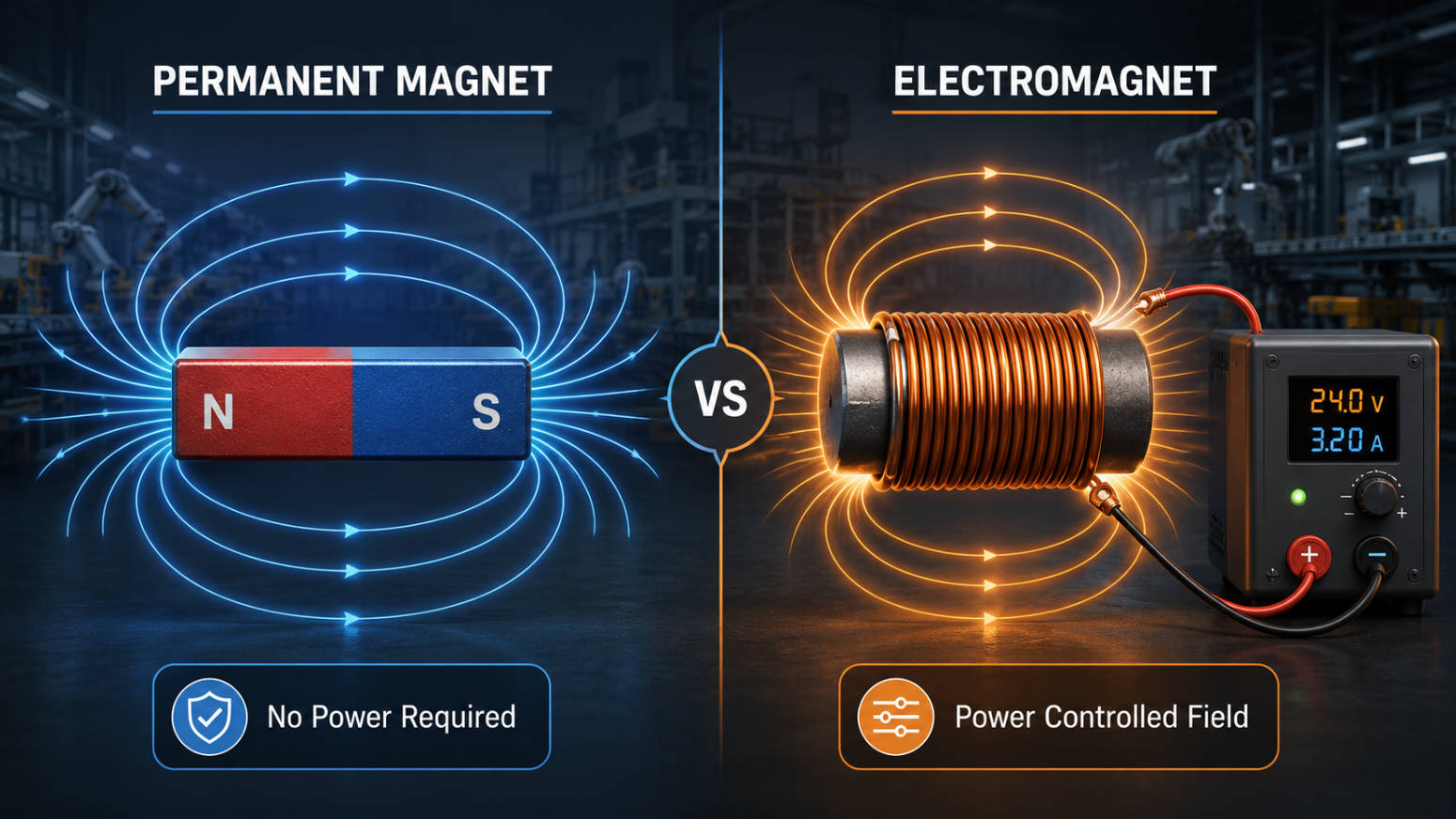
Understanding Temporary vs Permanent Magnetism
What is a temporary magnet?
A temporary magnet is a material that only becomes magnetized when it is placed in an external magnetic field, and then loses most of that magnetism when the field is removed. Common examples include: [gme-magnet]
– Iron cores inside electromagnets used in cranes and relays
– Ferromagnetic parts that become magnetized near strong magnets
– Components inside MRI systems where magnetic fields are switched on and off [gme-magnet]
From a materials point of view, temporary magnets usually have:
– Low coercivity – they are easy to magnetize and just as easy to demagnetize
– Low remanence – they retain very little residual magnetism once the field is removed [gme-magnet]
In practice, this means temporary magnet systems give you excellent control: you can energize, de‑energize, and adjust field strength through current and power settings. [gme-magnet]
What is a permanent magnet?
A permanent magnet is a material whose internal magnetic domains are aligned in a stable way so that it maintains its magnetic field without any external power source. Typical permanent magnet materials include: [gme-magnet]
– Ferrite (ceramic) magnets
– AlNiCo alloys
– Rare‑earth magnets such as NdFeB (neodymium) and SmCo (samarium–cobalt) [gme-magnet]
These materials show:
– High coercivity – strong resistance to demagnetization
– High remanence – strong residual magnetism after magnetization [gme-magnet]
This stability is exactly why permanent magnets are used in:
– Permanent magnet motors and generators
– Hard disk drives and magnetic storage devices
– Speakers and headphones [gme-magnet]
For magnetic separators, the same stability translates into continuous, maintenance‑light magnetic fields that can run 24/7 without power consumption for the magnet system itself. [kinder.com]
Key Differences: Temporary vs Permanent Magnets in Industrial Use
From an engineer’s perspective, the comparison that really matters is not just physics—it is lifecycle cost, reliability, and process stability across the life of your production line.
Strength and stability
– Temporary magnets (electromagnets)
– Field strength depends on current and coil design.
– Very strong fields are possible but at the cost of energy and heat management.
– Magnetism largely disappears when power is off, which can be an advantage for certain processes. [gme-magnet]
– Permanent magnets
– Deliver strong, stable fields as long as the magnet is not overheated, physically damaged, or exposed to strong reverse fields. [gme-magnet]
– Provide high coercivity and remanence, making them ideal for long‑term separation applications. [gme-magnet]
Process control and flexibility
– Temporary magnets
– Field is adjustable by changing current.
– Excellent for processes that need dynamic control or “on/off” operation, such as lifting magnets, some lab systems, and MRI. [gme-magnet]
– Permanent magnets
– Field is not adjustable without mechanical changes (distance, shims, or auxiliary coils).
– Excellent for fixed, repeatable industrial conditions—for example, a stable feed rate and particle size where you want consistent iron removal around the clock. [kinder.com]
Energy and operating cost
– Temporary magnets
– Continuous power draw + cooling requirements.
– Higher long‑term OPEX, especially in high‑duty mining and slurry applications. [gme-magnet]
– Permanent magnets
– No power consumption for the magnet itself.
– Only mechanical drives, pumps, and auxiliaries consume energy.
– Over years of operation, this is often where permanent magnetic separators deliver a clear TCO advantage. [grandviewresearch]
How Magnetic Separation Works in Modern Plants
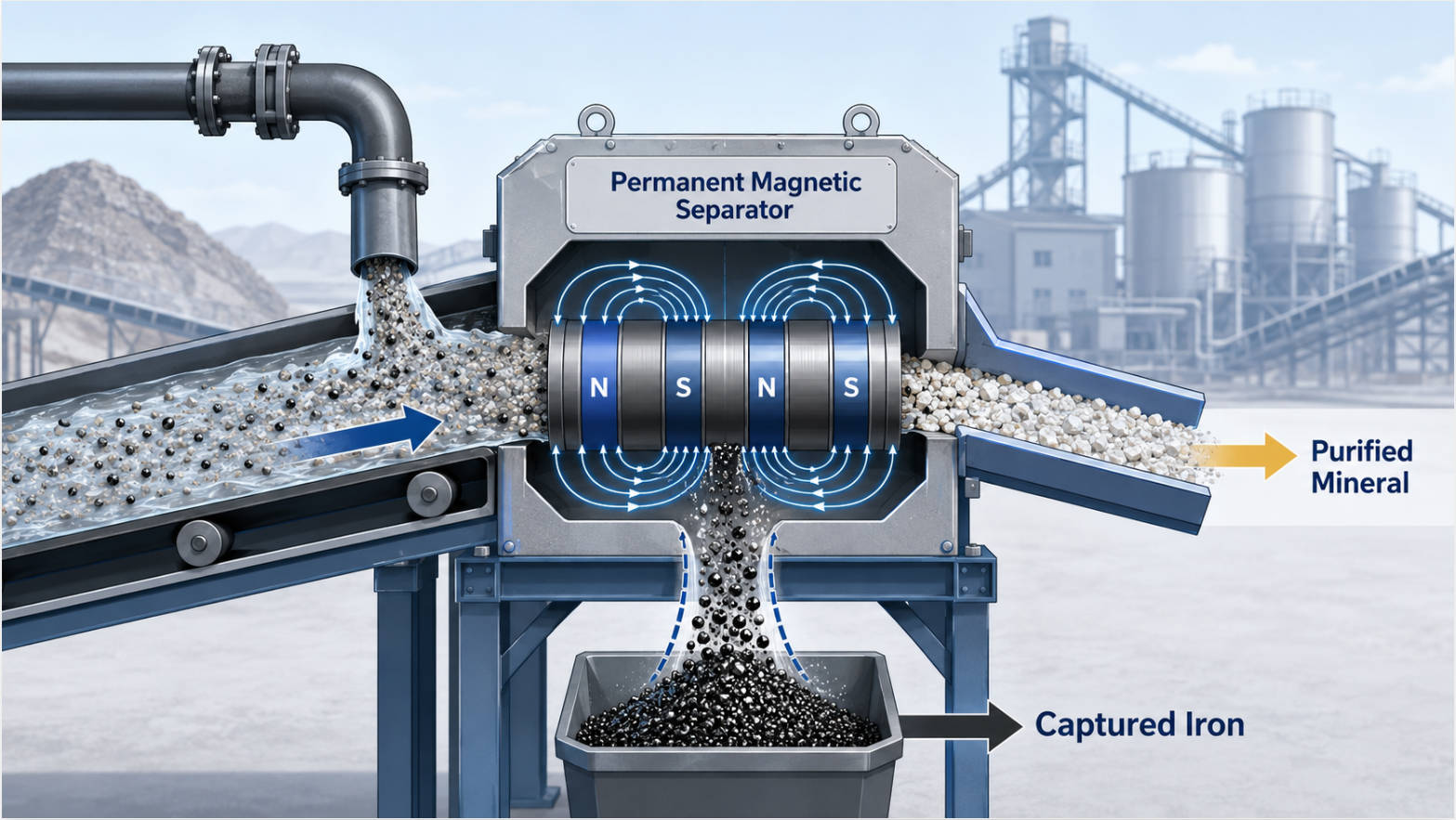
Magnetic separation uses the difference in magnetic properties between particles to remove ferrous contaminants or to concentrate magnetic minerals from non‑magnetic gangue. [kinder.com]
Typical goals include:
– Upgrading ore grade in mineral processing
– Removing iron contamination from ceramics, glass, quartz, and feldspar
– Protecting downstream equipment by capturing tramp iron from bulk materials [kinder.com]
In mining alone, modern magnetic separation innovations are projected to increase mineral extraction efficiency significantly, reflecting the industry’s shift toward higher‑grade recovery with lower energy and water consumption. [grandviewresearch]
Where Permanent Magnetic Separators Excel
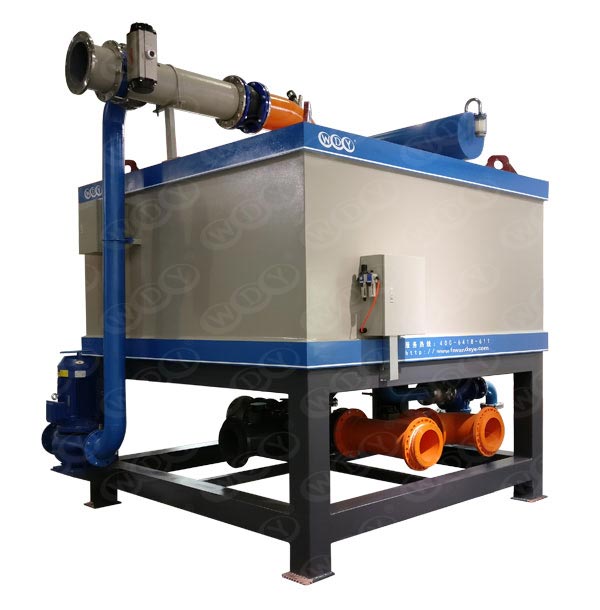
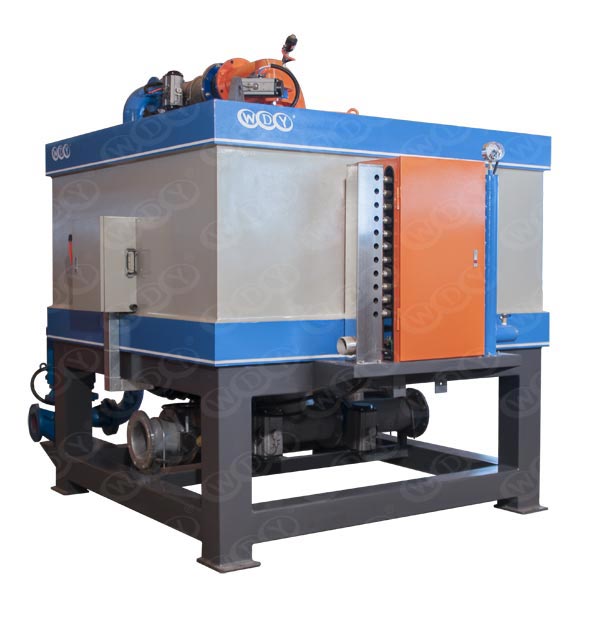
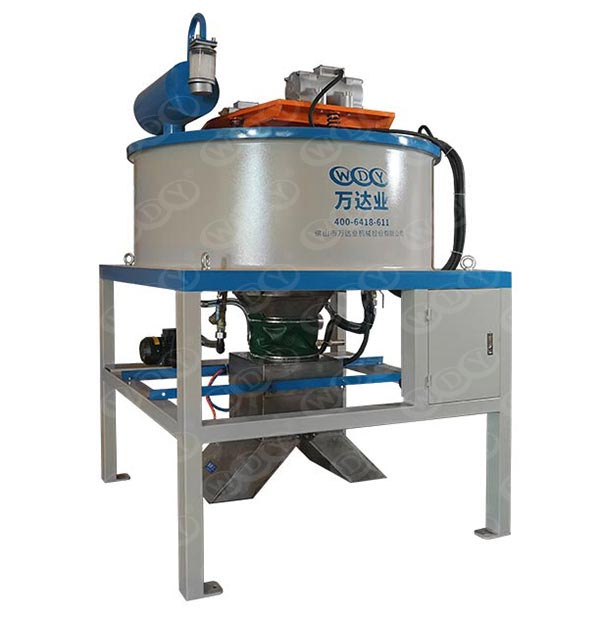
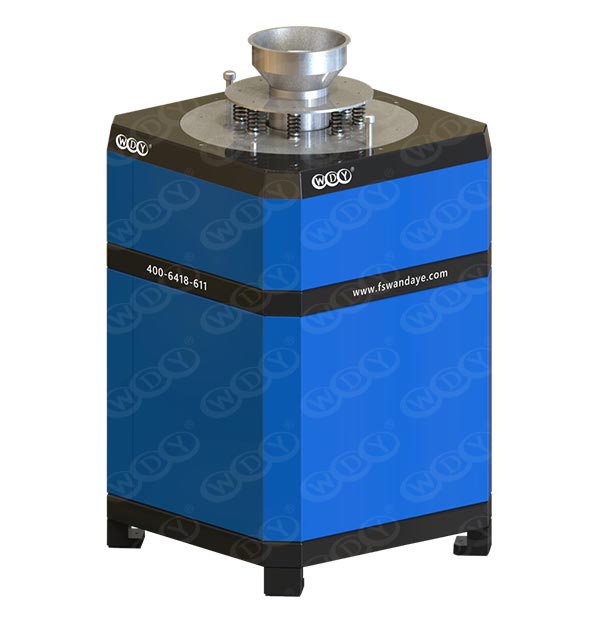
As a permanent magnetic separator manufacturer, most of the projects I’ve seen fall into three broad categories where permanent magnet systems consistently outperform:
1. Non‑metallic mineral purification
Products:
– Kaolin
– Sodium and potassium feldspar
– Quartz sand
– Other non‑metallic ores used in ceramics, glass, electronic materials [en.fswandaye]
Requirements are often extremely strict: low Fe₂O₃ content, narrow impurity windows, and stable whiteness. In these scenarios, high‑gradient permanent or electromagnetic separators are used to remove weakly magnetic iron phases from fine particles. [imt-inc]
Permanent magnetic separators in this space deliver:
– Stable separation performance across long campaigns
– Low daily maintenance
– No risk of performance fluctuation due to power supply instability [imt-inc]
2. Ceramic and building materials
In ceramic tiles, sanitary ware, and glass production, iron contamination can lead to visible defects, color differences, and reduced mechanical strength. Permanent magnetic separators: [en.fswandaye]
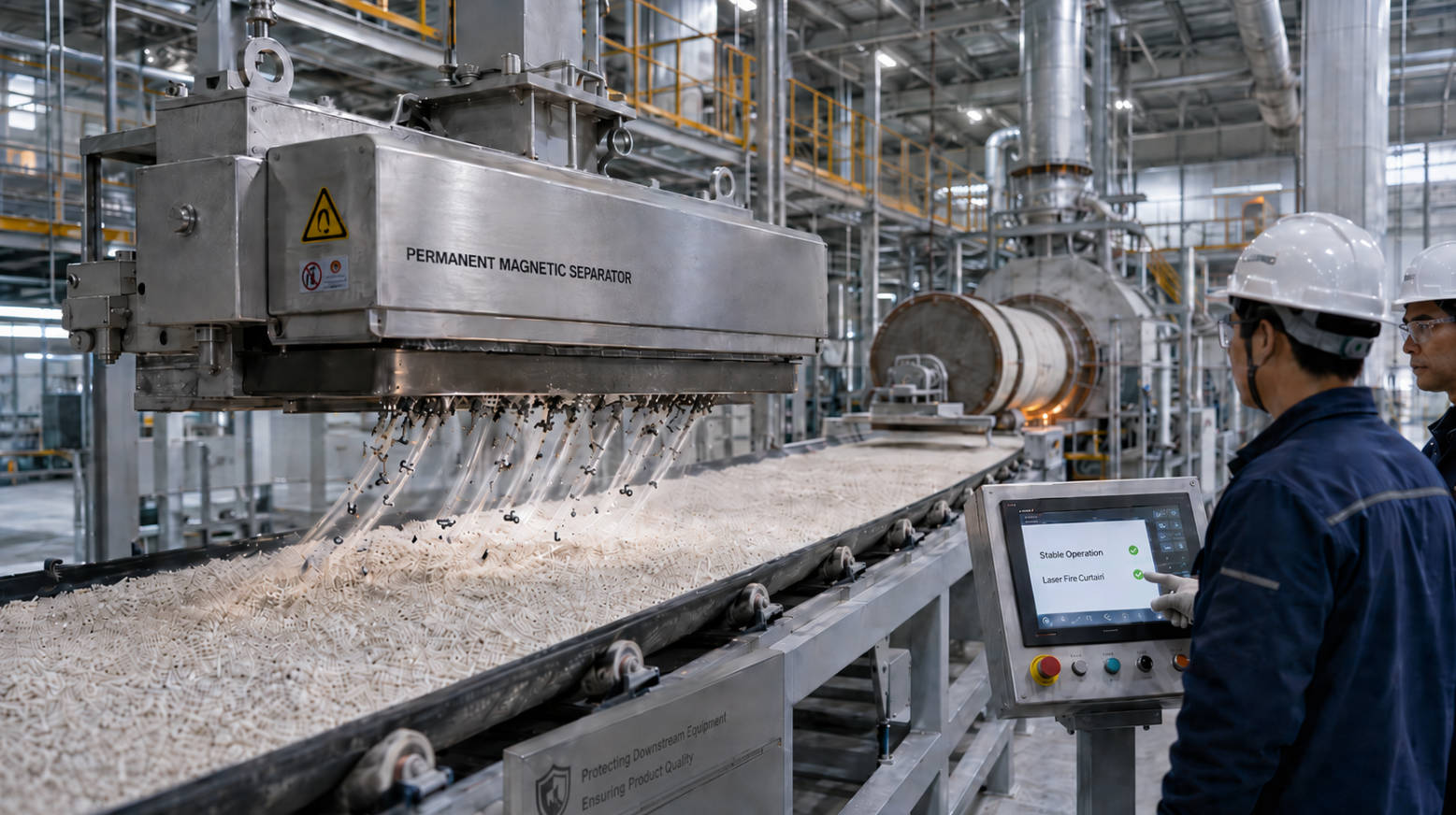
– Are installed on belt conveyors, chute systems, and powder pipelines
– Capture tramp iron, nuts, bolts, and worn steel fragments
– Reduce product rework and machine downtime [kinder.com]
Because these plants run continuously, unpowered permanent magnets are particularly valuable: they protect key assets without adding to energy load. [en.fswandaye]
3. New energy and battery materials
For anode and cathode materials (for example, graphite and NCM precursors), even tiny iron contamination can trigger safety and performance issues in lithium‑ion batteries. In this field, permanent magnetic separators: [pmc.ncbi.nlm.nih]
– Help ensure ultra‑low iron levels
– Protect milling, coating, and filling equipment
– Support consistent electrochemical performance across batches [pmc.ncbi.nlm.nih]
Company Perspective: How Wandaye Designs Permanent Magnetic Solutions
Foshan Wandaye Machinery Equipment Co., Ltd. is a specialized magnetic separator enterprise, listed on China’s NEEQ in 2015 (stock code: 833886), integrating R&D, engineering design, complete line installation, and commissioning. [en.fswandaye]
From an internal project perspective, three design principles dominate:
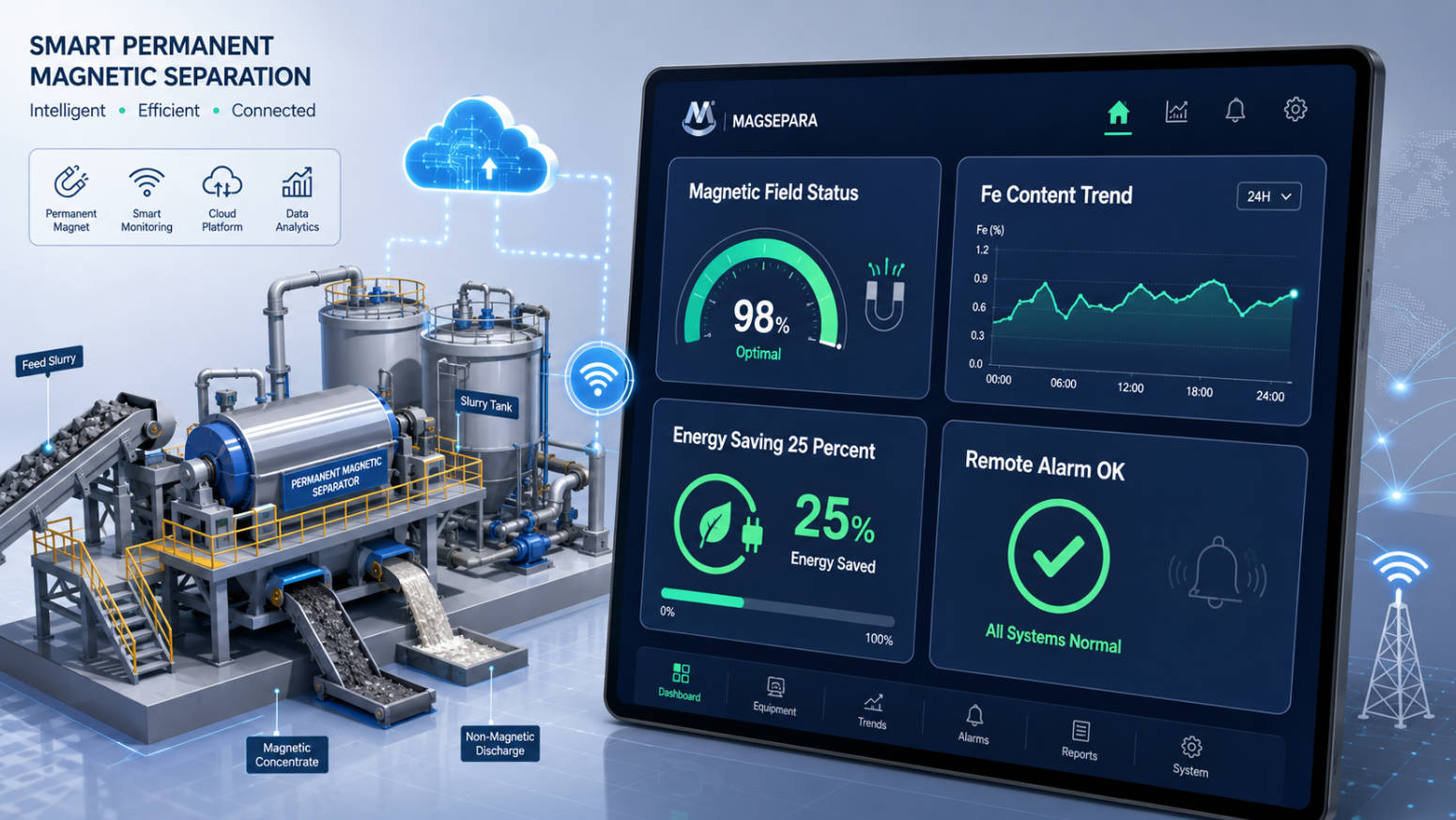
1. High‑efficiency – The latest generation of separators has reached about 25% energy savings compared with earlier models, with an R&D roadmap targeting 30%. [grandviewresearch]
2. Energy‑saving and environmental protection – By reducing regrind and waste, the separators help customers lower power and water consumption per ton of product. [grandviewresearch]
3. Smart and connected – Newer lines support remote monitoring, intelligent alarms, and cloud‑based condition tracking to simplify operation and maintenance in large plants. [en.fswandaye]
Application coverage includes:
– Mines and mineral processing
– Ceramics and glass
– Building materials
– Environmental protection projects (for example, tailings recovery and reuse)
– Rubber and plastics recycling
– Medicine and food
– Anode and cathode material production [en.fswandaye]
Beyond equipment supply, Wandaye maintains a laboratory and test line that can:
– Conduct chemical and physical analysis of ore samples
– Run pilot‑scale beneficiation tests
– Design whole‑line process flows for kaolin, feldspar, quartz, and other non‑metallic ores
– Provide tailings utilization and environmental reconstruction solutions [en.fswandaye]
For procurement teams, this means the magnet type and separator model are not chosen in isolation—they are optimized alongside process design, quality targets, and investment constraints.
Choosing Between Temporary and Permanent Magnet Solutions
From both an engineer’s and a buyer’s perspective, the decision is rarely “either/or.” It is about fitting magnet behavior to your process scenario.
Choose temporary magnets (electromagnets) when…
– You need fully controllable, switchable fields (for example, lifting magnets, lab test setups, some specialized separation stages).
– Field strength must be dynamically adjusted during operation.
– You accept higher power consumption in exchange for control and flexibility. [gme-magnet]
Choose permanent magnets when…
– Your process runs 24/7 and you want stable, low‑maintenance separation.
– Your main objective is removing ferrous impurities from powders, slurries, or bulk materials in fixed conditions.
– You care strongly about lifecycle cost, not just initial CAPEX. [kinder.com]
In real projects, hybrid setups are also common—for example:
– A permanent magnetic separator on the main line for base‑level iron removal.
– An electromagnet stage for fine control in a critical polishing or cleaning step.
Practical Checklist: Selecting a Permanent Magnetic Separator
When we help a customer specify a permanent magnetic separator, we typically work through the following points.
1. Material characteristics
– Dry powder, granular, or slurry
– Particle size range and distribution
– Bulk density and moisture content
2. Magnetic impurity profile
– Type of ferrous material (tramp iron, scale, iron powder)
– Initial Fe content and target Fe content
– Whether magnetic minerals in the ore itself must be recovered or just removed
3. Process conditions
– Feed rate (t/h)
– Operating temperature and pH (for slurry)
– Installation position (over‑belt, in‑line, wet drum, vertical ring, etc.) [imt-inc]
4. Compliance and quality requirements
– Standards for food, pharmaceutical, battery materials, or export markets
– Internal quality specs such as whiteness, transparency, or conductivity
5. Lifecycle and service expectations
– Required operating hours per year
– Maintenance capability on site
– Digitalization level (is remote monitoring valuable or required?) [en.fswandaye]
By mapping these factors, we can usually narrow the choice down to several separator configurations and then confirm with testing in the lab or pilot line.
Summary Table: Temporary vs Permanent Magnets in Industrial Separation
| Aspect | Temporary magnets (electromagnets) | Permanent magnets (for separators) |
|---|---|---|
| Magnetism source | External power and current | Inherent material magnetism |
| Coercivity & remanence | Low coercivity, low remanence gme-magnet | High coercivity, high remanence gme-magnet |
| Control | Field easily adjustable or switched off | Field fixed; adjusted mainly by design and distance |
| Energy use | Continuous power consumption gme-magnet | No power for the magnet itself gme-magnet |
| Typical uses | Cranes, MRI, lab systems, some specialty separators gme-magnet | Mining, ceramics, glass, food, plastics, battery materials en.fswandaye |
| Lifecycle cost | Higher OPEX, lower initial cost | Higher stability, lower long‑term energy cost en.fswandaye |
Call to Action: Plan Your Next Magnetic Separation Upgrade
If your plant is:
– Trying to hit a stricter Fe content limit
– Struggling with unstable separation due to power or control issues
– Planning a new line for ceramics, quartz, non‑metallic minerals, or battery materials
then this is the right moment to reassess how you are using temporary vs permanent magnet technology in your flowsheet.
A practical next step is to send representative material samples and process data to a specialized magnetic separation partner such as Foshan Wandaye, who can run lab tests, simulate separation performance, and propose an integrated solution—from permanent magnetic separator selection to complete line design and commissioning. [en.fswandaye]
FAQ
1. What is the main advantage of permanent magnetic separators over electromagnets?
Permanent magnetic separators operate without external power, providing a stable magnetic field and lower operating costs over long production cycles. They are especially suitable for continuous processes in mining, ceramics, glass, and battery material production where consistent iron removal is critical. [kinder.com]
2. Can permanent magnets lose their magnetism over time?
Yes, but under normal operating conditions the loss is minimal. Permanent magnets may gradually weaken if they are exposed to high temperatures, strong reverse magnetic fields, or mechanical damage, but in well‑designed equipment and correctly specified operating ranges they maintain functional magnetism for many years. [gme-magnet]
3. Are permanent magnetic separators suitable for food and pharmaceutical applications?
Yes. Permanent magnetic separators are widely used to remove ferrous contamination from food and pharmaceutical products, helping plants meet safety and regulatory standards while protecting downstream equipment. Design and surface finish must follow hygienic guidelines, and proper validation and inspection procedures are required. [kinder.com]
4. How do I know if my material needs a high‑gradient separator?
If your material contains weakly magnetic impurities (for example, iron‑bearing silicates in kaolin or quartz) rather than only coarse tramp iron, you may need a high‑gradient separator to generate stronger local fields in a fine matrix. Laboratory or pilot testing is the most reliable way to confirm the required separator type and operating parameters. [imt-inc]
5. What support can a manufacturer like Foshan Wandaye provide beyond just selling equipment?
In addition to supplying permanent magnetic separators, Wandaye can perform ore analysis, lab beneficiation tests, full process design, complete line erection, and tailings utilization planning for non‑metallic minerals. The company also offers remote monitoring and intelligent reporting features on modern equipment to support ongoing optimization and maintenance. [en.fswandaye]
References
1. Great Magtech – “Magnet types demystified: temporary vs permanent magnets.” (Spanish version used for concept structure and definitions of temporary and permanent magnetism, including coercivity, remanence, and application examples such as electromagnets, MRI machines, and storage devices.) [https://es.greatmagtech.com/info/magnet-types-demystified-temporary-vs-perman-82751861.html] [gme-magnet]
2. Foshan Wandaye Machinery Equipment Co., Ltd. – Official “About Us” page describing the company’s product lines (high‑gradient electromagnetic slurry machines, powder magnetic separators, permanent magnetic separators, magnetic plates, etc.), core markets (mines, ceramics, electricity, building materials, glass, environmental protection, rubber, plastics, medicine, food, anode and cathode materials), and R&D focus on high‑efficiency, energy‑saving, smart magnetic separation solutions.[http://en.fswandaye.com/About-Us/] [en.fswandaye]
3. Grand View Research – “Magnetic Separation in Mining Market” report, discussing industry trends and the impact of magnetic separation innovations on mineral extraction efficiency and energy usage. [https://www.grandviewresearch.com/industry-analysis/magnetic-separation-mining-market-report] [grandviewresearch]
4. GME Magnet – “How does magnetic separation use in mining work” – explanation of magnetic separation principles, equipment types, and their role in optimizing recovery and protecting downstream machinery in mining operations. [https://www.gme-magnet.com/info/how-does-magnetic-separation-use-in-mining-wor-102879095.html] [gme-magnet]
5. Kinder Australia – “Magnetic Separators | Process Equipment” – technical whitepaper on the use of magnetic separators for tramp iron removal in conveyor and bulk handling systems, highlighting their role in protecting process equipment and improving product quality. [https://kinder.com.au/technical/whitepapers/magnetic-separation/] [kinder.com]
6. IMT – “Wet Drum Magnetic Separators Explained” – overview of wet drum separators for removing ferrous materials from liquids, slurries, and fine powders in mineral processing, supporting discussion of wet separation design considerations. [https://www.imt-inc.com/wet-drum-magnetic-separators-explained/] [imt-inc]
7. NCBI / PMC – “Magnetic Separation in Bioprocessing Beyond the Analytical Scale” – background on advanced magnetic separation technologies and their extension into bioprocessing, cited for high‑precision separation and emerging application areas. [https://pmc.ncbi.nlm.nih.gov/articles/PMC6776625/] [pmc.ncbi.nlm.nih]
Hot Tags: Types of Magnets, Manufacturers, Customized, Custom, Suppliers, Buy, Cheap, Quality, Advanced, Durable, in Stock, Made in China, Price, Quotation