


Content Menu
● What Is Iron Ore Element Testing?
● Current Status of Iron Ore Element Testing in China
● X‑Ray Fluorescence (XRF) Method: Principle and Workflow
>> Principle of XRF in Iron Ore Testing
>> Main Reagents and Instruments
>> Step‑by‑Step XRF Testing Procedure
● Chemical Titration Method: Principle and Workflow
>> Principle of Chemical Detection
>> Main Reagents and Equipment
>> Core Steps in Chemical Detection
● XRF vs Chemical Method: Advantages, Limits, and Typical Use
● Practical Challenges and Optimization Opportunities
>> Operational and Environmental Challenges
>> Data‑Driven Method Optimization
● Example: Professional Iron Ore Testing Laboratory
● How Accurate Iron Ore Testing Supports Downstream Industries
● Best‑Practice Workflow for Iron Ore Element Testing
● How Magnetic Separation Equipment Benefits from Reliable Element Testing
● Frequently Asked Questions (FAQ)
>> Q1: Why is testing common elements in iron ore so important for steel plants?
>> Q2: Can XRF completely replace chemical titration for total iron analysis?
>> Q3: How often should a laboratory recalibrate its XRF system for iron ore testing?
>> Q4: What are the main risks if ore sampling is not done correctly?
>> Q5: How does accurate iron ore testing support magnetic separation performance?
Iron ore elemental testing is critical for steel quality control, international trade, and process optimization in mining, ceramics, and related industries. Accurate determination of iron, silicon, calcium, manganese and other elements directly affects smelting efficiency, product performance, and compliance with national and international standards.
What Is Iron Ore Element Testing?
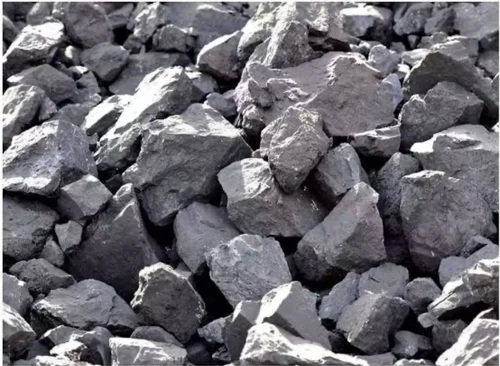
Iron ore element testing refers to the quantitative analysis of total iron (TFe) and associated elements (such as Si, Ca, Mn, Ti and trace elements) in raw ore and processed products. These results guide ore blending, beneficiation, smelting parameters, and help buyers and sellers evaluate ore value in long‑term supply contracts.
Iron ore testing is widely used in:
– Mining exploration and resource evaluation.
– Iron and steel plants for incoming ore inspection and process adjustment.
– Ceramics, glass, refractory and pharmaceutical industries that require strict impurity control.
Current Status of Iron Ore Element Testing in China
In China, laboratories commonly use chemical methods (titanium trichloride reduction) and X‑ray fluorescence spectroscopy (XRF) to determine elemental content in iron ore. Chemical analysis is still often treated as the reference method, while XRF is rapidly becoming the mainstream solution for high‑throughput testing.
Key characteristics today:
– Iron ore resources in China are scattered, storage areas are relatively small, and quality varies significantly between regions, unlike the more concentrated and stable foreign deposits.
– Laboratories handle thousands of batches every year, which puts pressure on personnel, utilities, and environmental protection when only traditional chemical methods are used.
– Large historical datasets from both chemical and XRF methods have been accumulated, enabling better calibration and method correlation to improve XRF accuracy.
For iron ore testing laboratories, improving efficiency and reducing environmental impact, while maintaining or improving accuracy, has become a core development direction.
X‑Ray Fluorescence (XRF) Method: Principle and Workflow
Principle of XRF in Iron Ore Testing
X‑ray fluorescence spectroscopy uses high‑energy X‑rays to excite the atoms in an iron ore sample, causing them to emit characteristic X‑rays that are proportional to element content. In the context of iron ore, samples are usually fused into glass discs using anhydrous lithium tetraborate as a flux, lithium nitrate as an oxidant, and potassium bromide as a release agent to obtain stable, homogeneous specimens.
By measuring the XRF intensity for each element and establishing a quantitative relationship with certified reference materials, laboratories calculate the content of Fe, Si, Ca, Mn and other elements.
Main Reagents and Instruments
– Reagents: distilled water, hydrochloric acid (for sample preparation if needed), anhydrous lithium tetraborate, lithium nitrate, potassium bromide, and supporting gases.
– Instrument: X‑ray fluorescence spectrometer, usually wavelength‑dispersive type for higher precision in multi‑element analysis.
Step‑by‑Step XRF Testing Procedure
1. Sample fusion preparation
Anhydrous lithium tetraborate is used as a flux, lithium carbonate or lithium nitrate as an oxidant, and potassium bromide as a release agent, and the solutions are fully mixed for fusion.
2. Specimen making
Iron ore samples are precisely weighed, melted, and cast to make standardized glass discs as test pieces.
3. Spectral analysis
The prepared sample discs are placed into the XRF spectrometer to measure the intensity of characteristic X‑rays for each element.
4. Data processing and calibration
Standard sample discs are repeatedly tested to build calibration curves, and measurement data of unknown samples are converted to mass fractions using these curves.
This fusion‑XRF route significantly improves sample homogeneity and reduces matrix effects, helping laboratories achieve more stable and repeatable results in routine production analysis.
Chemical Titration Method: Principle and Workflow
Principle of Chemical Detection
Traditional chemical detection (titration) relies on redox reactions to determine total iron content. The standard sample is decomposed or acidified, and iron is reduced with stannous chloride, then the remaining iron is further reduced with titanium trichloride. The residual reducing agents are oxidized by potassium dichromate, and the amount of dichromate consumed is used to calculate the total iron content in the sample.
Main Reagents and Equipment
– Reagents: hydrochloric acid, sulfuric acid, phosphoric acid, boric acid, hydrofluoric acid, potassium pyrosulfate, sodium hydroxide, sodium peroxide, stannous chloride, titanium trichloride, potassium dichromate standard solution, etc.
– Instruments: corundum crucibles, platinum crucibles, burettes, analytical balances and related titration equipment.
Core Steps in Chemical Detection
1. Preparation of solutions
Stannous chloride, titanium trichloride, and potassium dichromate solutions are prepared and allowed to fully react with the standard sample during testing.
2. Decomposition of the standard sample
The ore is broken down using appropriate acid or alkali systems to ensure iron enters the solution phase completely.
3. Titration process
The decomposed sample solution is titrated with potassium dichromate to quantify the amount of iron reduced and then re‑oxidized.
4. Data processing and blank correction
Two standard sample solutions and one blank solution are prepared to correct systematic errors and calculate the final total iron content.
Chemical analysis is recognized for its high accuracy but requires intensive manual operation, multiple heating and drying steps, and uses significant amounts of chemicals and utilities.
XRF vs Chemical Method: Advantages, Limits, and Typical Use
| Aspect | XRF Method (Fusion XRF) | Chemical Method (Titration) |
| Main purpose | Rapid multi element analysis (Fe, Si, Ca, Mn, etc.) | High accuracy total iron determination (reference method) |
| Speed | Fast, suitable for large numbers of samples per day | Slow, multi step, high manual workload |
| Element coverage | Multi element, simultaneous measurement | Primarily total iron, other elements require separate methods |
| Labor and cost | Lower manpower cost per sample after setup | Higher labor, higher consumption of acids and reagents |
| Environmental impact | Lower waste liquid and gas emissions | Higher emissions of waste acid, wastewater and exhaust gas |
| Accuracy and traceability | Very good after proper calibration; depends on matrix match | Benchmark level accuracy; widely accepted in standards and arbitration |
| Suitability for variable ores | Needs good calibration to cover changing ore compositions | More robust to compositional variation but slower and more complex |
| Typical application scenario | Routine production control, trade screening, fast decision making | Method validation, arbitration, calibration reference, complex quality disputes |
By combining both methods, laboratories can correlate XRF and chemical data, improving XRF accuracy while significantly reducing human and financial resource consumption and lowering environmental pollution.
Practical Challenges and Optimization Opportunities
Operational and Environmental Challenges
When chemical analysis is applied to thousands of batches annually, each sample must be dried and handled repeatedly by technicians. Long‑term overload causes fatigue, increases the risk of human error, and can reduce overall data reliability.
At the same time, the repeated use of water, electricity and multiple strong acids and alkalis generates wastewater and exhaust gas that are difficult to treat thoroughly. This makes it urgent to improve detection efficiency, shorten turnaround time, and adopt more environmentally friendly methods such as XRF as the main routine technique.
Data‑Driven Method Optimization
China’s laboratories have accumulated large datasets of chemical and XRF test results over many years. By statistically analyzing these results, engineers can establish correction models and correlation curves between the two methods, thereby improving XRF accuracy for different ore types.
This approach allows:
– Reduction in the number of chemical titration checks required per batch.
– More reliable use of XRF as the primary testing method for production and trade.
– Significant savings in manpower, chemicals, and environmental treatment costs.
Example: Professional Iron Ore Testing Laboratory
A typical high‑level laboratory, such as Shandong Hengbiao Inspection and Testing Co., Ltd., demonstrates how modern iron ore testing platforms are structured. This organization holds dual C qualifications (inspection and testing institution qualification accreditation and CNAS accreditation) and has 25 dedicated testing staff, including 10 engineers and laboratory technicians with senior professional titles.
The laboratory includes:
– Chemical analysis room, instrument analysis room, material testing room, and physical performance testing room.
– Over 100 major testing instruments and supporting facilities such as XRF spectrometers, atomic absorption spectrometers, ICPs, carbon and sulfur analyzers, spectrophotometers, direct reading spectrometers, impact testing machines, and universal testing machines from international brands such as Thermo Fisher.
Its testing range covers:
– Chemical element analysis of non‑metallic minerals (quartz, feldspar, kaolin, mica, fluorite, etc.) and metallic minerals (iron, manganese, chromium, titanium, vanadium, molybdenum, lead, zinc, gold, rare earths, etc.).
– Composition and physical properties testing of stainless steel, carbon steel, copper, aluminum and other metal materials.
The institution operates under the principles of systematic management, platform‑based skills, efficient operation and professional services, guided by a philosophy of fairness, rigor, science and efficiency. It focuses on customer potential needs, providing authoritative and accurate testing plus consulting and training services for the mining and metal materials industrial chain.
How Accurate Iron Ore Testing Supports Downstream Industries
Accurate testing of common elements in iron ore directly influences blast furnace performance, slag formation, and energy consumption in steelmaking. Excessive impurities such as silicon or phosphorus can lead to higher flux consumption, lower metallurgical efficiency and reduced mechanical properties in final steel products.
In ceramics and glass industries, precise control of iron and other trace elements in raw materials is crucial to avoid undesired color changes, defects and performance loss in high‑value tiles, glazes and specialty glass. Similarly, pharmaceutical and chemical industries require reliable iron content control in mineral‑based raw materials to meet strict safety and purity standards.
Best‑Practice Workflow for Iron Ore Element Testing
For mining, processing and end‑user plants, a standardized testing workflow helps ensure consistency and traceability across the supply chain.
A practical best‑practice process typically includes:
1. Sampling and sample preparation
– Follow standardized sampling procedures to ensure representativeness of ore batches.
– Dry, crush and homogenize ore before splitting into analytical subsamples.
2. Method selection and calibration
– Use XRF as the primary method for routine multi‑element analysis.
– Perform periodic chemical titration as a reference to validate XRF calibration for total iron.
3. Quality control and validation
– Introduce certified reference materials and internal control samples in each test batch.
– Monitor long‑term trends in control charts to detect instrument drift or procedural deviations.
4. Data interpretation and reporting
– Combine elemental test data with mineralogical information and process parameters.
– Provide clear, actionable reports that link test results to ore blending, beneficiation and smelting decisions.
This integrated approach helps both iron ore suppliers and steel plants reduce risk in contracts, stabilize production, and maintain consistent product quality.
How Magnetic Separation Equipment Benefits from Reliable Element Testing
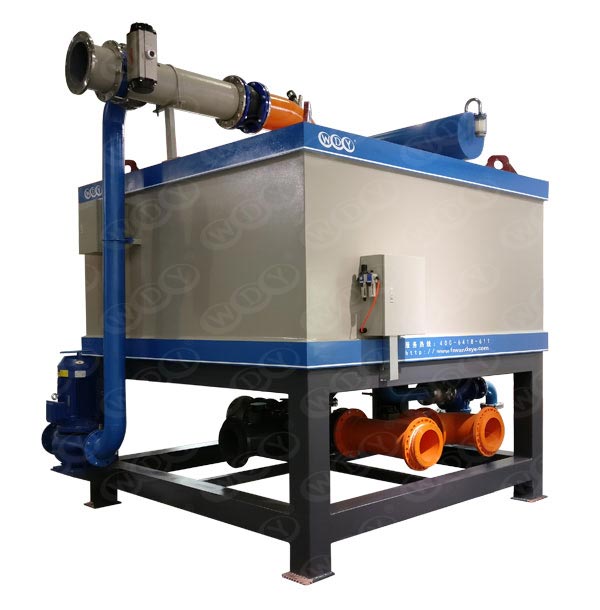
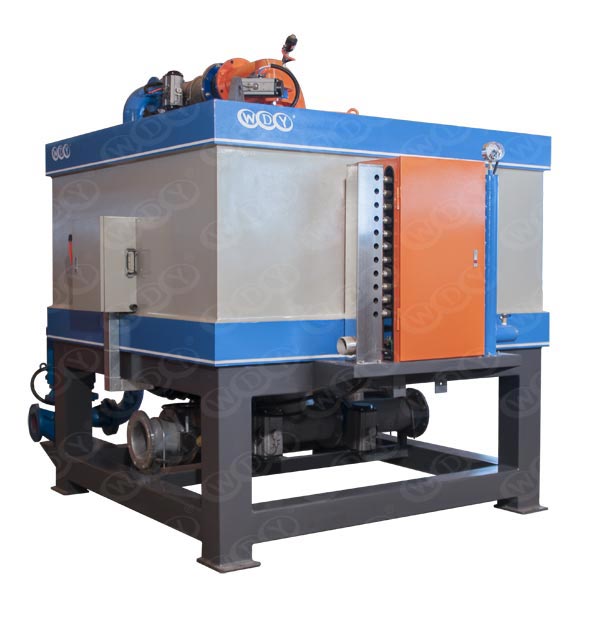
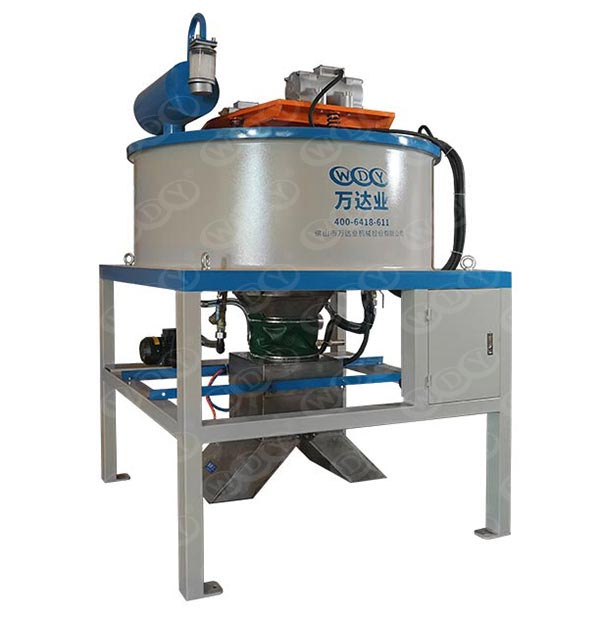
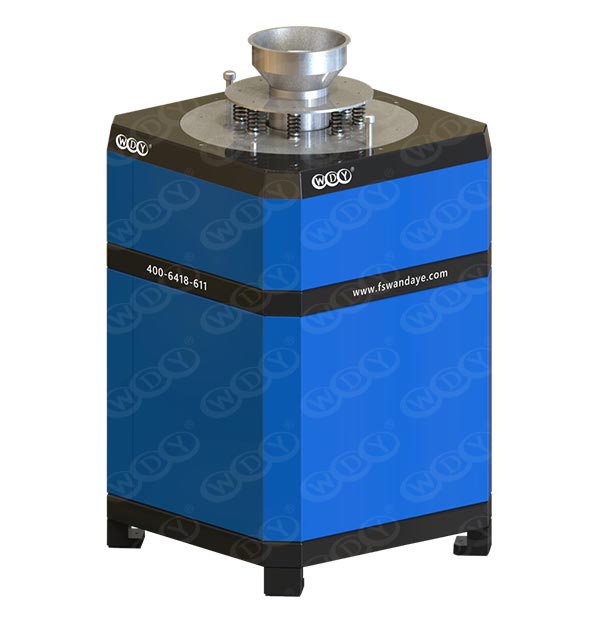
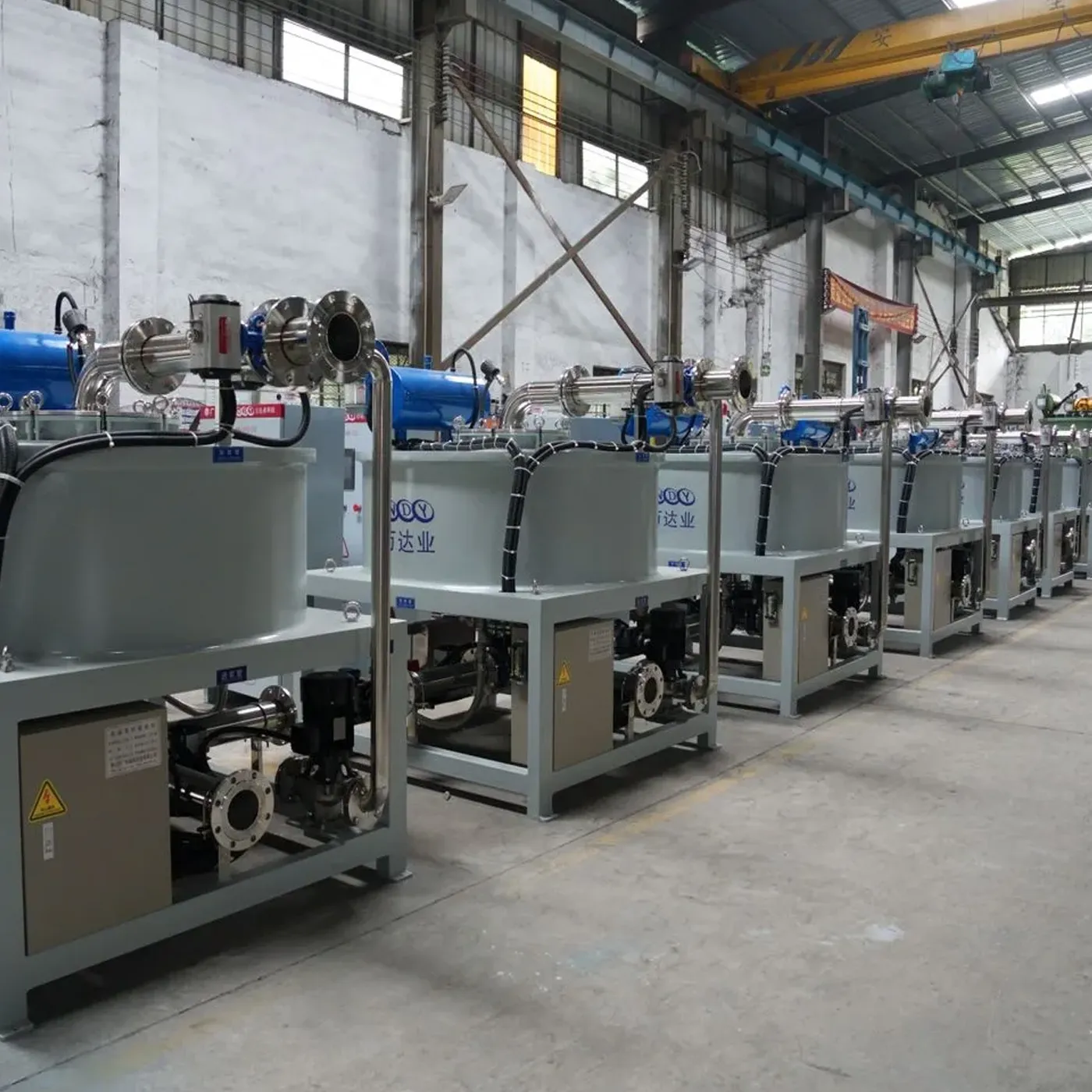
For companies such as Foshan Wandaye Technology Co., Ltd., which specialize in magnetic separation and iron removal equipment for mining, ceramics and pharmaceuticals, reliable element testing offers direct technical advantages. Accurate data on iron and associated impurity levels help engineers select the most suitable magnetic separation technology, such as high‑gradient magnetic separators or fine‑particle iron removers, and configure field strength, flow rate and separation stages.
By combining precise iron ore testing with advanced magnetic separation solutions, users can:
– Improve iron removal efficiency in mineral and ceramic production lines.
– Reduce contamination in sensitive products such as pharmaceutical powders.
– Optimize operating costs by matching equipment configuration to actual ore composition.
This synergy between laboratory testing and separation technology supports higher product quality and more stable industrial processes.
Clear Call to Action (CTA)
If your mining, ceramics, or pharmaceutical operation needs more accurate iron ore element testing and high‑performance magnetic separation or iron removal solutions, now is the time to upgrade. Contact Foshan Wandaye Technology Co., Ltd. to discuss your ore characteristics, target specifications and process challenges, and receive a tailored proposal for laboratory testing and magnetic separation equipment that fits your production line.
Contact us to get more information!
Frequently Asked Questions (FAQ)
Q1: Why is testing common elements in iron ore so important for steel plants?
Accurate element testing determines total iron content and impurity levels, allowing steel plants to design correct smelting parameters, save fuel and flux, and achieve stable mechanical properties in finished steel.
Q2: Can XRF completely replace chemical titration for total iron analysis?
In many routine applications XRF can serve as the main method once it is properly calibrated and periodically verified against chemical titration, but chemical analysis is still preferred for reference, arbitration and complex quality disputes.
Q3: How often should a laboratory recalibrate its XRF system for iron ore testing?
Recalibration frequency depends on workload and ore variability, but laboratories typically perform routine drift checks daily and full recalibration at defined intervals or whenever reference materials indicate a systematic shift.
Q4: What are the main risks if ore sampling is not done correctly?
Poor sampling leads to unrepresentative test results, which can cause wrong ore pricing, improper blending, unstable furnace operation, and potential contract disputes between suppliers and buyers.
Q5: How does accurate iron ore testing support magnetic separation performance?
Reliable test data on iron and impurity content helps engineers select appropriate magnetic separator types, set operating parameters, and verify separation efficiency, ensuring that target iron removal levels are achieved at optimal cost.
Hot tags: Accredited Iron Ore Inspection, Iron Ore Element Testing, Iron Ore Chemical Analysis, Iron Ore Composition Testing, Mineral Analysis Iron Ore, Iron Ore Quality Testing, Laboratory Testing Iron Ore, XRF Iron Ore Analysis, Iron Ore Assay Methods, Elemental Analysis Mining, Iron Ore Testing Standards