


Content Menu
● How This Top 10 for Food‑Grade Magnetic Separation Was Defined
● How Food Industry Buyers in China Evaluate Magnetic Separation Manufacturers
>> 1. Food‑Grade Construction and Hygienic Design
>> 2. Magnetic Performance for Powders, Slurries, and Bulk Flows
>> 3. Engineering Customization and Full‑Line Integration
>> 4. Reliability, Service, and Total Cost of Ownership
● Top 10 Magnetic Separation Manufacturers in China for the Food Industry
>> Snapshot of Leading Suppliers Serving Food and Contamination‑Sensitive Applications
>> Full‑Service Magnetic Separation Enterprise
>> How Wandaye’s Portfolio Fits Food and Ingredient Production
● Scenario Example: Upgrading a Powdered Food Line with Chinese Magnetic Separation
● Six‑Step Checklist for Selecting a Chinese Magnetic Separation Partner
● Trends in Food‑Grade Magnetic Separation from Chinese Manufacturers
● Practical Call to Action for B2B Buyers
● FAQs
>> FAQ 1 – Why is magnetic separation so critical in food processing?
>> FAQ 2 – Which magnetic separators are most commonly used in food plants?
>> FAQ 3 – Can one Chinese manufacturer cover powders, slurries, and bulk applications?
>> FAQ 4 – How often should magnetic separators be checked in a food plant?
>> FAQ 5 – What factors should buyers prioritize when comparing Chinese manufacturers?
In modern food processing, magnetic separation is now a core element of foreign body control. It directly affects food safety, audit performance, equipment protection, and access to export markets. When professional buyers search for the top magnetic separation manufacturers in China for the food industry, they are really comparing overall risk, engineering capability, and lifecycle value—not just unit prices. [greatmagtech]
This guide presents a practical overview of the Top 10 Magnetic Separation Manufacturers in China relevant to food and contamination‑sensitive industries. It also explains how a full‑service supplier such as Foshan Wandaye Technology Co., Ltd. can support demanding applications involving powders, slurries, and high‑purity materials. [wdymagnetic]
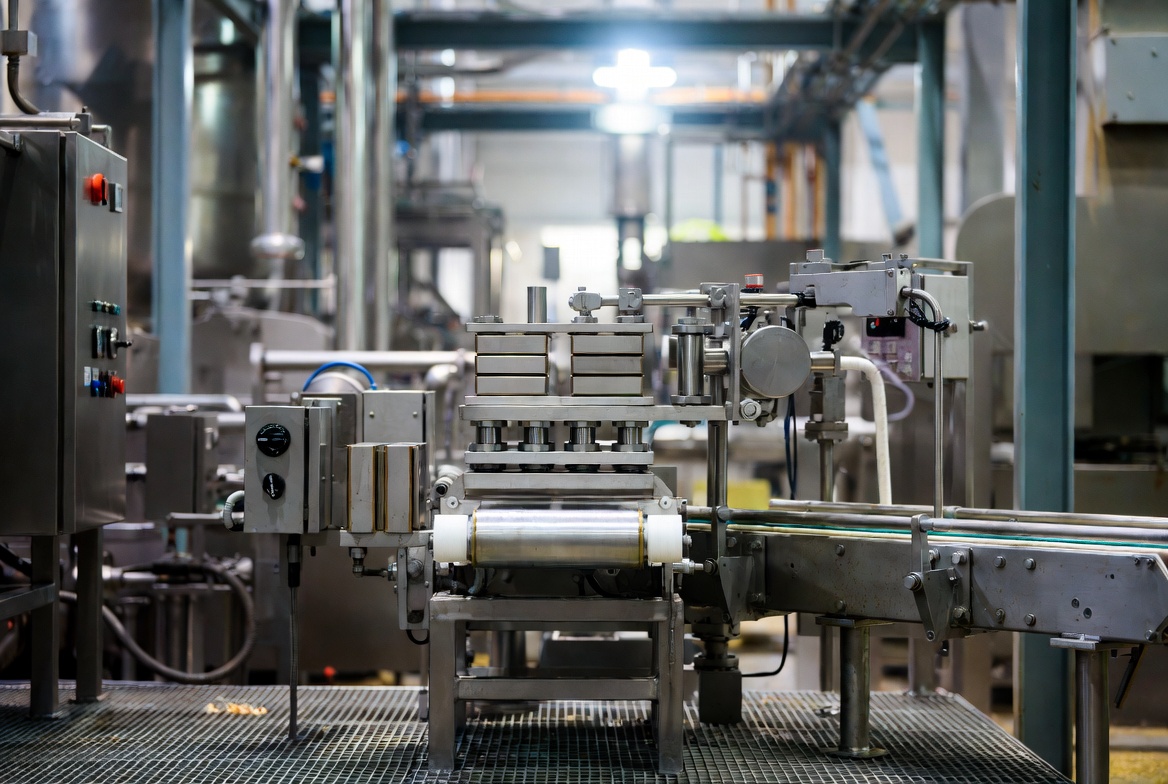
How This Top 10 for Food‑Grade Magnetic Separation Was Defined
To make this ranking useful for plant managers, QA leaders, and project engineers, four core dimensions were used: [wdymagnetic]
1. Suitability for food and contamination‑control applications
The manufacturer must be able to supply separators that meet food hygiene expectations, including appropriate stainless‑steel construction, surface finish, and cleanability. [alibaba]
2. Proven experience with powders and slurries
Suppliers need a track record in powder magnetic separators, slurry magnetic separators, and permanent magnetic separators used in powders, liquids, and viscous materials. [gme-magnet]
3. Engineering, customization, and project support
Manufacturers should offer more than catalogue products, providing process analysis, design, production‑line installation, and commissioning, similar to how Foshan Wandaye combines R&D and engineering services. [en.fswandaye]
4. Market presence and cross‑industry references
Candidates should appear consistently in independent “Top 10” overviews and serve multiple high‑purity sectors such as food, ceramics, pharmaceuticals, and battery materials. [greatmagtech]
Only suppliers that meet these criteria to a reasonable degree are included in this food‑oriented Top 10.
How Food Industry Buyers in China Evaluate Magnetic Separation Manufacturers
In real projects, buyers and technical teams in Chinese food plants often use a similar set of evaluation criteria. Several dimensions are particularly common: [greatmagtech]
1. Food‑Grade Construction and Hygienic Design
Equipment used in food production must allow safe and effective cleaning and resist corrosion: [alibaba]
– Stainless‑steel housings (commonly 304 or 316) for all product‑contact parts.
– Smooth, well‑finished welds and polished internal surfaces to reduce product build‑up.
– Designs that minimize dead angles and allow dry cleaning, manual washing, or CIP/SIP as required. [magnattackglobal]
Compliance with internal specifications and external standards related to HACCP, ISO 22000, or FSSC 22000 is often a prerequisite during supplier audits. [greatmagtech]
2. Magnetic Performance for Powders, Slurries, and Bulk Flows
Food processors handle a wide range of materials, so separation performance must be reliable across different product forms: [gme-magnet]
– Powder magnetic separators for flour, starch, sugar, cocoa, powdered beverages, and seasonings. These typically use high‑intensity magnetic bars in optimized flow channels. [wdymagnetic]
– High gradient electromagnetic slurry machines for slurries and viscous liquids that require fine iron and weakly magnetic particle removal. With the right housing and seals, similar concepts can be applied to certain food and ingredient processes. [wdymagnetic]
– Permanent magnetic separators, plates, and rods in gravity chutes, hoppers, and pipelines, creating multiple interception points along the line. [alibaba]
Reliable manufacturers are able to translate laboratory performance into stable separation results on full‑scale production lines. [gme-magnet]
3. Engineering Customization and Full‑Line Integration
Many food plants cannot simply insert standard units without engineering adjustments. They need suppliers who can: [wdymagnetic]
– Analyse the process, raw materials, and contamination risk profile.
– Combine powder separators, slurry separators, and permanent magnets into a coherent separation strategy.
– Provide mechanical, electrical, and control integration, including production‑line installation and commissioning.
This integrated approach is a core differentiator for Foshan Wandaye Technology Co., Ltd., which positions itself as a full‑service magnetic separation enterprise. [en.fswandaye]
4. Reliability, Service, and Total Cost of Ownership
Operations and procurement teams increasingly focus on the total cost of ownership rather than on purchase price alone: [alibaba]
– Stability of magnetic performance over time and resistance to demagnetization.
– Ease and frequency of cleaning and maintenance, including access, ergonomics, and required downtime.
– Availability of spare parts, technical support, and training within China and for export markets. [wdymagnetic]
Suppliers that can support plants over the full lifecycle often win repeat projects and group‑level contracts.
Top 10 Magnetic Separation Manufacturers in China for the Food Industry
Independent rankings and market reports repeatedly highlight several Chinese companies as key suppliers in magnetic separation and contamination control. For food processors, the following types of manufacturers are especially relevant. [greatmagtech]
Snapshot of Leading Suppliers Serving Food and Contamination‑Sensitive Applications
| Rank | Manufacturer (China) | Key strengths for food / powders / slurries | Typical industries covered | Role for food processors |
|---|---|---|---|---|
| 1 | Foshan Wandaye Technology Co., Ltd. | High gradient slurry, powder & permanent separators; turnkey engineering | Mining, ceramics, power, building materials, glass, food, pharma, batteries wdymagnetic | Full‑line engineering partner |
| 2 | LONGi Magnet Co., Ltd. | Large wet & dry drum separators, overband magnets | Mining, coal, steel, bulk handling wdymagnetic | Upstream raw material cleaning |
| 3 | Great Magtech (GME) | Magnetic bars, grids, filters for food and plastics | Food processing, plastics, recycling greatmagtech | Food‑grade components and tailored systems |
| 4 | FTM Machinery‑type suppliers | Magnetic separators for mineral and aggregate processing | Mining, aggregates, non‑metallic minerals greatmagtech | Pre‑cleaning ingredients and bulk feeds |
| 5 | JXSC / JXSC Mineral‑type suppliers | Wet and slurry magnetic separation systems | Mineral processing greatmagtech | Technology reference for slurry‑type solutions |
| 6 | GTEK Magnet and similar OEMs | Custom bars, grids, and drums for industrial separation | Food, recycling, plastics greatmagtech | Flexible OEM components for integrators |
| 7 | Dongyang Tianli Magnet Co., Ltd. | Overband, drum, and roll separators for bulk flows | Mining, building materials, recycling wdymagnetic | Bulk material protection before food plants |
| 8 | MPCO Magnetics and other exporters | Export‑oriented magnets and assemblies | Automotive, appliances, separation gme-magnet | OEM parts and export‑friendly components |
| 9 | Regional food‑focused solution providers | Niche solutions for grain, spices, ingredients | Grain handling, small food manufacturers alibaba | Local service and simpler systems |
| 10 | Basic OEM component suppliers | Standard rods, plates, and simple grids | General industry alibaba | Low‑risk, low‑budget points only |
For complex lines and stricter audits, buyers often use a full‑line engineering supplier such as Wandaye as the core partner, and complement it with specialized components where needed. [en.fswandaye]
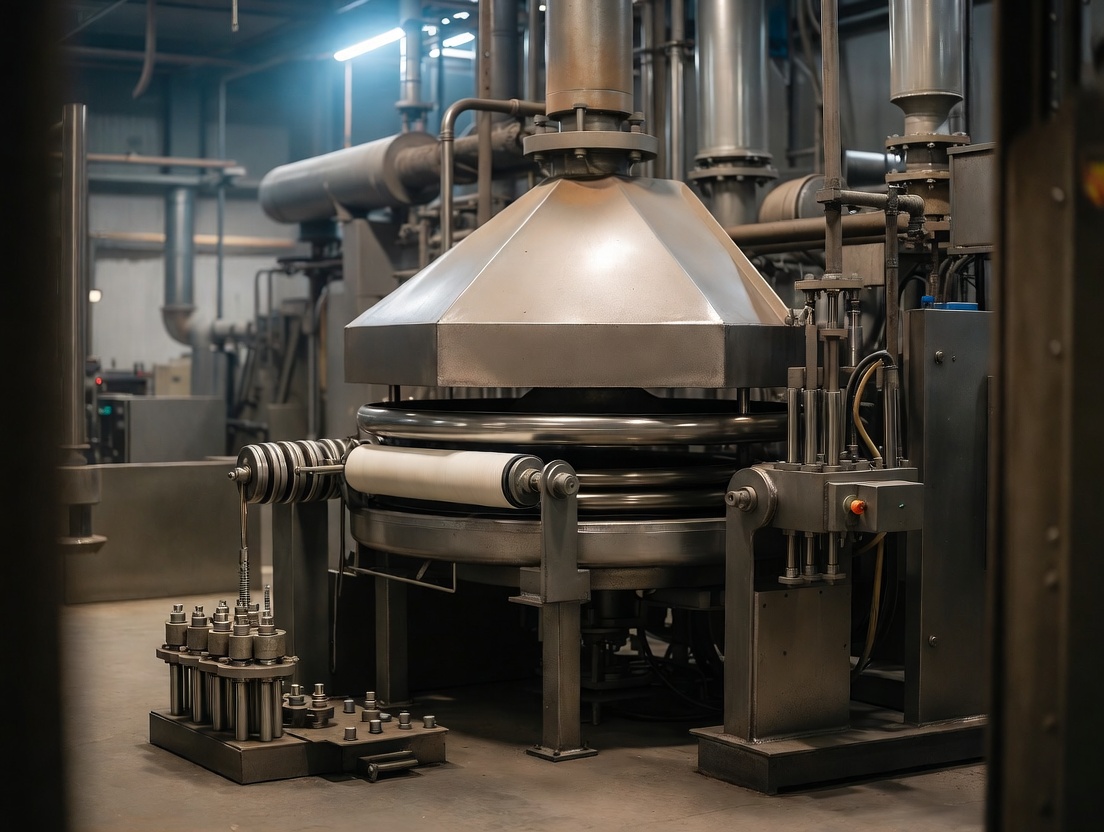
Foshan Wandaye Technology Co., Ltd.: Full‑Service Magnetic Separation for Food and High‑Purity Materials
Full‑Service Magnetic Separation Enterprise
Foshan Wandaye Technology Co., Ltd. is a dedicated magnetic separator manufacturer integrating R&D, engineering design, production‑line installation, and commissioning. Its product portfolio includes: [wdymagnetic]
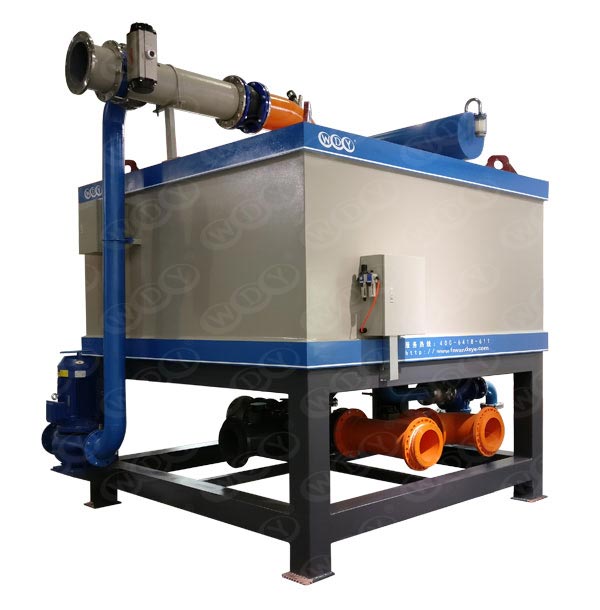
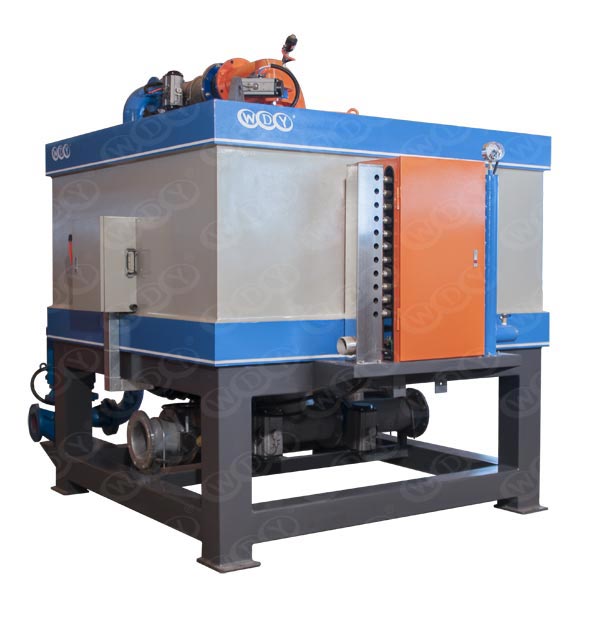
– High Gradient Electromagnetic Slurry Machines
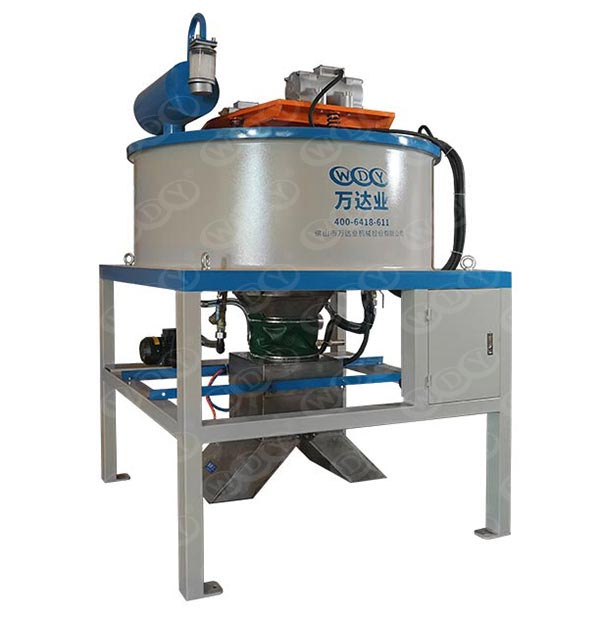
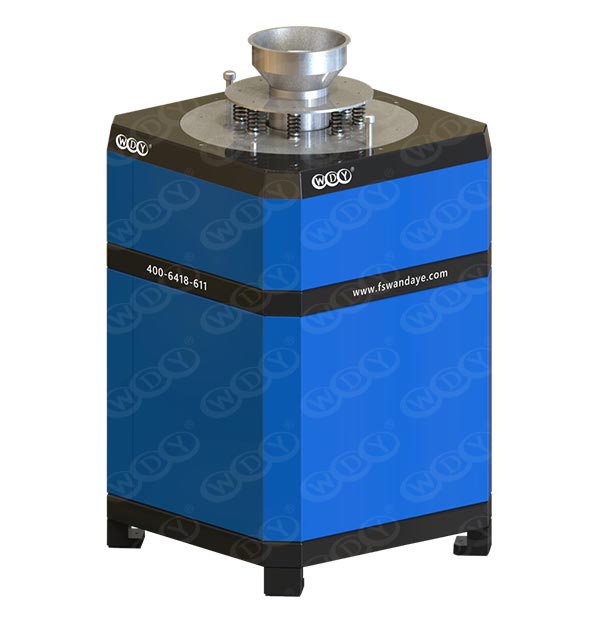
– Powder Magnetic Separators
– Permanent Magnetic Separators
– Magnetic Plates
– Iron‑Removal Cabinets
– Magnetic Rods [wdymagnetic]
These products are widely used in mines, ceramics, power, building materials, glass, environmental protection, rubber, plastics, medicine, food, and positive/negative electrode materials. The wide application base gives Wandaye extensive experience with fine particles, viscous products, and high‑purity requirements. [en.fswandaye]
How Wandaye’s Portfolio Fits Food and Ingredient Production
From a food and ingredient perspective, several Wandaye solutions are particularly relevant: [alibaba]
– Powder Magnetic Separators
Used in powdered food ingredients such as starch, sugar, flour, cocoa, and spice blends. Their high‑intensity magnetic rods and optimized channels help capture fine ferrous particles without unduly restricting flow. [greatmagtech]
– High Gradient Electromagnetic Slurry Machines
Developed for slurries and high‑viscosity materials in sectors such as ceramics and battery materials. With appropriate food‑grade housings and seals, similar concepts can be used for sauce bases, liquid premixes, and other viscous food products where extremely low metal levels are required. [gme-magnet]
– Permanent Magnetic Separators, Plates, and Rods
Installed at gravity transfer points, hoppers, and outlets to create multiple interception stages before mixing, milling, and packaging. [wdymagnetic]
– Iron‑Removal Cabinets
Configured as centralized units to protect critical downstream equipment and improve overall system reliability. [en.fswandaye]
By combining these devices into a multi‑stage separation design, Wandaye can support contamination control at raw material intake, intermediate processing, and final packaging. [wdymagnetic]
Scenario Example: Upgrading a Powdered Food Line with Chinese Magnetic Separation
Consider a plant producing instant drink powders and nutritional blends for export. Initially, it relies only on a final metal detector near the packing line, resulting in frequent rejects and rework.
A practical upgrade path, using a full‑service supplier plus specialist components, could look like this: [greatmagtech]
1. Install a powder magnetic separator at raw material intake
Place a high‑intensity powder magnetic separator at the discharge of raw ingredient silos to capture ferrous particles early and reduce load on downstream equipment.
2. Add permanent magnetic plates or drawer‑type separators mid‑line
Insert magnetic plates or drawer‑type units before critical milling and mixing steps to protect equipment and intercept additional contaminants. [alibaba]
3. Introduce a final magnetic grid before packing
Use a compact permanent magnetic grid above the packing station as the last physical barrier before the metal detector. [greatmagtech]
4. Record and review separation data
Track captured metal types and quantities at each cleaning, then use this information to refine the HACCP plan and maintenance strategy. [magnattackglobal]
This staged approach usually reduces metal detector alarms, lowers rework and waste, and strengthens evidence during audits and customer visits.
Six‑Step Checklist for Selecting a Chinese Magnetic Separation Partner
To turn the Top 10 list into a concrete sourcing and engineering plan, buyers can use the following selection checklist: [greatmagtech]
1. Clarify materials and process conditions
List all products (powders, slurries, liquids, bulk solids) and record key data: particle size range, moisture, density, viscosity, temperature, and throughput.
2. Map contamination risks and control points
Map the full process from intake to packaging, identify points where metal can enter or accumulate, and mark potential Critical Control Points (CCPs) for magnetic separation. [greatmagtech]
3. Define performance and hygiene requirements
Specify the types and sizes of contaminants to be removed and the cleaning regime (dry, wet, or CIP/SIP). Align this with internal standards and certification schemes. [alibaba]
4. Shortlist relevant manufacturers
Select suppliers from the Top 10 list, including at least one engineering‑focused manufacturer such as Wandaye and component‑oriented companies like GME or GTEK for comparison. [greatmagtech]
5. Request application‑specific proposals and tests
Provide product samples and process details, then ask for proposed magnetic field strengths, gradients, and expected capture results, supported by layouts and drawings. [gme-magnet]
6. Assess lifecycle support and total cost
Evaluate spare parts policy, response times, training support, documentation for audits, and estimated lifetime costs. Use this to compare overall value rather than just initial price. [wdymagnetic]
This process helps align QA, engineering, and procurement around shared, measurable criteria.
Trends in Food‑Grade Magnetic Separation from Chinese Manufacturers
Recent market analysis highlights several trends affecting food and high‑purity applications: [grandviewresearch]
– Higher magnetic intensity and improved efficiency
Permanent magnets and electromagnetic designs are being optimized to achieve stronger fields and gradients with more efficient energy use. [grandviewresearch]
– Automation and digital integration
High‑gradient systems increasingly offer automatic cleaning cycles and options for integration into plant SCADA and MES systems to support traceability and maintenance planning. [grandviewresearch]
– Stronger documentation and compliance support
Leading suppliers now provide more detailed validation reports, measurement data, welding records, and maintenance instructions, which are essential for customer and third‑party audits. [magnattackglobal]
Suppliers such as Foshan Wandaye can leverage their demanding work in ceramics, mining, and battery materials to deliver robust designs tailored to food and contamination‑controlled environments. [en.fswandaye]
Practical Call to Action for B2B Buyers
If you are designing or upgrading a food, ingredient, or related high‑purity production line, the quality of your magnetic separation strategy will directly influence risk, cost, and market access.
A practical next step is to:
– Map your current process and metal contamination risks.
– Shortlist two or three magnetic separation manufacturers in China, including a full‑service partner like Foshan Wandaye Technology Co., Ltd., which can supply High Gradient Electromagnetic Slurry Machines, Powder Magnetic Separators, Permanent Magnetic Separators, Magnetic Plates, Iron‑Removal Cabinets, and Magnetic Rods for different process stages. [wdymagnetic]
– Request sample testing, engineering proposals, and lifecycle cost comparisons to support an informed, data‑driven decision. [gme-magnet]
This proactive approach is usually significantly less expensive than managing recalls, rework, and repeated audit findings later.
Contact us to get more information!
FAQs
FAQ 1 – Why is magnetic separation so critical in food processing?
Magnetic separation reduces the risk of metal contamination in finished products, protects processing equipment from damage, and supports compliance with HACCP, ISO 22000, FSSC 22000, and retailer standards. [gme-magnet]
FAQ 2 – Which magnetic separators are most commonly used in food plants?
Typical devices include powder magnetic separators, drawer‑type grids, pipeline magnets, magnetic plates, and high‑gradient slurry separators used in specific liquid or viscous applications. [wdymagnetic]
FAQ 3 – Can one Chinese manufacturer cover powders, slurries, and bulk applications?
Yes. For example, Foshan Wandaye Technology Co., Ltd. provides High Gradient Electromagnetic Slurry Machines, Powder Magnetic Separators, Permanent Magnetic Separators, Magnetic Plates, Iron‑Removal Cabinets, and Magnetic Rods, enabling multi‑stage metal control across powders, slurries, and bulk flows. [wdymagnetic]
FAQ 4 – How often should magnetic separators be checked in a food plant?
Frequency depends on risk assessment, but many sites adopt regular strength verification, visual inspection, and documented cleaning records as part of their HACCP or ISO 22000 systems. [magnattackglobal]
FAQ 5 – What factors should buyers prioritize when comparing Chinese manufacturers?
Key factors include food‑grade design, magnetic performance, experience with powders and slurries, engineering and customization capability, documentation quality, service responsiveness, and overall lifecycle cost. [wdymagnetic]
References
1. Foshan Wandaye Technology Co., Ltd – “Top 10 Magnetic Separators in Food Processing Manufacturers in China.”
https://www.wdymagnetic.com/top-10-magnetic-separators-in-food-processing-manufacturers-in-china.html [wdymagnetic]
2. Foshan Wandaye Technology Co., Ltd – Company and product information (High Gradient Electromagnetic Slurry Machines, Powder Magnetic Separators, Permanent Magnetic Separators, Magnetic Plates, Iron‑Removal Cabinets, Magnetic Rods).
http://en.fswandaye.com [en.fswandaye]
3. Foshan Wandaye Technology Co., Ltd – “Top 10 Magnetic Separator Manufacturers in China.”
https://www.wdymagnetic.com/top-10-magnetic-separator-manufacturers-in-china.html [wdymagnetic]
4. Great Magtech – “Magnetic Separators in Food Industry – Knowledge.”
https://www.greatmagtech.com/info/magnetic-separators-in-food-industry-102835002.html [greatmagtech]
5. Great Magtech – “Magnetic Separators in Food Processing.”
https://www.gme-magnet.com/info/magnetic-separators-in-food-processing-103428281.html [gme-magnet]
6. Great Magtech – “Top 10 Magnetic Separators Manufacturers In China.”
https://www.greatmagtech.com/info/top-10-magnetic-separators-manufacturers-in-ch-103272256.html [greatmagtech]
7. Alibaba Product Insights – “Understanding China Magnet Separator: Standards, Properties, and Applications.”
https://www.alibaba.com/product-insights/china-magnet-separator.html [alibaba]
8. Magnattack Global – “How To Ensure Magnetic Separators Meet Compliance Standards.”
https://www.magnattackglobal.com/blog/how-to-ensure-magnetic-separators-meet-compliance-standards/ [magnattackglobal]
9. Grand View Research – “Magnetic Separator Market Size | Industry Report.”
https://www.grandviewresearch.com/industry-analysis/magnetic-separator-market-report [grandviewresearch]
Hot Tags: Magnetic Separation, Manufacturers, Customized, Custom, Suppliers, Buy, Cheap, Quality, Advanced, Durable, in Stock, Made in China, Price, Quotation