


Content Menu
● Why Magnetic Separators Matter in Modern Food Processing
● Methodology: How This Ranking Was Built
● What Food Processors Really Look For
>> Food‑Grade Construction and Hygiene Requirements
>> Magnetic Performance for Powders, Slurries, and Bulk Products
>> Usability, Cleaning, and Downtime
>> Lifecycle Cost and Business Impact
● Top 10 Magnetic Separator Manufacturers in China for Food Processing
>> Snapshot Table – Leading Suppliers Relevant to Food and Contamination Control
● Foshan Wandaye Technology Co., Ltd: From Engineering Design to On‑Site Service
>> Product Portfolio for Food and Ingredient Applications
>> Leveraging Cross‑Industry Experience for Food Safety
>> Scenario Example: Strengthening a Seasoning Factory’s Metal Control
● Practical Selection Checklist for Food Lines
>> Step‑by‑Step Selection Guide
>> Combining Magnetic Separation with Metal Detection and Sieving
>> Performance Indicators for Continuous Improvement
● Current Trends Shaping Food‑Grade Magnetic Separation
>> Higher Gradients and Smarter Operation
>> Audit‑Friendly Documentation and Remote Support
>> Efficiency and Sustainability Considerations
● When to Include Foshan Wandaye on Your Shortlist
>> Integrated Support from Development to Commissioning
>> Cross‑Industry Know‑How for Complex Products
>> Key Questions to Ask Any Potential Supplier
● Practical Next Steps for Food Manufacturers
● Frequently Asked Questions (FAQ)
>> Q1: Can magnetic separators alone guarantee metal‑free food products?
>> Q2: How do powder magnetic separators differ from electromagnetic slurry separators?
>> Q3: Is it feasible to adapt separators from ceramics or battery lines to food processing?
>> Q4: How frequently should magnetic separators be verified in a food plant?
>> Q5: What makes Chinese manufacturers attractive partners for food‑grade magnetic separation?
Metal contamination is one of the most critical yet often underestimated risks in food and ingredient production. For QA managers, plant engineers, and purchasing teams, choosing the right magnetic separator manufacturer in China can determine whether they pass audits, avoid recalls, and keep export customers satisfied over the long term. [jxscmachine]
This guide brings together practical buyer priorities, manufacturer capabilities, and engineering insight to rank leading magnetic separator suppliers in China for food processing lines, while providing a detailed look at Foshan Wandaye Technology Co., Ltd as a solution partner for slurry, powder, and permanent magnetic separation. [wdymagnetic]
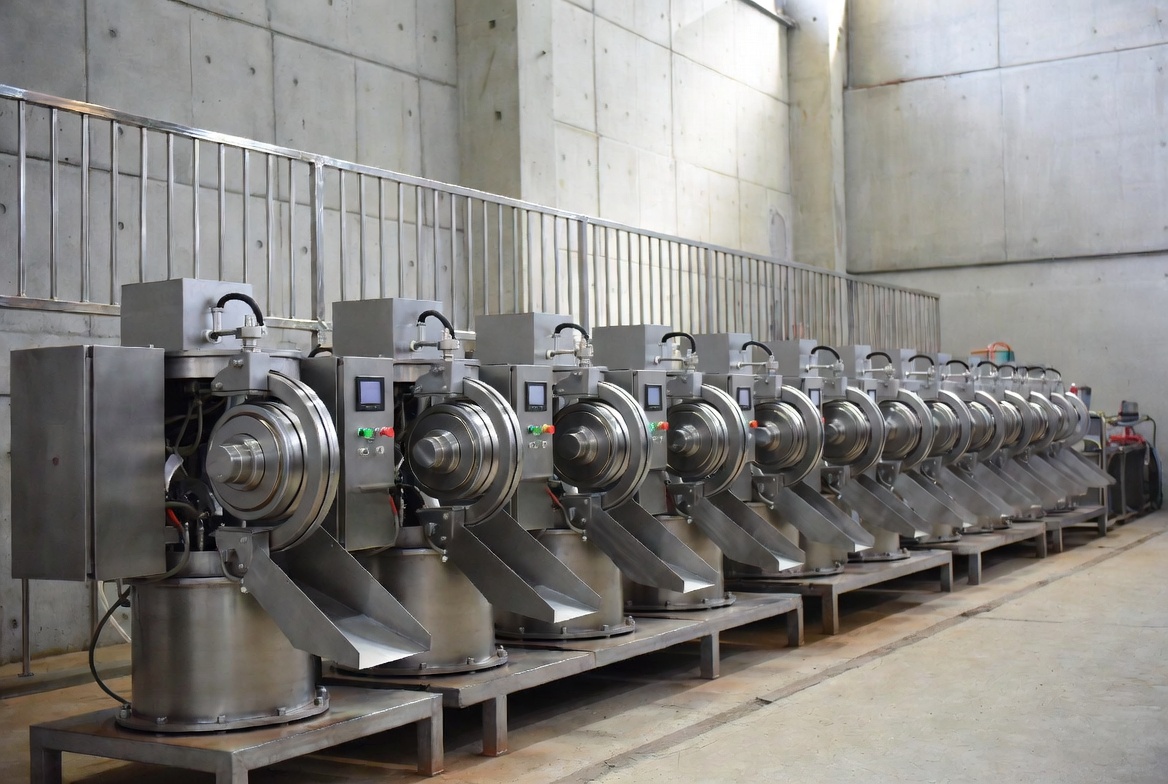
Why Magnetic Separators Matter in Modern Food Processing
In today’s food supply chains, regulators, retailers, and brand owners are raising expectations on foreign body control, and magnetic separation has become a standard tool alongside sieving and metal detection. [wdymagnetic]
– Regulatory alignment: Food plants operating under HACCP, ISO 22000, or FSSC 22000 are expected to identify and control metal hazards, especially in powders and slurries. [wdymagnetic]
– Brand and export protection: Even a small metal fragment in a spice mix or dairy powder can lead to product recalls, reputational damage, and the loss of high‑value markets. [wdymagnetic]
– Process reliability: Well‑engineered powder and slurry separators protect downstream equipment such as mills, homogenizers, and filling systems from mechanical damage and unplanned downtime. [jxscmachine]
For buyers, the choice of manufacturer matters as much as the equipment design itself. A capable supplier offers not only magnetic hardware, but also engineering advice, documentation, and long‑term support that fit real production environments instead of just catalog descriptions. [wdymagnetic]
Methodology: How This Ranking Was Built
To provide a ranking that reflects what professional food processors actually care about, this article draws on three main information sources:
– Published overviews highlighting well‑known Chinese manufacturers serving magnets, separators, and contamination control markets. [greatmagtech]
– Public information and project cases from individual suppliers, including Foshan Wandaye’s application fields and project experience. [en.fswandaye]
– Common design and performance criteria that food plants use when evaluating slurry and powder magnetic separators. [wdymagnetic]
The ranking focuses on four pillars that are highly relevant to B2B food buyers:
1. Suitability for food or contamination‑control use, including materials and design concepts that can support hygiene requirements. [wdymagnetic]
2. Depth of application experience in powders, slurries, and bulk solids, not just generic magnets. [greatmagtech]
3. Engineering and service capability, covering design, customization, installation, and commissioning. [en.fswandaye]
4. Market presence and recognition, including export exposure and use in foreign body control applications. [gme-magnet]
This list is intended as a decision‑support tool, not as an official certification. It helps narrow down potential suppliers and frames the technical and commercial questions buyers should ask during vendor evaluation.
What Food Processors Really Look For
In practice, QA leaders and plant engineers tend to focus on risk reduction, audit readiness, and operational efficiency, rather than on equipment price alone. [wdymagnetic]
Food‑Grade Construction and Hygiene Requirements
For food or nutraceutical lines, the construction of the separator is a primary concern. Buyers typically look for:
– Stainless‑steel housings, smooth welds, and polished surfaces that support effective cleaning. [jxscmachine]
– Designs and materials that withstand regular wet cleaning, CIP regimes, or high‑pressure washdowns without corrosion or product build‑up. [wdymagnetic]
– Supplier quality systems such as ISO 9001 and occupational health and safety certifications, which support supplier audits. [wdymagnetic]
Foshan Wandaye, for instance, emphasizes ISO 9001 and occupational health and safety management within its quality framework, which is valuable when food manufacturers conduct supplier assessments. [wdymagnetic]
Magnetic Performance for Powders, Slurries, and Bulk Products
Actual separation efficiency depends on magnetic field strength, gradient, flow pattern, and product characteristics. [jxscmachine]
– High‑gradient electromagnetic slurry separators generate strong magnetic fields and are used to remove iron and weakly magnetic contaminants from slurries and glazes, and can be adapted to certain food applications. [wdymagnetic]
– Powder magnetic separators and magnetic plates are common for flours, starch, sugar, and seasoning powders, where fine ferrous particles pose both quality and safety risks. [wdymagnetic]
– Magnetic rods and grids placed in gravity chutes or hoppers capture ferrous particles in bulk flows or pneumatic conveying systems. [wdymagnetic]
Leading manufacturers are able to turn laboratory performance into stable, repeatable results on production lines, supported by robust coils, cooling systems, and consistent magnet configurations. [jxscmachine]
Usability, Cleaning, and Downtime
From a user’s perspective, separators must be easy to operate and maintain. Key considerations include:
– Straightforward opening, cleaning, and reassembly processes that limit downtime and avoid product loss. [wdymagnetic]
– Automatic or semi‑automatic cleaning sequences on electromagnetic slurry systems to reduce manual interventions. [jxscmachine]
– Clear labels, safety features, and instructions that can be followed reliably by operators and maintenance teams. [jxscmachine]
Lifecycle Cost and Business Impact
Procurement teams increasingly look at total cost of ownership rather than only upfront price. This involves:
– Energy consumption and cooling efficiency in high‑gradient electromagnetic units, which directly affect operating cost. [wdymagnetic]
– Maintenance frequency and costs for coils, valves, and seals. [wdymagnetic]
– The economic benefit of fewer customer complaints, fewer holds or reworks, and smoother audits when stronger metal control is in place. [wdymagnetic]
Top 10 Magnetic Separator Manufacturers in China for Food Processing
Industry publications and market overviews consistently mention several Chinese manufacturers as key players in magnetic separation equipment. For food processors, the following names are particularly relevant. [gme-magnet]
Snapshot Table – Leading Suppliers Relevant to Food and Contamination Control
| Rank | Manufacturer (China) | Core Strengths (Relevant to Food/Powder) | Typical Industries Mentioned | Notable Notes for Buyers |
|---|---|---|---|---|
| 1 | Foshan Wandaye Technology Co., Ltd. | Powder and permanent magnetic separators, turnkey engineering, whole‑line design for non‑metallic minerals and powders. | Mining, ceramics, food, pharmaceuticals, battery materials. | Strong in R&D and project‑based solutions. |
| 2 | LONGi Magnet Co., Ltd. | Large‑scale wet and dry drum separators, overband magnets; widely used in bulk material handling. | Mining, coal, steel, bulk handling. | Good fit for upstream raw material protection. |
| 3 | GreatMagTech (GME / Great Magtech) | Magnetic bars, grids, drum separators for food, plastics, recycling. | Food processing, plastics, recycling. | Extensive export and customization experience. |
| 4 | JXSC Machine / JXSC Mineral | Mineral processing separators and beneficiation lines. | Mining, mineral processing. | Strong in heavy‑duty upstream applications. |
| 5 | FTM Machinery | Magnetic separation equipment integrated into mineral processing plants. | Mining, aggregates. | Suited for raw material pre‑cleaning. |
| 6 | GTEK Magnet | Magnetic separators, magnetic components, OEM solutions. | Industrial separation, recycling. | Offers broad magnetic product portfolio. |
| 7 | MPCO Magnetics | Magnets and magnetic components with strong export history. | Automotive, industrial, separation. | Good for customized magnetic components. |
| 8 | Other emerging solution providers | Niche applications and custom engineering in specific sectors. | Mining, food, recycling. | Check references for similar food projects. |
| 9 | Regional engineering integrators | Local integration of magnetic separation into full processing lines. | Ceramics, glass, non‑metallic minerals. | Useful for turnkey projects with civil/mechanical scope. |
| 10 | Specialized OEM component suppliers | Magnetic rods, plates, and simple grids for basic iron removal. | General industry. | Fit for low‑risk, low‑budget applications. |
These companies appear frequently when Chinese magnetic separator manufacturers are discussed in relation to food, grain, plastics, and other contamination‑sensitive sectors. Buyers can treat this list as a starting point for vendor shortlisting and technical discussions. [greatmagtech]
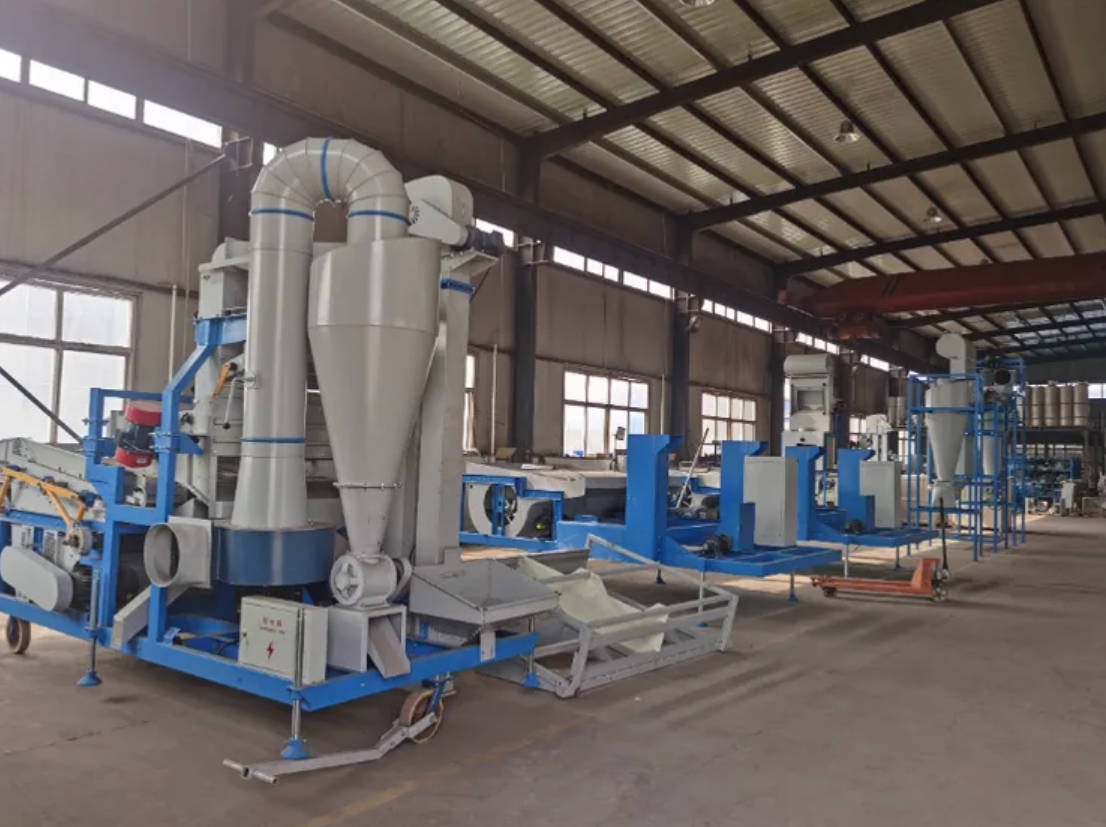
Foshan Wandaye Technology Co., Ltd: From Engineering Design to On‑Site Service
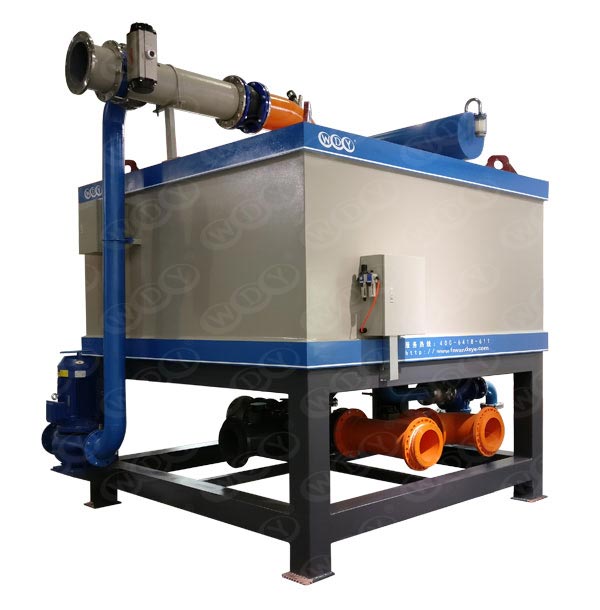
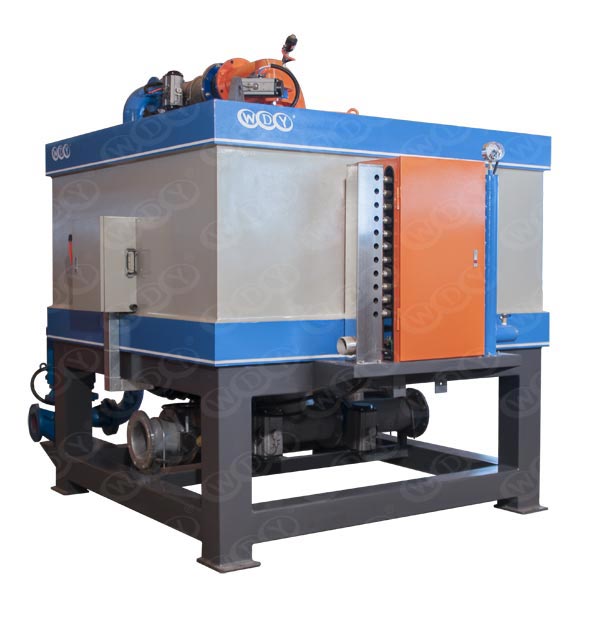
Foshan Wandaye Technology Co., Ltd is a specialized manufacturer of magnetic separation and iron‑removal equipment that integrates R&D, engineering design, production‑line installation, and commissioning services under one roof. Its product portfolio includes high gradient electromagnetic slurry machines, powder magnetic separators, permanent magnetic separators, magnetic plates, iron‑removal cabinets, and magnetic rods. These solutions are applied in mines, ceramics, electricity, building materials, glass, environmental protection, rubber, plastics, medicine, food, and positive‑negative electrode materials. [en.fswandaye]
Product Portfolio for Food and Ingredient Applications
For food and ingredient producers, several Wandaye products are particularly relevant:
– High gradient electromagnetic slurry machines used for iron removal from slurries and glazes; these designs can be adapted for certain liquid or semi‑liquid food ingredients that require fine particle control. [en.fswandaye]
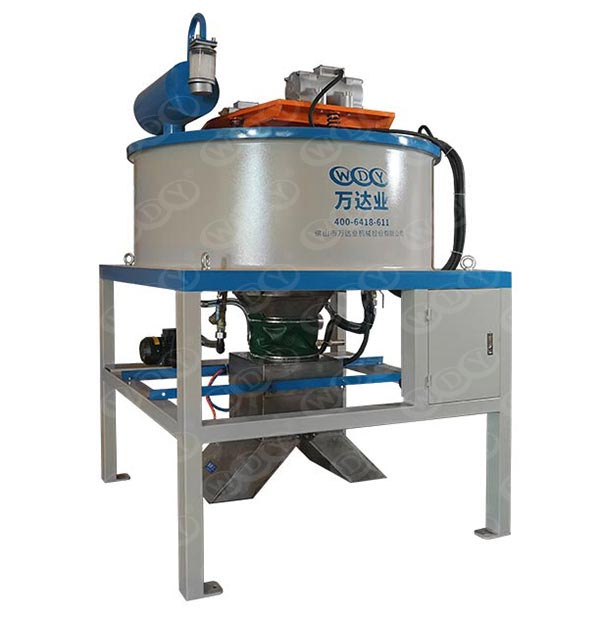
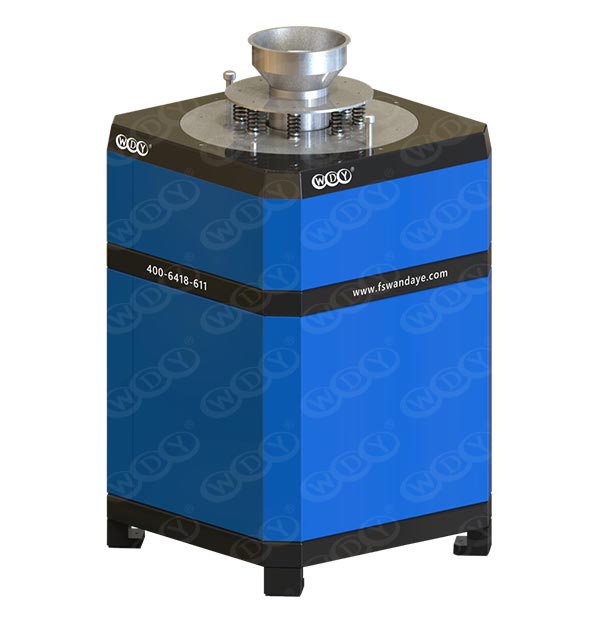
– Powder magnetic separators for dry, free‑flowing or slightly cohesive powders such as starch, sugar, and powdered seasonings. [en.fswandaye]
– Permanent magnetic separators, magnetic plates, and magnetic rods integrated in gravity chutes, hoppers, and transfer points to capture ferrous fragments at multiple stages. [wdymagnetic]
– Iron‑removal cabinets functioning as centralized separation units to protect critical processing or packing steps. [en.fswandaye]
By combining these products, Wandaye can design layered separation strategies that address contamination risks at different points in the line. [en.fswandaye]
Leveraging Cross‑Industry Experience for Food Safety
Wandaye’s project base includes kaolin processing, gold tailings, ceramic raw materials, and battery materials in both domestic and international markets. Those sectors demand high magnetic field strengths, stable operation, and reliable cooling to manage fine and often abrasive particles. [en.fswandaye]
For food manufacturers dealing with fine powders or complex slurries, this cross‑industry record offers several advantages:
– Engineering teams familiar with challenging flow properties, including high‑solid or viscous products. [en.fswandaye]
– Proven designs for continuous operation, which is important for high‑throughput food production. [en.fswandaye]
– The ability to adapt high‑gradient technologies into food‑grade housings and hygienic configurations when required. [en.fswandaye]
Scenario Example: Strengthening a Seasoning Factory’s Metal Control
Imagine a seasoning manufacturer producing blended spices and instant noodle flavor sachets for export. Initially, the factory uses only a basic metal detector before final packing, leading to occasional alarms and product holds.
In collaboration with a specialized supplier such as Wandaye, the plant can:
1. Install powder magnetic separators with magnetic rods at key gravity transfer points to capture ferrous particles early in the process. [wdymagnetic]
2. Place a permanent magnetic plate above a conveyor feeding a mill to protect equipment and reduce wear. [wdymagnetic]
3. Introduce a high‑gradient separator into any slurry‑type sauce base production step prior to thermal processing and filling. [en.fswandaye]
This type of upgrade helps reduce metal detector alarms, lowers rework and waste, and provides stronger evidence for HACCP verification and export customer audits. [wdymagnetic]
Practical Selection Checklist for Food Lines
To support structured decision‑making, buyers can apply a simple, step‑by‑step selection framework when planning magnetic separation upgrades.
Step‑by‑Step Selection Guide
1. Classify your products into powders, slurries, liquids, or bulk solids and note their key physical properties. [wdymagnetic]
2. Map critical control points (CCPs) and key process steps such as receiving, mixing, grinding, and packing. [wdymagnetic]
3. Define hygiene and cleaning concepts, including whether the equipment will be dry‑cleaned, wet‑washed, or cleaned in place. [jxscmachine]
4. Set performance expectations by specifying target particle sizes and contamination types to be removed. [wdymagnetic]
5. Check mechanical and spatial constraints, including available installation space, line pressure, and flow rate. [jxscmachine]
6. Evaluate supplier capabilities in application engineering, project management, documentation, and after‑sales service. [wdymagnetic]
This approach supports internal alignment between QA, engineering, and procurement, and provides a clear basis for technical discussions with vendors.
Combining Magnetic Separation with Metal Detection and Sieving
Magnetic separation works best when integrated with other foreign body control measures. Good practice often includes: [wdymagnetic]
– Using magnetic separators upstream to capture ferrous and weakly magnetic particles before they reach sensitive equipment. [wdymagnetic]
– Placing metal detectors downstream as a final check for all metal types, including non‑ferrous and stainless. [wdymagnetic]
– Combining magnets with sieves to remove oversize foreign bodies and avoid blockages that could influence magnetic performance. [wdymagnetic]
Performance Indicators for Continuous Improvement
To justify investments and drive continuous improvement, QA teams track metrics such as:
– Frequency and severity of metal contamination incidents before and after installation. [wdymagnetic]
– Downtime and labor associated with cleaning and maintaining separators. [wdymagnetic]
– Audit outcomes and non‑conformities related to foreign body control and metal hazards. [wdymagnetic]
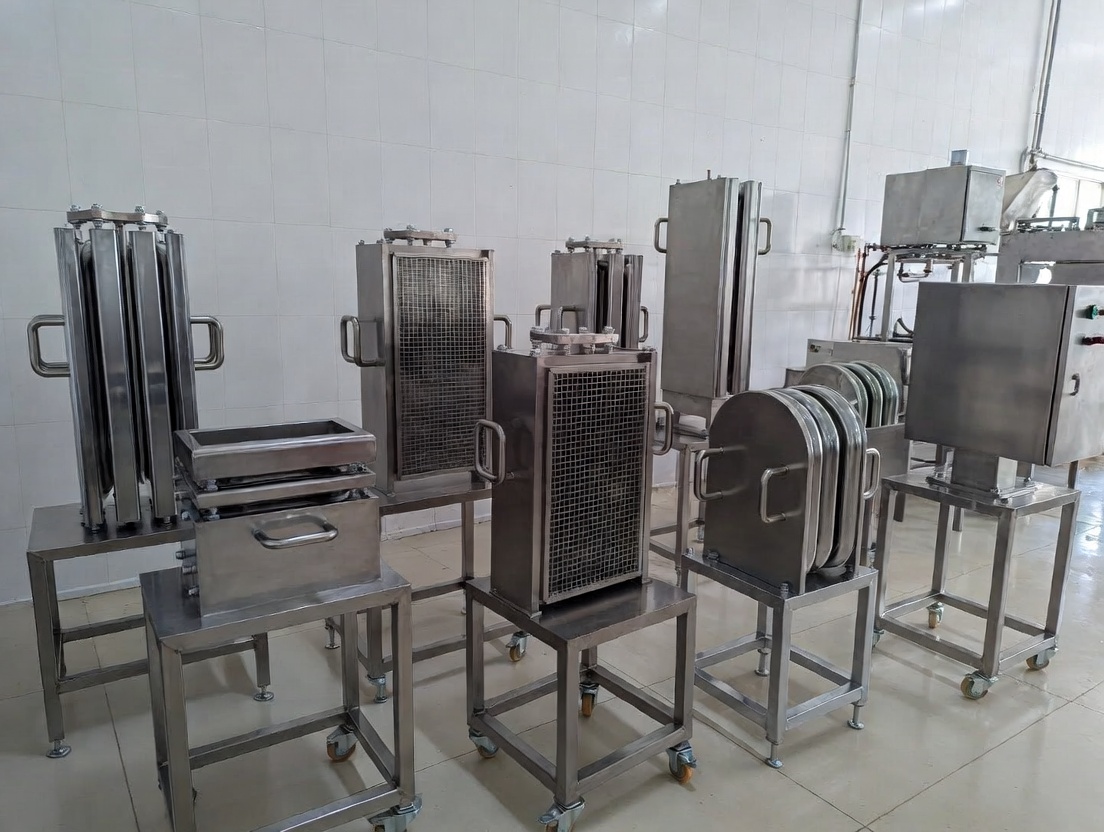
Current Trends Shaping Food‑Grade Magnetic Separation
Magnetic separation technology for food applications continues to evolve as plants seek higher performance and better integration with digital quality systems.
Higher Gradients and Smarter Operation
Manufacturers are intensifying magnetic field gradients and refining control systems to handle ultra‑fine powders and challenging slurries. Developments include: [jxscmachine]
– Enhanced oil‑water cooling systems that maintain coil temperature within tight ranges, improving stability and extending equipment life. [wdymagnetic]
– Automated sequences for energizing, cleaning, and demagnetizing, which lower manual intervention and improve consistency. [jxscmachine]
Audit‑Friendly Documentation and Remote Support
Food producers now expect suppliers to support them not only with hardware but also with documentation and data. This often involves:
– Structured logging of cleaning, inspection, and verification activities.
– Quick access to product drawings, certificates, and maintenance records in digital formats. [wdymagnetic]
– Remote guidance for commissioning, troubleshooting, and audit preparation. [wdymagnetic]
Efficiency and Sustainability Considerations
Energy consumption and structural efficiency are important selection criteria, especially for high‑gradient electromagnetic systems. Newly designed slurry magnetic separators that optimize structure and reduce energy use align with both cost and sustainability goals for modern plants. [wdymagnetic]
When to Include Foshan Wandaye on Your Shortlist
Foshan Wandaye is a strong candidate when processors need more than standard catalog items and value end‑to‑end technical support. [en.fswandaye]
Integrated Support from Development to Commissioning
Because Wandaye combines R&D, engineering design, manufacturing, installation, and commissioning, it can: [en.fswandaye]
– Assess raw materials and contamination risks with an application‑driven mindset. [en.fswandaye]
– Design tailored separation solutions using slurry, powder, and permanent magnet technologies. [en.fswandaye]
– Provide on‑site installation and optimization of magnetic separation systems. [wdymagnetic]
This integrated model is especially attractive for multi‑line plants or greenfield projects.
Cross‑Industry Know‑How for Complex Products
If a plant handles products that behave like ceramic slurries, mineral powders, or battery materials, Wandaye’s previous projects provide a technical shortcut for tackling similar separation challenges. This is particularly valuable for: [en.fswandaye]
– High‑solid or viscous slurries that are difficult to process. [jxscmachine]
– High‑value powders where product losses must be minimized while still ensuring effective iron removal. [en.fswandaye]
Key Questions to Ask Any Potential Supplier
To ensure a good fit, buyers should ask suppliers such as Wandaye:
– What food or food‑related projects have you completed, and what were the main challenges?
– What are the magnetic field strength and gradient for the proposed solution, and how are they verified? [wdymagnetic]
– How does the equipment support cleaning and what is the expected impact on downtime? [jxscmachine]
– Which drawings, certificates, and validation documents will you provide to support internal and external audits? [wdymagnetic]
These questions help align expectations early and reduce risks in implementation.
Practical Next Steps for Food Manufacturers
Selecting a magnetic separator manufacturer in China requires balancing food safety, process performance, usability, and lifecycle cost. [wdymagnetic]
Food, beverage, and ingredient producers planning to upgrade metal control can start by shortlisting experienced manufacturers such as Foshan Wandaye and inviting them to review process diagrams, product data, and contamination history. A pilot implementation on one line, combined with clear KPIs, allows teams to evaluate real impact before rolling out across the plant. [en.fswandaye]
For a productive discussion with suppliers, it is helpful to prepare a simple process sketch, product specifications, expected throughput, and any historic foreign body incidents. This information enables engineers to propose targeted solutions and realistic implementation plans. [wdymagnetic]
Contact us to get more information!
Frequently Asked Questions (FAQ)
Q1: Can magnetic separators alone guarantee metal‑free food products?
A1: No. Magnetic separators are essential, but they work best when combined with sieves, metal detectors, good maintenance, and a structured HACCP program covering all foreign body risks. [wdymagnetic]
Q2: How do powder magnetic separators differ from electromagnetic slurry separators?
A2: Powder separators are designed for dry materials and commonly use permanent magnets, while electromagnetic slurry separators rely on high‑gradient electromagnetic fields and specialized cooling to treat liquid or semi‑liquid products. [jxscmachine]
Q3: Is it feasible to adapt separators from ceramics or battery lines to food processing?
A3: The magnetic principles are similar, but successful adaptation requires food‑grade housings, suitable gaskets and finishes, and cleaning concepts that meet hygiene and audit requirements. [en.fswandaye]
Q4: How frequently should magnetic separators be verified in a food plant?
A4: Verification intervals depend on risk assessment and production intensity, but many facilities perform regular checks and record results within their HACCP or ISO 22000 systems to satisfy auditors. [wdymagnetic]
Q5: What makes Chinese manufacturers attractive partners for food‑grade magnetic separation?
A5: China hosts several established suppliers that combine competitive pricing with strong engineering capabilities and a track record in mining, ceramics, plastics, grain, and other contamination‑sensitive sectors, many of which overlap with food processing needs. [gme-magnet]
References
1. Foshan Wandaye Machinery Equipment – Projects and brand information. [en.fswandaye]
2. Foshan Wandaye Machinery Equipment – About Us, product range, application fields. [en.fswandaye]
3. Foshan Wandaye Technology Co., Ltd – Company profile and management systems. [wdymagnetic]
4. Great Magtech – “Top 10 Magnetic Separators Manufacturers in China.” [greatmagtech]
5. Great Magtech – “Top 10 Magnetic Separator Manufacturers in China.” [gme-magnet]
6. Industry overview – “Top 10 Magnetic Separator Manufacturers in China,” listing Wandaye and other suppliers active in food, chemical, grain, and plastics. [wdymagnetic]
7. New‑type electromagnetic slurry magnetic separator series – structure, cooling, and energy optimization features. [wdymagnetic]
8. JXSC Machine – Slurry magnetic separator description, features, and technical parameters. [jxscmachine]
9. Practical guide – “Getting Metal Out of Processed Vegetables: Magnetic Separation and Metal Detection.” [wdymagnetic]
Hot Tags: Magnetic Separators, Manufacturers, Customized, Custom, Suppliers, Buy, Cheap, Quality, Advanced, Durable, in Stock, Made in China, Price, Quotation