


Content Menu
● What Are Magnets and Why Do They Matter in Industry?
● Fact 1: Ancient Civilizations Discovered “Lodestones” Long Before Modern Physics
● Fact 2: The Concept of Magnetic Poles Started with Field Mapping Experiments
● Fact 3: Magnetars Are the Most Magnetic Objects in the Known Universe
● Fact 4: Some Birds Can Literally “See” the Earth’s Magnetic Field
● Fact 5: Magnets Are Not Always Made of Metal
● Fact 6: The Strongest Man‑Made Magnetic Fields Live in Research Labs
● Fact 7: Flexible Magnets Can Be Cut with Scissors
● Fact 8: Magnets Are Critical to Clean Energy and Electric Vehicles
● Fact 9: Magnets Gradually Lose Strength Under Certain Conditions
● Fact 10: Industrial Magnetic Separators Turn Magnetism into Real‑World Quality and Profit
● How Magnet Types Compare in Industrial Applications
● Applying Magnet Knowledge to Magnetic Separation Design
● Where Magnets Meet Your Process: Wandaye Solutions
● Take the Next Step with Foshan Wandaye Technology
● FAQ: Magnets and Magnetic Separation
>> 1) Do permanent magnets in magnetic separators ever need to be replaced?
>> 2) What is the difference between permanent magnets and electromagnets in separation equipment?
>> 3) Why are neodymium magnets so important in modern industry?
>> 4) Can flexible magnets be used in industrial separation processes?
>> 5) How do I choose the right magnetic separator for my application?
Magnets power everything from smartphones and medical scanners to high‑efficiency magnetic separators in mining, ceramics, and pharmaceutical production. In this expert guide from Foshan Wandaye Technology Co., Ltd., we reveal surprising magnet facts, explain the science behind them, and connect each insight to real industrial applications and magnetic separation equipment.
What Are Magnets and Why Do They Matter in Industry?
A magnet is any material that generates a magnetic field strong enough to attract ferromagnetic materials such as iron, nickel, and cobalt. At the atomic level, this behavior comes from unpaired electrons whose magnetic moments align in the same direction, forming magnetic domains.
Modern industry relies on magnets in motors, generators, sensors, medical devices, and, critically, in magnetic separation and iron removal equipment. For manufacturers in mining, ceramics, and pharmaceuticals, understanding how magnets behave helps you select the right magnetic separator, optimize performance, and protect process quality.
Fact 1: Ancient Civilizations Discovered “Lodestones” Long Before Modern Physics
Long before the word “magnet” was coined, natural magnetic stones were already in use. In ancient China, naturally magnetized rocks were sometimes referred to as “loving stones” because they attracted iron‑bearing metals and were used in fortune‑telling and simple tricks.
By around the 12th century, European mariners were using “lodestones,” a naturally magnetized form of magnetite, as primitive compasses. When a lodestone‑magnetized piece of iron was floated on water or suspended from a string, it aligned roughly with the Earth’s magnetic field, providing an early navigation tool and giving rise to the term “lodestone,” where “lode” means “the way.”
Fact 2: The Concept of Magnetic Poles Started with Field Mapping Experiments
The idea of magnets having distinct “north” and “south” poles emerged from early experiments with spherical magnets. Scholars observed that iron needles placed around a magnet aligned along invisible lines, converging at two opposite regions on the magnet’s surface.
By systematically mapping these alignments, they defined “poles” as the points where field lines entered and exited the magnet. This simple but powerful idea directly parallels the Earth’s own north and south magnetic poles and remains the foundation of how we design and orient industrial magnets and magnetic circuits today.
Fact 3: Magnetars Are the Most Magnetic Objects in the Known Universe
Not all magnets are man‑made. In astrophysics, one of the most extreme magnetic objects is the magnetar, a type of neutron star with a magnetic field millions to trillions of times stronger than anything we can generate on Earth.
These magnetic fields are so intense that, in theory, a human exposed within hundreds of miles could suffer fatal effects from the distortions in atomic and molecular structures. Magnetars highlight just how fundamental and powerful magnetism is in the universe, from subatomic particles to stellar remnants.
Fact 4: Some Birds Can Literally “See” the Earth’s Magnetic Field
Certain migratory birds are believed to navigate using the Earth’s magnetic field in a way that goes beyond a simple built‑in compass. Research suggests that specialized molecules in their eyes may respond to magnetic fields, feeding signals to the brain’s visual processing centers.
This means some bird species may perceive magnetic field information as part of their visual field, helping them maintain direction across long migratory journeys. This natural magnetic sensing has inspired biomimetic sensor research and could influence the design of future magnetic navigation or detection technologies.
Fact 5: Magnets Are Not Always Made of Metal
Many people picture magnets as solid pieces of metal, but magnets can be made from a wide range of materials as long as they contain unpaired electrons that can be aligned. Common permanent magnets include iron‑based alloys, rare earth alloys such as neodymium‑iron‑boron, and hard ferrites.
However, many ferrimagnetic or ferromagnetic materials are technically ceramics or complex oxides rather than pure metals. For example, some spinel‑type ferrites are used in refrigerator door seals and in electromagnetic components. In magnetic separators, careful selection of magnet material affects strength, heat resistance, and corrosion behavior.
Fact 6: The Strongest Man‑Made Magnetic Fields Live in Research Labs
The most powerful steady and pulsed magnets on Earth are housed in dedicated high‑field laboratories. Some facilities generate pulsed magnetic fields exceeding 100 tesla for a few milliseconds, while others maintain continuous fields above 40 tesla for extended experiments.
These extreme magnets are used to study quantum materials, superconductors, and fundamental physics. In contrast, industrial magnets for separation and iron removal are far less intense but are optimized for continuous, reliable operation, safety, and cost‑effectiveness rather than absolute field strength.
Fact 7: Flexible Magnets Can Be Cut with Scissors
Not all magnets are rigid blocks or rings. Flexible magnets are made by mixing magnetic powder (such as ferrite) with rubber or plastic binders, then forming the mixture into sheets, strips, or custom profiles. Once magnetized, these flexible materials behave as permanent magnets.
They can be cut with scissors, punched, or rolled, making them ideal for labeling, point‑of‑sale displays, gaskets, or temporary fixtures. In factory environments, flexible magnets can be used for quick changeover labeling, tool organization, or low‑load holding applications where conventional rigid magnets would be inconvenient.
Fact 8: Magnets Are Critical to Clean Energy and Electric Vehicles
High‑performance rare earth magnets, especially neodymium‑iron‑boron (NdFeB), are central to modern clean‑energy technology. They are used in high‑efficiency electric motors for electric vehicles, in direct‑drive wind turbine generators, and in many compact, energy‑saving industrial motors.
Market analyses predict steady growth in the neodymium magnet and rare earth magnet sectors over the next decade, driven by global decarbonization, expanding EV adoption, and investments in renewable energy. This trend also influences the design of advanced magnetic separators using powerful neodymium magnet arrays to achieve higher separation efficiency in a more compact footprint.
Fact 9: Magnets Gradually Lose Strength Under Certain Conditions
Permanent magnets are remarkably stable, but they are not absolutely permanent. Over long periods, or when exposed to adverse conditions, they can slowly lose part of their magnetization. Key factors that cause performance decline include excessive heat, strong opposing magnetic fields, mechanical shock, and severe corrosion.
For industrial users, this means magnet material and protective coating must be selected with the operating environment in mind. High‑temperature or corrosive processes, common in mining or chemical settings, may require special grades of magnets or sealed housings to maintain stable separation performance over the lifetime of the equipment.
Fact 10: Industrial Magnetic Separators Turn Magnetism into Real‑World Quality and Profit
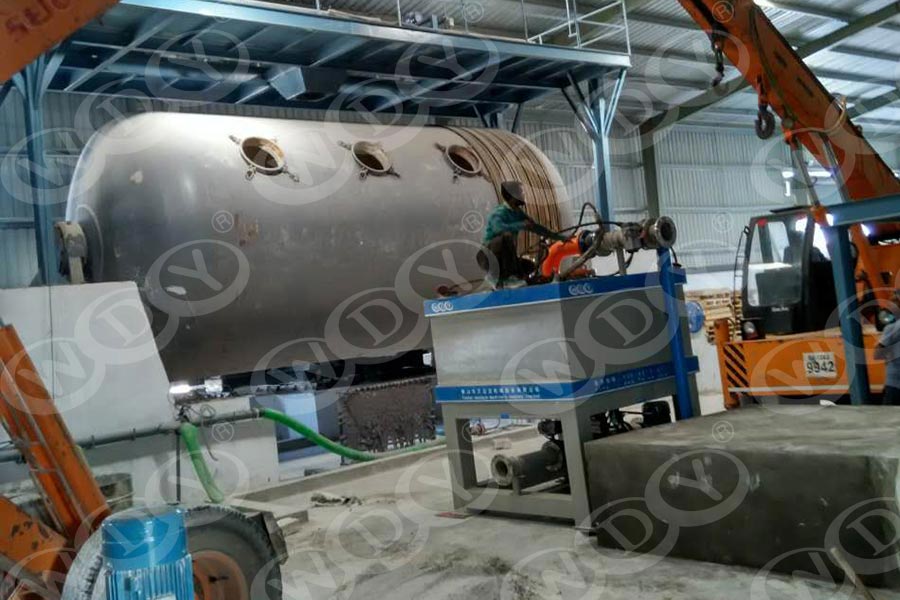
In production environments, magnets are not just a curiosity; they are powerful tools for process control. Magnetic separators and iron removal equipment use carefully engineered magnet circuits to remove ferromagnetic and weakly magnetic contaminants from raw materials and finished products.
For example, in mining, magnetic separators recover valuable magnetic minerals and remove iron impurities from non‑metallic ores. In ceramic plants, magnetic filters eliminate iron specks that would otherwise cause defects in tiles or sanitaryware. In pharmaceutical lines, magnetic rods and high‑gradient separators protect consumers and equipment by removing even tiny stainless‑steel fragments.
How Magnet Types Compare in Industrial Applications
The table below summarizes several common magnet types and how they are typically used in industry, including magnetic separation systems:
| Magnet Type | Typical Composition | Key Advantages | Common Industrial Uses |
|---|---|---|---|
| Ferrite (Ceramic) Magnets | Iron oxide + barium/strontium | Low cost, corrosion resistant, stable | Basic magnetic separators, motor rotors, speakers |
| Neodymium (NdFeB) Magnets | Neodymium‑iron‑boron alloy | Very high strength, compact size | High‑gradient magnetic separators, EV motors, sensors |
| Samarium Cobalt Magnets | Samarium‑cobalt alloy | High temperature stability, corrosion resistance | High‑temperature motors, aerospace, harsh environments |
| Flexible Magnets | Magnetic powder + rubber/plastic | Cuttable, flexible, easy to shape | Labels, seals, light holding, displays |
| Electromagnets | Copper coils + iron core | Controllable on/off, adjustable strength | Overband separators, lifting magnets, magnetic clamping |
Applying Magnet Knowledge to Magnetic Separation Design
For engineers selecting magnetic separators, magnet science translates directly into design decisions. Key considerations include field strength at the working gap, magnetic gradient, temperature tolerance, and resistance to abrasion and corrosion.
High‑gradient systems use dense magnet arrays and specially designed magnetic media to capture very fine or weakly magnetic particles. Permanent magnet separators are valued for energy‑free operation, while electromagnetic systems offer adjustable field strength and easy demagnetization when needed. In every case, understanding magnet behavior enables better equipment selection and parameter tuning.
Where Magnets Meet Your Process: Wandaye Solutions
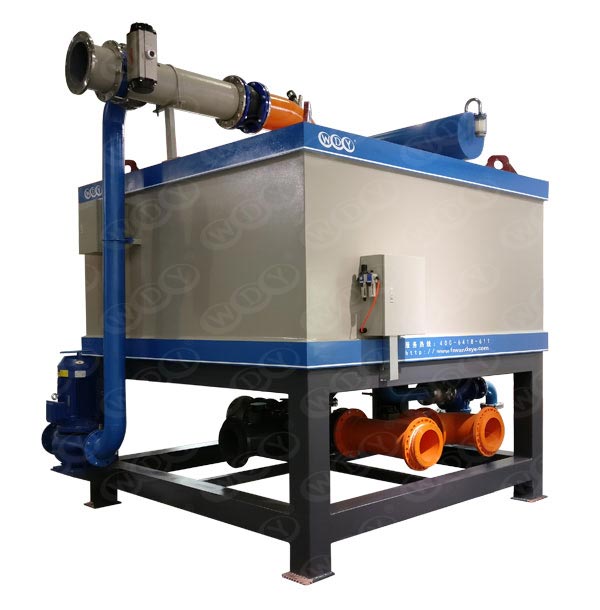
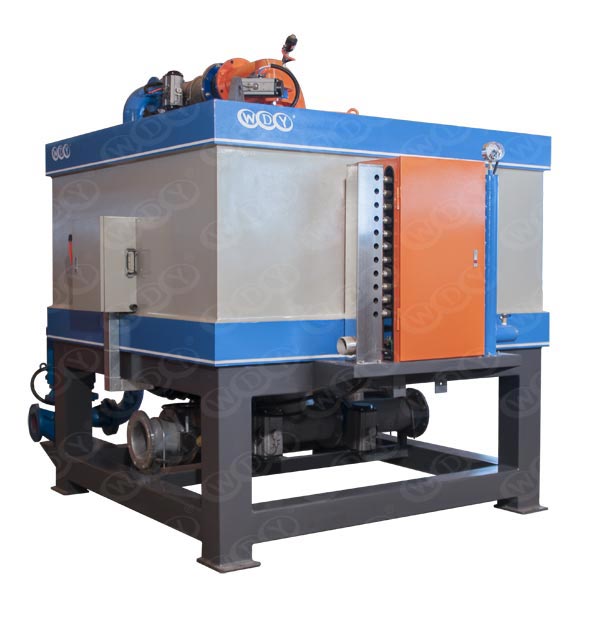
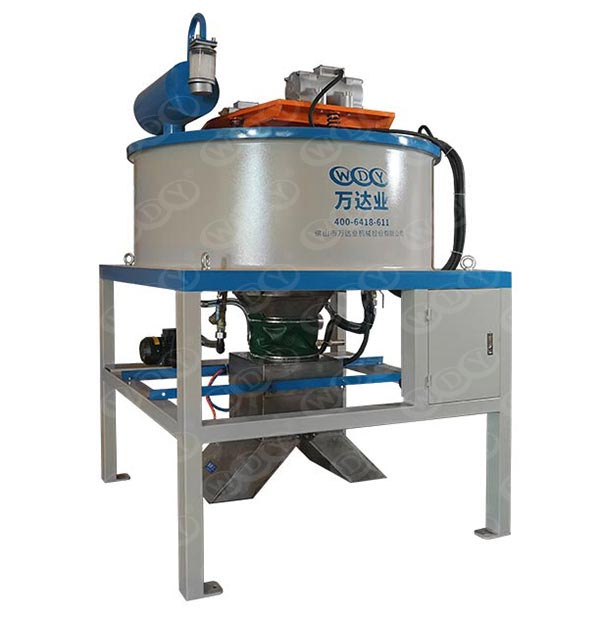
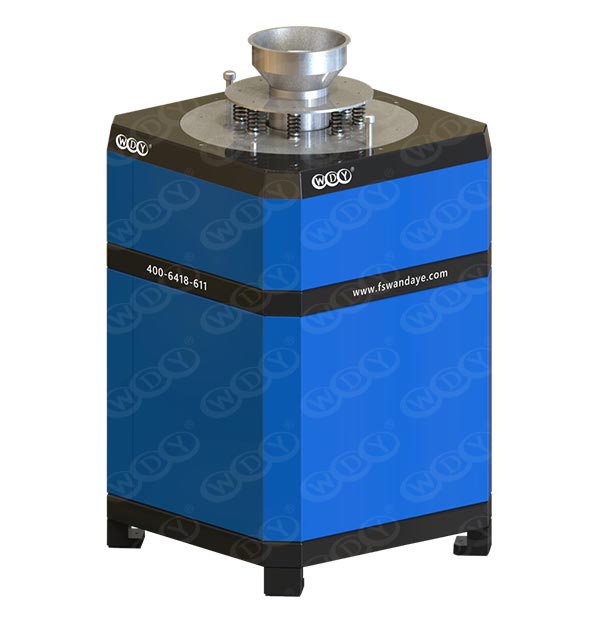
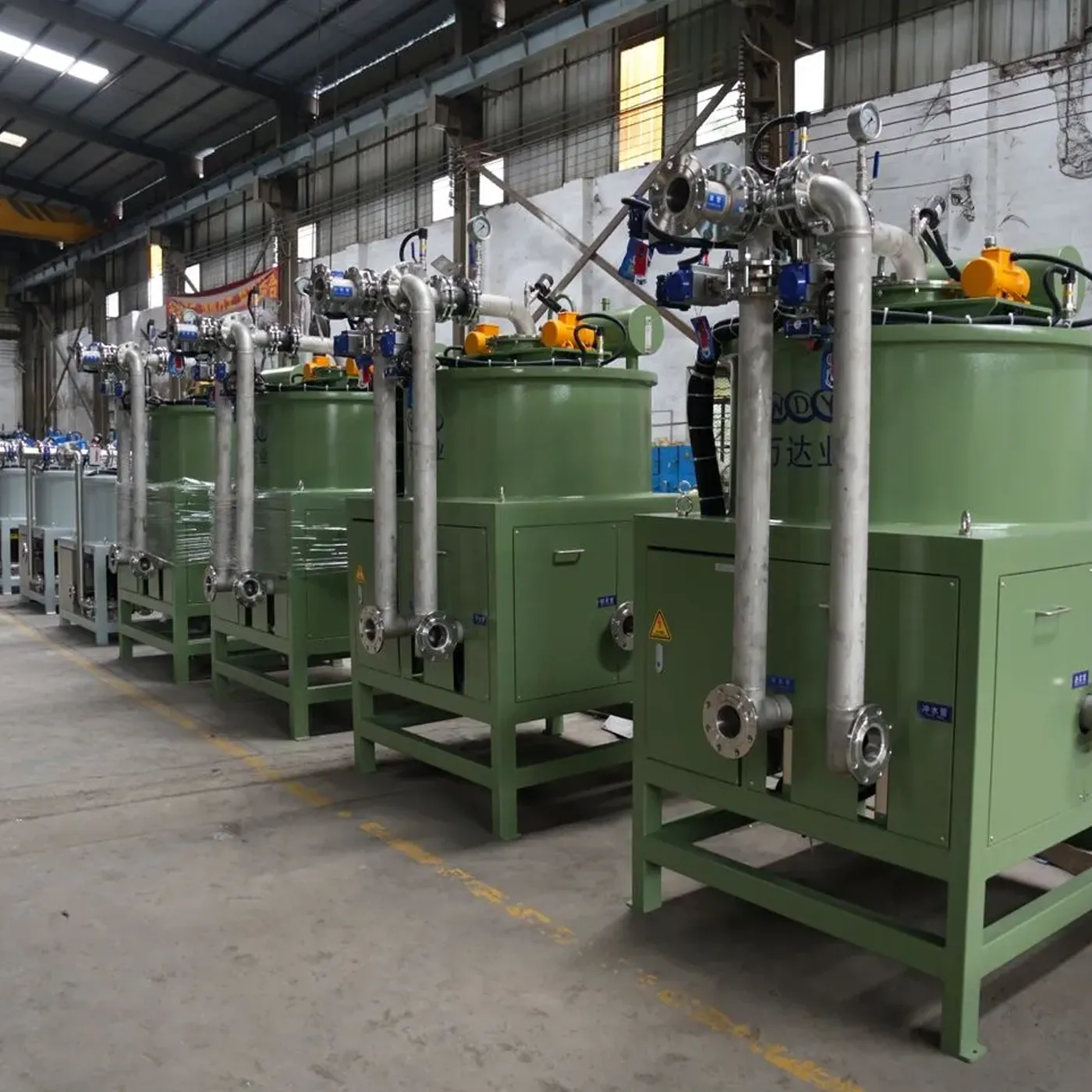
Foshan Wandaye Technology Co., Ltd. is a professional magnetic separator enterprise integrating research and development, engineering design, production, and complete line installation. Our product range covers high‑gradient electromagnetic slurry separators, powder magnetic separators, permanent magnetic separators, vertical ring high‑gradient machines, magnetic plates, iron‑removal cabinets, magnetic rods, and more.
We serve mining, ceramics, pharmaceuticals, chemical processing, and other industries that demand stable and efficient magnetic separation. By combining advanced magnet technology with process expertise, we help clients reduce impurities, improve product quality, and increase recovery rates, from laboratory trials to full‑scale production lines.
Take the Next Step with Foshan Wandaye Technology
If you want to turn magnet theory into real‑world process improvement, Foshan Wandaye Technology Co., Ltd. is ready to support you. Whether you are upgrading an existing line or planning a new project in mining, ceramics, or pharmaceuticals, our engineers can help you match the right magnet technologies to your materials and performance targets.
Contact our team today to discuss your application, arrange material testing, or request a customized magnetic separation solution. Let us help you transform magnetic knowledge into higher product quality, better recovery rates, and a more efficient, reliable production line.
Contact us to get more information!
FAQ: Magnets and Magnetic Separation
1) Do permanent magnets in magnetic separators ever need to be replaced?
High‑quality permanent magnets can work reliably for many years, but they may slowly weaken if exposed to high temperatures, mechanical shock, or corrosive environments. In critical applications, it is good practice to periodically test magnetic strength at the working surface and plan replacements or upgrades in line with maintenance schedules.
2) What is the difference between permanent magnets and electromagnets in separation equipment?
Permanent magnets provide a constant magnetic field without external power, making them energy‑efficient and simple to operate. Electromagnets use electric current to generate a magnetic field, allowing you to switch the magnet on and off and adjust field strength. For high‑gradient, fine‑particle separation or applications needing frequent cleaning cycles, electromagnetic systems often provide greater flexibility.
3) Why are neodymium magnets so important in modern industry?
Neodymium magnets are among the strongest commercially available permanent magnets, offering high magnetic energy in a compact volume. This enables smaller, lighter motors, more compact magnetic separators, and high‑sensitivity sensors. Their role is especially critical in electric vehicles, wind turbines, and advanced magnetic separation where high performance is required in limited space.
4) Can flexible magnets be used in industrial separation processes?
Flexible magnets are generally not strong enough for heavy‑duty separation tasks, but they are useful for auxiliary functions in industrial environments. Typical uses include labeling ferrous bins, temporary holding of lightweight tools or covers, and simple position indicators. For actual iron removal or ore beneficiation, rigid permanent magnets or electromagnetic systems are the preferred choice.
5) How do I choose the right magnetic separator for my application?
Choosing the right separator requires analyzing your material (particle size range, moisture, magnetic properties), process targets (purity, recovery), and installation conditions (temperature, abrasiveness, line layout). It is best to work with a specialist who can run sample tests, propose suitable magnet types and configurations, and design a complete separation flow that meets your production and quality goals.
Citations:
1. https://buntingmagnetics.com/blog/8-things-you-didnt-know-about-magnets
2. https://www.discovermagazine.com/20-things-you-didnt-know-about-magnetism-2630
3. https://www.newlandmag.com/neodymium-magnet-guide/
4. https://strategicmetalsinvest.com/neodymium-prices-surge-2025-outlook/
5. https://www.marketsandmarkets.com/Market-Reports/rare-earth-magnets-market-173298774.html
6. http://en.fswandaye.com
7. https://www.wdymagnetic.com
Hot Tags: Fun Facts About Magnetism, Magnet Fun Facts, Interesting Facts About Magnets, Cool Facts About Magnets, Magnetic Facts, Magnet Facts, Facts About Magnets, Magnetism Facts, Facts About Magnetism, Interesting Things About Magnets