


Content Menu
● Introduction to Magnetic Separator Design
● Why Choose Foshan Wandaye for Magnetic Separator Projects?
● Core Working Principles of a Magnetic Separator
● Main Types of Industrial Magnetic Separator
>> Wet Slurry Electromagnetic Magnetic Separator
>> Permanent Drum Magnetic Separator
>> Vertical Ring High Gradient Magnetic Separator
● Key Components Required to Make a Magnetic Separator
>> Tank, Feed Box, and Discharge System
>> Magnet Cooling and Power Supply
>> Support Frame and Enclosure
● Step‑by‑Step Process to Make a Magnetic Separator
>> 1. Define Application and Performance Targets
>> 2. Select Magnetic Separator Type
>> 3. Design the Magnetic Circuit
>> 4. Engineer the Mechanical Structure
>> 5. Integrate Control and Safety Systems
>> 6. Fabrication, Assembly, and Testing
● Using Visual Materials to Understand Magnetic Separator Construction
● Industry Applications for Custom Magnetic Separator Designs
>> Mining and Mineral Processing
>> Ceramic and Non‑Metallic Minerals
>> Pharmaceutical and Chemical Industries
● Example Magnetic Separator Configurations
● How Foshan Wandaye Supports Custom Magnetic Separator Projects
● FAQ: Magnetic Separator Design and Use
>> 1. What factors determine the choice of magnetic separator type?
>> 2. How strong does the magnetic field need to be in a magnetic separator?
>> 3. What is the difference between permanent and electromagnetic magnetic separators?
>> 4. How often should a magnetic separator be maintained?
>> 5. Can an existing production line be upgraded with a new magnetic separator?
Foshan Wandaye Technology Co., Ltd. is a specialized manufacturer of magnetic separator equipment that integrates scientific research, engineering design, and complete production line services for customers in mining, ceramics, pharmaceuticals, and other industries.
As a high‑tech enterprise, the company focuses on efficient, energy‑saving, and intelligent magnetic separator solutions that help global plants remove ferromagnetic and weakly magnetic impurities from powders, slurries, and minerals.
Introduction to Magnetic Separator Design
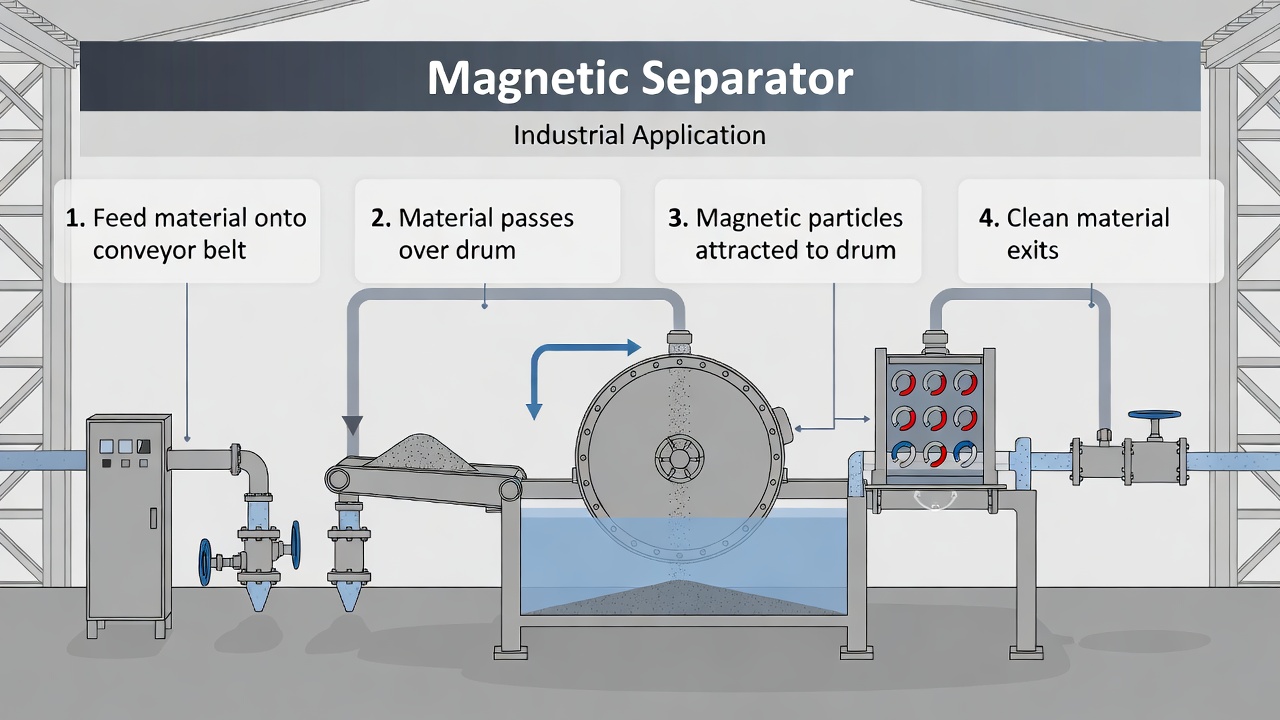
A magnetic separator is a piece of process equipment that uses a controlled magnetic field to capture magnetic or weakly magnetic particles from a material flow such as ore slurry, powder, or bulk solids.
When you plan how to make a magnetic separator, you must balance magnetic performance, mechanical structure, process capacity, and safety so the machine can run continuously in demanding industrial environments.
To design any magnetic separator, engineers first clarify the application, then select an appropriate magnetic circuit and mechanical style such as drum, belt, vertical ring, or slurry type.
Foshan Wandaye Technology Co., Ltd. has developed many high gradient electromagnetic slurry machines, powder magnetic separator models, and permanent magnetic separator systems that illustrate best practice in combining these design choices into robust equipment.
Why Choose Foshan Wandaye for Magnetic Separator Projects?
Foshan Wandaye Technology Co., Ltd. is recognized as a professional magnetic separator enterprise that covers R&D, magnetic separator engineering design, production‑line installation, and commissioning services in one package.
The company offers high gradient electromagnetic slurry magnetic separators, powder magnetic separators, permanent drum magnetic separators, electromagnetic vertical ring machines, and related iron‑removal components such as magnetic plates and magnetic rods.
Wandaye follows a philosophy of high efficiency, energy saving, environmental protection, and intelligent control when developing each new magnetic separator generation.
With experience in turnkey magnetic separator production lines, the team can supply complete solutions including mineral processing tests, process design, equipment matching, on‑site installation, and after‑sales optimization for customers worldwide.
Core Working Principles of a Magnetic Separator
Every magnetic separator relies on the interaction between magnetic force and competing forces such as gravity, fluid drag, and inertia to separate magnetic particles from a non‑magnetic matrix.
The magnetic force is generated by either permanent magnets or electromagnetic coils arranged in a magnetic circuit that concentrates field lines in the separation zone of the magnetic separator.
In high gradient models, magnetic poles and ferromagnetic media create very strong, highly non‑uniform fields that intensify the capture of fine or weakly magnetic particles.
As material passes through the separation zone of the magnetic separator on a belt, in a rotating drum, or in a slurry channel, magnetic particles are attracted and held, while non‑magnetic material continues to flow and is discharged separately.
Main Types of Industrial Magnetic Separator
Different types of magnetic separator structures are used to match different materials, capacities, and process layouts in industry.
Foshan Wandaye Technology Co., Ltd. supplies a wide portfolio of magnetic separator types that cover wet, dry, and high gradient applications.
Wet Slurry Electromagnetic Magnetic Separator
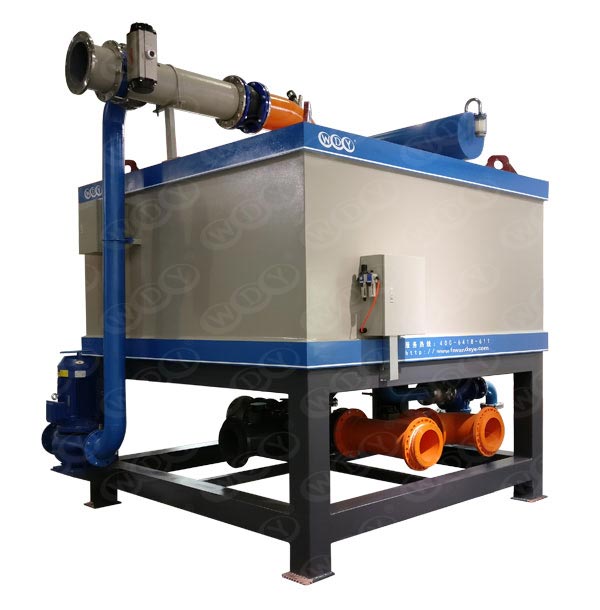
Electromagnetic slurry magnetic separator equipment is designed for suspensions such as non‑metallic mineral slurries, ceramic slurries, or fine ore pulps where iron removal must be very effective.
A high‑intensity electromagnetic coil generates a strong magnetic field and high gradient region in which iron impurities are trapped as the slurry flows through the magnetic separator tank.
This style of magnetic separator is widely used in industries such as ceramics, feldspar, quartz, and kaolin production where extremely low iron content is required to maintain whiteness and product performance.
By carefully controlling slurry density, flow rate, and magnetic field strength, operators can tune the slurry magnetic separator to achieve stable separation efficiency over long operating cycles.
Powder Magnetic Separator
Powder magnetic separator units handle dry, free‑flowing powders like feldspar, quartz, kaolin, and other non‑metallic minerals where iron contamination must be reduced to very low levels.
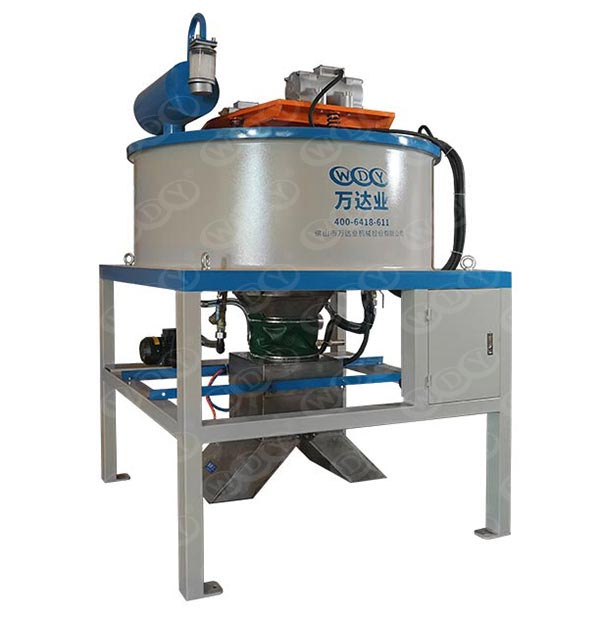
Electromagnetic powder magnetic separators developed by Wandaye feature large wrap angles, multi‑pole configurations, and wide selection areas so the magnetic separator can process large capacities with stable performance.
Because powders can be abrasive and prone to blocking, powder magnetic separator design pays attention to inlet geometry, vibration assistance, and smooth internal surfaces to keep material moving freely.
Proper dust control and sealing also ensure that the powder magnetic separator operates safely and cleanly in enclosed production environments.
Permanent Drum Magnetic Separator
Permanent drum magnetic separator machines use a rotating drum with an internal permanent magnet system to separate iron from wet or dry feeds such as mineral slurries or bulk ores.
The magnetic separator drum attracts ferrous particles to its surface and carries them out of the main material stream before they are discharged, while non‑magnetic material falls freely away.
Compared with electromagnetic models, a permanent drum magnetic separator does not require continuous power to generate a magnetic field, which reduces energy consumption and simplifies maintenance.
Such magnetic separator units are often used in primary separation stages, protecting downstream crushers, mills, or high gradient equipment from excessive iron load.
Vertical Ring High Gradient Magnetic Separator
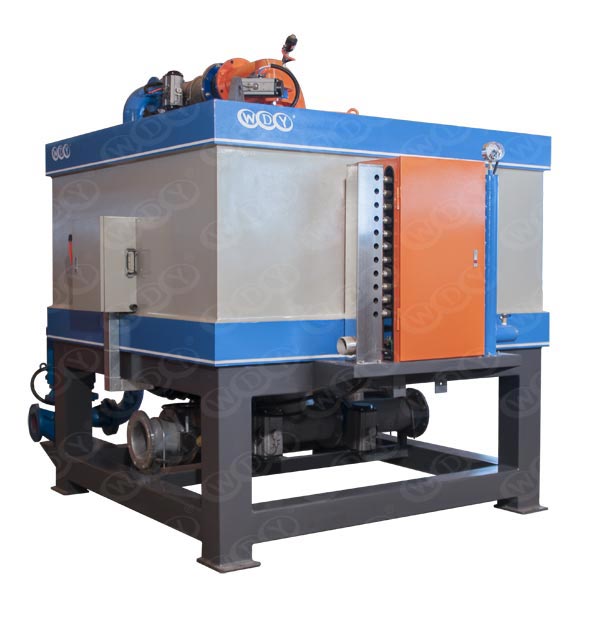
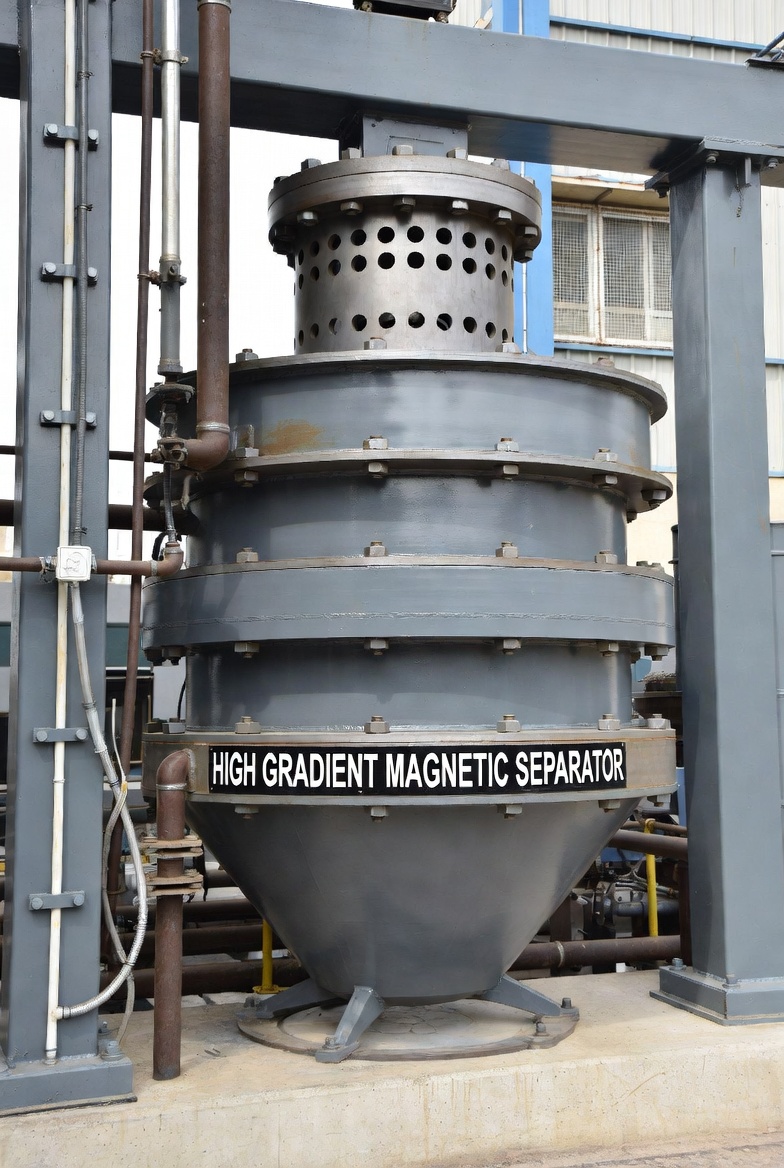
Vertical ring high gradient magnetic separator designs solve clogging problems found in earlier flat ring systems by using a rotating vertical ring that continuously refreshes the magnetic matrix.
In this type of magnetic separator, the slurry passes through a matrix packed in the vertical ring, where a strong high gradient field captures fine magnetic minerals for high‑grade concentrate production.
This vertical ring magnetic separator structure allows automatic flushing of captured particles during each rotation, which maintains high separation efficiency and reduces manual cleaning.
It is particularly suitable for processing fine hematite, limonite, manganese ore, and non‑metallic mineral slurries that need precise iron removal and stable operation.
Key Components Required to Make a Magnetic Separator
To make a reliable industrial magnetic separator, engineers combine several core components into a mechanically strong and maintainable structure.
The exact configuration depends on whether the magnetic separator is wet or dry, permanent or electromagnetic, drum, belt, or vertical ring type.
Magnetic System
The magnetic system is the heart of every magnetic separator because it defines field strength, gradient, and separation efficiency.
In many modern high gradient designs, the magnetic system uses high‑quality neodymium‑iron‑boron materials and specially shaped poles that create strong surface fields and steep gradients along the separator working area.
Engineers must also consider demagnetization resistance, mechanical protection of magnet blocks, and how flux lines enter the separation zone of the magnetic separator.
Proper magnetic circuit design ensures that the magnetic separator can generate strong attraction on target particles while minimizing magnetic leakage and energy loss.
Conveyor Belt or Drum
In belt‑type or drum‑type magnetic separator equipment, the moving belt or rotating drum transports material through the magnetic field and carries captured particles out of the separation zone.
The belt thickness and drum shell material are carefully selected so the magnetic field in the magnetic separator can penetrate effectively without excessive loss of field strength.
High wear‑resistant belts and shells are essential when abrasive ores or sharp metallic fragments pass through the magnetic separator.
Correct belt tension, drum alignment, and surface speed also influence how consistently the magnetic separator separates magnetic and non‑magnetic materials.
Tank, Feed Box, and Discharge System
Wet magnetic separator models require a slurry tank, feeding launders, and discharge structures that control flow velocity, pulp density, and turbulence.
Proper tank geometry helps ensure the magnetic separator provides a uniform flow profile so magnetic and non‑magnetic particles experience consistent forces.
The design of concentrate outlets, tailings outlets, and adjustable splitters affects how sharply the magnetic separator can separate different fractions.
Easy‑to‑clean internal surfaces and access doors are important so operators can remove scale, sediment, or trapped materials from the wet magnetic separator during maintenance stops.
Magnet Cooling and Power Supply
Electromagnetic magnetic separator coils generate heat, so the design often includes oil‑cooling or water‑cooling systems to keep the coil temperature within a safe range.
A stable power supply with controllable current allows operators to adjust magnetic field strength in the magnetic separator to match different materials and process targets.
Temperature monitoring and protective shut‑down functions help prevent coil overheating and extend magnetic separator service life.
Well‑designed power distribution cabinets and wiring layouts also improve safety and reduce downtime caused by electrical faults in the magnetic separator system.
Support Frame and Enclosure
The frame supports the magnetic separator weight, resisting vibration and providing safe connection points to platforms, chutes, and maintenance access.
Enclosures restrict dust or slurry splash and protect the magnetic separator components from environmental damage in harsh industrial plants.
Good ergonomic design ensures that inspection ports, lifting points, and fasteners are positioned for safe, quick servicing of the magnetic separator.
Corrosion‑resistant coatings and materials, especially in chemical and coastal environments, further increase magnetic separator durability and performance stability.
Step‑by‑Step Process to Make a Magnetic Separator
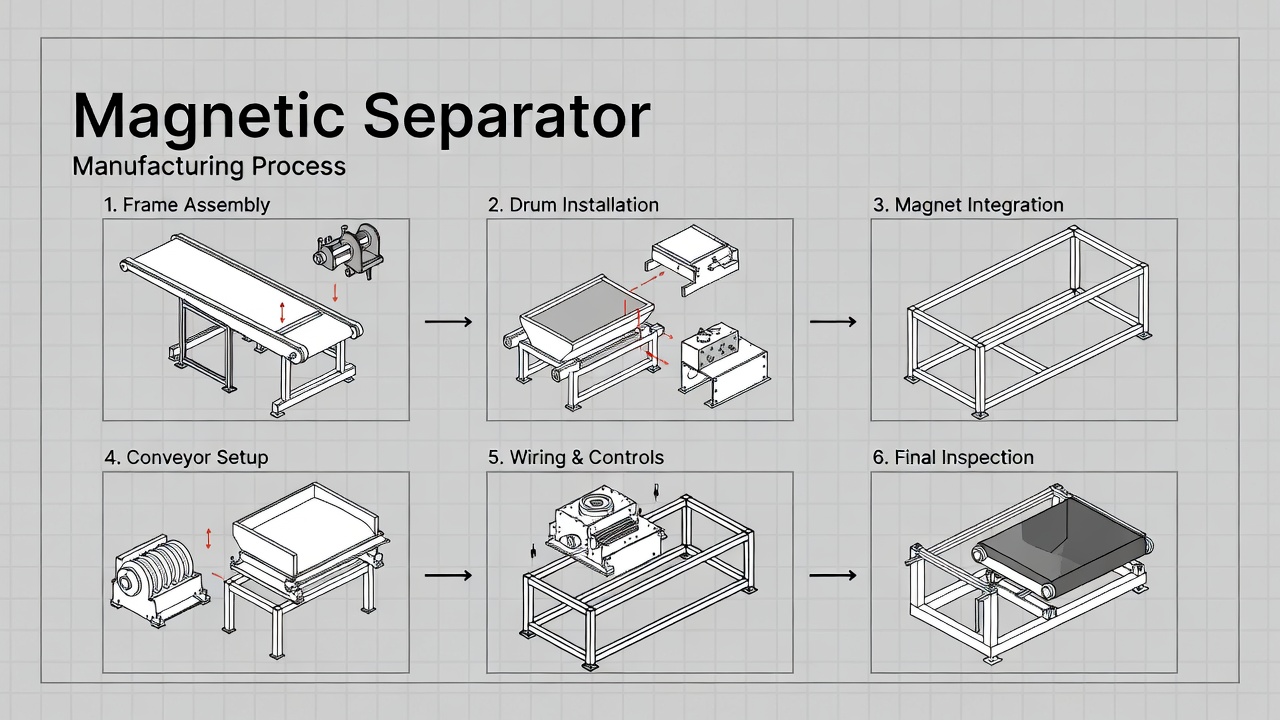
Designing and building a magnetic separator follows a structured engineering process to reduce risk and speed up commissioning.
Foshan Wandaye Technology Co., Ltd. applies this process when creating custom magnetic separator systems for different industries.
1. Define Application and Performance Targets
First, engineers identify the material type, particle size range, moisture condition, and magnetic properties of impurities that the magnetic separator must remove.
Target values for capacity, separation efficiency, product purity, and maximum allowable iron content are then agreed so the magnetic separator can be sized correctly.
Process engineers also consider upstream and downstream equipment, layout constraints, and cleaning requirements so the magnetic separator integrates smoothly into the existing line.
This stage often includes laboratory or pilot‑scale testing to estimate how different magnetic separator designs will perform on real samples.
2. Select Magnetic Separator Type
Based on the application, you choose between wet slurry, dry powder, drum, belt, or vertical ring magnetic separator configurations.
For example, fine non‑metallic mineral slurries often require high gradient electromagnetic slurry magnetic separator equipment, while coarser ores may use permanent drum or belt magnetic separators.
Selection must also account for plant energy policy, automation level, cleaning convenience, and available maintenance skills.
By comparing multiple magnetic separator concepts at this stage, engineers can avoid over‑engineering or choosing a model that cannot meet long‑term production targets.
3. Design the Magnetic Circuit
Next, engineers design the magnetic circuit to achieve the required field strength and gradient in the separation zone of the magnetic separator.
The design balances magnet material grade, magnet geometry, pole arrangement, and air gap so the magnetic separator can capture the target particles without excessive cost or power consumption.
Simulation tools and practical test rigs allow tuning of the magnetic separator circuit before full‑scale manufacturing.
For high gradient magnetic separator equipment, special attention is given to matrix material, shape, and packing density to maximize effective capture area.
4. Engineer the Mechanical Structure
The mechanical design defines the drum diameter, belt width, tank size, bearings, shafts, and structural frame that support and protect the magnetic separator components.
Finite element analysis and practical experience ensure the magnetic separator structure resists fatigue, misalignment, and vibration under continuous industrial operation.
Engineers optimize access for bearing changes, belt replacement, and coil servicing to shorten magnetic separator downtime.
In some cases, modular frames and standardized components enable faster installation and easier expansion of magnetic separator capacity in the future.
5. Integrate Control and Safety Systems
Modern magnetic separator systems include variable speed drives for belts, flow controls for pumps, sensor monitoring, and operator interface panels.
Safety covers, emergency stop circuits, and interlocks are integrated to protect personnel working around the magnetic separator during operation and maintenance.
Automation options can include online monitoring of iron content, automatic cleaning cycles, and remote performance diagnostics for the magnetic separator.
Clear alarm logic and event recording help operators quickly identify and correct abnormal conditions in the magnetic separator line.
6. Fabrication, Assembly, and Testing
After detailed design, workshops fabricate frames, tanks, drums, and support structures before assembling the magnetic separator with magnets, coils, belts, and drives.
Factory testing checks mechanical rotation, magnet performance, insulation resistance, and trial separation results before the magnetic separator is shipped to the customer site.
Onsite, engineers coordinate lifting, alignment, piping, cabling, and control integration so the magnetic separator can start up smoothly.
Commissioning tests then fine‑tune operating parameters such as belt speed, magnetic field strength, and splitter positions to achieve the desired separation efficiency.
Using Visual Materials to Understand Magnetic Separator Construction
Because a magnetic separator combines complex magnetic circuits with moving mechanical parts, visual materials help engineers and operators understand how each component works.
Exploded diagrams, 3D models, and animation videos can show the internal magnet arrangement, slurry flow paths, and particle trajectories through the magnetic separator separation zone.
During installation and commissioning, step‑by‑step instructional videos can demonstrate how to align the drum, tension the belt, connect cooling lines, and adjust splitter positions on the magnetic separator.
Training videos of real production lines allow maintenance personnel to see how inspection, cleaning, and troubleshooting procedures are carried out on the magnetic separator in realistic conditions.
Industry Applications for Custom Magnetic Separator Designs
Customized magnetic separator designs from Foshan Wandaye Technology Co., Ltd. support many industries that must control iron content or recover valuable magnetic minerals.
The company tailors magnetic separator configurations to match the particle characteristics and process flows of each sector.
Mining and Mineral Processing
In mining, magnetic separator systems recover magnetite, hematite, and other magnetic minerals or remove iron contaminants from non‑magnetic ores.
High gradient vertical ring magnetic separator equipment is particularly effective for upgrading fine iron ores and cleaning non‑metallic minerals.
Magnetic separator stages can be arranged in roughing, cleaning, and scavenging roles to balance recovery and concentrate grade.
By adjusting field strength and matrix configuration, plants can tune each magnetic separator stage to their specific ore characteristics.
Ceramic and Non‑Metallic Minerals
Ceramic manufacturers use slurry and powder magnetic separator lines to reduce iron impurities that can cause black spots, firing defects, or electrical property issues in tiles and advanced ceramics.
High gradient electromagnetic slurry magnetic separators and powder separators from Wandaye are designed to meet strict brightness and purity specifications in this industry.
Multiple magnetic separator passes may be arranged before and after milling, screening, or classification steps to maintain consistent quality.
Stable magnetic separator performance directly supports yield, defect reduction, and brand reputation for ceramic producers.
Pharmaceutical and Chemical Industries
Pharmaceutical and chemical plants deploy sanitary magnetic separator equipment to protect products and machinery from metallic contamination.
The design focuses on smooth surfaces, cleanable structures, and reliable magnetic separator performance under strict hygiene and quality control requirements.
Quick‑release clamps, polished contact surfaces, and validated cleaning procedures are common features of sanitary magnetic separator designs.
By preventing metal fragments from reaching end products, these magnetic separator systems contribute to regulatory compliance and patient safety.
Example Magnetic Separator Configurations
Different magnetic separator configurations can be compared to choose the best option for a particular plant layout and process goal.
The overview below summarizes several typical choices that Foshan Wandaye Technology Co., Ltd. can offer through its magnetic separator portfolio.
– Electromagnetic slurry magnetic separator: handles slurry and pulp, providing very high gradient for ultra‑low iron levels in non‑metallic minerals.
– Electromagnetic powder magnetic separator: handles dry powder, with large selection area and multi‑pole design for continuous fine powder purification.
– Permanent drum magnetic separator: handles wet or dry bulk, offering low energy use, simple structure, and robust operation in coarse separation duties.
– Vertical ring high gradient magnetic separator: handles fine mineral slurry, solving clogging issues and upgrading fine magnetic ores efficiently.
How Foshan Wandaye Supports Custom Magnetic Separator Projects
Foshan Wandaye Technology Co., Ltd. provides complete project support for customers who need to make, install, or upgrade magnetic separator systems.
The service begins with material testing and process design, followed by customized magnetic separator selection, equipment supply, and onsite commissioning.
The company also offers operator training, optimization audits, and technical upgrades such as higher gradient magnetic systems or improved cooling for existing magnetic separator lines.
Global customers use these services to achieve reliable magnetic separator performance and stable product quality in demanding markets.
Conclusion
To make a magnetic separator that works reliably in real industrial plants, engineers must integrate a well‑designed magnetic circuit with robust mechanical construction, control systems, and safety features.
Foshan Wandaye Technology Co., Ltd. has built a complete magnetic separator product line and turnkey engineering capability that helps customers in mining, ceramics, and pharmaceuticals achieve efficient, energy‑saving, and intelligent magnetic separation performance.
Contact us to get more information!
FAQ: Magnetic Separator Design and Use
1. What factors determine the choice of magnetic separator type?
The main factors are material form (slurry, powder, bulk), particle size range, magnetic properties of impurities, required purity, and line capacity.
For example, fine non‑metallic mineral slurries usually need high gradient electromagnetic slurry magnetic separators, while coarse ores can use permanent drum magnetic separators.
2. How strong does the magnetic field need to be in a magnetic separator?
Required field strength depends on whether the impurities are strongly magnetic or only weakly magnetic and how fine the particles are.
High gradient magnetic separator designs often use surface fields in the range of several thousand gauss or more to capture very fine or weakly magnetic particles effectively.
3. What is the difference between permanent and electromagnetic magnetic separators?
Permanent magnetic separator equipment uses fixed magnet materials and does not consume electrical power for magnetization.
Electromagnetic magnetic separator models use energized coils so operators can adjust the field strength but must also manage heat and power supply with appropriate cooling and protection systems.
4. How often should a magnetic separator be maintained?
Maintenance frequency depends on duty, material abrasiveness, and plant conditions, but regular inspection of wear parts, cleaning of captured iron, and tests of magnet performance are essential.
Electromagnetic magnetic separator units also require periodic inspection of coil insulation, cooling circuits, and electrical connections to ensure safe, stable operation.
5. Can an existing production line be upgraded with a new magnetic separator?
Many existing plants can be upgraded by adding high gradient magnetic separator stages or replacing older units with more efficient designs.
Process audits and test work help select suitable magnetic separator upgrades that improve product quality and reduce iron content without major changes to civil structures or upstream equipment.
Citations:
1. https://www.wdymagnetic.com
2. http://en.fswandaye.com
3. http://en.fswandaye.com/About-Us/
4. https://www.wdymagnetic.com/products
5. https://www.wdymagnetic.com/products/electromagnetic-slurry-separator-series
6. https://www.wdymagnetic.com/products/vertical_ring_high_gradient_magnetic_separator_series
7. https://gtekmagnet.com/high-gradient-magnetic-separator-how-it-work/
8. https://www.greatmagtech.com/info/a-comprehensive-guide-to-magnetic-separation-83335518.html
9. https://www.goudsmitmagnetics.com/en-us/products/belt-conveyor-magnetic-separators/high-gradient-magnetic-head-pulley-systems
10. https://ejetmagnet.com/products/dry-high-intensity-rare-earth-roll-magnetic-separator/
Hot Tags: How To Make A Magnetic Separator, How To Make Magnetic Separator, DIY Magnetic Separator Design, Homemade Magnetic Separator Machine, Magnetic Separation Equipment Setup, Build Your Own Magnetic Separator, Magnetic Separator Construction Guide, Small Scale Magnetic Separator, Magnetic Separator For Recycling, Magnetic Separation For Metal Removal