


Content Menu
● What Is Magnetic Separation?
● Core Difference: Principle of Separation
● Target Contaminants and Particle Size
● Energy Use, Consumables and Operating Cost
● Process Integration in Mining, Ceramics and Pharmaceuticals
● Magnetic Separation vs Filtration: Pros and Cons
● Why Many Plants Prefer a Magnetic Separator First
● How Foshan Wandaye Technology Co., Ltd. Supports Both Approaches
● FAQ
>> 1. What is the main difference between a magnetic separator and a filter?
>> 2. When should I choose a magnetic separator instead of filtration?
>> 3. Can magnetic separation completely replace filtration?
>> 4. How does a magnetic separator help my existing filtration system?
>> 5. What industries benefit most from combining magnetic separation and filtration?
Foshan Wandaye Technology Co., Ltd. is a professional manufacturer focusing on the R&D and production of magnetic separator and iron‑removal equipment for mining, ceramics, pharmaceutical and many other industries, providing complete magnetic separator solutions from engineering design to on‑site commissioning services.
Introduction
In many modern plants, engineers must decide whether to use a magnetic separator, a traditional filtration system, or a combination of both to remove contaminants from liquids, slurries or bulk solids. The choice directly affects product purity, equipment protection, operating cost and environmental performance, so understanding the difference between magnetic separation and filtration is essential.
In industries such as mining, ceramics and pharmaceuticals, magnetic separation and filtration are often installed in series: a magnetic separator removes ferrous contamination, while a filter captures remaining non‑magnetic particles. However, their working principles, target particles and maintenance requirements are very different.
What Is Magnetic Separation?
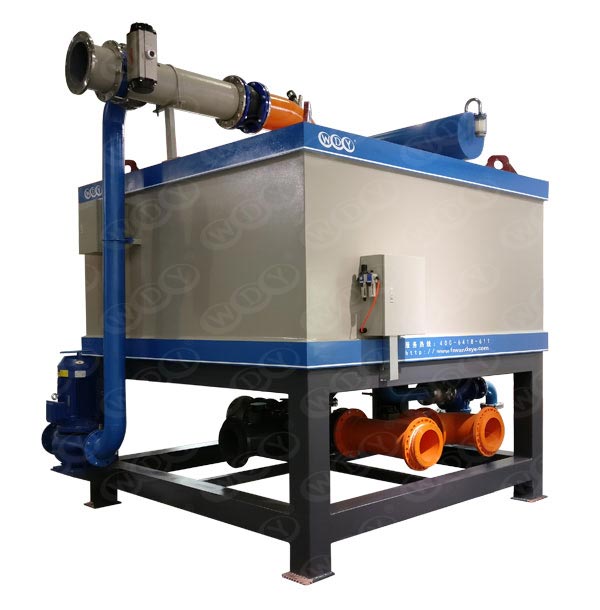
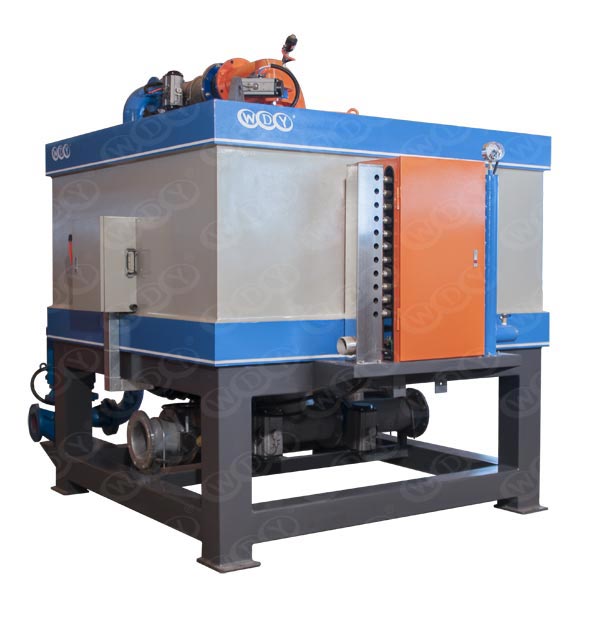
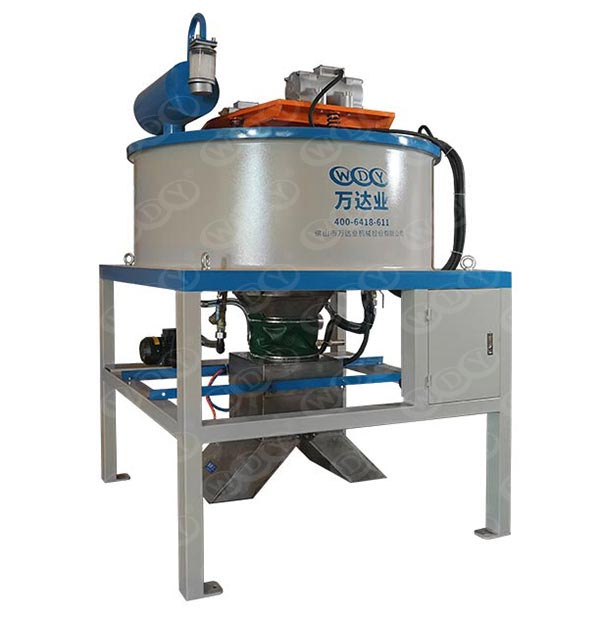
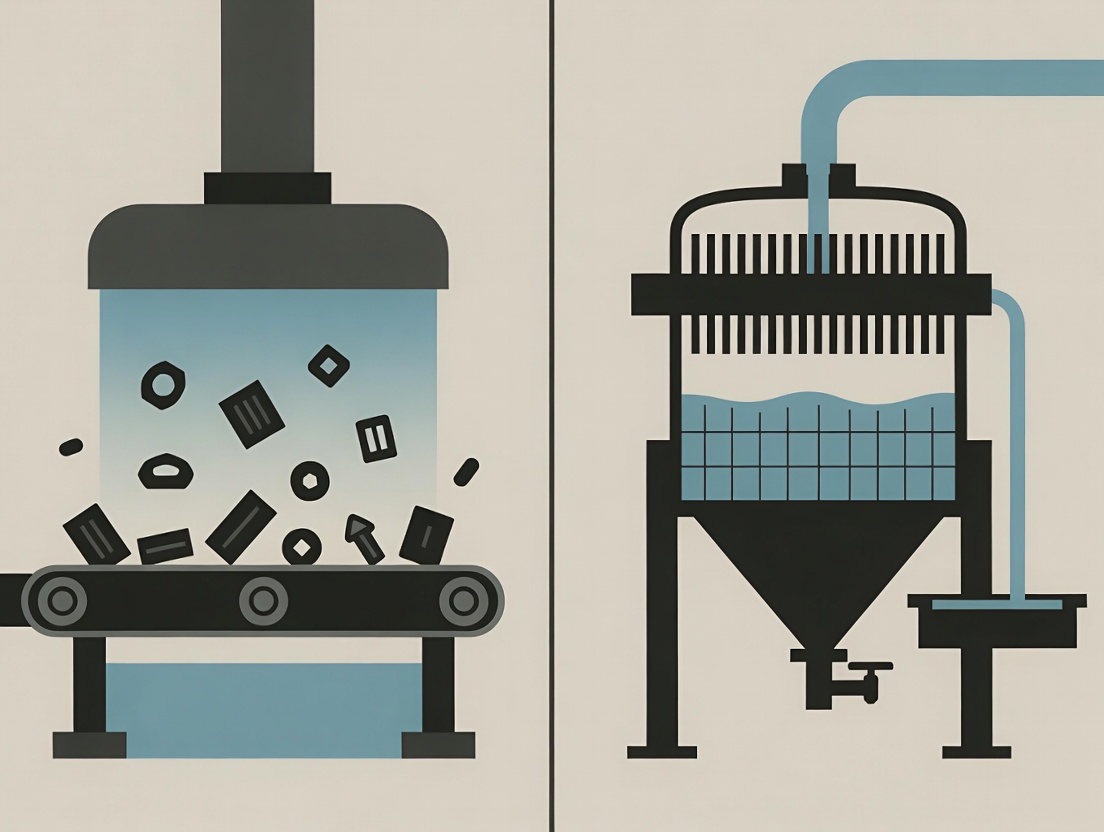
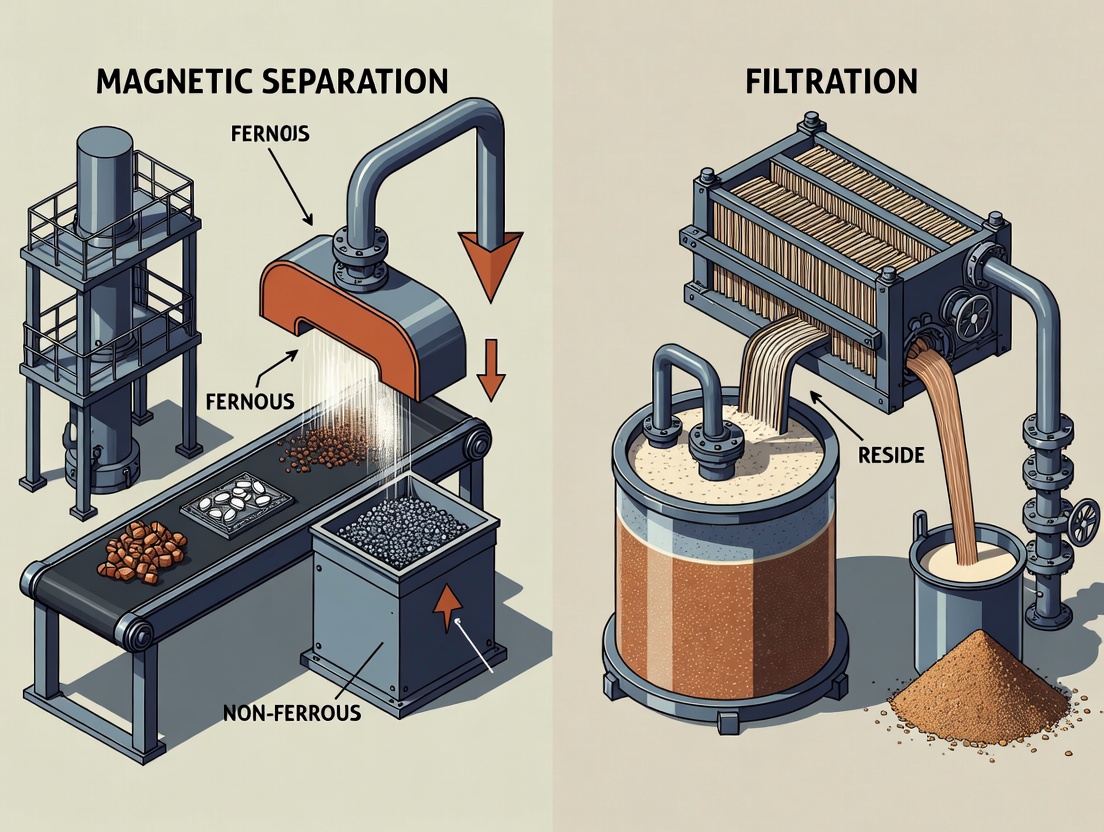
Magnetic separation is a process that uses a magnetic field to attract and remove ferromagnetic or paramagnetic particles from a material flow, typically with a dedicated magnetic separator. A magnetic separator can be installed above conveyors, inside pipelines, in gravity chutes or within slurry lines to continuously capture iron particles and protect downstream equipment.
A typical industrial magnetic separator uses permanent magnets or electromagnets to generate a strong magnetic field, forcing magnetic particles to deviate from the main flow and adhere to a magnetic surface. Once the surface is loaded, the magnetic separator is cleaned manually or automatically, removing captured metal while allowing the main product to continue flowing.
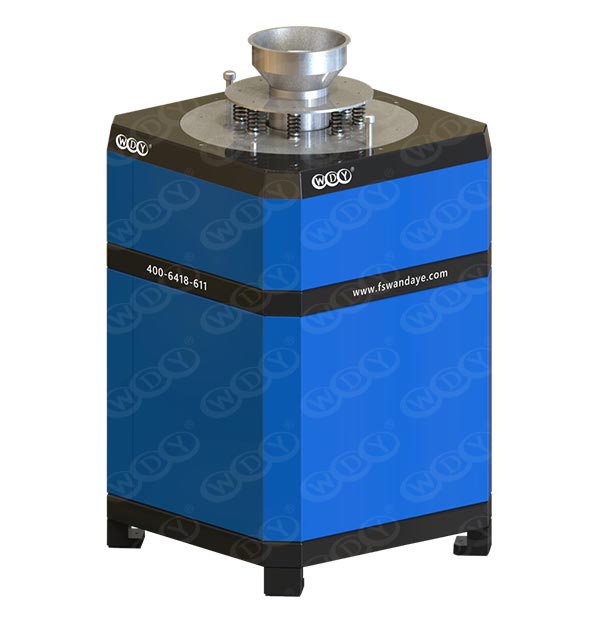
Common types of magnetic separator include overband magnets, drum separators, high‑intensity induced roll separators, rare‑earth roll magnetic separator units, drawer magnets and liquid‑line magnetic separators. In mining and mineral processing, high‑intensity magnetic separator equipment is widely used to remove iron‑bearing minerals and purify nonmetallic ores such as feldspar, silica sand and zircon.
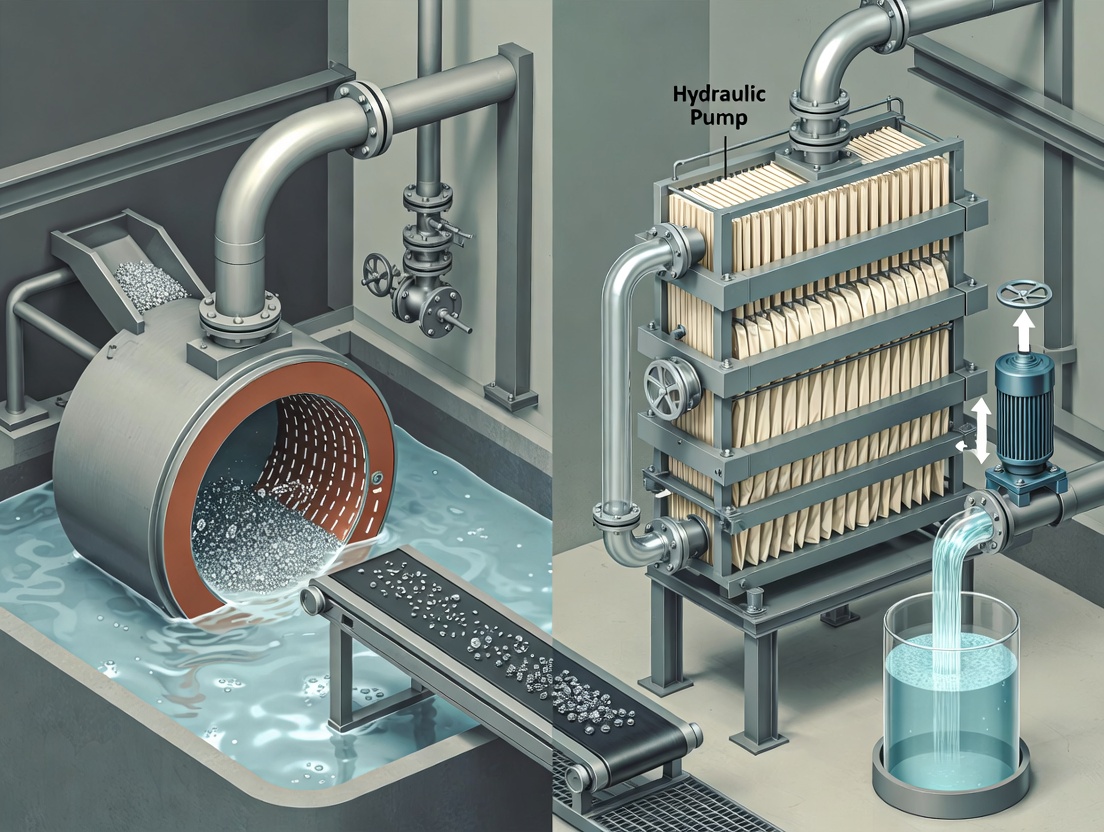
In addition to dry applications, a magnetic separator can also be designed for wet environments, such as pipelines carrying mineral slurry, ceramic slip or coolant. In these cases, the magnetic separator usually consists of magnetic rods, grids or a high‑gradient matrix placed directly in the flow path to capture fine iron and weakly magnetic particles suspended in liquid.
For very fine paramagnetic minerals, high‑gradient magnetic separation (HGMS) uses a powerful magnetic field and a dense matrix of steel wool or expanded metal to create strong local field gradients. This allows the magnetic separator to extract particles that would otherwise be impossible to remove with conventional low‑intensity magnets, which is especially important in high‑purity mineral and ceramics production.
What Is Filtration?
Filtration is a mechanical separation method that passes a fluid–solid mixture through a porous medium that allows fluid to pass while retaining solid particles. Instead of relying on a magnetic field, filters depend on pore size, pressure difference and cake formation to separate solids from liquids or gases.
In industrial plants, filtration technologies include cartridge filters, bag filters, filter presses, belt filters and depth‑filter elements, each optimized for different flow rates and particle size ranges. These systems are commonly used in chemical manufacturing, mining, food and beverage, wastewater treatment and pharmaceutical production for liquid–solid separation and product polishing.
During filtration, solids accumulate on or within the filter media and must be periodically removed by backwashing, replacement or mechanical scraping. This creates ongoing consumable costs and downtime, especially when the particle load is high or when very fine filtration is required.
Filtration can be divided into surface filtration and depth filtration. Surface filtration retains particles mainly on the outer surface of the medium, forming a cake that becomes the main barrier, while depth filtration captures particles throughout the thickness of the media fibers. This distinction affects dirt‑holding capacity, pressure drop behavior and the frequency with which filter elements must be changed.
Membrane filtration, which includes microfiltration, ultrafiltration, nanofiltration and reverse osmosis, uses semi‑permeable membranes with very tight pore size distributions to selectively remove extremely small particles and dissolved substances. These systems are essential in high‑purity water production and pharmaceutical processes, but they are sensitive to fouling and usually require effective pre‑treatment, often including a magnetic separator for metal removal and coarse filters for larger particles.
Core Difference: Principle of Separation
The most fundamental difference between magnetic separation and filtration lies in the driving force that moves particles away from the main stream. A magnetic separator uses magnetic force, while a filter uses mechanical sieving, depth capture or cake filtration mechanisms.
In magnetic separation, the magnetic field applies a force on particles that have magnetic susceptibility, such as iron, steel or some weakly magnetic minerals, causing them to migrate toward the magnetic separator surface. In contrast, filtration relies on fluid flow across a porous medium where particles larger than the effective pore size are retained or captured by interception and sedimentation inside the filter bed.
This means a magnetic separator can selectively remove only magnetic contaminants, whereas a filter can remove both magnetic and non‑magnetic solids as long as their size and loading match the filter design. As a result, many plants combine a magnetic separator with a filter to achieve both selective iron removal and general particle filtration in one integrated system.
Another important conceptual difference is selectivity. Magnetic separation is inherently selective: only particles with sufficient magnetic susceptibility are influenced by the magnetic separator, leaving non‑magnetic species largely unaffected. Filtration is non‑selective with respect to magnetic properties; its selectivity depends mainly on particle size, shape and the interactions between the solids and the filter media.
Because of this selectivity, a magnetic separator can be used to recover valuable magnetic minerals or metal particles from a mixture, not just to remove contaminants. In contrast, filtration is usually focused on clarifying the fluid or gas and is less suited to selective recovery of specific solid components unless combined with other processes such as flotation, centrifugation or chemical precipitation.
Target Contaminants and Particle Size
A magnetic separator is designed specifically for ferrous and certain weakly magnetic contaminants, including steel chips, iron scale, rust and magnetic minerals in slurry or powder. Modern high‑intensity magnetic separator systems can capture extremely fine ferrous contamination down to sub‑micron levels in lubrication oils, hydraulic fluids and process liquids.
By comparison, filtration can remove a broad spectrum of particles, both magnetic and non‑magnetic, but its efficiency depends on the filter media, pore size and operating pressure. Fine filters can retain very small particles, but they are more susceptible to clogging and require more frequent replacement or cleaning.
Because a magnetic separator is not limited by pore size, magnetic separation does not “blind” in the same way as fine filters and can handle higher contamination loads without a rapid pressure increase. For this reason, many engineers use a magnetic separator upstream of precision filters to remove most ferrous debris before it reaches the fine filtration stage.
From a practical standpoint, a magnetic separator is very efficient at removing hard, abrasive iron particles that cause wear in pumps, valves, seals and filter elements. Filtration then performs the final polishing step, removing softer and non‑magnetic particles such as sand, clay, organic matter and process by‑products that can affect product quality or downstream reactions.
In high‑purity processes, such as pharmaceutical production or fine ceramics manufacturing, the synergy between a magnetic separator and high‑grade filtration allows the plant to meet strict contamination limits. The magnetic separator eliminates metallic risks that could trigger product recalls or quality failures, while filtration ensures that fine non‑magnetic particles are kept below specification thresholds.
Energy Use, Consumables and Operating Cost
Another important difference between magnetic separation and filtration is the cost structure over the life of the system. A magnetic separator built with permanent magnets usually requires no external power to generate the magnetic field and does not need disposable filter media.
Traditional filtration systems normally require differential pressure to drive fluid through the media and frequent replacement of filter cartridges, bags or elements as they become loaded. These consumables and the labor involved in changing them add significantly to long‑term operating costs, especially in high‑contamination processes.
Because a magnetic separator only needs periodic cleaning of its internal magnetic elements, it can dramatically reduce filter media consumption, waste disposal costs and downtime in many applications. In addition, captured metal from a magnetic separator is usually relatively dry and can often be recycled, improving sustainability and lowering overall material loss.
From an energy perspective, a magnetic separator with permanent magnets operates with very low running energy when installed in gravity lines or low‑pressure pipelines. Filtration, especially fine or membrane filtration, often requires higher pumping pressures, which translate directly into higher energy consumption over the long term.
When plants evaluate total cost of ownership, they increasingly recognize that adding a magnetic separator upstream of filters can pay back quickly through reduced filter purchases, lower waste disposal fees and decreased unplanned downtime. For large continuous processes, even small improvements in uptime and energy efficiency can result in substantial annual savings.
Process Integration in Mining, Ceramics and Pharmaceuticals
In mining, a magnetic separator is commonly placed early in the process flow to remove tramp iron and magnetic minerals from ore, protecting crushers and improving downstream beneficiation. Filtration is then used later for dewatering concentrates, tailings and process water, where both magnetic and non‑magnetic solids must be separated from liquids.
In the ceramics industry, a magnetic separator is used to purify ceramic slips, glazes and raw powders by removing iron contamination that would cause black spots and defects in fired products. Conventional filtration systems then handle dust collection, wash water treatment and final polishing of process liquids where fine non‑magnetic particles must be controlled.
In pharmaceuticals, a sanitary magnetic separator is applied to powders and liquid intermediates to capture metal fragments and ensure compliance with strict purity and safety standards. Filtration technologies such as depth filters, membrane filters and sterilizing filters are still required to remove microorganisms, endotoxins and non‑magnetic particles from process streams.
In chemical plants, a magnetic separator can be integrated into reactor feed lines or recirculation loops to protect catalysts and sensitive equipment from metal fouling. Filtration stages are then tailored to the chemical system, for example using activated carbon beds, coalescers or membrane units to meet product and environmental specifications.
In power generation and heavy industry, circulating oils and cooling circuits benefit from installing a magnetic separator in parallel or series with conventional filters. The magnetic separator continuously removes wear particles, reducing the generation of new debris and helping filters maintain low differential pressure, which ultimately enhances equipment reliability and extends overhaul intervals.
Magnetic Separation vs Filtration: Pros and Cons
The following points summarize the practical advantages and limitations of each technology in industrial use. Instead of seeing them as competing options, it is better to regard a magnetic separator and filters as complementary tools that solve different parts of the contamination problem.
– Magnetic separation advantages: selective removal of ferrous and weakly magnetic particles, low or zero consumables, high dirt‑holding capacity, minimal pressure drop, capability to capture very fine iron, potential for metal recovery.
– Magnetic separation limitations: ineffective on non‑magnetic particles, performance depends on correct positioning and flow design, may require special designs for very viscous fluids or highly sticky slurries.
– Filtration advantages: broad particle removal regardless of magnetic properties, flexible configuration for different particle sizes, suitable for final polishing and meeting regulatory turbidity or clarity requirements.
– Filtration limitations: filter elements clog and require frequent replacement, pressure drop increases over time, consumable and waste disposal costs can be high, energy demand may rise with finer filtration grades.
– Best practice: combine a magnetic separator upfront with optimized filtration downstream to balance selectivity, cost and quality in a single integrated separation system.
In practice, engineers often place a magnetic separator upstream of a filter so the filter handles a much lower load of metal, extending filter life and improving reliability. This combined strategy is especially valuable in systems with circulating lubrication oil, hydraulic circuits or high‑value process fluids where unplanned downtime is very costly.
Why Many Plants Prefer a Magnetic Separator First
Because a magnetic separator removes ferrous contamination at the source, it prevents abrasive particles from damaging pumps, valves and filter elements. This protects capital equipment and helps maintain stable operating conditions, particularly in harsh environments such as mining, ceramics grinding and bulk powder handling.
From a cost perspective, installing a high‑efficiency magnetic separator before a filter significantly reduces the number of filter changes required and lowers maintenance frequency. The result is a cleaner system with less waste generation, lower labor cost and improved uptime.
Furthermore, the dry or semi‑dry iron removed by a magnetic separator can often be sold as scrap or reintroduced into the process, creating additional value. For plants seeking greener solutions, using a magnetic separator to reduce disposable filter usage is an effective way to cut environmental impact and support sustainability goals.
Another benefit is process stability. By smoothing out contamination spikes through continuous removal in a magnetic separator, downstream filters and sensitive equipment see a more uniform load. This reduces the risk of sudden blockage, alarms or emergency shutdowns, which can be expensive and disruptive.
For companies that operate in highly competitive markets, the ability to maintain consistent product quality with fewer interruptions is a significant advantage. A well‑designed magnetic separator strategy, combined with properly sized filtration, can become a key part of a plant’s reliability and quality‑assurance program.
How Foshan Wandaye Technology Co., Ltd. Supports Both Approaches
Foshan Wandaye Technology Co., Ltd. designs and manufactures a wide range of magnetic separator products that can be installed in upstream positions ahead of traditional filtration systems to maximize overall separation efficiency. For mining customers, the company supplies high‑gradient magnetic separator equipment that removes iron from slurry and protects subsequent thickening, filtration and flotation stages.
For ceramics producers, Foshan Wandaye Technology Co., Ltd. offers pipeline and liquid‑line magnetic separator units for slip and glaze purification, ensuring defect‑free tiles and sanitary‑ware. Pharmaceutical and chemical plants can integrate sanitary magnetic separator assemblies from the company into their existing filtration lines to meet strict metal contamination limits without significantly increasing pressure drop.
The engineering team at Foshan Wandaye Technology Co., Ltd. works closely with users to analyze process conditions, contamination sources and layout constraints, then selects an appropriate magnetic separator type and magnetic intensity. This application‑driven approach ensures that the magnetic separator is correctly sized and positioned to deliver reliable, long‑term performance.
Beyond standard models, the company can customize magnetic separator designs to match special requirements such as high‑temperature operation, aggressive chemicals, narrow space or very high flow rates. By combining strong magnetic circuits with robust mechanical structures, these magnetic separator solutions are suitable for continuous duty in demanding industrial environments.
By configuring the right magnetic separator model and installation position, Foshan Wandaye Technology Co., Ltd. helps users reduce filter consumption, stabilize process quality and prolong equipment life. This allows plant operators to fully leverage the complementary strengths of both magnetic separation and filtration and achieve a more efficient, sustainable separation strategy.
Conclusion
Magnetic separation and filtration are both crucial for removing contaminants from process streams, but they operate on different physical principles and are best suited to different tasks. A magnetic separator targets ferrous and weakly magnetic particles with minimal consumables, while filtration provides broad‑spectrum particle removal at the cost of higher media usage and potential clogging.
In industries such as mining, ceramics and pharmaceuticals, the most reliable strategy is usually to install a magnetic separator ahead of traditional filtration, so each stage does what it does best. Foshan Wandaye Technology Co., Ltd. supports this combined approach by supplying advanced magnetic separator solutions that integrate smoothly into existing filtration lines and help users achieve cleaner products, lower operating costs and longer equipment life.
Contact us to get more information!
FAQ
1. What is the main difference between a magnetic separator and a filter?
The main difference is that a magnetic separator uses a magnetic field to remove ferrous and weakly magnetic particles, while a filter uses a porous medium to mechanically separate solids from a fluid. A magnetic separator is selective for magnetic contaminants, whereas filtration can remove both magnetic and non‑magnetic particles depending on media and pore size.
2. When should I choose a magnetic separator instead of filtration?
You should prioritize a magnetic separator when ferrous contamination is the dominant problem, especially in mining slurries, ceramic slips, grinding fluids, lubricating oils or pharmaceutical powders. A magnetic separator is also preferred when you want to reduce disposable filter usage, avoid filter blinding and lower long‑term operating cost.
3. Can magnetic separation completely replace filtration?
In most industrial processes, a magnetic separator cannot completely replace filtration because non‑magnetic particles, microorganisms and organic solids still need to be removed. However, a magnetic separator can significantly reduce the load on filters, allowing you to use fewer stages of filtration or extend filter life dramatically.
4. How does a magnetic separator help my existing filtration system?
By installing a magnetic separator upstream, you remove most ferrous debris before it reaches your filters, which reduces clogging and pressure drop across the filter media. This means fewer filter element changes, lower consumable costs, less downtime and a more stable flow rate through the filtration system.
5. What industries benefit most from combining magnetic separation and filtration?
Industries that handle abrasive slurries, high‑purity products or circulating oils benefit greatly from combining a magnetic separator with filtration, including mining, ceramics, pharmaceuticals, chemicals, food and beverage, and power generation. In these sectors, a magnetic separator provides efficient iron removal, while filtration completes the final polishing and regulatory compliance steps.
Citations:
1. https://www.eclipsemagnetics.com/en-us/products/filtration-systems/how-magnetic-filters-work/
2. http://www.polytech-filtration.com/pdf/7-Tech%20Article.pdf
3. https://www.youtube.com/watch?v=QlqRX0fEDvU
4. https://mpimagnet.com/homepage/the-mpi-difference/technical-resources-and-industry-knowledge/educational-resources-and-industry-
5. https://www.newlandmag.com/magnetic-applications-in-filtration-systems/
6. https://www.newlandmag.com/magnetic-liquid-separator-the-ultimate-guide/
7. https://www.yw-wellfilter.com/knowedges/liquid-solid-separation-for-industrial-filtration-units/
8. https://blackpowdersolutions.com/7-ways-magnetic-separation-is-slashing-filtration-costs-and-improving-reliability/
9. https://buntingmagnetics.com/blog/magnetic-separation-in-mining-and-mineral-processing/
10. https://slurryseparation.com/liquid-solid-separation/
11. https://www.eclipsemagnetics.com/resources/magnetic-filters-in-comparison-to-traditional-filters/
12. https://www.jkmagnetic.com/magnetic-separators-for-pharmaceutical-industry/
13. https://www.thermopedia.com/fr/content/928/
14. https://www.zonelenviro.com/magnetic-filters-vs-traditional-filtration-systems-which-is-better/
15. https://www.eriez.com/Products/Sample-Preparation/Magnetic-Separators/Dry-High-Intensity-Magnetic-Separators-DHIMS
Hot Tags: Magnetic Separation vs Filtration, Difference Between Magnetic Separation and Filtration, Magnetic Filtration Systems Explained, Industrial Separation Methods Comparison, Magnetic Separation Process Explained, Filtration vs Magnetic Separation Technology, Magnetic Contaminant Removal Methods, Liquid Filtration vs Magnetic Separation, Magnetic Separation in Industrial Applications, Choosing Magnetic Separation or Filtration