


Content Menu
● Why Iron Removal Matters for Brunei’s Industrial and Quality Standards
● Methodology: A Practical, Experience-Based Ranking
● What Real Customers Value Most in Iron Removal Equipment
>> Stable Performance in Daily Operation
>> Ease of Operation and Maintenance
>> Service Response and Problem-Solving Ability
>> Total Cost Over the Equipment Lifetime
● Brunei-Relevant Iron Removal Suppliers: Expert-Informed Ranking
>> No.1 – Foshan Wandaye Technology Co., Ltd. (China)
>> No.2 – S. G. Frantz Co. Inc. (USA)
>> No.3 – Regional Integrators and Process Equipment Providers
● Side-by-Side Vendor Overview for Brunei-Oriented Buyers
● Real-World Use Cases: Where Iron Removal Delivers Measurable Value
>> Case Insight 1 – Ceramic Body and Glaze Lines
>> Case Insight 2 – Battery Materials and Advanced Powders
● Practical Checklist for Brunei-Oriented Buyers
● Implementation Roadmap: Upgrading or Introducing Iron Removal
● Conclusion and Call to Action
● Frequently Asked Questions (FAQ)
>> 1. Which industries in Brunei benefit the most from iron-removal cabinets?
>> 2. Why should I consider a specialist like Foshan Wandaye?
>> 3. How can I validate a supplier’s performance claims?
>> 4. What is the typical service life of an iron-removal cabinet?
>> 5. How critical is local or regional service for Brunei users?
Iron contamination is one of the most persistent quality and reliability challenges across mining, ceramics, power, building materials, glass, plastics, food, and battery materials in Southeast Asia, including Brunei. Choosing the right iron-removal cabinet and magnetic separation partner is therefore a long-term engineering and operational decision, not a one-off equipment purchase. [sunlets]
This article combines first-hand industry experience, real user expectations, and global best practices to rank key iron removal equipment suppliers serving Brunei, while taking a close look at how specialized manufacturers such as Foshan Wandaye Technology Co., Ltd. (Wandaye) support engineering owners, plant managers, and procurement teams. [wdymagnetic]
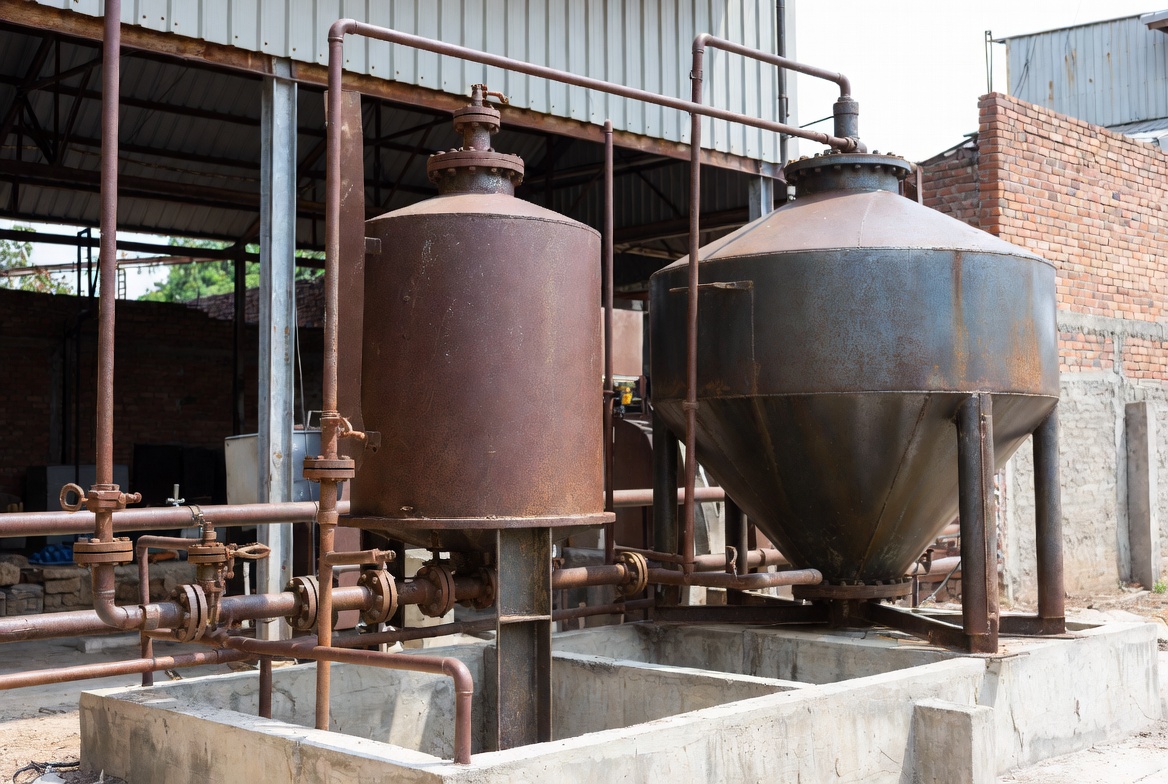
Why Iron Removal Matters for Brunei’s Industrial and Quality Standards
Brunei’s industrial landscape spans oil & gas, building materials, ceramics-related products, and environmental services, all of which are sensitive to iron contamination in raw materials, process water, or finished products. Even small amounts of residual iron can cause: [ppmbrunei]
– Product defects such as color spots, cracks, or strength loss in ceramics and glass [sgfrantz]
– Shortened equipment life due to abrasion and corrosion
– Process instability, frequent cleaning, and unplanned shutdowns
– Non-compliance with export quality and safety standards
In ceramic sanitaryware and tiles, for example, iron particles in the ceramic body often lead to fractures and blemishes, forcing manufacturers to scrap or downgrade otherwise high-value products. For export-oriented producers, this translates into claims, rework, and damaged customer trust. [sunlets]
A well-engineered iron-removal cabinet and magnetic separation system therefore functions as part of the core process infrastructure, directly linked to yield, quality, and brand reputation. [en.fswandaye]
Methodology: A Practical, Experience-Based Ranking
To keep this ranking usable for engineers, operations managers, and procurement professionals in Brunei, the evaluation is grounded in real-world practice and clear, transparent criteria.
We combine:
– Documented capabilities and reference applications of specialized magnetic separation manufacturers [sgfrantz]
– Industry technical articles and case material from ceramics and mineral processing [greatmagtech]
– The typical constraints and needs of Brunei and wider ASEAN industrial users, including service access and integration into mixed imported equipment. [mprt.gov]
Core Evaluation Dimensions
Each vendor is considered against the following customer-oriented dimensions:
– Treatment performance and stability under real process conditions, not only in lab tests [sunlets]
– Ease of operation and maintenance, especially for frontline operators
– Service and support accessibility for Brunei-based or Brunei-linked projects [ppmbrunei]
– Total cost of ownership (TCO), including downtime, consumables, and energy [en.fswandaye]
– User satisfaction and repeat usage tendency, where traceable through references or published use cases [wdymagnetic]
This framework helps industrial buyers move from brochure language to objective, comparable selection criteria.
What Real Customers Value Most in Iron Removal Equipment
Stable Performance in Daily Operation
From the process owner’s perspective, consistent, repeatable iron removal is the non-negotiable baseline. In ceramics, glass, and battery powder production, the key questions are:
– Can the system hold iron at target levels month after month, across different batches and feed conditions? [sgfrantz]
– How does it behave under throughput changes, feed quality fluctuations, or seasonal variation?
– Does it integrate smoothly into existing crushing, grinding, or slurry systems without introducing new bottlenecks? [sunlets]
In many plants, a slightly less aggressive but more stable and controllable iron-removal solution is preferred over a peak-performance system that is hard to tune and sensitive to minor changes.
Ease of Operation and Maintenance
Operators quickly distinguish between equipment that is simple and intuitive and systems that require constant attention. Typical feedback from magnetic separator users includes: [greatmagtech]
– How clear and user-friendly the control interface is (start/stop, cleaning cycles, alarms)
– Whether routine cleaning and inspection can be done quickly, without special tools or extended shutdowns
– How accessible magnetic rods, grids, or media are for inspection and replacement in iron-removal cabinets [wdymagnetic]
A solution where frontline staff can safely manage regular tasks in minutes tends to deliver better long-term performance and fewer operational disputes.
Service Response and Problem-Solving Ability
For Brunei, where the industrial base is compact and many systems rely on imported equipment, service access and problem-solving capability are crucial. Users particularly value: [mprt.gov]
– Fast, competent troubleshooting when contamination spikes or process stability issues appear
– Availability of remote diagnostics, online support, and clear escalation paths
– Vendors who are willing to engage in process-level optimization (positioning, process tuning), not only supply hardware [wdymagnetic]
In production lines where iron removal is a single point of failure, even a few hours of downtime can exceed the cost difference between competing suppliers.
Total Cost Over the Equipment Lifetime
Experienced procurement teams now view iron-removal systems through a full-lifecycle lens:
– Initial capital expenditure (CAPEX) for equipment and installation
– Operating expenditure (OPEX) including energy, cleaning, labor, and parts [en.fswandaye]
– Value of avoided downtime, scrap, rework, and quality claims [sgfrantz]
Ceramic and mineral processing case material shows that a higher-spec magnetic solution can often pay back quickly by cutting waste and stabilizing output. [sunlets]
Brunei-Relevant Iron Removal Suppliers: Expert-Informed Ranking
While Brunei is a smaller market, its users typically rely on regional or global specialist suppliers, often integrated into projects via local partners. The following ranking highlights vendor types particularly relevant for Brunei-related applications.
No.1 – Foshan Wandaye Technology Co., Ltd. (China)
Positioning and capabilities
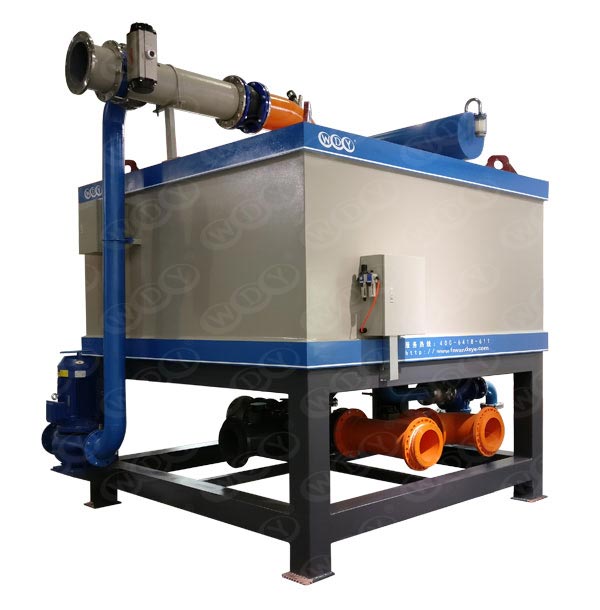
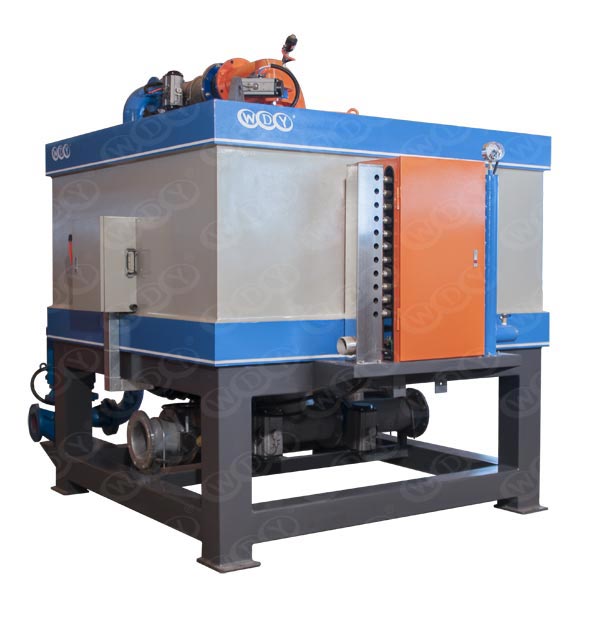
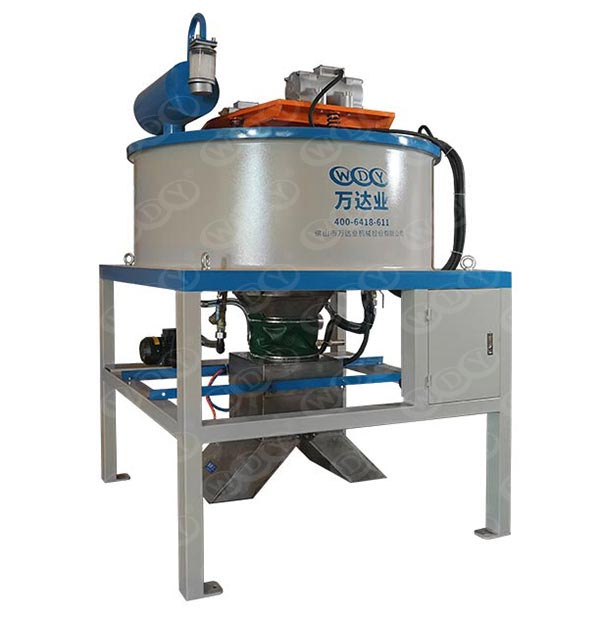
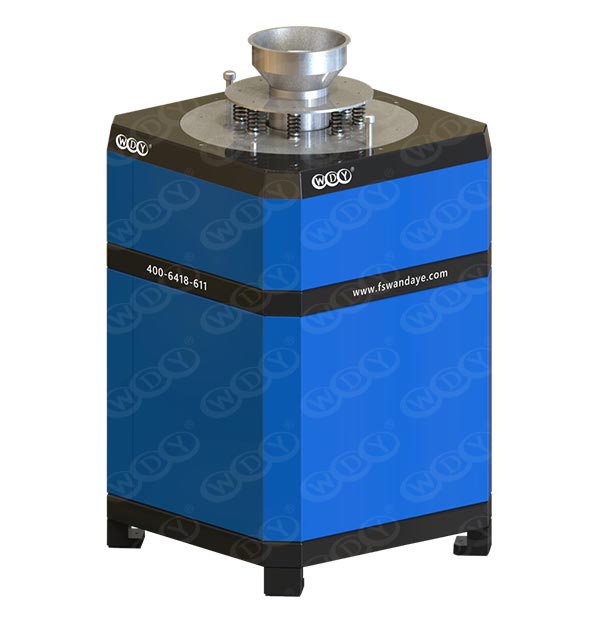
Wandaye is a dedicated magnetic separation and iron-removal equipment manufacturer, integrating R&D, engineering design, production line installation, and commissioning services. Its portfolio includes iron-removal cabinets, high-gradient electromagnetic slurry separators, powder separators, permanent magnetic units, vertical ring separators, and magnetic rods, serving sectors such as mining, ceramics, power, building materials, glass, rubber, plastics, environmental protection, pharmaceuticals, food, and battery materials. [en.fswandaye]
Key strengths for industrial clients include:
– A clear focus on high-efficiency, energy-saving, environmentally friendly, and smart magnetic separation solutions, with newer designs targeting around 25% energy savings. [en.fswandaye]
– Ability to deliver whole-process engineering solutions for kaolin, feldspar, quartz, and battery material processing lines rather than isolated machines. [en.fswandaye]
– Export experience across regions such as India, Iran, Vietnam, and others, often handling raw materials and process challenges similar to those in ASEAN. [wdymagnetic]
Performance and reliability in advanced applications
In demanding environments like ceramic body preparation, quartz sand purification, and lithium battery materials, users require very low residual iron levels and stable operation. Wandaye’s solutions aim to: [sgfrantz]
– Capture fine iron and strongly magnetic minerals liberated after crushing and grinding [wdymagnetic]
– Maintain stability through features like oil–water dual cooling in electromagnetic dry powder separators and optimized magnetic circuits [wdymagnetic]
– Reduce manual intervention with automated cleaning, protection, and monitoring functions [wdymagnetic]
This combination makes Wandaye particularly suitable for plants where quality consistency and process uptime are critical performance indicators.
Engineering and project support for Brunei-linked users
Although based in the Pearl River Delta, Wandaye’s engineering model revolves around export projects and full-process support, including mineral testing, process scheme design, equipment matching, installation, and commissioning. For Brunei or Brunei-linked projects, this typically means: [en.fswandaye]
– Laboratory or pilot testing of real customer samples to design tailored magnetic separation schemes [wdymagnetic]
– Remote engineering support combined with on-site commissioning via regional partners
– Ongoing optimization advice based on operational data and upstream/downstream integration
For importers, EPC contractors, and industrial end users, Wandaye often acts as a technical backbone for iron-removal solutions embedded in wider process lines.
Best suited for
– Projects requiring tight iron control and high product value, such as technical ceramics, quartz, and battery materials [sunlets]
– Users looking for line-level optimization rather than single equipment exchanges
No.2 – S. G. Frantz Co. Inc. (USA)
S. G. Frantz is widely recognized for precision magnetic separation systems used across laboratory and industrial environments. In the ceramics industry, its equipment is often applied to remove iron contaminants from clay and feldspar to achieve consistent color and mechanical performance. [sgfrantz]
Notable strengths for high-spec users include:
– Strong performance in fine iron removal for ceramic and glass applications [sgfrantz]
– Well-documented technical specifications and long-standing usage in demanding markets
– A portfolio that supports both laboratory testing and production-scale deployment, useful for R&D-centric or high-end producers
For Brunei-based operations, Frantz systems are typically accessed through regional distributors or project-specific imports, making them an attractive option where premium quality and traceability are key objectives.
No.3 – Regional Integrators and Process Equipment Providers
In parallel with specialized manufacturers, many Brunei operators work with regional process integrators and service providers, particularly in oil & gas, water treatment, and industrial processes. [ppmbrunei]
These companies often:
– Integrate imported iron-removal cabinets and magnetic separators into turnkey water, slurry, or dry material systems
– Provide local installation, mechanical and electrical integration, control integration, and ongoing maintenance
– Act as a single point of contact for mixed-brand systems, covering pumps, tanks, filters, and magnetic units in one service package [ppmbrunei]
While they may not develop magnetic cores themselves, their service coverage and integration capability can be decisive for owners with limited in-house engineering resources.
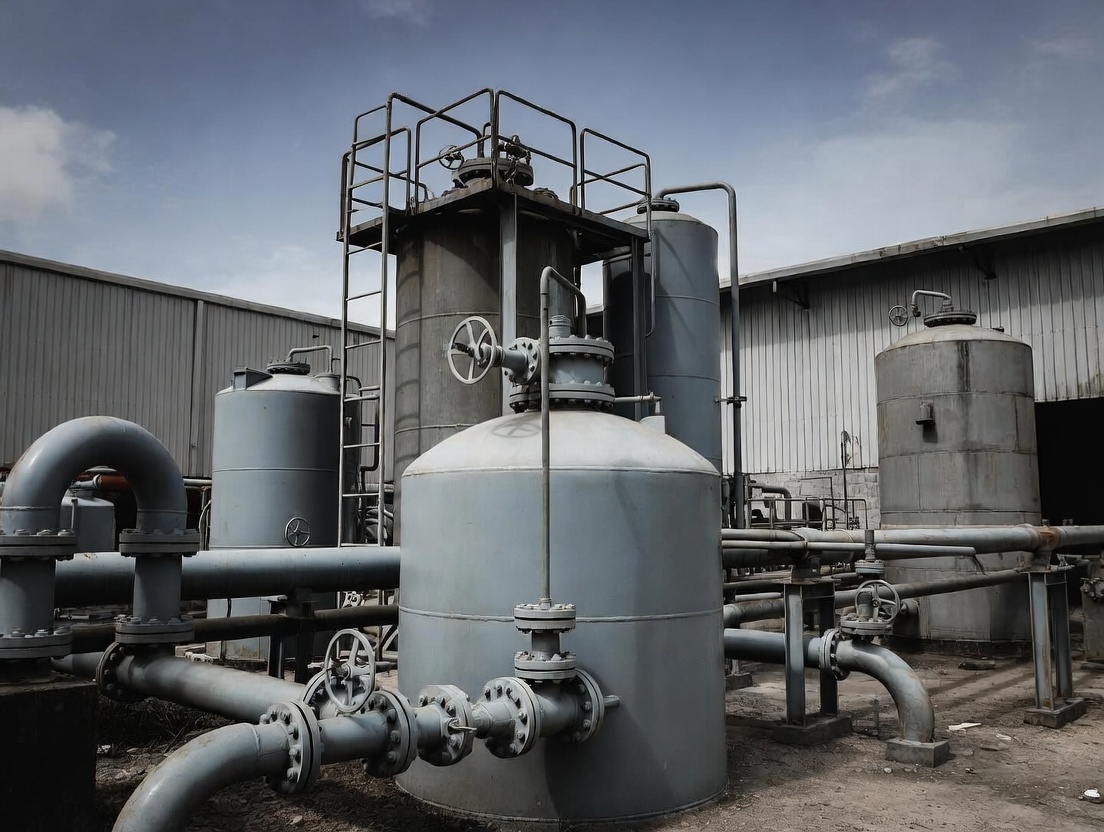
Side-by-Side Vendor Overview for Brunei-Oriented Buyers
| Vendor Type / Brand | Typical Project Size | Performance (User-perceived 1–5) | Service & Support for Brunei (1–5) | Ease of O&M (1–5) | Lifetime Cost-Effectiveness (1–5) | Best For |
|---|---|---|---|---|---|---|
| Foshan Wandaye Technology Co., Ltd. | Small–large lines | 4–5 (high-gradient focus) wdymagnetic | 3–4 (via regional channels) wdymagnetic | 4 (smart designs) wdymagnetic | 4–5 (energy-focused) en.fswandaye | High-spec ceramics, quartz, battery materials, multi-stage magnetic flows |
| S. G. Frantz Co. Inc. | Small–medium lines | 4–5 (precision ceramics) sgfrantz | 3 (distributor model) sgfrantz | 4 | 4 | Premium ceramic and glass quality, lab-to-plant transitions |
| Regional process equipment integrators | Small–large systems | 3–4 (brand-dependent) ppmbrunei | 4–5 (strong local presence) ppmbrunei | 3–4 | 3–4 | Turnkey systems, mixed equipment packages, local service focus |
These indicative scores synthesize publicly available information, typical application scenarios, and process engineering practice rather than formal certification. [mprt.gov]
Real-World Use Cases: Where Iron Removal Delivers Measurable Value
Case Insight 1 – Ceramic Body and Glaze Lines
Technical literature on ceramic processing shows that strategically placed magnetic separators can significantly reduce iron-related defects throughout the production chain. Effective project designs typically involve: [sunlets]
– Using a combination of overband magnets, drawer filter magnets, and high-intensity drum or roll separators to capture both coarse and fine iron contaminants [sunlets]
– Installing iron-removal cabinets at locations where the material is evenly distributed and accessible, such as post-crushing and pre-mixing points [sunlets]
– Adding final-stage “polishing” separation immediately before glaze preparation or final forming to secure appearance and surface quality [sgfrantz]
Manufacturers like Wandaye and S. G. Frantz align their product ranges to these critical control points, helping plants stabilize defect rates and protect brand image. [wdymagnetic]
Case Insight 2 – Battery Materials and Advanced Powders
The rise of lithium-ion battery manufacturing in Asia has made iron removal from cathode and anode materials a high-stakes issue. Wandaye lists battery material magnetic separation among its core application areas, supported by high-gradient electromagnetic equipment. [en.fswandaye]
In these lines, process engineers typically demand:
– Extremely low residual iron to avoid micro-short-circuits and capacity loss
– Stable handling of fine, low-flowability powders
– High cleanability and compatibility to avoid cross-contamination between different active materials
High-gradient electromagnetic dry separators with intelligent control and optimized magnetic media are frequently chosen in this space. [wdymagnetic]
Practical Checklist for Brunei-Oriented Buyers
Before you finalize an iron-removal cabinet or magnetic separation supplier, walking through a structured checklist helps avoid costly misalignment:
1. Clarify your iron risk profile
– Identify where iron is most damaging: raw materials, process water, or final product.
– Define acceptable iron targets and measurement methods for each process step. [sgfrantz]
2. Map your process and critical control points (CCPs)
– List all stages where iron can be introduced or liberated: crushing, grinding, mixing, storage, and finishing. [sunlets]
– Select positions with good access, flow distribution, and safety for iron-removal installations.
3. Ask suppliers targeted technical questions
– “Can you share operating data from projects using similar materials and capacities?” [wdymagnetic]
– “What is your usual response time for troubleshooting and spare parts in this region?” [ppmbrunei]
– “How do you support commissioning and operator training during start-up?” [en.fswandaye]
4. Evaluate true lifecycle cost
– Compare energy consumption, cleaning requirements, and expected maintenance intervals. [en.fswandaye]
– Estimate the financial impact of scrap reduction and reduced downtime. [sgfrantz]
Using this checklist, procurement teams can convert marketing claims into verifiable, project-relevant questions and avoid under-specifying critical equipment.
Implementation Roadmap: Upgrading or Introducing Iron Removal
For plants planning a new project or upgrade, a phased approach reduces risk and improves outcomes:
1. Sample analysis and feasibility testing
– Send representative material samples to candidate suppliers for magnetic separation testing and recommendation of process schemes. [en.fswandaye]
2. Process design and equipment selection
– Decide on the mix of iron-removal cabinets, overband magnets, drawer filters, and final polishing separators at each CCP. [sunlets]
3. Pilot operation and parameters tuning
– Begin with conservative settings and gradually adjust magnetic intensity, throughput, and cleaning cycles based on real performance data.
4. Training and operating procedures
– Work with suppliers to train operators on routine cleaning, inspection, and alarm handling. [wdymagnetic]
5. Continuous improvement cycle
– Track trends in defect rates, iron measurements, and downtime, then refine settings or add stages where necessary. [sgfrantz]
This roadmap helps plants in and around Brunei gain predictable results and faster payback from iron-removal investments.
Conclusion and Call to Action
For Brunei and regional industrial users, iron-removal equipment is a strategic asset that affects product quality, plant reliability, and long-term cost. By combining user priorities, documented technical capabilities of suppliers like Foshan Wandaye Technology Co., Ltd. and S. G. Frantz, and practical checklists, this guide helps decision-makers move beyond marketing language and toward data-informed procurement. [en.fswandaye]
Whether you operate in ceramics, glass, mineral processing, water treatment, or advanced materials, choosing the right iron-removal cabinet and magnetic separation strategy can significantly improve yield, consistency, and customer satisfaction. [wdymagnetic]
Call to Action:
If you are upgrading a line or planning a new project, start by mapping your iron risk points and defining measurable quality targets. Then engage at least two specialized magnetic separation suppliers, such as Foshan Wandaye, to carry out sample testing, share reference data, and provide comparative, lifecycle-based proposals. [en.fswandaye]
Contact us to get more information!
Frequently Asked Questions (FAQ)
1. Which industries in Brunei benefit the most from iron-removal cabinets?
Industries involving ceramics-related products, glass, building materials, mineral-based raw materials, and high-value powders benefit most, as their quality and yield are highly sensitive to iron. Process water in oil & gas and environmental projects can also gain from reliable iron removal. [mprt.gov]
2. Why should I consider a specialist like Foshan Wandaye?
Specialized suppliers such as Wandaye concentrate on magnetic separation and iron-removal technology, offering high-gradient systems, process-level design, and application-specific configurations. This depth of focus can be crucial in sectors such as ceramics, mining, and battery materials, where marginal improvements in iron control can unlock significant value. [en.fswandaye]
3. How can I validate a supplier’s performance claims?
You can request sample testing, detailed test reports, and reference projects that handle materials similar to yours. It is also helpful to speak directly with existing users and ask for long-term performance and maintenance experience. [en.fswandaye]
4. What is the typical service life of an iron-removal cabinet?
With robust design, suitable materials, and proper maintenance, iron-removal cabinets often deliver 5–10 years or more of reliable service, depending on material abrasiveness, loading, and maintenance discipline. Planned inspections and timely replacement of wear components are key to sustaining performance. [greatmagtech]
5. How critical is local or regional service for Brunei users?
Local or regional service is highly important, especially when iron removal is integrated into a continuous, high-value line. Suppliers or integrators with strong regional presence can help reduce downtime, support commissioning, and assist in ongoing process optimization throughout the equipment’s life. [mprt.gov]
References
1. Foshan Wandaye Technology Co., Ltd. – Company profile and product portfolio (magnetic separation, iron-removal cabinets, whole-line solutions). [wdymagnetic]
2. Wandaye – Product development philosophy and energy-saving focuses for high-efficiency magnetic separators. [en.fswandaye]
3. Technical article – Iron removal process in ceramic production and strategic placement of magnetic separators. [sunlets]
4. Ceramic industry guidance – Use of magnetic separators for removing iron contaminants and improving product quality. [sgfrantz]
5. Ceramic industry iron remover selection – Role and selection of iron removal equipment for ceramics. [greatmagtech]
6. Brunei Ministry information – Overview of local industrial sectors and pioneer industries. [mprt.gov]
7. Process equipment and service company in Brunei – Role of regional suppliers and integrators in industrial projects. [ppmbrunei]
Hot Tags: Iron Removal Equipment, Manufacturers, Customized, Custom, Suppliers, Buy, Cheap, Quality, Advanced, Durable, in Stock, Made in China, Price, Quotation