


Content Menu
● Why Metal Contamination Is a Growing Risk in Food Processing
● Magnetic Separation vs. Metal Detection: Getting the Roles Right
● Where Powder Magnetic Separators Deliver the Most Value
● The Role of Permanent Magnetic Separators in Hygienic Design
● How Advanced Magnetic Separation Supports Food Safety Standards
● Practical Step‑by‑Step Implementation in a Powder Line
● Cross‑Industry Expertise: From Food to Ceramics and Battery Materials
● Latest Trends and Data‑Driven Optimization
● Example Installation Strategy for a Food Powder Plant
● How Specialized Manufacturers Add Value
● Call to Action: Audit Your Powder Line for Hidden Risks
● FAQs
>> 1. How do powder magnetic separators differ from standard magnets in food lines?
>> 2. Why are permanent magnetic separators important if I already use metal detectors?
>> 3. How often should magnets in food powder lines be cleaned and inspected?
>> 4. What standards apply to magnetic separators in the food industry?
>> 5. Can technologies from ceramics or battery materials really help food processors?
As someone who has spent years walking powder and bulk production lines, I have seen first‑hand how magnetic separation and metal detection can make or break food safety, audit results, and production uptime. From milk powder to battery cathode materials, the facilities that win in today’s market are those that treat contamination control as a strategic capability, not just a compliance checkbox. [produceprocessing]
Why Metal Contamination Is a Growing Risk in Food Processing
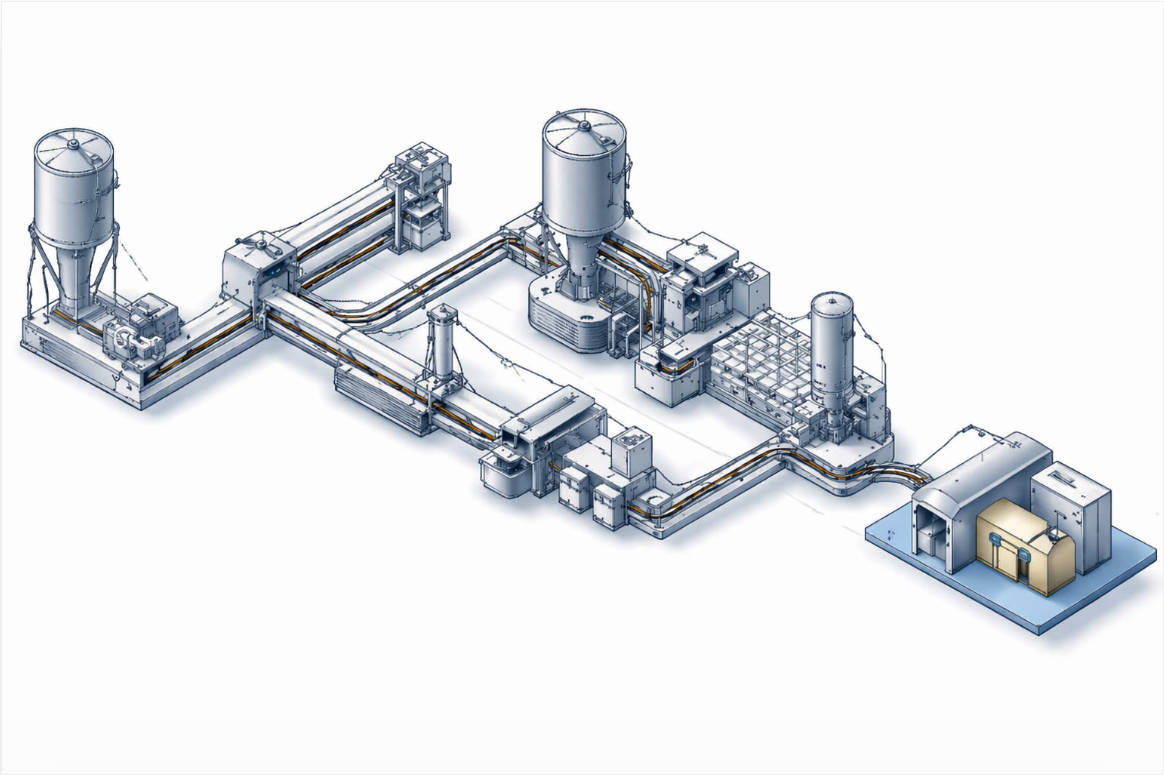
Global food and ingredient supply chains are more complex than ever, which means more points where metal can enter the product stream. In dry powder processing especially, even micro‑sized stainless fragments can damage downstream equipment, trigger costly recalls, or quietly erode brand trust over time. [greatmagtech]
Common sources of metal contamination in powder and bulk food lines include: [magnattackglobal]
– Wear and abrasion from upstream machinery, screw conveyors, and mills
– Broken screens, fasteners, and handling equipment
– Contaminated raw materials (e.g., contaminated sugar, flour, or milk powder)
– Maintenance tools or welding splatter that enter product zones
Modern food processors also face tightening regulatory and customer expectations, from HACCP plans to retailer‑specific codes of practice, which makes robust powder magnetic separator and permanent magnetic separator strategies non‑negotiable. [buntingmagnetics]
Magnetic Separation vs. Metal Detection: Getting the Roles Right
In high‑performing plants, magnetic separation and metal detection work as a complementary system rather than competing technologies. [youtube]
– Magnetic separators capture ferrous and weakly magnetic contaminants directly from the product stream, including fine and abraded particles that are hard to detect visually. [buntingmagnetics]
– Metal detectors sense both ferrous and non‑ferrous metals (including stainless steel and aluminum) and trigger rejection of contaminated product. [jmindustrial]
A typical dry‑ingredient line might use: [buntingmagnetics]
– High‑intensity powder magnetic separators before blending or packaging
– Gravity or pipeline metal detectors downstream for final product verification
When I audit food plants, the most successful implementations map each control point to a specific risk: magnetic separation does the heavy lifting on physical removal, while metal detection acts as a final quality gate. [produceprocessing]
Where Powder Magnetic Separators Deliver the Most Value
From my experience in ceramic, food, and fine chemical plants, adding a correctly specified powder magnetic separator often delivers fast, measurable improvements. [goudsmitmagnetics]
High‑impact locations in food and ingredient processing include: [buntingmagnetics]
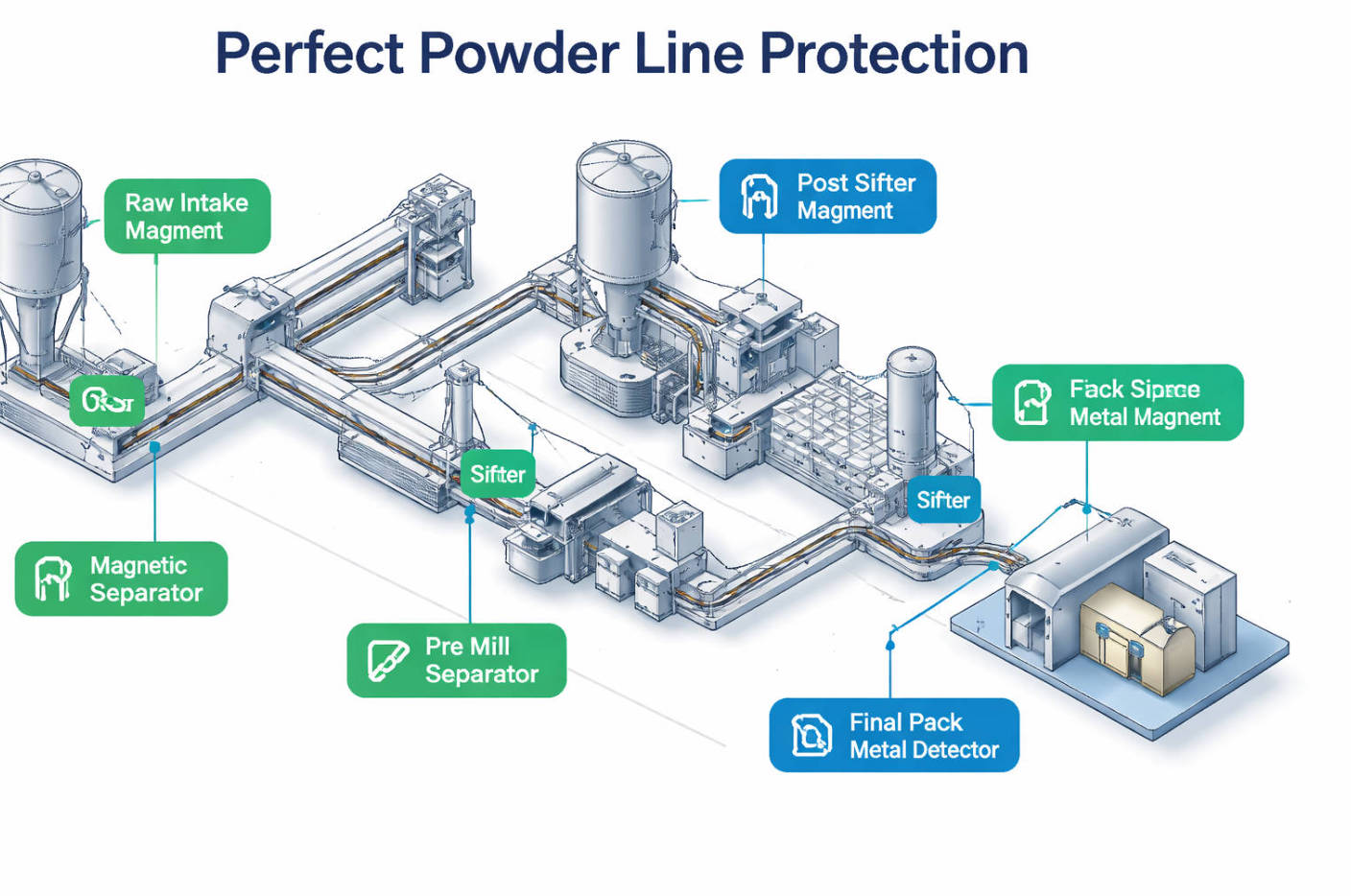
– Inlet of silos and hoppers (to protect storage and downstream equipment)
– Pre‑mill and post‑mill positions (to stop wear particles from recirculating)
– Before and after sifters or screens (to capture broken wire or mesh)
– Immediately upstream of packaging machines (to protect final product quality)
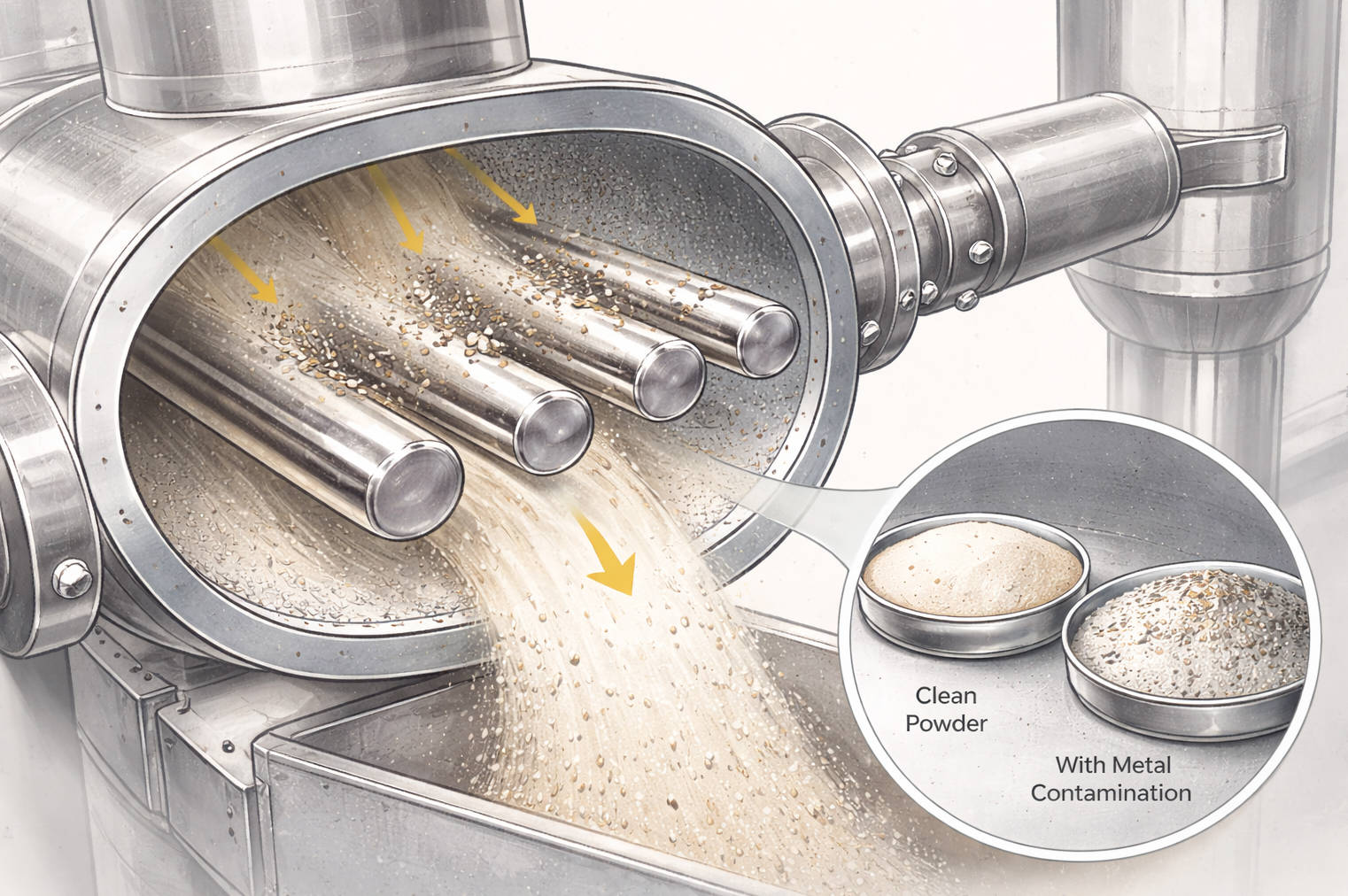
For powder applications, high‑intensity permanent magnetic separators are particularly effective at removing ultra‑fine ferrous and weakly magnetic stainless contamination from spices, sugar, flour, milk powder, and nutraceutical blends. [greatmagtech]
The Role of Permanent Magnetic Separators in Hygienic Design
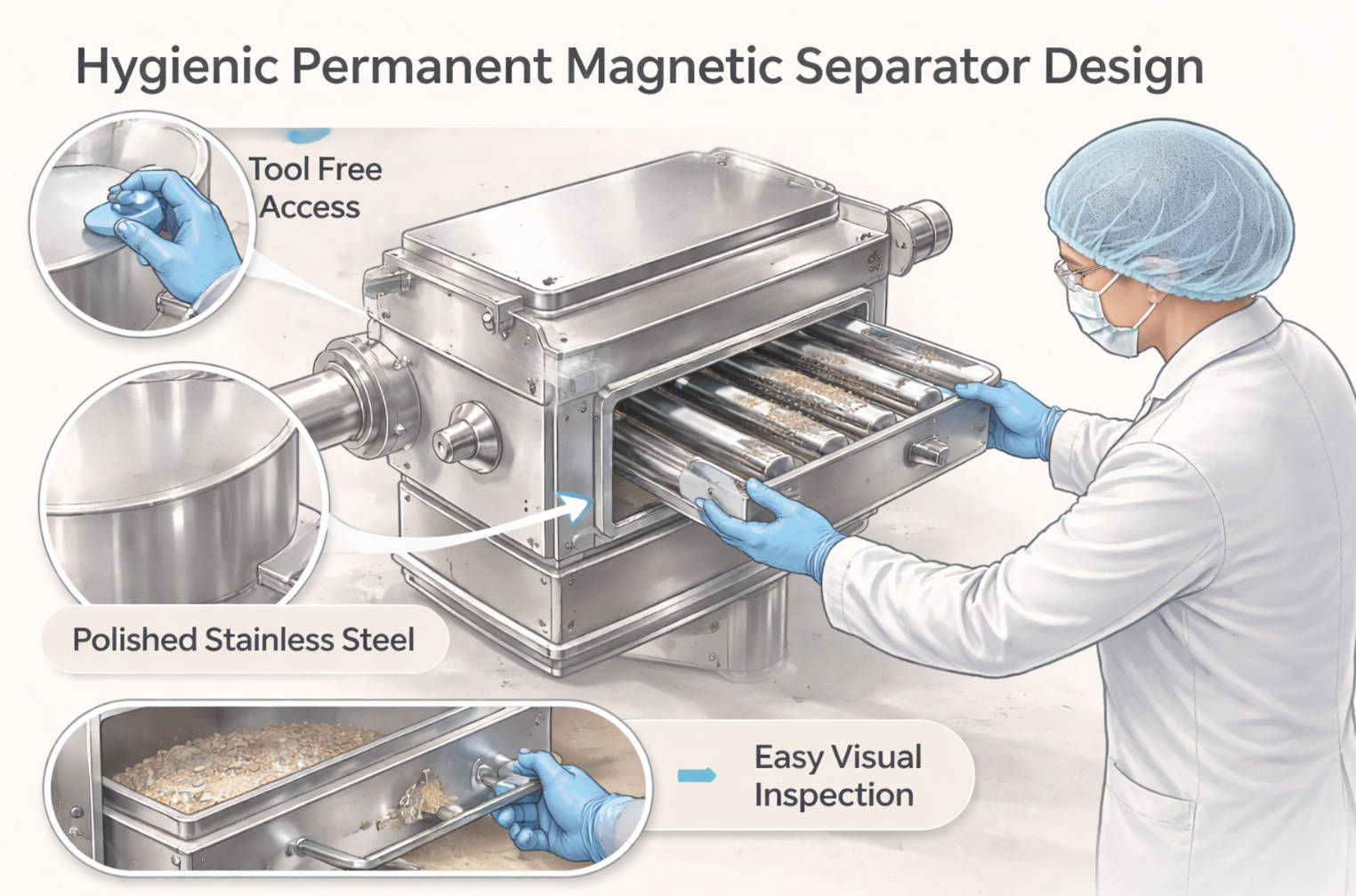
In regulated food environments, it is not enough that magnets are strong; they must also be hygienic, cleanable, and auditable. International guidance such as HACCP 0909MAGSEP 1‑2010 sets expectations for materials of construction, surface finish, magnet strength, and product coverage. [powder-solutions]
Modern food‑grade permanent magnetic separators typically feature: [powder-solutions]
– Stainless‑steel housings with polished, crevice‑free surfaces
– Designs that allow quick, safe removal of captured metal for inspection
– Verified gauss levels and magnetic circuits optimized for powder flow
– Configurations tailored for gravity, pneumatic conveying, or chute applications
When specifying separators for high‑value food powders, I always recommend aligning with HACCP 0909MAGSEP 1‑2010 or equivalent retailer standards and documenting magnet performance as part of the site’s verification program. [buntingmagnetics]
How Advanced Magnetic Separation Supports Food Safety Standards
Food processors today operate under a growing web of regulations and customer codes, including HACCP, FDA, USDA, FSMA, and GFSI‑benchmarked schemes. Magnetic separation and metal detection are essential tools to demonstrate effective control of physical hazards in hazard analyses and preventive control plans. [magnattackglobal]
Well‑designed magnetic separation programs support: [produceprocessing]
– Documented critical control points (CCPs) or preventive control measures
– Trend analysis on contaminant findings and root‑cause investigations
– Evidence for customer and third‑party audits
– Reduced risk of recalls and associated brand damage
For powder and bulk solids, integrating separators in line with formal risk assessments strengthens both compliance and operational reliability. [buntingmagnetics]
Practical Step‑by‑Step Implementation in a Powder Line
Based on projects in food and specialty powder facilities, a structured approach yields the best results. [greatmagtech]
1. Map the complete process
– Document every transfer point, including silos, conveyors, mills, blenders, and packaging. [buntingmagnetics]
2. Identify high‑risk entry and wear points
– Focus on mills, screw conveyors, and points with mechanical impact or vibration. [magnattackglobal]
3. Select suitable magnetic separator types
– Use powder magnetic separators for gravity lines, drawer or grate magnets for chutes, and in‑line designs for pneumatic conveying. [greatmagtech]
4. Define inspection and cleaning frequency
– Align cleaning intervals with risk and product throughput; document findings and trends. [powder-solutions]
5. Integrate with metal detection and rejection
– Place metal detectors at final pack or bulk load‑out for complete coverage. [youtube]
6. Verify and validate performance
– Use test pieces and gauss checks, and record results as part of your HACCP verification program. [buntingmagnetics]
This systematic method not only improves safety but also builds a robust evidence trail for auditors and brand owners. [jmindustrial]
Cross‑Industry Expertise: From Food to Ceramics and Battery Materials
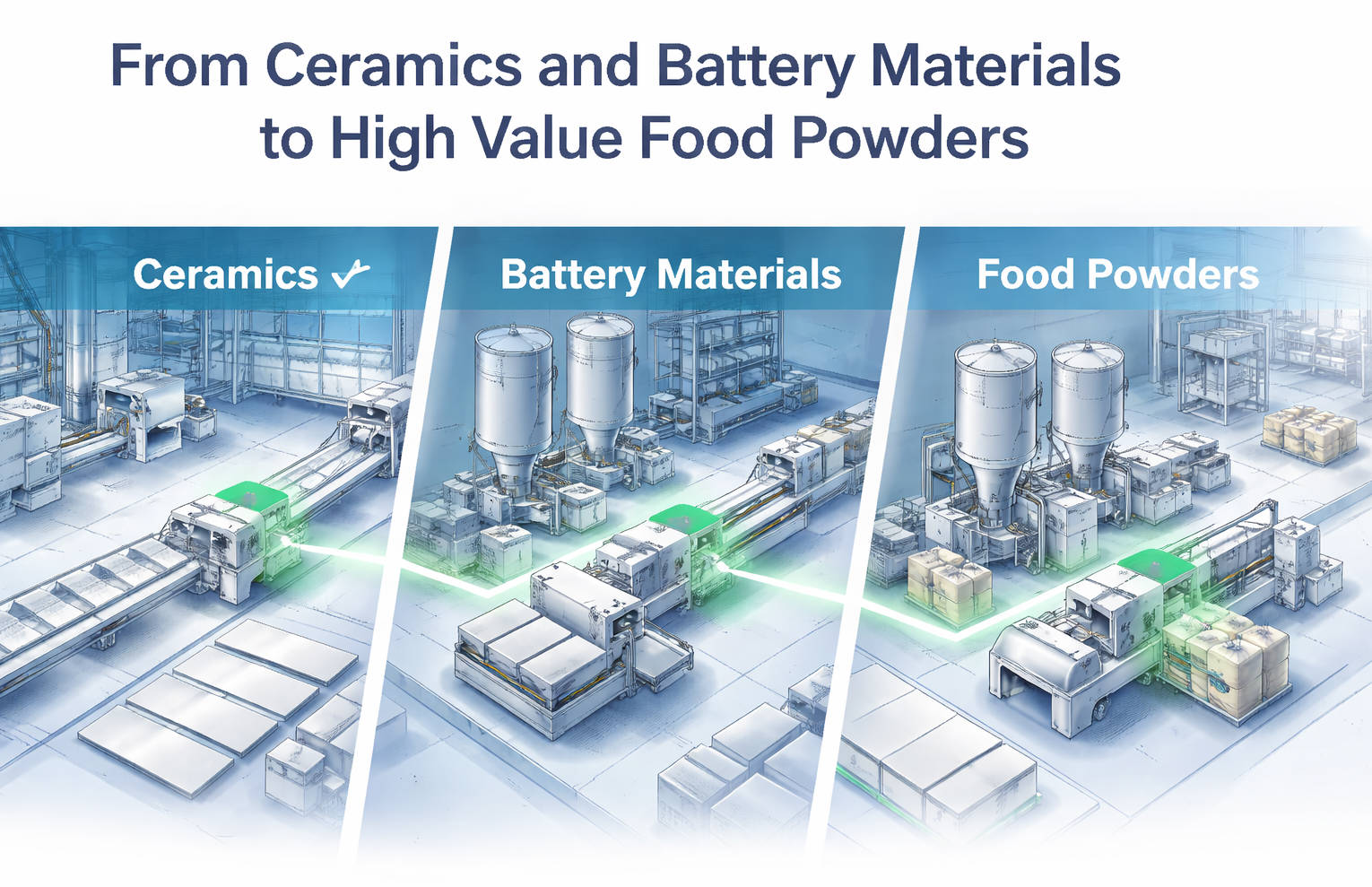
One of the advantages of working with a specialist magnetic separation manufacturer is access to cross‑industry insights from sectors such as ceramics, glass, plastics, rubber, and even positive and negative electrode materials. In practice, technologies proven in high‑purity ceramics or battery materials often translate well to premium food powders where both product quality and equipment protection are critical. [buntingmagnetics]
For example: [goudsmitmagnetics]
– Ceramic processors use very high‑intensity separators to prevent black specks and defects in tiles and sanitaryware.
– Battery material producers rely on advanced magnetic circuits to protect cell performance from conductive particle contamination.
Food processors handling cocoa powder, fine sugar, or nutritional blends can leverage similar high‑gradient designs to achieve tighter contamination limits and higher export‑market credibility. [goudsmitmagnetics]
Latest Trends and Data‑Driven Optimization
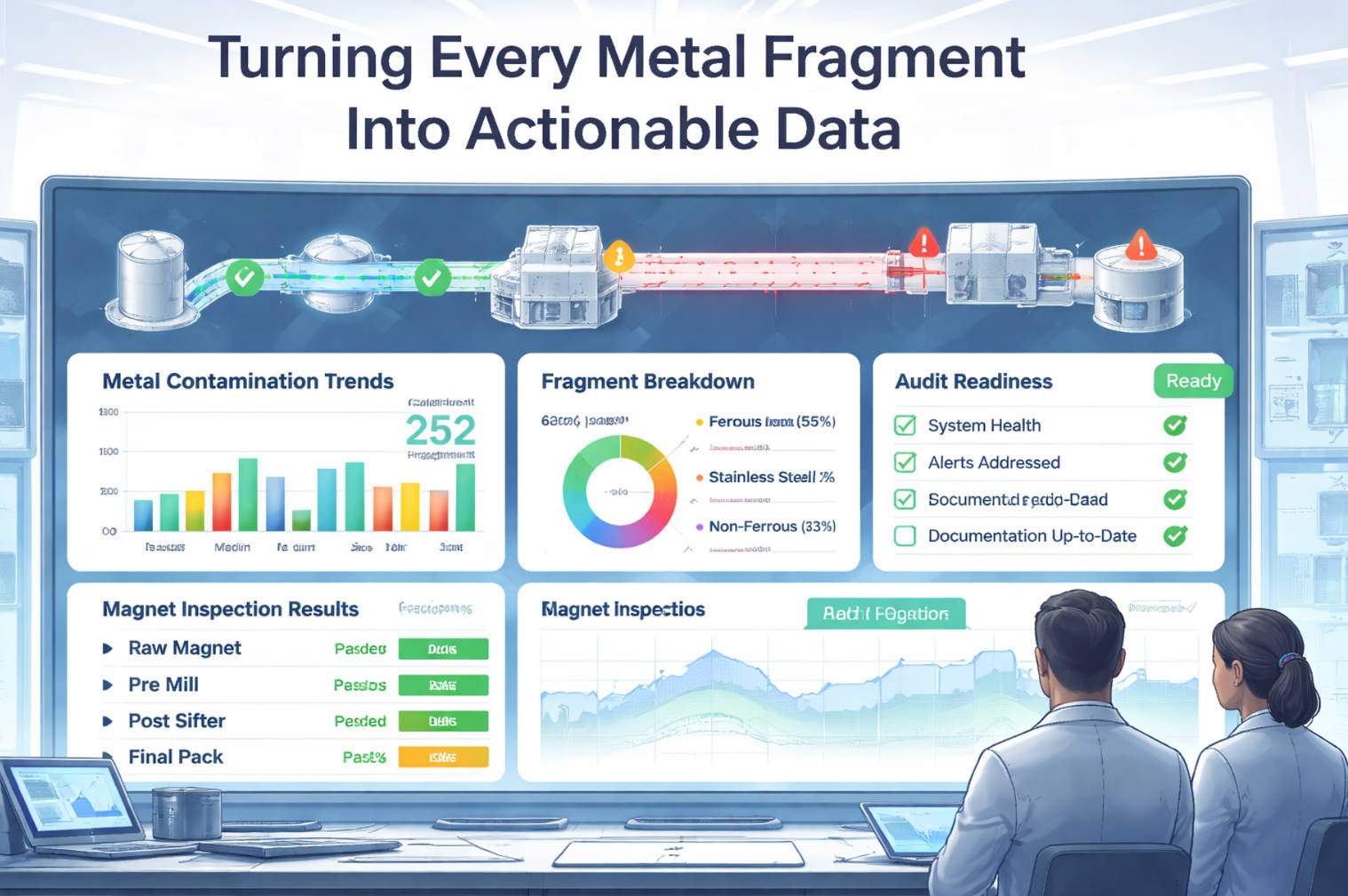
Recent industry commentary highlights a shift from purely “compliance‑driven” magnet installations to data‑driven contamination control. Producers are increasingly tracking not just whether magnets are in place, but what they are actually capturing and how that correlates with suppliers, shifts, or equipment conditions. [linkedin]
Key trends include: [linkedin]
– Routine logging and classification of captured metal (size, type, frequency)
– Using contamination trends to trigger preventive maintenance upstream
– Integrating magnet and detector event data into plant MES or QA dashboards
– Aligning magnetic separator specifications with evolving retailer standards
By treating every collected fragment as a data point, plants can move from reactive problem‑solving to proactive risk prevention. [linkedin]
Example Installation Strategy for a Food Powder Plant
Below is a simplified example of how a modern plant might deploy magnetic separation and metal detection in a milk powder or nutritional powder line. [goudsmitmagnetics]
| Process stage | Recommended device | Main purpose |
|---|---|---|
| Raw powder intake | High‑intensity powder magnetic separator | Remove incoming ferrous and weakly magnetic contaminants greatmagtech |
| Pre‑milling | Permanent magnetic separator in gravity line | Protect mills from metal damage and wear particles produceprocessing |
| Post‑milling | Drawer or grate magnet | Capture fines from milling abrasion greatmagtech |
| Blending | In‑line magnet or housing magnet | Prevent cross‑contamination in mixers greatmagtech |
| Final pack | Metal detector with auto‑reject | Detect all metal types before finished goods shipment buntingmagnetics |
This kind of multi‑stage strategy is what auditors and brand owners increasingly expect from high‑risk powder facilities. [jmindustrial]
How Specialized Manufacturers Add Value
Partnering with a specialist magnetic separation manufacturer that integrates R&D, engineering design, line installation, and commissioning can significantly reduce project risk. Such providers can evaluate ingredient characteristics, line layouts, and regulatory requirements, then design powder magnetic separator and permanent magnetic separator solutions that are tuned to your exact application rather than relying on generic catalog products. [buntingmagnetics]
In multi‑industry suppliers with experience across mining, ceramics, power, building materials, glass, environmental applications, rubber, plastics, pharmaceuticals, food, and positive/negative electrode materials, lessons learned in one sector often accelerate innovation in another. For food processors, this means access to magnetic circuits and hygienic designs proven in some of the world’s most demanding powder environments. [buntingmagnetics]
Call to Action: Audit Your Powder Line for Hidden Risks
If your facility handles powders, bulk solids, or fine particulate ingredients, now is the right moment to review how effectively your magnetic separation and metal detection systems are protecting your brand. Ask yourself: [buntingmagnetics]
– Are magnetic separators correctly specified, positioned, and documented?
– Are you capturing and analyzing data on what your magnets collect?
– Do your systems align with current HACCP, retailer, and export‑market expectations?
A focused line survey by a specialized magnetic separation manufacturer can reveal quick wins, from repositioning existing units to upgrading to high‑intensity powder magnetic separators or hygienic permanent magnetic separators that better match today’s safety and quality standards. [greatmagtech]
Contact us to get more information!
FAQs
1. How do powder magnetic separators differ from standard magnets in food lines?
Powder magnetic separators are engineered specifically for fine, often fast‑flowing dry materials, combining high‑intensity magnetic circuits with housings that maintain good product flow. Standard plate or bar magnets may not generate sufficient gradient or coverage to capture ultra‑fine ferrous and weakly magnetic particles in high‑throughput powder applications. [buntingmagnetics]
2. Why are permanent magnetic separators important if I already use metal detectors?
Permanent magnetic separators physically remove ferrous and weakly magnetic contaminants, protecting equipment and reducing the metal load that reaches detectors. Metal detectors then act as a final gate, detecting all metal types—including non‑ferrous—that magnets cannot capture, and rejecting contaminated product. [youtube]
3. How often should magnets in food powder lines be cleaned and inspected?
Cleaning and inspection frequency should be based on risk, product throughput, and contamination history, but many processors schedule checks per shift or per batch for high‑risk lines. Documented findings and trends are crucial for demonstrating HACCP verification and for identifying upstream issues before they escalate. [jmindustrial]
4. What standards apply to magnetic separators in the food industry?
HACCP 0909MAGSEP 1‑2010 is a widely referenced standard defining materials, finish, magnet strength, and design requirements for final magnetic separation devices in food product streams. Many retailers and certification bodies also reference this and related guidance when auditing food processing facilities. [powder-solutions]
5. Can technologies from ceramics or battery materials really help food processors?
Yes. High‑purity industries such as ceramics and battery materials often push magnetic separation technology further than typical food applications, especially for ultra‑fine particles. Food processors who adopt similar high‑gradient and high‑intensity technologies can achieve tighter contamination limits and stronger export‑market positioning. [goudsmitmagnetics]
References
1. Bunting. “Improve Food Processing with Bunting Metal Detection and Magnetic Separation.” https://buntingmagnetics.com/blog/improve-food-processing-with-bunting-metal-detection-and-magnetic-separation [buntingmagnetics]
2. Bunting. “Food‑Grade Metal Detectors & Magnetic Separators.” https://buntingmagnetics.com/industries/food-processing-equipment [buntingmagnetics]
3. Bunting. “Magnetic Separation & Metal Detection for Powder & Bulk Solids.” https://buntingmagnetics.com/industries/powder-and-bulk-equipment [buntingmagnetics]
4. Great Magtech. “Magnetic Separators in Food Industry.” https://www.greatmagtech.com/info/magnetic-separators-in-food-industry-102835002.html [greatmagtech]
5. Powder Solutions. “HACCP Standard: What Does It Mean for Your Magnetic Separator?” https://www.powder-solutions.com/2019/08/07/haccp-standard-and-your-magnetic-separator [powder-solutions]
6. Goudsmit Magnetics. “Magnetic Separators for Dairy and Milk Powder.” https://www.goudsmitmagnetics.com/en-us/applications-magnet-separators-for-dairy-and-milk-powder [goudsmitmagnetics]
7. Magnattack Global. “Magnetic Separation and the Food Industry: FAQs You Need to Know.” https://www.magnattackglobal.com/blog/guide-to-magnetic-separators-for-food-processing/ [magnattackglobal]
8. Produce Processing. “Metal detection, magnetic separation key in food processing lines.” https://produceprocessing.net/news/metal-detection-magnetic-separation-key-food-processing-lines [produceprocessing]
9. Bunting. “Bunting is Essential to the Food Industry.” https://buntingmagnetics.com/blog/what-makes-bunting-essential-for-the-food-industry [buntingmagnetics]
10. JM Industrial. “The Importance of Metal Detection in Food Processing.” https://www.jmindustrial.com/blog/how-advanced-metal-separation-machines-improve-food-safety-and-compliance [jmindustrial]
Hot Tags: Magnetic Separators in Food Processing, Manufacturers, Customized, Custom, Suppliers, Buy, Cheap, Quality, Advanced, Durable, in Stock, Made in China, Price, Quotation