


Content Menu
● What Is Magnetic Separation?
● Why Magnetic Separation Matters in Modern Industry
● Core Principles: How Magnetic Separation Works
● Main Types of Magnetic Separators
>> Permanent Magnetic Separators
● Key Industrial Applications of Magnetic Separation
>> Pharmaceutical and Bioprocessing
>> Ceramics, Glass, and Building Materials
>> Mining, Minerals, and Battery Materials
● Emerging Technology Trends in Magnetic Separation
● Expert Checklist: Designing an Effective Magnetic Separation Line
● Best Practices for Hygienic and Reliable Operation
● Magnetic Separation Layout for a Powder Line
● Call to Action: Optimize Your Magnetic Separation Strategy
● FAQs About Magnetic Separation
>> 1. What is magnetic separation in simple terms?
>> 2. How do powder magnetic separators differ from general magnets?
>> 3. Are permanent magnetic separators suitable for continuous 24/7 operation?
>> 4. Where should magnetic separators be installed in a food plant?
>> 5. What new technologies are changing magnetic separation today?
Magnetic separation is a critical quality-control and process-optimization step for any plant handling powders, slurries, or bulk solids that must be clean, safe, and consistent. As an engineer working with magnetic separators on real production lines, I have seen how well-designed powder magnetic separators and permanent magnetic separators transform both product purity and equipment reliability in industries from ceramics and glass to food, pharmaceuticals, and battery materials. [powder-solutions]
What Is Magnetic Separation?
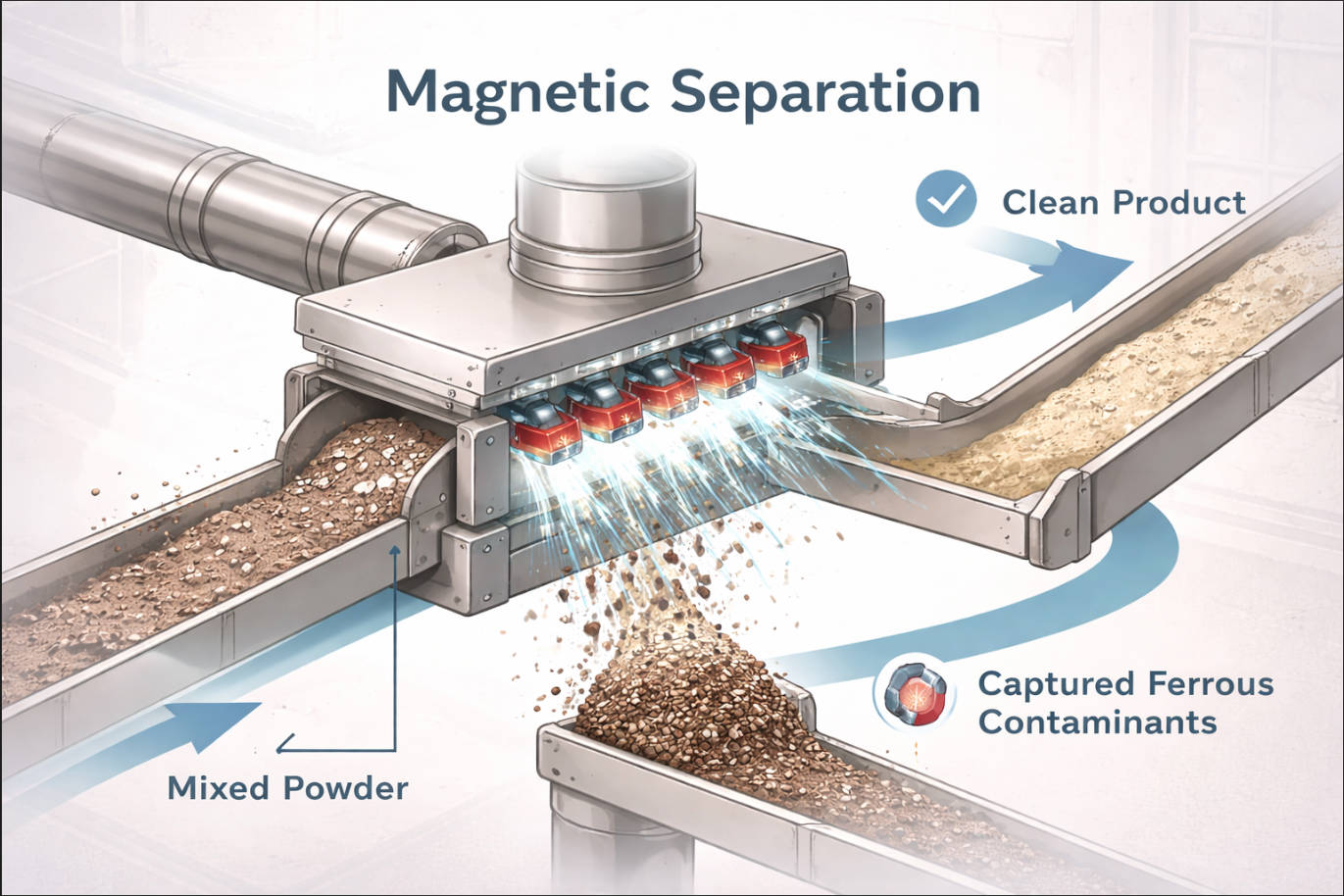
Magnetic separation is a physical process that uses magnetic fields to remove ferrous and weakly magnetic contaminants—such as iron filings, steel fragments, and iron-bearing minerals—from raw materials and finished products. By positioning magnetic separators at key points in a production line, operators can protect downstream equipment, stabilize product quality, and comply with strict industry regulations. [permagproducts]
In powder processing (for example, ceramic powders, glass frits, battery cathode and anode materials), magnetic separation focuses on capturing extremely fine iron and paramagnetic particles without blocking material flow or changing bulk density. For food, pharmaceutical, and environmental applications, it also plays a central role in consumer safety, regulatory compliance, and waste reduction. [wdymagnetic]
Why Magnetic Separation Matters in Modern Industry
From an operator’s perspective, the real value of magnetic separation is not just “removing iron”; it is about reducing risk and cost across the entire lifecycle of a production line. When I review problem lines for clients, metal-related issues usually fall into four categories: product safety, equipment damage, yield loss, and audit/compliance gaps. [futuremarketinsights]
Key benefits include:
– Higher product purity and more consistent quality grades. [buntingmagnetics]
– Reduced unplanned downtime caused by metal-related equipment failures. [buntingmagnetics]
– Lower material waste, because contaminated batches can often be recovered instead of scrapped. [pmc.ncbi.nlm.nih]
– Stronger compliance with food, pharma, and environmental standards, making audits easier and recalls less likely. [electrofluxpvtltd]
When plants upgrade from basic or poorly positioned magnets to engineered systems (for example, high-gradient or rare-earth separators), it is common to see both separation efficiency and throughput increase at the same time. [imt-inc]
Core Principles: How Magnetic Separation Works
At its heart, magnetic separation applies a magnetic field across a flow of material so that magnetic and non-magnetic components experience different forces. Ferromagnetic and strongly magnetic particles are attracted toward the field source, while non-magnetic material continues along its original path. [pmc.ncbi.nlm.nih]
Three practical factors matter most on real production lines:
1. Magnetic field strength and gradient – High-gradient magnetic separators (HGMS) and rare-earth magnets create intense fields and steep gradients, which are essential for capturing very fine or weakly magnetic particles. [futuremarketinsights]
2. Residence time and material presentation – Powders and slurries must be presented in a thin, uniform layer to the magnetic zone; clumps or thick beds dramatically reduce capture efficiency. [powder-solutions]
3. Separator design and cleanliness – Sanitary construction, smooth internal surfaces, and effective cleaning systems prevent product build-up and ensure stable performance over time. [powder-solutions]
A well-designed system balances all three, rather than simply specifying “the strongest magnet” available. [buntingmagnetics]
Main Types of Magnetic Separators
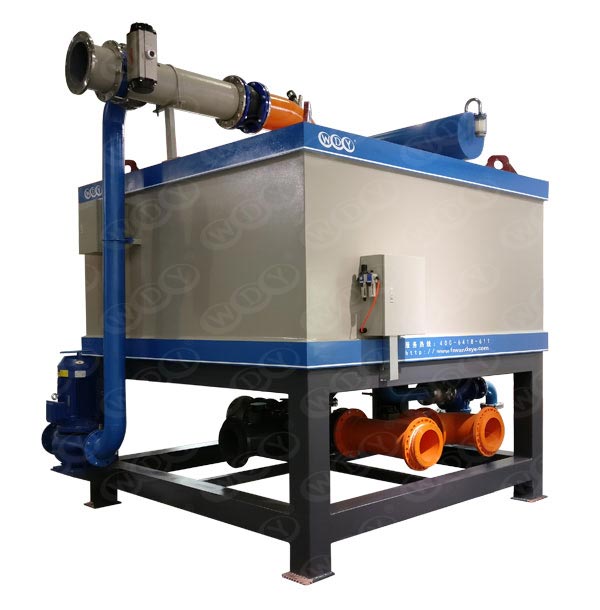
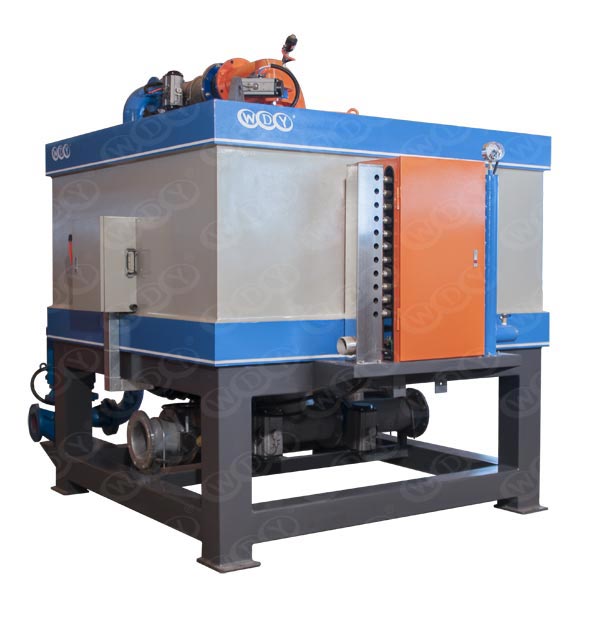
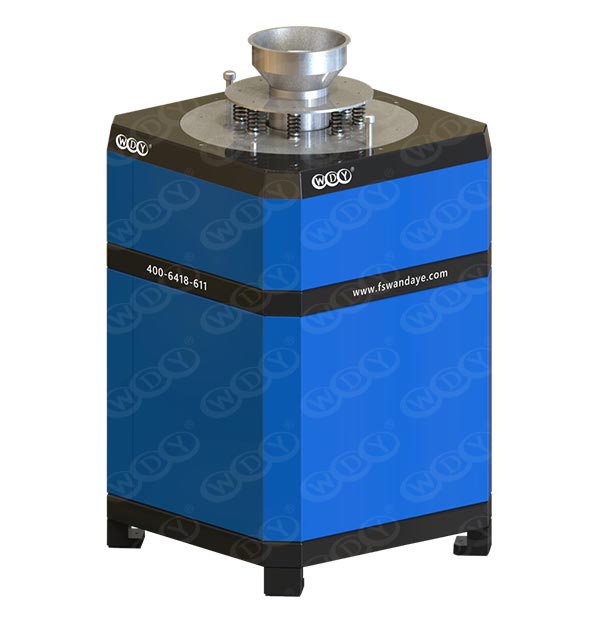
Powder Magnetic Separators
Powder magnetic separators are engineered specifically for dry powders that can be cohesive, abrasive, or electrostatically charged. In my experience, they are especially critical for ceramics, glass, mineral powders, battery materials, and some food ingredients like flour and spices. [wdymagnetic]
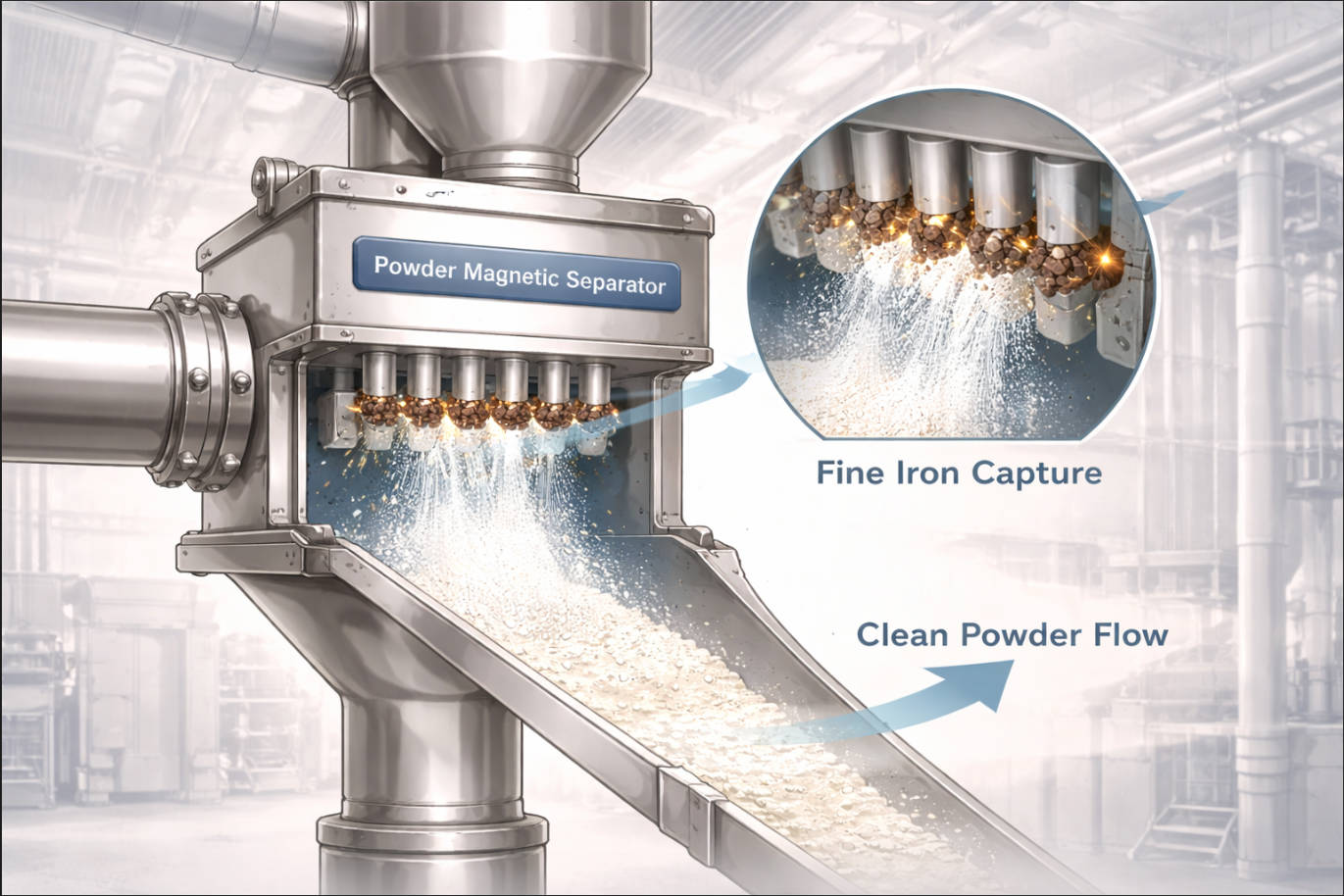
Common configurations include:
– Magnetic grids and drawers placed in chutes to intercept free-falling powders. [powder-solutions]
– In-line plate magnets built into gravity or pneumatic conveying systems to remove tramp iron without restricting flow. [electrofluxpvtltd]
– Drum magnets that continuously separate fine iron from bulk powders as product passes over the rotating surface. [buntingmagnetics]
High-gradient designs and rare-earth materials are often used to capture extremely fine particles that would otherwise pass through conventional units. [imt-inc]
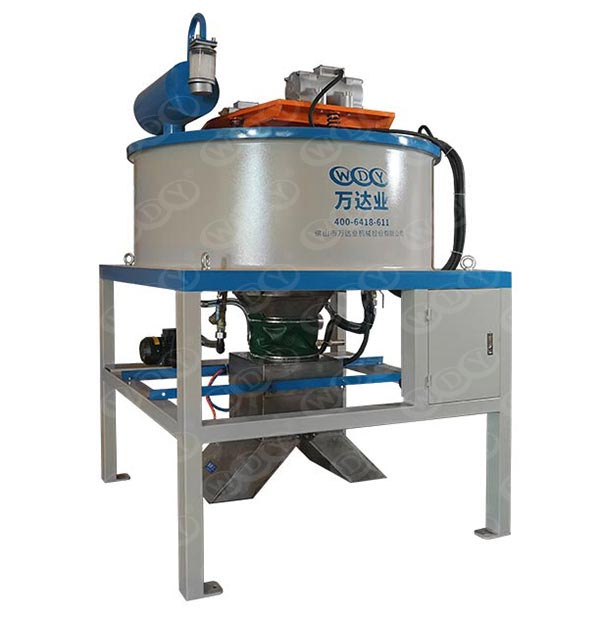
Permanent Magnetic Separators
Permanent magnetic separators use rare-earth or ferrite magnets instead of electromagnets, delivering stable magnetic fields without external power. This makes them attractive for applications requiring low operating cost, compact footprint, and high reliability. [wdymagnetic]
They are widely applied in:
– Food and pharmaceutical processing lines, where minimal heat generation and constant performance are important. [permagproducts]
– Plastics, rubber, and building materials, where they protect mills, extruders, and crushers from tramp metal. [wdymagnetic]
– Powders and slurries that run continuously, where self-cleaning permanent separators reduce manual intervention. [wdymagnetic]
Recent trends show increased use of rare-earth permanent magnets because they provide higher field strengths in compact designs, improving capture efficiency for fine contaminants. [futuremarketinsights]
Key Industrial Applications of Magnetic Separation
Food and Beverage
In food processing, magnetic separators help prevent metallic contamination in grains, powders, dairy products, and liquids. They are used from raw material intake through blending and final packaging, supporting compliance with FDA, EFSA, and similar regulatory standards. [permagproducts]
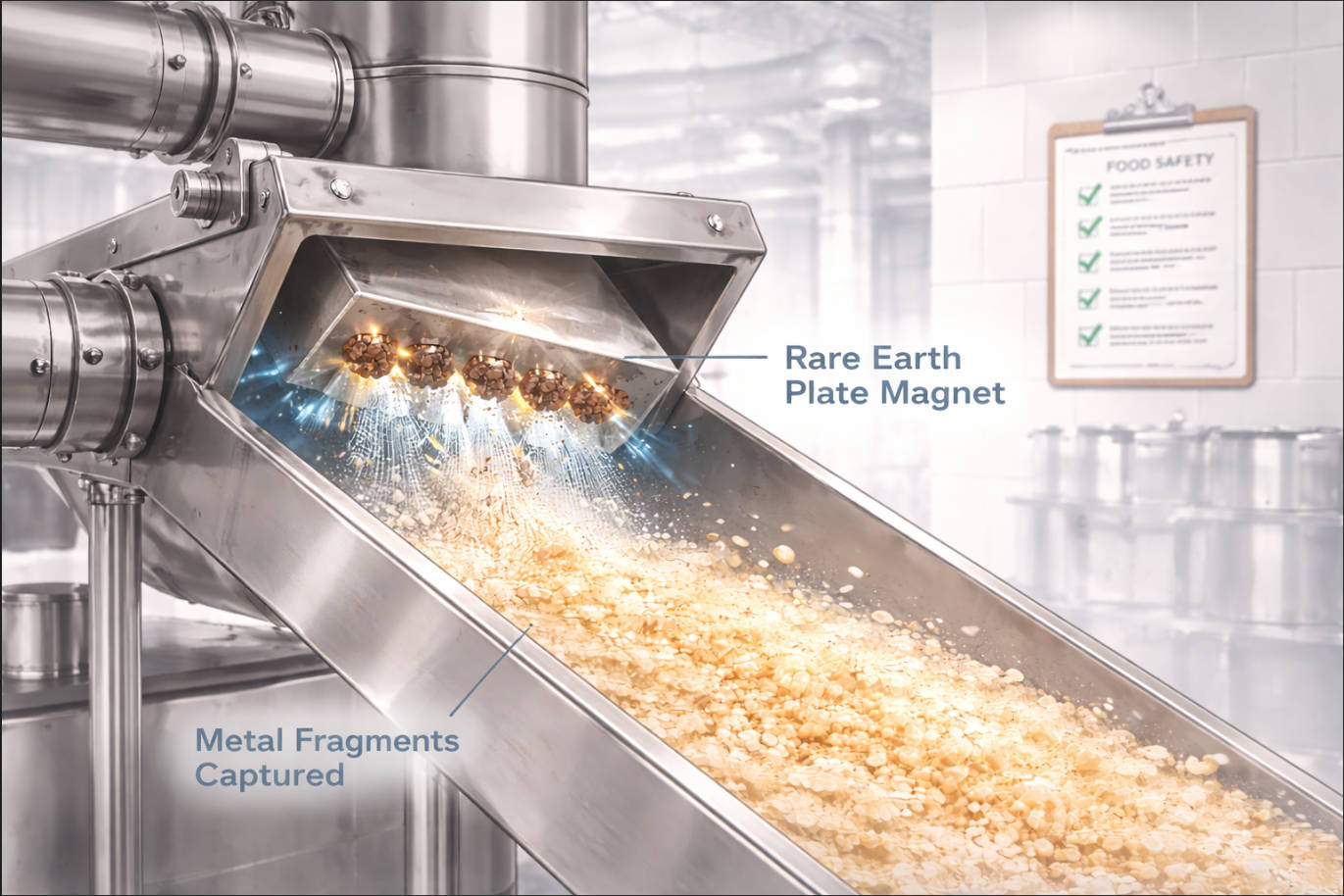
Typical objectives are to:
– Capture ferrous fragments from harvesting, conveying, or processing equipment. [electrofluxpvtltd]
– Reduce the risk of consumer injury and product recalls due to hard contaminants. [permagproducts]
– Support Hazard Analysis and Critical Control Point (HACCP) and other food safety programs. [electrofluxpvtltd]
Pharmaceutical and Bioprocessing
In pharmaceutical production, magnetic separators are integrated into raw material handling, intermediate processes, and final packing lines. They help maintain Good Manufacturing Practice (GMP) compliance, protect sensitive equipment, and ensure consistent product purity. [pmc.ncbi.nlm.nih]
At a more advanced level, magnetic separation techniques are also used for biomolecule capture and downstream processing, offering higher productivity and potentially lower product costs. [pmc.ncbi.nlm.nih]
Ceramics, Glass, and Building Materials
Ceramics and glass manufacturers rely on magnetic separation to remove iron that would cause defects, discoloration, or reduced mechanical strength. For building materials such as cement or engineered stone, separators also protect high-value grinding and milling equipment from tramp metal. [wdymagnetic]
Powder magnetic separators installed before milling, before classification, and before final packing can significantly reduce rejects and rework. [powder-solutions]
Mining, Minerals, and Battery Materials
Magnetic separation has long been essential in mineral processing for concentrating magnetic ores and purifying non-metallic minerals. In recent years, specialized high-intensity and high-gradient separators have become important in lithium-ion battery supply chains, both for new cathode/anode material production and for recycling. [futuremarketinsights]
These systems deliver the ultra-low contamination levels required for advanced energy materials, while supporting more closed-loop, sustainable resource use. [futuremarketinsights]
Emerging Technology Trends in Magnetic Separation
From 2024–2026, the most important industry trend I have seen is the shift toward digitally enabled and high-intensity magnetic separator systems. Modern plants are not just buying stronger magnets—they are implementing smarter, more connected equipment that integrates with plant-wide automation. [theinsightpartners]
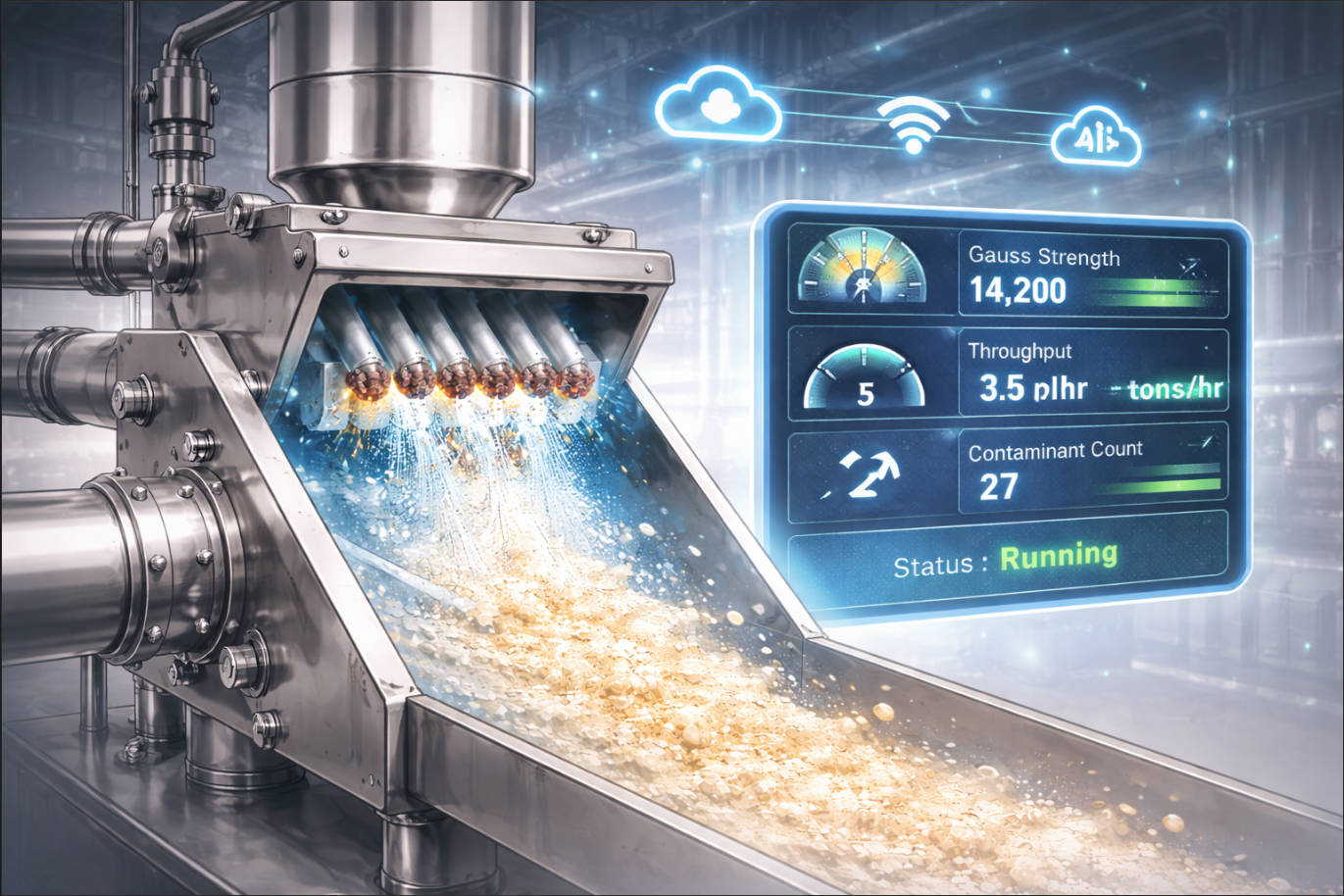
Key trends include:
– Wider use of high-gradient and rare-earth designs to handle weakly magnetic and ultra-fine particles at high throughput. [imt-inc]
– AI- and machine learning–assisted separators that automatically adjust operating parameters based on real-time material characteristics, improving efficiency and lowering operating costs. [futuremarketinsights]
– IoT-enabled predictive maintenance, with remote monitoring and analytics that help operators prevent failures, document performance, and pass environmental or quality audits. [futuremarketinsights]
Industry analyses indicate that these innovations are supporting higher recovery rates—sometimes above 98% in optimal conditions—while reducing operating costs by double-digit percentages. [imt-inc]
Expert Checklist: Designing an Effective Magnetic Separation Line
When I audit or design a magnetic separation system for powders or slurries, I use a simple checklist that most plants can adapt:
1. Map the process
– Identify all critical points: raw material intake, pre-milling, pre-sieving, pre-packaging. [buntingmagnetics]
– Document product types, flow rates, temperature, and hygiene requirements. [permagproducts]
2. Define performance targets
– Set measurable purity goals (for example, “iron content below X ppm” or “no detectable ferrous particles above Y mm”). [electrofluxpvtltd]
– Align with regulatory and customer specifications for each product line. [pmc.ncbi.nlm.nih]
3. Choose appropriate separator types
– Use powder magnetic separators and high-gradient units for fine powders and weakly magnetic contaminants. [wdymagnetic]
– Use permanent magnetic separators (plates, grids, drums) where power-free, continuous protection is needed. [wdymagnetic]
4. Engineer material presentation
– Design chutes, vibratory feeders, or air beds to maintain a thin, even layer of product entering the magnetic zone. [powder-solutions]
– Avoid dead zones, sharp ledges, and angles that trap material or create clumps. [buntingmagnetics]
5. Plan cleaning and validation
– Specify manual or automatic cleaning mechanisms that fit your sanitation and downtime constraints. [powder-solutions]
– Establish inspection, testing, and documentation routines to demonstrate consistent performance to auditors and customers. [permagproducts]
This structured approach ensures that magnetic separation is treated as a strategic process step, not just a last-minute “safety magnet” before packaging. [permagproducts]
Best Practices for Hygienic and Reliable Operation
In sensitive industries like dairy powders and infant formula, hygienic design is non-negotiable. Even in non-food sectors, poor hygienic design can lead to build-up, false rejects, and long cleaning downtimes. [buntingmagnetics]
Best practices include:
– Using smooth, crevice-free internal surfaces so powders cannot lodge and degrade. [powder-solutions]
– Avoiding stainless-steel sleeves that can trap powder between the inner bar and outer sleeve, introducing hygiene risks. [powder-solutions]
– Designing magnets and housings to prevent product bridging and to allow complete cleaning while minimizing exposure and cross-contamination risk. [buntingmagnetics]
– Integrating magnets at “critical control points” such as ingredient intake, before key processing equipment, before metal detectors, and just upstream of packing. [electrofluxpvtltd]
By combining these design principles with regular inspection and documented verification, plants can sustain both separator performance and product integrity over the long term. [electrofluxpvtltd]
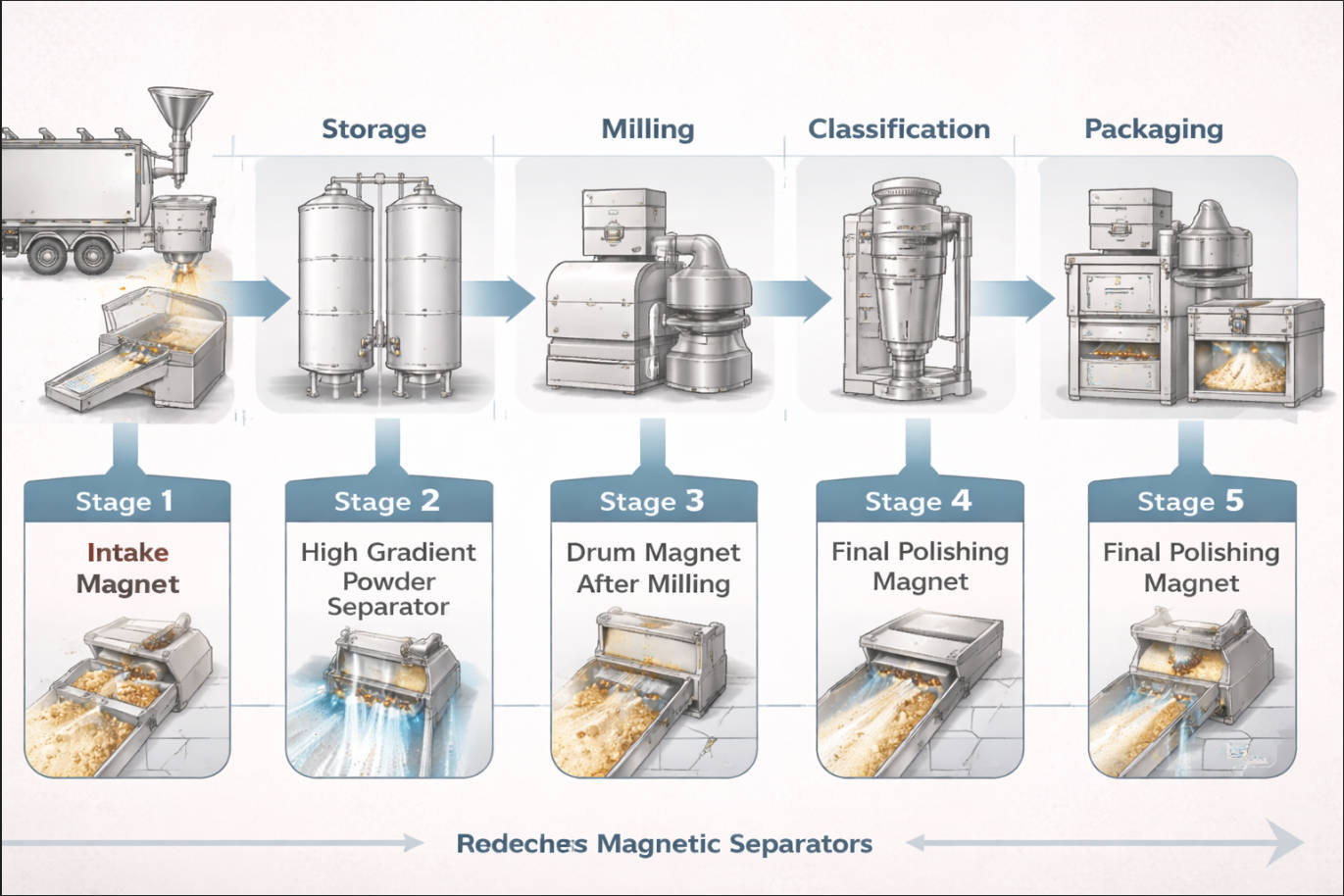
Magnetic Separation Layout for a Powder Line
A typical high-performance powder processing line handling, for example, ceramic or battery materials might use the following layout:
– Stage 1: Magnet at bulk material intake to remove large tramp metal before storage. [wdymagnetic]
– Stage 2: High-gradient powder magnetic separator before primary milling to protect mills and reduce contamination early. [wdymagnetic]
– Stage 3: Drum or in-line magnet after milling to capture newly generated fines and wear particles. [futuremarketinsights]
– Stage 4: Final polishing magnet before packaging to ensure the finished product meets premium purity specifications. [buntingmagnetics]
In some plants, additional units are installed on recycle streams or at specific quality-critical steps, supported by sensors and monitoring software. [imt-inc]
Call to Action: Optimize Your Magnetic Separation Strategy
If your plant handles fine powders, slurries, or high-value bulk solids, now is the right moment to re-evaluate your magnetic separation strategy in light of newer high-gradient and digital technologies. Modern systems can simultaneously improve product purity, reduce operating costs, and make regulatory compliance more straightforward. [theinsightpartners]
A practical next step is to request a line audit from an experienced magnetic separator manufacturer that integrates R&D, engineering design, production-line installation, and commissioning, and that understands applications across mining, ceramics, electricity, building materials, glass, environmental protection, rubber, plastics, medicine, food, and battery materials. With engineering support, you can move from basic magnets at a few points to a fully optimized, data-driven separation solution tailored to your materials and quality targets. [wdymagnetic]
FAQs About Magnetic Separation
1. What is magnetic separation in simple terms?
Magnetic separation is a process that uses magnetic fields to pull out ferrous and weakly magnetic contaminants from a mixture of materials, leaving the non-magnetic product cleaner and safer for use. It is widely used in industries such as food, pharmaceuticals, ceramics, mining, plastics, and battery materials. [permagproducts]
2. How do powder magnetic separators differ from general magnets?
Powder magnetic separators are engineered to handle fine, often cohesive powders without causing blockages or major changes to flow behavior. They typically use high-gradient or rare-earth magnetic elements, carefully designed housings, and controlled product presentation systems to capture very fine contaminants at industrial throughputs. [imt-inc]
3. Are permanent magnetic separators suitable for continuous 24/7 operation?
Yes, permanent magnetic separators are well suited for continuous 24/7 operation because they generate a stable magnetic field without requiring electrical power, reducing both complexity and energy consumption. In many plants they provide first-line protection for critical equipment and are combined with self-cleaning features to minimize manual intervention. [wdymagnetic]
4. Where should magnetic separators be installed in a food plant?
In food plants, best practice is to install magnetic separators at intake points, before key processing equipment, before metal detectors, and just upstream of packing and bulk filling. This multi-stage approach reduces contamination risk early, protects equipment, and ensures final product purity before packaging and shipment. [electrofluxpvtltd]
5. What new technologies are changing magnetic separation today?
Recent developments include high-gradient and rare-earth magnetic designs for fine and weakly magnetic particles, AI- and machine learning–based optimization, and IoT-enabled predictive maintenance and remote monitoring. Together, these technologies are improving separation efficiency, increasing recovery rates, and reducing operating and maintenance costs for modern processing plants. [theinsightpartners]
References
1. Powder Solutions Group – “Achieving Efficient & Hygienic Magnetic Separation in Sensitive Dairy Powders.”
https://www.powder-solutions.com/2019/07/09/achieving-efficient-hygienic-magnetic-separation-in-sensitive-dairy-powders/ [powder-solutions]
2. The Insight Partners – “Magnetic Separator Market Report | Size, Share & Growth by 2031.”
https://www.theinsightpartners.com/reports/magnetic-separator-market [theinsightpartners]
3. Permag Products – “The Role of Magnetic Separators in Food and Pharmaceutical Industries.”
https://www.permagproducts.com/the-role-of-magnetic-separators-in-food-and-pharmaceutical-industries/ [permagproducts]
4. Foshan Wandaye Technology Co., Ltd – “Top 10 Magnetic Separators in Food Processing Manufacturers in China.”
https://www.wdymagnetic.com/zh/top-10-magnetic-separators-in-food-processing-manufacturers-in-china.html [wdymagnetic]
5. Bunting Magnetics – “Magnetic Separators and Metal Detection for Powders.”
https://buntingmagnetics.com/blog/separating-fine-iron-from-powders-with-metal-detection-and-magnetic-separators [buntingmagnetics]
6. Future Market Insights – “Magnetic Separator Market | Global Industry Analysis Report – 2036.”
https://www.futuremarketinsights.com/reports/global-magnetic-separator-market [futuremarketinsights]
7. Electroflux – “Magnetic Separators in Food & Industrial Processing – A Full Guide.”
https://electrofluxpvtltd.com/magnetic-separators-in-food-and-industrial-processing-a-full-guide/ [electrofluxpvtltd]
8. Foshan Wandaye Technology Co., Ltd – Corporate site.
https://www.wdymagnetic.com [wdymagnetic]
9. Schwaminger, S. et al. – “Magnetic Separation in Bioprocessing Beyond the Analytical Scale.”
https://pmc.ncbi.nlm.nih.gov/articles/PMC6776625/ [pmc.ncbi.nlm.nih]
10. Industrial Magnetics Inc. – “Innovations in Magnetic Technology.”
https://www.imt-inc.com/innovations-in-magnetic-technology/ [imt-inc]
Hot Tags: Definition of Magnetic Separation, Magnetic Separation Examples, Manufacturers, Customized, Custom, Suppliers, Buy, Cheap, Quality, Advanced, Durable, in Stock, Made in China, Price, Quotation