


Content Menu
● Laos and regional cluster advantages
● Selection criteria for this list
● Market snapshot and demand outlook
● Leading manufacturers and suppliers serving Laos
>> Foshan Wandaye Technology (China)
>> Kumar Magnet Industries (Thailand and regional)
>> Other emerging regional suppliers
● Comparative overview: key parameters
● Common industry pain points and how to avoid them
● Insider “avoid-the-pit” guide
● Buyer’s guide for Lao procurement managers
● Conclusion and call to action
● Frequently asked high-level questions
>> 1. How can I check if a supplier’s ISO certificate is valid or expired?
>> 2. What is the most critical parameter when comparing magnetic roller separators?
>> 3. How do I confirm that magnets used in the roller meet the specified grade?
>> 4. What are typical maintenance intervals for magnetic roller separators in mining applications?
>> 5. How can I integrate a new magnetic roller separator into an existing line without major redesign?
Top magnetic roller separator manufacturers and suppliers serving Laos are mainly regional hub factories in China and Southeast Asia that can offer stable QC systems, export experience, and tailored OEM solutions for mining, ceramics, plastics, and battery-material producers in the Mekong region. [wdymagnetic]
How to evaluate suppliers
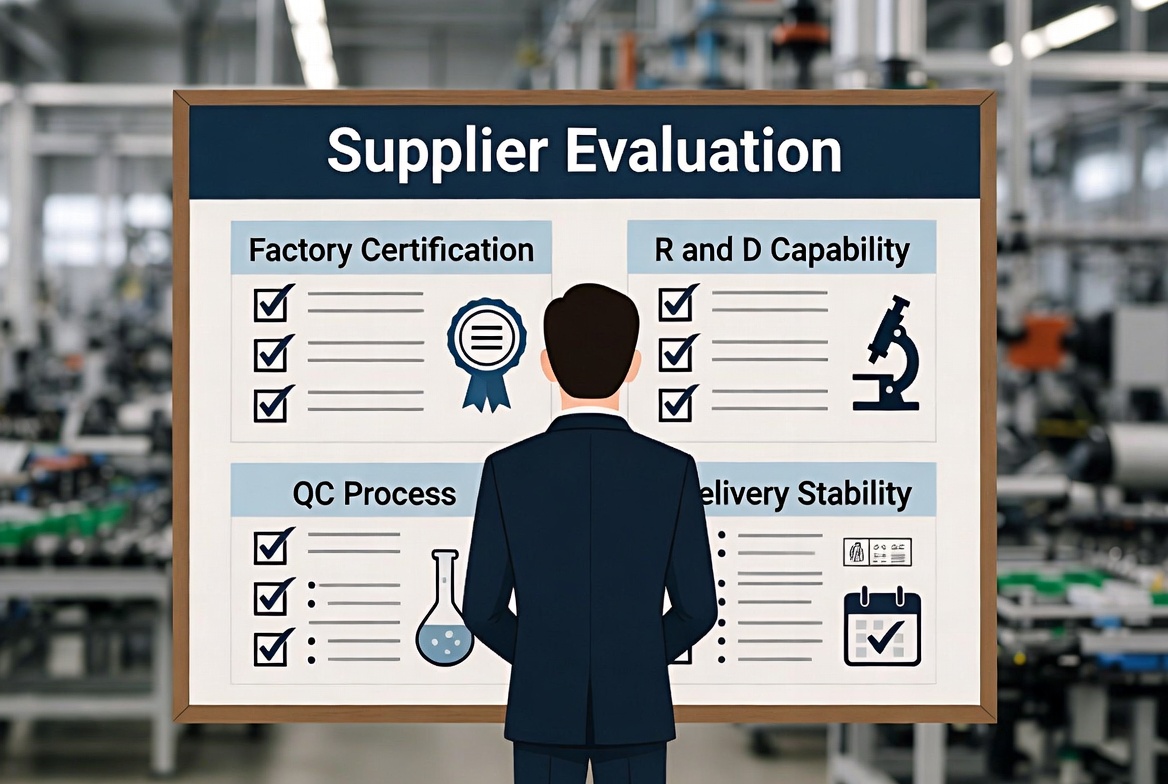
When screening magnetic roller separator partners, professional buyers usually start from four hard indicators: factory certification, R&D capabilities, QC process robustness, and delivery reliability. [wdymagnetic]
– Factory certification: Check ISO 9001 for quality management, plus CE and sometimes RoHS for equipment shipped into the EU and other regulated markets. [huatemagnets]
– R&D and engineering: Prefer manufacturers that integrate laboratory testing, process simulation, and engineering design rather than only selling standalone machines. [wdymagnetic]
– QC and testing: Look for documented incoming inspection of rare-earth magnets, full-load testing of magnetic rollers, and traceable inspection reports for each batch. [wdymagnetic]
– Delivery performance: Evaluate average lead time, on‑time delivery rate for export orders, and ability to support urgent spare-part shipments into Laos and neighboring markets. [wdymagnetic]
An effective “shortlist process” often combines remote audits (video factory tours, digital documentation) with a pilot order to validate real-world performance before locking in a multi-year supply contract. [youtube]
Laos and regional cluster advantages
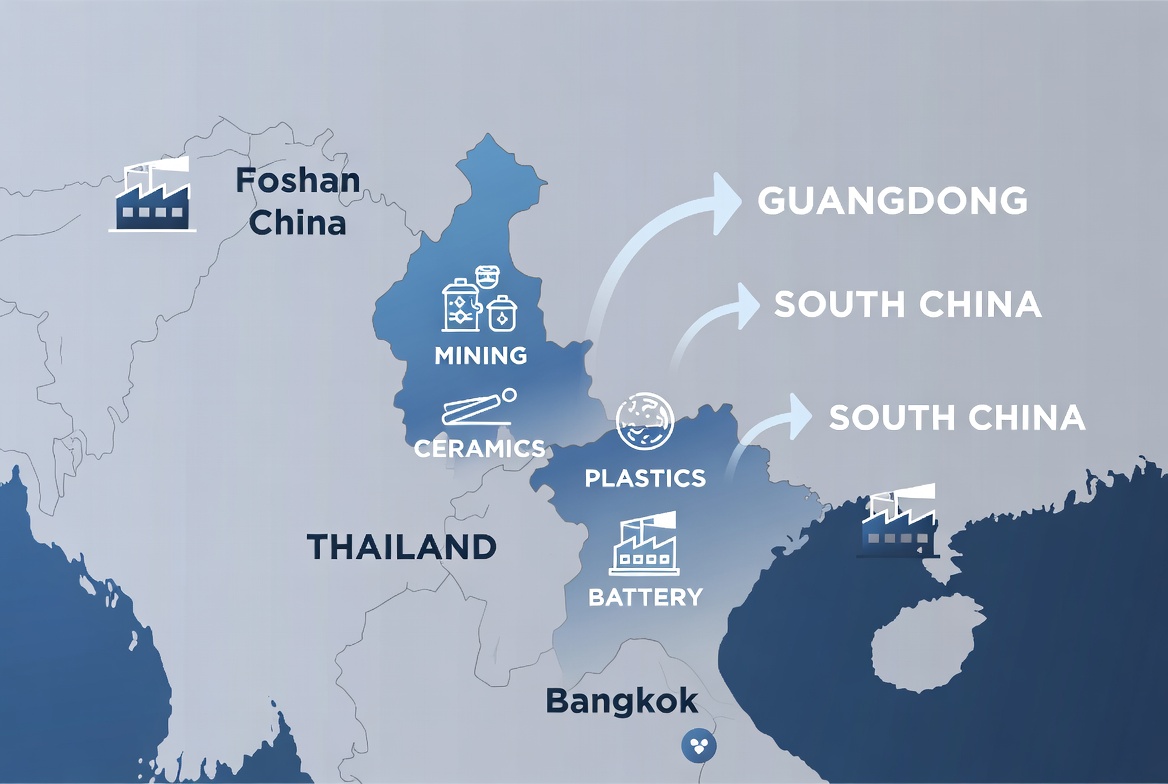
Laos itself is a growing downstream user of magnetic roller separators, particularly in mining, mineral processing, and battery-related materials, backed by a formal licensing framework for mining-related service providers. However, most high-performance magnetic roller separators deployed in Laos are sourced from nearby industrial clusters rather than manufactured domestically. [bned.moic.gov]
– China’s Pearl River Delta (Guangdong) has formed a dense cluster of magnetic separation technology suppliers combining magnet manufacturing, precision machining, and systems integration. [wdymagnetic]
– Neighboring ASEAN hubs such as Thailand host regional manufacturers and distributors that can bridge logistics into Laos, especially for smaller end users. [kumarmagnet]
– This regional ecosystem allows Lao mining and ceramics plants to access higher-spec equipment while keeping logistics and service response times within acceptable ranges. [bned.moic.gov]
For buyers in Laos, partnering with a cross-border supplier experienced in Mekong-region logistics can reduce customs risks and simplify after-sales technical support. [laotradeportal.gov]
Selection criteria for this list
To build a practical “top manufacturers and suppliers for Laos” list, the following criteria were applied across regional factories that actively supply or can credibly support Lao customers. [kumarmagnet]
– Product scope: Dedicated magnetic roller separators or rare-earth roller systems for dry mineral separation, ceramics, plastics recycling, and fine-powder applications. [grandviewresearch]
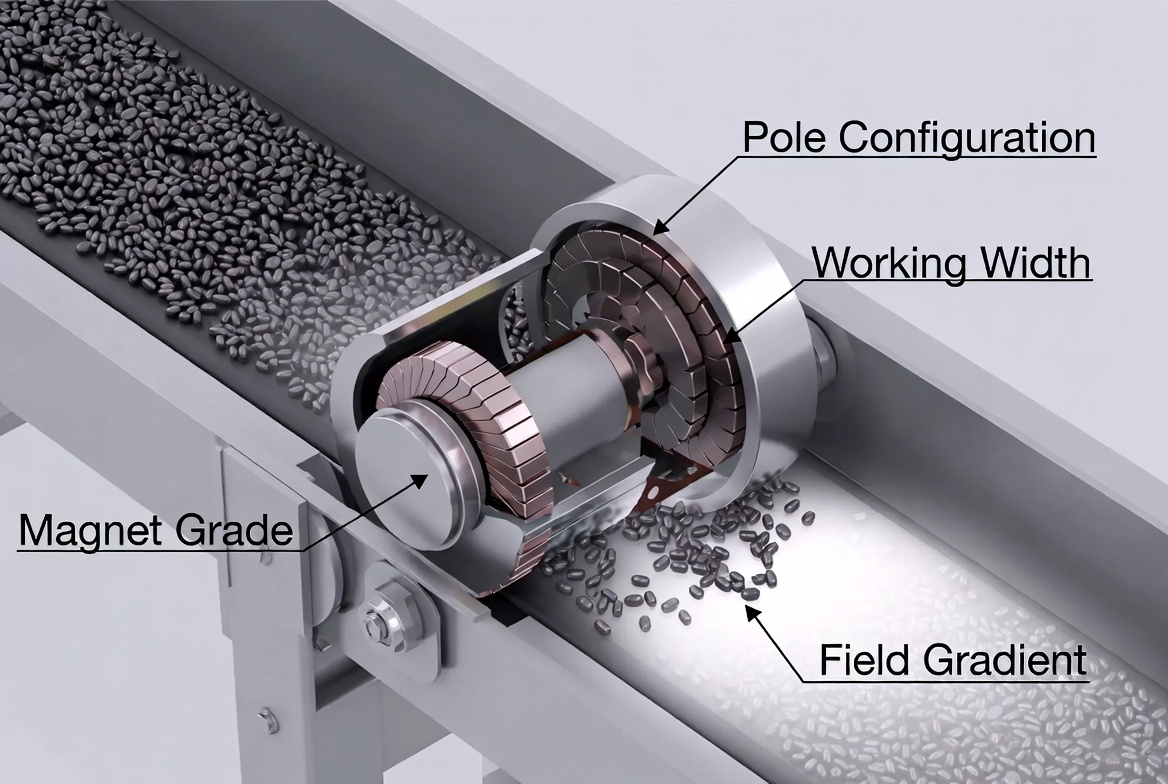
– Technical depth: Use of high-grade NdFeB magnets, optimized pole configurations, and ability to deliver tailored magnetic field strengths and working widths. [grandviewresearch]
– Export experience: Proven exports to Southeast Asia and other emerging markets, with knowledge of mining and mineral export regulations. [laotradeportal.gov]
– Certifications and compliance: Availability of ISO-based quality systems and conformity documentation (CE, where applicable) for electrical and mechanical safety. [huatemagnets]
– Service model: Capability to provide engineering consulting, trial testing on customer samples, and installation/commissioning support either directly or via local partners. [youtube]
– Fit for SMEs: Willingness to accept reasonable MOQs and provide OEM/ODM support for small and mid-sized brands, not just large mining houses. [kumarmagnet]
These criteria bias the list toward partners that can support long-term, technically demanding projects rather than only selling catalog machines. [grandviewresearch]
Market snapshot and demand outlook
Global demand for magnetic separators, including magnetic roller separators, is on a steady growth trajectory driven by mining, recycling, and stricter product purity requirements. [researchandmarkets]
– One global report estimates that the magnetic separator market will grow from about USD 1.17 billion in 2025 to roughly USD 1.24 billion in 2026, at a CAGR of around 5.9 percent. [researchandmarkets]
– Another analysis indicates that the magnetic separator market could reach about USD 1.64 billion by 2033, with magnetic roller separators themselves growing at around 5.2 percent annually from 2025 to 2033. [grandviewresearch]
– The drivers include expansion of mineral processing capacity, more demanding contamination limits in food and pharma, and high-purity requirements for cathode/anode materials in batteries. [researchandmarkets]
For Lao buyers in mining, ceramics, or battery-materials, this translates into more sophisticated equipment options and rising importance of compliance and product traceability when selecting suppliers. [researchandmarkets]
Leading manufacturers and suppliers serving Laos
Below is a curated list of manufacturers and exporters well positioned to supply magnetic roller separators to Lao buyers, either directly or via regional distribution. [wdymagnetic]
Foshan Wandaye Technology (China)
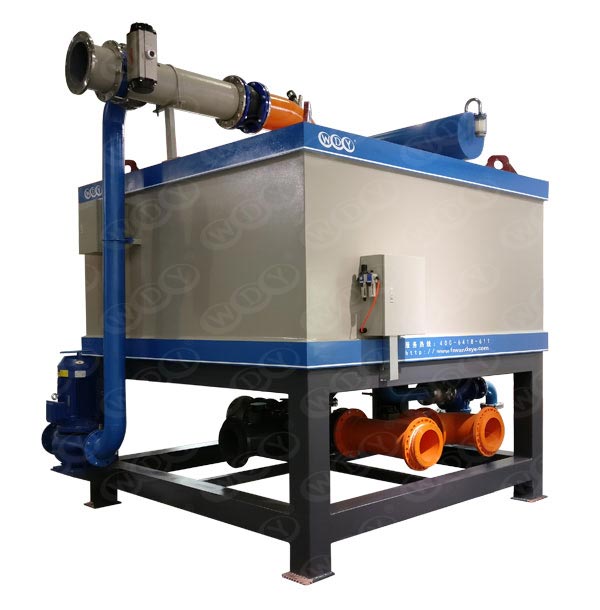
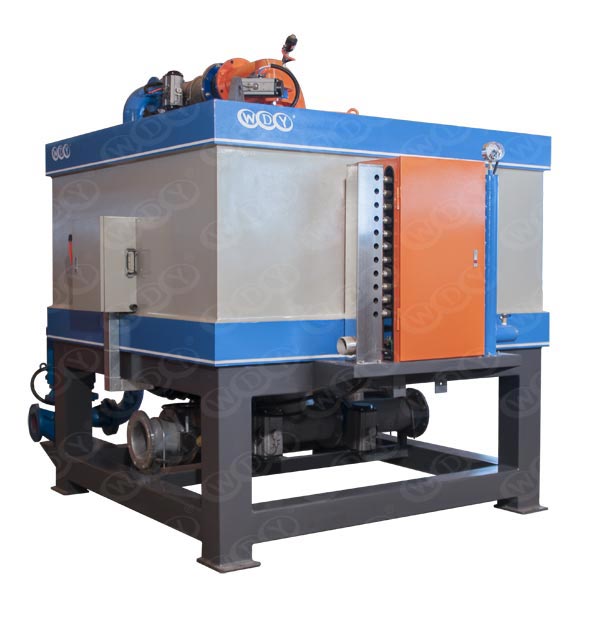
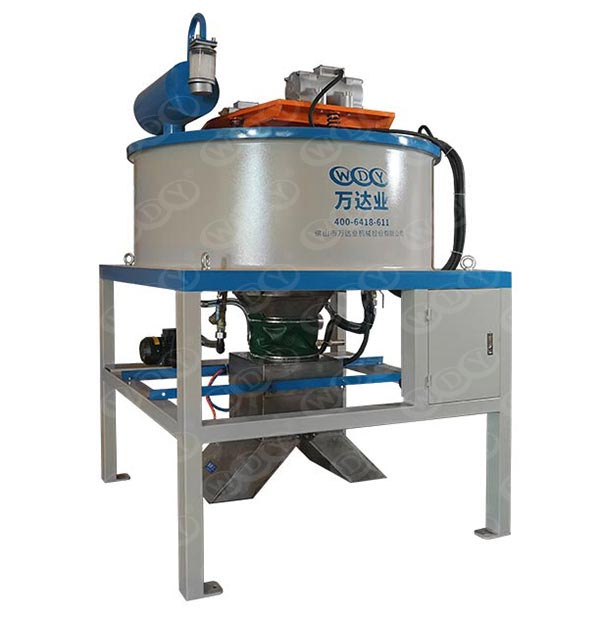
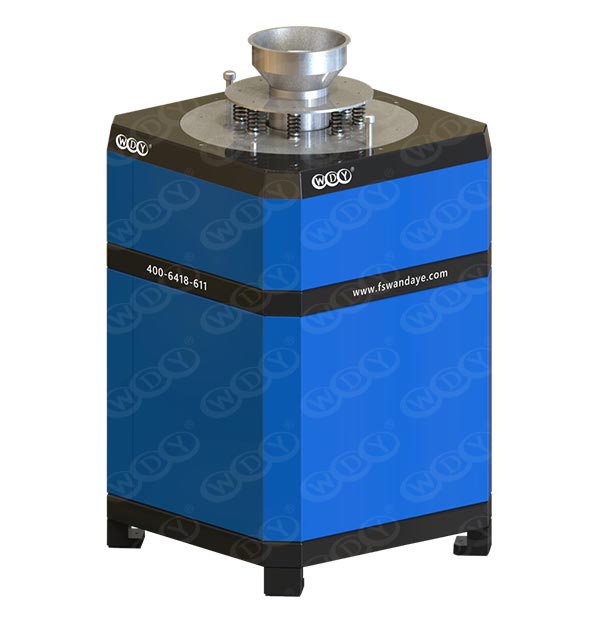
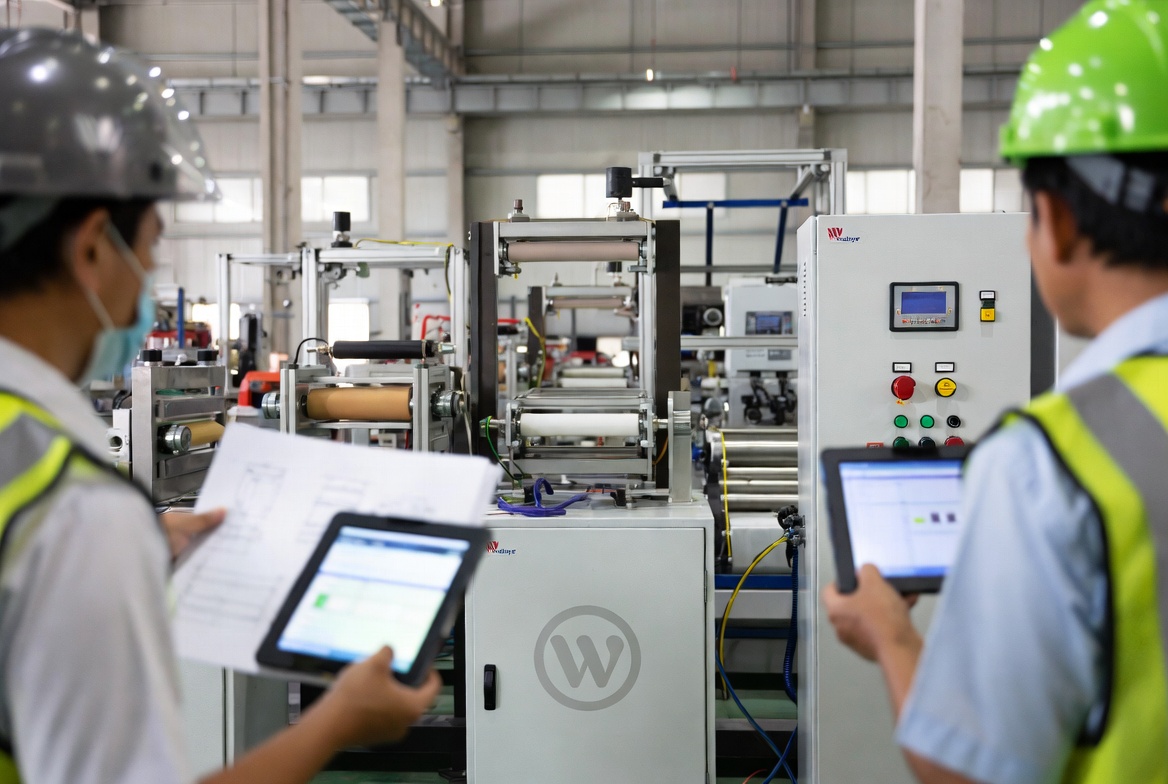
Foshan Wandaye Technology is a high-tech enterprise specializing in magnetic separation and iron-removal equipment, integrating scientific research, engineering design, production-line installation, and commissioning for global customers. The company’s portfolio covers high-gradient electromagnetic slurry machines, powder magnetic separators, permanent magnetic separators, magnetic plates, and complete magnetic separation lines used in mining, ceramics, pharmaceuticals, and other sectors. [youtube]
– Founded and positioning: Established in China’s Pearl River Delta, Wandaye focuses on advanced magnetic separation solutions for both domestic and overseas industrial clients. [wdymagnetic]
– Technical strengths: Uses rare-earth magnets and multiple pole configurations to handle ultra-fine iron removal in minerals, ceramics, and battery-material production. [wdymagnetic]
– OEM/ODM focus: Particularly suited for small and mid-sized brands seeking flexible OEM customization, sample testing on real materials, and iterative process optimization. [wdymagnetic]
– Key markets: Mining, ceramics, glass, environmental protection, plastics, pharmaceuticals, food, and battery cathode/anode materials. [wdymagnetic]
For Lao buyers, Wandaye is a strong option when you need a high cost-performance ratio, strong R&D support, and responsive communication for custom configurations rather than off-the-shelf machines. [youtube]
Sinoneo Magnet (China)
Sinoneo Magnet is identified as a professional manufacturer and exporter of magnetic rollers, magnetic head pulleys, and roller separators, serving multiple industries. The company focuses on magnetic roller technology for bulk material handling and contamination control. [wdymagnetic]
– Product focus: Magnetic rollers and roller separator assemblies used in mining, recycling, and bulk conveyors. [wdymagnetic]
– Manufacturing capability: Offers customized roller dimensions and magnetic field strengths tailored to specific conveyor systems. [wdymagnetic]
– Export markets: Supplies to various regions, including Asia, supporting users who need replacement rollers or upgrades of existing lines. [wdymagnetic]
This supplier is well suited for Lao plants that already have conveyor systems and need to retrofit magnetic roller sections for enhanced iron removal. [wdymagnetic]
Huate Magnet (China)
Huate Magnet offers rare-earth roller magnetic separators under product families such as CFLJ, designed with complicated magnetic systems, double-pole structures, and high-field gradients. These units are used for separating weakly magnetic minerals and achieving high-purity concentrates. [huatemagnets]
– Technology highlights: High-intensity rare-earth magnet systems with large magnetic field gradients, suitable for fine-grained and weakly magnetic materials. [huatemagnets]
– Application scope: Mineral processing lines for non-ferrous ores, industrial minerals, and high-purity materials where separation precision matters. [huatemagnets]
– Compliance: Focus on engineered systems that can be integrated into larger beneficiation plants with supporting control and safety systems. [huatemagnets]
For buyers in Laos running advanced beneficiation plants, Huate’s high-intensity rollers can be considered for critical separation stages. [huatemagnets]
Kumar Magnet Industries (Thailand and regional)
Kumar Magnet Industries positions itself as one of the recognized manufacturers of magnetic roller separators in markets such as Thailand, supplying a range of magnetic separation products. The company highlights performance and support for diverse industrial sectors. [kumarmagnet]
– Regional proximity: Production and sales presence in Thailand makes logistics into Laos more straightforward, especially for smaller orders and replacement parts. [laotradeportal.gov]
– Product features: Magnetic roller separators designed for quick removal of ferrous contaminants from solids and liquids, using contemporary designs. [kumarmagnet]
– Market coverage: Serves customers across Southeast Asia, giving some familiarity with local regulatory and customs context. [laotradeportal.gov]
For Lao buyers preferring a supplier within ASEAN to simplify customs and transit times, Kumar Magnet can be a practical choice. [laotradeportal.gov]
Other emerging regional suppliers
Beyond the names above, a number of regional companies supply magnetic roller separators and related equipment into Southeast Asia, often as part of broader magnetic separator product ranges. [grandviewresearch]
– Some specialize in drum and plate separators but can also provide roller-based designs for specific mining and ceramics applications. [grandviewresearch]
– Many leverage contract manufacturing networks in China while maintaining sales and service offices closer to end users in ASEAN countries. [kumarmagnet]
When evaluating such emerging suppliers, buyers in Laos should pay particular attention to whether engineering and after-sales support are handled locally or through remote teams. [bned.moic.gov]
Comparative overview: key parameters
The following table summarizes typical positioning and strengths of the suppliers highlighted above from the perspective of a Laos-based buyer. [wdymagnetic]
| Supplier | Typical capacity range (TPH) | Usual MOQ (sets) | Core certifications (typical) | Key strengths for Lao buyers |
|---|---|---|---|---|
| Foshan Wandaye Technology | Approx. 5–200 TPH across models wdymagnetic | Often supports small trial orders (1–2 sets) wdymagnetic | ISO-based QC, CE documentation for key models where required wdymagnetic | Strong R&D, high flexibility, good for SMEs needing OEM/ODM and pilot testing wdymagnetic |
| Sinoneo Magnet | Typically 5–150 TPH depending on roller size wdymagnetic | Medium MOQ, often 2–3 rollers for custom builds wdymagnetic | Factory-level QC with customer-specific specs wdymagnetic | Focused on roller assemblies, ideal for conveyor retrofits and replacements wdymagnetic |
| Huate Magnet | Up to several hundred TPH in large installations huatemagnets | Project-based orders, usually multiple units huatemagnets | ISO, engineering documentation and CE where applicable huatemagnets | High-intensity rare-earth rollers for complex mineral processing projects huatemagnets |
| Kumar Magnet Industries | 3–100 TPH for standard industrial lines kumarmagnet | Supports smaller orders for regional customers kumarmagnet | Standard factory QC, documentation for ASEAN markets kumarmagnet | ASEAN-based, easier logistics, suitable for smaller plants and regional projects kumarmagnet |
The Specific Data in this table reflects typical ranges and positioning drawn from public product and company information rather than a single unified catalog, so buyers should always verify current specifications and MOQs directly with suppliers. [kumarmagnet]
Common industry pain points and how to avoid them
Magnetic roller separator procurement often looks straightforward on paper but hides several recurring issues that can significantly affect long-term operating costs. [researchandmarkets]
– Magnet grade downgrade: Some suppliers quietly switch to lower-grade NdFeB magnets to cut costs, which reduces field strength and separation efficiency over time. [huatemagnets]
– Under-specified rollers: Roller diameter, working width, and wrap angle are not properly matched to the conveyor and material properties, leading to poor separation or excessive wear. [grandviewresearch]
– Inadequate dust and safety control: For fine powders, poor sealing and dust control around roller housings can lead to contamination and unsafe working conditions. [researchandmarkets]
– Weak documentation: Missing or incomplete records of test results, material certificates, and spare-part drawings complicate maintenance and audits. [wdymagnetic]
To mitigate these risks, professional buyers typically insist on full technical datasheets, magnet grade certificates, and witnessed factory tests before release of final payments. [bned.moic.gov]
Insider “avoid-the-pit” guide
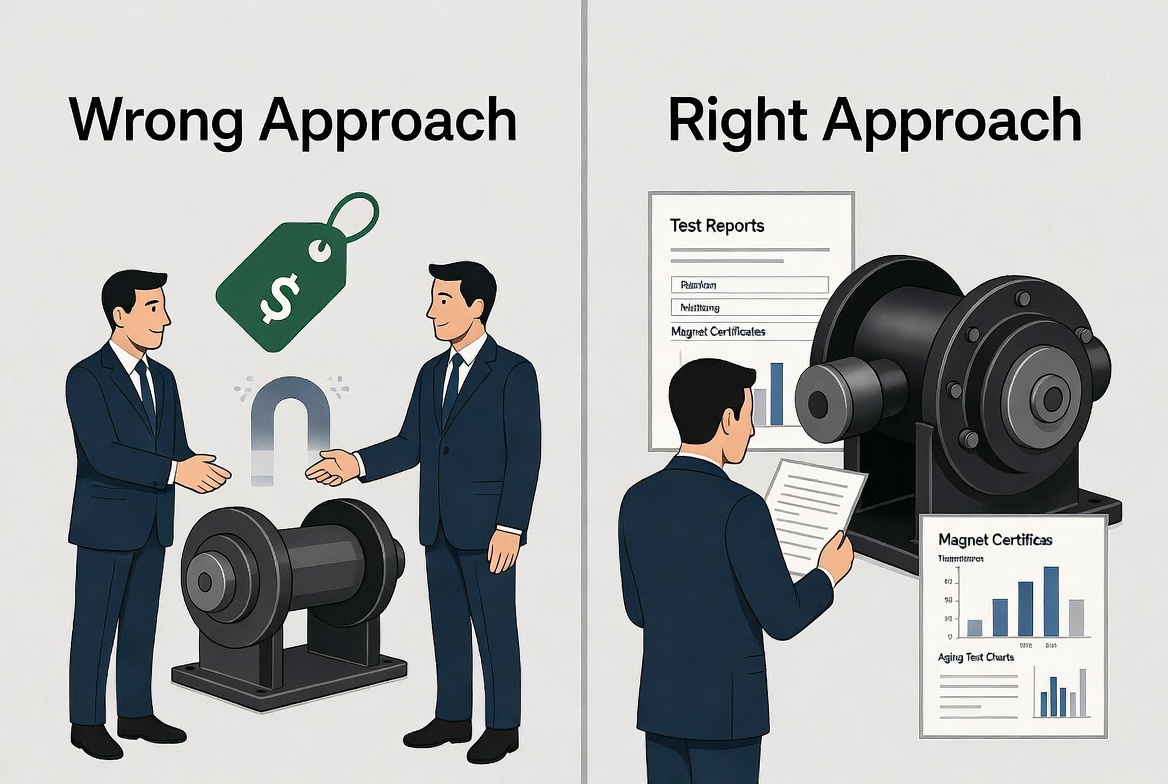
Within the industry, one widely known but rarely written-about practice is how some buyers lock in future problems by focusing only on initial gauss readings and price rather than long-term magnet stability and serviceability. [huatemagnets]
– Long-term magnet stability: High initial gauss on a new roller can mask poor heat resistance or inadequate surface protection; magnets that demagnetize slowly under operating temperature cycles will quietly degrade separation performance over one to three years. [huatemagnets]
– Serviceability design: Some low-cost rollers are permanently sealed with no practical way to refurbish or replace internal magnet assemblies, pushing buyers toward complete replacement rather than affordable overhauls. [grandviewresearch]
An effective insider approach is to ask suppliers explicitly for accelerated aging test results or case histories at operating temperatures similar to your plant, and to request designs that allow future refurbishment of magnet modules and bearings without scrapping the entire unit. [researchandmarkets]
Buyer’s guide for Lao procurement managers
When sourcing magnetic roller separators into Laos, especially for mining and mineral applications, a structured procurement process reduces both technical and regulatory risks. [bned.moic.gov]
1. Define application and performance targets
– Clarify material type, particle size distribution, feed rate, moisture content, and targeted residual Fe level in product. [grandviewresearch]
– Determine whether you need rough cleaning, final cleaning, or upgrading of weakly magnetic minerals, as this strongly impacts roller design. [grandviewresearch]
2. Shortlist and verify factories
– Check company registration, factory address, and production scope through official company registries or trade portals. [bned.moic.gov]
– Request ISO certificates, CE declarations (if needed), and recent calibration or inspection reports; verify authenticity via issuing bodies or official databases when available. [huatemagnets]
3. Sample and trial testing
– Send representative material samples to shortlisted suppliers for laboratory testing on actual or similar roller separators. [wdymagnetic]
– Ask for detailed test reports including feed and product Fe content, yield, and test conditions; cross-check reported performance with your own lab tests when samples are returned. [researchandmarkets]
4. Contracting and logistics into Laos
– Align Incoterms and responsibilities for customs clearance, especially under Laos’ mining-related licensing and export regulations. [laotradeportal.gov]
– Ensure documentation covers equipment classification, origin, and any applicable tax or duty treatment, and align with plant import licenses where required. [bned.moic.gov]
5. Installation, commissioning, and training
– Clarify whether the supplier provides on-site commissioning support, remote guidance, or local service partners. [youtube]
– Incorporate operator training and basic maintenance procedures into the commissioning package to protect long-term performance. [wdymagnetic]
These steps help Lao buyers move from one-off equipment purchases to structured supplier partnerships with clear performance and compliance expectations. [laotradeportal.gov]
Conclusion and call to action
For buyers in Laos, securing a reliable magnetic roller separator partner is less about finding a local brand name and more about aligning with regional manufacturers that combine sound engineering, verifiable QC, and practical support across the project lifecycle. Suppliers like Foshan Wandaye Technology provide an attractive balance of technical depth, cost efficiency, and OEM flexibility for small and medium-sized brands, while companies such as Huate Magnet, Sinoneo Magnet, and Kumar Magnet Industries address larger or more specialized project needs. [kumarmagnet]
If your plant in Laos is planning a new line or upgrading existing iron-removal stages, the next step is to define your material specifications and performance targets, shortlist two or three qualified suppliers, and run comparative tests on your own material before finalizing long-term contracts. By combining structured supplier evaluation with realistic on-site trials, you can significantly reduce lifecycle risk and ensure your magnetic roller separator investment delivers the performance and compliance your customers expect. [bned.moic.gov]
Frequently asked high-level questions
1. How can I check if a supplier’s ISO certificate is valid or expired?
You can usually verify ISO 9001 or other certificates through the issuing certification body’s online database or by contacting them directly with the certificate number and company name. Many certification bodies list status (active, suspended, expired), so always cross-check dates and scope against your supplier’s claims. [wdymagnetic]
2. What is the most critical parameter when comparing magnetic roller separators?
Beyond nominal gauss, the most critical parameter is often the product of field strength and field gradient at the working gap, combined with how that translates into separation efficiency for your specific material and particle size range. Real-world test results on your own material are more reliable than catalog gauss figures alone. [grandviewresearch]
3. How do I confirm that magnets used in the roller meet the specified grade?
Request material certificates from the magnet supplier and, for critical projects, conduct independent magnetic characterization or chemical analysis on sample magnets. In some cases, buyers also specify known magnet vendors and require traceability from magnet batch to finished roller. [grandviewresearch]
4. What are typical maintenance intervals for magnetic roller separators in mining applications?
Maintenance intervals depend on dust levels, material abrasiveness, and operating hours, but inspections often occur weekly for cleaning and visually checking wear, with more detailed bearing and alignment checks quarterly or semi-annually. High-dust or abrasive environments may require more frequent inspection and cleaning to maintain performance. [researchandmarkets]
5. How can I integrate a new magnetic roller separator into an existing line without major redesign?
Many suppliers can design replacement or add-on rollers that fit your existing conveyor geometry, including diameter, face width, and mounting details. Successful integration requires accurate site measurements and sometimes minor structural changes to optimize wrap angle and material presentation at the roller. [kumarmagnet]
References
1. – Research and Markets – Magnetic Separator Market Report 2026 (market size and growth projections, magnetic separator segment trends). [researchandmarkets]
2. – Grand View Research – Magnetic Separator Market Size, Industry Report 2033 (market size, magnetic roller separator growth rates). [grandviewresearch]
3. – Ministry of Energy and Mines, Lao PDR – License to Provide Services Related to the Mining Business (requirements for mining-related service providers). [bned.moic.gov]
4. – Lao Trade Portal – Decree on Export Mining Products, No. 90/PM (export inspection and compliance requirements for mining products). [laotradeportal.gov]
5. – WDYMAGNET – Top 10 Magnetic Roller Separator Manufacturers in China (industry overview and supplier information including Foshan Wandaye Technology). [wdymagnetic]
6. – WDYMAGNET – Industry Information section (technical explanation of magnetic separators and use cases). [wdymagnetic]
7. – Kumar Magnet Industries – Magnetic Roller Separator in Thailand (regional supplier positioning and product overview). [kumarmagnet]
8. – Huate Magnet – CFLJ Rare Earth Roller Magnetic Separator (technical features and application focus for high-intensity rare-earth rollers). [huatemagnets]
Hot Tags: Magnetic Roller Separator, Manufacturers, Customized, Custom, Suppliers, Buy, Cheap, Quality, Advanced, Durable, in Stock, Made in China, Price, Quotation