


Content Menu
● What Does It Really Mean to “Produce Electricity with a Magnet”?
● Core Principle: Electromagnetic Induction
● Can a Stationary Magnet Produce Electricity?
● How Magnets Actually Help Generate Electricity
>> Moving a Magnet in and Out of a Coil
>> Rotating Coils and Magnets in Generators
>> Alternating Magnetic Fields Without Visible Motion
● Why Magnets Cannot Create “Free Energy”
● Industrial Applications Linking Magnets and Electricity
>> Electric Motors as Generators (Regenerative Modes)
>> Integration with Process Equipment
● Practical Example: Generating Electricity with a Simple Magnet and Coil
● Key Factors That Affect How Much Electricity a Magnet Can Help Generate
● Comparison: Magnet, Battery and Generator Roles
● Common Misconceptions About Magnets and Electricity
● Where This Knowledge Connects to Magnetic Separation
● When You Should Consider Expert Support
● FAQ
>> 1. Can a magnet generate electricity without any movement?
>> 2. Why does a moving magnet inside a coil produce more voltage when it moves faster?
>> 3. Do stronger magnets always mean more electrical power?
>> 4. Why can’t we build a generator that runs forever using only permanent magnets?
>> 5. How are magnets in generators different from magnets in magnetic separators?
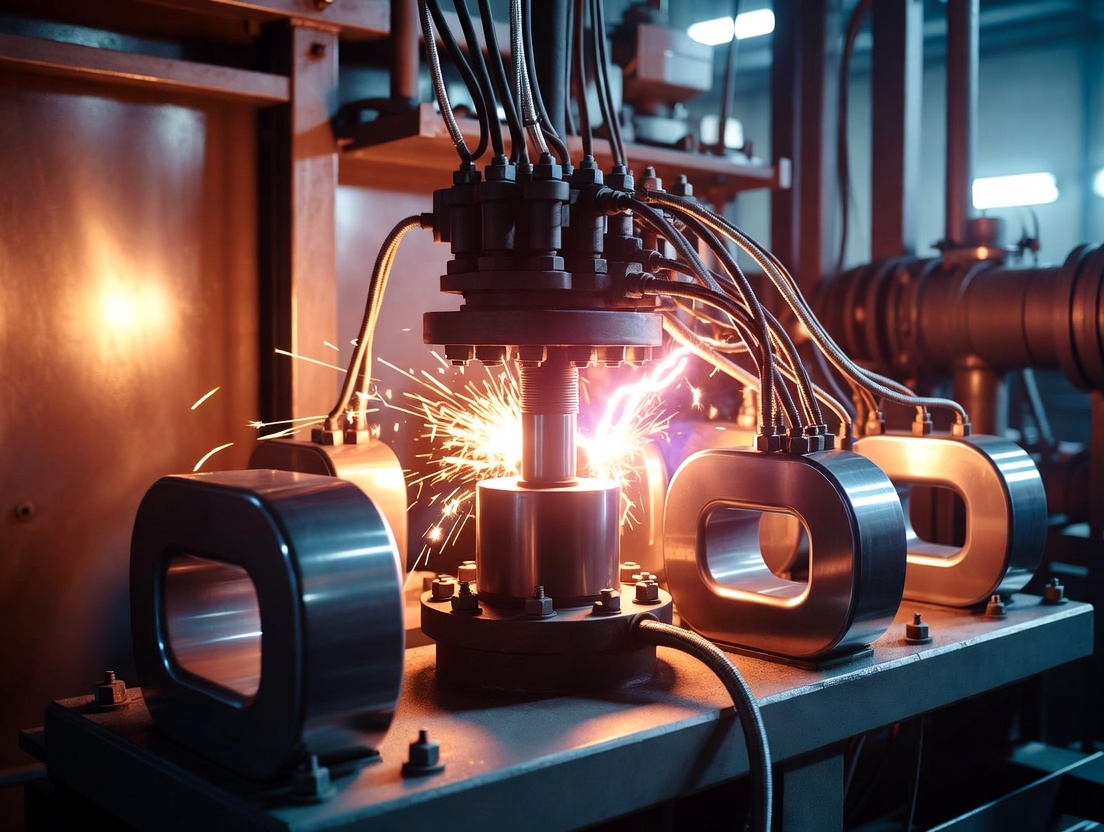
Magnets can help generate electricity, but they are not an independent energy source and cannot create “free energy” on their own. In real industrial systems, electricity appears only when magnetic fields and conductors interact in motion, following well‑known electromagnetic induction principles.
Magnets make the process of energy conversion possible, but they do not replace the need for primary energy sources such as steam, water flow, wind, internal combustion engines, or electric drives. Understanding this distinction is essential for engineers who design generators, motors, or magnet‑based process equipment.
What Does It Really Mean to “Produce Electricity with a Magnet”?
When people ask whether a magnet can produce electricity, they usually mix several different ideas.
– Using magnets inside power plant generators. – Shaking or spinning a magnet near a wire coil to light a bulb. – “Free energy” devices that claim to run forever using permanent magnets.
In physics, a magnet enables electricity generation by providing a magnetic field, but the actual energy comes from mechanical work or another energy source that causes change in the magnetic field around a conductor. The magnet is part of the conversion system, not a standalone fuel.
Core Principle: Electromagnetic Induction
The scientific answer to whether a magnet can produce electricity is based on Faraday’s law of electromagnetic induction.
– When magnetic flux through a closed circuit changes with time, an electromotive force (EMF) is induced in that circuit. – Any change in the magnetic environment of a coil (stronger field, weaker field, motion of magnet or coil, rotation, or time‑varying field) can induce voltage. – If the circuit is closed, that induced voltage drives an electric current.
In simple terms, a magnet can “produce electricity” only when the magnetic field linked to a conductor is changing. The change can come from physical motion or from a time‑varying current that creates a changing field.
Can a Stationary Magnet Produce Electricity?
A permanent magnet sitting still next to a piece of wire will not generate electricity.
A stationary magnet creates a static magnetic field. If nothing moves and the field does not change, the magnetic flux through the wire is constant. With no change in flux, Faraday’s law says that the induced voltage is zero.
That is why a magnet on your desk, or a magnet fixed in place next to a coil, will not power an LED unless something starts moving or the field starts alternating. The presence of a strong magnet alone is not enough; only a changing flux can create EMF.
How Magnets Actually Help Generate Electricity
Moving a Magnet in and Out of a Coil
The simplest experiment to see electricity from magnetism is moving a magnet through a wire coil.
– Push a bar magnet into a copper coil: the changing magnetic field induces a brief voltage. – Pull it back out: the flux changes in the opposite direction and you see a voltage of opposite polarity. – Hold the magnet still: the induced voltage drops back to zero.
This basic demonstration is a miniature version of what happens in real generators, just at a very small scale. It proves that motion between magnet and conductor, not the static presence of a magnet, is what matters.
Rotating Coils and Magnets in Generators
Power plant generators use the same principle, but with continuous rotation to create a constantly changing magnetic field.
– Turbines driven by steam, water, gas, or wind rotate either a magnet inside stationary coils or coils inside a stationary magnetic field. – As the rotor spins, the magnetic flux through the stator windings changes periodically. – This continuous change induces alternating voltage and current for the grid.
In a modern generator, the magnet provides the field, the turbine provides the energy, and electromagnetic induction performs the conversion. The engineering challenge is to design the magnetic circuit, windings, and cooling so the machine delivers high power with acceptable losses and long service life.
Alternating Magnetic Fields Without Visible Motion
You can also generate electricity without visible mechanical movement, as long as the magnetic field itself is changing.
In transformers, an alternating current in the primary coil creates a time‑varying magnetic field in the core. That changing field induces a voltage in the secondary coil even though nothing physically moves. In this case, the “motion” is in the magnetic field, not in mechanical parts.
This shows that what truly matters is the time variation of the magnetic flux, which can come from mechanical rotation or from alternating currents in stationary coils. Both approaches follow the same electromagnetic law.
Why Magnets Cannot Create “Free Energy”
Many popular claims suggest that strong permanent magnets can generate electricity indefinitely without any input power, but this conflicts with basic physics and practical engineering.
– Energy conservation requires that electrical energy must come from some other form of energy, such as mechanical, chemical, or thermal. – Magnets do not supply continuous energy; they only shape the field in which energy conversion happens. – If you try to build a “self‑running” generator, friction, resistance, and core losses always consume more energy than the system can deliver.
Permanent magnets can gradually lose magnetization when exposed to high temperatures, strong reverse fields, or mechanical shock, but they do not “discharge” energy like a battery. A well‑designed magnetic circuit respects these material limits to avoid demagnetization and long‑term performance degradation.
Industrial Applications Linking Magnets and Electricity
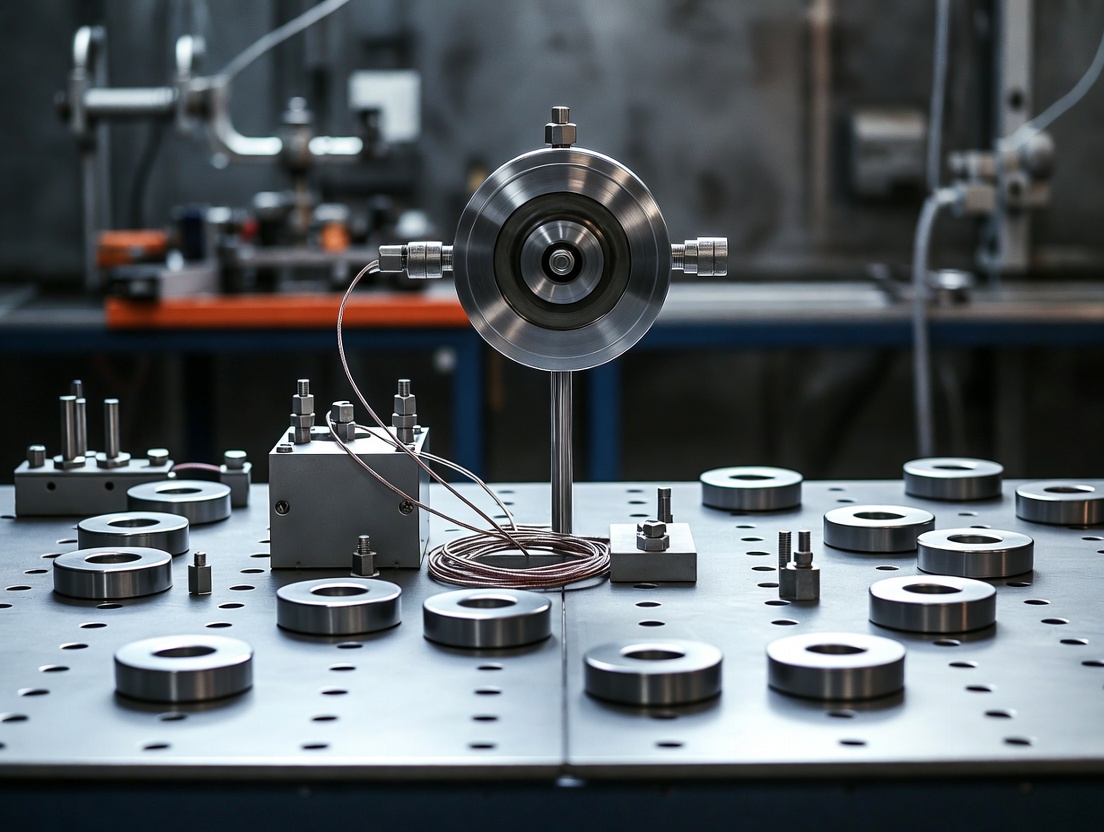
Magnets and electricity interact in almost every industrial plant, from power generation to material processing.
Power Generation
All mainstream power generation technologies use electromagnetic induction.
– Thermal power plants use steam turbines to drive generators with field windings or permanent magnets. – Hydropower stations use water flow to turn turbines connected to large alternators. – Wind turbines rotate multi‑pole generators, often with permanent magnet rotors in modern designs.
In each case, mechanical torque from the turbine is converted into electrical power through interaction between magnetic fields and conductors. The generator does not create energy; it converts mechanical input into electrical output with some inevitable losses.
Electric Motors as Generators (Regenerative Modes)
Many electric motors can operate as generators when driven by an external mechanical force.
In motor mode, electrical input creates torque by interacting magnetic fields. In generator mode, such as in electric vehicles during regenerative braking, mechanical motion forces the rotor to cut magnetic flux, inducing electricity that is fed back into the battery or DC bus.
The same machine can switch between consuming electrical energy and producing it, simply by changing how it is driven and controlled. This bidirectional behavior is central to modern drives, elevators, cranes, and transport systems.
Integration with Process Equipment
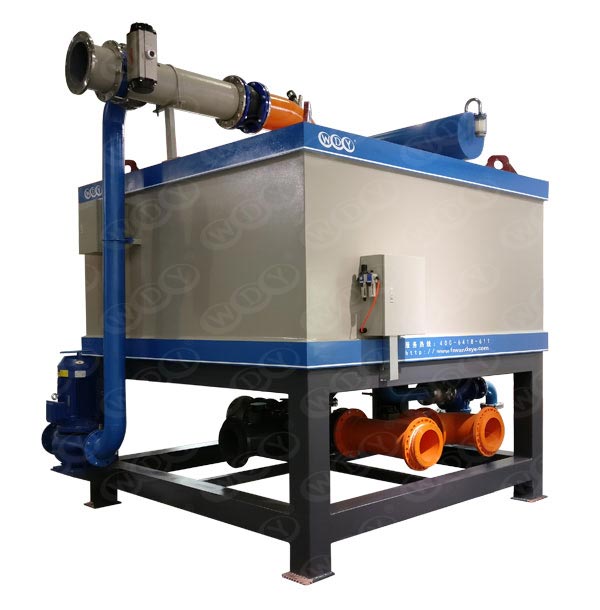
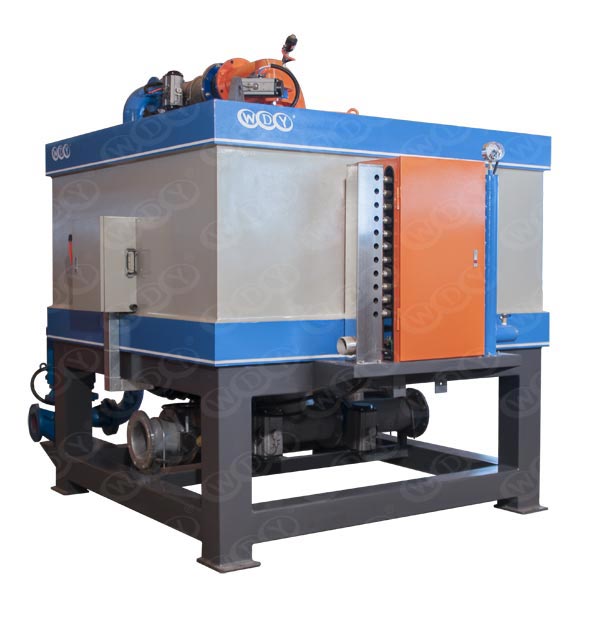
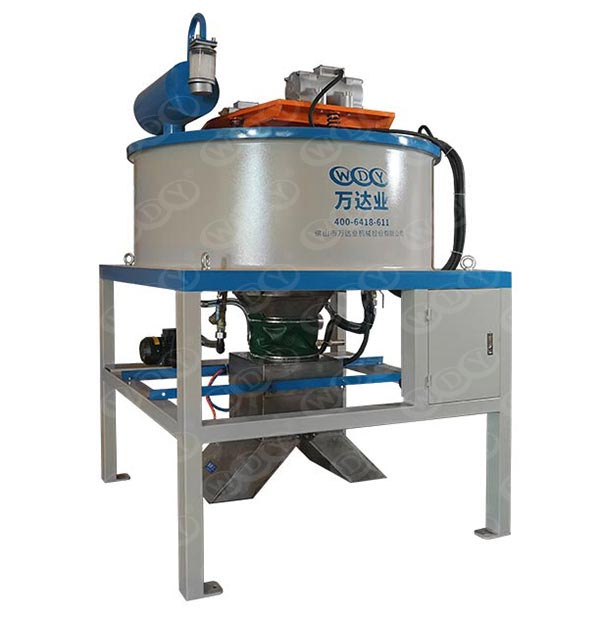
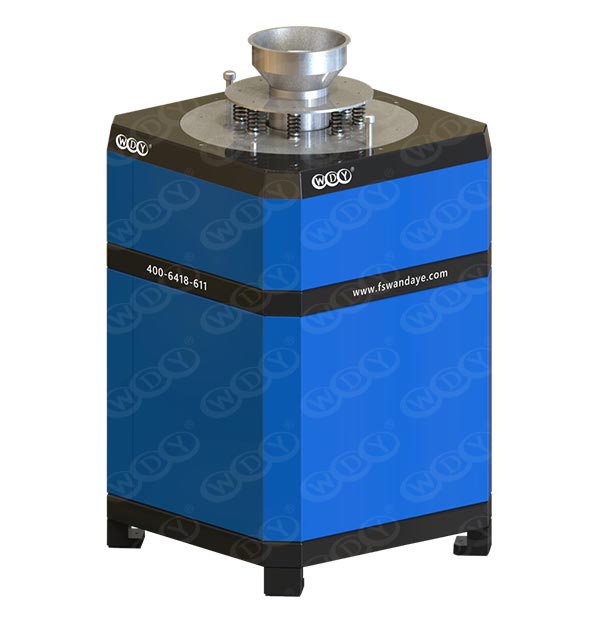
In mining, ceramics, and pharmaceutical processing, production lines often combine electrically driven systems with heavy use of permanent magnets and electromagnetic devices. Motors, conveyors, and pumps rely on stable power, while magnetic separators remove iron contaminants or recover valuable magnetic minerals.
Understanding how magnets contribute to power generation and motor operation helps engineers design more efficient, safer lines and ensure that magnetic equipment and electrical systems work together with minimal downtime.
Practical Example: Generating Electricity with a Simple Magnet and Coil
Below is a simple, step‑by‑step example you can safely try in a lab or classroom to experience electromagnetic induction directly.
1. Prepare materials
– A strong permanent magnet, such as a neodymium bar or cylinder.
– A plastic or cardboard tube wrapped with many turns of insulated copper wire.
– A sensitive LED or low‑range voltmeter.
2. Build the circuit
– Connect the two ends of the coil to the voltmeter or LED leads.
– Ensure all connections are firm to reduce contact resistance.
– Keep the coil and magnet aligned so the magnet can slide smoothly through the center.
3. Perform the test
– Quickly push the magnet into the coil and observe a deflection on the meter or a brief flash on the LED.
– Pull the magnet out and notice the opposite deflection or another flash.
– Hold the magnet still in the center of the coil and note that the reading drops toward zero.
4. Improve the output
– Increase the number of turns of the coil to boost the induced voltage.
– Use a stronger magnet or magnets arranged in series.
– Move the magnet faster to increase the rate of change of flux through the coil.
– Add a simple rectifier and capacitor if you want to smooth the output for certain loads.
These variables directly influence induced voltage and current. Designing real generators follows the same logic, scaled up with precise mechanical engineering, magnetic circuit design, and thermal management.
Key Factors That Affect How Much Electricity a Magnet Can Help Generate
When designing or evaluating magnet‑based generation systems, engineers focus on several critical parameters.
– Magnetic field strength: Stronger magnets or higher field density increase potential induced voltage, within material limits and saturation constraints. – Number of coil turns: More turns amplify the EMF, since total flux linkage is proportional to the number of turns. – Relative speed: Faster motion between magnet and conductor increases the rate of change of flux and therefore voltage and power capability. – Conductor material and resistance: Copper or aluminum conductors with low resistance reduce I²R losses and improve overall efficiency. – Geometry and air gap: Optimized rotor–stator geometry and minimized air gap improve flux linkage and power density, but must be balanced with mechanical tolerances and vibration.
Engineers also consider cooling methods, insulation class, mechanical strength, and expected operating environment. These practical details determine whether a theoretically promising design will work reliably in the field.
Comparison: Magnet, Battery and Generator Roles
The following comparison highlights the different roles of magnets, batteries, and generators in an energy system.
| Concept | What it provides | Needs motion? | Provides continuous energy source? | Typical use case |
|---|---|---|---|---|
| Permanent magnet | Static magnetic field | No | No | Generators, motors, magnetic separators |
| Battery | Chemical electrical energy | No | Yes, until discharged | Power supply for circuits and motors |
| Generator | Converts mechanical to electrical energy using magnets | Yes | No, relies on input torque | Power plants, wind turbines, alternators |
This comparison clarifies why magnets alone are not energy sources, but are essential components in many energy conversion systems. Magnets support the conversion process in generators and motors, while batteries and prime movers supply the actual energy.
Common Misconceptions About Magnets and Electricity
Several persistent myths make this topic confusing for students and even some practitioners.
– “A magnet can power a device forever.” In reality, mechanical work or another energy input is always needed to maintain flux changes, and losses prevent perpetual operation. – “A stronger magnet automatically means more power.” Stronger magnets help, but total output also depends on speed, coil design, load, and system efficiency. – “Magnets slowly run out of energy when used in generators.” Permanent magnets can demagnetize under extreme conditions, but when operated within their limits they do not “run down” like batteries.
Clarifying these misconceptions is important for evaluating technology claims, educating customers, and avoiding unrealistic project expectations.
Where This Knowledge Connects to Magnetic Separation
In industrial environments such as mining, ceramics, and pharmaceuticals, engineers routinely use both magnetic separation and electrically powered systems in the same processing line.
High‑intensity magnetic separators rely on strong, carefully shaped magnetic fields to capture ferromagnetic or paramagnetic particles from ores, powders, slurries, or finished products. Motors, drives, and control systems around these separators rely on electricity that is typically generated through large‑scale electromagnetic induction.
In some advanced lines, sensor‑based sorting, variable‑speed drives, and automated process control require stable, high‑quality power. A clear understanding of generator and motor behavior helps ensure that magnetic separation equipment runs with stable feed conditions, consistent belt speeds, and reliable magnet excitation where electromagnets are used.
For manufacturers that design and build magnetic separation and iron‑removal equipment, deep familiarity with both magnetics and electrical engineering is essential. This expertise enables optimization of magnetic field distribution, energy consumption, and system integration across mining, ceramics, and pharmaceutical applications.
When You Should Consider Expert Support
If you are planning a real project that uses magnets and electricity together—such as a small generator, a motor‑based drive system, or integrating magnetic separation equipment into an electrically complex production line—it is wise to involve experienced engineers.
They can help with safety, sizing, efficiency optimization, compliance with electrical standards, and integration with existing power infrastructure. In fields like mining, ceramics, and pharma, correct configuration of both power and magnetic systems is critical for throughput, product quality, and protection of downstream crushers, mills, and sensitive equipment.
A structured technical consultation typically reviews process flow, feed characteristics, available energy sources, allowable footprint, and required performance before selecting or designing magnet‑based solutions. This ensures that theory about magnets and electricity is translated into reliable, low‑maintenance equipment that delivers real production benefits.
Summary and Call to Action
Magnets themselves do not create free energy, but they are central to modern electricity generation through electromagnetic induction. Whenever magnetic fields and conductors move relative to each other—or when magnetic fields change with time—voltage is induced and current can flow in a closed circuit.
If you work in mining, ceramics, or pharmaceutical processing and want to integrate high‑performance magnetic equipment into an electrically driven production line, you should consider working with a specialist team focused on magnetic separation and iron‑removal systems. Professional support can help you apply electromagnetic principles to real equipment, improving product purity, protecting process machinery, and stabilizing downstream electrical loads.
Contact us to get more information!
FAQ
1. Can a magnet generate electricity without any movement?
A magnet can participate in generating electricity without visible mechanical movement, but the magnetic field must still be changing over time. This happens, for example, in transformers where alternating current creates a time‑varying field that induces voltage in another winding, even though the coils and core remain mechanically stationary.
2. Why does a moving magnet inside a coil produce more voltage when it moves faster?
A moving magnet produces more voltage inside a coil when it moves faster because the rate of change of magnetic flux is higher. Faster motion means the magnetic field through the coil changes more rapidly, which increases the induced EMF according to Faraday’s law, and therefore increases the potential current in a closed circuit.
3. Do stronger magnets always mean more electrical power?
Stronger magnets can increase the available magnetic flux density and so increase potential voltage, but total power depends on more than magnet strength. Factors such as coil design, rotation speed, load resistance, and overall system losses determine how much usable electrical power can be delivered in practice.
4. Why can’t we build a generator that runs forever using only permanent magnets?
A generator cannot run forever using only permanent magnets because that would violate conservation of energy. Real machines always experience friction, electrical resistance, and magnetic losses, which convert some energy into heat. Without continuous external energy input, such as mechanical torque, the system will slow down and cannot supply sustained electrical power.
5. How are magnets in generators different from magnets in magnetic separators?
Magnets in generators are optimized for stable field strength, thermal behavior, and mechanical rotation to support efficient electrical power conversion. Magnets in magnetic separators are optimized instead for field intensity and gradient in the working gap, so that they can capture ferromagnetic or paramagnetic particles effectively from bulk materials, slurries, or finished products.
Citations:
1. https://www.gme-magnet.com/info/can-magnetism-create-electricity-103311749.html
2. https://www.stanfordmagnets.com/why-and-how-magnets-can-generate-electricity.html
3. https://byjus.com/physics/faradays-law/
4. https://www.eia.gov/energyexplained/electricity/magnets-and-electricity.php
5. https://www.electronics-tutorials.ws/electromagnetism/electromagnetic-induction.html
6. http://hyperphysics.phy-astr.gsu.edu/hbase/electric/farlaw.html
7. https://www.pa.uky.edu/sciworks/qem.htm
8. https://instrumentationtools.com/electricity-and-magnetism-questions-and-answers/
9. https://www.gme-magnet.com/info/8-things-you-didn-t-know-about-magnets-102883503.html
Hot Tags: Can Magnets Generate Electricity, How Magnets Produce Electricity, Electromagnetic Induction Explained, Magnet and Coil Electricity Generation, How Electric Generators Work, Magnetic Field Electricity Production, Faraday Law of Electromagnetic Induction, Permanent Magnet Generator Working Principle, Magnetism to Electricity Conversion, Magnetic Energy Power Generation