


Content Menu
● What Is Magnetic Separation and Why It Matters
● Core Applications: From Food to High‑Purity Powders
>> Food and Beverage: Avoiding Recalls and Legal Risk
>> Powder Industries: Quartz, Ceramics, Glass and More
>> Emerging Growth: New Energy and Battery Materials
● Key Types of Magnetic Separators
>> Common Separator Types and Uses
● How Experts Select the Right Magnetic Separator
● Benefits Beyond Contamination Control
● Practical Implementation: From Concept to Startup
● Why Work With a Specialized Magnetic Separator Manufacturer
● Call to Action: Engineer Your Next‑Generation Separation Line
● FAQs
>> 1. How often should industrial magnetic separators be inspected and tested?
>> 2. Do permanent magnetic separators lose strength over time?
>> 3. What is the difference between wet and dry magnetic separators?
>> 4. How do I know if I need a high‑gradient powder magnetic separator?
>> 5. Can magnetic separation fully replace metal detectors in food processing?
As an engineer who has spent more than a decade walking powder processing lines—from ceramic plants to lithium battery material workshops—I have seen one pattern repeat again and again: the performance of your magnetic separator quietly determines your product quality, your yield, and often your profit. [finance.yahoo]
Modern powder magnetic separators and permanent magnetic separators are no longer “nice-to-have safety devices”; they are precision process tools that protect equipment, stabilize quality, and unlock new high‑purity applications in ceramics, glass, plastics, pharmaceuticals, food and battery materials. [linkedin]
What Is Magnetic Separation and Why It Matters
From a process engineer’s perspective, magnetic separation is simple: you use a controlled magnetic field to attract and remove ferrous and weakly magnetic particles from a flowing material stream—whether it is powder, slurry, or granular product. [africanmagnets]
– In food processing, this keeps metal fragments out of snacks, dairy, meat and grain products, preventing recalls and consumer injury. [finance.yahoo]
– In powder industries (quartz, feldspar, kaolin, graphite, cathode/anode materials), it removes iron and titanium impurities that would otherwise downgrade whiteness, insulation or electrochemical performance. [fswandaye]
– In mining and mineral processing, magnetic separation improves concentrate grade and reduces downstream grinding and chemical costs. [sciencedirect]
At the heart of every separator is a magnetic circuit—either a permanent magnet or an electromagnet—designed to create a specific field strength and field gradient. [africanmagnets]
– Permanent magnetic separators use rare-earth materials such as neodymium-iron-boron to generate a strong, stable field with zero energy consumption. [finance.yahoo]
– Electromagnetic powder separators allow you to adjust field intensity based on your material and impurity level, which is critical for fine powders and high‑purity requirements. [linkedin]
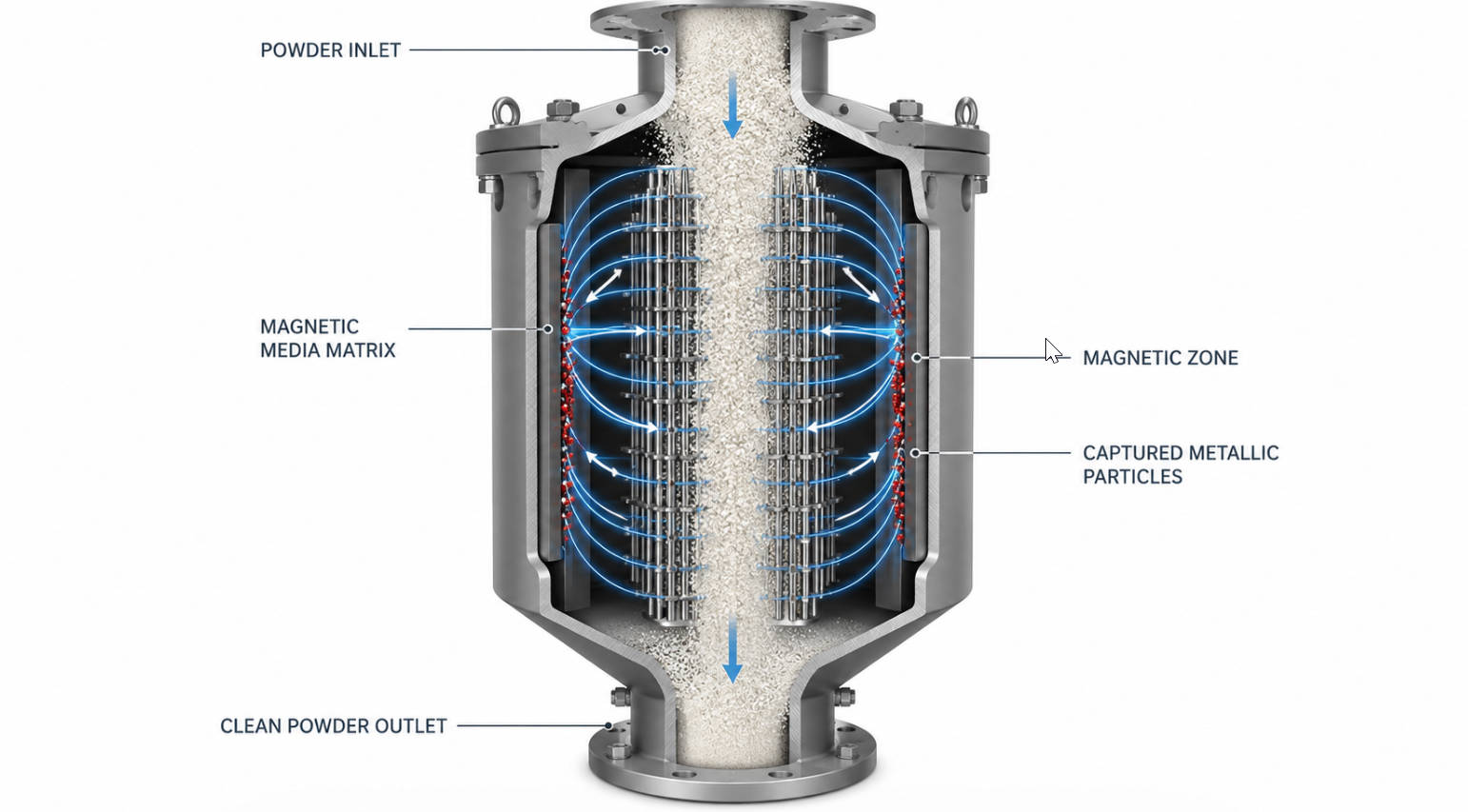
From an expert’s standpoint, what matters is not just the maximum Gauss value, but how efficiently your magnetic field interacts with the real material in your process: particle size, throughput, moisture, and installation position. [africanmagnets]
Core Applications: From Food to High‑Purity Powders
The original article you provided focuses mainly on food processing magnets, which is important but too narrow for today’s market. In practice, the most competitive suppliers now design systems that cover a full spectrum of industries. [futuremarketinsights]
Food and Beverage: Avoiding Recalls and Legal Risk
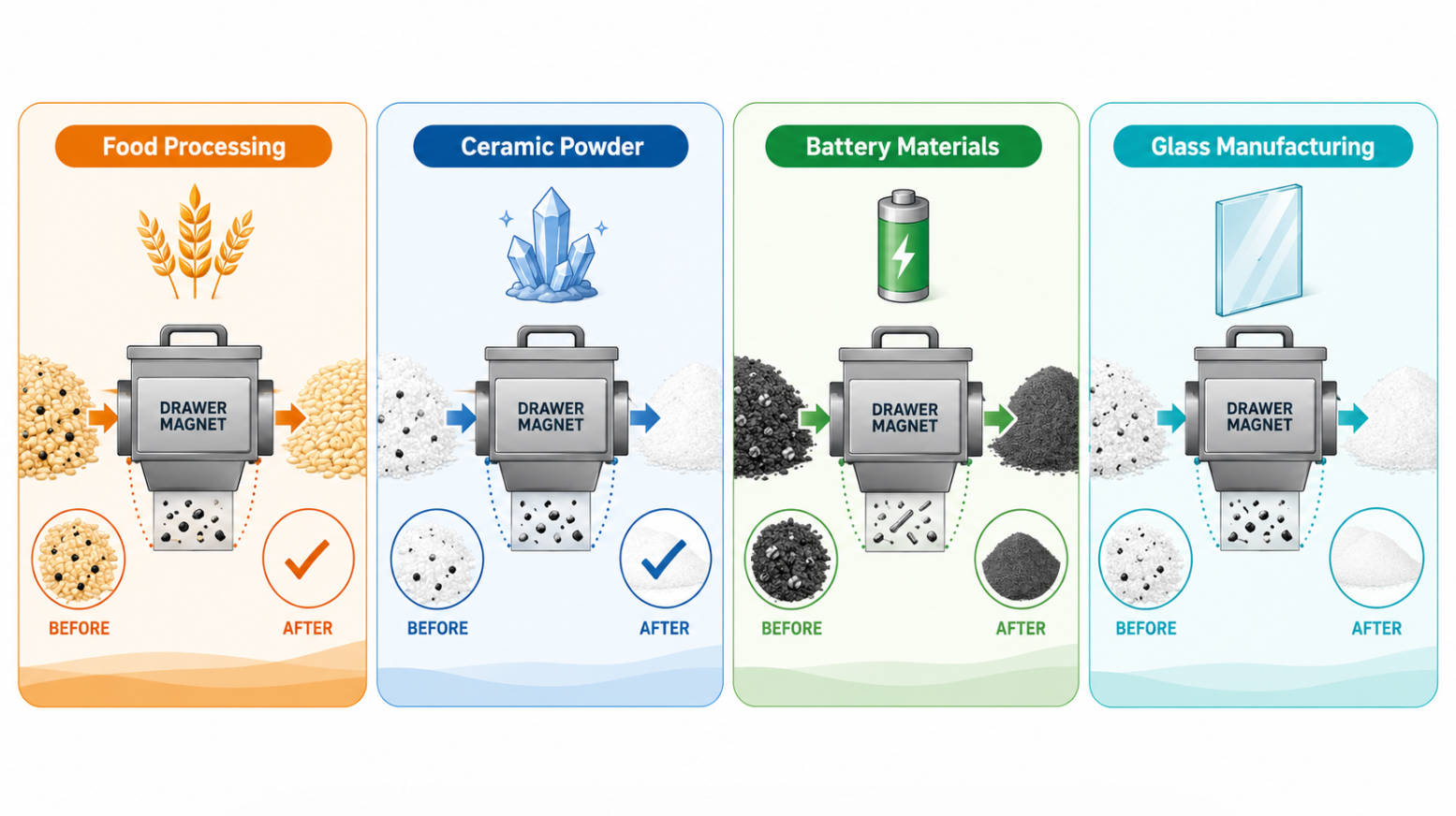
In food plants, magnetic separators are installed at critical control points to catch metal fragments before they reach consumers. Typical applications include: [powder-solutions]
– Raw material intake: grains, nuts and seeds often contain tramp iron from harvesting and transport; magnets remove this before milling or mixing. [finance.yahoo]
– Meat processing: grinding and forming equipment can generate metal shards that must be captured in products such as ground beef, sausages and nuggets. [finance.yahoo]
– Dairy and liquid products: magnetic liquid traps in pipelines prevent metal flakes from entering milk, yogurt and sauces. [powder-solutions]
– Snack foods: popcorn, chips and baked snacks pass over magnets or through drawer-type separators to intercept fine metallic particles. [finance.yahoo]
Regulators and brand owners are increasingly intolerant of physical contamination, so robust magnetic separation is now a key part of HACCP and FSMA compliance strategies. [powder-solutions]
Powder Industries: Quartz, Ceramics, Glass and More
In powder processing, the challenge is different: even a small amount of iron or titanium can destroy the value of a high‑end product. [fswandaye]
A modern powder magnetic separator is engineered to deliver:
– High magnetic field gradient, maximizing the capture of weakly magnetic contaminants in very fine powders. [linkedin]
– Large contact area between powder and magnetic media, improving capture probability at industrial flow rates. [fswandaye]
– Uniform field distribution to avoid “dead zones” where impurities slip through. [linkedin]
These features are especially critical when processing:
– Quartz and feldspar powders for high‑grade glass and ceramics. [fswandaye]
– Kaolin and other fine mineral powders used in high‑whiteness ceramics and coatings. [linkedin]
– Cathode/anode materials, graphite and specialty powders in the battery and electronics sectors, where metal contamination directly affects safety and cycle life. [fortunebusinessinsights]
Emerging Growth: New Energy and Battery Materials
Investment in battery materials has driven a new wave of demand for advanced magnetic separation. Manufacturers of lithium iron phosphate, NCM precursors, graphite and conductive additives all require extra‑low iron and magnetic impurity levels to meet global OEM standards. [wastedive]
Industry data show that:
– The global magnetic separator market is projected to grow at around 6–7% CAGR into the 2030s, driven in part by battery and recycling applications. [cognitivemarketresearch]
– In the United States, dry magnetic separators—often used in powder and bulk handling—are expected to account for over 65% of demand in 2026. [futuremarketinsights]
For an equipment manufacturer, this means that high‑gradient powder magnetic separators tailored to battery and new energy materials are no longer a niche product, but a mainstream growth engine. [fortunebusinessinsights]
Key Types of Magnetic Separators
The original article lists several separator types for food applications; below is a consolidated, more technical overview of the main designs and where they fit. [finance.yahoo]
Common Separator Types and Uses
| Separator type | Best for | Typical industries | Key benefits |
|---|---|---|---|
| Plate magnet | Bulk solids on chutes/conveyors | Food, plastics, grain | Simple, robust, easy retrofit finance.yahoo |
| Grate/drawer magnet | Free‑flowing powders, small granules | Food, powder & bulk, plastics | High capture efficiency for fine tramp metal finance.yahoo |
| Drum magnet | High‑volume continuous removal | Mining, recycling, grain | Handles large throughput, automatic discharge finance.yahoo |
| Magnetic pulley | Conveyor head‑pulley tramp removal | Recycling, aggregates, grain | Replaces standard pulley, minimal footprint finance.yahoo |
| In‑line magnet | Pneumatic/duct flow | Plastics, grain, powder & bulk | Minimal flow restriction, rare‑earth strength finance.yahoo |
| Magnetic liquid trap | Slurries, viscous liquids | Dairy, sauces, beverage | Hygienic design, CIP compatible finance.yahoo |
| Hump/wedge magnet | High‑velocity vertical chutes | Grain, powder handling | Flow redirection boosts separation finance.yahoo |
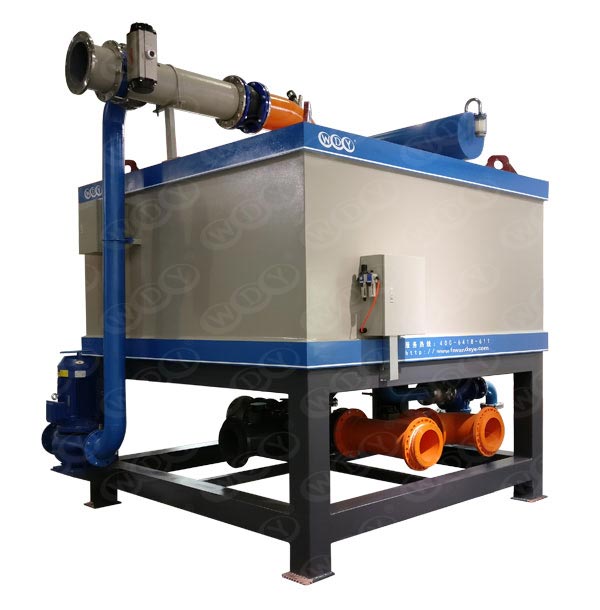
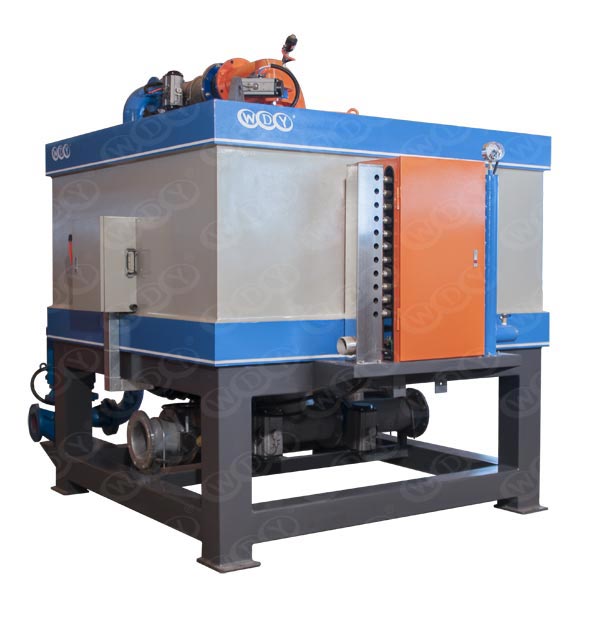
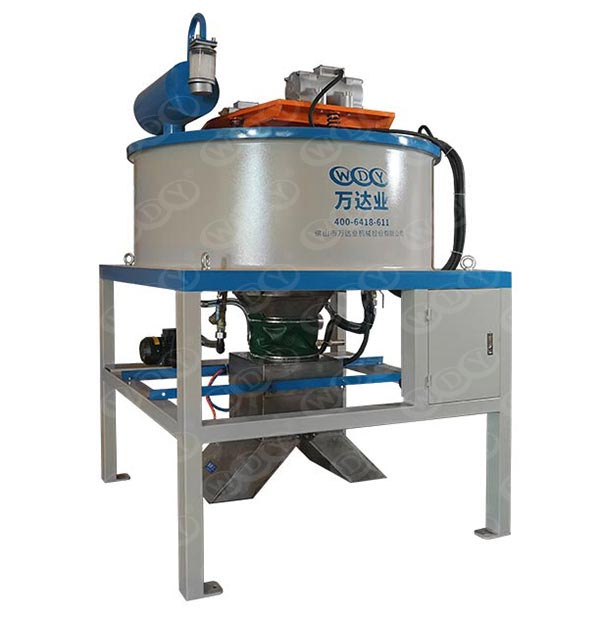
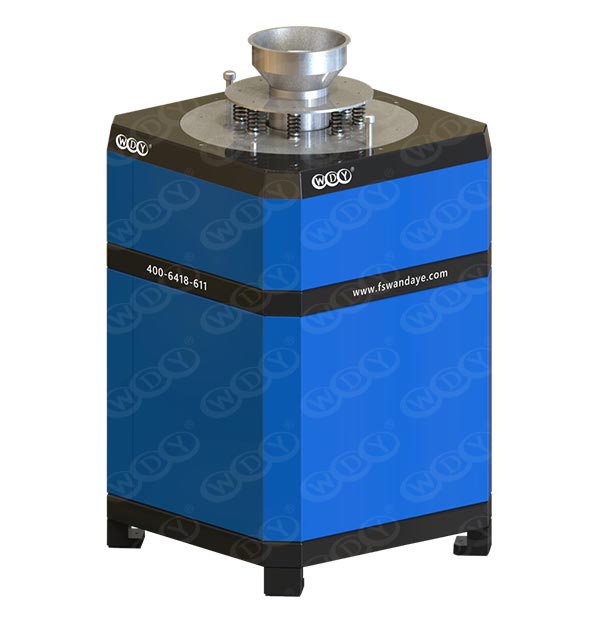
| High‑gradient powder separator | Fine mineral and functional powders | Ceramics, glass, battery, electronics | High gradient, adjustable field, ultra‑low impurities linkedin |
From an expert standpoint, the high‑gradient powder magnetic separator is the core technology that differentiates advanced powder processors from commodity producers. [fswandaye]
A typical high‑performance unit for powders offers:
– Adjustable background field up to about 0.7–0.8 T, allowing tuning for different materials. [linkedin]
– Oil‑cooled coils for stable performance under continuous duty. [linkedin]
– Integrated dispersion system to prevent powder agglomeration and ensure even exposure to the magnetic medium. [linkedin]
How Experts Select the Right Magnetic Separator
Many plants underperform because the separator was chosen as a catalog item instead of a process‑engineered solution. When I audit lines, I look at four dimensions before specifying equipment: [africanmagnets]
1. Material characteristics
– Particle size distribution (especially the fine fraction below 75 μm). [sciencedirect]
– Bulk density and flowability. [powder-solutions]
– Moisture content and temperature. [powder-solutions]
2. Impurity profile
– Type of contamination: tramp iron, stainless, scale, magnetic oxides. [africanmagnets]
– Initial concentration of contaminants. [africanmagnets]
– Target residual level based on product specs (e.g., ppm Fe, whiteness index, conductivity). [linkedin]
3. Process conditions
– Throughput (t/h) and operating hours per day. [linkedin]
– Whether the process is batch or continuous. [finance.yahoo]
– Available installation space, existing equipment interfaces. [linkedin]
4. Compliance and hygiene requirements
– Food‑grade sanitary design (weld quality, dead‑leg free, easy cleaning). [powder-solutions]
– ATEX or other explosion‑proof requirements for powders. [bakkermagnetics]
The outcome is often a combination of permanent magnet devices at bulk transfer points plus high‑gradient electromagnetic separators in critical quality stages, especially before packaging or final classification. [fswandaye]
Upgrading Powder Purity
Consider a quartz powder plant supplying raw material for high‑transparency glass and ceramic tiles. Before upgrading, they used only simple plate magnets on belt conveyors, and persistent iron contamination limited product grade. [fswandaye]
After process review and testing:
– A high‑gradient powder magnetic separator with ~0.7–0.8 T background field and a new magnetic medium was installed prior to final classification. [fswandaye]
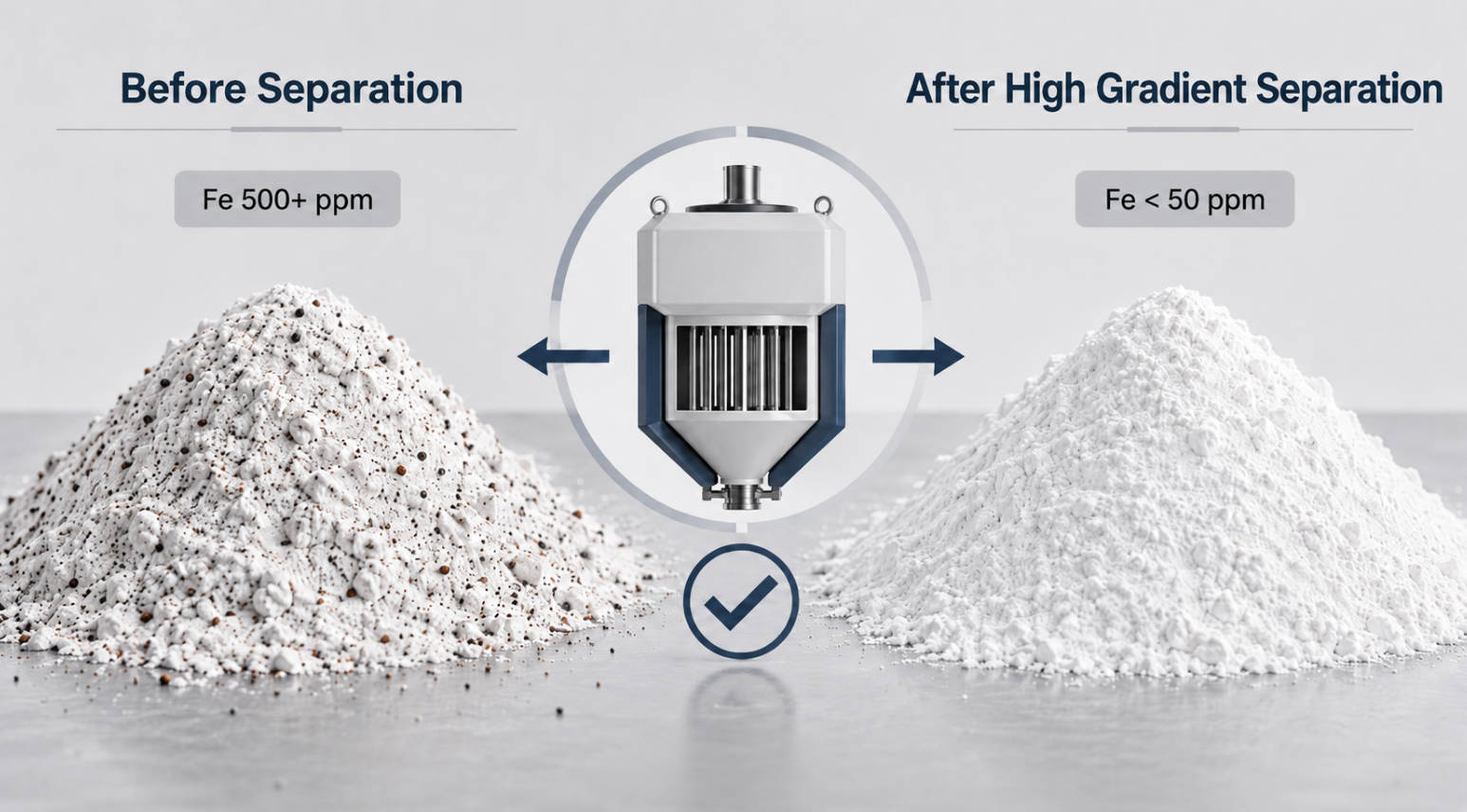
– The unit’s large contact area and uniform field significantly increased the capture of fine iron and titanium impurities. [fswandaye]
– As a result, average product whiteness improved and the plant was able to move part of its output into higher‑value glass and ceramic markets. [fortunebusinessinsights]
Similar upgrades are now common in lithium battery material lines, where a single high‑gradient separator can prevent costly scrap and protect high‑precision filling and coating equipment from metallic damage. [wastedive]
Benefits Beyond Contamination Control
Many users still view magnetic separation as purely a safety or quality gate. In practice, a modern system delivers broader operational benefits. [powder-solutions]
– Improved product consistency: Stable impurity levels reduce batch‑to‑batch variation, which is essential in ceramics and battery materials. [fswandaye]
– Higher equipment uptime: Removing metal extends the life of mills, classifiers, filters and spray dryers by preventing scoring, blockage and unplanned damage. [powder-solutions]
– Lower operating costs: Fewer recalls, less rework, and more efficient use of raw materials translate into better margins. [fortunebusinessinsights]
– Regulatory and customer compliance: Meeting strict buyer specifications and international food and safety standards safeguards market access. [finance.yahoo]
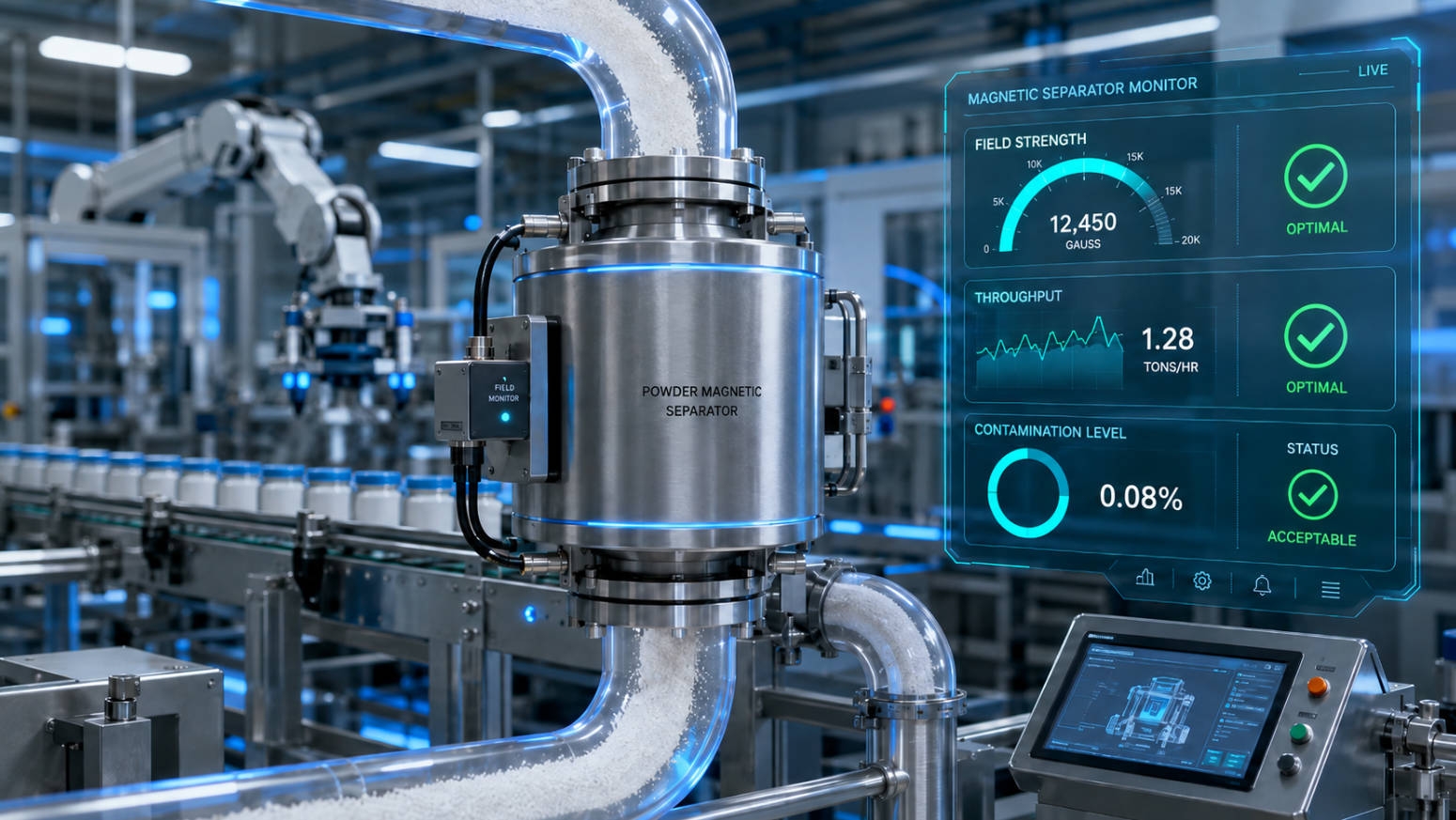
Forward‑looking plants also integrate sensors and digital monitoring into their separation systems, enabling predictive maintenance and better audit trails—trends already visible in next‑generation magnetic separation devices. [linkedin]
Practical Implementation: From Concept to Startup
For plant teams considering an upgrade, here is a simplified step‑by‑step approach that we typically follow on real projects: [africanmagnets]
1. Map the process and risk points
– Identify where raw materials enter, where mechanical damage is most likely, and where final product quality is defined.
2. Sample and test your material
– Analyze current contamination levels and particle size; often we perform pilot‑scale separation tests to size equipment correctly.
3. Select separator types and locations
– Combine tramp iron removal (plate, drum, pulley) with high‑gradient powder or liquid separators at critical control points.
4. Engineer integration and hygiene
– Design chutes, transitions and supports that maintain flow, minimize dead zones and comply with CIP or manual cleaning rules.
5. Commission, train, and optimize
– Verify field strength, checking for blind spots; train operators on inspection and cleaning; adjust settings based on early production data.
This structured approach helps ensure that magnetic separation is not treated as an afterthought, but as an engineered part of the process line. [africanmagnets]
Why Work With a Specialized Magnetic Separator Manufacturer
A manufacturer that integrates R&D, engineering design, production line installation, and commissioning can reduce project risk significantly. [fswandaye]
Key advantages include:
– Application‑specific design: Equipment optimized for powders such as quartz, feldspar, kaolin, graphite and positive/negative electrode materials, not just generic food use. [fswandaye]
– End‑to‑end service: From initial process audit to on‑site commissioning and operator training. [fswandaye]
– Continuous product updates: New magnetic media, higher field gradients and better dispersion systems as material requirements become more demanding. [bakkermagnetics]
For global buyers—from mining companies to ceramics plants and battery material producers—this combination of technical depth and project capability often matters more than simply buying a single machine. [futuremarketinsights]
Call to Action: Engineer Your Next‑Generation Separation Line
If you are struggling with metal contamination, inconsistent powder purity, or rising maintenance costs, it may be time to re‑engineer your magnetic separation strategy. [powder-solutions]
– Audit your current process and identify where magnetic separation is missing or underperforming.
– Benchmark your impurity levels against your customer’s latest specifications and market leaders.
– Engage a specialist team that can help you design and implement high‑gradient powder magnetic separators and permanent magnetic separators tailored to your materials and capacity.
A well‑designed magnetic separation system is not just a safety net—it is a competitive advantage that supports cleaner products, more reliable equipment, and sustainable growth in demanding markets such as ceramics, glass, food, plastics, pharmaceuticals and battery materials. [futuremarketinsights]
FAQs
1. How often should industrial magnetic separators be inspected and tested?
Most plants benefit from a structured inspection every three to six months, including cleaning, visual checks and field strength measurements compared to original specifications. Regular verification helps detect demagnetization, mechanical wear and hygiene issues before they impact product quality or safety. [buntingmagnetics]
2. Do permanent magnetic separators lose strength over time?
Correctly designed and operated industrial permanent separators typically maintain their strength for many years and do not significantly demagnetize under normal conditions. Serious loss of performance is usually linked to mechanical damage, extreme heat or corrosive environments, not to normal use. [buntingmagnetics]
3. What is the difference between wet and dry magnetic separators?
Wet separators are used for slurries and process liquids, where a rotating drum or matrix continuously captures and releases contaminants in a controlled flow. Dry separators handle powders and granular materials, using chutes, drums or high‑gradient chambers to treat material in air or minimal moisture conditions. [futuremarketinsights]
4. How do I know if I need a high‑gradient powder magnetic separator?
If your product is a fine powder used in high‑purity applications—such as quartz for glass, ceramic bodies, or battery cathode/anode materials—and you must meet strict impurity limits, a high‑gradient separator is often essential. Signs include recurring quality complaints related to metal content, difficulty reaching color/whiteness targets, and excessive equipment wear from micro‑metal contaminants. [fortunebusinessinsights]
5. Can magnetic separation fully replace metal detectors in food processing?
No. Magnetic separators and metal detectors perform complementary roles in a comprehensive foreign‑body control program. Magnets efficiently remove ferrous and weakly magnetic particles, while metal detectors are better at finding non‑magnetic metals like some stainless steels or aluminum in packaged products. [powder-solutions]
References
1. Great Magtech. “The Power of Magnetic Separation: Streamlining Your Production Process.”
[https://www.greatmagtech.com/info/the-power-of-magnetic-separation-streamlining-81969924.html]
2. Foshan Wandaye Technology Co., Ltd. “粉料高效磁选机系列–干粉干式除铁机 (High‑Efficiency Powder Magnetic Separator Series).”
[http://www.fswandaye.com/product/flgx/]
3. Foshan Wandaye Technology Co., Ltd. Official Website.
4. Future Market Insights. “United States Magnetic Separator Market.”
[https://www.futuremarketinsights.com/reports/united-states-magnetic-separator-market]
5. Fortune Business Insights. “Magnetic Separator Market Size, Share and Growth.”
[https://www.fortunebusinessinsights.com/magnetic-separator-market-109810]
6. Powders Solutions Group / Magnattack. “Achieving Efficient & Hygienic Magnetic Separation in Sensitive Dairy Powders.”
7. Bunting Magnetics. “Do Magnetic Separators Lose Strength Over Time? Myth vs Reality.”
8. African Magnets. “Magnetic Separation in the Oil and Gas Industry.”
[https://africanmagnets.com/magnetic-separation-in-the-oil-and-gas-industry/]
9. Bakker Magnetics. “How Magnetic Technology Will Continue to Evolve in 2026.”
[https://bakkermagnetics.com/general-news/how-magnetic-technology-will-continue-to-evolve-in-2026/]
10. Cognitive Market Research. “Magnetic Separation Devices Market Report.”
[https://www.cognitivemarketresearch.com/magnetic-separation-devices-market-report]
Hot Tags: Magnetic Separators, Electromagnet, Manufacturers, Customized, Custom, Suppliers, Buy, Cheap, Quality, Advanced, Durable, in Stock, Made in China, Price, Quotation