


Content Menu
● How to evaluate an electromagnetic iron remover supplier
● Why look at Brunei‑relevant suppliers instead of only local vendors
● Top electromagnetic iron remover manufacturers and suppliers for Brunei‑related projects
>> 1. Foshan Wandaye Technology Co., Ltd. (China)
>> 2. S.G. Frantz Co., Inc. (USA)
>> 3. Walker Magnetics (Industrial Magnetics Inc. brand, USA)
>> 4. Chinese large‑scale magnetic separator OEMs (e.g., Huate, Longi, SLon)
>> 5. Regional process‑equipment integrators (ASEAN)
● Snapshot comparison of key suppliers for Brunei‑type projects
● Buyer’s guide: how Brunei procurement managers should approach sourcing
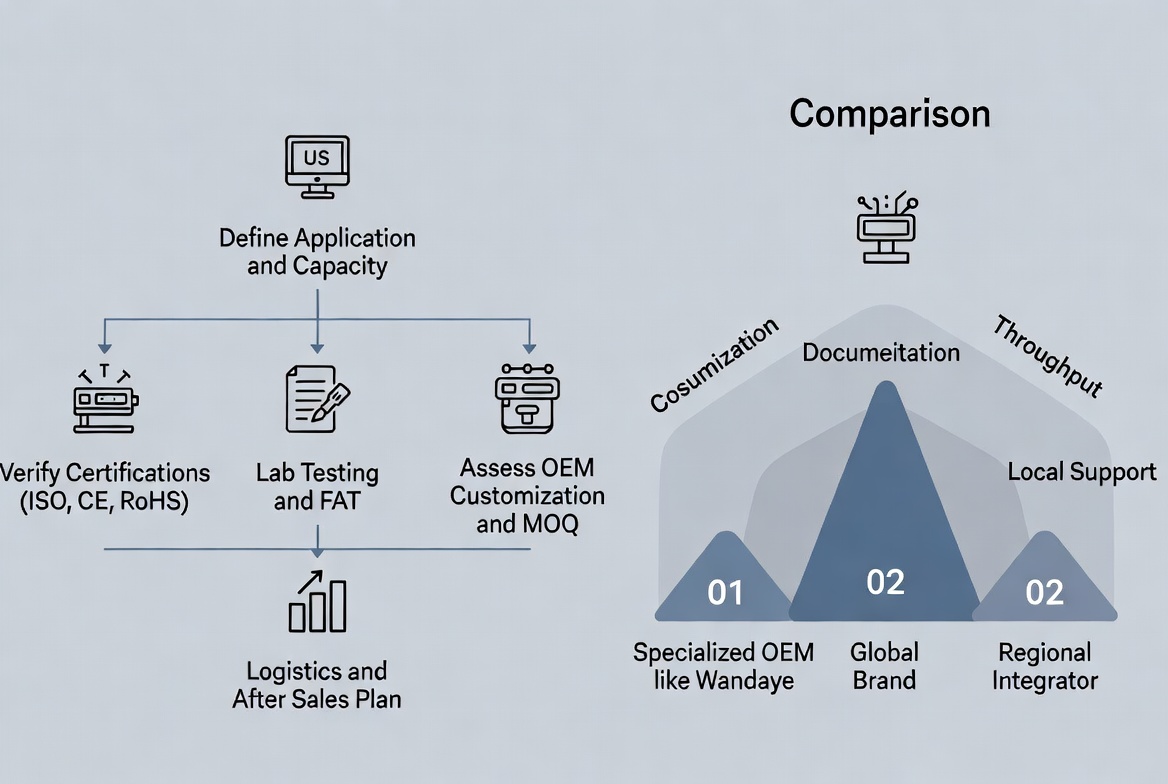
>> 1. Clarify application and performance targets
>> 2. Verify certifications and quality systems
>> 3. Sampling, FAT and performance validation
>> 4. Logistics and installation for Brunei
● Industry pitfalls and an “insider” risk rarely discussed online
● Market context and why timing matters for long‑term partnerships
● Conclusion and practical next steps
● FAQ: advanced questions real buyers ask
>> 1. How can I verify whether a supplier’s ISO certification is genuine and not expired?
>> 5. How can I compare lifecycle cost between different suppliers, not just purchase price?
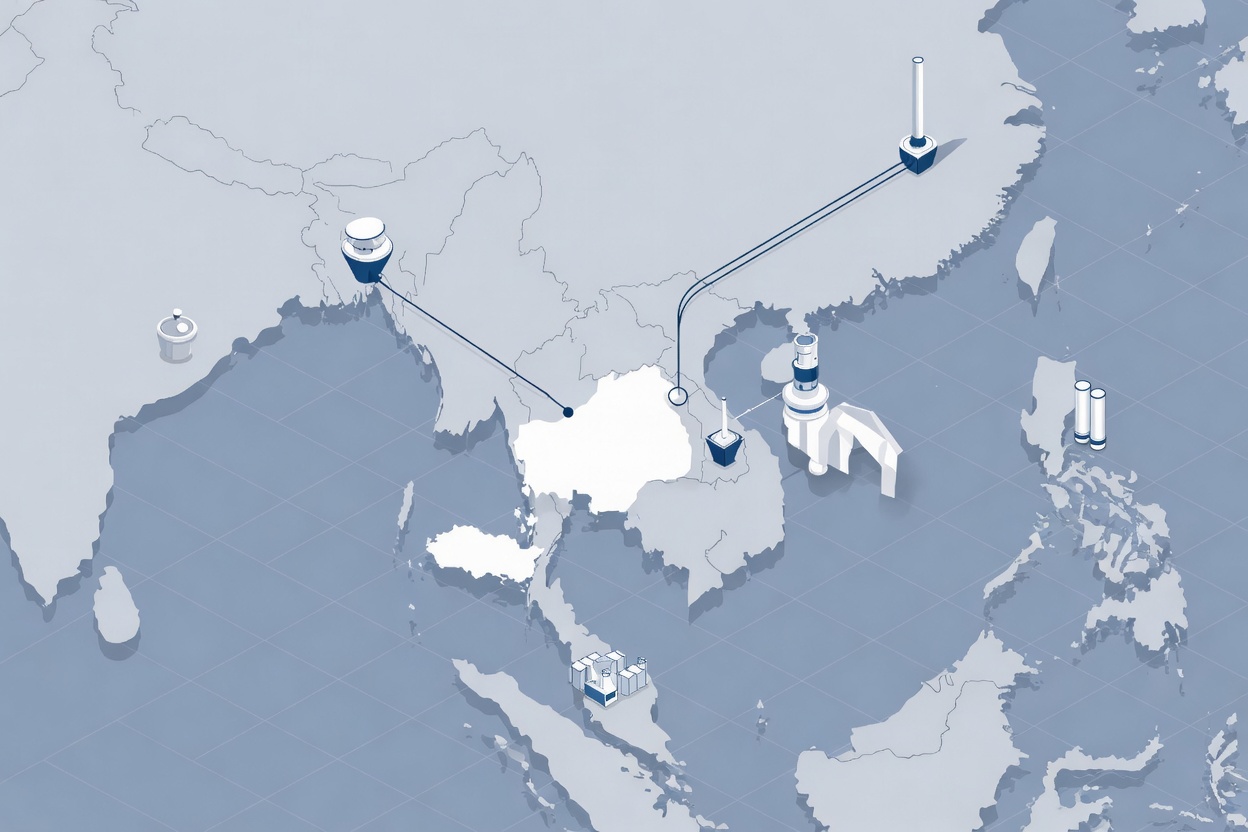
Electromagnetic iron removers are a niche but critical part of Brunei’s bulk material handling, mining-linked and process‑industry supply chains, and most high‑end equipment is still imported from specialized manufacturers in China, North America, Europe, and regional ASEAN integrators rather than made locally. For procurement managers in Brunei, the key is to combine global technology leaders with suppliers who understand small‑to‑mid scale projects, regional logistics, and long‑term after‑sales service. [wdymagnetic]
How to evaluate an electromagnetic iron remover supplier
When screening long‑term partners, experienced buyers usually benchmark four core dimensions: certification and compliance, R&D and engineering depth, quality control (QC) traceability, and delivery/after‑sales stability. [elitesalesinc]
– Certifications and compliance
– Check ISO 9001 for quality systems and, where relevant, ISO 14001/45001 for environment and safety. [blog.pacificcert]
– For export into regulated sectors (foods, pharma, battery materials), confirm CE, UKCA, and RoHS declarations and ask for the latest DoC (Declaration of Conformity) and test reports from accredited labs. [futuremarketinsights]
– R&D capability and engineering support
– Strong suppliers maintain in‑house labs for ore or slurry testing, and can propose tailored process flows for kaolin, quartz, ceramics, battery materials or recycling lines, rather than selling standalone machines. [wdymagnetic]
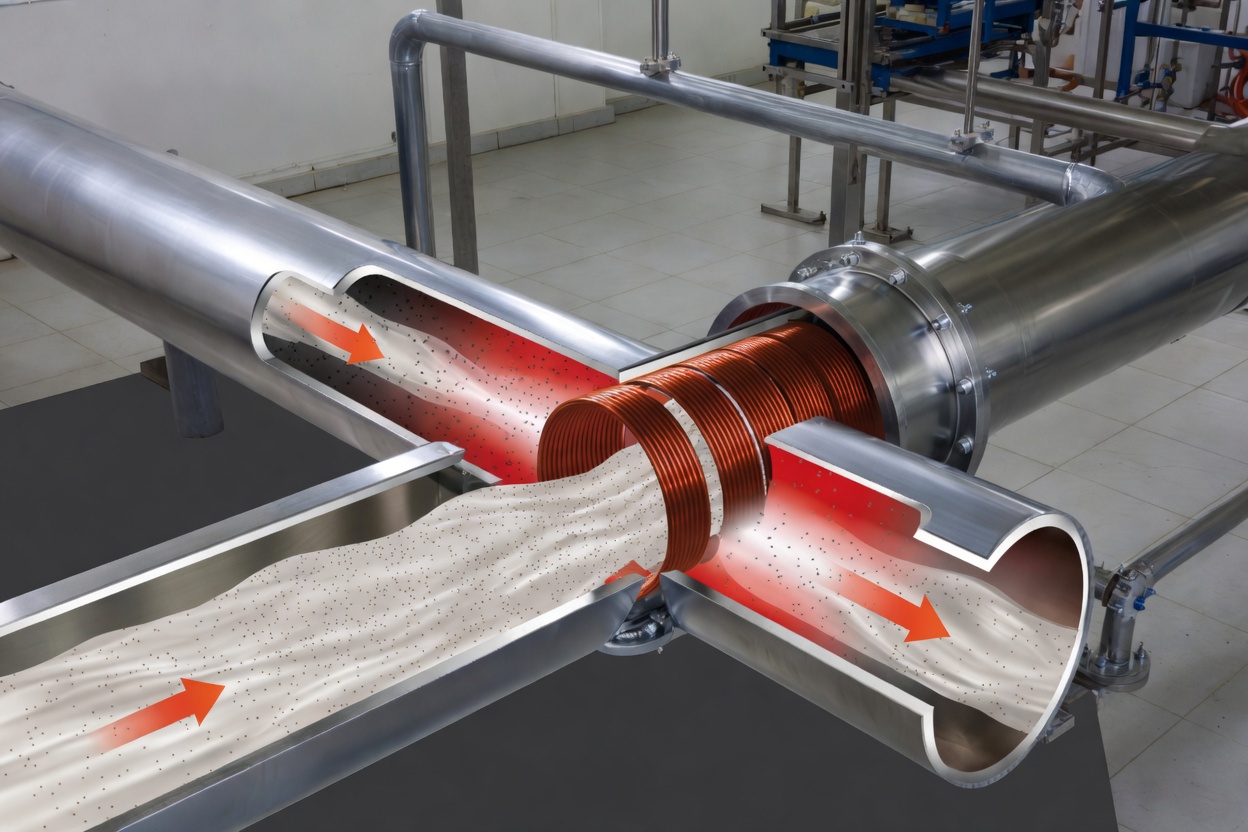
– Look for capability in high‑gradient electromagnetic designs, multi‑pole magnetic circuits, and optimized cooling (oil‑cooling, forced‑air) that support continuous duty in hot, humid climates typical of Southeast Asia. [wdymagnetic]
– QC process and traceability
– Mature factories run incoming material inspection, in‑process checks (coil resistance, insulation, temperature‑rise tests) and final test reports per unit. [wdymagnetic]
– Ask whether each iron remover ships with a unique serial number, test curve and inspection checklist that you can trace back later during audits or warranty claims. [wdymagnetic]
– Delivery reliability and lifecycle support
– Short lead times are only valuable if backed by consistent component sourcing (copper, steel, insulation materials) and documented preventive‑maintenance plans. [wdymagnetic]
– For Brunei projects, prioritize suppliers used to export EPC packages—equipment plus startup support—and who can coordinate with local installers or regional service partners. [openpr]
Why look at Brunei‑relevant suppliers instead of only local vendors
Brunei’s domestic industrial base is relatively small, so most electromagnetic iron removers are imported via regional distributors, engineering contractors or direct procurement from foreign OEMs. However, focusing on “Brunei‑relevant” suppliers—manufacturers that have proven experience with small‑to‑mid‑scale plants in Southeast Asia—brings several advantages. [futuremarketinsights]
– Better fit for project scale
– Many global OEMs are optimized for very large mining or steel projects, while Brunei often runs compact ceramics, glass, food‑processing, and environmental lines; suppliers accustomed to this scale can configure smaller, energy‑efficient models and more flexible MOQs. [wdymagnetic]
– Experience with local operating conditions
– High humidity, potential salt exposure near coastal facilities, and limited local maintenance resources require robust sealing, corrosion‑resistant materials, and simple routine‑maintenance procedures. [wdymagnetic]
– Integrated solutions instead of single machines
– For buyers without in‑house process engineers, vendors who provide complete magnetic separation sections (from raw material intake to final product) reduce integration risk and commissioning delays. [wdymagnetic]
Top electromagnetic iron remover manufacturers and suppliers for Brunei‑related projects
> Note: These companies are listed to help Brunei‑based buyers identify realistic partners; most manufacture outside Brunei but support the Brunei market through direct export, regional partners or EPC contractors. [openpr]
1. Foshan Wandaye Technology Co., Ltd. (China)
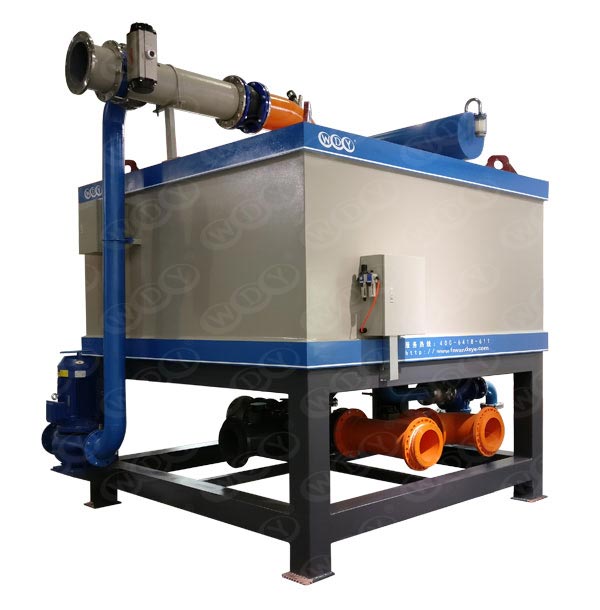
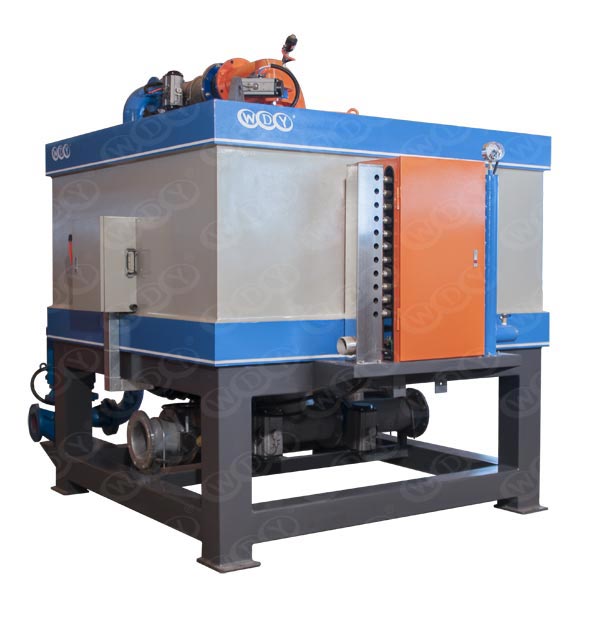
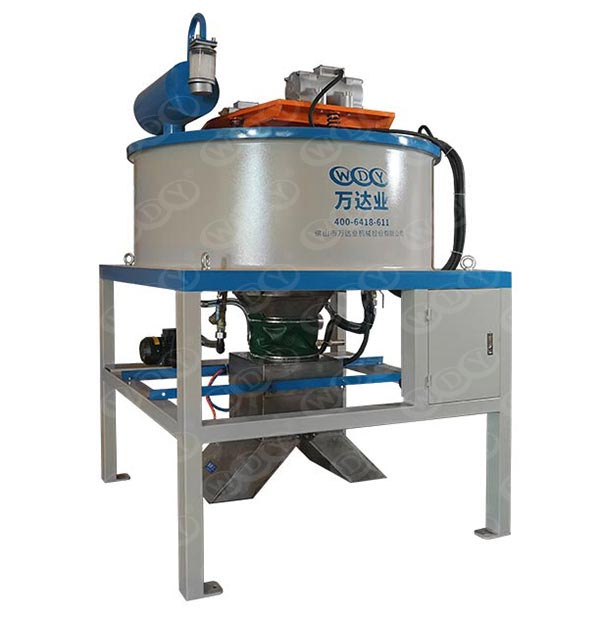
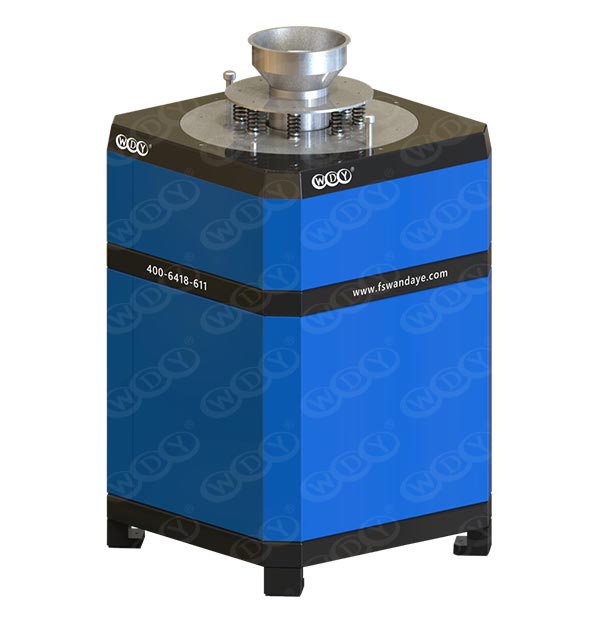
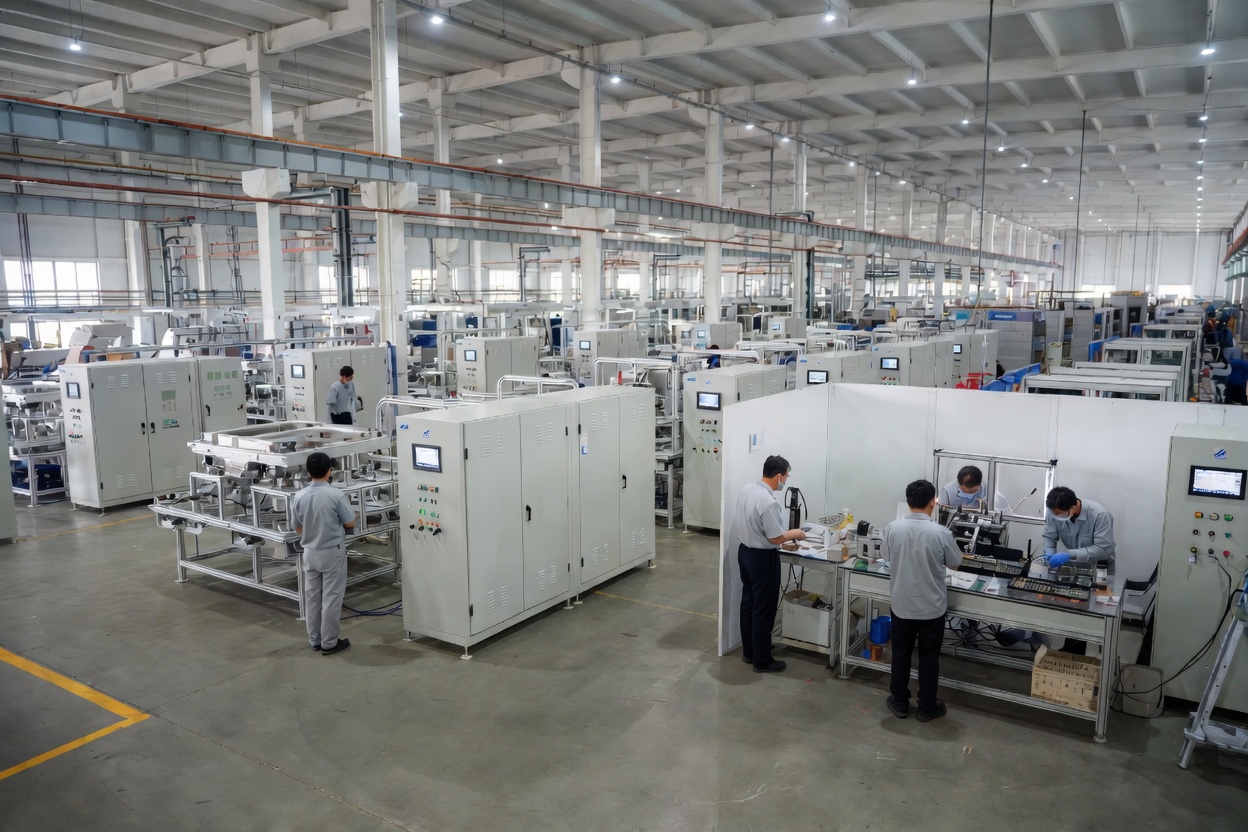
Foshan Wandaye Technology is a specialized magnetic separation and iron‑removal equipment manufacturer that integrates R&D, engineering design, production‑line installation and commissioning services. Its core portfolio covers high‑gradient electromagnetic slurry separators, electromagnetic powder separators, permanent magnetic units, vertical ring machines, magnetic plates, iron‑removal cabinets and magnetic rods, widely used in mining, ceramics, glass, power, environmental protection, rubber, plastics, pharmaceuticals, food and battery materials. [wdymagnetic]
– Why it fits Brunei‑type projects
– Wandaye is particularly strong in fine iron removal for non‑metallic minerals, ceramic bodies/glazes and battery material slurries, which aligns with Brunei’s downstream processing and construction‑related demand. [wdymagnetic]
– The company provides whole‑process solutions—from mineral testing and process design to equipment matching, installation and commissioning—making it a practical choice for buyers who lack in‑house process engineers. [wdymagnetic]
– R&D, QC and certifications
– Wandaye operates dedicated labs for ore chemical analysis and physical property testing, plus pilot‑scale non‑metallic mineral and ceramic processing lines to validate iron‑removal performance before full‑scale implementation. [wdymagnetic]
– The company focuses on energy‑saving, environmentally friendly and smart solutions; some newer designs target around 25% energy savings through optimized magnetic circuits and control systems. [wdymagnetic]
– OEM/ODM and buyer profile
– Wandaye has extensive OEM/ODM experience, often acting as the technical backbone behind branded process lines supplied by EPC contractors and regional integrators. [wdymagnetic]
– For Brunei and similar markets, it positions itself as a high‑value vendor for small and medium‑sized brands and factories that need flexible customization, fast communication and support for phased capacity expansions. [wdymagnetic]
2. S.G. Frantz Co., Inc. (USA)
S.G. Frantz is a long‑established American manufacturer known for laboratory and industrial electromagnetic separators, particularly used in minerals research, high‑purity materials and demanding process environments. Its equipment is recognized in markets where fine, weakly magnetic contaminants must be removed to very low levels. [wdymagnetic]
– Technical focus
– Frantz’s electromagnetic separators and related equipment deliver stable magnetic fields suitable for laboratory analysis and high‑end industrial lines, making them a reference standard in certain material science and mineral separation applications. [wdymagnetic]
– Relevance to Brunei buyers
– While not the cheapest source, Frantz is often used when Brunei or regional clients need benchmark testing in labs or require high‑purity performance in small‑scale specialty lines (e.g., advanced materials, R&D projects). [wdymagnetic]
3. Walker Magnetics (Industrial Magnetics Inc. brand, USA)
Walker Magnetics, now part of Industrial Magnetics Inc., provides a broad portfolio of permanent, electromagnetic and electro‑permanent lifting and separation solutions. Its magnetic separation line covers conveyors, drums and suspended electromagnets for tramp‑iron removal in bulk materials handling. [magnetics]
– Capabilities
– Walker’s industrial electromagnets are used in scrap handling, foundries, steel mills and bulk material plants, emphasizing durability and safety. [magnetics]
– Fit for Brunei projects
– For oil‑and‑gas‑linked logistics yards, steel handling or scrap operations in Brunei, Walker‑branded systems accessed via regional integrators can provide proven durability combined with strong documentation and safety engineering. [magnetics]
4. Chinese large‑scale magnetic separator OEMs (e.g., Huate, Longi, SLon)
Several major Chinese magnetic separator groups—Huate Magnet, Longi Magnet, SLon and others—dominate global demand for large‑scale mining and mineral processing separators, including electromagnets. They typically offer wide product ranges from drum separators to high‑intensity electromagnetic systems for iron ore beneficiation, coal preparation and large cement plants. [openpr]
– Strengths
– Deep references in mining and heavy industry; strong engineering teams; very broad model ranges for high‑throughput lines. [openpr]
– Considerations for Brunei
– These suppliers are ideal for large mining or cement projects but may have higher MOQs and longer decision cycles; for smaller Brunei plants, buyers often access their equipment via EPC contractors rather than direct procurement. [openpr]
5. Regional process‑equipment integrators (ASEAN)
Brunei buyers frequently work with regional integrators based in Malaysia, Singapore or Indonesia that assemble process lines for ceramics, water treatment, glass and waste‑recycling, embedding imported electromagnetic iron removers from China, Europe or North America. [atlasfiltri]
– Role in the value chain
– These integrators handle plant‑wide engineering, PLC integration, structural design and local installation, then source iron‑removal units from specialized OEMs like Wandaye, Walker or others. [openpr]
– Why they matter
– For buyers without in‑house engineering, integrators are often the de‑facto supplier, bundling multiple brands, managing logistics and coordinating after‑sales service. [openpr]
Snapshot comparison of key suppliers for Brunei‑type projects
| Supplier / Type | Typical capacity range (t/h, selected models) | Typical MOQ tendency | Key certifications / documentation | Best suited project types |
|---|---|---|---|---|
| Foshan Wandaye Technology (China) | Approx. 4–7 t/h for high‑gradient slurry units; broader range across powder and belt‑type separators. wdymagnetic | Flexible; often supports small and phased projects for SMEs and regional EPCs. wdymagnetic | ISO‑based quality system; able to provide CE/RoHS documentation where required via test reports and DoC. futuremarketinsights | Non‑metallic mineral processing, ceramics, glass, battery materials, food‑grade and environmental lines needing fine iron removal and OEM customization. wdymagnetic |
| S.G. Frantz Co., Inc. (USA) | Laboratory‑scale up to modest industrial capacities, focused on precision rather than bulk throughput. wdymagnetic | Higher unit price; more oriented to specialized or R&D orders than high‑volume procurement. wdymagnetic | Strong documentation for research and high‑purity sectors, supporting international lab standards. wdymagnetic | Laboratory testing, specialty materials, pilot lines where separation performance must be characterized precisely. wdymagnetic |
| Walker Magnetics (IMI brand, USA) | From low to very high throughput for tramp‑iron removal in bulk materials handling. magnetics | Standard industrial MOQs via distributors; usually comfortable with single‑line projects. magnetics | ISO‑aligned manufacturing; detailed safety and performance documentation for lifting and separation equipment. magnetics | Steel and scrap handling, bulk conveyors in cement and aggregates, logistics yards linked to Brunei’s energy and construction sectors. magnetics |
| Chinese large OEMs (Huate, Longi, SLon) | High‑throughput mine and plant‑scale capacities, from hundreds of t/h upwards depending on model. openpr | Often oriented toward large contracts; MOQs and project size expectations can be high. openpr | Comprehensive certifications for global mining/export markets; broad reference lists. openpr | Large mining, coal, cement, and major industrial projects possibly linked to regional hubs supplying Brunei. openpr |
| ASEAN regional integrators | Depends on embedded OEM equipment; can design from low to high throughput lines. wdymagnetic | Very flexible; often assemble one‑off plants and tailor BOM to project budget. wdymagnetic | Integrate equipment with CE/ISO documentation from upstream OEMs; add local commissioning records. wdymagnetic | Turnkey plants in ceramics, water treatment, recycling and building materials serving Brunei via regional engineering hubs. wdymagnetic |
Buyer’s guide: how Brunei procurement managers should approach sourcing
1. Clarify application and performance targets
Start by defining what you want the electromagnetic iron remover to do in your process. For example, ceramic and glass plants will emphasize fine iron removal from slurries to avoid specks and color defects, while bulk handling lines in construction or recycling may focus on tramp‑iron removal to protect crushers and mills. [futuremarketinsights]
Key parameters to specify early:
– Material form and viscosity (powder, granules, slurry, high‑solids slurries)
– Throughput (t/h) and operating hours per day
– Temperature, pH, and corrosive elements (especially for coastal facilities)
– Target residual iron content (ppm) and maximum allowable particle size
Sharing this data allows OEMs like Wandaye or regional integrators to choose between high‑gradient slurry units, suspended belt‑type electromagnets, or vertical‑ring designs. [wdymagnetic]
2. Verify certifications and quality systems
To confirm that certifications are real and current:
– Ask for scanned copies of ISO 9001 (and any ISO 14001/45001, ISO/IEC 17025 where relevant) and note the certificate number, issuing body and validity dates. [blog.pacificcert]
– Cross‑check the certificate with the issuing body’s public database where possible, or email the certification body for confirmation if the database is not public. [elitesalesinc]
– For CE and RoHS, request the Declaration of Conformity and any associated test reports, ensuring they refer to the specific product series or model you intend to purchase. [blog.pacificcert]
3. Sampling, FAT and performance validation
A robust procurement process for Brunei projects often includes:
– Lab or pilot tests
– Send representative material samples (e.g., quartz sand, kaolin slurry, glass batch) to the supplier’s test center; vendors like Wandaye maintain labs and pilot lines for exactly this purpose. [wdymagnetic]
– Factory Acceptance Test (FAT)
– Before shipment, ask for a FAT protocol including: no‑load tests, magnet energizing tests, temperature‑rise measurements, insulation resistance, and functional checks of cleaning mechanisms. [wdymagnetic]
– Documentation package
– Require test reports, wiring diagrams, exploded parts lists, recommended spare parts and a maintenance schedule as part of the commercial terms. [wdymagnetic]
4. Logistics and installation for Brunei
Because Brunei relies heavily on imported equipment, logistics planning is part of risk management.
– Shipping and packaging
– Ensure electromagnets are shipped with proper coil protection, moisture‑proof packaging, and rust‑preventive treatments on machined surfaces. [openpr]
– On‑site installation
– Clarify whether the supplier provides remote guidance only, cooperates with a regional partner for on‑site work, or sends its own technicians; this can significantly affect total cost and risk. [openpr]
– Spare parts and downtime
– For coils, sensors, control boards and bearings, agree on a recommended spare‑parts kit and stocking location (Brunei site vs. regional hub) to keep downtime under control. [wdymagnetic]
Industry pitfalls and an “insider” risk rarely discussed online
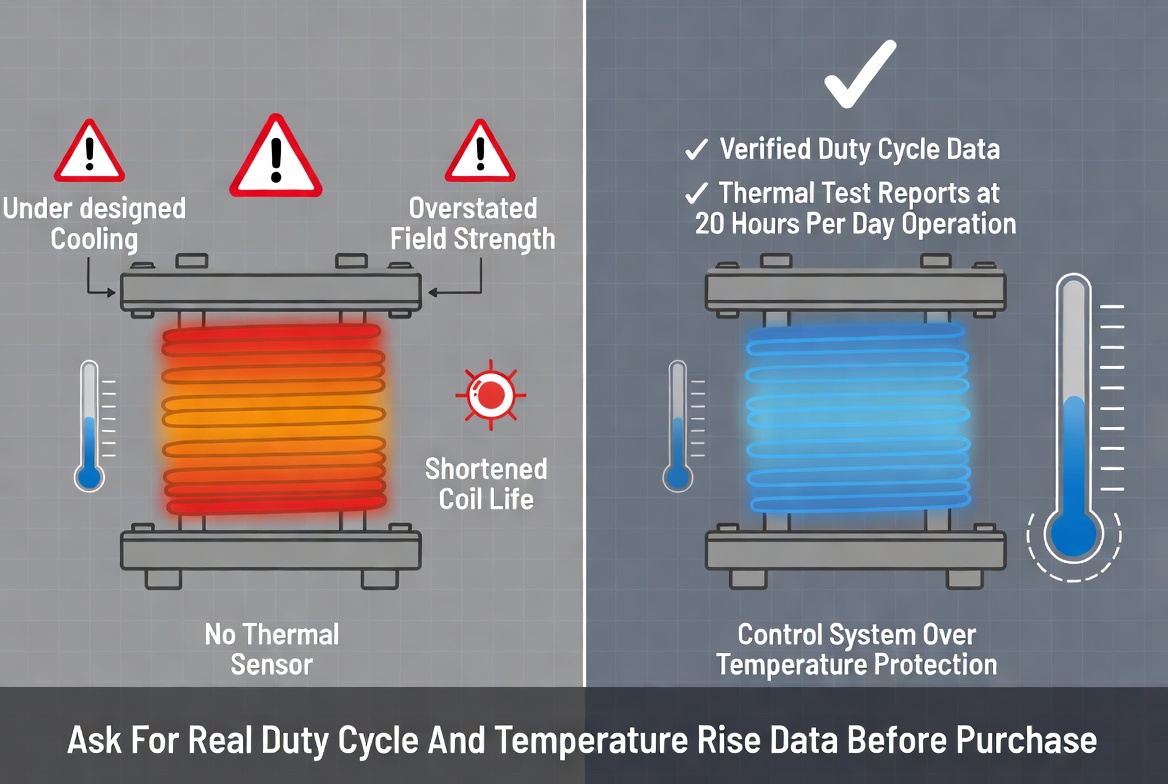
Common issues when buying electromagnetic iron removers include under‑specifying magnetic field strength, choosing the wrong configuration (e.g., permanent magnet where electromagnet is more appropriate), and overlooking maintenance access, all of which lead to poor separation efficiency and unexpected downtime. Substitution of lower‑grade materials—for example, using cheaper insulation or copper with non‑standard purity—can increase hot‑spot temperatures, shorten coil life and reduce effective field strength over time. [futuremarketinsights]
An “insider” pitfall that many experienced buyers know but rarely publish is the problem of un‑declared derating of duty cycles. Some low‑cost suppliers design coils and cooling systems assuming significantly lower continuous‑duty factors than real‑life operation, then quote attractive field strengths that can only be achieved intermittently without overheating. [wdymagnetic]
To avoid this:
– Demand thermal calculations or test data showing temperature‑rise at your expected duty cycle (e.g., continuous 20‑hour/day operation) and ambient temperature range. [wdymagnetic]
– Ask for coil temperature‑sensor integration and interlocks in the control system to protect against over‑temperature operation. [wdymagnetic]
– Include clear maximum operating temperature and duty‑cycle requirements in the technical specification and purchase contract so you have recourse if performance drops under realistic conditions. [wdymagnetic]
Market context and why timing matters for long‑term partnerships
The global market for magnetic separator equipment, including electromagnetic iron removers, is projected to grow steadily, with recent analyses suggesting expansion from around USD 1.3 billion in 2026 to about USD 2.1 billion by 2036 at a CAGR of roughly 4.9%, driven by mining, recycling, and higher quality requirements in food and pharma. Exports of magnets and electromagnets overall reached about USD 11.3 billion in 2023, up more than 30% from 2019 despite a short‑term dip from 2022 levels. [tendata]
For Brunei buyers, this means:
– More vendors will compete for global projects, but capacity constraints and component price fluctuations can still cause lead‑time volatility; partnering early with stable suppliers helps secure capacity. [tendata]
– Regulatory pressure on contamination and Environmental, Social and Governance (ESG) metrics is increasing worldwide, raising the bar on traceability and eco‑design; suppliers with structured R&D and documented energy‑saving features will remain more future‑proof. [futuremarketinsights]
Conclusion and practical next steps
For Brunei procurement managers, the most reliable path is to shortlist a mix of specialized OEMs (such as Foshan Wandaye Technology for fine separation and tailored lines) and reputable global brands, then work through regional integrators or direct contracts depending on project size and in‑house engineering capability. By investing time upfront in application definition, certification verification, realistic duty‑cycle specifications and structured sampling/FAT programs, you significantly reduce the risk of underperforming equipment and unplanned downtime across the equipment’s life. [magnetics]
FAQ: advanced questions real buyers ask
1. How can I verify whether a supplier’s ISO certification is genuine and not expired?
– Request a copy of the ISO certificate (e.g., ISO 9001) and check the certificate number, issue date and expiry date. Then, visit the certification body’s website or database to confirm its validity, or contact the body directly by email with the certificate number for confirmation. [elitesalesinc]
2. What testing should I request for an electromagnetic iron remover intended for food‑grade or pharma‑grade applications?
– In addition to standard electrical and functional tests, ask for surface finish documentation, material certificates for product‑contact parts, and evidence that design and materials meet relevant hygiene and contamination‑control standards, backed by CE and, where applicable, RoHS declarations. [blog.pacificcert]
3. How do I specify electromagnetic iron removers for high‑temperature, humid environments like Brunei?
– Define maximum material and ambient temperatures, humidity levels and any corrosive agents, then request designs with suitable insulation classes, cooling systems (oil‑cooling or forced‑air), corrosion‑resistant housings and adequate IP ratings for electrical components. [wdymagnetic]
4. When should I choose a high‑gradient electromagnetic slurry separator instead of a belt‑type suspended electromagnetic separator?
– Choose high‑gradient slurry units when you need to remove very fine, weakly magnetic contaminants from slurries (e.g., kaolin, ceramic glazes, battery slurries) at relatively high capture efficiency, while belt‑type units are better for removing larger tramp iron from dry or moderately moist bulk materials on conveyors. [futuremarketinsights]
5. How can I compare lifecycle cost between different suppliers, not just purchase price?
– Request data on power consumption at operating field strength, recommended maintenance intervals, typical coil life, and historical MTBF (mean time between failures), then incorporate energy costs, planned downtime and spare‑parts consumption into a total‑cost‑of‑ownership model over 5–10 years. [futuremarketinsights]
References
1. – [Magnetic Separator Market – Global Industry Analysis and Forecast] [futuremarketinsights]
2. – [Magnetic Separator Equipment: A USD 1.26 Billion Market] [openpr]
3. – [Top Magnet & Electromagnet Exports in 2023] [tendata]
4. – [Foshan Wandaye Technology – Top Electromagnetic Iron Remover Manufacturers in China] [wdymagnetic]
5. – [Top Iron Removal Equipment Manufacturers and Suppliers in Brunei] [wdymagnetic]
6. – [Top Electromagnetic Iron Remover Manufacturers and Suppliers in Kazakhstan] [wdymagnetic]
7. – [Walker Magnetics – Industrial Magnetics Inc.] [magnetics]
8. – [Is Your Industrial Hardware Supplier ISO 9001 Certified?] [elitesalesinc]
9. – [ISO Certifications for Measurement and Scientific Equipment Manufacturing] [blog.pacificcert]
Hot Tags: Electromagnetic Iron Remover, Manufacturers, Customized, Custom, Suppliers, Buy, Cheap, Quality, Advanced, Durable, in Stock, Made in China, Price, Quotation