


Content Menu
● What Is Magnetic Separation?
● Why Industries Depend on Magnetic Separation
● How a Magnetic Separator Works in Practice
● Key Advantages of Magnetic Separation
● Typical Applications of Magnetic Separation
>> Magnetic Separation in Mining and Mineral Processing
>> Ceramic and Glass Manufacturing
>> Pharmaceutical and Chemical Industries
>> Food, Plastics and Recycling
● Why Choose Foshan Wandaye Magnetic Separator Solutions
● FAQ
>> Q1: What is a magnetic separator and how does it work?
>> Q2: Where is magnetic separation used in industry?
>> Q3: What are the main types of magnetic separator?
>> Q4: How do I choose the right magnetic separator for my process?
>> Q5: What maintenance does a magnetic separator require?
Foshan Wandaye Technology Co., Ltd. is a specialized manufacturer focusing on the R&D and production of magnetic separator and iron removal equipment for mining, ceramics, pharmaceutical and many other industrial applications.
Foshan Wandaye Technology Co., Ltd. designs complete magnetic separator systems that help global users improve product purity, protect downstream machines and recover valuable resources with stable, reliable performance.
Magnetic separation is a physical process that uses magnetic force to remove or recover ferromagnetic and paramagnetic particles from bulk materials, slurries and process flows.
A modern magnetic separator has become a core unit operation because it provides fast, efficient and clean separation without chemicals, large water consumption or high operating cost.
What Is Magnetic Separation?
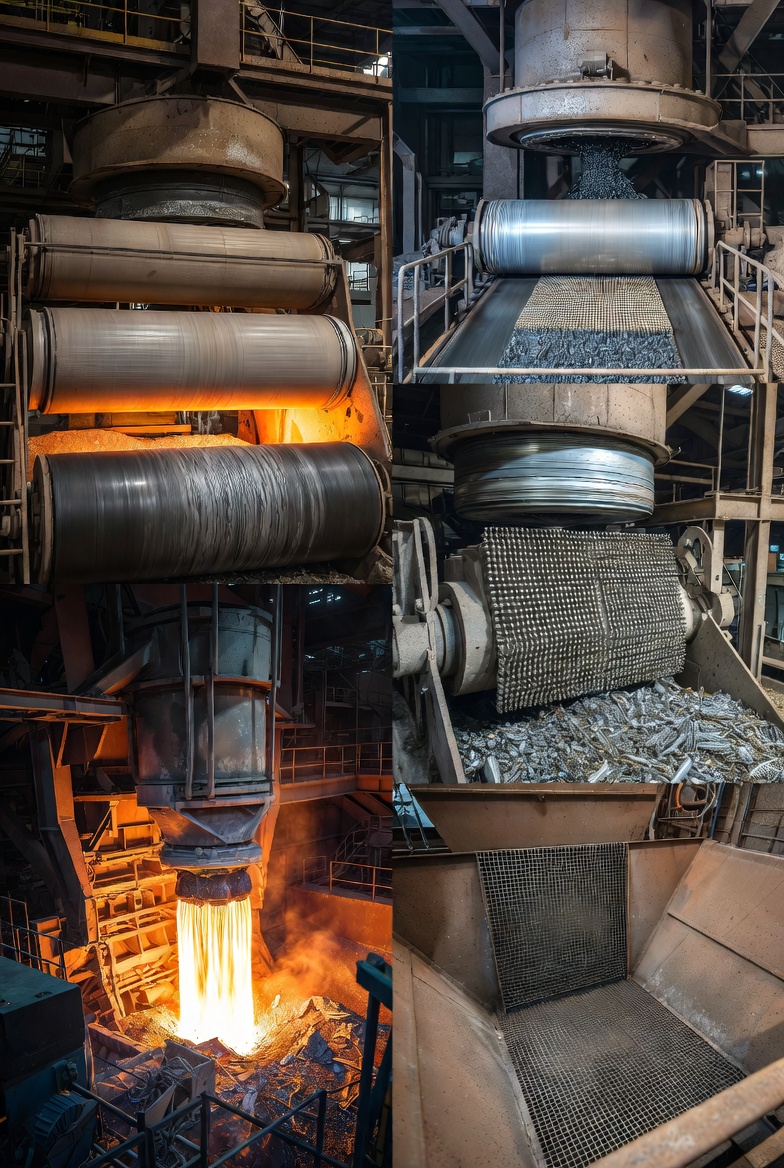
Magnetic separation means exposing a mixture of materials to a controlled magnetic field so that magnetic particles are attracted and non‑magnetic particles are left behind.
In a typical magnetic separator, material passes over a magnetic drum, through a magnetic grid, under an overband magnet or around a high‑gradient matrix where magnetic particles are captured and removed from the flow.
In physics terms, ferromagnetic and paramagnetic particles experience a magnetic force that moves them away from their original path, while non‑magnetic and diamagnetic particles are hardly affected.
By carefully designing magnetic field strength, field gradient and the mechanical structure of the magnetic separator, manufacturers can selectively separate weakly magnetic minerals or tiny steel fragments that other processes cannot remove.
Magnetic separation can be applied to both dry materials and wet slurries, which makes the magnetic separator highly versatile in different industrial environments.
Because the magnetic force acts directly on metal or mineral particles, the magnetic separator often achieves separation results that are difficult for sieving, gravity separation or filtration alone.
Why Industries Depend on Magnetic Separation
Industrial plants use magnetic separation because it solves three core problems at the same time: product contamination, equipment damage and resource loss.
A properly selected magnetic separator removes tramp iron, scale, stainless fragments and weakly magnetic minerals that would otherwise reduce product quality or cause serious breakdowns in crushers, mills, extruders and packaging lines.
Across mining, ceramics, pharmaceuticals, food, chemicals, plastics and recycling, the same pattern appears: a magnetic separator is often the first and last line of defense in the process.
It protects upstream and downstream equipment, maintains regulatory compliance for metal contamination limits, and recovers ferrous metals or magnetic minerals that still have commercial value.
Because a magnetic separator can operate continuously with low manual intervention, it supports high‑throughput production lines that need stable, round‑the‑clock performance.
Many plants combine several magnetic separator units in series or parallel to handle different particle sizes and contamination levels at various stages of the process flow.
How a Magnetic Separator Works in Practice
A magnetic separator generates a magnetic field using permanent magnets or electromagnets, then guides material through that field so magnetic particles are captured on a surface, matrix or belt.
When the magnetic region ends or the surface is cleaned mechanically, the captured particles are discharged into a separate chute as a concentrated magnetic fraction.
Key design factors include the magnetic field strength, field gradient, distance between magnet and material, residence time and the physical configuration.
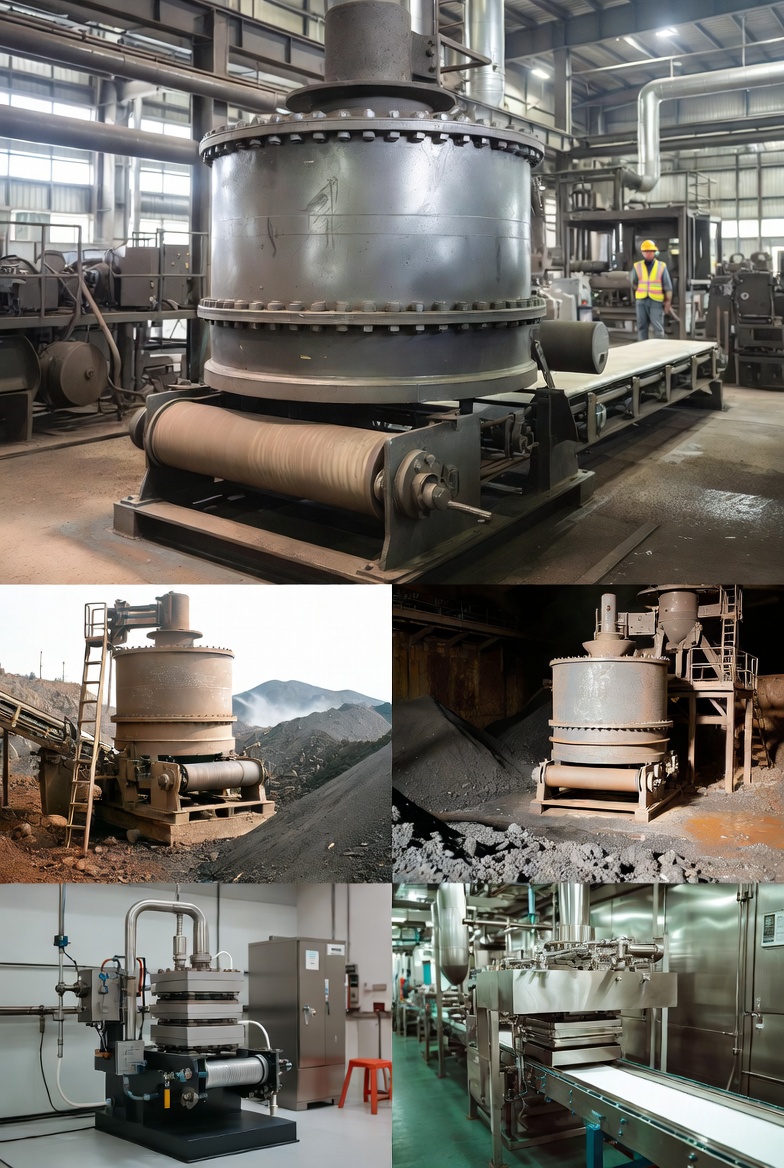
Common configurations of magnetic separator equipment include drum type, roll type, plate type, grate type, overband type, liquid line type and high‑gradient type for fine particles.
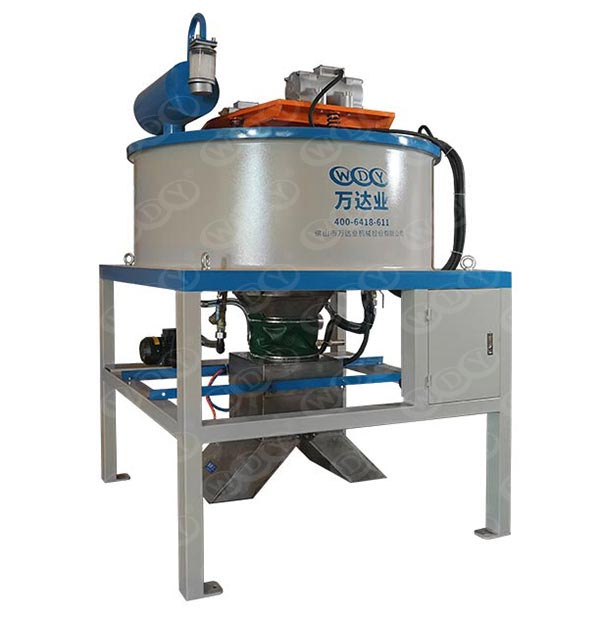
For dry materials, the magnetic separator may use a rotating drum or roll so that magnetic particles stick to the surface and are carried away from the main material stream.
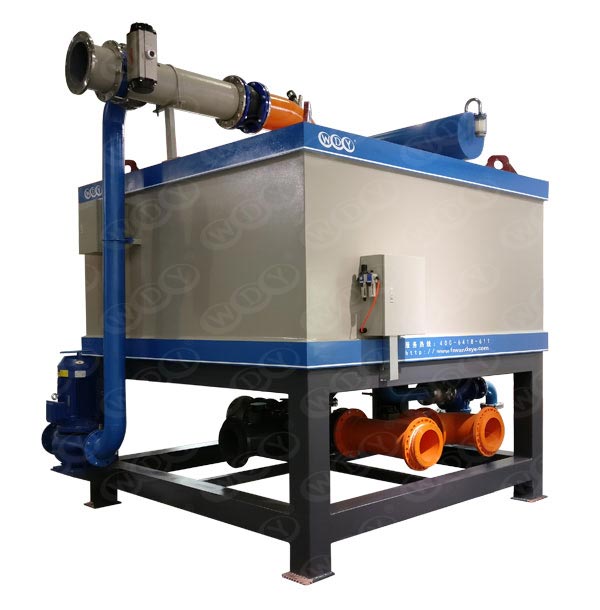
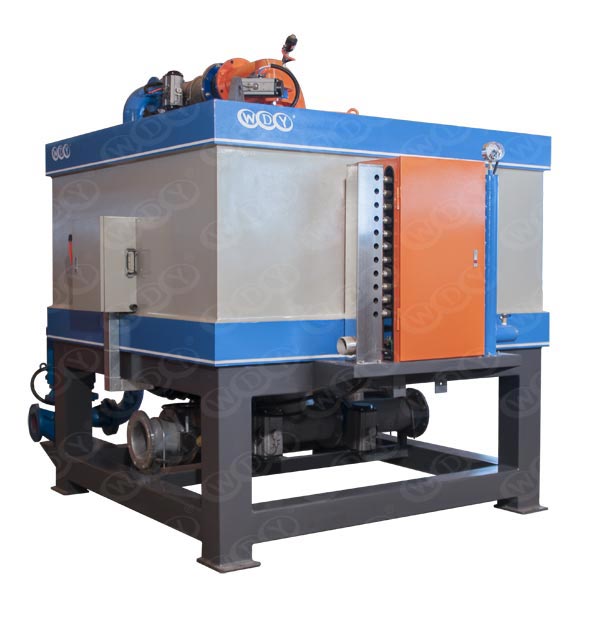
For wet slurries, a high‑gradient magnetic separator uses a steel wool or rod matrix that creates strong local magnetic forces, trapping fine magnetic particles from the liquid.
In advanced plants, the magnetic separator is integrated with sensors and automation systems so that the magnet cleaning cycle, feed rate and alarm functions are controlled automatically.
This integration lets the magnetic separator maintain high efficiency while reducing manual labor and unplanned downtime.
Key Advantages of Magnetic Separation
Magnetic separation offers high efficiency and precision because it targets only magnetically susceptible particles while leaving the rest of the material unchanged.
A well‑designed magnetic separator can handle large throughputs and still remove very small contaminants down to sub‑millimetre or even micron‑level sizes, which is crucial for modern quality standards.
Another major advantage is cost and energy savings: a magnetic separator consumes relatively little energy, uses no chemical reagents and typically requires low maintenance, especially when permanent magnets are used.
This leads to lower operating costs compared with many mechanical or chemical separation processes that require screens, filters, reagents or high thermal energy.
Magnetic separation is also environmentally friendly because it avoids hazardous chemicals, reduces waste and enables metal recovery from tailings or scrap.
By combining several types of magnetic separator in one line, plants can maximize resource recovery, reduce landfill volumes and support recycling strategies demanded by regulations and customers.
A further benefit is process simplification: because a magnetic separator can often be installed directly over or in an existing conveyor, chute or pipeline, upgrades are easy to implement.
Plant managers can boost performance and product quality simply by adding the appropriate magnetic separator at critical points without completely redesigning the process.
Typical Applications of Magnetic Separation
Magnetic Separation in Mining and Mineral Processing
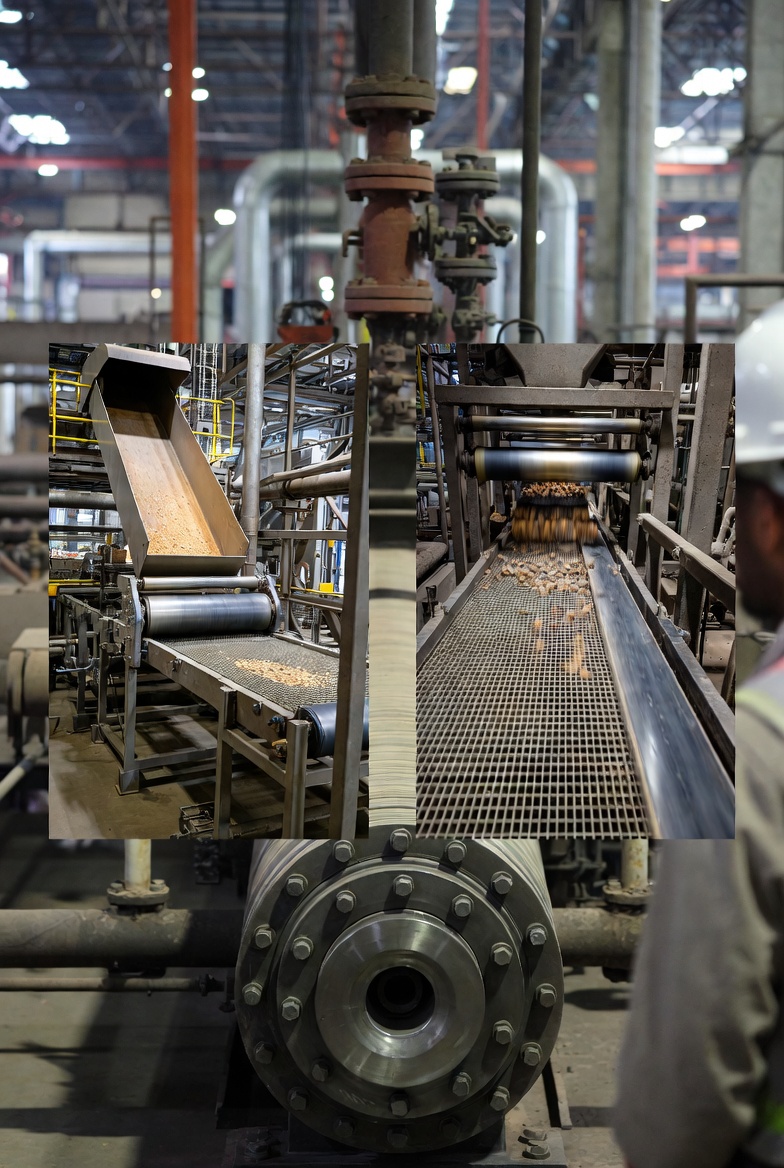
In mining and mineral processing, magnetic separation is used to remove tramp iron early in the process and to upgrade ores by concentrating magnetic minerals.
Overband magnets, drum magnets and high‑intensity roll magnetic separator units protect crushers, screens and conveyors from damage, while high‑gradient magnetic separator systems recover weakly magnetic minerals such as hematite or iron‑stained silica.
During blasting, loading and hauling, many kinds of tramp metal such as broken tools, bolts and bucket teeth enter the ore stream and threaten downstream crushers and mills.
By installing a deep‑field magnetic separator such as an overband magnet or magnetic head pulley on conveyors, mines can automatically remove this dangerous tramp metal before it causes damage and downtime.
For mineral beneficiation, a high‑intensity magnetic separator separates paramagnetic minerals from non‑magnetic gangue to increase grade and recovery.
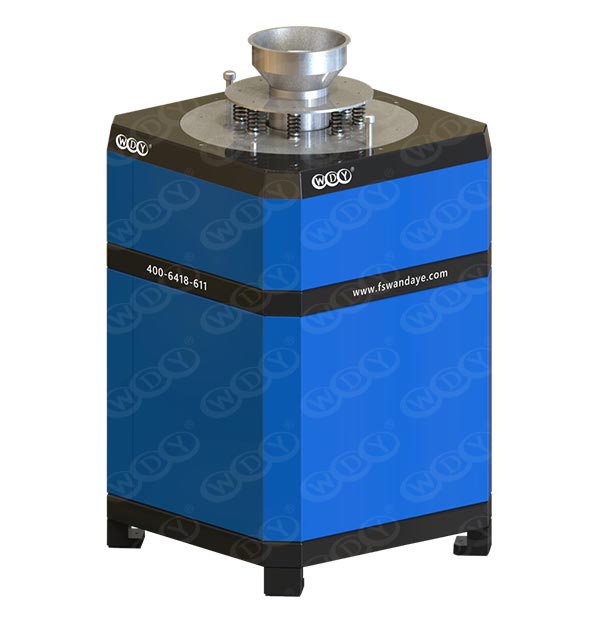
Dry rare earth roll magnetic separator, induced roll magnetic separator and high‑intensity drum magnetic separator units are widely used to purify silica sand, feldspar, quartz and other industrial minerals for ceramics and glass production.
As ore grades decline and deposits become more complex, mines are turning to more advanced magnetic separator technologies to extend reserves and process lower‑grade resources economically.
Using the right combination of low‑intensity and high‑intensity magnetic separator units, operators can recover valuable minerals that were previously lost to tailings.
Ceramic and Glass Manufacturing
Ceramic and glass industries use magnetic separation to remove iron impurities from raw materials such as kaolin, feldspar and silica sand.
Even tiny iron particles can cause black spots, reduced whiteness or defects in high‑end ceramic tiles, sanitary ware and glass products, so a sensitive magnetic separator is essential for quality control.
High‑gradient magnetic separator systems treat slurries or slimes to achieve very low iron levels, enabling manufacturers to produce premium products for demanding export markets.
Because a high‑gradient magnetic separator can capture extremely fine iron particles from liquid suspensions, it is especially suitable for polishing stages right before spray drying or casting.
Ceramic factories often install multiple magnetic separator units at different stages, including raw material reception, slurry preparation and final glaze filtration.
This multi‑stage protection ensures that the total iron content stays within strict limits and helps reduce customer complaints related to visual defects.
Pharmaceutical and Chemical Industries
Pharmaceutical and fine chemical producers apply magnetic separation to keep powders and liquids free from metal fragments that could endanger patients or cause batch failures.
A sanitary‑grade magnetic separator removes stainless steel wear particles, valve fragments and tool residues from mixers, reactors and filling lines.
Because regulatory standards in these sectors are strict, the magnetic separator must be easy to clean, fully traceable and compatible with validation procedures.
Compact high‑intensity magnetic separator designs for pipelines and chutes help plants maintain compliance while minimizing pressure drop and product retention.
In many chemical plants, a magnetic separator is combined with metal detectors and sieves to provide layered protection for both ferrous and non‑ferrous contaminants.
Regular inspection and documented cleaning of each magnetic separator contribute to robust quality management systems and reduce the risk of costly product recalls.
Food, Plastics and Recycling
Food processors must guarantee that their products are free from metallic contamination, so they rely on plate, grate and drum‑type magnetic separator units at multiple points in the line.
These systems catch ferrous fragments from raw ingredients and processing equipment, preventing recalls, injuries and brand damage.
Plastic and recycling facilities use a magnetic separator to separate ferrous metals from shredded plastics, electronic waste, auto shred and municipal waste.
By upgrading metal purity with strong magnetic separator systems, recyclers increase the value of their output and reduce the amount of material that goes to landfill.
In modern recycling plants, a magnetic separator works together with eddy current separators, optical sorters and air classifiers to create high‑quality secondary raw materials.
This integrated separation line helps close the materials loop and supports sustainable manufacturing strategies in many industries.
Why Choose Foshan Wandaye Magnetic Separator Solutions
Foshan Wandaye Technology Co., Ltd. focuses on research, design, manufacturing and service of magnetic separator and iron removal systems for complex industrial environments.
The company provides engineering consultation, test separation services and customized magnetic separator configurations tailored to specific materials, capacities and quality targets.
Product lines from Foshan Wandaye Technology Co., Ltd. cover dry magnetic separator, wet magnetic separator, high‑gradient magnetic separator, liquid line magnetic separator and other special designs for mining, ceramics and pharmaceutical applications.
With strong application experience and continuous innovation, Foshan Wandaye helps customers reduce metal contamination, extend equipment life and optimize overall production performance.
Engineers from Foshan Wandaye Technology Co., Ltd. can evaluate existing production lines, locate critical control points for installing each magnetic separator, and then propose targeted upgrades.
By combining modeling, laboratory testing and field trials, they ensure that every magnetic separator delivers stable results under real operating conditions.
For international customers, Foshan Wandaye Technology Co., Ltd. offers technical support, training and after‑sales service to keep every magnetic separator system running reliably over the long term.
This comprehensive service approach allows users in mining, ceramics, pharmaceuticals and other sectors to focus on their core production while relying on the magnetic separator solution to maintain purity and safety.
Conclusion
We use magnetic separation because it provides a fast, precise and economical way to remove or recover magnetic materials from complex industrial flows.
Unlike many mechanical or chemical methods, a magnetic separator works continuously, consumes relatively little energy and avoids harmful reagents, which improves both process stability and environmental performance.
From mining and ceramics to pharmaceuticals, food, plastics and recycling, the magnetic separator has become a critical component for quality, safety and resource efficiency.
By choosing advanced magnetic separator solutions from Foshan Wandaye Technology Co., Ltd., industrial users can achieve higher product purity, lower maintenance costs and more sustainable operations in a wide range of applications.
Contact us to get more information!
FAQ
Q1: What is a magnetic separator and how does it work?
A magnetic separator is a device that uses a magnetic field to attract and remove ferromagnetic and paramagnetic particles from bulk materials, slurries or process streams.
Inside the unit, material passes through a magnetic zone where metal particles are captured on a drum, plate, grid, roll or high‑gradient matrix, and then discharged separately when they leave the magnetic field or when the separator is cleaned.
Q2: Where is magnetic separation used in industry?
Magnetic separation is widely used in mining and mineral processing, ceramics, glass, pharmaceuticals, chemicals, food processing, plastics and recycling.
In each sector, a magnetic separator helps remove tramp iron and fine metal contaminants, protects equipment such as crushers and extruders, and improves product purity or metal recovery value.
Q3: What are the main types of magnetic separator?
Common types include drum magnetic separator, overband magnetic separator, plate and grate magnetic separator, roll magnetic separator, high‑gradient magnetic separator and liquid line magnetic separator.
The best choice depends on material state, particle size, required field intensity, capacity and whether the goal is equipment protection or product purification.
Q4: How do I choose the right magnetic separator for my process?
To select a suitable magnetic separator, you need to analyze your material composition, particle size distribution, moisture content, contamination level and process layout.
Experienced suppliers such as Foshan Wandaye Technology Co., Ltd. can run test separations and then recommend an optimized combination of magnetic field strength, separator type, installation position and cleaning method.
Q5: What maintenance does a magnetic separator require?
Most magnetic separator systems require regular inspection and cleaning of the magnetic surfaces, housings and discharge chutes to prevent buildup of material and maintain high efficiency.
Periodic checks of magnet integrity, wear parts and safety devices, combined with proper record‑keeping, help ensure that the magnetic separator continues to meet quality and safety requirements over its service life.
Citations:
1. https://buntingmagnetics.com/blog/magnetic-separators-for-mineral-processing
2. https://buntingmagnetics.com/blog/magnetic-separation-in-mining-and-mineral-processing
3. https://www.eclipsemagnetics.com/products/magnetic-separation-and-metal-detection/magnetic-separation/
4. https://www.greatmagtech.com/info/why-is-magnetic-separation-important-102862285.html
5. https://magnetstek.com/what-are-the-benefits-of-using-magnetic-separation/
6. https://www.kjmagnetics.com/blog/magnetic-separation
7. https://www.anis-trend.com/what-is-magnetic-separation-and-how-it-works/
8. https://www.newlandmag.com/magnetic-liquid-separator-the-ultimate-guide/
Hot Tags: Why Use Magnetic Separation, Magnetic Separation Process, Industrial Magnetic Separation Applications, Magnetic Separation In Mining Industry, Magnetic Separation In Food Processing, Magnetic Separation Equipment Types, Benefits Of Magnetic Separation Technology, Magnetic Separator Working Principle, Removing Ferrous Contamination, High Intensity Magnetic Separation