


Content Menu
● What Is a Magnetic Separator?
● Core Working Principle of a Magnetic Separator
● Main Types of Magnetic Separator
>> High Gradient Electromagnetic Slurry Magnetic Separator
>> Permanent Magnetic Separator
>>> Magnetic Plate, Grate, and Rod Separator
>>> Electromagnetic and Induced Roll Magnetic Separator
● Step‑by‑Step: How a Wet Drum Magnetic Separator Works
● Magnetic Separator Applications in Mining
● Magnetic Separator Applications in Ceramics
● Magnetic Separator Applications in Pharmaceuticals and Fine Chemicals
● Key Design Parameters of a Magnetic Separator
● Advantages of Using a Magnetic Separator
● How Foshan Wandaye Technology Co., Ltd. Supports Your Magnetic Separator Project
● FAQ
>> 1. What materials can a magnetic separator process?
>> 2. How do I choose between a wet and dry magnetic separator?
>> 3. What is the difference between permanent and electromagnetic magnetic separator systems?
>> 4. How often should a magnetic separator be cleaned?
>> 5. Can a magnetic separator remove stainless steel particles?
Foshan Wandaye Technology Co., Ltd. is a leading manufacturer specializing in the research, development, and production of high‑performance magnetic separator and iron removal equipment for multiple industries such as mining, ceramics, and pharmaceuticals. The company integrates engineering design, complete production‑line layout, equipment supply, installation, and commissioning into a seamless service package. Its product portfolio includes high gradient electromagnetic slurry machines, permanent magnetic separator units, powder magnetic separator systems, magnetic plate and cabinet devices, wet drum magnetic separator assemblies, and rod‑type magnetic separator modules. Foshan Wandaye Technology Co., Ltd. is headquartered in China’s Pearl River Delta region and has supplied turnkey magnetic separator solutions to clients in markets such as Vietnam and India, establishing itself as a reliable partner for precision magnetic separation needs.
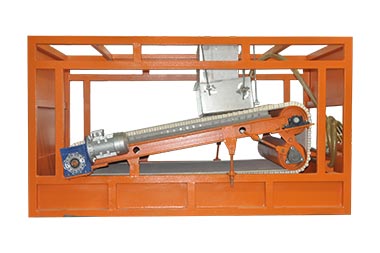
What Is a Magnetic Separator?
A magnetic separator is an industrial machine that uses a controlled magnetic field to selectively attract and remove ferrous or weakly magnetic particles from a flowing stream of material. In mining and mineral processing, a magnetic separator plays a central role in concentrating magnetic ores and cleaning non‑metallic minerals by capturing iron‑bearing contaminants. In ceramic manufacturing, a magnetic separator safeguards product whiteness and structural integrity by eliminating tiny iron specks from raw materials, slip, and glaze. In pharmaceutical and high‑purity chemical production, a magnetic separator protects sensitive formulations and processing equipment from metallic wear debris introduced during grinding, mixing, and conveying.
Compared with other separation methods that rely on chemicals or mechanical sieving, a magnetic separator offers a clean, non‑invasive way to purify products and protect downstream systems. By continuously extracting magnetic particles without altering the chemistry of the main material stream, a magnetic separator enhances both safety and economic performance across a wide range of industrial applications.
Core Working Principle of a Magnetic Separator
At the heart of every magnetic separator is a simple physical principle: materials that are magnetic or weakly magnetic respond strongly to a magnetic field, while non‑magnetic materials do not. When a mixed feed of particles—such as ore slurry, ceramic slip, or powdered chemicals—passes through the active region of a magnetic separator, the magnetic field exerts a directional force that pulls ferromagnetic and some paramagnetic particles out of the main flow path. The remaining non‑magnetic material continues along its normal trajectory, emerging as a cleaner product stream.
For effective separation, the magnetic force generated by the magnetic separator must overcome competing mechanical forces like gravity, inertia, and fluid drag. This is why modern magnetic separator designs carefully tune magnet strength, gradient, distance between magnet and material, and exposure time. High‑gradient magnetic separator systems use finely engineered pole structures or ferromagnetic matrices to create intense local fields that can capture very fine or weakly magnetic particles that would otherwise escape low‑intensity separators. By controlling these parameters, a magnetic separator can be tailored to target specific materials, sizes, and contamination levels, making it adaptable to mining concentrators, ceramic slip lines, and pharmaceutical powder conveyors.
Main Types of Magnetic Separator
Drum Magnetic Separator
A drum magnetic separator uses a rotating cylindrical shell—often made of stainless steel—with a fixed internal magnetic system to capture magnetic particles from a flowing slurry or dry feed. In a typical wet drum magnetic separator configuration, slurry enters a tank surrounding the drum and flows along its surface. As the drum turns, the embedded magnetic arc attracts magnetic particles, which cling to the drum shell and are carried out of the slurry. When these particles rotate beyond the main magnetic zone, the field weakens and they fall off into a separate concentrate chute, while the non‑magnetic fraction flows out as tailings.
Different tank arrangements define operation modes such as counter‑rotation, concurrent, and counter‑current, which adjust how the drum’s motion relates to the direction of slurry flow. These modes influence recovery efficiency and concentrate grade in a magnetic separator system. Wet drum magnetic separator designs are widely used in mineral processing for upgrading magnetite ores, recovering heavy‑media suspensions, and removing metal contaminants from wet mineral feeds. Dry drum magnetic separator variants are applied where powdered or granular materials move along belts or chutes and need continuous magnetic cleaning.
High Gradient Electromagnetic Slurry Magnetic Separator
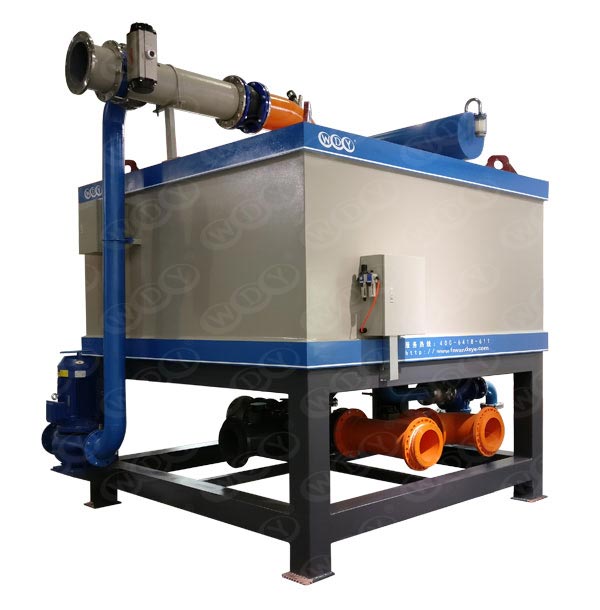
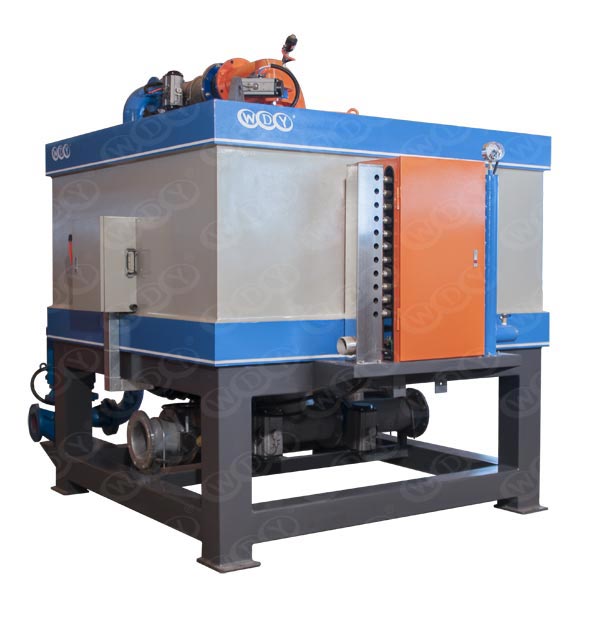
A high gradient electromagnetic slurry magnetic separator is particularly effective for fine and weakly magnetic particles suspended in liquid, such as ceramic slip or kaolin. In this system, an electromagnetic coil generates a strong magnetic field across a matrix zone filled with ferromagnetic fibers or rods. As slurry passes through this matrix, magnetic particles become captured on the high‑gradient surfaces; the remaining liquid exits as a cleaned stream.
Once the matrix accumulates captured contaminants, the magnetic separator can be periodically rinsed and demagnetized to flush out the collected material, restoring filtration capacity. This mode allows the magnetic separator to maintain high removal efficiency over many cycles, even for sub‑micron iron impurities that are difficult to trap by conventional means. In ceramic and pigment manufacturing, high gradient electromagnetic slurry magnetic separator units are deployed to meet strict whiteness and purity requirements, as even minute iron particles can cause visible defects after firing.
Permanent Magnetic Separator
Permanent magnetic separator systems use powerful permanent magnet materials such as ferrite or rare‑earth alloys to create a stable magnetic field without continuous electrical power. Examples include overband suspended magnets above conveyor belts, magnetic pulley head pulleys, and inline or chute‑mounted permanent magnetic separator units. These systems are frequently installed as “police” magnets to protect mills, crushers, and presses from tramp metal damage.
Because there is no coil or external power requirement, permanent magnetic separator devices offer simple construction, low operating cost, and minimal maintenance. The magnetic field is essentially constant, and cleaning can be done manually or with self‑cleaning belts that periodically wipe captured metal away from the magnet surface. In mining, cement, and coal‑handling applications, permanent magnetic separator arrangements are deployed at strategic transfer points to intercept bolts, nuts, and worn machine fragments before they enter sensitive equipment.
Magnetic Plate, Grate, and Rod Separator
Magnetic plate, grate, and rod separator designs are compact, modular magnetic separator systems integrated into hoppers, chutes, vibrating feeders, and pipelines. A plate‑type magnetic separator is mounted with a strong magnet embedded in a flat surface so that free‑falling or sliding material passes across it, allowing magnetic particles to be pulled out and held on the plate surface. Magnetic plate units are easy to install and maintain, and they are often used at the discharge of hoppers feeding mills or presses.
Magnetic grate and rod separator assemblies consist of arrays of magnetic bars placed in grids or bundles, forcing material to flow around them and increasing contact with the magnetic field. These rod‑type magnetic separator modules are especially valuable in ceramic, pharmaceutical, and food‑grade powder lines, where small stainless‑steel wear particles or iron fragments must be captured continuously. Foshan Wandaye Technology Co., Ltd. designs magnetic rod assemblies and iron‑removal cabinets that can be arranged in multiple rows to capture contaminants at different heights within a single unit.
Electromagnetic and Induced Roll Magnetic Separator
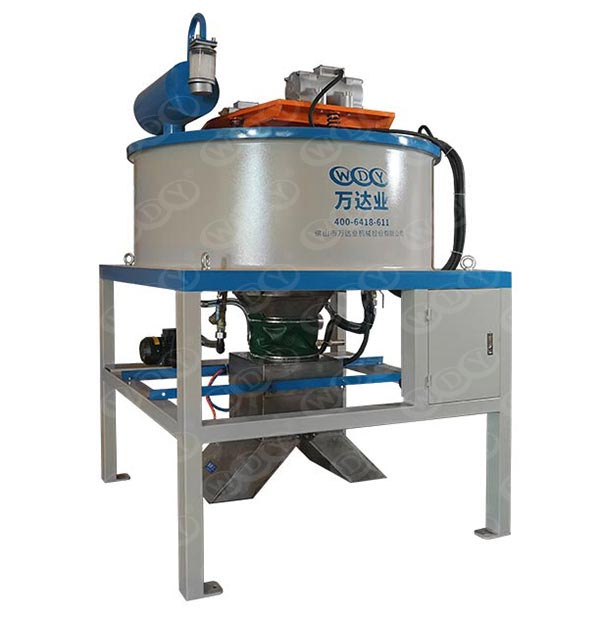
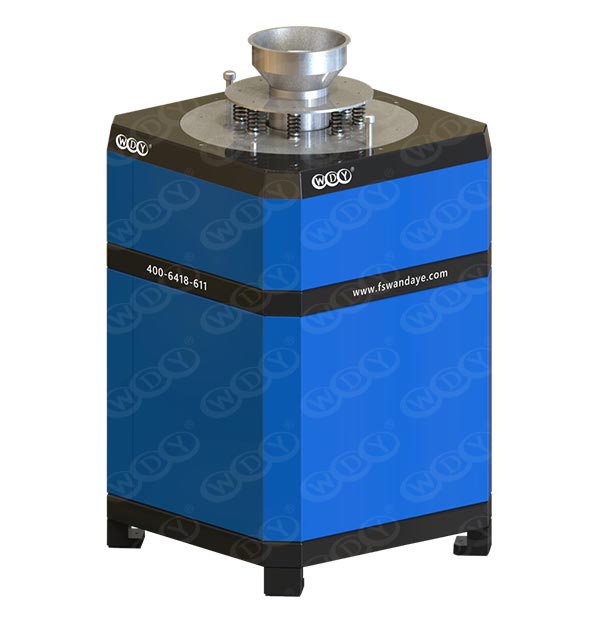
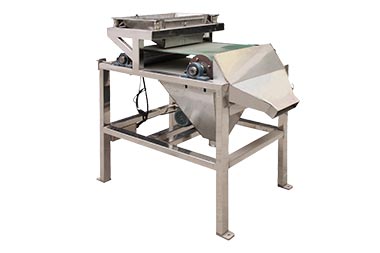
Electromagnetic and induced roll magnetic separator designs are typically used in dry mineral processing circuits to separate weakly paramagnetic minerals from non‑magnetic gangue at the fine‑particle scale. In an induced roll magnetic separator, feed material flows onto an inclined vibratory feeder that spreads it evenly over a rotating roll located near energized electromagnetic poles. As the roll turns, different fractions respond to the field according to their magnetic properties, with magnetic particles pinned to the roll surface while non‑magnetic particles fall away.
Adjusting the gap between the feed deck and the roll, as well as the roll speed and field intensity, allows operators to fine‑tune the separation characteristics of the magnetic separator. Multiple rolls or discs can be stacked at different field strengths to create a multi‑stage system that progressively upgrades the product. High‑intensity electromagnetic and rare‑earth magnetic separator systems can achieve field strengths in the range of tens of thousands of Gauss, making them suitable for advanced mineral circuits involving ilmenite, chromite, or manganese ores.
Step‑by‑Step: How a Wet Drum Magnetic Separator Works
A wet drum magnetic separator provides a clear illustration of how a magnetic separator functions in continuous processing. In a typical mineral‑processing application, the operation can be broken down into several stages:
1. Feed Introduction
Slurry containing a mixture of magnetic and non‑magnetic particles enters the tank of the wet drum magnetic separator through a controlled feed box. The flow rate and distribution are adjusted to form a uniform layer across the drum surface, ensuring consistent exposure of particles to the magnetic field.
2. Exposure to the Magnetic Field
Inside the drum, a fixed magnetic circuit generates a high‑intensity field over a defined arc of the shell circumference. As the drum rotates, the shell carries this magnetic zone through the surrounding slurry, subjecting the passing particles to the influence of the magnetic separator’s field.
3. Capture of Magnetic Particles
Magnetic particles experience a magnetic force that draws them toward the drum surface, where they adhere to the shell and are carried along by the drum’s rotation. Non‑magnetic particles remain in the slurry and follow the hydraulic flow, largely unaffected by the magnetic field.
4. Transport and Discharge of Concentrate
The rotating drum carries the captured magnetic material out of the slurry and into a region where the magnetic field is weaker or absent. At this discharge point, the magnetic particles lose their hold on the shell and fall into a dedicated concentrate chute, ready for further processing.
5. Tailings Removal
The slurry that has passed beyond the magnetic zone contains reduced levels of magnetic material, becoming the tailings stream discharged from the magnetic separator. Process variables such as drum speed, slurry density, and magnet strength are tuned to balance recovery, grade, and throughput for different ores.
Magnetic Separator Applications in Mining
In mining, a magnetic separator is a cornerstone of ore concentration and material‑handling hygiene. For iron‑ore projects rich in magnetite, wet drum magnetic separator circuits are used to upgrade low‑grade material and produce saleable concentrates while rejecting siliceous gangue. In heavy‑media plants, magnetic separator units recover suspended magnetite or ferrosilicon from pumped media, reducing makeup requirements and lowering operating expenses.
Beyond strong‑magnetite ores, high‑intensity magnetic separator arrangements are applied to weakly magnetic minerals such as hematite, ilmenite, and manganese oxides, allowing selective recovery where conventional gravity or flotation methods fall short. A magnetic separator also helps clean quartz, feldspar, and other industrial minerals by removing disseminated iron cheekies that would otherwise limit purity and color. By incorporating multiple magnetic separator stages—rougher, cleaner, and scavenger circuits—mines can optimize both product quality and resource utilization.
Magnetic Separator Applications in Ceramics
In ceramic manufacturing, a magnetic separator is critical for ensuring consistent color, mechanical strength, and aesthetic quality. Raw materials like clay, feldspar, and quartz often carry tiny ferrous particles that can burn into dark spots or bubbles during firing. Applying a magnetic separator at key stages—such as raw‑material reception, wet ball‑mill feed, and slip or glaze circulation—dramatically reduces iron content and lowers defect rates.
High gradient electromagnetic slurry magnetic separator units are commonly installed in the slip‑handling lines of tile factories and sanitaryware plants, where even micrometer‑scale iron can cause visible blemishes after kiln firing. Rod‑type magnetic separator assemblies and grid‑style grates sit at the outlet of spray‑dry towers and hoppers, capturing iron‑contaminated powder fragments before pressing or extrusion. Some ceramic producers combine magnetic separator technology with metal‑detection systems to create dual barriers against metallic contamination, further raising product reliability and brand reputation.
Magnetic Separator Applications in Pharmaceuticals and Fine Chemicals
Pharmaceutical manufacturers face strict requirements for product purity and equipment safety, both of which a magnetic separator helps fulfill. During powder handling, tablet compression, capsule filling, and blending operations, tiny stainless‑steel or tool‑steel fragments can be introduced through mechanical wear, mixing blades, or metal‑to‑metal contact. A suitably placed magnetic separator intercepts these fragments before they enter final formulations, reducing the risk of patient complaints and regulatory issues.
Compact, sanitary magnetic separator designs with smooth surfaces, minimal dead zones, and easy‑to‑clean housings are used in tablet‑granulation lines and API‑handling systems. High gradient magnetic separator systems can also be adapted to liquid or semi‑slurry processes, capturing fine paramagnetic particles that normal sieves would pass. By removing contaminants early, a magnetic separator additionally protects sensitive equipment such as high‑shear mixers and automated filling machines from impact damage and unplanned downtime.
Key Design Parameters of a Magnetic Separator
The effectiveness of a magnetic separator depends on aligning its design with the specific characteristics of the material and the process. Important design considerations include:
– Magnetic field strength and gradient
Field intensity, usually expressed in Gauss or Tesla, determines how strongly a magnetic separator can attract materials of a given magnetic susceptibility. High‑gradient magnetic separator configurations enhance capture of fine or weakly magnetic particles by concentrating the field in small regions.
– Particle size and feed rate
Coarse particles are generally easier to capture than ultra‑fine powders, and very high feed rates can limit exposure time to the magnetic field. A magnetic separator must be sized so that the material layer is neither too thick nor too thin for effective separation.
– Wet vs dry configuration
Wet drum magnetic separator designs work best for fine particles in slurry form because liquid supports even dispersion and gentle transport. Dry magnetic separator systems suit free‑flowing powders and granular feeds but must manage dust and possible material buildup.
– Permanent vs electromagnetic
Permanent magnetic separator units deliver constant, power‑free magnetization and simple operation. Electromagnetic magnetic separator arrangements allow field adjustment and remote on/off switching, which can aid cleaning and process control.
Choosing the right combination of these parameters ensures that a magnetic separator performs optimally under real‑world conditions rather than just in idealized test scenarios.
Advantages of Using a Magnetic Separator
A properly engineered magnetic separator delivers multiple benefits throughout the process chain. It raises product purity by continuously removing metallic contaminants, improving specifications for minerals, ceramics, and pharmaceuticals. At the same time, a magnetic separator shields mills, presses, and other capital‑intensive equipment from tramp‑metal damage, extending mean‑time‑between‑failures and reducing repair costs.
From an operational standpoint, modern magnetic separator designs support continuous, largely unattended running with minimal operator intervention. Because magnetic separation acts purely through physical fields and does not add chemicals or reaction steps, it is environmentally friendly and easy to integrate into existing production layouts. For mines and large‑scale mineral plants, a magnetic separator also improves resource efficiency by recovering valuable magnetic minerals that might otherwise be lost to tailings.
How Foshan Wandaye Technology Co., Ltd. Supports Your Magnetic Separator Project
Foshan Wandaye Technology Co., Ltd. supports clients from concept through commissioning and beyond. The company’s technical team conducts initial process evaluations, field surveys, and sample testing to determine which magnetic separator type, intensity, and configuration will meet purity, throughput, and footprint requirements. Comprehensive proposals may include combinations of high gradient electromagnetic slurry magnetic separator units, permanent magnetic separator stages, and conveyor‑mounted magnetic separator modules that work together as an integrated system.
During manufacturing, customers receive timely progress updates, detailed technical documentation, and guidance on installation and safety. Foshan Wandaye Technology Co., Ltd. also assists with commissioning and start‑up, helping site personnel tune drum speeds, slurry flows, electromagnetic currents, and cleaning intervals to match local conditions. Ongoing support can cover routine maintenance planning, spare‑parts management, and process‑optimization reviews, ensuring that each magnetic separator continues to deliver high performance throughout its lifecycle.
Conclusion
A magnetic separator is a versatile and indispensable technology for modern industrial processing, enabling efficient removal of metallic contaminants and recovery of valuable magnetic minerals. By exposing material streams to precisely controlled magnetic fields, every magnetic separator can differentiate between magnetic and non‑magnetic particles, creating cleaner products and protecting downstream equipment.
With its focus on mining, ceramics, and pharmaceutical applications, Foshan Wandaye Technology Co., Ltd. offers a broad range of magnetic separator solutions, from wet drum and electromagnetic slurry systems to permanent magnetic separator arrays, magnetic plates, and rod‑type separators. Selecting, configuring, and integrating the right magnetic separator—whether wet or dry, permanent or electromagnetic, drum‑style or grate‑style—requires expert understanding of material properties and process objectives. Partnering with Foshan Wandaye Technology Co., Ltd. allows manufacturers to deploy advanced magnetic separator systems that boost purity, reliability, and economic returns across diverse industrial environments.
Contact us to get more information!
FAQ
1. What materials can a magnetic separator process?
A magnetic separator can handle a wide spectrum of materials including iron ores, non‑metallic minerals, ceramic raw materials, slurries, powders, and granular bulk solids that may contain ferrous or weakly magnetic impurities. Common applications span mining, ceramics, pharmaceuticals, food processing, plastics, and chemical manufacturing, where controlling metal contamination or recovering magnetic constituents is critical.
2. How do I choose between a wet and dry magnetic separator?
The decision between a wet and dry magnetic separator mainly depends on the physical form and moisture content of the material. Wet magnetic separator units are preferred for fine particles in slurry form, such as mineral pulps and ceramic slips, because the liquid helps distribute particles evenly and gently. Dry magnetic separator designs are better suited for free‑flowing powders and granular feeds with low moisture, especially in pneumatic conveying or belt‑transfer systems.
3. What is the difference between permanent and electromagnetic magnetic separator systems?
A permanent magnetic separator uses magnet materials that generate a continuous field without external power, resulting in simple, robust operation with low energy use. An electromagnetic magnetic separator relies on electrically energized coils to produce a magnetic field, allowing adjustable field strength and the ability to switch the magnet on or off or perform controlled demagnetization for cleaning cycles. Electromagnetic systems offer greater flexibility, while permanent systems emphasize reliability and low maintenance.
4. How often should a magnetic separator be cleaned?
Cleaning frequency for a magnetic separator varies by application, contamination load, and design. High‑throughput or heavy‑contamination environments often require scheduled manual or automatic cleaning multiple times per shift. Self‑cleaning magnetic separator systems, especially conveyor‑mounted or drum‑type units, can discharge captured metal continuously or at regular intervals with minimal operator involvement. Maintenance routines typically specify cleaning intervals based on observed buildup and product‑quality data.
5. Can a magnetic separator remove stainless steel particles?
Yes, some magnetic separator systems can remove certain stainless‑steel particles, particularly those that are work‑hardened or made from grades with partial magnetic response. However, traditional 300‑series austenitic stainless steels are often weakly magnetic or non‑magnetic, so capturing them
Hot tags: Magnetic Separator Working Principle, How Magnetic Separation Works, Industrial Magnetic Separator, Magnetic Separation Process, Magnetic Separator Equipment, Magnetic Field Separation, Mineral Magnetic Separation, Ore Magnetic Separator, Magnetic Separation Technology, Magnetic Sorting System