


Content Menu
>> Common Types of Hijab Magnets
>> Limitations of Hijab Magnets
● Hijab Magnets vs Hijab Pins: Side by Side Comparison
● How to Choose Between Hijab Magnets and Hijab Pins
>> Step by Step: Using Hijab Magnets Safely and Effectively
>> Best Practices for Using Hijab Pins
● When Hijab Magnets Are the Better Choice
● When Hijab Pins Are the Better Choice
● Expert Tips for Maximizing Comfort and Safety
● Actionable Buying Guide: How to Choose the Right Hijab Accessory
● Frequently Asked Questions (FAQ)
>> 1. Are hijab magnets safe for everyday use?
>> 2. Do hijab magnets work on all fabric types?
>> 3. Will hijab pins damage my hijab over time?
>> 4. Which is better for sports: hijab magnets or hijab pins?
>> 5. Can I wear hijab magnets on an airplane?
Wearing a hijab every day means you need a reliable way to keep it in place without sacrificing comfort, fabric quality, or style. Hijab magnets and hijab pins each offer distinct advantages, and the best choice depends on your fabric type, lifestyle, and styling preferences.
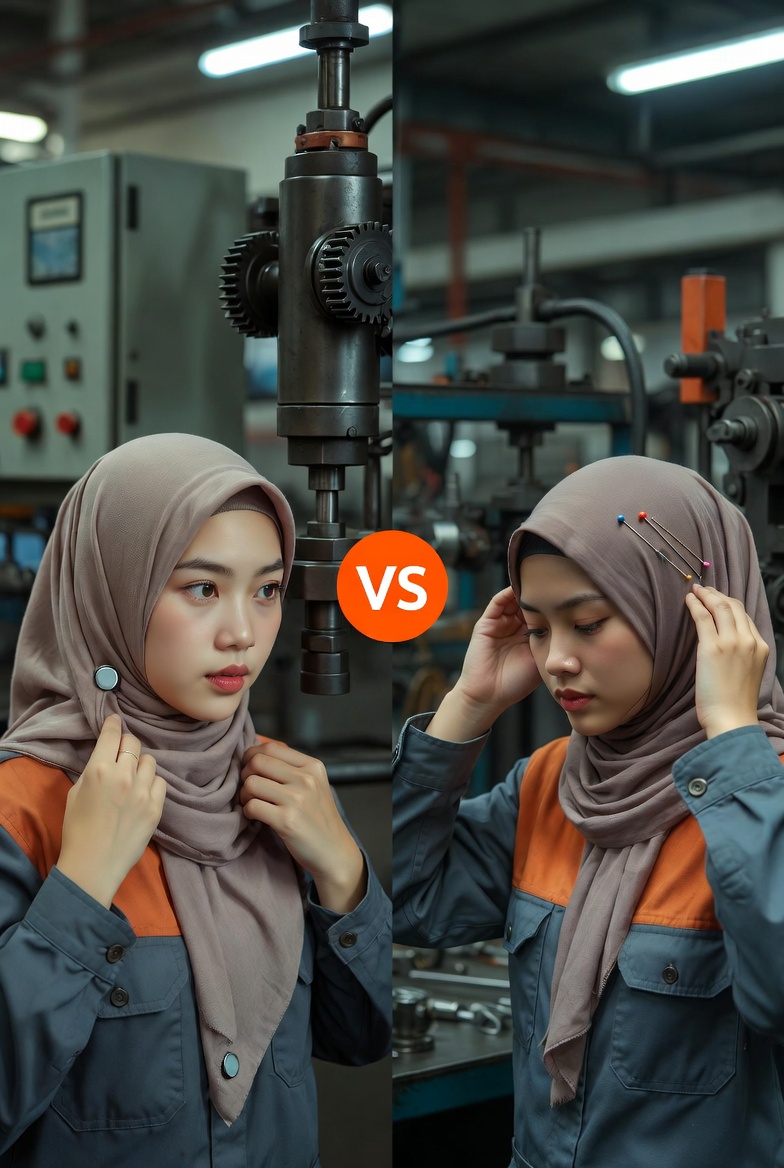
What Are Hijab Magnets?
Hijab magnets are small, strong magnetic accessories used to secure headscarves, hijabs, or lightweight fabrics without piercing the fabric. They typically come as a pair of magnets that clasp the fabric from both sides, holding it in place through magnetic attraction.
Because they avoid sharp points, hijab magnets are especially popular among users who want to protect delicate fabrics and reduce the risk of hair pulling or skin irritation.
Common Types of Hijab Magnets
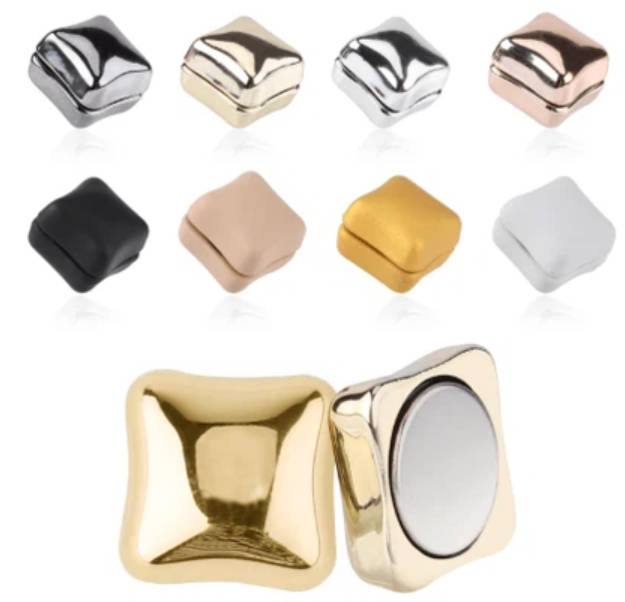
Modern hijab magnets are available in multiple shapes, finishes, and sizes to match different styling needs.
– Round hijab magnets: Classic, smooth, and easy to handle; they provide a firm grip while remaining discreet under most hijab styles.
– Square hijab magnets: Offer a more structured and contemporary look, with a slightly larger surface area that helps hold thicker fabrics securely.
– Shaped hijab magnets: Hearts, stars, flowers, and custom motifs combine function and fashion, allowing wearers to express personality while keeping the hijab in place.
These design variations make hijab magnets suitable for daily wear, sports, and special occasions where you want both a secure hold and a polished finish.
How Hijab Magnets Work
Each set of hijab magnets usually includes two pieces, one placed on each side of the fabric where you want to secure your hijab.
1. Position the first magnet on the inside layer of your hijab.
2. Place the second magnet on the outside of the fabric, aligning it with the first.
3. Allow the magnets to snap together gently, creating a secure clasp without piercing the material.
Because no holes are created, hijab magnets help extend the life of delicate or finely woven fabrics.
Benefits of Hijab Magnets
Hijab magnets solve several common problems faced by hijab wearers.
– No damage to fabric: Magnets do not pierce or scratch the material, preventing pinholes and pulled threads over time, which is especially important for chiffon, silk, or other delicate fabrics.
– Fast and easy to use: You can secure your hijab in seconds by snapping the magnets together, ideal for busy mornings or quick style adjustments during the day.
– Comfortable and gentle: Without sharp points, hijab magnets reduce the risk of pricking skin or pulling hair, making them more comfortable for long wear.
– Secure fit for light to medium fabrics: High quality magnets offer a stable hold for everyday movement, including walking, commuting, and light activity.
– Minimal, clean look: Many hijab magnets are designed to be discreet or seamlessly decorative, supporting a simple and elegant style.
Limitations of Hijab Magnets
Despite their advantages, hijab magnets are not perfect for every situation.
– Limited performance on very heavy fabrics: For thick or layered hijabs, magnets may not always provide a strong enough hold, especially in very windy environments.
– Material requirements: Some magnets are designed to work best with fabrics that have built in metal fibers or reinforcements; pure cotton or wool may require adjustments or stronger magnet sets.
– Potential magnetic interference: Magnets can interact with nearby metal objects, including jewelry or accessories.
– Gradual weakening: Over time and with frequent use, magnet strength can decrease, reducing holding power.
– Comfort sensitivity: A small number of users may find the pressure of the magnets uncomfortable when worn at the same point for long periods.
What Are Hijab Pins?
Hijab pins are traditional fastening tools used to secure headscarves, veils, or hijabs by piercing through one or more layers of fabric. They are typically made from metal or plastic and may be plain, safety style, or decorative.
Because hijab pins physically pass through the fabric, they provide a particularly strong and fixed hold, which many users prefer for thicker hijabs or in harsh weather.
Common Types of Hijab Pins
Different designs of hijab pins address different styling and safety needs.
– Straight pins: Simple and minimal, suitable for basic fastening but require careful handling because of their sharp tips.
– Safety pins: Include a clasp that covers the sharp end, reducing the risk of accidental pricks and making them safer for everyday use.
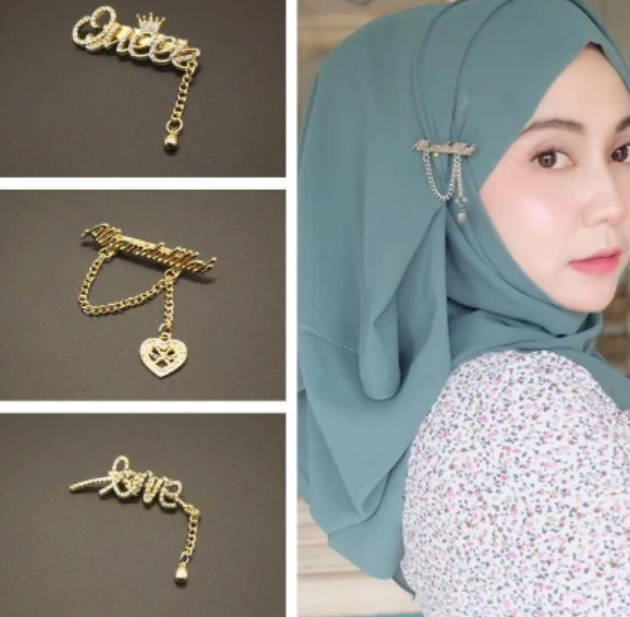
– Decorative hijab pins: Embellished with beads, pearls, crystals, or intricate metalwork; they function as both fastening tools and visible accessories.
– Brooch style pins: Larger and more ornate, commonly used for formal events to add a focal point to the hijab style.
This variety allows hijab pins to serve both practical and aesthetic roles in hijab styling.
How Hijab Pins Work
Hijab pins secure your hijab by piercing through the layers of fabric where you want to lock the style in place.
1. Align your hijab layers at the desired point, for example, under the chin or at the side.
2. Push the pin through one or more layers of fabric.
3. Close the clasp, for safety pins or brooches, or secure the pin head to keep it from slipping out.
Because the pin penetrates the fabric, it offers strong fixation that resists sliding even during vigorous movement or high wind.
Benefits of Hijab Pins
Hijab pins have remained popular for decades because they provide reliable security and flexible styling.
– Strong, long lasting hold: Pins offer very firm fixation, ideal for heavy fabrics, layered hijabs, or long wear throughout the day.
– Reliable in dynamic conditions: They hold well during windy weather, sports, travel, or extended outdoor activities.
– Durable and long lived: Metal pins typically last for a long time, making them a cost effective option.
– Huge style variety: From minimalist pins to decorative brooches, they provide endless options for personalization and special occasion styling.
Drawbacks of Hijab Pins
Hijab pins require more care and skill to use safely and comfortably.
– Risk of injury: Sharp points can accidentally puncture the skin or snag other clothing and accessories if not handled carefully.
– Fabric damage: Pins pierce the fabric, leaving small holes that may worsen over time, especially in delicate materials.
– More time consuming: Compared with magnets, using pins can take longer and demands more precision, particularly when adjusting the style multiple times.
– Less suitable for very delicate fabrics: Fine weaves may ladder, pull, or show visible damage after repeated pinning.
– Comfort issues: If positioned poorly, pins can press against the skin and cause discomfort during long wear.
Hijab Magnets vs Hijab Pins: Side by Side Comparison
Below is a clear comparison based on key decision factors.
| Aspect | Hijab Magnets | Hijab Pins |
|---|---|---|
| Fixation method | Secured by magnetic attraction, no piercing. | Secured by metal needle puncturing fabric layers. |
| Fabric impact | No holes, minimal wear; ideal for delicate fabrics. | Creates pinholes, risk of pulled threads or runs over time. |
| Ease of use | Very quick to put on and remove; beginner friendly. | Requires more care and time to position correctly. |
| Hold strength | Good for light to medium fabrics; may slip with heavy layers or intense movement. | Very strong hold, suitable for heavy fabrics and windy conditions. |
| Safety | No sharp edges; child friendly and lower risk of accidental injury. | Sharp tips can prick skin or catch on other items. |
| Durability | Magnet strength can weaken gradually over long term use. | Metal pins are generally durable, though they may rust or deform. |
| Cost range | Usually higher per piece due to magnet materials and design. | Often lower cost, especially for simple pins. |
| Appearance | Clean, minimal, often hidden or subtly decorative. | Often visible; can be intentionally decorative or may disrupt a minimalist look. |
| Fabric compatibility | Best with fabrics that magnets can grip securely; some designs favor specific weaves. | Works with almost all fabric types. |
| Best use cases | Everyday wear, quick styling, sports, and child friendly hijab solutions. | Formal occasions, heavy fabrics, long outdoor wear, and complex draping styles. |
How to Choose Between Hijab Magnets and Hijab Pins
Your choice should reflect your daily routine, fabric preferences, and personal style priorities.
Consider the following.
– Comfort first: If comfort and skin safety matter most, hijab magnets offer a smoother, gentler experience with no sharp tips.
– Fabric preservation: For high end fabrics like silk, chiffon, or fine viscose, magnets are better at preventing long term damage.
– Environment and activity level: For sports, windy conditions, or long commutes, strong pins provide extra security, especially with heavier fabrics.
– Style goals: If you want minimal, hidden fastening, magnets blend into the look; if you enjoy visible jewelry and embellishment, decorative pins and brooches are ideal.
Many experienced hijab wearers keep both options available and switch depending on the day’s outfit and schedule.
Step by Step: Using Hijab Magnets Safely and Effectively
To get the best results from hijab magnets, follow these practical steps.
1. Start with the right placement: Decide where you need the most support under the chin, at the side of the head, or near the shoulder.
2. Use smooth fabric layers: Flatten out the fabric so it is not overly bunched where you place the magnets; this improves grip and comfort.
3. Snap gently: Bring the magnets close so they meet naturally, instead of letting them collide harshly, which can damage coatings over time.
4. Test the hold: Move your head gently or mimic your typical daily movement to see if the magnets stay in place.
5. Avoid sensitive devices: Keep very strong magnets away from items that may be affected by magnetism, especially if the magnets are unusually powerful.
These steps help maintain both comfort and secure fixation for everyday wear.
Best Practices for Using Hijab Pins
If you prefer hijab pins, you can reduce risk and increase comfort with a few simple habits.
– Pin through multiple layers when possible: This distributes tension and reduces pressure on any one point of the fabric.
– Avoid the very edge of delicate fabric: Move slightly inward so the material can better support the pin without tearing.
– Use safety pins for beginners or children: Covered tips add an extra layer of protection from accidental pricks.
– Check the pin before use: If a pin is bent, rusty, or dull, replace it to avoid damage to both fabric and skin.
– Position away from high pressure points: For long wear, avoid placing pins where they will press directly against bone or sensitive areas.
These small adjustments make traditional pins more comfortable and safer for daily hijab styling.
When Hijab Magnets Are the Better Choice
Hijab magnets are ideal in the following scenarios.
– Quick daily styling: On busy mornings, magnets allow you to secure your hijab in seconds without worrying about pinning techniques.
– Sports and active days: For light to medium fabrics, magnets keep the hijab in place without the risk of pins opening or scratching during movement.
– Child friendly solutions: Parents often prefer magnets for children’s hijabs because there are no sharp points.
– Fabric protection: If your wardrobe includes premium or delicate hijabs, magnets help maintain their appearance over time.
For many users, hijab magnets become the default choice for casual and everyday wear.
When Hijab Pins Are the Better Choice
Hijab pins still play an important role, especially in more demanding conditions or formal settings.
– Formal occasions and events: Decorative pins and brooches add elegance and visual focus, making them a popular choice for weddings, celebrations, and professional gatherings.
– Heavy or layered fabrics: Pins provide strong fixation that keeps thicker materials in place for hours.
– Traditional styles: If you prefer classic hijab looks, traditional pins and safety pins align well with established styling methods.
– Complex drapes and wraps: Intricate wrapping styles often rely on strategic pin placement to hold multiple folds securely.
Keeping a small assortment of pins in your hijab kit ensures you can handle more elaborate looks whenever needed.
Expert Tips for Maximizing Comfort and Safety
To create a safe and comfortable hijab experience, pay attention to both technique and product choice.
– Always check that magnets or pins are securely fastened before leaving the house to avoid losing them or loosening the hijab during the day.
– For air travel, hijab magnets are generally convenient and easy to wear, while pins should be checked to ensure they are firmly closed.
– If you have very sensitive skin, test new hijab accessories on a small area first, especially if they contain nickel or other potential allergens.
By combining hijab magnets and hijab pins intelligently, you can build a versatile, safe, and stylish hijab accessory collection.
Actionable Buying Guide: How to Choose the Right Hijab Accessory
Use this quick framework to decide what to buy next.
1. Define your main use case.
Everyday casual wear.
Work or professional settings.
Sports and outdoor activities.
Weddings and formal events.
2. Match to the accessory type.
Everyday and work: Mostly hijab magnets, plus a few simple pins.
Sports: Strong hijab magnets with good grip, optionally reinforced by one or two hidden pins for heavy fabrics.
Formal events: Decorative pins and brooches, possibly supported by hidden magnets for comfort.
3. Check fabric type.
Delicate: Prioritize magnets.
Medium or light cotton blends: Either magnets or pins.
Heavy or layered: Primarily pins, with optional magnets for detail areas.
With this step by step approach, you can select a mix of hijab magnets and hijab pins that fits your wardrobe and daily routine.
Clear Call to Action
If you regularly wear a hijab, now is the perfect time to build a balanced collection of both hijab magnets and hijab pins so you can adapt instantly to any fabric, occasion, or activity. Review the hijabs you use most often, decide where you need maximum comfort and where you need maximum hold, and then choose at least one high quality magnet set and one versatile pin set to keep your hijab secure, comfortable, and stylish every single day.
Contact us to get more information!
Frequently Asked Questions (FAQ)
1. Are hijab magnets safe for everyday use?
Yes, hijab magnets are generally safe for everyday use as long as they are applied correctly and checked regularly to ensure they are firmly attached. They have no sharp parts, which reduces the risk of injury compared with traditional pins.
2. Do hijab magnets work on all fabric types?
Hijab magnets can secure most light to medium weight fabrics, but their performance may drop with very heavy or thick layers. Some designs are optimized for certain fabric structures, so it is important to select magnets appropriate for your hijab material.
3. Will hijab pins damage my hijab over time?
Because hijab pins pierce through the fabric, they can leave visible pinholes and may contribute to pulled threads or slight damage over long term, repeated use, especially on delicate fabrics. Using high quality pins, avoiding the very edge of the fabric, and varying pin placement can help minimize this effect.
4. Which is better for sports: hijab magnets or hijab pins?
For light to medium fabrics and moderate activity, hijab magnets provide comfortable, quick, and safe fixation suitable for sports and active days. However, in very windy conditions or with heavy fabrics, combining magnets with a few strategically placed pins can deliver the most secure result.
5. Can I wear hijab magnets on an airplane?
Yes, hijab magnets are generally convenient to wear on airplanes and do not typically create safety issues during air travel. If you use unusually large or strong magnet sets, you can confirm any specific restrictions with your airline for peace of mind.
Citations:
1. https://www.greatmagtech.com/info/are-hijab-magnets-or-hijab-pins-better-102942278.html
Hot Tags: Hijab Magnets Vs Hijab Pins, Are Hijab Magnets Or Hijab Pins Better, Hijab Magnets For Scarves, Hijab Pins Alternatives, Best Hijab Fasteners, Magnetic Hijab Clips, No Hole Hijab Magnets, Secure Hijab Styling Tips, Hijab Accessories Comparison, Strong Magnet Hijab Holders