


Content Menu
● What Are Cabinet Magnets and Magnetic Door Latches?
● Why Use Cabinet Magnets for Home Improvements?
● Reducing Drafts and Energy Loss with Magnetic Door Latches
● Safer Cabinets for Children and Pets
● Enhancing Walk-In Showers with Magnetic Latches
● Securing RV and Boat Cabinets Against Vibration
● Types of Cabinet Magnets and Where to Use Them
● How to Install a Basic Magnetic Cabinet Catch
● Design and Aesthetic Tips for Modern Interiors
● Safety and Maintenance Considerations
● Planning Cabinet Magnet Upgrades in Your Home, RV, or Boat
● Advanced Tips for Choosing Cabinet Magnets
● CTA: Plan Your Next Magnetic Upgrade
● Summary
● FAQs
>> 1. Are cabinet magnets strong enough to hold heavy cabinet doors?
>> 2. Can cabinet magnets be installed on metal or glass doors?
>> 3. Will cabinet magnets rust in bathrooms or on boats?
>> 4. Are cabinet magnets safe around electronics and credit cards?
>> 5. How long do cabinet magnets last?
Cabinet magnets and magnetic door latches are one of the simplest, most cost-effective ways to upgrade comfort, safety, and energy efficiency in your home, RV, or boat.
By choosing the right cabinet magnets for home improvements, you can reduce drafts, protect children and pets, and prevent doors and drawers from flying open during daily use or travel.
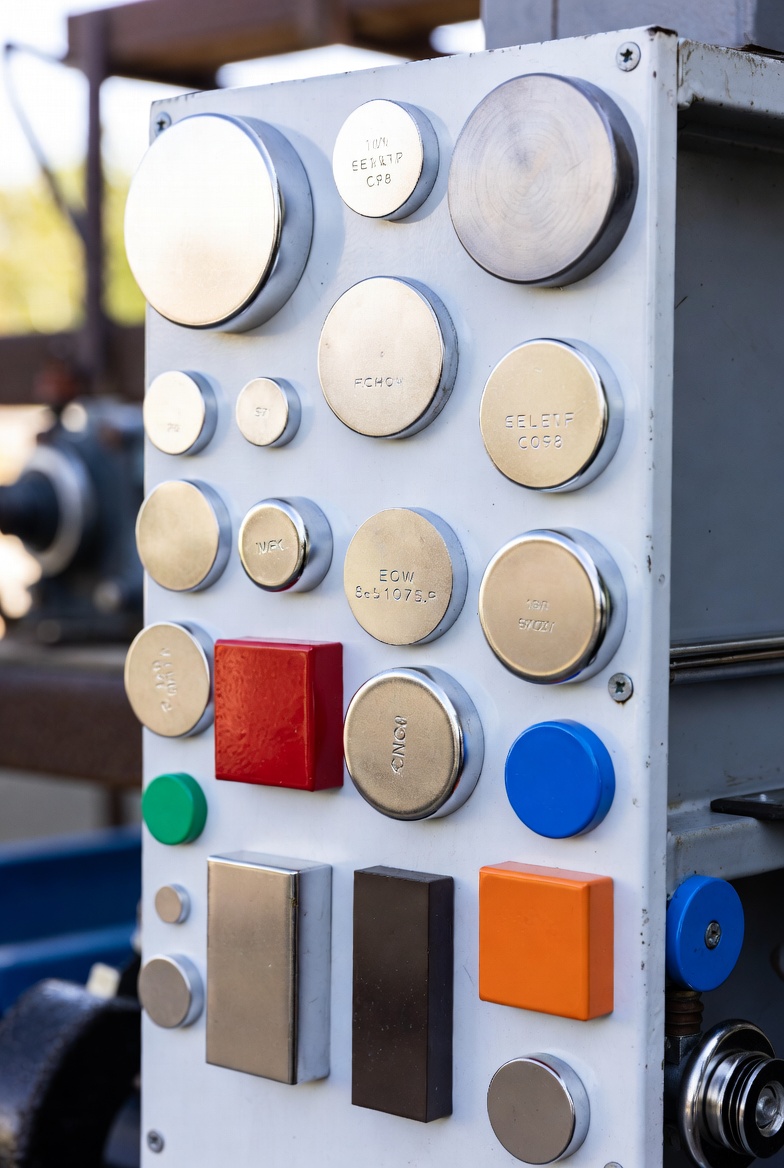
What Are Cabinet Magnets and Magnetic Door Latches?
Cabinet magnets and magnetic door latches are compact devices that use a magnet and a steel strike plate (or a second magnet) to hold a door, drawer, or panel securely closed.
They are widely used in kitchens, bathrooms, offices, laboratories, RVs, and boats because they are discreet, reliable, and inexpensive compared with many traditional mechanical latches.
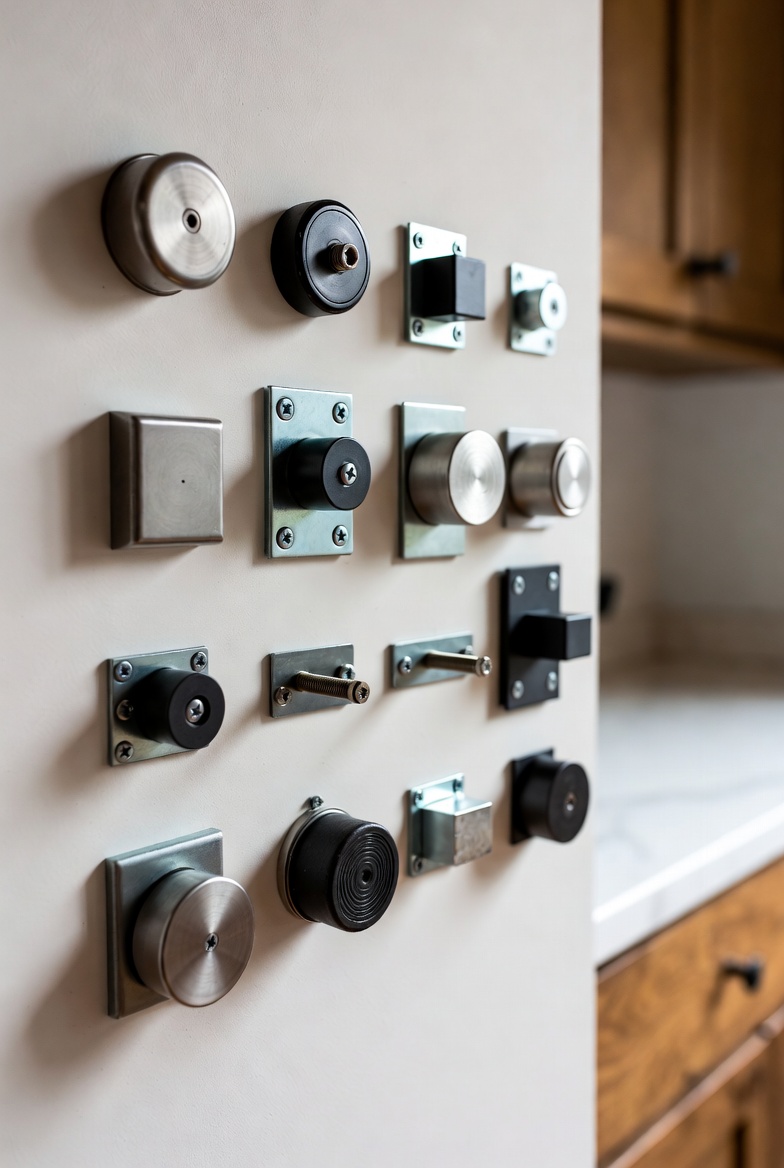
Common cabinet magnet formats include:
– Surface-mounted plastic or metal catches with a small bar magnet
– Slim magnetic cabinet latches for modern furniture and frameless cabinets
– Countersunk disc magnets or mounting magnets recessed into wood for a hidden, minimal look
– Heavy-duty magnetic door catches for larger or heavier doors and access panels
– Double-ended magnetic catches designed for double doors meeting in the center
Unlike spring or roller latches, magnetic catches have very few moving parts, which reduces wear and helps them maintain consistent holding force over many opening and closing cycles.
Why Use Cabinet Magnets for Home Improvements?
Home improvement projects that add cabinet magnets or magnetic latches can deliver fast, visible benefits with minimal tools and time.
They are especially useful when you want better door control, safety, or energy savings without replacing existing cabinetry or interior doors.
Key benefits for homeowners include:
– Improved door control and closure: prevents doors and drawers from drifting open on their own
– Comfort and energy savings: keeps doors tightly closed to reduce winter drafts and air leakage
– Child and pet safety: helps secure cleaning chemicals, medicines, and sharp objects behind closed doors
– Noise reduction: minimizes rattling from loosely closing doors and panels
– Travel security: stops doors and drawers in RVs and boats from flying open when in motion
Because cabinet magnets are small, affordable, and unobtrusive, they are ideal as “weekend upgrade” projects that still feel like a meaningful improvement to your home or recreation vehicle.
Reducing Drafts and Energy Loss with Magnetic Door Latches
In many homes, interior doors do not close tightly and can swing open when air pressure changes, creating unwanted drafts in winter and cool air loss in summer.
Adding a magnetic door latch helps keep these doors fully closed, which can support your HVAC system and make rooms feel more comfortable.
This helps your home in several ways:
– Less cold air infiltration in winter through slightly open or rattling doors
– More stable indoor temperature, so your heating or cooling system runs more efficiently
– Lower risk of doors slamming when windows are opened or closed and pressure changes
– A more solid, finished feel when doors meet the frame and stay in position
While cabinet magnets are not a replacement for insulation, window upgrades, or weatherstripping, they complement other energy-saving measures by ensuring doors and access panels actually stay closed when needed.
Safer Cabinets for Children and Pets
For parents and pet owners, keeping dangerous items out of reach is a non-negotiable safety requirement.
Many low-cost plastic child locks rely on weak adhesive or fragile plastic parts, which can break over time and leave cabinets unsecured without anyone noticing.
By contrast, cabinet magnets provide a robust, low-profile closure that keeps doors reliably shut while remaining convenient for adults to open.
Typical use cases include:
– Under-sink cabinets with bleach, detergents, and cleaning sprays
– Laundry room cabinets with detergent pods, softeners, and stain removers
– Bathroom vanities with medicines, razor blades, and grooming tools
– Garage storage cabinets containing solvents, paints, oils, and sharp tools
For added security in homes with very small children, many homeowners combine magnetic cabinet catches with dedicated child-proof locks, so the magnetic catch handles everyday closure while the lock adds extra resistance against curious hands.
Enhancing Walk-In Showers with Magnetic Latches
Walk-in showers are popular because they look modern, are easier to clean than curtains, and reduce mold buildup on fabric surfaces.
However, frameless glass doors and large enclosures often need reliable closure to prevent water leaks, maintain a sleek appearance, and deliver a pleasant user experience.
Magnetic door latches are a practical choice for:
– Frameless glass shower doors that require a clean, minimal latch
– Sliding shower doors that need a positive “click” to feel fully closed
– Bathroom renovations where users want a crisp, spa-like aesthetic with minimal metal hardware
Benefits in shower applications include:
– Reduced water leakage thanks to consistently closed doors and better sealing at the edges
– Cleaner lines because many magnetic latches can be concealed within frames or profiles
– Better user experience, with a satisfying, soft closing action that signals the door is fully shut
– Less strain on hinges and hardware because the magnet helps guide the final part of the closing movement
When planning a bathroom upgrade for resale, adding a walk-in shower with discreet magnetic latches can be a compelling feature that appeals to future buyers or tenants who value modern, easy-to-use bathrooms.
Securing RV and Boat Cabinets Against Vibration
In recreational vehicles and boats, vibration and motion regularly test the strength of cabinet closures and latches.
When cabinets fly open on a rough road or choppy water, the result can be broken items, spilled food, or even injuries from flying objects and falling gear.
Installing magnetic cabinet latches in RVs and boats delivers practical benefits:
– Higher safety for passengers, with fewer loose items during sudden stops, turns, or waves
– Less mess from dishes, cans, or gear spilling out of overhead compartments and cupboards
– Reduced wear on hinges and frames, since doors are held firmly and do not rattle constantly
– Long-term reliability, because magnet catches are resistant to vibration and have few moving parts
These upgrades are ideal as day-before-departure projects: you can retrofit existing storage instead of replacing whole cabinets or reworking the interior layout.
Types of Cabinet Magnets and Where to Use Them
Choosing the right cabinet magnets for home improvements depends on door size, material, aesthetic goals, and whether the application involves motion or vibration.
Below is an overview of common types and their recommended applications.
Surface-mounted plastic cabinet catch
This is one of the most common types of cabinet magnet. It usually consists of a small plastic body containing a bar magnet and a separate metal strike plate.
– Typical use: standard kitchen cabinets, bathroom vanities, closet doors in low-vibration environments
– Advantages: easy to install, low cost, simple to replace when upgrading existing hardware
– Visual impact: the plastic housing is visible but small and available in neutral colors
Slim metal magnetic cabinet latch
Slim metal latches are designed for a more modern, low-profile appearance, often used with frameless cabinets and contemporary furniture.
– Typical use: modern kitchens, office furniture, frameless cabinet systems, minimalist interiors
– Advantages: sleek look, strong feel, durable metal housing that resists wear
– Visual impact: blends well with high-quality hardware such as stainless steel or matte black handles
Countersunk disc magnets and recessed catches
Countersunk or pot magnets can be recessed into wood, MDF, or other materials so they sit flush or slightly below the surface.
– Typical use: hidden closures on custom wood furniture, access panels, and decorative doors
– Advantages: almost invisible from the outside, flexible positioning, neat and minimal look
– Visual impact: ideal where design purity is important and hardware should not be prominent
Cup or mounting magnets for heavier doors
Cup magnets consist of a magnet housed in a steel cup that concentrates the magnetic field and increases holding force.
– Typical use: heavier cabinet doors, tall pantry doors, utility cabinets, and some access panels
– Advantages: strong holding force in a compact form, robust steel housing suitable for repeated use
– Visual impact: more industrial appearance, often hidden on the inside of the cabinet
Double-magnet catches for double doors
Double-magnet catches are designed so that each side of the catch can hold one of a pair of doors that meet in the middle.
– Typical use: wide cabinets, entertainment centers, wardrobe doors, and utility closets
– Advantages: aligns and holds both doors closed, avoids the need for central mechanical latches
– Visual impact: typically hidden at the top or bottom inside edge between the two doors
When planning upgrades, it is important to match the magnet holding force to the door size and usage frequency. Heavier doors, doors in high-traffic areas, or doors that move during travel (RVs and boats) often require heavier-duty catches or cup magnets to ensure reliable performance and user safety.
How to Install a Basic Magnetic Cabinet Catch
Most homeowners can install cabinet magnets with simple tools such as a screwdriver, drill, and measuring tape. The process is straightforward and usually does not require professional help.
Below is a typical step-by-step process for installing a surface-mounted magnetic cabinet latch.
1. Choose the right position
Place the magnet catch on the cabinet frame so that it will align with the door when closed, usually near the top or bottom edge where the door is most stable. Make sure there is enough flat surface to mount the catch securely.
2. Mark your screw holes
Hold the catch in place and use a pencil to mark the mounting holes on the cabinet frame. Some installers lightly close the door and mark from the door side to confirm perfect alignment.
3. Pre-drill pilot holes
Use a small drill bit to create pilot holes for the screws. This reduces the risk of splitting wood, stripping screws, or misaligning the catch during installation.
4. Attach the magnetic catch
Screw the catch body to the cabinet frame, making sure it sits flat and does not twist when tightening. If the catch has slots rather than fixed holes, leave the screws slightly loose so you can make fine adjustments.
5. Align and mount the strike plate
Place the metal plate against the magnet, close the door so the plate touches the inner surface, then mark its position through the mounting holes. Open the door, align the plate with your marks, and screw it into place.
6. Test and adjust the alignment
Close and open the door several times, checking that it closes cleanly with a firm pull and that the reveal (gap) around the door remains consistent. If needed, slightly loosen screws to slide the catch or plate into better alignment, then retighten securely.
For hidden installations using countersunk or inset magnets, you will follow a similar sequence but also drill precise recesses so the magnet surface sits flush or slightly proud of the wood. In these cases, accurate measuring and drilling depth control are particularly important.
Design and Aesthetic Tips for Modern Interiors
Beyond functionality, cabinet magnets can contribute to a cleaner, more modern look, especially when replacing bulky, noisy, or outdated mechanical catches.
Design-focused tips include:
– Choose slim metal latches in finishes that match handles and hinges, such as chrome, brushed nickel, brass, or matte black
– Use recessed disc magnets or pot magnets where you want invisible closures on minimalistic panels or custom wood furniture
– Combine soft-close hinges with light holding-force magnets for a premium feel and a quiet, controlled closing motion
– Align magnetic components carefully to maintain straight reveals and consistent gap lines along cabinet doors and drawers
– In high-end spaces, coordinate latch hardware with other visible fittings like faucets, lighting fixtures, and door handles for a unified visual theme
For periodic maintenance, simply wipe magnet faces and strike plates with a soft cloth to remove dust, grease, or residue that might reduce holding force or cause squeaks when doors are closed.
Safety and Maintenance Considerations
While cabinet magnets are generally safe and low-maintenance, adopting a few best practices will keep them working reliably and help you avoid common problems.
Key considerations include:
– Periodically check screw tightness, especially in RVs and boats where vibration is common and hardware can slowly loosen
– Avoid hitting magnets with metal tools or slamming doors excessively, which can chip brittle rare-earth magnets or bend strike plates
– Keep magnet faces clean so debris does not create a gap between the magnet and the plate, which weakens the holding force
– In damp environments such as bathrooms and marine settings, select corrosion-resistant housings or magnets with proper protective coatings
– If you have household members with medical implants such as pacemakers, follow device manufacturer guidelines and avoid placing very strong magnets close to the chest area
If a door suddenly stops closing properly, inspect the door alignment and hinges before assuming the magnet has failed. A sagging hinge, warped door, or shifted frame is often the real cause and can usually be corrected by adjusting or replacing the hinge hardware.
Planning Cabinet Magnet Upgrades in Your Home, RV, or Boat
Homeowners often look for quick wins that improve daily life without requiring major construction or large budgets. Strategically adding cabinet magnets falls into this category and pairs well with other small projects, such as replacing cabinet hardware, adding soft-close hinges, or improving weatherstripping on exterior doors.
You might prioritize cabinet magnet installation when:
– Planning a bathroom refresh with a new walk-in shower and glass doors
– Upgrading a kitchen ahead of listing a property for sale or rental
– Preparing an RV or boat for a long trip or new season, focusing on safety and storage
– Child-proofing and pet-proofing key storage areas such as under-sink cabinets and garage shelves
– Updating older cabinetry to create a more solid, high-quality feel without full replacement
Because the upgrade is low cost, you can implement house-wide consistency, for example, using similar magnetic catches across all kitchen cabinets and bathrooms for a unified feel and predictable door behavior.
Advanced Tips for Choosing Cabinet Magnets
To get the best long-term performance from cabinet magnets, it is helpful to think about factors such as holding force, materials, and door usage patterns before you buy.
Consider the following points:
– Holding force: choose a magnet with enough strength to resist expected forces, such as drafts, children pulling, or vehicle motion, but not so strong that doors become difficult to open
– Door size and weight: larger, heavier doors often benefit from two catches or a stronger cup magnet, while small cabinet doors may only need a light-duty catch
– Material compatibility: magnets work best against ferromagnetic metals; when doors are made of wood, glass, or composite, a properly sized steel strike plate is required
– Environment: for damp or coastal environments, prefer stainless or coated hardware to limit corrosion and maintain appearance
– Aesthetic integration: in visible locations, prioritize low-profile or hidden solutions that complement your interior design
If you are unsure how strong a magnet you need, start with a conservative choice for one cabinet, test it with everyday use, and then standardize on that specification across similar doors once you are satisfied with the feel.
CTA: Plan Your Next Magnetic Upgrade
If you are considering cabinet magnets for home improvements, now is an ideal time to walk through your home, RV, or boat and identify where a more reliable magnetic catch would improve safety, comfort, or convenience.
Create a simple checklist of the rooms and cabinets you want to upgrade, choose the appropriate magnet type, holding force, and finish, and schedule a weekend project to install them.
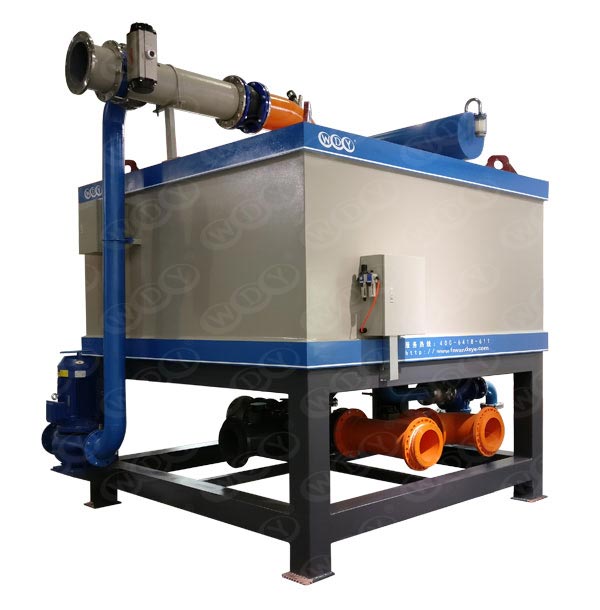
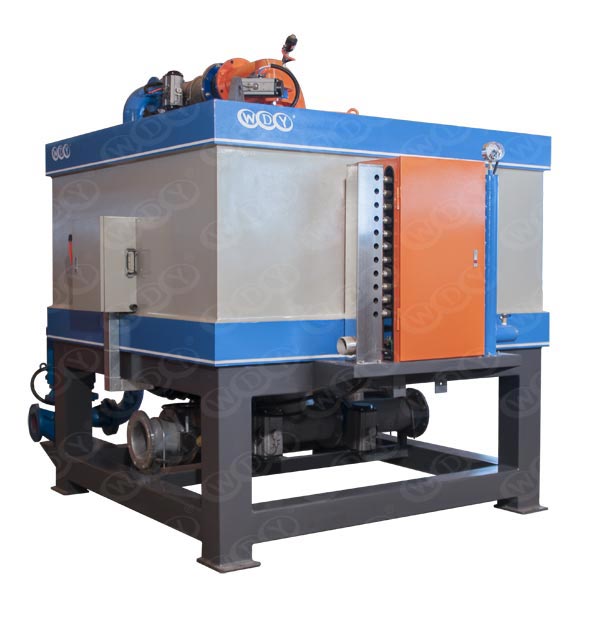
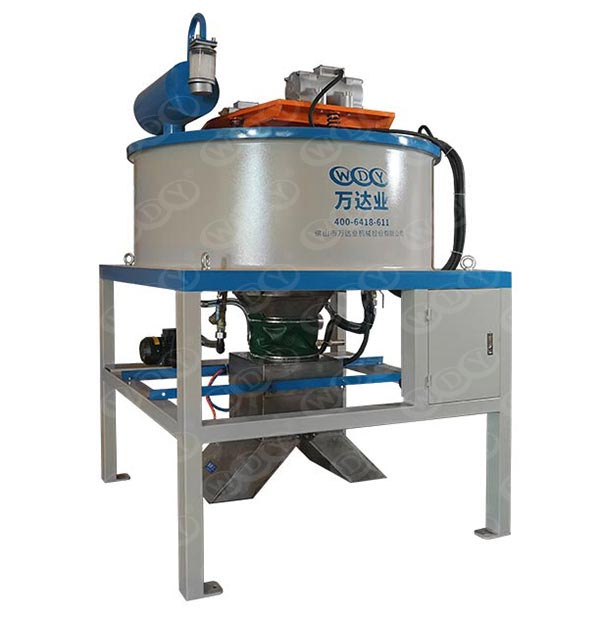
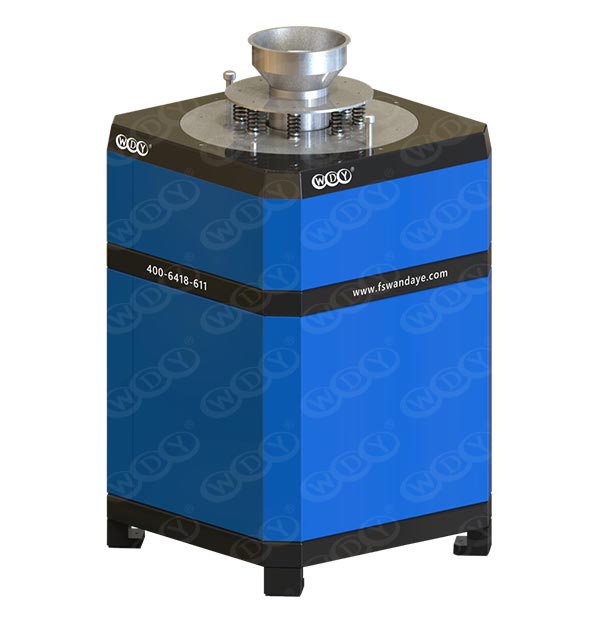
For industrial and engineering projects that go beyond home or RV use—such as magnetic separation and iron-removal systems for mining, ceramics, or pharmaceutical production—specialized manufacturers like Foshan Wandaye Technology Co., Ltd. can provide high-efficiency magnetic separators, design support, and technical consulting tailored to your process requirements.
Summary
Cabinet magnets and magnetic door latches offer a powerful combination of simplicity, reliability, and low cost that makes them ideal for modern home improvement projects.
By understanding the different types of cabinet magnets, how to install them correctly, and where they make the biggest impact, homeowners can improve safety, comfort, and aesthetics in kitchens, bathrooms, RVs, boats, and more.
When you integrate cabinet magnets into a broader upgrade plan that also addresses hardware, hinges, and energy efficiency, you gain a smoother, quieter, and more secure living environment that feels noticeably better in everyday use.
Contact us to get more information!
FAQs
1. Are cabinet magnets strong enough to hold heavy cabinet doors?
Yes, cabinet magnets can hold heavy doors if you choose heavy-duty cabinet magnets or cup-style mounting magnets with adequate holding force for the door size and weight.
For very large doors, you may use two catches or a combination of a strong magnet and quality hinges so that the door closes smoothly and stays securely in place without being difficult to open.
2. Can cabinet magnets be installed on metal or glass doors?
Cabinet magnets can be used on metal and glass doors, but the installation approach differs from standard wooden doors.
On metal doors, the door itself can act as the ferromagnetic surface, so you may only need to mount the magnet on the frame. On glass doors, you typically use special clamps or brackets designed to grip the glass without drilling, with the magnet or strike plate attached to those fittings.
3. Will cabinet magnets rust in bathrooms or on boats?
Cabinet magnets can rust if the magnet or housing is not properly protected, particularly in bathrooms, coastal homes, or marine environments where humidity and salt are common.
To avoid this, select latches that feature stainless steel housings, corrosion-resistant coatings, or fully enclosed magnet assemblies. Regularly wiping condensation and splashes from the hardware also helps extend service life.
4. Are cabinet magnets safe around electronics and credit cards?
The small magnets used in cabinet latches are usually not strong enough at typical distances to affect modern household electronics or payment cards.
However, it is still good practice not to place magnetic catches directly against sensitive devices such as external hard drives or to store credit cards right next to bare magnets. Keeping a reasonable separation distance and using shielded housings minimizes any risk.
5. How long do cabinet magnets last?
Magnetic cabinet catches can last for many years because they rely on permanent magnets that lose very little magnetism over time under normal operating conditions.
Most performance issues come from mechanical wear, corrosion, or misalignment rather than from the magnet itself. Choosing quality hardware, installing it correctly, and performing basic maintenance will help your cabinet magnets perform reliably for the long term.
Citations:
1. https://buntingmagnetics.com/blog/cabinet-magnets-for-home-improvements
2. https://rochestermagnet.com/industries-applications/cabinet-magnets/
3. https://www.instructables.com/Magnetic-Cabinet-Closures/
4. https://www.kjmagnetics.com/blog/making-magnetic-closures
5. https://www.lowes.com/pl/cabinet-hardware/cabinet-latches/magnetic/325094205-4294776810
6. https://nbaem.com/what-are-10-uses-of-magnets-in-house/
7. http://en.fswandaye.com
8. https://www.wdymagnetic.com
Hot Tags: Cabinet Magnets For Home Improvements, Magnetic Cabinet Door Catches, Cabinet Door Magnet Latches, Magnetic Cabinet Hardware Solutions, Heavy Duty Cabinet Magnets, Kitchen Cabinet Magnetic Closures, Magnetic Door Catch Installation, DIY Cabinet Magnet Upgrade, Soft Close Magnetic Cabinet Latch, Furniture Magnetic Fasteners