


Content Menu
● Overview of Iron Contamination and Iron Removal Needs
● Key Technologies Used by Iron Removal Equipment Manufacturers and Suppliers
>> Media-Based Iron Removal Filters
>> Magnetic Separation and Iron-Removal Cabinets
>> High-Frequency Vibratory Separators with Magnetic Iron Removal
>> Integrated Water Treatment Systems with Iron Removal
>> Domestic and Light-Commercial Iron Removal Solutions
● Representative Iron Removal Equipment Manufacturers and Suppliers Serving Indonesia
>> Foshan Wandaye Machinery Equipment Co., Ltd.
>> Local Indonesian Water-Treatment Specialists
>> Regional and Global Water-Treatment Brands
>> Suppliers of Iron Removal Media and Accessories
● Key Application Sectors for Iron Removal in Indonesia
>> Mining and Mineral Processing
>> Ceramics, Glass, and Construction Materials
>> Food, Beverage, and Pharmaceuticals
>> Commercial and Residential Water Supply
● How to Choose the Right Iron Removal Equipment Manufacturers and Suppliers in Indonesia
>> Define Water Quality or Process Requirements
>> Evaluate Technology Portfolio and Flexibility
>> Check Local Experience, Service, and After-Sales Support
>> Confirm Compliance, Documentation, and Integration Capability
>> Assess Total Cost of Ownership
● Practical Example of a Project with a Professional Supplier
● FAQ
>> 1. What industries in Indonesia most need iron removal equipment?
>> 2. How do media-based iron removal filters work in practice?
>> 3. When are magnetic separators preferred over conventional filters?
>> 4. What factors influence the cost of an iron removal system in Indonesia?
>> 5. How can Indonesian companies ensure long-term performance of iron removal equipment?
Indonesia’s rapidly growing industrial, mining, and water-treatment markets have created strong demand for reliable Iron Removal Equipment Manufacturers and Suppliers that can deliver efficient, stable, and scalable solutions across different applications.
Iron contamination impacts product quality, asset life, and regulatory compliance, so end users in Indonesia actively seek trusted Iron Removal Equipment Manufacturers and Suppliers capable of serving water treatment, mining, ceramics, food and beverage, textiles, and pharmaceuticals with tailored solutions rather than generic products.
Overview of Iron Contamination and Iron Removal Needs
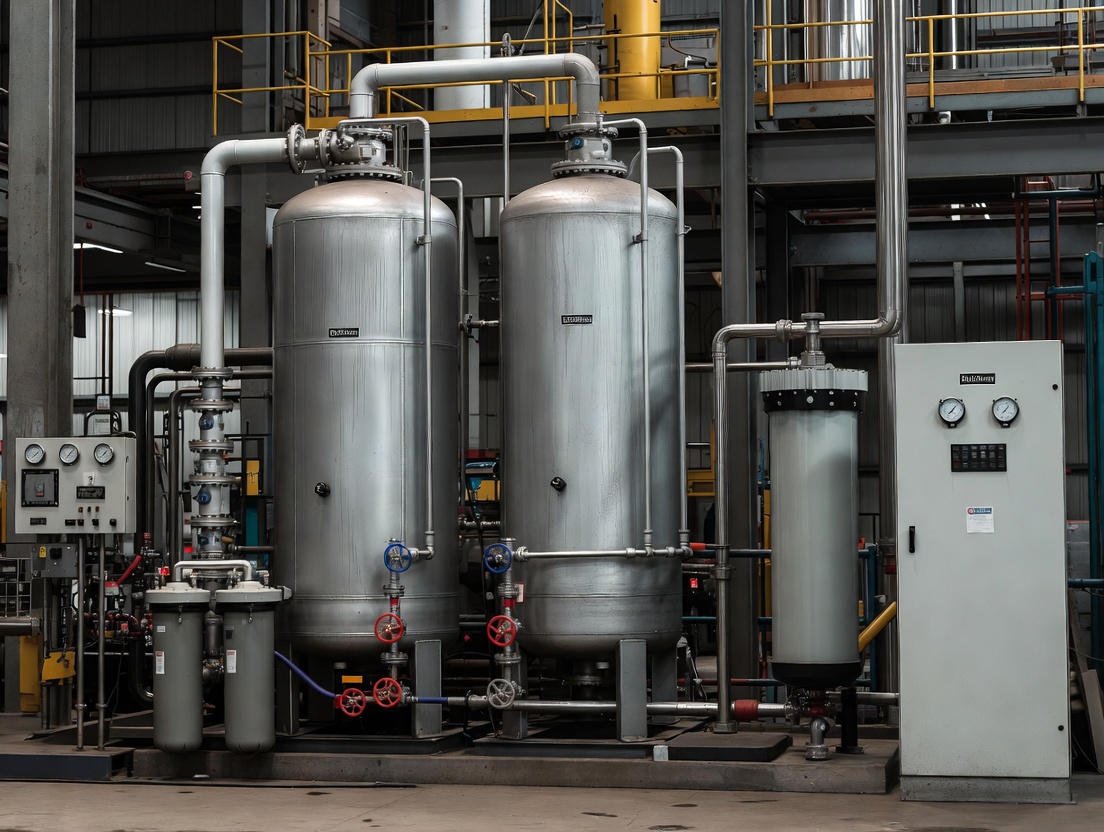
Iron contamination is a persistent problem in Indonesian groundwater, process water, and industrial effluents, as well as in many bulk solids and slurry-processing lines used in heavy industry.
Excess iron can cause staining, metallic taste, turbidity, and corrosion, which in turn leads to higher maintenance costs, frequent equipment replacement, reduced product quality, and customer complaints in both domestic and export markets.
Because of these risks, many companies now treat iron removal as a strategic investment rather than a simple add-on, and they work closely with specialized Iron Removal Equipment Manufacturers and Suppliers to integrate advanced separation or filtration technologies into their production lines.
In sectors such as mining, ceramics, glass, pharmaceuticals, and food and beverage, stringent quality standards make iron removal a mandatory step to ensure stable, repeatable product performance and compliance with local regulations or international buyer requirements.
Key Technologies Used by Iron Removal Equipment Manufacturers and Suppliers
Iron Removal Equipment Manufacturers and Suppliers serving the Indonesian market rely on several core technology families, each suitable for different process conditions, iron concentrations, and purity requirements.
Understanding these technologies helps buyers select the right partner and design a system that balances capital cost, operating cost, and technical performance over the entire lifecycle of the installation.
Media-Based Iron Removal Filters
Media-based iron removal filters are among the most widely used solutions in Indonesia for both domestic and industrial water treatment applications.
These systems typically contain catalytic media such as manganese greensand, Birm, or proprietary granular media that oxidize dissolved iron and manganese and capture the resulting particles within the filter bed before the water moves downstream.
Over time, trapped iron and manganese oxides accumulate in the media and are removed through periodic backwashing cycles, which restore hydraulic performance and maintain removal efficiency.
Iron Removal Equipment Manufacturers and Suppliers can customize filter dimensions, media types, and control valves so that the system matches local water chemistry, flow rates, and automation needs, from small hotels to large industrial plants.
Magnetic Separation and Iron-Removal Cabinets
Magnetic separation plays a crucial role wherever iron contaminants appear in powders, slurries, or granular materials, rather than in dissolved form in water.
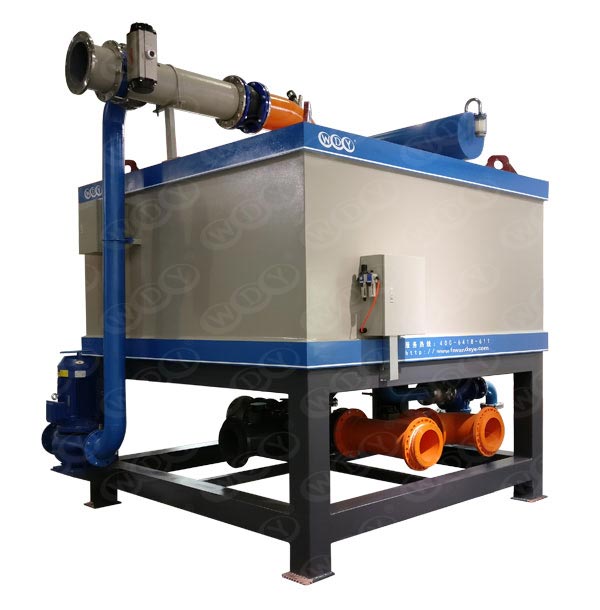
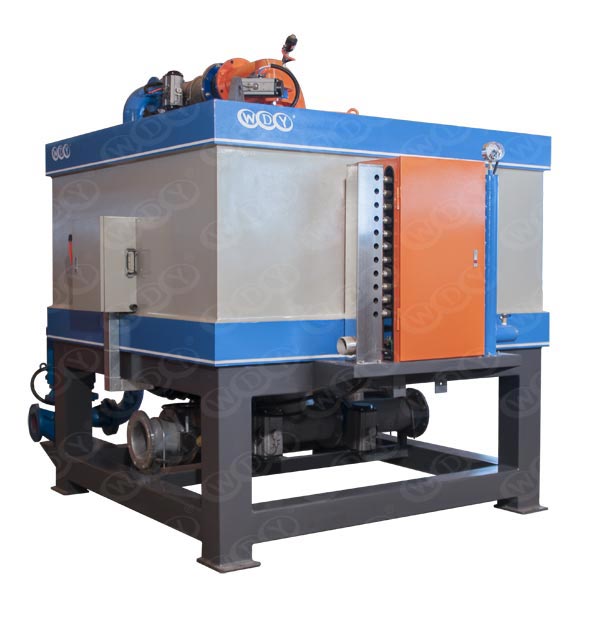
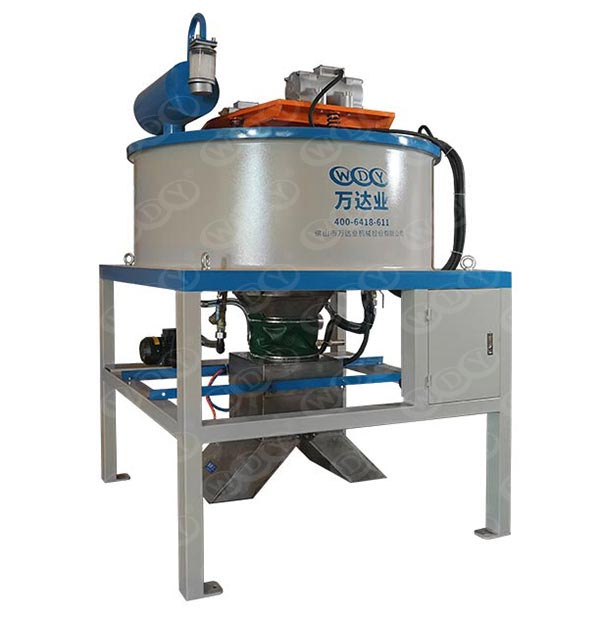
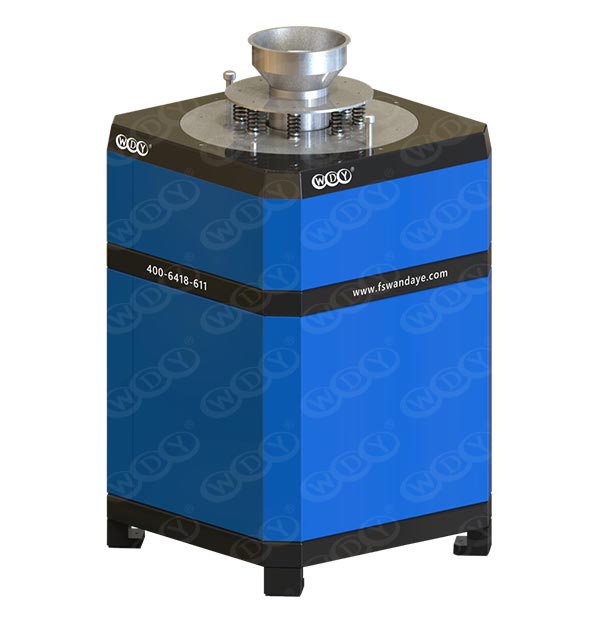
High-gradient electromagnetic separators, permanent magnetic separators, magnetic plates, magnetic grids, and iron-removal cabinets are frequently installed in mining, ceramics, chemical processing, plastics, and pharmaceutical production lines to remove ferromagnetic particles before they cause damage or affect product purity.
These devices can be configured for inline, chute, or pipeline installation, allowing Iron Removal Equipment Manufacturers and Suppliers to retrofit existing plants with minimal civil work.
Because magnetic separation is a non-contact method that does not rely on consumable filter media, it is particularly attractive where maintenance access is limited or where clogging would be frequent with conventional filters.
High-Frequency Vibratory Separators with Magnetic Iron Removal
In some applications, especially fine powders and difficult-to-sieve materials, high-frequency vibratory separators are combined with magnetic iron removers to achieve both particle-size classification and iron removal in a compact footprint.
The vibratory motion improves throughput and prevents screen blinding, while strategically installed magnetic components extract iron contaminants that may be present in the feed material or introduced during handling and transportation.
Iron Removal Equipment Manufacturers and Suppliers that offer this integrated approach can serve industries such as pharmaceuticals, food additives, pigments, and advanced ceramics, where both particle-size distribution and ultra-low iron content are critical performance parameters.
For Indonesian factories upgrading from basic screening technology, such combined systems deliver higher productivity, better product consistency, and lower risk of customer rejection due to contamination issues.
Integrated Water Treatment Systems with Iron Removal
Where iron contamination occurs in raw water sources, such as wells, rivers, or reservoirs, integrated water treatment systems are often the most effective option.
These systems may combine aeration, oxidation, coagulation, filtration, adsorption, and sometimes membrane processes to remove iron, manganese, turbidity, and other contaminants in a single engineered solution rather than using isolated components.
Iron Removal Equipment Manufacturers and Suppliers that specialize in water treatment typically provide complete packages that include:- Water analysis and design calculations
– Pressure or gravity filters with suitable media
– Chemical dosing systems for oxidants and coagulants
– Automation panels, valves, and instrumentation
– Commissioning, training, and after-sales service
For Indonesian industries with strict water-quality demands—such as power generation, electronics, and pharmaceuticals—these integrated systems deliver consistent water quality and simplify compliance with internal and external standards.
Domestic and Light-Commercial Iron Removal Solutions
Alongside heavy industrial installations, the Indonesian market also requires compact iron removal solutions for residential buildings, small hotels, restaurants, clinics, and rural facilities.
Many Iron Removal Equipment Manufacturers and Suppliers offer standard package units that combine iron removal, basic filtration, and sometimes softening in a single skid or cabinet, making it easier to install and maintain in locations without full-time engineering staff.
These units typically feature automatic backwash cycles, compact pressure tanks, and user-friendly control interfaces so that non-specialist operators can manage daily operation.
As awareness grows about the negative effects of high iron levels on plumbing fixtures, laundry, food preparation, and general comfort, demand for such compact systems continues to rise in Indonesia’s residential and hospitality sectors.
Representative Iron Removal Equipment Manufacturers and Suppliers Serving Indonesia
The Indonesian market benefits from a combination of local engineering firms, regional integrators, and international Iron Removal Equipment Manufacturers and Suppliers that deliver both equipment and technical expertise.
Below are representative categories of suppliers that Indonesian buyers often evaluate when planning new iron removal projects or upgrading existing lines.
Foshan Wandaye Machinery Equipment Co., Ltd.
Foshan Wandaye Machinery Equipment Co., Ltd. is a professional enterprise focusing on the research, development, engineering design, and manufacturing of magnetic separation and iron removal equipment for a broad range of industries.
Its portfolio includes high gradient electromagnetic slurry separators, powder magnetic separators, permanent magnetic separators, electromagnetic vertical ring machines, magnetic plates, iron-removal cabinets, and magnetic rods, enabling end users to address multiple iron contamination challenges with a single technology partner.
For Indonesian mining, ceramics, and pharmaceutical customers, Foshan Wandaye can supply tailored magnetic separation systems that integrate into existing production lines to remove iron impurities efficiently from slurries, powders, and raw materials.
By cooperating with local agents or engineering firms, the company helps Indonesian Iron Removal Equipment Manufacturers and Suppliers and end users improve product quality, reduce equipment wear, and achieve more stable, predictable process performance in demanding applications.
Local Indonesian Water-Treatment Specialists
Indonesia is home to several water-treatment specialists that design and install iron removal systems for municipal, industrial, and commercial clients.
These companies typically focus on raw water treatment, boiler-feed water, cooling-water systems, and process-water preparation, combining iron removal with other treatment stages such as filtration, disinfection, and softening.
Local specialists often:- Provide site surveys and water testing
– Design tailor-made filter trains or packaged units
– Supply filter media, tanks, valves, and instruments
– Offer periodic maintenance and media replacement services
Because of their familiarity with Indonesian water sources, regulations, and logistics, these local firms are important partners for global Iron Removal Equipment Manufacturers and Suppliers who want to serve the Indonesian market efficiently.
Regional and Global Water-Treatment Brands
Regional and global water-treatment brands also play a significant role as Iron Removal Equipment Manufacturers and Suppliers for Indonesia, offering advanced iron removal filters, compact household systems, and industrial packages designed for high reliability.
These brands generally cooperate with Indonesian distributors or service partners, ensuring that installation, troubleshooting, and upgrades can be handled quickly within the country.
Their product ranges often include:- Cartridge and multimedia filters designed for iron and manganese removal
– Modular skid-mounted treatment plants for remote or industrial sites
– Smart controllers and IoT-enabled monitoring platforms for performance tracking
For industrial users looking for proven, globally benchmarked solutions, such brands provide reference installations, performance data, and standardized documentation that simplify engineering and procurement.
Suppliers of Iron Removal Media and Accessories
In addition to full system suppliers, there are specialized vendors that focus on iron removal media, filter vessels, valves, controllers, and related accessories.
These vendors are important for engineering firms and smaller Iron Removal Equipment Manufacturers and Suppliers that build custom systems in Indonesia using imported or locally produced components.
By providing technical data sheets, pilot-testing support, and media selection guidance, these suppliers help Indonesian integrators design filters that match local water conditions and deliver long service life.
They also allow end users to upgrade older systems by replacing underperforming media with more advanced products without changing the entire plant.
Key Application Sectors for Iron Removal in Indonesia
Iron Removal Equipment Manufacturers and Suppliers support a broad spectrum of applications in Indonesia, from heavy industry and energy to high-purity manufacturing and commercial infrastructure.
Each sector has its own priorities, performance targets, and constraints, which influence the type of technology and configuration selected for iron removal systems.
Industrial Water Treatment
Industrial facilities such as power plants, textile mills, chemical factories, and electronics manufacturers require water with low iron content to protect boilers, cooling systems, heat exchangers, and sensitive process equipment.
Even moderate levels of iron can lead to corrosion, scale formation, and performance losses, so industrial buyers frequently install dedicated iron removal stages as part of their raw-water or make-up water treatment lines.
Professional Iron Removal Equipment Manufacturers and Suppliers design systems that may include aeration, oxidation, sand or multimedia filters, and automatic backwash controls to maintain stable performance with varying raw-water quality.
Over time, such systems lower maintenance costs, improve energy efficiency, and support consistent product quality, especially in continuous production environments where downtime is expensive.
Mining and Mineral Processing
Indonesia’s mining sector processes large quantities of ore and mineral concentrates that often contain unwanted iron or are vulnerable to iron contamination during crushing, grinding, and handling.
Magnetic separators, iron-removal cabinets, and high-gradient systems are widely used to remove ferromagnetic particles from slurries and dry streams, ensuring that final products meet quality specifications and that downstream grinding or flotation equipment is protected from metal damage.
Iron Removal Equipment Manufacturers and Suppliers serving the mining sector provide rugged, heavy-duty machines designed for abrasive environments, high throughput, and continuous operation.
They may also offer custom magnet designs, wear-resistant linings, and remote monitoring features that help mine operators in Indonesia achieve better recovery rates and lower maintenance costs in harsh conditions.
Ceramics, Glass, and Construction Materials
In the ceramics and glass industries, even small amounts of iron in raw materials can affect color, transparency, and mechanical properties, leading to product defects or limited application possibilities.
Magnetic separators and iron removal filters are therefore integral to many plants processing clays, feldspar, quartz, and other mineral inputs for tiles, sanitaryware, glass products, and specialty construction materials.
Iron Removal Equipment Manufacturers and Suppliers provide high-intensity magnetic systems that can capture fine iron particles that might escape conventional magnets, allowing producers to meet stringent quality standards.
For Indonesian manufacturers targeting export markets, upgrading to more advanced iron removal technology can be a key differentiator that enables them to compete with producers from other regions on quality, not just price.
Food, Beverage, and Pharmaceuticals
Food and beverage producers rely heavily on clean water, hygienic process systems, and consistent raw-material quality, all of which can be compromised by excessive iron levels.
Iron can cause unpleasant tastes, odors, and discoloration, and in some processes it may interfere with product formulations or act as a catalyst for undesirable reactions.
Pharmaceutical manufacturers require even more stringent control of iron levels, especially in purified water, water for injection, and certain process intermediates.
In these sectors, Iron Removal Equipment Manufacturers and Suppliers typically design systems with sanitary construction, high-quality materials, automation, and validation support to meet strict internal quality protocols and regulatory expectations.
Commercial and Residential Water Supply
Hotels, hospitals, office buildings, apartments, and residential communities across Indonesia frequently source water from wells or surface supplies that contain high iron concentrations.
Without proper iron removal, these facilities face problems such as stained bathroom fixtures, discolored laundry, fouled plumbing, and end-user complaints about taste and appearance.
To address these issues, Iron Removal Equipment Manufacturers and Suppliers offer compact filter systems, often skid-mounted or cabinet-style, which can be installed in pump rooms, rooftops, or dedicated plant rooms.
These systems are designed for user-friendly operation, with clear indicators and automatic backwash sequences that allow facility managers to maintain high-quality water without intensive manual intervention.
How to Choose the Right Iron Removal Equipment Manufacturers and Suppliers in Indonesia
Selecting the right Iron Removal Equipment Manufacturers and Suppliers is critical for long-term reliability, cost-effectiveness, and regulatory compliance.
A structured selection process helps avoid under-sized, over-complicated, or poorly supported systems that fail to deliver the expected benefits.
Define Water Quality or Process Requirements
The first step is to clearly define the problem that the iron removal system must solve, including:- Raw water or material characteristics (iron concentration, manganese, turbidity, pH, temperature)
– Flow rate or throughput, including peak and average loads
– Required outlet quality or product specifications
Iron Removal Equipment Manufacturers and Suppliers that offer laboratory analysis, pilot testing, or on-site surveys can design more accurate solutions because they base their proposals on real data rather than assumptions.
This reduces the risk of underperformance and avoids unnecessary oversizing that would increase capital and operating costs.
Evaluate Technology Portfolio and Flexibility
A supplier with a broad technology portfolio can recommend the most suitable combination of media filters, magnetic separators, advanced oxidation, or integrated treatment systems for each project.
When Iron Removal Equipment Manufacturers and Suppliers have access to multiple technology options, they can tailor solutions to site constraints, such as limited space, difficult access, or specific quality standards in a given industry.
Buyers should ask about:- Available filter sizes and materials of construction
– Types of magnetic separators or iron removal modules offered
– Options for automation, remote monitoring, and data logging
Such flexibility is especially important in Indonesia, where raw-water quality and industrial processes can vary significantly between sites, even within the same industry.
Check Local Experience, Service, and After-Sales Support
Strong after-sales service is essential for keeping iron removal systems running at peak performance throughout their service life.
Indonesian buyers should prioritize Iron Removal Equipment Manufacturers and Suppliers that maintain local inventories of spare parts, offer preventive maintenance contracts, and provide accessible technical support through regional offices or authorized partners.
Key questions to consider include:- How quickly can the supplier respond to service calls?
– Are local technicians trained to handle installations, troubleshooting, and upgrades?
– Does the supplier offer training for on-site operators and engineers?
A supplier that invests in local capabilities is more likely to support the system over the long term, which reduces the total cost of ownership and minimizes unplanned downtime.
Confirm Compliance, Documentation, and Integration Capability
Iron removal systems must comply with applicable Indonesian regulations and, in some cases, international standards, especially when serving export-oriented industries.
Professional Iron Removal Equipment Manufacturers and Suppliers provide clear documentation, such as process flow diagrams, P&IDs, operating manuals, and maintenance guidelines, to support inspections, audits, and certification processes.
Equally important is the ability to integrate new iron removal equipment into existing infrastructure, including pumps, tanks, piping, and control systems.
Suppliers with strong engineering expertise can help design connections, instrumentation, and control logic that allow the new system to operate smoothly with other plant equipment, avoiding operational conflicts or bottlenecks.
Assess Total Cost of Ownership
While initial purchase price is important, it should not be the only decision criterion when selecting Iron Removal Equipment Manufacturers and Suppliers.
Total cost of ownership over the life of the system includes energy consumption, chemical usage, media or cartridge replacement, labor for operation and maintenance, downtime costs, and eventual upgrades or expansions.
Requesting lifecycle cost estimates and references from similar installations helps Indonesian buyers compare alternatives more realistically.
A system with slightly higher initial cost but lower long-term operating expenses and stronger support often proves more economical over time, especially in continuous or mission-critical applications.
Practical Example of a Project with a Professional Supplier
To illustrate how collaboration with experienced Iron Removal Equipment Manufacturers and Suppliers typically unfolds, consider a simplified project flow for an industrial water treatment application in Indonesia.
1. The client contacts a shortlisted supplier with basic information about water source, consumption, and quality issues such as staining or corrosion.
2. The supplier performs water analysis or requests detailed laboratory results, then proposes one or more iron removal concepts (for example, media filters with oxidation or a combination of aeration and filtration).
3. The client and supplier agree on a preferred design, including equipment sizing, materials, automation level, and layout to fit available space.
4. The Iron Removal Equipment Manufacturer and Supplier fabricates or assembles the system, conducts factory acceptance tests, and prepares the equipment for shipment to the Indonesian site.
5. After installation, the supplier’s team or local partner performs commissioning, fine-tunes settings, trains operators, and hands over documentation and maintenance plans.
6. During operation, the supplier may provide periodic inspections, spare parts, media replacement, and performance audits to keep the system in optimal condition.
This collaborative model helps ensure that the final installation delivers the expected water quality, reliability, and cost benefits for the client while also strengthening long-term relationships between Indonesian end users and their chosen Iron Removal Equipment Manufacturers and Suppliers.
Conclusion
Indonesia’s expanding industrial base, growing urban centers, and rising quality expectations have made iron removal a central issue in both water treatment and material processing operations.
From mining and mineral processing to ceramics, glass, food and beverage, and pharmaceuticals, industries depend on reliable Iron Removal Equipment Manufacturers and Suppliers to design and deliver solutions that safeguard equipment, enhance product quality, and support compliance with demanding standards.
With technologies ranging from media-based iron removal filters to high-intensity magnetic separators and fully integrated treatment systems, buyers in Indonesia can now choose solutions that closely match their technical and economic requirements.
By carefully evaluating supplier portfolios, local service capabilities, integration expertise, and total cost of ownership, companies can build long-term partnerships with Iron Removal Equipment Manufacturers and Suppliers that provide stable performance and strong support throughout the lifecycle of each installation.
For many organizations, collaborating with experienced global players such as Foshan Wandaye Machinery Equipment Co., Ltd., along with capable local engineering firms, offers a balanced approach that combines advanced technology with on-the-ground service and understanding of Indonesian conditions.
In this way, iron removal becomes not only a compliance step but also a strategic tool for improving reliability, protecting investments, and building a stronger reputation in domestic and international markets.
Contact us to get more information!
FAQ
1. What industries in Indonesia most need iron removal equipment?
Industries that most need iron removal equipment in Indonesia include power generation, textiles, chemical processing, food and beverage, electronics, mining, ceramics, glass, and large commercial facilities such as hotels and hospitals.
These sectors either rely on low-iron water to protect boilers and cooling systems or require low-iron raw materials to maintain product quality and prevent staining, off-flavors, or defects in finished goods.
2. How do media-based iron removal filters work in practice?
Media-based iron removal filters work by passing water through a bed of catalytic media that oxidizes dissolved iron and manganese, converting them into solid particles that can be trapped within the filter layer.
The filter is periodically backwashed to flush out accumulated solids, and the media selection, bed depth, and flow rate are all chosen by the Iron Removal Equipment Manufacturer or Supplier based on local water chemistry and required effluent quality.
3. When are magnetic separators preferred over conventional filters?
Magnetic separators are preferred when the iron contamination is in the form of ferromagnetic particles in powders, granules, or slurries, rather than as dissolved ions in water.
They are especially suitable in mining, ceramics, glass, chemical, and pharmaceutical processes, where non-magnetic filters would quickly clog, or where minimizing contact with filter media is important for hygiene or product-purity reasons.
4. What factors influence the cost of an iron removal system in Indonesia?
The cost of an iron removal system is influenced by several factors, including initial iron and manganese concentrations, required flow rate, technology type (media filters, magnetic separators, integrated systems), level of automation, and materials of construction.
Ongoing costs such as energy consumption, chemical usage, media replacement, labor for operation and maintenance, and potential downtime must also be considered to understand the true total cost of ownership over the system’s life.
5. How can Indonesian companies ensure long-term performance of iron removal equipment?
To ensure long-term performance, Indonesian companies should partner with reputable Iron Removal Equipment Manufacturers and Suppliers that provide robust designs, quality components, thorough commissioning, and clear operation and maintenance guidelines.
Regular monitoring of key parameters, adherence to recommended service intervals, timely replacement of media or wear parts, and periodic performance reviews help maintain high iron removal efficiency and protect downstream equipment for many years.
Citations:
1. https://www.guan-yu.net/en/product/GY-F-1000.html
2. http://en.fswandaye.com
3. https://www.ahuraaqua.co.in/iron-removal-filter.htm
4. https://www.lautanairindonesia.com/publication/removing-iron-and-manganese-in-raw-water/
5. https://news.panasonic.com/global/press/en240306-4
6. https://ptfts.com
7. https://water.co.id/en/applications/ironremoval
8. https://innovawatertreatment.com/indonesia/iron-removal-media1.html
9. https://www.dutcotennant.com/iron-removal-filter
10. https://eschems.com/water-treatment-system-equipment/
Hot Tags: Iron Removal Equipment Indonesia, Iron Removal Systems Suppliers Indonesia, Magnetic Iron Removal Equipment, Iron Filtration Equipment Indonesia, Industrial Iron Removal Solutions Indonesia, Iron Contamination Removal Equipment, Iron Separation Equipment Indonesia, High Efficiency Iron Removal Indonesia, Iron Removal Machine Suppliers, Indonesia Iron Removal Technology