


High‑intensity magnetic separation in ceramics processing is essential for removing magnetic minerals and free iron that cause black spots, color variation, and product failures. This guide, from Foshan Wandaye Technology Co., Ltd., explains how different ceramic magnetic separators work, where to install them in the production line, and how to optimize their performance for white, defect‑free ceramics.
Why Magnetic Separation Matters for Ceramic Raw Materials
Ceramic raw materials such as silica sand, feldspar, kaolin, zircon, and clay often contain natural magnetic minerals and process‑induced iron contamination. Even tiny amounts can generate visible specks or localized discoloration after firing, especially in high‑grade white bodies and glazes.
As traditional high‑purity deposits are depleted, ceramic producers are forced to use more complex ore bodies with higher levels of magnetic impurities. Without robust magnetic separation, this leads to higher reject rates, increased rework, and greater pressure on quality control. Effective ceramic magnetic separators transform lower‑grade reserves into stable, high‑value feedstock.
Understanding Magnetic Properties of Ceramic Minerals
Designing an effective magnetic separation process for ceramics starts with understanding the magnetic properties of minerals in your raw mix. Ceramic feed can contain:
– Ferromagnetic minerals: strongly attracted (e.g., magnetite).
– Paramagnetic minerals: weakly attracted (e.g., some iron‑bearing silicates and micas).
– Diamagnetic / non‑magnetic minerals: essentially unaffected (e.g., pure quartz).
High‑intensity magnetic separators exploit these differences in magnetic susceptibility to remove iron and iron‑bearing minerals while preserving non‑magnetic components essential for color and performance.
Key Types of Magnetic Separators Used in Ceramics
Because ceramic processes handle both dry powders and wet slurries, multiple magnetic separator types for ceramics are usually installed in one plant. Each design targets specific materials, particle sizes, and process points.
Rare Earth Roll Magnetic Separators (Dry, High‑Intensity)
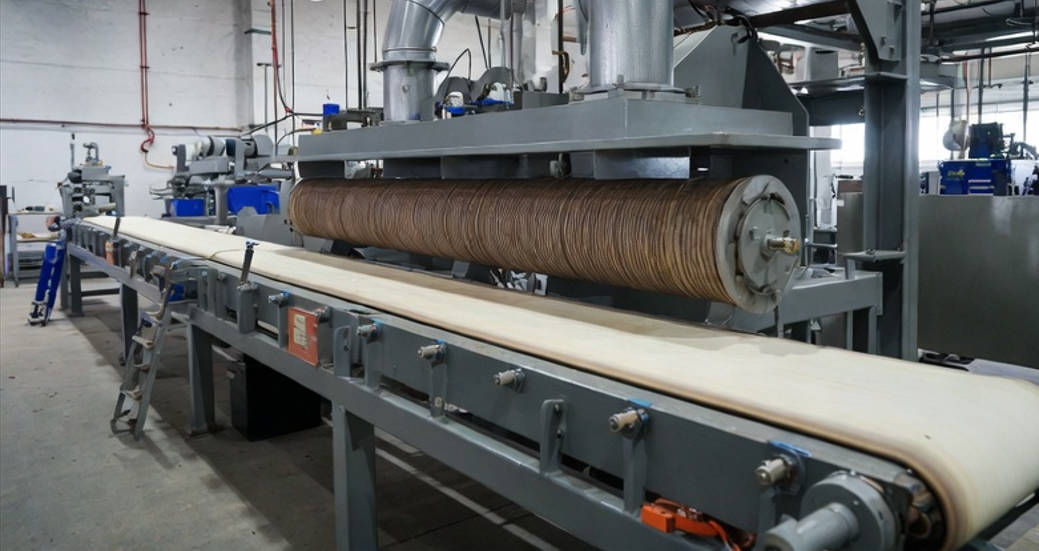
Rare earth roll magnetic separators use a rotating head pulley built from alternating neodymium rare earth magnets and steel pole pieces. Dry ceramic minerals pass over the roll, where ferromagnetic, paramagnetic, and weakly magnetic particles are attracted and diverted from the main product stream.
Typical uses in ceramics include:
– Purification of silica sand, feldspar, and quartz for tiles, sanitaryware, and glass‑ceramics.
– Removal of iron‑stained grains and weakly magnetic mica to improve whiteness and firing behavior.
– Final dry polishing of high‑value powders before pressing or glazing.
Rare Earth Drum Magnets (Dry or After Drying)
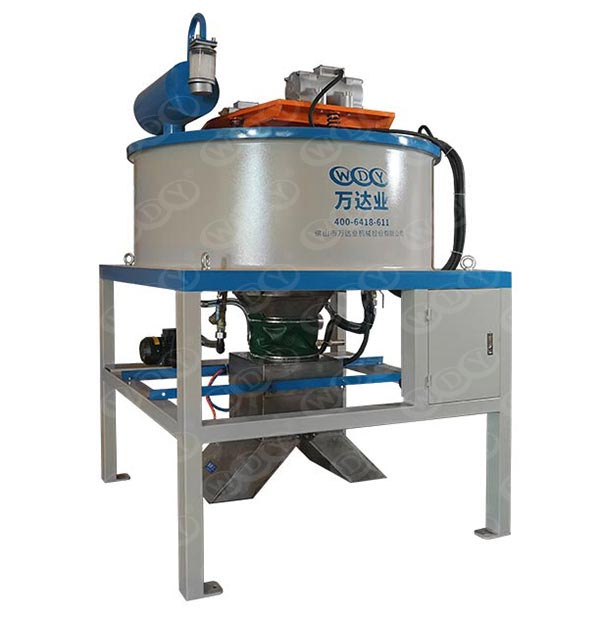
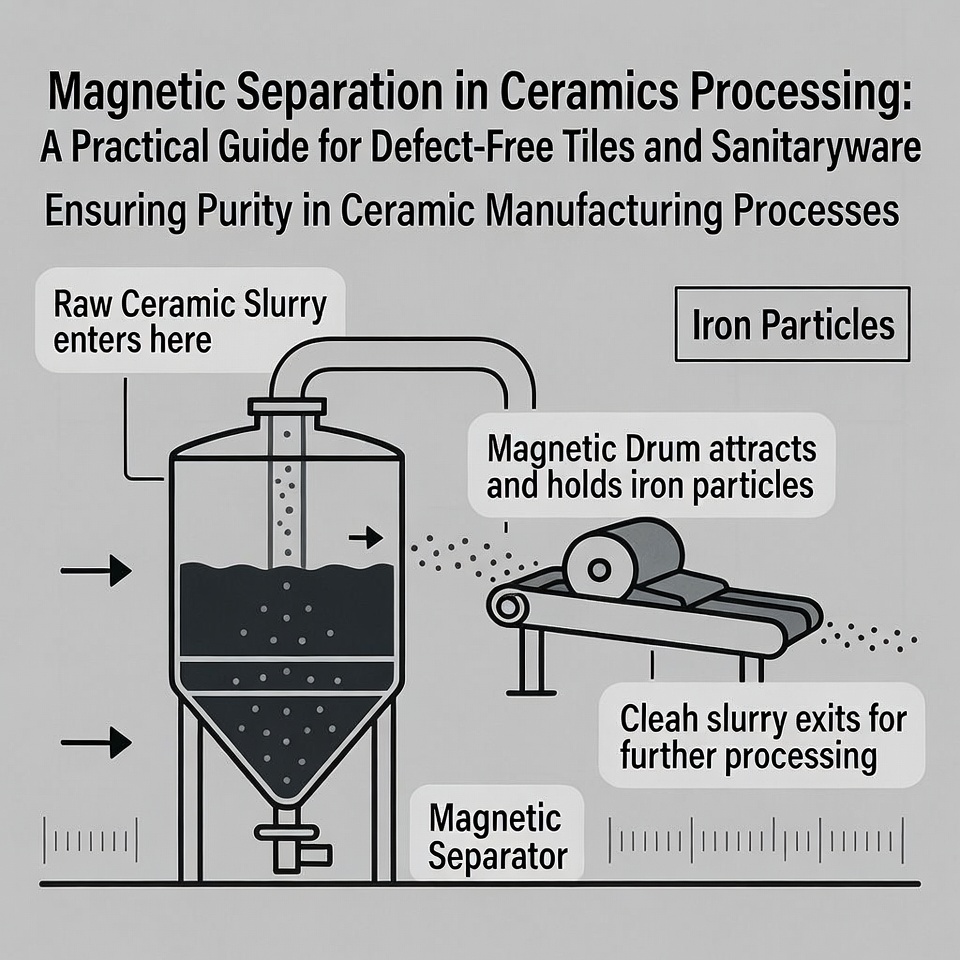
Rare earth drum magnets consist of a stationary high‑intensity magnet system inside a rotating shell. As materials fall or are conveyed across the drum, magnetic particles are held to the drum surface and carried away from the non‑magnetic fraction.
In ceramics, drum magnets are commonly applied:
– Immediately after dryers, where free iron is introduced from dryers, transfer points, or handling equipment.
– On spray‑dried granules to remove loose iron contamination prior to storage silos or press feeding.
Induced Roll Magnetic Separators (Electromagnetic, Dry)
An induced roll magnetic separator uses an energized coil to magnetize a roll or pole piece, generating a strong field at the surface. Compared with permanent roll designs, induced rolls handle higher temperatures and allow some control over field intensity.
They are especially useful when:
– Processing hot materials directly after drying.
– Treating difficult or borderline paramagnetic minerals where adjustable intensity is beneficial.
Electromagnetic Filters and High‑Gradient Wet Separators
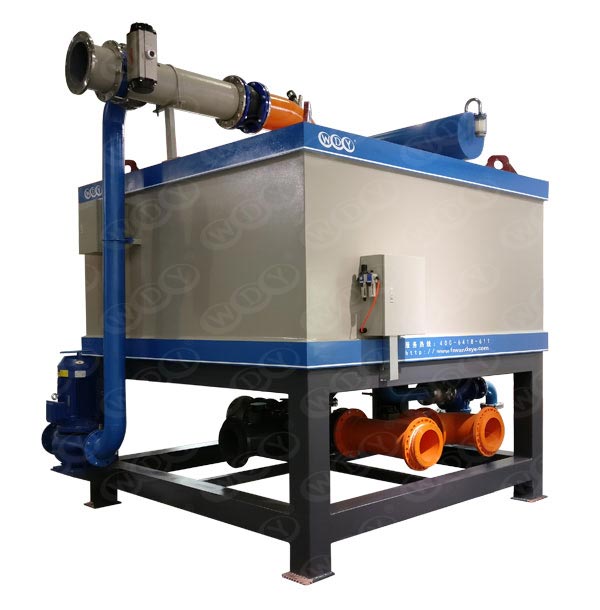
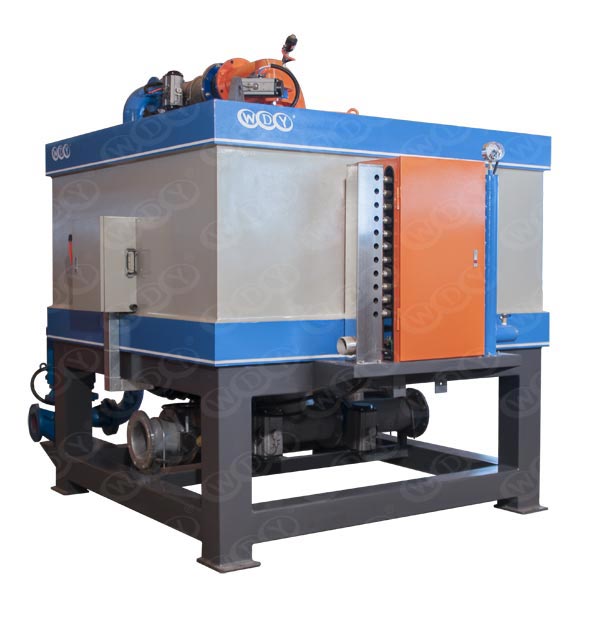
Once raw materials are milled and mixed into slips, bodies, and glazes, wet high‑gradient magnetic separation becomes the preferred technology. In electromagnetic filters, ceramic slurries pass through a matrix of magnetic stainless steel within an oil‑cooled coil. Very fine and weakly magnetic particles are captured on the matrix and periodically flushed away.
Benefits for ceramics include:
– Removal of fine iron and iron‑bearing minerals that survive earlier dry stages.
– Significant reduction of pinholes, black specks, and localized discoloration in high‑gloss glazes.
– Stable, repeatable product quality even when upstream ore quality fluctuates.
Tube Magnets, Grate Magnets, and Magnetic Liquid Traps
As a final safeguard, neodymium tube magnets, grate magnets, and magnetic liquid traps are installed near glazing stations and slip application points. These compact separators capture residual magnetic particles introduced by screens, pumps, pipelines, or handling.
Typical positions include:
– In‑line, just before glaze or slip enters application guns or curtains.
– Inside or directly above glaze tanks and mixing vessels.
– At transfer points where mechanical wear can introduce new metal fragments.
Typical Magnetic Separation Flow in a Ceramic Plant
In practice, ceramic magnetic separation systems are multi‑stage. A simplified example flow might look like this:
1. Dry raw material preparation:
– Crushing and screening of feldspar, quartz, and sand.
– Dry rare earth roll separations to remove magnetic minerals and iron‑stained grains.
2. Post‑drying iron removal:
– Rare earth drum magnets on dried powders or granules to remove free iron introduced during drying and conveying.
3. Wet milling and mixing:
– High‑gradient electromagnetic filters on slips and glazes to capture fine iron and paramagnetic minerals.
– Periodic cleaning cycles to flush captured contaminants.
4. Final glaze and slip control:
– Tube magnets or liquid traps at glazing lines as a final check before application.
– Routine inspection of collected particles to monitor upstream wear and contamination sources.
Case Insight: Reducing Reject Rates with High‑Intensity Separators
Leading ceramic producers that upgrade from basic low‑intensity magnets to high‑intensity rare earth and electromagnetic filters typically report sharp reductions in visible defects. By targeting weakly magnetic minerals in addition to free iron, they achieve:
– Fewer black spots and iron specks in high‑white tiles and sanitary ceramics.
– More consistent color batches, reducing sorting and downgrading.
– Lower re‑firing and rework rates, directly cutting energy and labor costs.
These technical gains quickly translate into commercial advantages: higher usable yield from the same ore, improved brand reputation, and greater flexibility in sourcing raw materials from more complex deposits.

Future Ceramic Mineral Reserves and Magnetic Susceptibility
As traditional, clean ceramic raw material reserves are exhausted, producers must rely more on deposits with higher iron content or complex mineralogy. In this context, understanding magnetic susceptibility of ceramic minerals becomes a strategic capability, not just a lab exercise.
By systematically testing the magnetic response of each mineral fraction, producers can:
– Design more targeted separation flowsheets that remove specific problem minerals.
– Decide which ores can be upgraded economically through magnetic separation rather than rejected.
– Adapt quickly when deposits change, rather than accepting higher defect rates.
Continuous collaboration between geology, mineral processing, and production teams ensures that magnetic separation investments are aligned with long‑term raw material plans.
How to Select the Right Ceramic Magnetic Separator
Choosing the best magnetic separator for ceramics requires more than picking the strongest magnet. You need to match separator type, field strength, and configuration to your process conditions. Key selection factors include:
– Material state: dry powder, spray‑dried granules, or slurry (slip/glaze).
– Particle size distribution and throughput rate.
– Target impurity type: free iron, stainless wear particles, or paramagnetic minerals.
– Temperature, pH, and chemical environment of the process.
– Layout constraints and cleaning/maintenance preferences.
Working with a specialist supplier allows you to test samples on different separator types and to quantify improvements in whiteness, defect rate, and iron content before committing to full‑scale equipment.
Comparison Table: Magnetic Separators for Ceramic Processing
The table below summarizes common ceramic magnetic separation equipment and where each type fits best:
| Separator Type | Process State | Target Contaminants | Typical Ceramic Use |
|---|---|---|---|
| Rare Earth Roll Separator | Dry powders | Weakly magnetic and paramagnetic minerals | Feldspar, silica sand, quartz purification |
| Rare Earth Drum Magnet | Dry powders / granules | Free iron and strongly magnetic particles | Post‑dryer iron removal, spray‑dried granules |
| Induced Roll Separator | Dry, often hot materials | Adjustable intensity for complex minerals | High‑temperature or difficult paramagnetic feeds |
| Electromagnetic Filter / Wet High‑Gradient | Slurries (slips, glazes) | Fine iron and weakly magnetic minerals | Slip and glaze purification, body slurries |
| Tube Magnets & Liquid Traps | Slurries and liquids | Residual free iron and wear particles | Final protection at glazing stations |
Practical Steps to Optimize Magnetic Separation in a Ceramic Plant
To get the full benefit of magnetic separation in ceramic manufacturing, follow a structured optimization approach:
1. Map the process:
– Draw a full flow sheet from raw material intake to fired product.
– Identify all points where metal can enter: crushers, mills, conveyors, pumps, screens.
2. Test representative samples:
– Analyze iron content and color/whiteness before and after existing magnets.
– Run lab or pilot tests on different separator types (dry roll, drum, wet high‑gradient).
3. Prioritize high‑impact stages:
– Focus first on stages where small contamination changes strongly affect final appearance (e.g., glaze preparation, white body slips).
– Upgrade from low‑intensity to rare earth or electromagnetic solutions where needed.
4. Set inspection and cleaning routines:
– Define cleaning intervals for wet filters and tube magnets based on contamination load.
– Train operators to visually inspect captured particles and report unusual wear patterns.
5. Review performance regularly:
– Track defect rates, whiteness index, and iron levels over time.
– Adjust magnetic configurations and operating parameters as raw materials or production volumes change.
Partner with Foshan Wandaye for High‑Performance Ceramic Magnetic Separation
If you are facing rising defect rates, inconsistent whiteness, or changing raw material quality, it is time to optimize your magnetic separation in ceramics processing. Foshan Wandaye Technology Co., Ltd. specializes in high‑gradient electromagnetic slurry separators, powder magnetic separators, permanent magnetic separators, vertical ring high‑gradient machines, and supporting magnetic components tailored to ceramic production lines.
Our engineering team can analyze your process, test your raw materials, and design a complete separation solution that minimizes magnetic contamination and maximizes first‑pass yield. Contact Foshan Wandaye today to schedule a technical consultation or request a customized ceramic magnetic separation proposal that fits your plant, your materials, and your quality targets.
Contact us to get more information!
FAQ: Magnetic Separation in Ceramics Processing
1) At which points in a ceramic plant should magnetic separators be installed?
Magnetic separators should be placed at multiple critical points: after primary crushing and screening, after drying (for powders and granules), in wet milling and slip/glaze preparation circuits, and as final protection near glazing stations. This multi‑stage approach ensures both natural magnetic minerals and process‑induced iron contamination are removed before they reach the kiln.
2) How do I know if I need high‑intensity rare earth separators or if low‑intensity magnets are enough?
If you are only removing coarse, strongly magnetic tramp iron, low‑intensity magnets may be adequate. However, if you aim for high whiteness or are dealing with fine iron and weakly magnetic minerals in feldspar, quartz, or glazes, high‑intensity rare earth rolls, drums, or electromagnetic filters are usually necessary to achieve the required product quality.
3) Can magnetic separation improve the usability of lower‑grade ceramic raw materials?
Yes. By removing iron‑bearing minerals and free iron, magnetic separation can upgrade lower‑grade raw materials so they meet the color and defect specifications of higher‑value products. This allows ceramic producers to broaden their raw material base, reduce dependence on scarce premium deposits, and improve resource utilization.
4) How often should electromagnetic filters and tube magnets be cleaned in a ceramic plant?
Cleaning frequency depends on contamination levels and production volume, but many plants adopt daily or shift‑based cleaning for high‑load stages and less frequent cleaning for polishing stages. Monitoring pressure drop, flow rate, or visual accumulation provides practical signals that cleaning is needed. Establishing standard operating procedures ensures consistent performance and avoids unexpected blockages.
5) What information should I prepare before consulting a supplier about ceramic magnetic separation equipment?
You should be ready to provide details on your raw materials (chemical analysis, particle size), process flow, current defect rates and quality targets, throughput per line, and existing magnets or filters. Sample materials for testing are extremely helpful. With this information, a specialist can recommend appropriate separator types, installation points, and expected improvements in product quality and yield.
Citations:
1. https://buntingmagnetics.com/blog/an-introduction-to-magnetic-properties-of-ceramic-minerals-part-four
2. https://buntingmagnetics.com/blog/high-intensity-magnetic-separators-at-ceramitec
3. https://gtekmagnet.com/magnetic-separator-for-ceramic-industry/
4. https://www.sollau.com/magnetic-separators-for-the-ceramic-and-glass-industry
5. https://buntingmagnetics.com/product/magnetic-separation/rare-earth-roll
6. https://www.eriez.com/Products/Sample-Preparation/Magnetic-Separators/Dry-High-Intensity-Magnetic-Separators-DHIMS
7. https://www.3smi.eu/en/products/magnetic-separation/rare-earth-roll
8. https://sgfrantz.com/ceramic-industry/
9. http://en.fswandaye.com
10. https://www.wdymagnetic.com
Hot Tags: Magnetic Properties Of Ceramic Minerals, Introduction To Magnetic Properties, Ceramic Minerals Magnetic Behavior, Magnetic Characteristics Of Ceramics, Mineral Magnetism In Ceramics, Magnetic Separation Of Ceramic Minerals, Paramagnetic And Diamagnetic Minerals, Magnetic Testing Of Minerals, Industrial Ceramic Mineral Processing, Magnetic Analysis In Mineralogy