


Content Menu
● Why Customer Experience Matters More Than Brochures
● How This Customer‑Centric Ranking Was Built
● What Real Buyers Actually Care About
>> For Mining and Heavy Industry
>> For Ceramics, Plastics, Food, and Battery Materials
● Overview of the Top 10 Magnetic Metal Separator Manufacturers in China
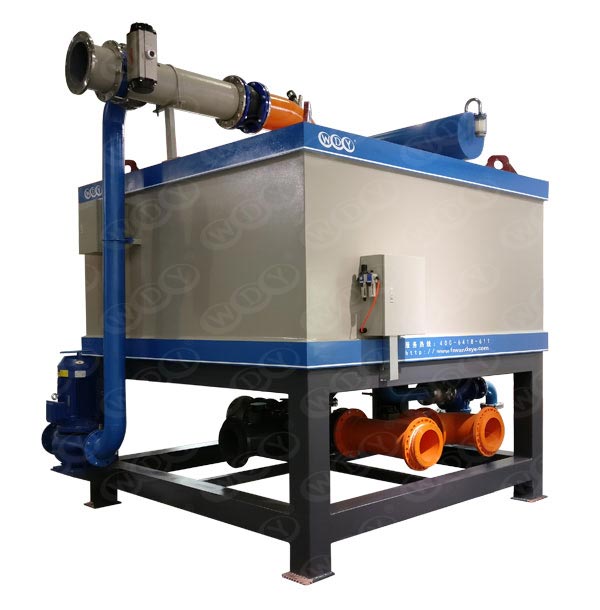
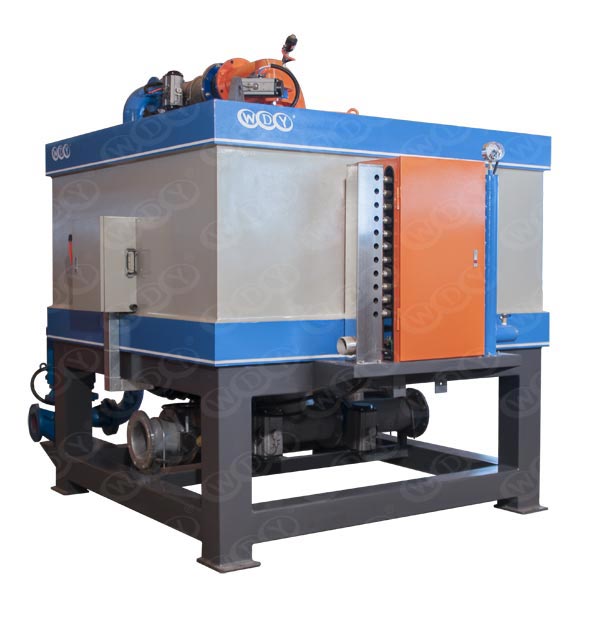
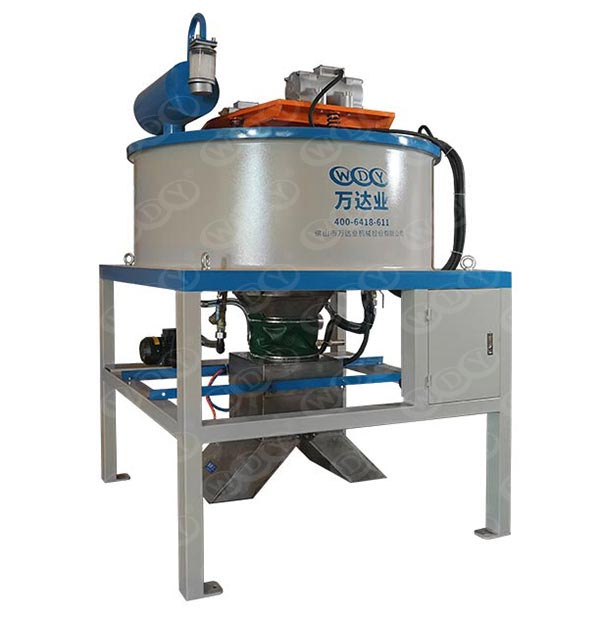
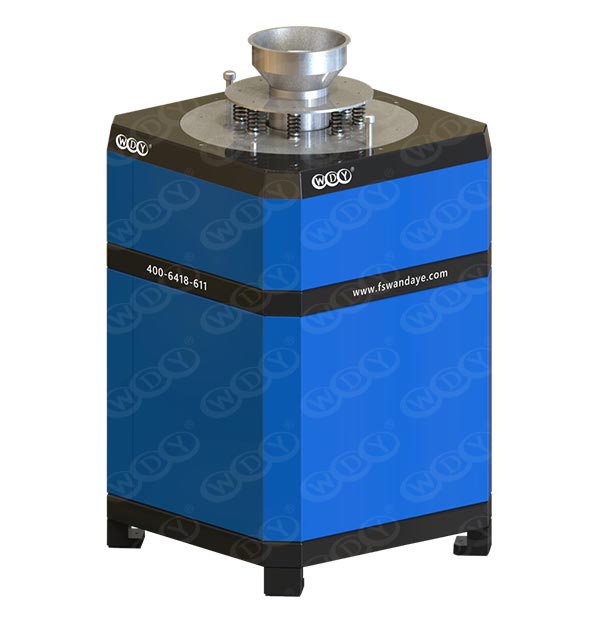
>> 1. Foshan Wandaye Technology Co., Ltd – Powder & Fine Material Specialist
>> 2. Great Magtech (GME) – Export‑Oriented Industrial Magnetic Solutions
>>> Strengths
>>> Best For
>> 3. EJET Magnet – Metal Recycling and Eddy Current Expert
>>> Strengths
>>> Best For
>> 4. LONGi Magnet – Large‑Scale Mining and Ore Beneficiation
>>> Strengths
>>> Best For
>> 5. Weifang Guote Mining Equipment – Integrated Mineral Processing Lines
>>> Strengths
>>> Best For
>> 6. Dongyang Tianli Magnet Co., Ltd. – Conveyor and Overband Magnet Specialist
>>> Strengths
>>> Best For
>> 7. Leyuan Group – Industrial Magnetic Filters for Plastics and Light Industry
>>> Strengths
>>> Best For
>> 8. Great Magtech (GME) – Food‑Grade Magnetic Bars, Grids, and Drawer Magnets
>>> Strengths
>>> Best For
>> 9. MPCO Magnetics – OEM Producer of Magnetic Components and Standard Separators
>>> Strengths
>>> Best For
>> 10. GTEK Magnet – Magnetic Separation for Mining and Bulk Materials
>>> Strengths
>>> Best For
● Key Customer Experience Metrics You Must Compare
>> 1. Separation Performance and Stability
>> 2. Installation, Commissioning, and Operator Training
>> 3. After‑Sales, Spare Parts, and Technical Support
>> 4. Total Cost of Ownership (TCO)
● How to Select the Right Magnetic Separator for Powder Materials
>> Step 1: Define Your Material in Detail
>> Step 2: Clarify Process Layout and Constraints
>> Step 3: Request Testing and Performance Validation
>> Step 4: Evaluate Cleaning and Maintenance
● Special Considerations for Battery Materials and New Energy
● Practical Tips for Overseas Buyers Working with Chinese Manufacturers
● Conclusion: Which Chinese Magnetic Metal Separator Manufacturer Is Right for You?
● FAQs
>> Q2: How do I know if I need a permanent magnetic separator or an electromagnetic one?
>> Q3: What information should I prepare before asking for a quotation?
>> Q4: How long does a typical magnetic separator last in industrial use?
>> Q5: Can one supplier provide a complete magnetic separation solution for a whole plant?
China has become one of the most important global hubs for magnetic metal separation equipment, serving mining, ceramics, plastics, food, battery materials, and more. For overseas buyers, the real challenge is not finding suppliers, but choosing the right one that will perform reliably in their specific process over many years, not just on paper. This guide combines a customer‑experience perspective with technical and engineering insights to help you evaluate China’s top magnetic metal separator manufacturers and decide which one fits your plant best.
China’s manufacturers now offer Powder Magnetic Separators, Permanent Magnetic Separators, and Magnetic Metal Separators that can rival or replace traditional suppliers in Europe, North America, and Japan. However, successful projects always depend on careful supplier selection, clear process communication, and realistic performance expectations from both sides.
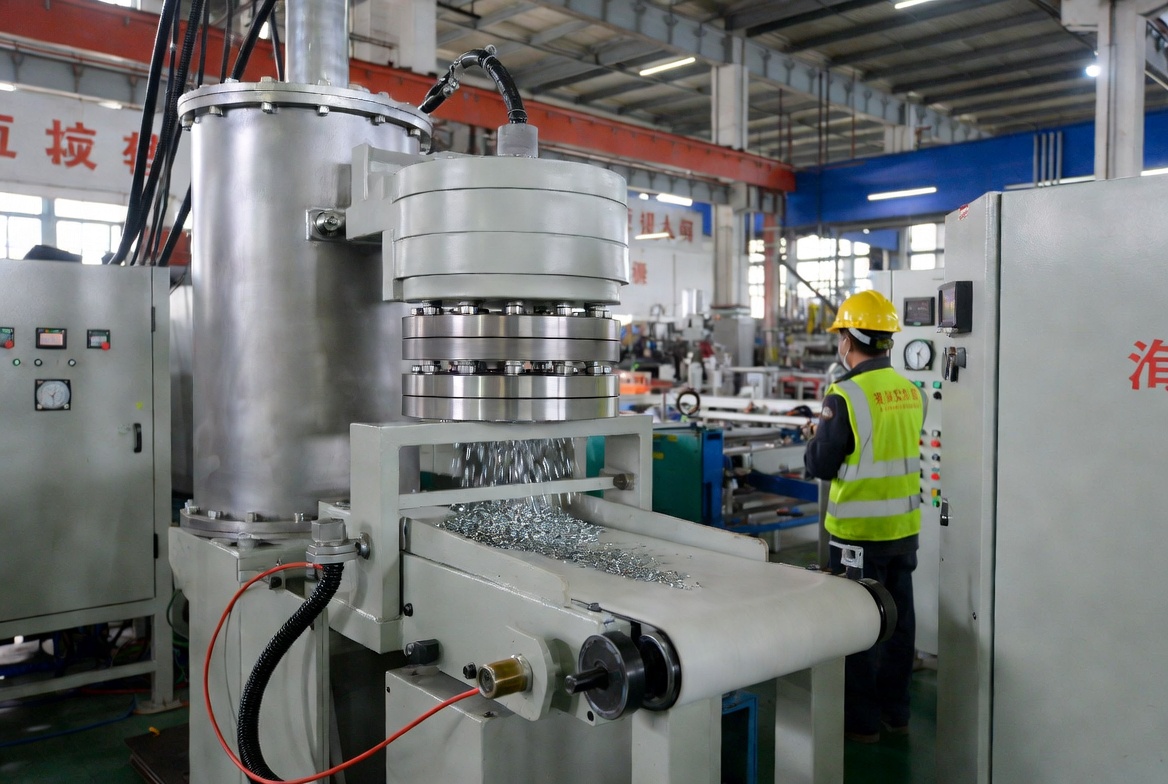
Why Customer Experience Matters More Than Brochures
Many buyers still focus heavily on catalog data: Gauss value, processing capacity, or motor power. In real projects, however, customer experience often tells a more accurate story than any brochure.
– A separator that looks powerful on paper may suffer from frequent downtime.
– A low‑cost model might cause hidden losses through poor separation, metal leakage, or high maintenance.
– A premium‑priced system may actually be more economical when you count reduced scrap, lower labor, and higher uptime.
For that reason, this article emphasizes real‑world use: commissioning quality, stability over 12–24 months, ease of cleaning, material adaptability, and after‑sales support. These are the aspects that directly affect yield, operating cost, and long‑term reliability.
How This Customer‑Centric Ranking Was Built
To make the ranking as objective and actionable as possible, we use a mixed methodology that reflects both engineering performance and buyer sentiment. The focus is on practical, verifiable criteria that an overseas buyer can check or negotiate before placing an order.
Core Evaluation Dimensions
We use the following five main dimensions to evaluate Chinese magnetic metal separator manufacturers:
1. Separation performance and long‑term stability
2. Engineering design and customization capability
3. Delivery, installation, and commissioning experience
4. After‑sales support, spare parts, and technical service
5. Total cost of ownership (TCO), not just purchase price
Each manufacturer is viewed through these lenses, with a strong emphasis on how equipment behaves in real plants rather than in idealized test conditions.
Data and Insight Approach
Within the constraints of this environment, this article is not based on confidential plant data, but on:
– Publicly available project descriptions and product ranges.
– Typical challenges that users in mining, ceramics, plastics, food, and battery material industries face when choosing separators.
– Common engineering practices and selection rules used by process engineers and line integrators.
In your own publishing and marketing, you can and should supplement this framework with real project KPIs, customer testimonials, and third‑party inspection reports to further strengthen credibility.
What Real Buyers Actually Care About
Different industries prioritize different factors, but some patterns are consistent across mining, ceramics, plastics, and food applications.
For Mining and Heavy Industry
Mining, tailings treatment, and scrap metal recycling buyers care most about:
– Recovery rate and metal purity after separation.
– Uptime and mechanical robustness under harsh, abrasive conditions.
– Wear parts life, including belts, drums, liners, and magnetic modules.
– Ability to cope with fluctuating ore grade, moisture, and particle size without constant adjustment.
In these sectors, a small improvement in recovery rate or a small reduction in downtime can translate into very large financial benefits over the life of the plant.
For Ceramics, Plastics, Food, and Battery Materials
Fine powder and high‑value materials such as ceramics, plastics, and cathode/anode materials focus on:
– Ultra‑fine iron removal efficiency to protect downstream equipment and product quality.
– Product purity and surface quality, especially in ceramics and glass.
– Ease of cleaning and sanitation, especially in food and pharmaceutical applications.
– Low contamination risk and strict control over metallic impurities in battery materials.
Here, even trace amounts of iron or stainless particles can cause visual defects, product rejects, or serious safety and performance issues, so buyers in these industries are often more sensitive to design details and cleaning procedures.
Overview of the Top 10 Magnetic Metal Separator Manufacturers in China
The following list is a structured example of how overseas buyers can categorize and compare leading Chinese suppliers. The exact order should always be adapted to your own project data, RFQ responses, and on‑site evaluation.
1. Foshan Wandaye Technology Co., Ltd – Powder & Fine Material Specialist
Foshan Wandaye Technology Co., Ltd is a professional magnetic separation equipment manufacturer integrating R&D, engineering design, production line installation, and commissioning. The company focuses on Powder Magnetic Separator, Permanent Magnetic Separator, and Magnetic Metal Separator systems tailored for complex powder and granular material applications.
Its products are widely used in mining, ceramics, electric power, building materials, glass, environmental protection, rubber, plastics, pharmaceuticals, food, and positive/negative electrode materials. This broad application base is especially valuable for buyers in ceramics and battery materials, where ultra‑fine iron removal and stable, low‑contamination operation are critical.
Why Buyers Choose Wandaye
– Strong expertise in powder handling and fine material separation, not just coarse ore.
– Integrated engineering service covering process design, equipment selection, installation, and on‑site commissioning.
– Combined portfolio of Powder Magnetic Separator, Permanent Magnetic Separator, and Magnetic Metal Separator, making it easier to build a complete line with one main supplier.
– Experience in diversified industries, enabling cross‑industry optimization of process design.
Where Wandaye Fits Best
– Fine powder and granular materials (ceramics, quartz, glass, plastics pellets, battery cathode/anode materials).
– Plants that need turnkey services: process evaluation, engineering drawings, installation, and commissioning.
– Buyers that want a balanced solution between performance, customization, and service, rather than just a catalog machine.
2. Great Magtech (GME) – Export‑Oriented Industrial Magnetic Solutions
Great Magtech (often known as GME) offers a wide range of magnetic products including magnetic separators, magnetic assemblies, and permanent magnets for industrial use. It is frequently mentioned among Chinese magnetic product exporters and is known for its broad range and international orientation. [gme-magnet]
Strengths
– Wide product portfolio covering drum separators, overband separators, magnetic grids, and related magnetic components. [gme-magnet]
– Strong experience serving overseas customers across different industries. [gme-magnet]
– Suitable for both standalone magnetic separation tasks and integration into OEM equipment.
Best For
– General industrial metal separation where ultra‑specialized powder technology is not the primary requirement.
– Buyers seeking a single vendor that can supply both magnetic components and full magnetic separator units.
3. EJET Magnet – Metal Recycling and Eddy Current Expert
EJET Magnet is widely recognized for eddy current separators and ferrous/non‑ferrous metal separation systems tailored for recycling lines. It is often considered by buyers in scrap metal recycling, WEEE recycling, and municipal solid waste (MSW) projects. [ejetmagnet]
Strengths
– Dedicated know‑how in metal recycling, including non‑ferrous recovery from shredded waste streams. [ejetmagnet]
– Portfolio including eddy current separators, overband magnets, drum separators, and ancillary equipment. [ejetmagnet]
– Practical engineering experience in integrating with shredders, trommels, and conveyor systems. [ejetmagnet]
Best For
– Scrap yards, WEEE recycling, and metal recovery systems that need both ferrous and non‑ferrous separation.
– Clients building or upgrading complex recycling lines with mixed materials and high throughput.
4. LONGi Magnet – Large‑Scale Mining and Ore Beneficiation
LONGi Magnet is a well‑known Chinese brand in large‑scale mining magnetic separation and industrial metal removal. It offers heavy‑duty drum separators, wet high‑intensity magnetic separators (WHIMS), and other equipment for ore beneficiation and iron removal in process lines. [6wresearch]
Strengths
– Proven record in mining and ore beneficiation projects with high throughput. [6wresearch]
– Product range suitable for demanding applications in iron ore and non‑metallic minerals. [6wresearch]
– Ability to support engineering design and system integration for major plants. [6wresearch]
Best For
– Iron ore processing plants and large‑scale mineral processing projects that require robust, continuous operation.
– Industrial users that need heavy‑duty wet or dry drum separators in central process positions.
5. Weifang Guote Mining Equipment – Integrated Mineral Processing Lines
Weifang Guote Mining Equipment focuses on mineral processing equipment, including magnetic separators, classifiers, and grinding systems. It is frequently referenced in the context of quartz, feldspar, and other non‑metallic minerals processing. [6wresearch]
Strengths
– Integrated process knowledge in non‑metallic minerals, especially quartz and similar materials. [6wresearch]
– Ability to supply multiple key machines (grinding, classification, magnetic separation) for an entire line. [6wresearch]
– Balanced focus on cost and performance, often attractive to mid‑size plants. [6wresearch]
Best For
– Medium‑to‑large mineral processing plants that need combined grinding, classification, and magnetic separation solutions.
– Buyers looking for a single main contractor for a non‑metallic mineral beneficiation project.
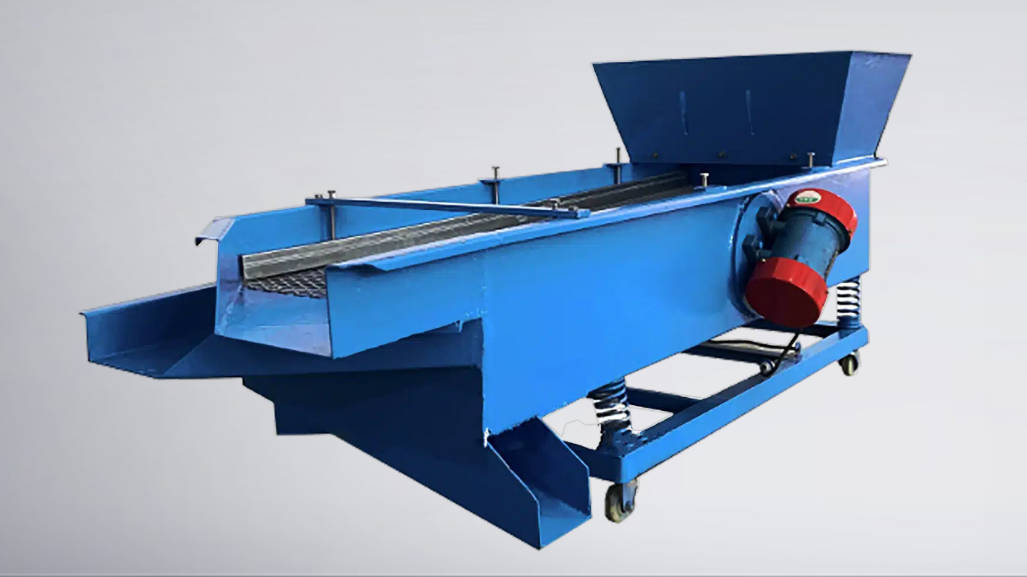
6. Dongyang Tianli Magnet Co., Ltd. – Conveyor and Overband Magnet Specialist
Dongyang Tianli Magnet Co., Ltd. is often listed among leading Chinese manufacturers of overband magnets and conveyor‑mounted magnetic separators for bulk material handling. Its products are typically installed above belt conveyors, chutes, and feeders to remove tramp ferrous metal from high‑volume material flows. [greatmagtech]
Strengths
– Focus on overband, suspension, and drum magnets for continuous tramp removal on conveyors. [sortexpert]
– Suitable for heavy‑duty applications in mining, building materials, coal, and recycling plants where reliability and simple structure are key. [sortexpert]
– Practical designs that integrate with existing conveyor structures, often with options for manual or automatic cleaning.
Best For
– Basic ferrous tramp removal on belt conveyors and chutes in mining, cement, aggregate, and recycling lines.
– Projects where the main need is to protect crushers, mills, and downstream equipment from damage by large ferrous pieces.
7. Leyuan Group – Industrial Magnetic Filters for Plastics and Light Industry
Leyuan Group manufactures industrial magnetic filters and separators for liquids, coolants, and granular products, serving plastics, chemical, and light industry customers. Its compact magnetic filter designs are widely used where fine ferromagnetic contamination must be removed inline from relatively clean streams. [leyuangroup]
Strengths
– Compact magnetic filters and separators for liquids, coolants, plastic pellets, and similar materials. [leyuangroup]
– Focus on stable removal of fine ferromagnetic particles to protect downstream equipment and improve product quality. [leyuangroup]
– Suitable for integration into extrusion, molding, and processing lines with limited space.
Best For
– Small and mid‑size plants handling plastics, grain, sugar, or liquids where fine ferromagnetic contamination must be removed inline.
– Applications that require clean product, low pressure drop, and easy maintenance in light industry and plastics sectors.
8. Great Magtech (GME) – Food‑Grade Magnetic Bars, Grids, and Drawer Magnets
In addition to industrial magnetic solutions, Great Magtech also provides drawer magnets, magnetic bars, and grids designed for food and plastics applications. These products are often used at critical control points to prevent metal contamination in powders, granules, and small pieces. [gme-magnet]
Strengths
– Drawer‑type magnetic separators and grids tailored for food, grain, and plastics lines. [gme-magnet]
– Designs that allow easy access and cleaning, which is crucial in hygiene‑sensitive environments. [gme-magnet]
– Ability to supply both components (bars, grids) and assembled units for different process points. [gme-magnet]
Best For
– Food, spice, and plastics production lines that need easy‑to‑clean, food‑grade magnetic separation at gravity‑feed or pneumatic conveying points.
– Processors looking to upgrade from basic, non‑optimized magnets to more reliable, hygienic designs.
9. MPCO Magnetics – OEM Producer of Magnetic Components and Standard Separators
MPCO Magnetics is known as a large‑scale OEM producer of magnetic bars, grids, and custom magnetic assemblies serving equipment manufacturers and distributors. It focuses on supplying high volumes of standardized and customized magnetic parts at competitive prices. [mm.made-in-china]
Strengths
– Large production capacity for magnetic bars, grids, chucks, and assemblies aimed at OEMs.
– Competitive pricing suitable for resellers and equipment builders who integrate magnets into their own machinery. [mm.made-in-china]
– Flexibility in customizing dimensions and magnetic strength within standard component families.
Best For
– Price‑sensitive projects and equipment manufacturers needing high volumes of magnetic components and standard separators.
– Buyers who want to integrate magnets into their own housings, hoppers, and process equipment.
10. GTEK Magnet – Magnetic Separation for Mining and Bulk Materials
GTEK Magnet supplies magnetic separation equipment for mining, aggregates, and recycling industries, including overband magnets, drum separators, and magnetic pulleys. It targets users who need reliable tramp removal and ore beneficiation support in medium‑to‑large plants. [gtekmagnet]
Strengths
– Product portfolio covering conveyor‑mounted separators, drums, and pulleys for bulk material flows. [gtekmagnet]
– Practical experience in mining, sand, aggregate, and recycling applications. [gtekmagnet]
– Ability to provide complete sets of magnetic separation equipment as part of a larger material handling system.
Best For
– Mining, sand, aggregate, and recycling plants requiring conveyor‑mounted separators, drums, and overbands as part of integrated systems.
– Users who want a focused partner for bulk material and ore handling rather than high‑precision powder separation.
Key Customer Experience Metrics You Must Compare
Before you finalize any purchase decision, compare suppliers on concrete, easy‑to‑measure metrics instead of vague promises. This not only protects your investment but also makes internal reporting to management much clearer.
1. Separation Performance and Stability
Key questions to ask:
– What is the guaranteed residual iron content after separation for your specific material and capacity?
– How stable is the performance after 6, 12, or 24 months of operation under real conditions?
– Are there verified project examples with similar material, capacity, and process flow that you can reference?
2. Installation, Commissioning, and Operator Training
Installation and commissioning quality can make or break a project:
– How long do installation and commissioning typically take for similar projects?
– Does the supplier provide on‑site engineers, remote guidance, or a combination of both?
– Is there clear documentation and training material for operators and maintenance staff?
3. After‑Sales, Spare Parts, and Technical Support
A magnetic separator is a long‑term asset. Check:
– Availability and lead time of critical spare parts (belts, drums, bearings, magnetic rings, electronic components).
– Remote support capability for troubleshooting and process tuning, including online diagnostics.
– Local partners or service centers in your region, if any, and their typical response time.
4. Total Cost of Ownership (TCO)
Do not compare only the purchase price:
– Option A: Higher price, but 2% higher recovery and 10% lower downtime.
– Option B: Cheaper, but lower recovery and frequent stoppages.
Over 3–5 years, Option A often saves much more money, especially in mining and high‑value powder applications. A simple internal calculation of recovered metal value, scrap reduction, and reduced maintenance labor usually makes this clear to decision‑makers.
How to Select the Right Magnetic Separator for Powder Materials
Powder and fine material applications are more sensitive than coarse ore handling and require a more systematic selection process. This is where suppliers like Foshan Wandaye and other powder‑focused companies can add significant value.
Step 1: Define Your Material in Detail
Provide your supplier with:
– Particle size distribution (e.g., D50, D90).
– Bulk density and moisture content.
– Target impurity type and size (e.g., fine iron, stainless steel, scale).
– Required final purity or maximum residual Fe content.
The more precise your material data, the more accurate the equipment selection and performance guarantee will be.
Step 2: Clarify Process Layout and Constraints
Explain where the separator will be installed:
– Before or after grinding, screening, mixing, or packing.
– Feeding method (gravity, vibrating feeder, air conveying, screw conveyor).
– Space constraints, height limits, and existing connection interfaces.
Powder systems are sensitive to flow behavior, bridging, and dust, so the magnetic separator must be designed to avoid dead zones, blockages, and inconsistent flow.
Step 3: Request Testing and Performance Validation
For critical applications (ceramics, battery cathode, food):
– Ask for lab or pilot testing using your real material samples.
– Request test reports with clear before/after impurity analysis.
– Whenever possible, visit a reference plant or request detailed documentation of similar installations.
Step 4: Evaluate Cleaning and Maintenance
In powder and food applications, cleaning and sanitation are often more important than raw Gauss values:
– How often do you need to clean the separator during normal operation?
– Is cleaning manual, semi‑automatic, or fully automatic?
– How easy is it to prevent contamination during cleaning and maintenance, and how quickly can the line be restarted?
Special Considerations for Battery Materials and New Energy
For positive and negative electrode materials (cathode/anode), requirements are even stricter than for many traditional industries:
– Extremely low metallic impurity levels to avoid internal short circuits or performance degradation.
– Highly stable operating conditions to avoid introducing variability between batches.
– Integration with dust collection, inert gas systems, or controlled environments, depending on the process.
When evaluating suppliers for battery materials, prioritize:
– Documented projects or technical capability in cathode or anode material production.
– Long‑term stability data and strict impurity control strategies.
– Clean design, with minimal dead zones, smooth internal surfaces, and easy internal inspection.
Companies that already have strong experience in ceramics, glass, and high‑precision powder separation can often adapt this know‑how to new energy materials with appropriate engineering adjustments.
Practical Tips for Overseas Buyers Working with Chinese Manufacturers
To minimize risk and maximize project success, follow these practical steps.
Before Ordering
– Share detailed process and material data, not just capacity and Gauss requirements.
– Request engineering drawings (layout, foundation) and process flow diagrams when applicable.
– Define clear performance acceptance criteria and testing methods in the contract.
During Manufacturing
– Schedule regular progress updates via email or online meetings.
– Request factory acceptance tests (FAT) with documentation and, if possible, live viewing.
– Confirm nameplates, electrical standards, safety protections, and the spare parts list in advance.
After Delivery
– Plan commissioning with supplier engineers (on‑site or remote) to reduce start‑up risk.
– Train operators and maintenance staff thoroughly on operation, cleaning, and fault handling.
– Track performance data (throughput, purity, downtime) in the first months and optimize settings with supplier support.
Conclusion: Which Chinese Magnetic Metal Separator Manufacturer Is Right for You?
There is no single “best” supplier for every application. Instead, match your needs with each manufacturer’s core strengths:
– For powder, ceramics, glass, plastics, food, and battery materials, a specialist like Foshan Wandaye Technology Co., Ltd with strong powder magnetic separation expertise and integrated engineering services can be a strong option.
– For large‑scale mining and bulk ore beneficiation, brands focused on heavy‑duty wet and dry drum separators may offer more suitable solutions.
– For metal recycling and eddy current applications, suppliers like EJET Magnet that focus on recycling systems provide more targeted technology and project experience.
The most reliable approach is to combine catalog data with real customer experience, structured engineering evaluation, and clear performance guarantees. This will help you defend your choice internally and support successful long‑term cooperation with your chosen Chinese manufacturer.
Contact us to get more information!
FAQs
Q1: What is the difference between a Powder Magnetic Separator and a general Magnetic Metal Separator?
A Powder Magnetic Separator is optimized for fine powders and granular materials, focusing on flow behavior, blockage prevention, and ultra‑fine iron removal, while a general Magnetic Metal Separator is often used for larger particles or tramp metal on conveyors.
Q2: How do I know if I need a permanent magnetic separator or an electromagnetic one?
Permanent magnetic separators are usually more energy‑efficient and simpler to maintain, while electromagnetic units can provide adjustable and often higher magnetic field strengths for demanding ore beneficiation or special applications.
Q3: What information should I prepare before asking for a quotation?
You should prepare material type, particle size, capacity, moisture, inlet impurity level, required outlet purity, installation position, and any space or hygiene constraints.
Q4: How long does a typical magnetic separator last in industrial use?
With proper design, installation, and maintenance, core magnetic components can often operate for many years, but consumables such as belts, bearings, and seals will require periodic replacement depending on operating conditions.
Q5: Can one supplier provide a complete magnetic separation solution for a whole plant?
Yes, many Chinese manufacturers offer integrated engineering services, providing multiple separator types, layout design, installation, and commissioning to form a complete magnetic separation system tailored to your process.
References
1. Great Magtech – Magnetic Separation Solutions and Export Experience [gme-magnet]
2. EJET Magnet – Metal Separation Technology for Recycling Applications [ejetmagnet]
3. LONGi Magnet – Mining and Industrial Magnetic Separator Systems [6wresearch]
4. Industry overview of China’s magnetic separator market and leading brands [6wresearch]
5. Technical guidance on choosing magnetic separation equipment for process industries [magnattackglobal]
6. Top overband and conveyor magnet manufacturers in China, including Dongyang Tianli and GTEK [greatmagtech]
7. Leyuan Group – Industrial Magnetic Filters & Separators Manufacturer [leyuangroup]
8. GME food‑grade drawer type magnetic separator information [gme-magnet]
9. GTEK Magnet – About and product range for mining and bulk materials [gtekmagnet]
10. Made‑in‑China and other B2B listings for MPCO Magnetics OEM magnetic components [mm.made-in-china]
Hot Tags: Magnetic Metal Separator, Manufacturers, Customized, Custom, Suppliers, Buy, Cheap, Quality, Advanced, Durable, in Stock, Made in China, Price, Quotation