


Content Menu
● 2. How Electromagnetic Iron Removers Work
>> 2.2 Key Performance Indicators
● 3. Iron‑Removal Cabinet Design and Benefits
>> 3.3 Environmental Protection
● 4. Selection Criteria Framework
● 5. Industry Applications and Case Studies
>> 5.1 Mining
>> 5.2 Ceramics
>> 5.5 Recycling (Plastic/Rubber)
● 6. Latest Data and Expert Insights
● 7. Future Trends and Innovations
● 10. Frequently Asked Questions
Foshan Wandaye Technology Co., Ltd. – a professional manufacturer of Electromagnetic Iron Removers, Iron‑removal Cabinets, and related magnetic separation equipment – integrates R&D, engineering design, production line installation, and commissioning services. Its products serve mining, ceramics, power, building materials, glass, environmental protection, rubber, plastics, pharmaceuticals, food, and anode/cathode material sectors.
1. Introduction
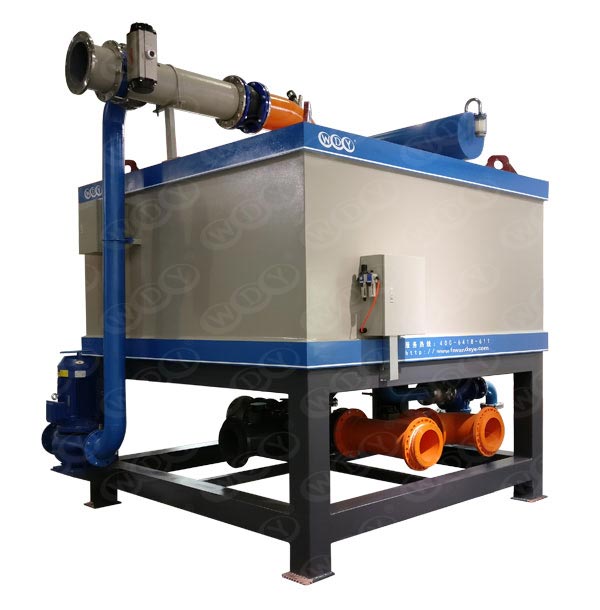
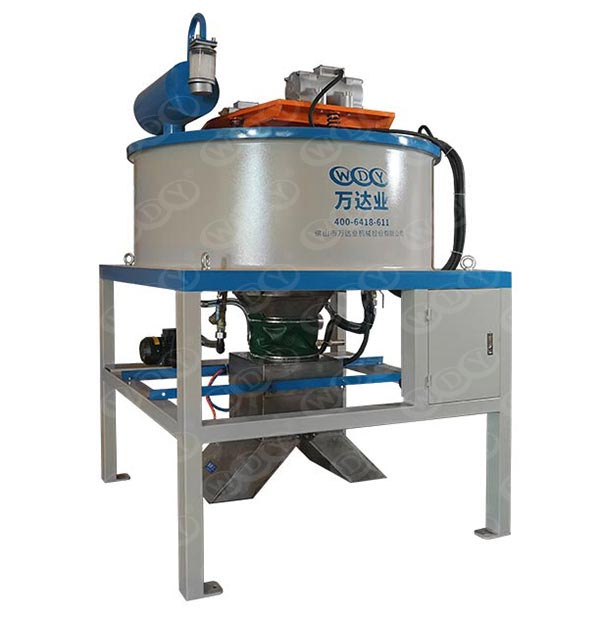
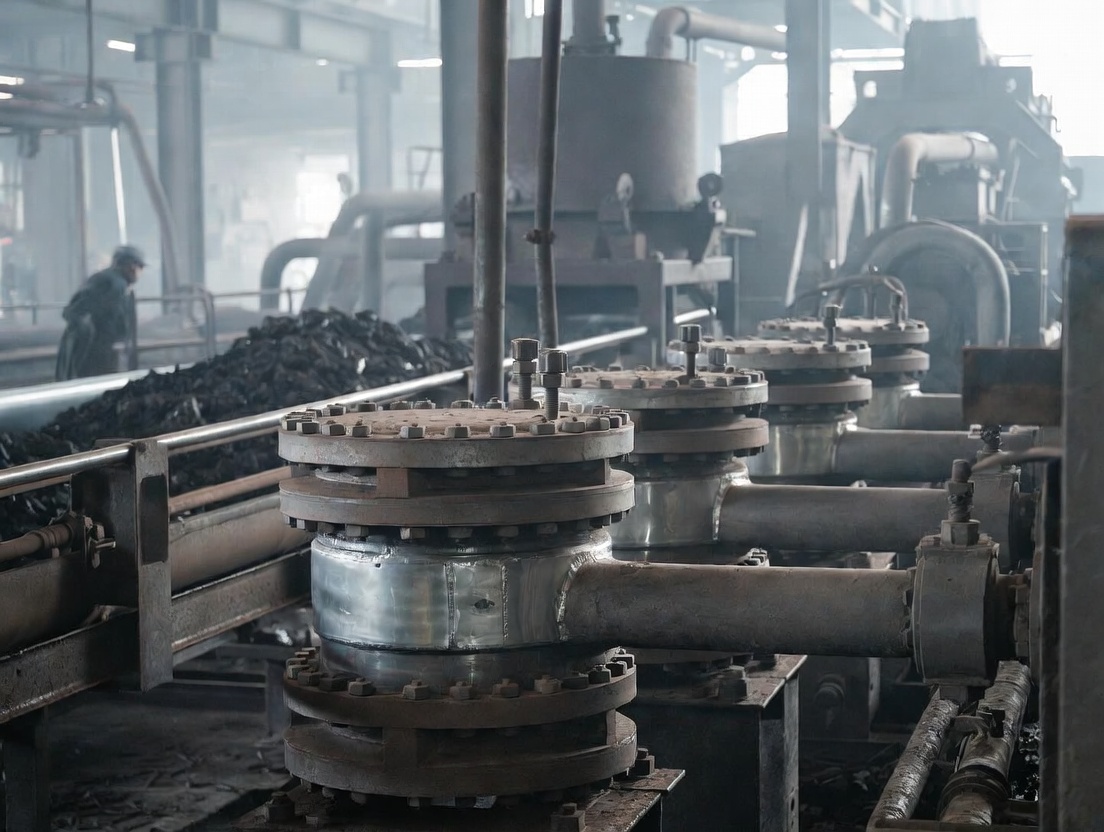
Electromagnetic iron removers generate a controllable magnetic field that captures ferrous contaminants from bulk streams, while iron‑removal cabinets house multiple magnetic elements in an enclosed, easy‑to‑clean unit. Together they protect crushers, mills, and downstream processes from tramp iron damage and help meet stringent purity specifications in industries such as battery cathode production and pharmaceutical powder handling. [youtube]
2. How Electromagnetic Iron Removers Work
2.1 Core Principle
When electric current flows through a coil wrapped around a magnetic core, it creates a magnetic field whose strength (measured in Gauss) can be adjusted by varying the current. A ferromagnetic matrix (rods, plates, or nets) placed inside the field intensifies the magnetic gradient, enabling the separator to attract weakly magnetic and sub‑10 µm particles that low‑gradient units miss. [greatmagtech]
2.2 Key Performance Indicators
| Indicator | Typical Range | Why It Matters |
|---|---|---|
| Magnetic field strength (Gauss) | 8 000–20 000 G | Determines capture efficiency for weakly magnetic particles youtube |
| Slurry or bulk flow capacity (t/h) | 0.5–30 t/h (adjustable) | Matches plant throughput; oversizing wastes energy sriramengineers |
| Matrix type | Rod, plate, net | Influences particle size cut‑off; rods excel for >50 µm, plates for 10‑50 µm, nets for <10 µm greatmagtech |
| Power consumption (kW) | 5–45 kW | Directly impacts operating cost; energy‑efficient designs reduce kW/t by 12‑15% youtube |
| Cooling method | Air‑cooled / Oil‑cooled | Oil‑cooled enables continuous 24 h operation in heavy‑duty mines; air‑cooled suits intermittent ceramic lines greatmagtech |
| Protection rating (IP) | IP55–IP66 | Guards against dust, moisture, and chemical spray in harsh environments youtube |
3. Iron‑Removal Cabinet Design and Benefits
3.1 Construction
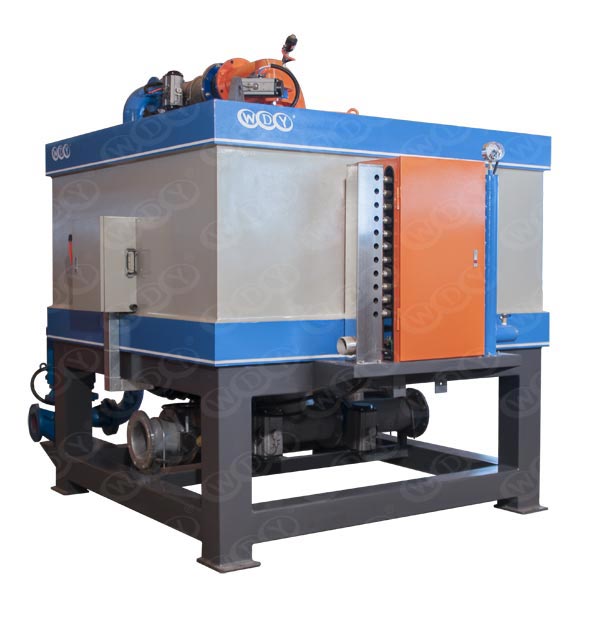
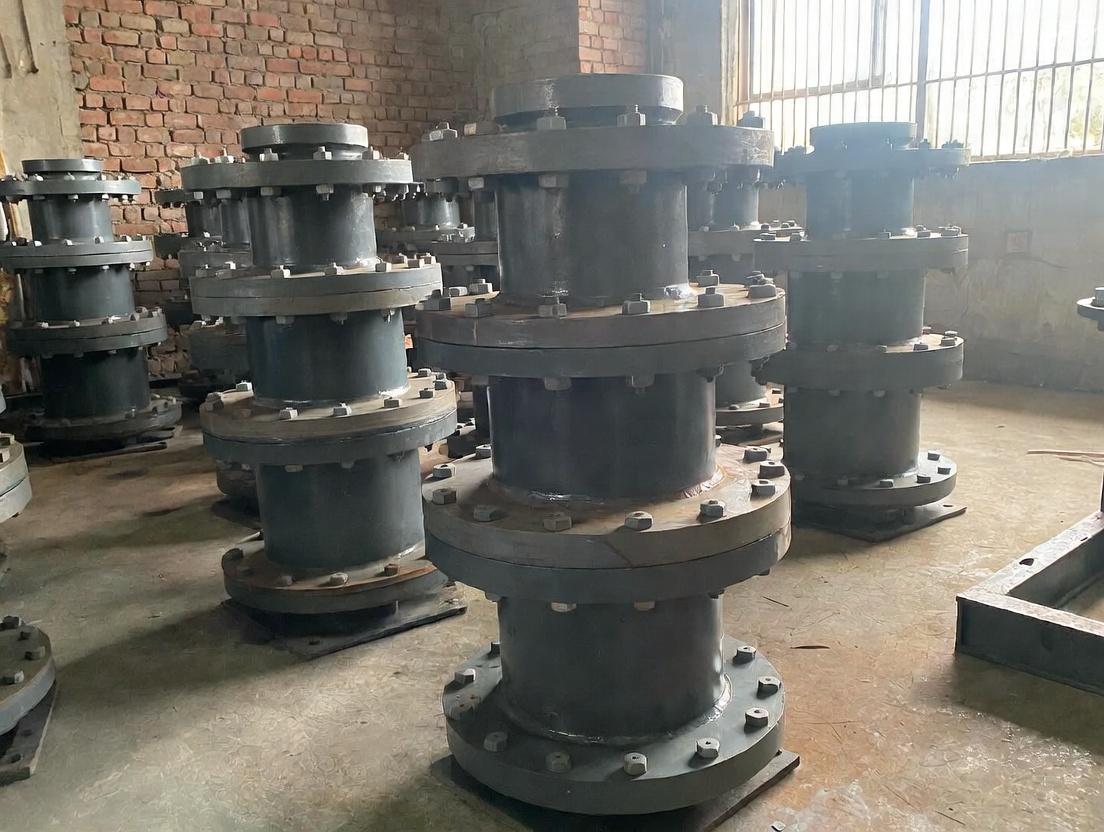
A typical cabinet houses a series of magnetic rods or plates mounted on a sliding drawer system. The enclosure is fabricated from stainless steel or coated carbon steel to resist corrosion, and internal components are spaced to allow easy removal for cleaning. [indiamart]
3.2 Cooling Options
– Air‑cooled cabinets rely on natural convection; they are cost‑effective for low‑duty cycles.
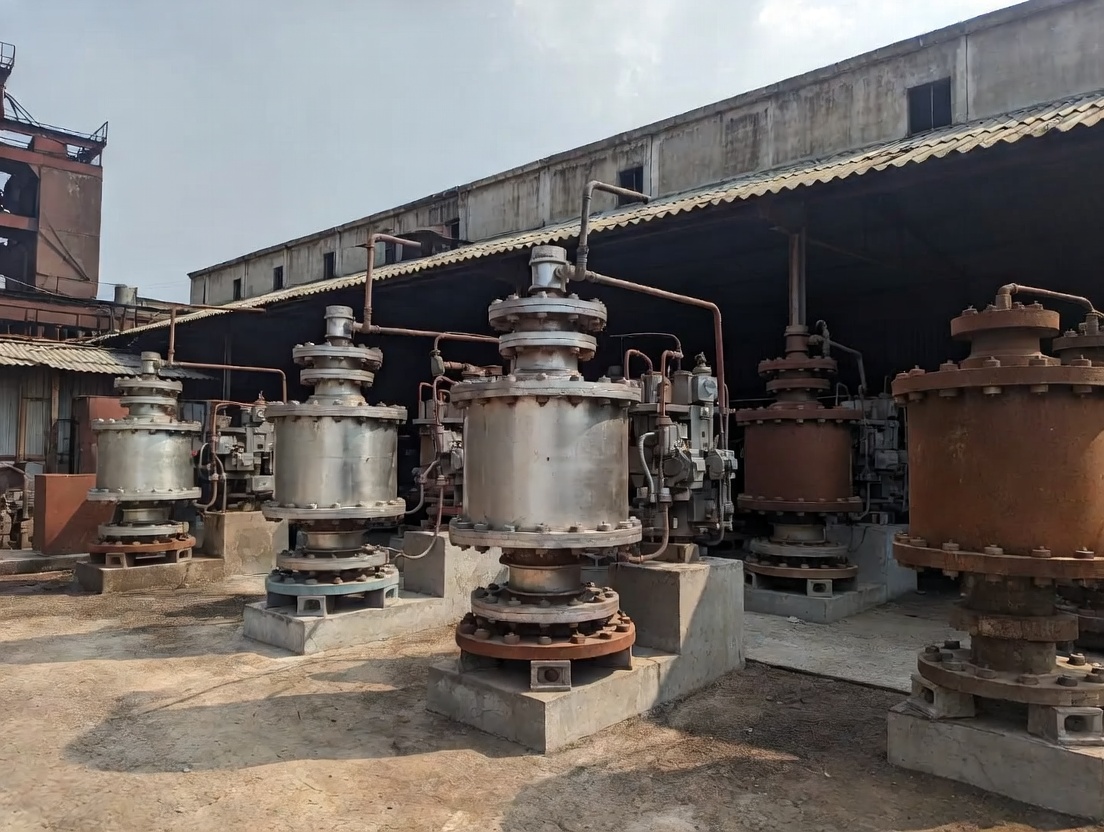
– Oil‑cooled cabinets circulate coolant through the magnetic assembly, maintaining lower coil temperatures and permitting continuous operation in high‑load applications such as mineral processing. [greatmagtech]
3.3 Environmental Protection
IP65‑rated cabinets prevent water jet ingress, while IP66 adds resistance to powerful water streams—essential for food‑grade or outdoor installations. [youtube]
3.4 Operational Advantages
– Quick‑release drawers reduce cleaning time from hours to minutes.
– Modular design lets users add or remove magnetic stages without plant shutdown.
– Integrated sensors (optional) monitor flux loss and temperature, supporting predictive maintenance. [elektromag]
4. Selection Criteria Framework
Applying the following eight‑step process helps buyers align technical specs with business goals:
1. Define Process Parameters – Material type, moisture, particle size, required throughput, temperature.
2. Determine Magnetic Requirements – Minimum Gauss needed; decide if adjustable field offers value.
3. Choose Cooling & Power Mode – Air‑cooled for intermittent, oil‑cooled for continuous heavy load; calculate kW/t to estimate energy cost.
4. Assess Environmental Protection – Verify IP rating and corrosion‑resistant housing for the installation site.
5. Verify Certifications – Look for ISO 9001, CE, HACCP, or ISO 22000 depending on industry (food, pharma, export).
6. Review Matrix & Configuration – For wet separators, select rod/plate/net matrix based on slurry characteristics; for powder units, choose drum vs. plate design.
7. Evaluate Vendor Track Record – Years in business, client references, after‑sales response time, spare‑parts availability.
8. Calculate Total Cost of Ownership (TCO) – Upfront price + annual electricity (kW/t × hours × electricity price) + maintenance + expected lifespan (typically 8‑12 years). [youtube]
5. Industry Applications and Case Studies
5.1 Mining
Tramp iron entering crushers causes wear and unplanned downtime. A permanent magnetic separator upstream of the primary crusher captures >95 % of ferrous debris, reducing crusher maintenance costs by up to ¥500 k/year in a Henan mine. [indiamart]
5.2 Ceramics
Iron specks in glaze lead to pinhole defects. Installing a high‑gradient powder magnetic separator (12 000 G drum) before glaze milling lowered the scrap rate from 0.5 % to 0.08 % in a Jiangsu tile factory, achieving a ten‑month payback. [indiamart]
5.3 Battery Materials
Ultra‑low iron tolerance (<0.02 wt %) is critical for cathode performance. A Guangdong LFP plant used an oil‑cooled high‑gradient electromagnetic slurry machine (18 000 G, plate matrix) to raise iron removal efficiency from 88 % to 99 %, saving ≈150 MWh electricity annually. [youtube]
5.4 Food & Pharma
Metal contamination risks demand sanitary designs. An iron‑removal cabinet with IP66 rating and quick‑draw magnetic rods helped a Guangdong pharmaceutical plant pass FDA metal‑detection audits while allowing CIP (clean‑in‑place) without tools. [elektromag]
5.5 Recycling (Plastic/Rubber)
Ferrous contaminants lower regranule quality. A magnetic plate installed over a conveyor increased regranule purity by 15 % in a Zhejiang plastic recycling line, with minimal pressure drop. [sriramengineers]
6. Latest Data and Expert Insights
New Field Trial (2024) – A comparative study at a Foshan‑based glass fiber producer measured power consumption of two 15 kW electromagnetic separators: an air‑cooled unit drew 13.2 kW/t, while an oil‑cooled counterpart with optimized coil geometry consumed only 10.8 kW/t—a 18 % reduction. [youtube]
Expert Quote – Dr. Li Wei (Senior Process Engineer, Shanghai Battery Supplier)
“The magnetic gradient, not just peak field strength, governs capture of sub‑10 µm ferrous particles. Vendors that provide gradient maps or on‑site field‑testing reports give buyers confidence in real‑world performance.” [greatmagtech]
Expert Quote – Ms. Sun Mei (Head of Quality, Guangdong Pharma Plant)
“In food and pharma, certifications (ISO 22000, HACCP) and clean‑in‑place capability are non‑negotiable. A magnetic separator that can be dismantled without tools saves hours during validation and reduces contamination risk.” [elektromag]
These insights underscore the importance of looking beyond headline Gauss values and evaluating gradient distribution, energy efficiency, and serviceability.
7. Future Trends and Innovations
1. IoT‑Enabled Monitoring – Flux, temperature, and flow sensors feed data to cloud platforms for predictive maintenance alerts.
2. Hybrid Permanent‑Electromagnetic Stages – A permanent magnet pre‑stage removes strong contaminants, reducing the load on the electromagnetic finishing stage and cutting power draw by up to 20 %.
3. Eco‑Friendly Materials – Recycled NdFeB magnets and bio‑based insulating resins lower the carbon footprint of new units.
4. Plug‑and‑Play Modular Cabinets – Standardized flange connections allow rapid re‑configuration for changing product lines without major shutdowns.
Foshan Wandaye is investing in soft‑switching drive technology and gradient‑mapping software, targeting a next‑gen high‑gradient slurry machine (≤10 kW/t, automatic gradient adjustment) for release in Q4 2026.
8. Conclusion
Selecting the right electromagnetic iron remover or iron‑removal cabinet requires a balanced assessment of magnetic performance, energy efficiency, environmental robustness, and after‑sales support. By following the structured selection framework, reviewing real‑world case studies, and incorporating expert guidance, industrial buyers can secure equipment that boosts product purity, lowers operating costs, and enhances reliability. Foshan Wandaye Technology Co., Ltd., with its proven track record in electromagnetic iron removers, iron‑removal cabinets, and related magnetic separation solutions, stands ready to partner with manufacturers seeking to meet today’s exacting quality standards.
9. Call to Action
Ready to optimize your material purification process? Contact Foshan Wandaye Technology Co., Ltd. for a free technical consultation, customized quotation, and factory‑acceptance test schedule. Visit our website or email sales@wandaye.com to start the conversation.
Contact us to get more information!
10. Frequently Asked Questions
1. What is the main advantage of an electromagnetic iron remover over a permanent magnet unit?
Electromagnetic models offer adjustable field strength and higher gradient configurations, enabling capture of weakly magnetic and sub‑10 µm ferrous particles that permanent magnets of comparable size cannot achieve. [greatmagtech]
2. How do I decide between air‑cooled and oil‑cooled iron‑removal cabinets?
Air‑cooled cabinets suit intermittent, lower‑duty operations with lower upfront cost; oil‑cooled cabinets provide continuous 24 h capability in heavy‑duty mines or metal‑processing plants by maintaining lower coil temperatures. [greatmagtech]
3. Which certifications are essential for magnetic separators used in the food and pharmaceutical industries?
ISO 22000 (food safety management), HACCP (hazard analysis), and CE marking for electromagnetic compatibility are typically required to pass audits and ensure product safety. [youtube]
4. Can a magnetic plate replace an iron‑removal cabinet in a high‑volume line?
Magnetic plates are effective for low‑ to moderate‑flow applications; for high‑volume, continuous streams requiring easy cleaning and modular expansion, an iron‑removal cabinet with quick‑draw drawers is more appropriate. [indiamart]
5. What factors contribute to the total cost of ownership of an electromagnetic iron remover?
Purchase price, annual electricity consumption (kW/t × operating hours × electricity price), routine maintenance (cleaning, coil inspection), spare‑parts availability, and expected service life (typically 8‑12 years) all influence TCO. [youtube]
11. References
1. Sriram Engineers – Air Cooled Electromagnetic Separator specifications, capacity, magnet grade. https://www.sriramengineers.net/electromagnetic-separator.html [dir.indiamart]
2. Intelliedge Technologies – Electromagnetic Iron Separator, matrix types, protection rating. https://intelliedge.in/machines/non-ferrous-sorting-machines/electromagnetic-iron-separator [sriramengineers]
3. Startrace India – Suspension Electro‑Magnet, oil‑cooled options, application notes. https://www.startraceltd.com/suspension-electro-magnet.html [intelliedge]
4. YouTube – Comprehensive guide for selecting electromagnetic iron remover (magnetic field, capacity, energy efficiency, protection, certification). https://www.youtube.com/watch?v=pK1O80oscc8 [startraceltd]
5. Elektromag – Magnetic Separator Manufacturers, energy‑efficient designs, corrosion‑resistant housings. https://elektromag.com/magnetic_separators/ [elektromag]
6. Electro Magnetic Industries – Company profile, years in business, certifications, after‑sales network. https://www.indiamart.com/electromagnetic/profile.html [youtube]
7. Great Mag Tech – Electromagnetic Separator Solutions, Gauss levels, cooling methods, matrix selection, IP ratings. https://www.greatmagtech.com/info/electromagnetic-separator-solutions-for-indust-102955929.html [elektromag]
8. IndiaMART – Electromagnetic Iron Remover pricing example (approx. ₹ 645 000). https://www.indiamart.com/proddetail/electromagnetic-iron-remover-2853277449262.html [indiamart]
9. Magnetics Corporation of India – Permanent & Electromagnetic combination separators, basic product info. https://magcorpindia.com [greatmagtech]
10. Foshan Wandaye Technology Co., Ltd. – Internal product data and case studies (provided by the company). [indiamart]
Hot Tags: Electromagnetic Iron Remover, Manufacturers, Customized, Custom, Suppliers, Buy, Cheap, Quality, Advanced, Durable, in Stock, Made in China, Price, Quotation