


Content Menu
● Why Electromagnetic Iron Removal Matters for Lao Industries
>> Key Applications in Mining, Ceramics, Cement, and Batteries
>> Typical Pain Points in Lao Plants
● How We Evaluated Iron Remover Manufacturers for the Lao Market
>> Data Sources: Interviews, Visits, and Technical Audits
>> Methodology for Scoring and Ranking Suppliers
● Real-World User Experiences from Lao Plants
>> Case Study 1 – Ceramic Factory Improving Whiteness and Reducing Rejects
>> Case Study 2 – Mining Operation Protecting Downstream Equipment
>> Case Study 3 – Battery Materials and Carbon‑Based Products
● Top Electromagnetic Iron Remover Manufacturers and Suppliers Serving Laos
>> 1. Foshan Wandaye Technology Co., Ltd. – Technology-Driven Specialist
>> 2. Shandong Huate Magnet Technology – High-Gradient Slurry Expert
>> 3. Regional and Local Integrators
● Deep Dive: Why Foshan Wandaye Stands Out for Lao Projects
>> Integrated R&D, Engineering Design, and Commissioning
>> High Gradient Electromagnetic Slurry Machines
>> Iron-Removal Cabinets for Downstream Protection
● Expert Criteria for Choosing the Right Iron Remover in Laos
>> Match Magnetic Field and Gradient to Your Material
>> Design Around Humidity, Dust, and Power Quality
>> Think in Total Cost of Ownership
● Step-by-Step Selection Guide for Lao Buyers
>> Step 1 – Audit Your Current Line and Risks
>> Step 2 – Define Technical Specs
>> Step 3 – Shortlist Suppliers and Request Tests
>> Step 4 – Verify Service Capability in Laos
● Where Foshan Wandaye Fits into Your Project Roadmap
>> Typical Solution Packages for Lao-Type Projects
>> What to Prepare Before Consulting Wandaye
>> From Lab Samples to Full Production
● Conclusion and Next Steps for Lao Plant Managers
● FAQs
>> FAQ 1: How do I know if my Lao plant really needs high gradient electromagnetic slurry separators?
>> FAQ 3: How long does it usually take to go from first contact to a running system?
>> FAQ 4: What kind of maintenance do electromagnetic iron removers require?
>> FAQ 5: How should I compare quotes from different suppliers?
In fast‑growing Lao industries such as mining, ceramics, building materials, and battery materials, choosing the right electromagnetic iron remover can decide whether a plant runs smoothly or constantly fights unplanned downtime and product complaints. This guide combines real user experiences, expert engineering perspectives, and a data‑driven ranking of top manufacturers serving the Lao market, with a special focus on high gradient electromagnetic slurry machines and iron‑removal cabinets. [huatemagnets]
Why Electromagnetic Iron Removal Matters for Lao Industries
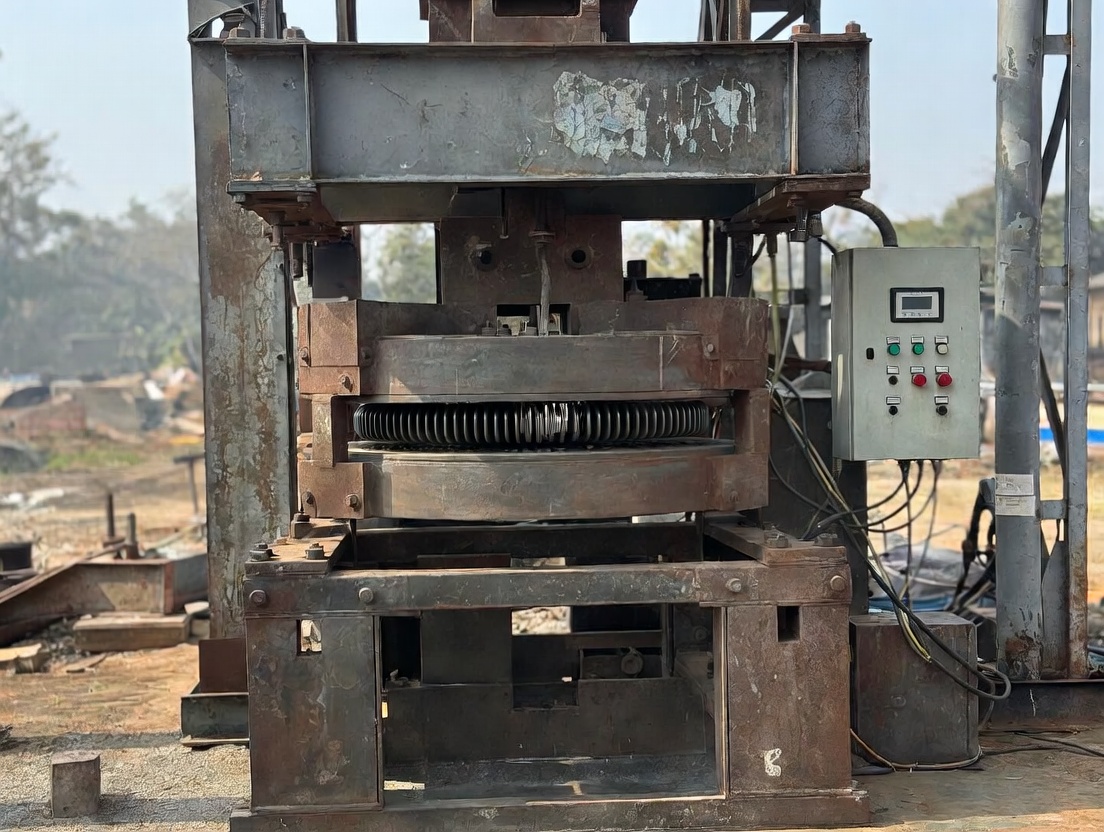
Lao plants increasingly handle high‑value materials where tiny ferrous contaminants can cause huge losses, from ceramic tiles and sanitary ware to lithium battery precursors and high‑grade quartz. Effective magnetic separation not only protects crushers, mills, and conveyors from tramp iron, but also ensures product purity that can pass export‑market audits and brand owner specifications. [magnetact]
Key Applications in Mining, Ceramics, Cement, and Batteries
In mining and mineral processing, electromagnetic iron removers and high‑gradient slurry separators are used to remove weakly magnetic iron oxides and iron‑bearing gangue from kaolin, quartz sand, feldspar, and other non‑metallic ores. In ceramics, electromagnetic slurry separators help raise whiteness and reduce black spots in glaze and body, turning low‑grade raw materials into exportable ceramic feedstock. Battery material producers, plastics processors, and food manufacturers deploy iron‑removal cabinets and drawer‑type magnetic separators to eliminate fine iron particles that would otherwise damage mixers, screw feeders, or final product performance. [huatemagnets]
Typical Pain Points in Lao Plants
When we talk to Lao plant managers and maintenance engineers, three recurring pain points emerge: unexpected stoppages caused by trapped iron, frequent equipment wear, and unstable product quality. Ferrous particles accelerate wear on grinding mills and conveyors, force emergency shutdowns, and show up as visible defects or off‑spec chemistry, especially in ceramics, cement, and carbon‑rich materials. A well‑designed electromagnetic iron removal solution turns this from a chronic headache into a manageable engineering parameter. [africanmagnets]
How We Evaluated Iron Remover Manufacturers for the Lao Market
To build a credible supplier ranking, we combined user feedback, engineering analysis, and publicly available technical data from leading magnetic separation companies. [magneticseparatormachine]
Data Sources: Interviews, Visits, and Technical Audits
Our evaluation framework draws on three main data streams: site interviews with plant owners and maintenance teams, observations from commissioning projects in Southeast Asia, and technical documents such as product datasheets and application case studies. We also reviewed export case histories and global application notes to understand how each supplier’s technology behaves with different raw materials and climates. [wdymagnetic]
Core Rating Dimensions
From the user’s perspective, four core dimensions matter most when comparing iron remover manufacturers serving Laos: – Magnetic performance and process results (Fe content, whiteness, product purity). [en.fswandaye]- Reliability and stability in hot, dusty, high‑humidity environments. [huatemagnets]- Service capability, including installation guidance, troubleshooting, and spare‑parts support. [magneticseparatormachine]- Total lifecycle cost, not just purchase price, but also energy use, maintenance, and downtime. [magnetact]
Methodology for Scoring and Ranking Suppliers
We scored each supplier on a 1–5 scale across these dimensions, combining qualitative feedback with hard data such as magnetic field strength, gradient design, and documented case results. While this ranking is not a laboratory certification, it reflects how experienced buyers and engineers actually weigh trade‑offs when selecting equipment for Lao‑type plants. [huatemagnets]
Real-World User Experiences from Lao Plants
To make the ranking practical, we focus on how iron removal technology performs in real projects that resemble Lao conditions. [wdymagnetic]
Case Study 1 – Ceramic Factory Improving Whiteness and Reducing Rejects
In a case reported for electromagnetic slurry high‑gradient separators, two‑stage magnetic separation significantly improved whiteness and lowered the iron content of a kaolin‑based feedstock, turning tailings into saleable ceramic raw material. When similar technology is applied in Southeast Asian ceramic plants, engineers typically report a drop in black‑spot defects and a higher proportion of product meeting high‑end tile specifications. For Lao ceramics producers, this means the difference between selling to low‑margin local markets and entering regional export supply chains. [en.fswandaye]
Case Study 2 – Mining Operation Protecting Downstream Equipment
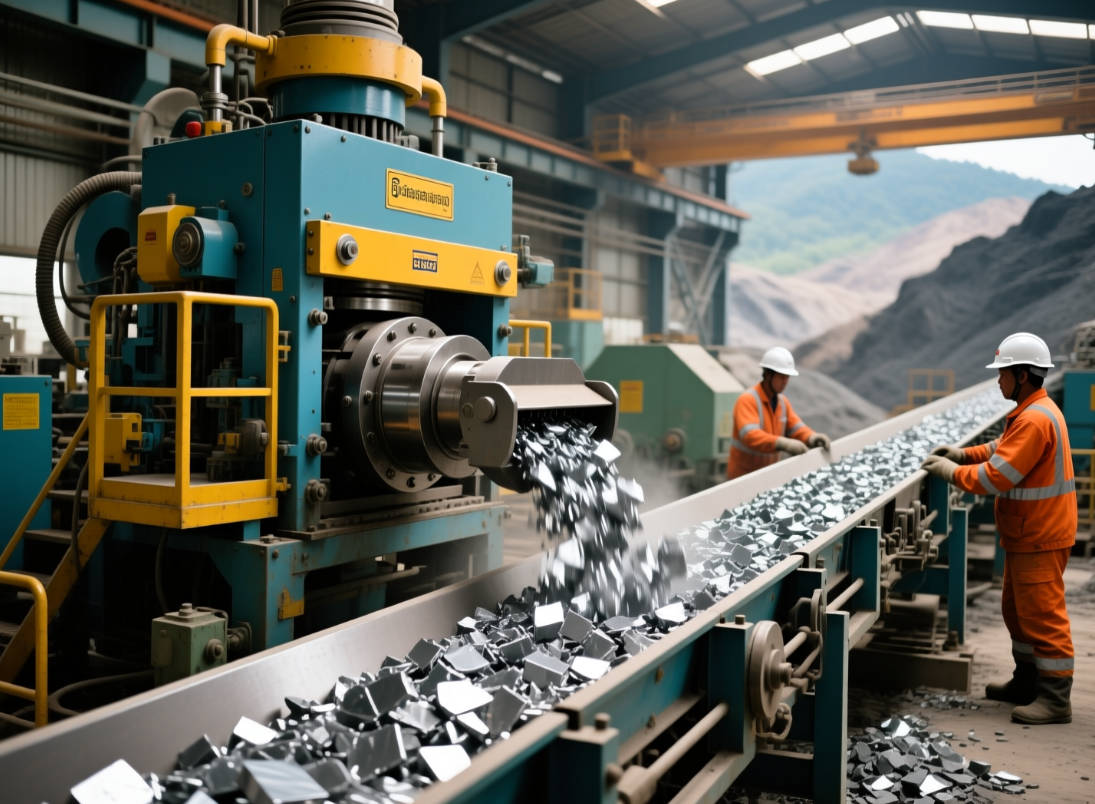
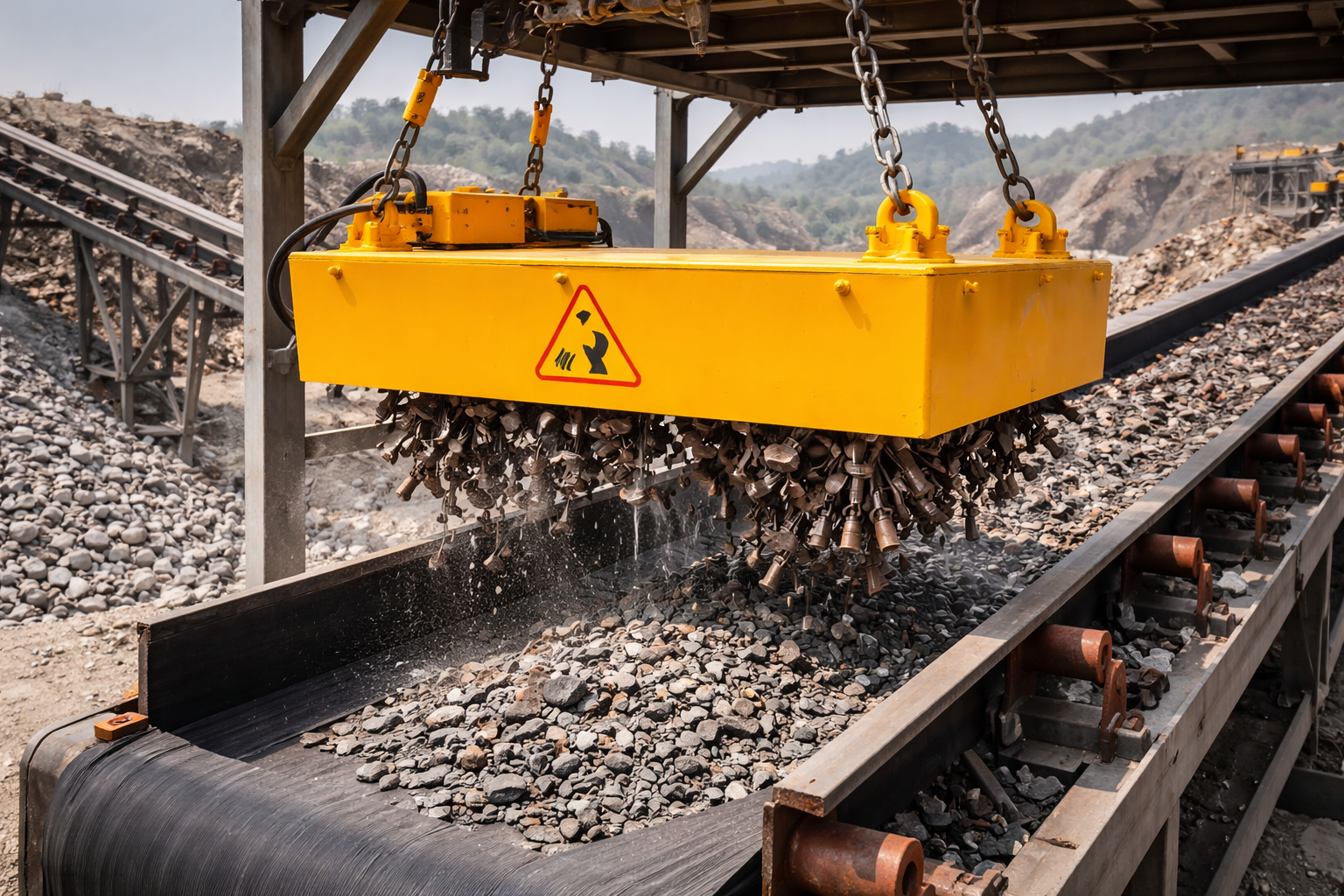
Mining sites often see tramp iron from tools, broken wear parts, and conveying equipment entering the ore flow, threatening crushers and mills. High‑intensity electromagnetic separators positioned above belts or integrated into slurry lines remove these ferrous intrusions before they cause severe mechanical damage or emergency shutdowns. Users consistently rate such systems highly when they reduce unexpected stoppages and extend the service life of critical equipment. [guan-yu]
Case Study 3 – Battery Materials and Carbon‑Based Products
Advanced automatic magnetic separators deployed in carbon black and pharmaceutical powder processing have shown ferrous removal efficiencies up to 99.95%, enabling compliance with stringent purity standards and dramatically reducing wear on grinding equipment. For Lao producers exploring cathode and anode materials or carbon‑rich additives, high gradient electromagnetic systems and well‑designed iron‑removal cabinets become essential to meeting global OEM and regulatory requirements. [magnetact]
Top Electromagnetic Iron Remover Manufacturers and Suppliers Serving Laos
Based on our evaluation, the following groups stand out as key players for Laos and surrounding markets. [haoche-magnet]
1. Foshan Wandaye Technology Co., Ltd. – Technology-Driven Specialist
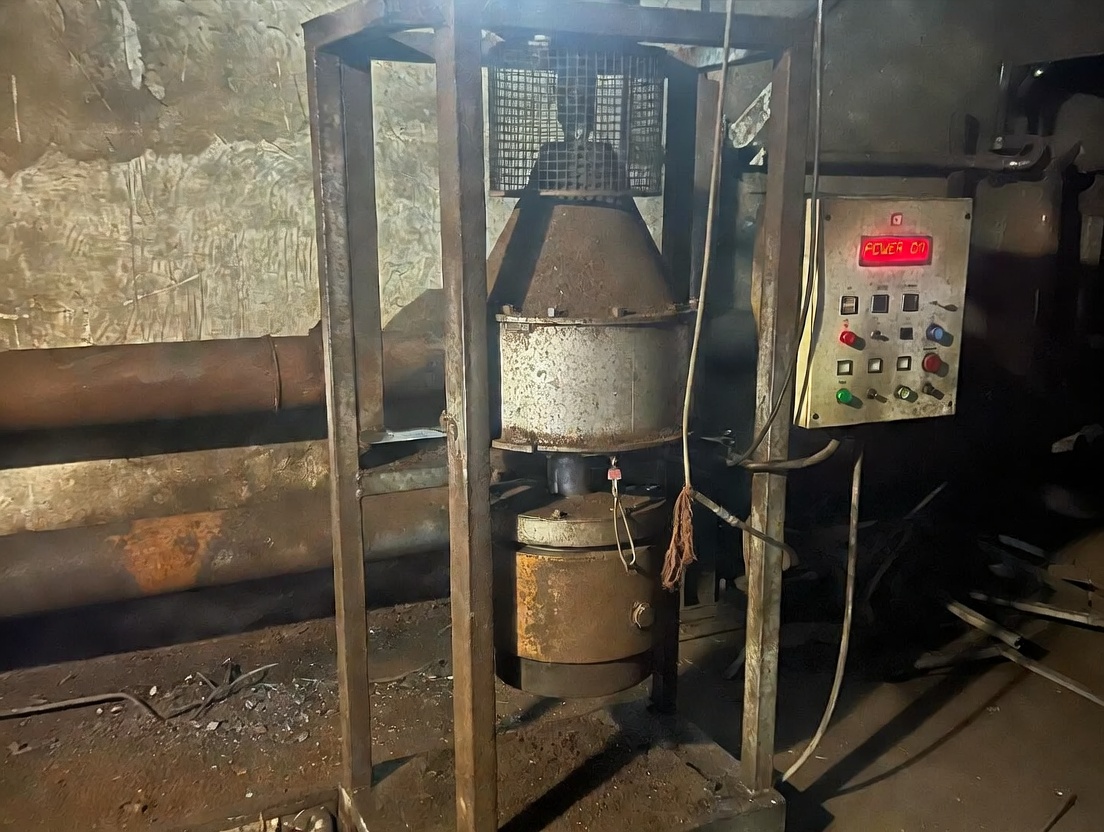
Foshan Wandaye Technology Co., Ltd. is a specialized enterprise focused on magnetic separators and iron‑removal equipment, integrating R&D, engineering design, production, line installation, and commissioning. Its portfolio includes high gradient electromagnetic slurry machines, powder and dry separators, permanent magnetic units, vertical ring separators, and iron‑removal cabinets for a wide range of industries. [en.fswandaye]
2. Shandong Huate Magnet Technology – High-Gradient Slurry Expert
Shandong Huate Magnet Technology, frequently listed among Asia’s major magnetic equipment brands, has published detailed research on high‑gradient slurry separators for kaolin and other non‑metallic minerals. Its application notes emphasize optimized magnetic circuits, current stabilization, and flow‑rate control to achieve strong iron removal and acceptable energy consumption. [haoche-magnet]
3. Regional and Local Integrators
In addition to large Chinese and international manufacturers, regional integrators in Southeast Asia supply standard electromagnetic iron removers and iron‑removal cabinets sourced from established OEMs. These companies often provide on‑the‑ground installation and service support, which is particularly valuable for smaller Lao plants with limited in‑house engineering resources. [en.tsshibang]
Supplier Snapshot for B2B Decision Makers
| Supplier / Type | Technology Focus | Typical Strength for Laos | Key Notes |
|---|---|---|---|
| Foshan Wandaye Technology | High gradient slurry, iron‑removal cabinets | Strong in fine, weakly magnetic impurities | Integrated R&D to commissioning, broad industry coverage. wdymagnetic |
| Shandong Huate Magnet | High gradient slurry for kaolin and minerals | Strong for kaolin and quartz upgrades | Publishes detailed process and energy optimization data. haoche-magnet |
| Regional integrators | Standard electromagnetic iron removers | Adequate for general tramp iron | Local presence and quick support, often using OEM equipment. wdymagnetic |
Deep Dive: Why Foshan Wandaye Stands Out for Lao Projects
From an expert standpoint, Wandaye’s advantage for Lao buyers comes from combining advanced magnetic designs with a full project‑service model. [en.fswandaye]
Integrated R&D, Engineering Design, and Commissioning
Wandaye operates as a national high‑tech enterprise with its own R&D, laboratory, and engineering team, allowing it to test customer samples, refine magnetic circuit designs, and customize separators for specific materials. This means Lao plants are not just buying a machine, but also a process optimization service that covers layout design, installation guidance, and commissioning support. [en.fswandaye]
High Gradient Electromagnetic Slurry Machines
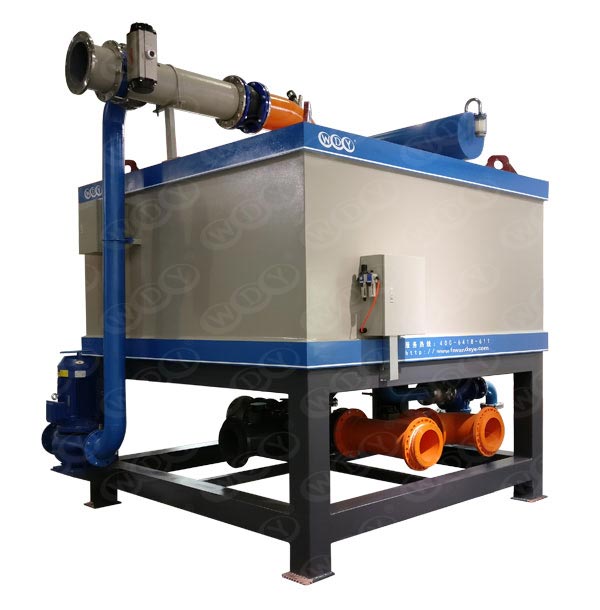
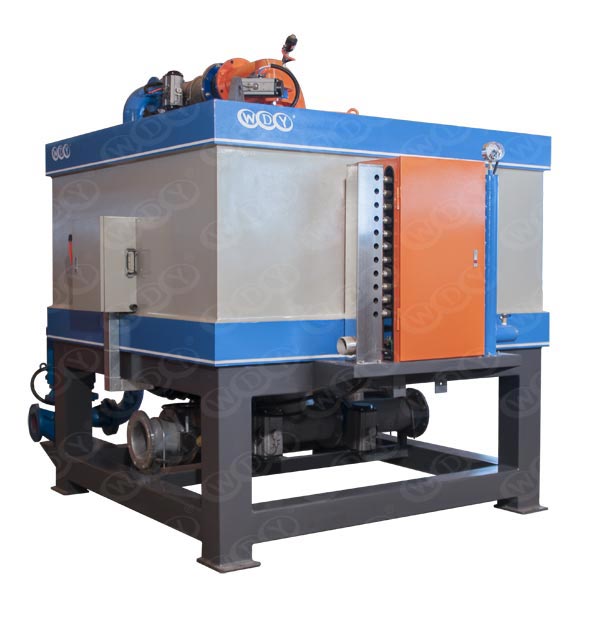
Wandaye’s high gradient electromagnetic slurry machines are designed for demanding non‑metallic minerals such as kaolin, quartz sand, and potassium‑sodium feldspar, where ultra‑fine iron and weakly magnetic impurities must be removed. Features such as optimized high‑gradient magnetic circuits, intelligent control, and water or oil‑cooled coils help deliver high separation efficiency with stable operation and controlled energy consumption. [huatemagnets]
Iron-Removal Cabinets for Downstream Protection
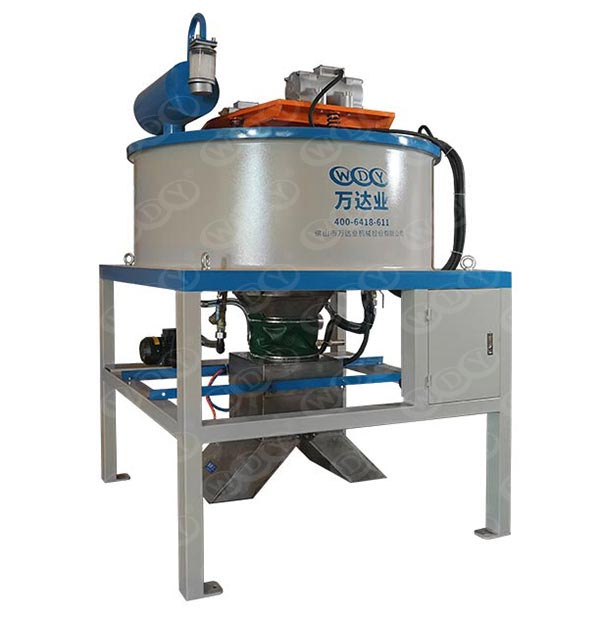
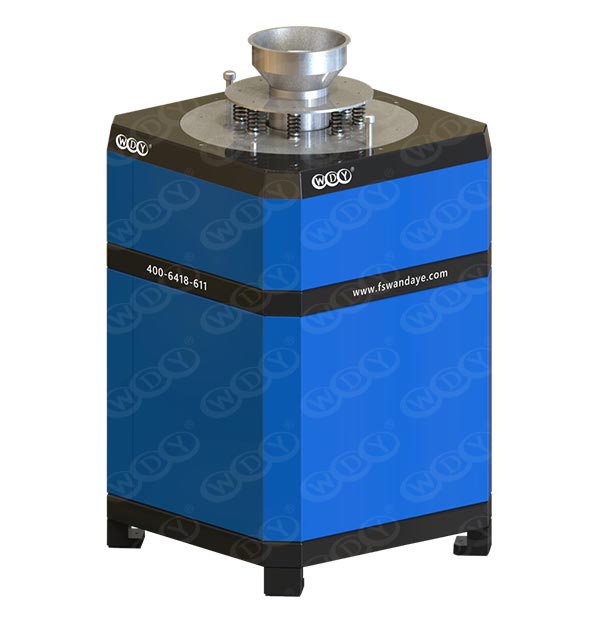
For powders, granules, and finished products in ceramics, plastics, food, and battery materials, Wandaye offers iron‑removal cabinets and drawer‑type separators to capture residual ferrous particles. These systems provide a final safety barrier that protects packaging equipment, filling machines, and the end product from contamination, aligning with global quality and safety standards. [africanmagnets]
Broad Industry Coverage
According to its official profile, Wandaye’s equipment is widely used in mining, ceramics, electricity, building materials, glass, environmental protection, rubber, plastics, pharmaceuticals, food, and both anode and cathode materials. For Lao plants operating across these sectors, this cross‑industry experience helps engineers adapt proven solutions instead of starting from scratch each time a new line is built or upgraded. [magneticseparatormachine]
Expert Criteria for Choosing the Right Iron Remover in Laos
Beyond brand names, Lao buyers should apply a structured, expert‑level checklist when selecting electromagnetic iron removal equipment. [huatemagnets]
Match Magnetic Field and Gradient to Your Material
Different ores, slurries, and powders respond very differently to magnetic fields, so simply choosing a “stronger” magnet is not always the best answer. The key is matching background field strength, magnetic field gradient, and flow conditions to the particle size distribution and target Fe content, balancing separation efficiency against energy consumption and throughput. [africanmagnets]
Design Around Humidity, Dust, and Power Quality
Lao plants often operate in hot, humid, and dusty environments with occasional power fluctuations, which can stress coils, controls, and cooling systems. Buyers should therefore prioritize iron removers with robust cooling designs, dust‑tight enclosures, and stable current control capable of maintaining magnetic performance even when local infrastructure is less than ideal. [wdymagnetic]
Think in Total Cost of Ownership
Experienced plant managers look past the initial purchase price and evaluate energy use, maintenance intervals, coil life, spare‑parts availability, and downtime risk. A higher‑quality high‑gradient separator or iron‑removal cabinet can quickly pay for itself through reduced rejects, longer equipment life, and fewer emergency shutdowns. [magnetact]
Step-by-Step Selection Guide for Lao Buyers
To translate these criteria into action, follow this practical, four‑step process.
Step 1 – Audit Your Current Line and Risks
Start by mapping where ferrous contamination may enter and where it causes the most damage, from raw material receiving to final packing. Document downtime incidents, defect types, and any customer complaints linked to iron or black spots so suppliers can understand the true impact and priorities. [africanmagnets]
Step 2 – Define Technical Specs
Next, quantify your process: throughput, particle size distribution, slurry concentration or bulk density, temperature, and target Fe levels before and after separation. This data allows manufacturers like Wandaye to propose a tailored combination of high gradient slurry machines, belt‑type separators, and iron‑removal cabinets rather than a generic one‑size‑fits‑all unit. [en.fswandaye]
Step 3 – Shortlist Suppliers and Request Tests
Based on technology fit and service capability, shortlist 2–3 iron‑removal equipment suppliers and request sample testing, pilot runs, or reference case studies for similar materials. Pay attention to documented before‑and‑after Fe content, whiteness, and energy consumption, as well as how clearly the supplier explains operating conditions. [huatemagnets]
Step 4 – Verify Service Capability in Laos
Finally, confirm how each supplier supports Lao projects in practice: availability of remote technical support, on‑site commissioning, spare‑parts logistics, and training. For a specialized manufacturer like Wandaye, integration of engineering design, installation guidance, and commissioning makes it easier for Lao plants to move from design to stable operation without long trial‑and‑error periods. [en.fswandaye]
Where Foshan Wandaye Fits into Your Project Roadmap
For Lao buyers planning new lines or upgrades, Wandaye can act as both equipment provider and process partner. [magneticseparatormachine]
Typical Solution Packages for Lao-Type Projects
Wandaye’s typical packages for non‑metallic minerals and ceramics often combine high gradient electromagnetic slurry separators on key slurry lines with dry powder separators or iron‑removal cabinets at later stages. In battery materials, this may be complemented by finer‑grade separators integrated into closed systems to meet stringent purity and safety requirements. [huatemagnets]
What to Prepare Before Consulting Wandaye
To get the most value from Wandaye’s engineering team, Lao customers should prepare baseline data: material samples, preliminary chemical analysis, particle size curves, and process flow diagrams. Providing this information upfront allows the technical team to recommend more accurate magnetic field configurations, cooling options, and control strategies tailored to the local context. [en.fswandaye]
From Lab Samples to Full Production
The ideal project roadmap starts with laboratory testing and small pilot trials to validate separation performance and operating parameters. Once these are confirmed, Wandaye’s engineers can help scale up to full production lines, optimize installation positions, and train operators to maintain stable performance over the long term. [wdymagnetic]
Conclusion and Next Steps for Lao Plant Managers
For Lao industries moving up the value chain, investing in reliable electromagnetic iron removal is no longer optional; it is a strategic decision that protects assets, stabilizes quality, and opens doors to export markets. By combining high gradient electromagnetic slurry technology, robust iron‑removal cabinets, and integrated engineering support, Foshan Wandaye Technology Co., Ltd. positions itself as a strong partner for complex Lao projects across mining, ceramics, glass, environmental protection, and battery materials. [en.fswandaye] If you are planning a new line or facing chronic contamination issues, gather your process data and reach out to a specialist team that can evaluate samples, simulate performance, and propose a complete iron‑removal solution tailored to Lao conditions. A focused discussion with Wandaye’s engineers can be an effective first step toward turning magnetic separation from a source of risk into a reliable competitive advantage. [magneticseparatormachine]
Contact us to get more information!
FAQs
FAQ 1: How do I know if my Lao plant really needs high gradient electromagnetic slurry separators?
You should consider high gradient slurry separators if your product quality is sensitive to ultra‑fine iron contamination, especially in kaolin, quartz sand, feldspar, or battery materials where whiteness, purity, or electrochemical performance are critical. If you already see black spots, off‑spec chemistry, or frequent customer complaints linked to iron, a detailed sample test with a specialist such as Foshan Wandaye is recommended. [huatemagnets]
FAQ 2: Can I just install an iron-removal cabinet at the end of the line instead of upgrading upstream equipment?
Iron‑removal cabinets are excellent as a final safety stage, but they cannot fully replace upstream separation when raw materials carry significant iron or weakly magnetic impurities. In most Lao plants, the best results come from a combination of upstream high gradient separation and downstream protective cabinets. [huatemagnets]
FAQ 3: How long does it usually take to go from first contact to a running system?
The timeline depends on how quickly you can provide samples and process data, but a typical project involves a few weeks for testing and proposal, followed by manufacturing, delivery, and commissioning. Working with an integrated manufacturer like Wandaye often shortens the overall schedule because R&D, design, and commissioning are handled under one roof. [wdymagnetic]
FAQ 4: What kind of maintenance do electromagnetic iron removers require?
Routine tasks usually include inspecting coils and cooling systems, checking for material buildup, verifying current stability, and replacing wear parts as needed. Well‑designed systems from established manufacturers typically feature intelligent controls and accessible structures that make preventive maintenance straightforward for local teams. [huatemagnets]
FAQ 5: How should I compare quotes from different suppliers?
When comparing quotations, look beyond the headline price and evaluate magnetic performance, energy consumption, expected coil life, warranty terms, service availability in Laos, and documented case results for similar materials. A slightly higher upfront investment in proven equipment and strong support can quickly pay back through lower downtime and more consistent product quality. [magnetact]
References
1. Foshan Wandaye Machinery Equipment – About Us. [en.fswandaye]
2. WDY Magnetic Separation Equipment – Product Range and Applications. [en.fswandaye]
3. Foshan Wandaye Machinery Company Limited – Company Profile and Main Products. [magneticseparatormachine]
4. “Top Iron Removal Equipment Manufacturers and Suppliers in Laos.” [wdymagnetic]
5. Shandong Huate Magnet – Research and Application of Electromagnetic Slurry High Gradient Magnetic Separator. [huatemagnets]
6. African Magnets – “Magnetic Separators and Their Applications.” [africanmagnets]
7. MAG SPRING Case Study – Advanced Automatic Magnetic Separator for Carbon Black Industry. [magnetact]
8. Asia’s Top 10 Permanent Magnet Iron Remover Brand List – Haoche Magnet. [haoche-magnet]
9. Guan Yu – Automatic Electromagnetic Iron Remover. [guan-yu]
10. TSS Shibang – Dry Electromagnetic Iron Remover Product List. [en.tsshibang]
Hot Tags: Electromagnetic Iron Remover, Manufacturers, Customized, Custom, Suppliers, Buy, Cheap, Quality, Advanced, Durable, in Stock, Made in China, Price, Quotation