


Content Menu
● How to Evaluate a Magnetic Roller Separator Supplier
● Myanmar’s Role in Magnetic Roller Separator Supply
● Market and Technology Snapshot (2025–2026)
● Selection Criteria for This Top Supplier List
● Top Magnetic Roller Separator Manufacturers Serving Myanmar
>> 1. Permanent Magnets Ltd (PML) – Regional Exporter to Myanmar
>> 2. Kumar Magnet Industries – Indian Supplier Present in Myanmar
>> 3. Jaykrishna Magnetics – High-Intensity Roller Specialist
>> 4. Foshan Wandaye Technology – Flexible R&D-Driven OEM Partner
>> 5. Global High-End Brands Frequently Imported into Myanmar
● Key Technical Considerations for Magnetic Roller Separators
● Supplier Comparison Table for Myanmar-Focused Buyers
● Common Pitfalls and an “Insider” Trap to Avoid
● Buyer’s Guide: Verifying Factories and Managing Projects
>> Step 1: Pre‑qualification and Documentation
>> Step 2: Technical and R&D Assessment
>> Step 3: Samples and Pilot Runs
>> Step 4: Logistics and Installation
● Conclusion and Call to Action
● FAQ: Advanced Questions from Professional Buyers
>> 4. Can one supplier cover both wet and dry separation needs for a mixed mineral processing line?
>> 5. How do I compare lifecycle costs across suppliers, not just initial price?
How to Evaluate a Magnetic Roller Separator Supplier
Global buyers sourcing magnetic roller separators for mining, ceramics, food, plastics, and battery materials should start by evaluating factories on four pillars: certifications, R&D depth, quality control, and delivery reliability. Third-party certifications such as ISO 9001, ISO 14001, and product-level markings like CE or RoHS help verify that basic management and compliance systems are in place, though they should always be checked for validity and scope. [marketsandmarkets]
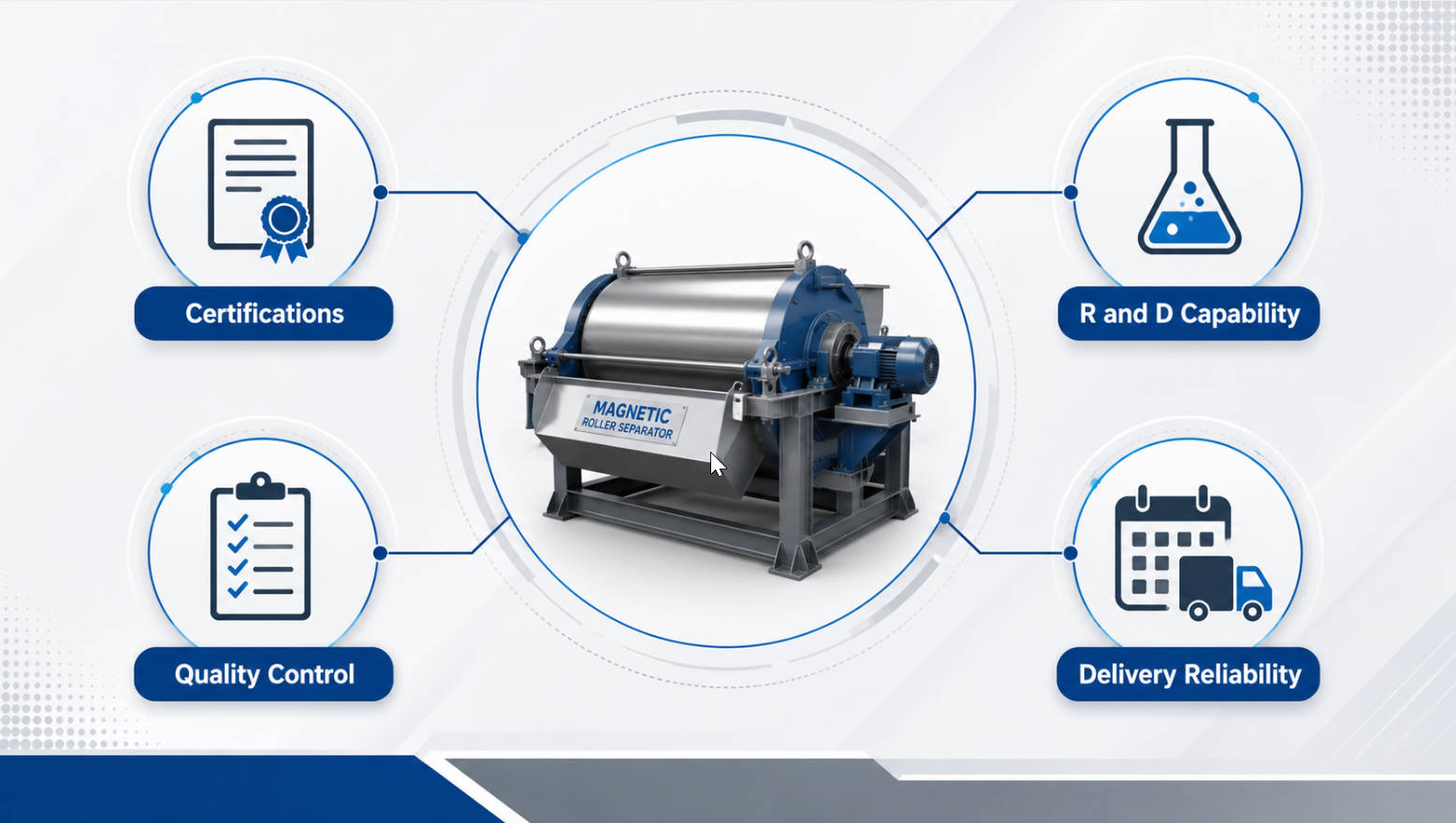
On the technical side, pay attention to magnet grade (commonly NdFeB grades like N35–N52 for high-intensity rollers), working surface Gauss level, temperature stability, and coating or encapsulation of magnets when used in corrosive or high-humidity environments. A reliable supplier will be able to share QC procedures for incoming magnet material, coil winding (for hybrid or electromagnetic designs), rotor balancing, and final performance testing using calibrated Gauss meters. Finally, long-term buyers should examine delivery performance and after‑sales support records, especially in emerging markets where logistics and export documentation can be challenging. [pmlindia]
Myanmar’s Role in Magnetic Roller Separator Supply
Myanmar is better known for its mineral resources – including rare earths, tin, and other ores – than as a global manufacturing hub for magnetic separation equipment. The country has active mining and mineral processing operations that handle iron-bearing ores and rare earth-bearing clays, which creates local demand for magnetic separators in beneficiation lines. [e360.yale]
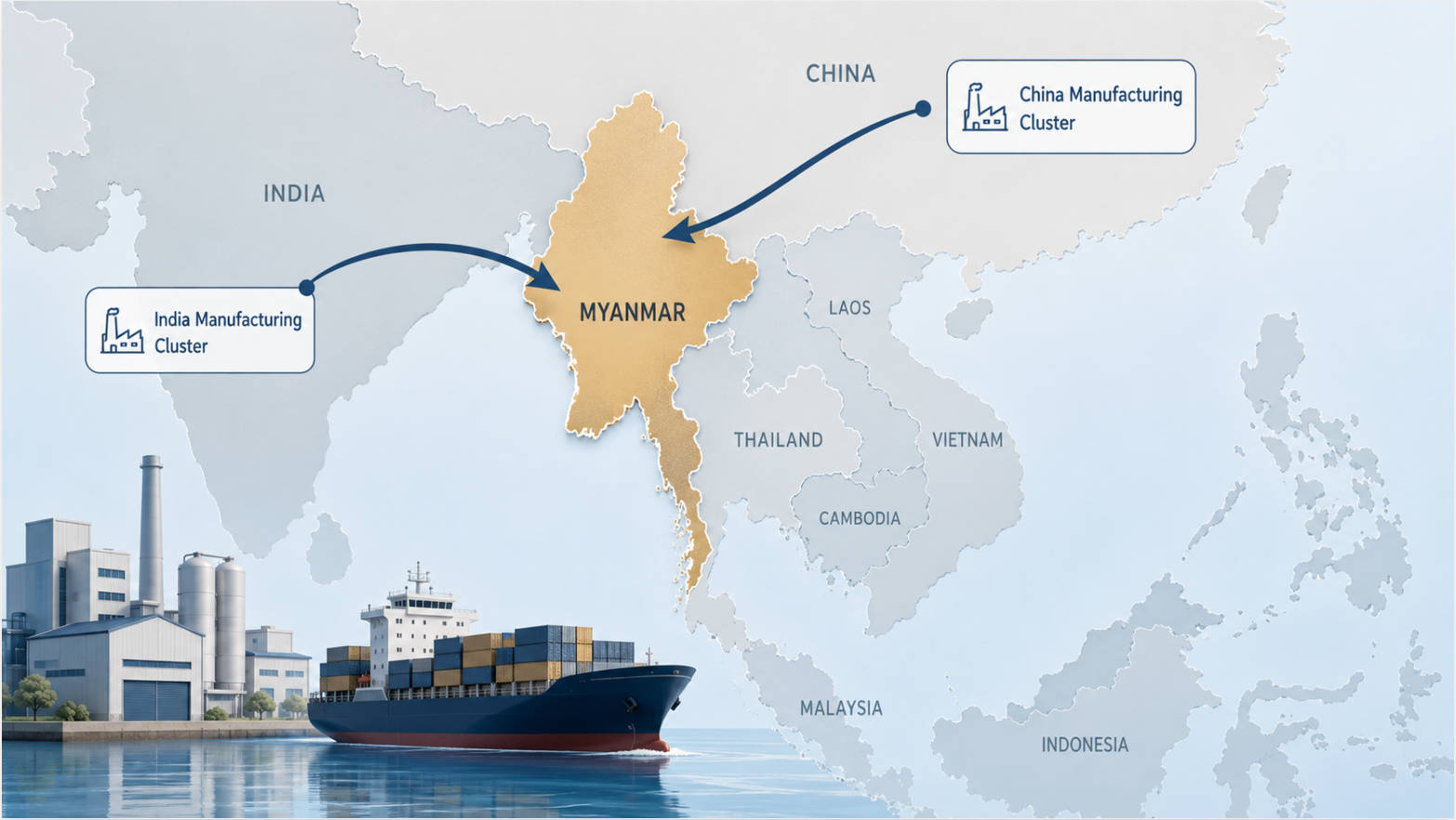
However, most high-end magnetic roller separators used in Myanmar’s mining, ceramics, and recycling sectors are still imported from established manufacturing clusters in Asia (China, India), Europe, and India-backed regional agents. Asia-Pacific as a whole remains the dominant region for magnetic separator manufacturing, accounting for roughly 40–45% of global market value in the mid‑2020s, supported by dense clusters of magnet, steel, and machinery suppliers. [futuremarketinsights]
Market and Technology Snapshot (2025–2026)
The global magnetic separator market is projected to reach around USD 1.5–1.6 billion in 2026, growing at mid‑single‑digit CAGRs through 2030 as mining, food safety, and recycling industries invest in separation technology. Within this, roller and drum separators together capture a significant share, with drums estimated at about 30% of product revenue and high-intensity equipment showing above-average growth due to critical minerals and battery material processing. [researchandmarkets]
Demand from Asia-Pacific is supported by large-scale iron ore beneficiation, ceramics, glass, and rapidly growing e‑waste and battery recycling sectors, which increasingly require fine particle separation and high-gradient roller designs. For buyers in Myanmar, this means the most competitive suppliers are typically regional manufacturers that already export across Asia and have experience adapting to local mining conditions and power quality constraints. [fairfieldmarketresearch]
Selection Criteria for This Top Supplier List
To compile a practical list of magnetic roller separator manufacturers and suppliers able to serve Myanmar, we applied several transparent filters combining product scope, export capability, and technical depth. [jkmagnetic]
Key criteria:
– Product coverage: The supplier must offer high‑intensity magnetic roller or roll-type separators, not just general-purpose magnets or simple plates. [pmlindia]
– Export footprint: Evidence of active exports to Southeast Asia or global markets, including Myanmar‑focused pages, distributor networks, or international certifications. [kumarmagnet]
– Certifications and compliance: Availability of ISO management systems and, where relevant, CE/RoHS or food‑grade approvals for magnets used in food and pharma lines. [marketsandmarkets]
– Application expertise: Demonstrated experience in target sectors such as mining, ceramics, glass, plastics, and battery materials. [jkmagnetic]
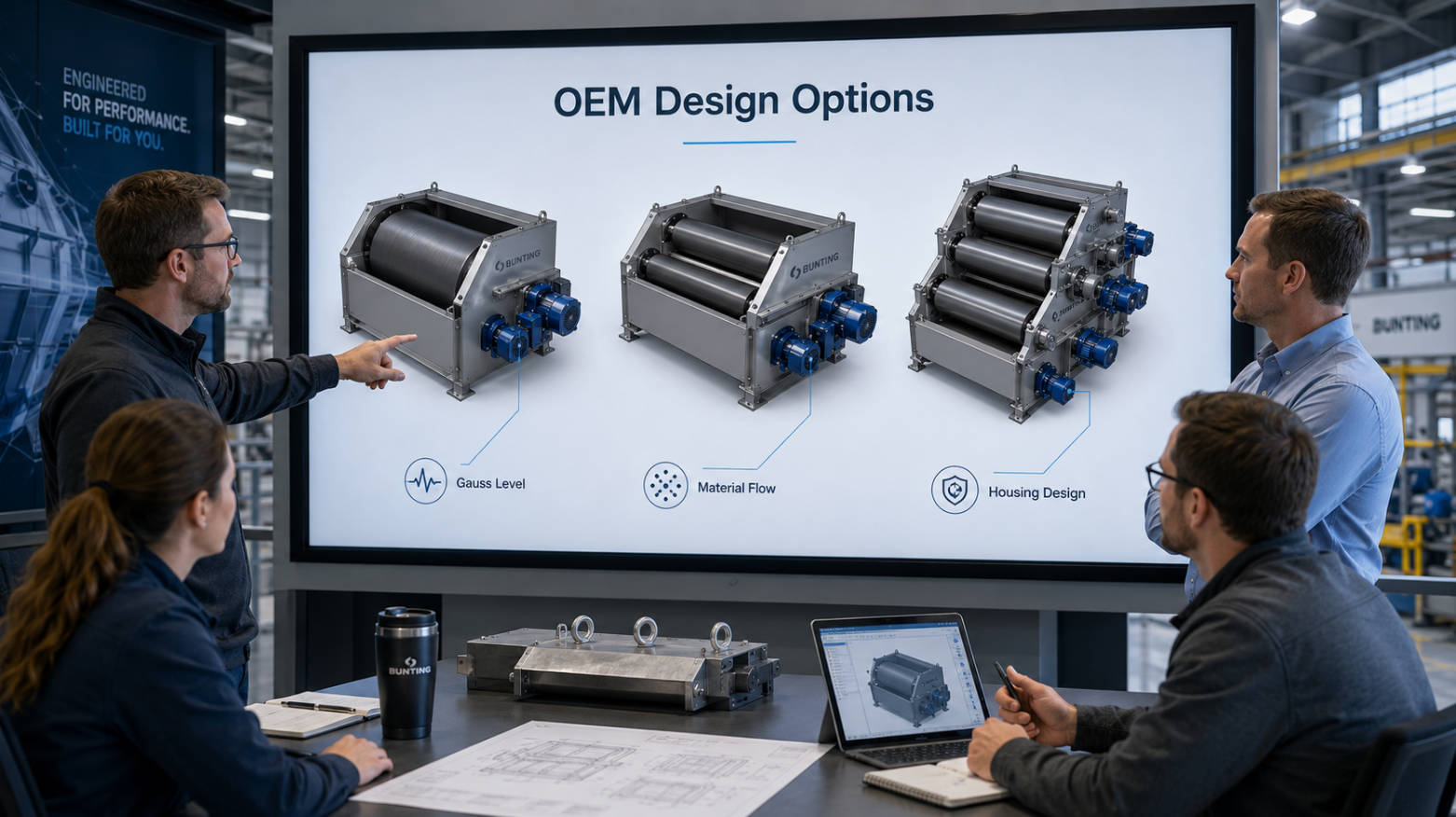
– OEM/ODM capability: Ability to customize roller size, magnetic circuit, Gauss level, and housing design according to line layout or process demands. [researchandmarkets]
Because Myanmar itself currently has limited indigenous production of advanced magnetic roller separators, this list focuses on regional and global manufacturers that already supply equipment into Myanmar through direct exports or local agents. [kumarmagnet]
Top Magnetic Roller Separator Manufacturers Serving Myanmar
1. Permanent Magnets Ltd (PML) – Regional Exporter to Myanmar
Permanent Magnets Ltd (PML), founded in 1960 in India, is one of the oldest and most diversified magnetic equipment manufacturers in Asia, offering magnetic pulleys, plates, grids, rods, filters, drum separators, and magnetic roller separators. The company indicates that it supplies magnetic separators to customers in Myanmar, positioning itself as a regional partner for industrial separation projects. [pmlindia]
Core strengths:
– Broad product catalog including high-intensity roller separators for dry powders, metal detection magnets, and belt-type systems. [pmlindia]
– Long operating history and experience across industries such as food, mining, plastics, and recycling. [pmlindia]
Typical OEM/ODM scope: customization of roller diameters, magnetic intensity, and frame structure; integration with existing conveyors or chutes; support for both ferrous and weakly magnetic contamination removal. [pmlindia]
2. Kumar Magnet Industries – Indian Supplier Present in Myanmar
Kumar Magnet Industries markets itself as one of the notable magnetic separator manufacturers serving Myanmar, with offerings such as over‑band separators, magnetic drums, and other magnetic handling equipment. While its public pages highlight over‑band separators and general magnets, the same manufacturing infrastructure can support roller-type designs for dry separation applications. [kumarmagnetind]
Core strengths:
– Focus on industrial segments including mining, cement, and material handling, with emphasis on robust designs and competitive pricing. [kumarmagnetind]
– Ability to supply standard equipment quickly to emerging markets, including Myanmar, through export channels. [kumarmagnet]
For buyers in Myanmar, Kumar Magnet can be suitable when basic separation performance and budget constraints are key, especially for bulk material lines where extremely high Gauss levels are not required. [kumarmagnetind]
3. Jaykrishna Magnetics – High-Intensity Roller Specialist
Jaykrishna Magnetics, based in India, is recognized as a specialist in high-intensity roller-type magnetic separators with several decades of experience. Its roller separators are widely used for separating paramagnetic and weakly magnetic particles in dry powder flows such as minerals, chemicals, and plastics. [jkmagnetic]
Core strengths:
– Advanced high-intensity roller designs capable of achieving strong surface Gauss levels suitable for fine mineral and ceramic applications. [jkmagnetic]
– Established engineering capability for multi-stage roller arrangements, enabling higher purity and recovery in compact footprints. [jkmagnetic]
Buyers targeting high-purity quartz, feldspar, and ceramic raw materials in Myanmar may find Jaykrishna’s high-intensity rollers particularly relevant, especially when combined with local engineering partners for installation. [jkmagnetic]
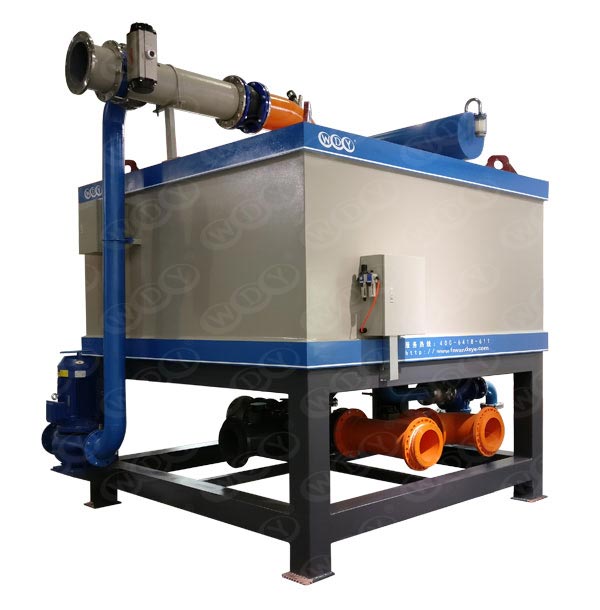
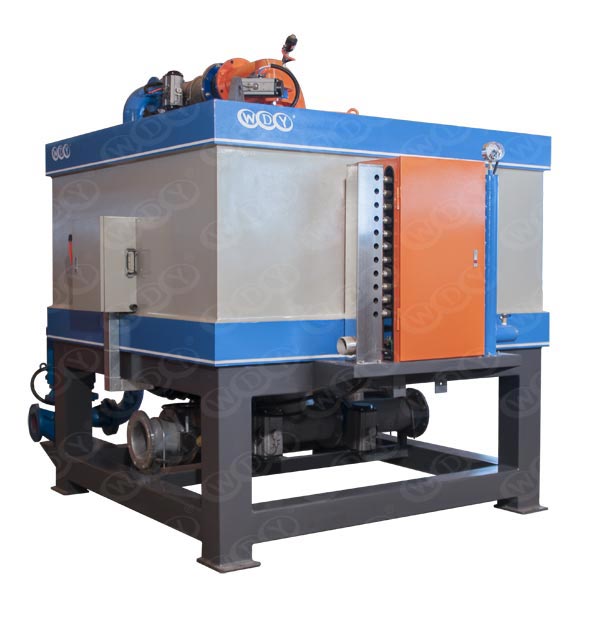
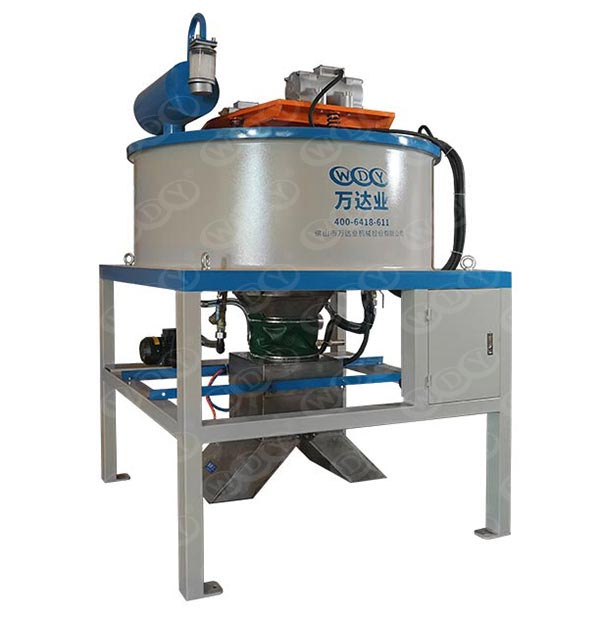
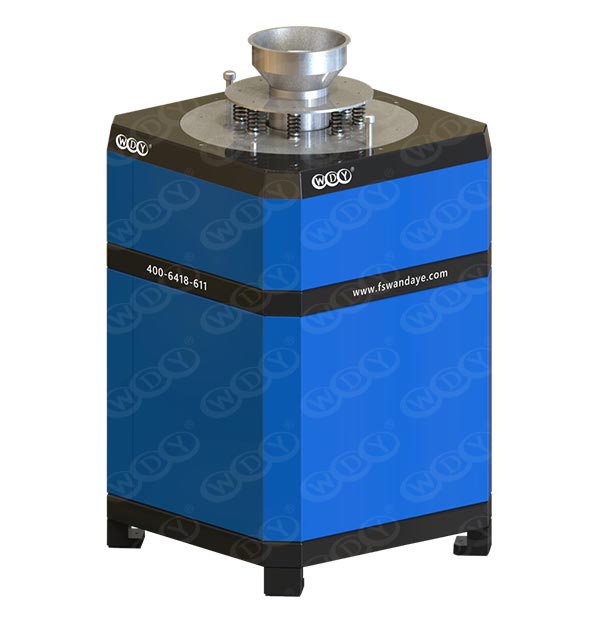
4. Foshan Wandaye Technology – Flexible R&D-Driven OEM Partner
Foshan Wandaye Technology (also known as Wandaye or Foshan Wandaye Machinery Equipment Co., Ltd.) is a Chinese manufacturer focused on magnetic separation equipment, integrating R&D, engineering design, production line installation, and commissioning. Its portfolio covers high-gradient electromagnetic slurry machines, powder magnetic separators, permanent magnetic separators, vertical ring machines, and related iron removal devices, positioning it as an R&D-driven supplier for both wet and dry separation. [youtube]
For magnetic roller separator needs, Wandaye can provide tailored permanent magnetic roller solutions for fine powders and granular materials used in minerals, ceramics, glass, plastics, rubber, food, and battery materials. The company’s engineering team has experience delivering turnkey separation lines, which is particularly valuable for small to mid-sized brands in emerging markets such as Myanmar that require both equipment and process guidance. [fswandaye]
Key differentiators for Wandaye in this context:
– Strong integration of R&D and field engineering, allowing customized roller designs (magnet grade, circuit structure, and Gauss output) aligned with specific ore or powder characteristics. [youtube]
– High cost–performance positioning suitable for mid-tier budgets, combined with flexible OEM/ODM services that include adapting machine footprints, control panels, and material contact surfaces for local standards. [fswandaye]
– Ability to provide remote commissioning and technical support for overseas installations, which is critical for Myanmar-based plants that may not have local magnetic equipment experts. [youtube]
This makes Wandaye a practical partner for regional distributors serving Myanmar or for direct end-user projects where communication efficiency, customization depth, and lifecycle support matter more than branding alone. [fswandaye]
5. Global High-End Brands Frequently Imported into Myanmar
Although not Myanmar-specific, several global magnetic separator brands are often present in major mining, cement, and food projects across Southeast Asia, either via direct supply or regional system integrators. These include: Eriez (US), Goudsmit Magnetics (Netherlands), Bunting Magnetics (US), Metso (Finland), and LONGi Magnet (China), among others. [futuremarketinsights]
Core strengths:
– Extensive reference projects, advanced modeling of magnetic circuits, and a broad range of certifications for food, pharma, and explosive environments. [marketsandmarkets]
– Strong service networks in selected markets, but often higher initial capital expenditure compared with regional suppliers. [futuremarketinsights]
For Myanmar buyers, these brands are typically accessed through EPC contractors or multinational integrators managing complete beneficiation or processing plants, especially for large-scale iron ore or cement projects. [marketsandmarkets]
Key Technical Considerations for Magnetic Roller Separators
When benchmarking suppliers, procurement managers should compare several technical dimensions beyond just price. [researchandmarkets]
Critical parameters include:
– Magnet material and grade: High-energy NdFeB magnets (e.g., N42, N48, N52) deliver higher field intensity but must be protected against demagnetization and corrosion, especially in tropical climates. [researchandmarkets]
– Gauss level and field gradient: Effective separation of weakly magnetic minerals (e.g., ilmenite, hematite, some rare earth compounds) requires high surface Gauss and carefully designed pole configurations. [researchandmarkets]
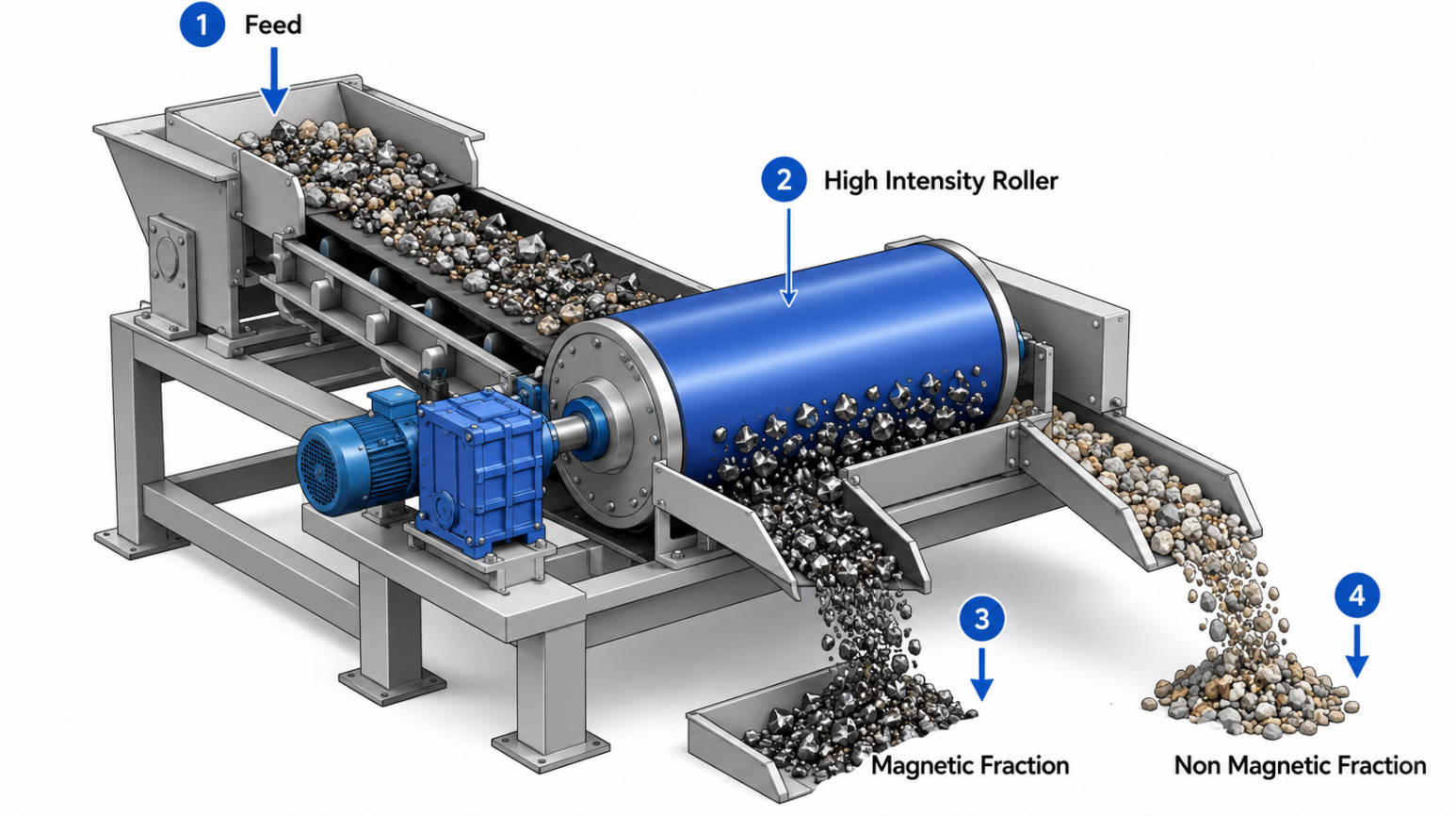
– Roller configuration: Single, double, or multi-stage roller arrangements can be used to increase product purity and recovery or to separate multiple fractions. [jkmagnetic]
– Throughput and particle size: Each supplier should specify recommended feed particle size ranges and throughput capacity to avoid overloading and reduced separation efficiency. [researchandmarkets]
For sectors like food and pharmaceuticals, additional considerations such as stainless steel grades (e.g., 304 vs 316), sanitary design, and cleanability (CIP compatibility) become critical, and not all general industrial suppliers can meet these requirements. [marketsandmarkets]
Supplier Comparison Table for Myanmar-Focused Buyers
The table below compares selected suppliers relevant to Myanmar-bound projects on capacity orientation, typical MOQs, and indicative certification footprint based on publicly available information and regional export practice. [kumarmagnet]
| Supplier | Typical capacity focus | Typical MOQ trend | Common certifications or claims |
|---|---|---|---|
| Permanent Magnets Ltd (PML) | Medium to large industrial projects across mining, food, plastics, and recycling. pmlindia | Often supports small trial orders, then scales to container-level shipments. pmlindia | Long-established manufacturer; markets ISO-based management and supports CE-compliant designs for many products. pmlindia |
| Kumar Magnet Industries | Small to medium bulk material lines, over‑band and drum applications; suitable for basic separation in cement and aggregate. kumarmagnet | Flexible MOQs, often accepting limited units for first projects in emerging markets. kumarmagnet | Emphasizes quality and performance; buyers should request specific ISO and CE documents per project. kumarmagnet |
| Jaykrishna Magnetics | High-intensity applications for fine mineral and ceramic powders; multi-stage roller systems. jkmagnetic | Typically project-based orders rather than single units, though pilot units may be available. jkmagnetic | Promotes robust engineering standards; ISO management and application-specific compliance are available on request. jkmagnetic |
| Foshan Wandaye Technology | Wide range from lab-scale to full production lines, particularly in ceramics, glass, non-metallic minerals, and battery materials. youtube | Very flexible; can support small-batch OEM/ODM projects for niche brands, then scale up. youtube | Operates dedicated magnetic separator manufacturing facilities; can align designs with CE/RoHS and buyer-specific audit requirements. youtube |
| Global premium brands (e.g., Eriez, Metso, Bunting) | Large, high-spec plants in mining, cement, food, and advanced recycling with high throughput and stringent compliance needs. marketsandmarkets | Generally higher MOQs and project-scale engagements; often bundled with wider system deliveries. marketsandmarkets | Broad certification portfolios (ISO, CE, ATEX, food-grade approvals), strong documentation for global audit requirements. marketsandmarkets |
Common Pitfalls and an “Insider” Trap to Avoid
Procurement managers purchasing magnetic roller separators for Myanmar projects often encounter several recurring problems. [researchandmarkets]
Typical pitfalls:
– Under‑specified magnetic intensity: Some low-cost machines are sold with generic “high-intensity” claims without certified Gauss measurements, leading to poor separation of weakly magnetic particles. [jkmagnetic]
– Inconsistent magnet quality: Substituting lower-grade magnets or thinner magnet stacks to cut costs can result in faster demagnetization and reduced field strength over time. [researchandmarkets]
– Inadequate wear and corrosion protection: In tropical climates and abrasive ore environments, insufficient coatings or weak housings cause premature failure. [jkmagnetic]
An “internal” trap that industry veterans talk about, but which is rarely documented publicly, is the practice of delivering “demo-optimized” rollers for factory inspections while configuring production batches with downgraded magnet circuits or cheaper bearings. In other words, the sample machine on the showroom floor or sent as a reference unit may carry full-spec magnets and precision bearings, but follow-up production units use thinner magnet segments or lower-grade bearing sets to protect the supplier’s margin. [researchandmarkets]
To avoid this, buyers should:
– Specify magnet grade, thickness, and target surface Gauss in contracts, and require certificates linked to serial numbers. [jkmagnetic]
– Conduct random Gauss checks on delivered units using independent instruments, not only relying on factory data. [researchandmarkets]
– Include clauses that allow rejection or remedial action if measured performance deviates beyond an agreed tolerance band. [jkmagnetic]
Buyer’s Guide: Verifying Factories and Managing Projects
Step 1: Pre‑qualification and Documentation
Start by requesting core documents: company business license, ISO certificates (9001, 14001, 45001 where applicable), and key product certificates including CE and, if necessary, RoHS or food-contact approvals. For Myanmar imports, check whether your end-user industry imposes specific regulatory constraints, particularly for food and pharmaceuticals or environmentally sensitive projects. [pubs.usgs]
Use independent certification bodies’ databases (e.g., accredited ISO registrars or notified bodies) to verify that certificates are valid, current, and actually cover the product categories in question rather than unrelated scopes. This step alone filters out many suppliers relying on expired or misleading certificates. [futuremarketinsights]
Step 2: Technical and R&D Assessment
Ask suppliers to provide:
– Detailed technical datasheets including Gauss levels, magnet type, recommended particle size and throughput. [researchandmarkets]
– R&D examples such as case studies or test reports from similar materials (e.g., quartz sand, kaolin, or battery precursors). [jkmagnetic]
Suppliers like Wandaye that maintain in‑house testing facilities and can run sample trials on your material can significantly reduce process risk, especially for Myanmar mines or processors dealing with variable ore grades. [youtube]
Step 3: Samples and Pilot Runs
A structured sampling process helps avoid surprises once full production equipment arrives. [researchandmarkets]
Recommended approach:
– Ship a small batch of representative material (ore, powder, or pellets) to the supplier for lab testing and request a test video plus test report with input/output analyses. [jkmagnetic]
– Where possible, order a pilot-scale roller separator or rent a unit, and run it on-site to verify separation efficiency and mechanical robustness under local conditions. [researchandmarkets]
This is particularly important for Myanmar projects where power supply quality and ambient humidity can differ significantly from test environments in supplier countries. [e360.yale]
Step 4: Logistics and Installation
For Myanmar-bound shipments, clarify Incoterms (FOB, CIF, DAP), transit routes, and insurance coverage to manage risks related to border delays or port congestion. Ensure that crates and packaging are suitable for tropical climates, with desiccants and corrosion protection, especially for high-intensity NdFeB-based rollers. [pubs.usgs]
Plan ahead for installation and commissioning support, whether via remote guidance, local partners, or supplier engineers, and align this with plant shutdown windows and safety protocols. Suppliers with experience in turnkey delivery, like Wandaye, can often compress this schedule and reduce integration risks. [fswandaye]
Conclusion and Call to Action
For procurement managers in Myanmar, the most robust strategy is to combine a regional cost‑effective supplier – such as Wandaye or established Indian manufacturers – with disciplined technical specifications and independent verification. By focusing on magnet quality, Gauss performance, and transparent QC, buyers can avoid common traps and secure stable, high-performance separation capacity across mining, ceramics, and battery material lines. [pubs.usgs]
If you are planning a new project or upgrading an existing line in Myanmar, consider shortlisting suppliers that not only offer competitive pricing but can also provide application testing, OEM customization, and responsive after‑sales support – and then invite them to run trials on your actual material before committing to a full rollout. [youtube]
FAQ: Advanced Questions from Professional Buyers
1. How can I verify whether a supplier’s ISO certificate is still valid and actually covers magnetic roller separators?
Check the certificate’s issuer, number, and scope, then cross‑reference these details in the issuer’s online database or by contacting the certification body directly; ensure the scope includes design and manufacture of magnetic separation equipment, not only unrelated products. [futuremarketinsights]
2. What Gauss level should I target for separating weakly magnetic minerals in Myanmar’s rare earth or iron ore projects?
For many weakly magnetic minerals and rare earth-bearing clays, buyers typically look for high-intensity rollers with surface fields in the tens of thousands of Gauss; exact values depend on particle size, feed rate, and mineralogy, so suppliers should run application-specific tests. [pubs.usgs]
3. How do I ensure the magnets in my roller do not demagnetize prematurely in Myanmar’s tropical climate?
Specify magnet grade with suitable temperature coefficients, require corrosion-proof encapsulation or coatings, and ensure the roller housing is sealed against moisture; regular inspections and environmental controls in storage also help. [jkmagnetic]
4. Can one supplier cover both wet and dry separation needs for a mixed mineral processing line?
Some manufacturers, including regional players in Asia, offer both wet high-intensity electromagnetic systems and dry roller separators, but you should verify their track record in each application and avoid assuming that expertise in one category guarantees performance in another. [youtube]
5. How do I compare lifecycle costs across suppliers, not just initial price?
Consider energy consumption, expected magnet life, spare parts pricing, local service capability, and downtime risk; global market studies show that OPEX and downtime often outweigh initial CAPEX over the equipment’s life in mining and processing plants. [fairfieldmarketresearch]
References
1. – MarketsandMarkets – Magnetic Separator Companies and Market Outlook: https://www.marketsandmarkets.com/ResearchInsight/magnetic-separator-market.asp [marketsandmarkets]
2. – Research and Markets – Magnetic Separator Market Report 2026: https://www.researchandmarkets.com/reports/6075450/magnetic-separator-market-report [researchandmarkets]
3. – Future Market Insights – Magnetic Separator Market Global Industry Analysis: https://www.futuremarketinsights.com/reports/global-magnetic-separator-market [fairfieldmarketresearch]
4. – Permanent Magnets Ltd – Magnetic Separator in Myanmar: https://www.pmlindia.com/pages/magnetic-separator-in-myanmar [pmlindia]
5. – Kumar Magnet Industries – Over Band Magnetic Separator in Myanmar: https://www.kumarmagnet.com/myanmar/over-band-magnetic-separator.html [kumarmagnet]
6. – Jaykrishna Magnetics – Roller Type Magnetic Separators: https://www.jkmagnetic.com/roller-type-magnetic-separator/ [jkmagnetic]
7. – Foshan Wandaye – Company information and products: http://www.fswandaye.com [fswandaye]
8. – WDY Magnetic Separators – Company profile video: https://www.youtube.com/watch?v=7FvTOgjiRI8 [youtube]
9. – USGS – The Mineral Industry of Burma (Myanmar) 2020–2021: https://pubs.usgs.gov/myb/vol3/2020-21/myb3-2020-21-burma.pdf [pubs.usgs]
Hot Tags: Magnetic Roller Separator, Manufacturers, Customized, Custom, Suppliers, Buy, Cheap, Quality, Advanced, Durable, in Stock, Made in China, Price, Quotation