


Content Menu
● What Is a Metal Detector vs. a Magnetic Separator?
>> How a Magnetic Separator Works
● Application Scenarios: When to Use Which
>> When Metal Detectors Are the Better Choice
>> When Magnetic Separators Are Essential
● Industry Expert View: Why You Often Need Both
● Permanent vs Electromagnetic Separators
● Practical Selection Guide for Manufacturers
>> Step 1: Define Your Contamination Risks
>> Step 2: Match Technology to Material Form
● Latest Trends and Advanced Use Cases
>> High‑Purity Demands in Battery and Electronics Materials
>> Combining Magnetic Separation With Digital Quality Systems
● Why Powder Magnetic Separators Matter for Your Industry
● CTA: How to Move From Theory to Implementation
● FAQs
>> 1. Can a magnetic separator replace a metal detector completely?
>> 2. Are permanent magnetic separators strong enough for ultra‑fine powders?
>> 3. How often should magnets and metal detectors be tested?
>> 4. What if my product has a strong “product effect” in a metal detector?
>> 5. Where should I install a powder magnetic separator in my line?
Metal detectors and magnetic separators are complementary, not interchangeable: metal detectors find all types of metal (ferrous and non‑ferrous), while magnetic separators physically remove mainly ferrous and weakly magnetic contaminants from product streams. For a manufacturer like Foshan Wandaye Technology Co., Ltd., magnetic separation is the core technology, especially for powders, slurries and high‑purity applications in ceramics, mining and battery materials. [goudsmitmagnetics]
What Is a Metal Detector vs. a Magnetic Separator?
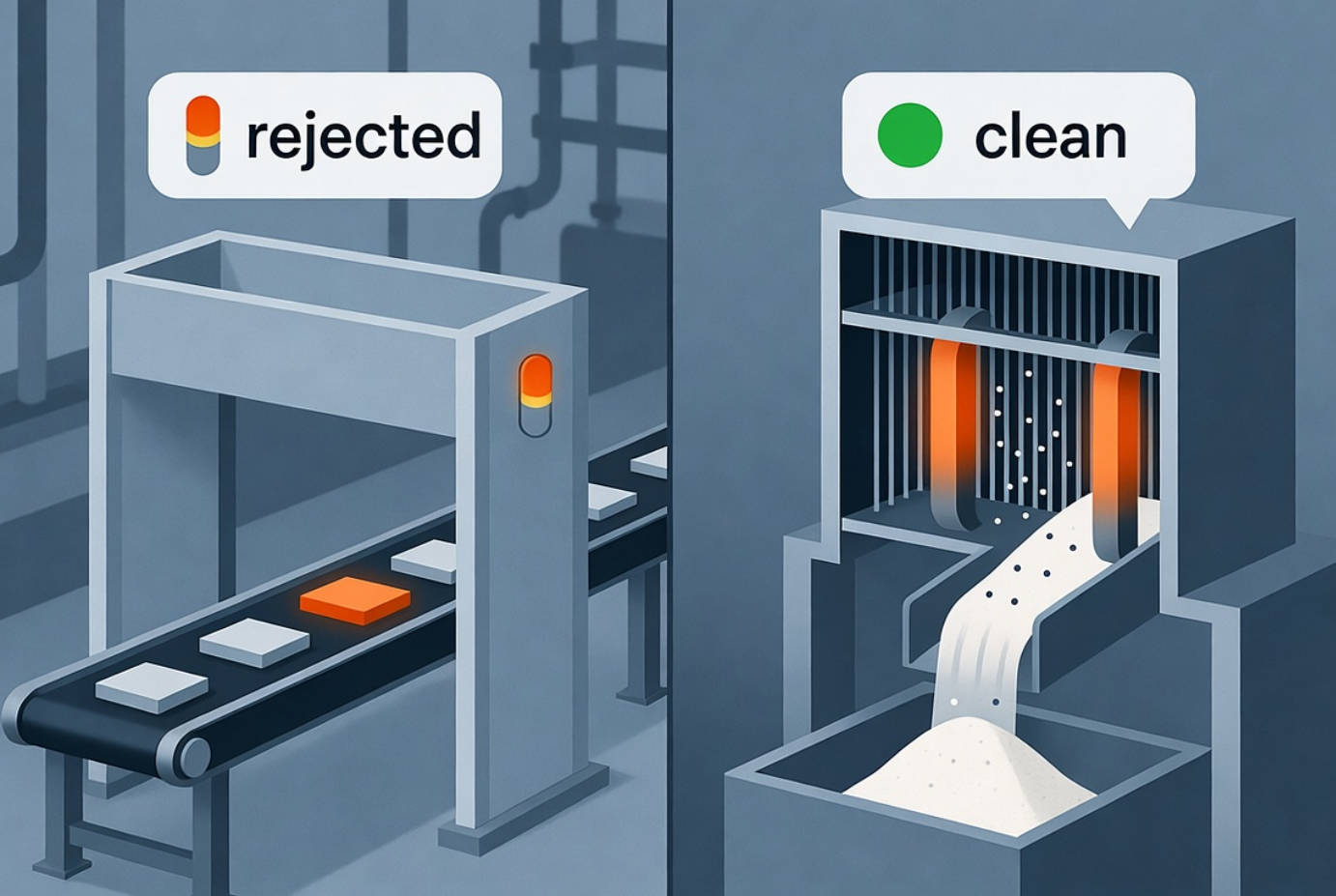
A metal detector is an inspection device that scans a product stream and triggers an alarm or rejection system when it senses metallic contamination. It does not remove the metal by itself; removal happens through stopping the line or using an automatic reject mechanism. [powderbulksolids]
A magnetic separator uses a permanent magnet or electromagnet to capture and physically remove ferrous and some paramagnetic particles from the material flow. In industries handling powders, slurries or bulk solids, magnetic separators are installed inline so that metal contaminants stick to the magnet surface and can be cleaned off periodically or continuously. [imt-inc]
How Each Technology Works
How a Metal Detector Works
Most industrial metal detectors use a balanced coil system: an electromagnetic field is established, and any conductive metal passing through disturb this field, generating a signal. They can detect ferrous, non‑ferrous and stainless‑steel contaminants, depending on sensitivity and product effect. [amrconsulting]
In practice, metal detectors are often installed on conveyors, pipeline systems or vertical form‑fill‑seal lines with an automatic reject device that removes contaminated product from the flow. This makes them especially valuable for final product inspection before packaging or shipment. [powderbulksolids]
How a Magnetic Separator Works
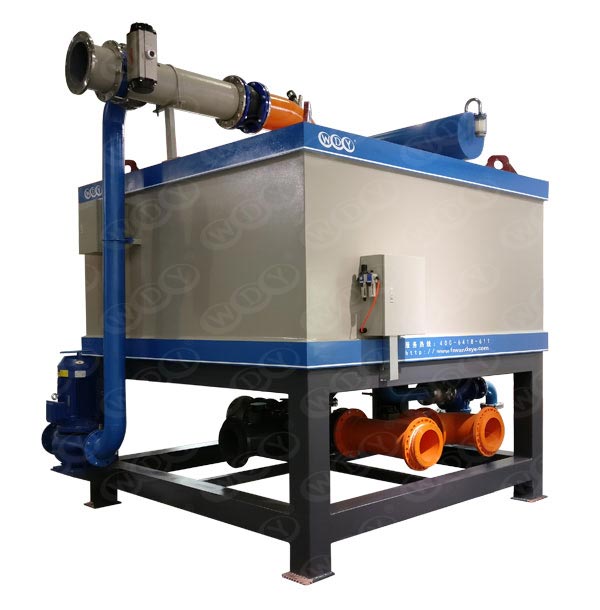
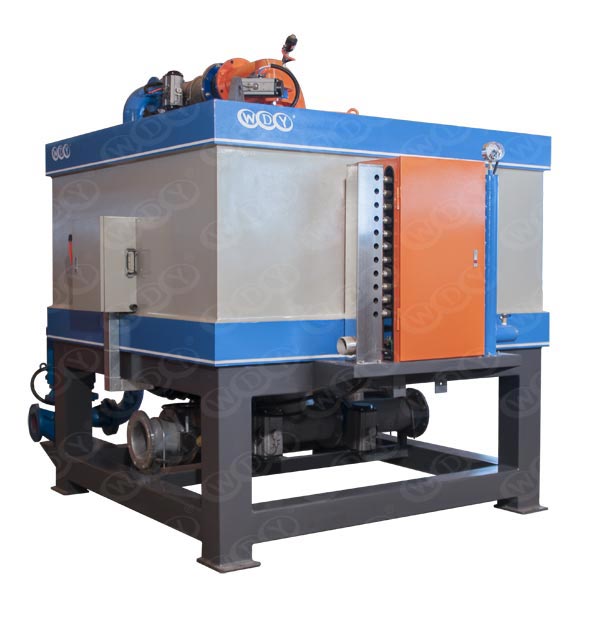
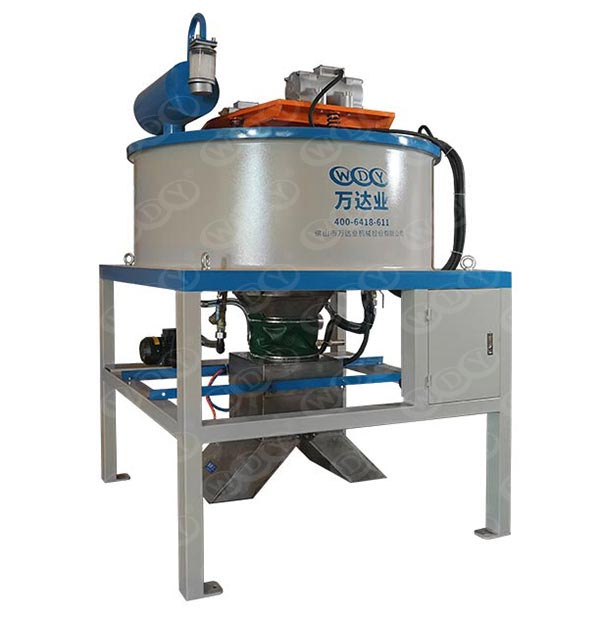
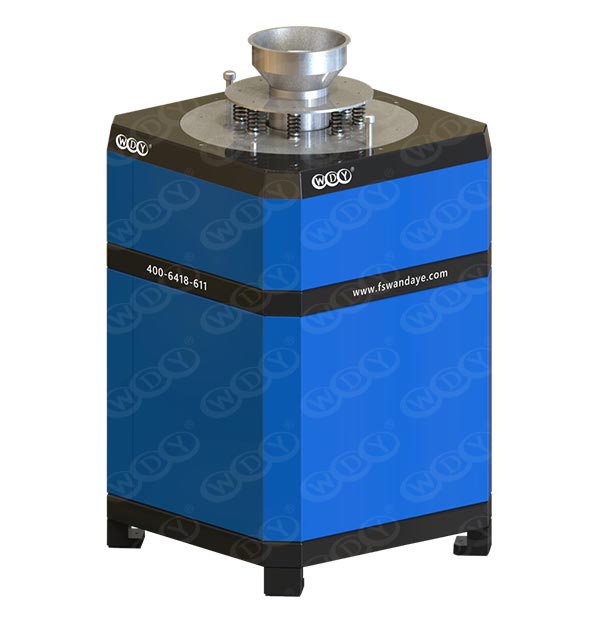
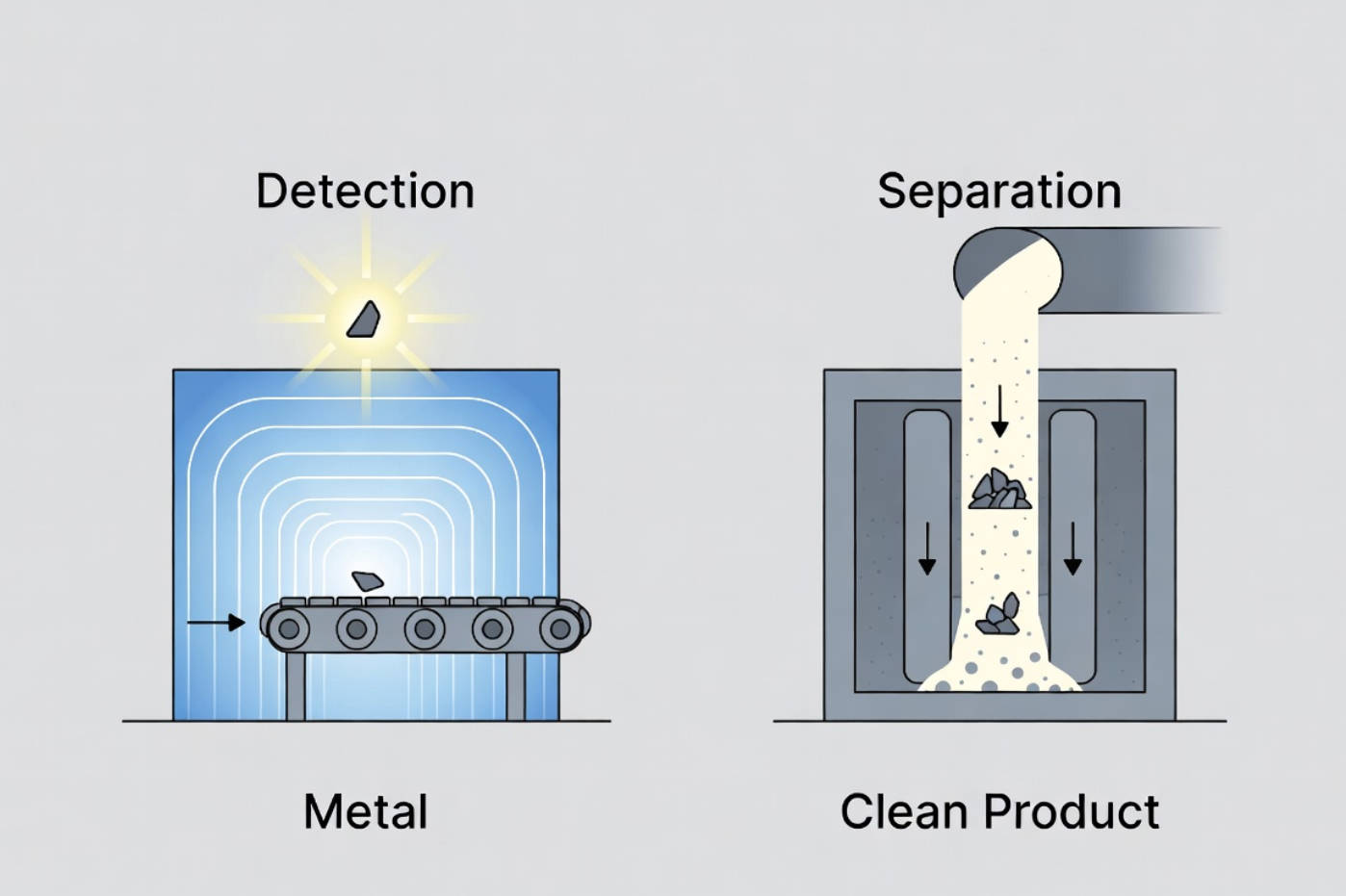
A magnetic separator creates a strong magnetic field (using permanent magnets or electromagnets) that attracts ferrous and paramagnetic particles from the surrounding material. The contaminated material flows past the magnet—on a drum, plate, grid or in a high‑gradient housing—and metal particles are held while clean product passes through. [eclipsemagnetics]
In powder and slurry applications, high‑gradient designs are used to capture very fine iron and weakly magnetic materials, which is critical in ceramics, mining, glass and battery cathode/anode materials. As a manufacturer of powder magnetic separators and permanent magnetic separators, Wandaye focuses exactly on these high‑precision, continuous separation tasks. [wdymagnetic]
Key Differences at a Glance
| Aspect | Metal Detector | Magnetic Separator |
|---|---|---|
| Primary function | Detects any type of metal contamination | Removes ferrous and some paramagnetic metals from product |
| Metal types | Ferrous, non‑ferrous, stainless steel (depending on sensitivity) powderbulksolids | Mainly ferrous and paramagnetic; effectiveness depends on field strength and design eclipsemagnetics |
| Action on product | Signals and/or rejects product but does not physically pull metal out goudsmitmagnetics | Physically captures metal; clean product continues downstream goudsmitmagnetics |
| Typical installation | End‑of‑line or critical control points for finished goods inspection powderbulksolids | Upstream in process lines for powders, slurries, bulk solids imt-inc |
| Product loss | Potentially higher when entire packs are rejected goudsmitmagnetics | Very low; metal is removed with minimal good product loss goudsmitmagnetics |
| Power requirement | Requires power to operate coils and controls amrconsulting | Permanent separators require no power; electromagnets do elcanindustries |
| Detection / capture of tiny fines | Good for small metallic pieces if tuned correctly, but can be affected by product effect powderbulksolids | High‑gradient designs excel at capturing very fine ferrous particles in powders and slurries imt-inc |
Application Scenarios: When to Use Which
When Metal Detectors Are the Better Choice
Use a metal detector when your priority is to identify any metallic contamination—ferrous or non‑ferrous—especially close to the final product stage. This is typical in industries like: [amrconsulting]
– Food and beverage, to comply with retailer and regulatory standards and to reduce recall risk. [powderbulksolids]
– Pharmaceuticals, for tablet and capsule inspection. [powderbulksolids]
– Packaged goods, where contamination can come from machinery wear, packaging components and upstream processes. [powderbulksolids]
Metal detectors are also critical where non‑magnetic metals (like aluminum or some stainless steels) are a major concern, because magnetic separators cannot efficiently capture these. [eclipsemagnetics]
When Magnetic Separators Are Essential
Magnetic separators are the first line of defense in processes where ferrous contamination is both common and harmful to product quality or equipment. Key application areas include: [goudsmitmagnetics]
– Ceramics and glass: removing iron from powders and glazes to prevent black spots and color defects. [imt-inc]
– Mining and mineral processing: recovering valuable magnetic minerals and protecting downstream crushers and mills. [imt-inc]
– Battery anode/cathode materials, electronics powders and chemicals: ensuring ultra‑low iron content for high‑performance materials. [elcanindustries]
– Plastics, rubber, building materials: preventing wear and damage in extruders, calenders and mills. [eclipsemagnetics]
For a specialist like Foshan Wandaye, powder magnetic separators and permanent magnetic separators are engineered for exactly these high‑purity, continuous industrial environments, where stability, low maintenance and high capture efficiency are more important than detecting non‑ferrous metals. [wdymagnetic]
Industry Expert View: Why You Often Need Both
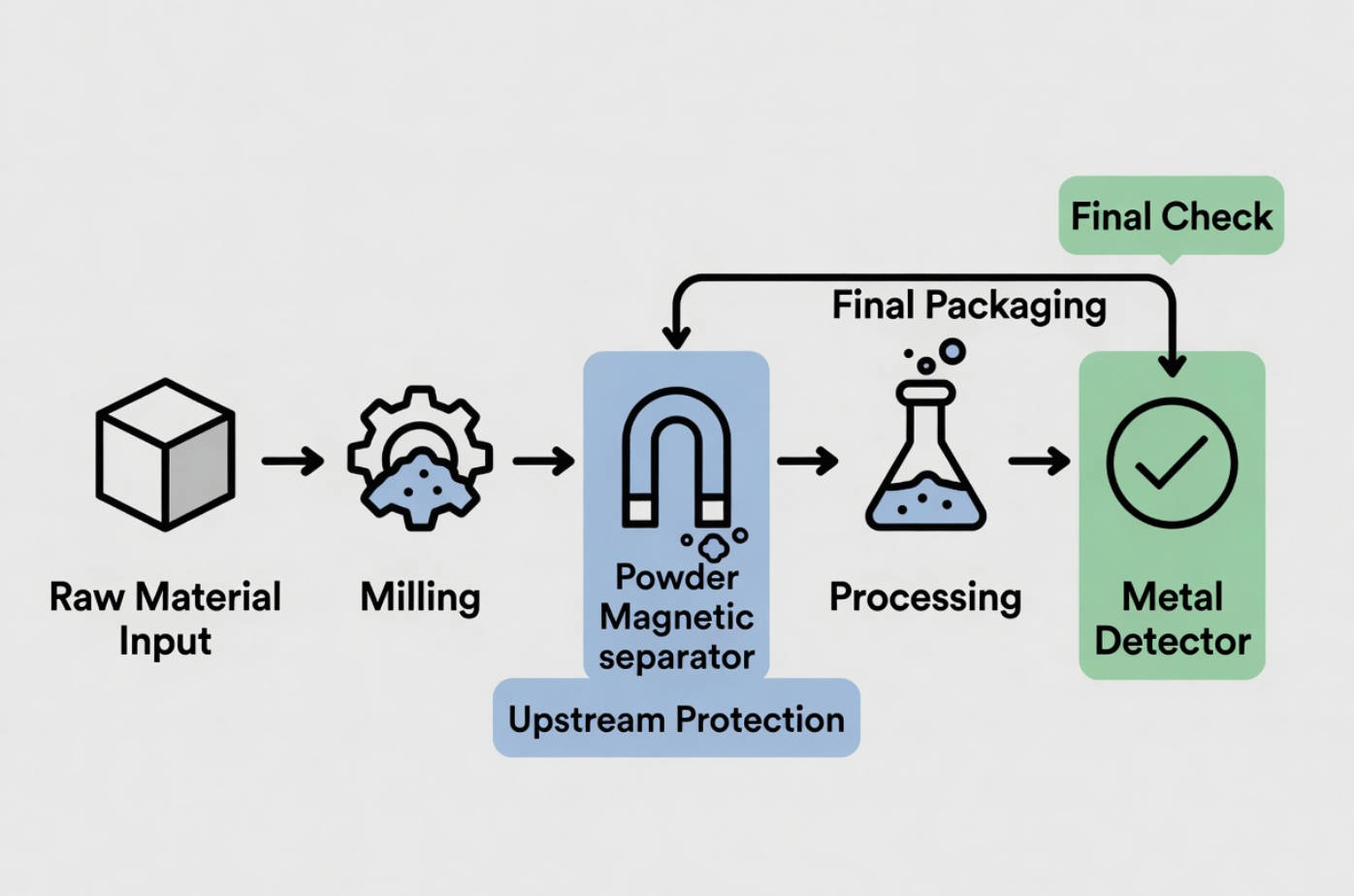
Modern best practice in food, chemical and advanced materials processing is to use magnetic separation upstream and metal detection downstream for a layered, HACCP‑style approach. Industry experts note that pairing both technologies gives the strongest protection against recalls, equipment damage and quality complaints. [amrconsulting]
Magnetic separators efficiently remove the majority of ferrous contamination early in the process, which reduces the load on downstream metal detectors and improves their sensitivity. Metal detectors then act as the final checkpoint to catch any remaining metal, including non‑magnetic pieces that bypassed the magnets. [goudsmitmagnetics]
Permanent vs Electromagnetic Separators
Within magnetic separation, you also need to choose between permanent and electromagnetic separators. Permanent magnetic separators, like those widely used by Wandaye, generate a constant magnetic field without electrical power. They are highly reliable, energy‑efficient and ideal for many powder, slurry and free‑fall applications. [dingsmagnets]
Electromagnetic separators use energized coils to create an adjustable magnetic field, which can be switched on or off and tuned for different materials. They are useful where large tramp iron must be removed over conveyors, or where process conditions change and variable magnetic strength is desirable. [elcanindustries]
From a total cost of ownership perspective, permanent magnetic separators offer low operating costs and simple maintenance, while electromagnets can handle heavier contamination under more variable conditions but require power supply and more complex cooling and control systems. [dingsmagnets]
Practical Selection Guide for Manufacturers
Step 1: Define Your Contamination Risks
Start with a simple risk analysis:
1. Identify where metal can enter your process (raw materials, equipment wear, packaging). [amrconsulting]
2. Determine what metals are most likely (ferrous, stainless, non‑ferrous). [powderbulksolids]
3. Decide the maximum acceptable contamination size and frequency based on standards and customer requirements. [amrconsulting]
If your risk assessment shows significant ferrous contamination and a need for continuous removal, a magnetic separator is non‑negotiable. If regulatory or customer standards demand proof that all metals are controlled, a metal detector near the end of the line becomes essential. [goudsmitmagnetics]
Step 2: Match Technology to Material Form
– Powders and fine granules: use high‑gradient powder magnetic separators upstream; add metal detectors on finished packs if needed. [imt-inc]
– Slurries and liquids: use wet drum or inline magnetic separators to capture ferrous fines in real time. [eclipsemagnetics]
– Bulk solids on conveyors: use overband magnets or drum separators for tramp iron plus tunnel metal detectors for comprehensive inspection. [eclipsemagnetics]
For example, in a ceramic plant producing high‑white tiles, a Wandaye‑type powder magnetic separator placed after milling and before spray drying can drastically reduce iron spots in final products. A downstream metal detector on packaged tiles can then verify that no metallic fragments enter via packaging or handling. [wdymagnetic]
Latest Trends and Advanced Use Cases
High‑Purity Demands in Battery and Electronics Materials
The rapid growth of lithium‑ion batteries and electronic ceramics is driving demand for ultra‑low iron content in powders such as cathode, anode and high‑purity alumina materials. Here, advanced high‑gradient magnetic separators are used to remove extremely fine ferrous contamination that would otherwise impact conductivity, capacity and long‑term stability. [elcanindustries]
Producers increasingly integrate multiple stages of magnetic separation with different magnetic intensities, combined with end‑of‑line metal detection, to meet tight impurity specifications demanded by battery and electronics OEMs. This is a natural fit for specialized powder‑focused manufacturers like Wandaye, who can customize equipment for specific slurry, viscosity and particle size distributions. [wdymagnetic]
Combining Magnetic Separation With Digital Quality Systems
Another trend is integrating both magnetic separators and metal detectors into digital quality and traceability systems. By logging magnet cleaning intervals, metal detector rejects and test results, manufacturers can provide electronic evidence of compliance during audits and customer visits. [amrconsulting]
Modern systems allow central monitoring of key performance indicators—such as magnet strength verification and metal detector sensitivity tests—which helps maintenance teams optimize uptime and supports continuous improvement programs. [powderbulksolids]
Why Powder Magnetic Separators Matter for Your Industry
As a professional magnetic separation equipment manufacturer integrating R&D, engineering design, line installation and commissioning, Wandaye focuses on application‑driven solutions rather than standalone hardware. Powder magnetic separators and permanent magnetic separators can be tailored to: [wdymagnetic]
– Ceramics and glass: to improve whiteness, reduce defects and improve yield. [imt-inc]
– Mining and mineral processing: to increase recovery of magnetic minerals and protect grinders and mills. [imt-inc]
– New energy, rubber, plastics, building materials, food and pharmaceuticals: to ensure product purity and equipment protection in demanding continuous operations. [eclipsemagnetics]
By combining process know‑how with equipment design, a supplier like Wandaye can help you determine the optimal mix and placement of magnetic separators and, where needed, coordinate with metal detection systems specified by your quality or safety standards. [wdymagnetic]

CTA: How to Move From Theory to Implementation
If you are planning a new line or upgrading an existing one, the most effective step is to map your process and contamination risks together with a magnetic separation specialist. Provide real material samples (powder, slurry or bulk) for testing so that magnetic field strength, separator type and installation positions can be optimized. [imt-inc]
Action suggestion:
– Document your current process flow and identify at least three potential contamination points.
– Collect representative product samples from each point.
– Consult with a specialist manufacturer like Foshan Wandaye Technology Co., Ltd. to design a combined magnetic separation and metal detection strategy tailored to your materials and quality targets. [wdymagnetic]
FAQs
1. Can a magnetic separator replace a metal detector completely?
No. A magnetic separator mainly removes ferrous and paramagnetic metals, while a metal detector can detect non‑magnetic metals like aluminum and some stainless steels. In high‑risk applications, both are used together for full coverage. [eclipsemagnetics]
2. Are permanent magnetic separators strong enough for ultra‑fine powders?
Modern high‑intensity permanent magnetic separators can capture extremely fine ferrous particles in powders and slurries when correctly designed and positioned. For very challenging materials, multiple stages or higher‑gradient designs may be specified. [elcanindustries]
3. How often should magnets and metal detectors be tested?
Industry guidance typically recommends regular performance verification, aligned with your HACCP or quality plan and customer requirements. Many manufacturers perform daily functional checks on metal detectors and scheduled strength verification of magnets, plus independent annual validation. [amrconsulting]
4. What if my product has a strong “product effect” in a metal detector?
High salt, moisture or temperature can create “product effect” that mimics metal, making detectors harder to tune. In such cases, removing as much ferrous contamination as possible with upstream magnetic separation helps you run the detector at higher sensitivity with fewer false rejects. [goudsmitmagnetics]
5. Where should I install a powder magnetic separator in my line?
The best positions are where the product is free‑flowing, well‑dispersed and accessible, for example after milling, before mixing or before final packing. A specialist can evaluate your specific layout to choose the most effective locations and separator types. [wdymagnetic]
References
1. Goudsmit Magnetics – “Magnetic separators for free‑fall product flows: Magnetic separator or a metal detector?”
https://www.goudsmitmagnetics.com/en-us/products/free-fall-magnetic-separators [goudsmitmagnetics]
2. Industrial Magnetics Inc. – “Wet Drum Magnetic Separators Explained”
https://www.imt-inc.com/wet-drum-magnetic-separators-explained/ [imt-inc]
3. BulkInside – “Developments in Magnetic Separation and Metal Detection”
https://bulkinside.com/bulk-solids-handling/screening-separation/developments-in-magnetic-separation-and-metal-detection/ [bulkinside]
4. Powder & Bulk Solids – “Avoid Recalls with Magnetic Separation and Advanced Metal Detection Technology”
https://www.powderbulksolids.com/screening-separation/avoid-recalls-with-magnetic-separation-and-advanced-metal-detection-techno [powderbulksolids]
5. AMR Consulting – “Magnets or Metal Detectors – or both?”
https://amrconsulting.co/magnets-or-metal-detectors/ [amrconsulting]
6. Elcan Industries – “What Are the Differences Between Permanent Magnets and Electromagnetic Separators?”
https://elcanindustries.com/blog_posts/what-are-the-differences-between-permanent-magnets-and-electromagnetic-separators/ [elcanindustries]
7. Eclipse Magnetics – “Guide to Magnetic Separation”
https://www.eclipsemagnetics.com/products/magnetic-separation-and-metal-detection/magnetic-separation/ [eclipsemagnetics]
8. Foshan Wandaye Technology Co., Ltd. – Industry Information & News
https://www.wdymagnetic.com/ru/news/industry-information/page/7 [wdymagnetic]
Hot Tags: Metal Detector, Magnetic Separator, Manufacturers, Customized, Custom, Suppliers, Buy, Cheap, Quality, Advanced, Durable, in Stock, Made in China, Price, Quotation