


Content Menu
● About Foshan Wandaye Technology Co., Ltd.
● What Is a Magnetic Drum Separator?
● Core Components of a Magnetic Drum Separator
● Working Principle: How a Magnetic Drum Separator Works
>> Creation of the Magnetic Field
>> Attraction and Retention of Magnetic Particles
>> Continuous Self‑Cleaning Operation
● Types of Magnetic Drum Separators
>> Permanent Magnetic Drum Separator
>> Electromagnetic Drum Magnetic Separator
● Key Features and Advantages of Magnetic Drum Separators
● Applications in Mining, Ceramics, Pharmaceuticals, and Beyond
>> Mining and Mineral Processing
>> Ceramics, Glass, and Quartz
>> Pharmaceuticals and Fine Chemicals
>> Recycling and Environmental Protection
● Magnetic Drum Separator vs Other Magnetic Separators
● Why Choose Foshan Wandaye for Magnetic Drum Separators?
● FAQ
>> 1. How does a magnetic drum separator differ from other magnetic separators?
>> 2. What materials can be processed with a magnetic drum separator?
>> 3. Where should I install a magnetic separator in my production line?
>> 4. How do I choose between permanent and electromagnetic drum designs?
>> 5. What support can Foshan Wandaye provide for my magnetic separator project?
Foshan Wandaye Technology Co., Ltd. is a professional R&D and manufacturing enterprise dedicated to multi‑specification magnetic separator and iron removal equipment for mining, ceramics, pharmaceuticals, and many other industries. As process quality requirements become stricter, understanding how a magnetic drum separator works helps engineers and plant managers design cleaner, safer, and more efficient production lines with stable performance.
About Foshan Wandaye Technology Co., Ltd.
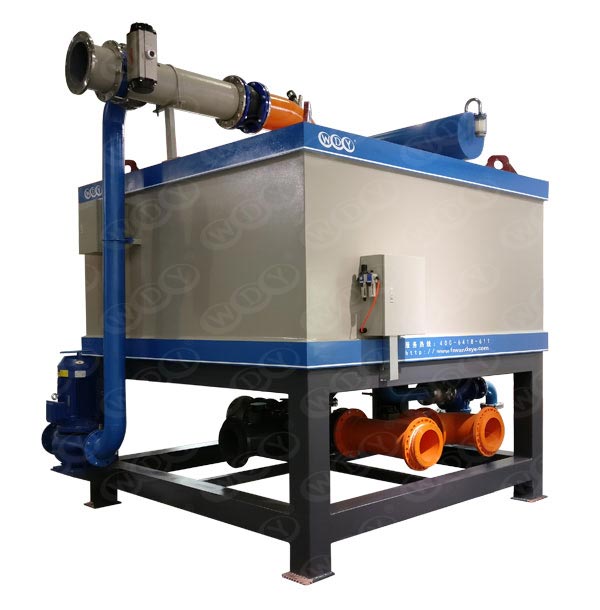
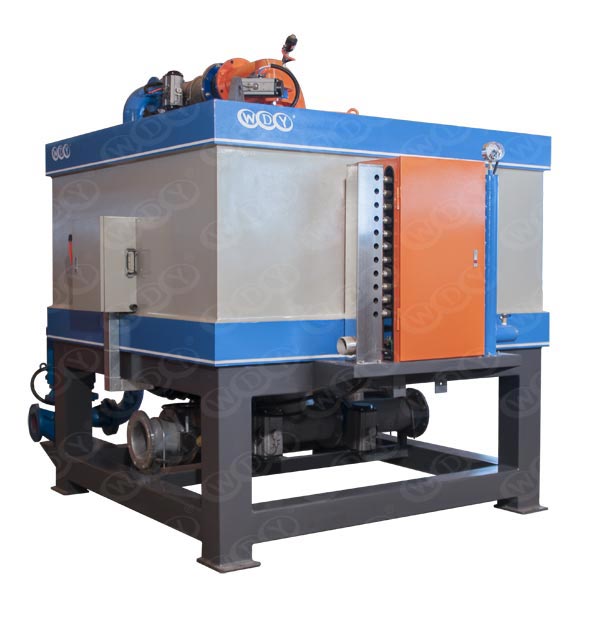
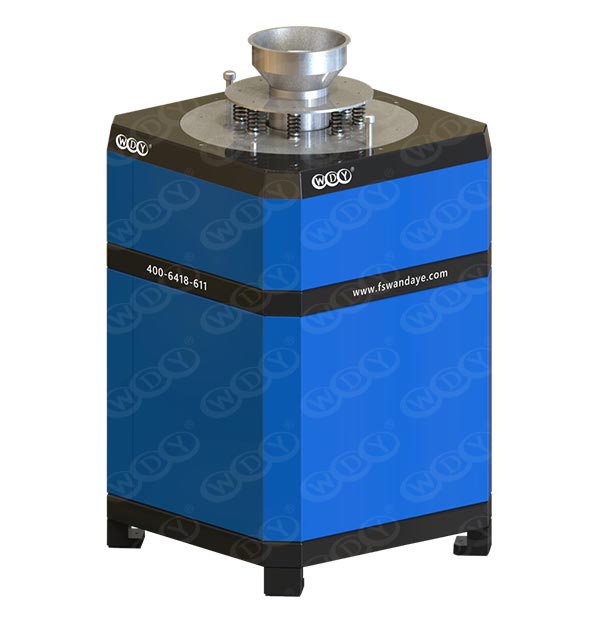
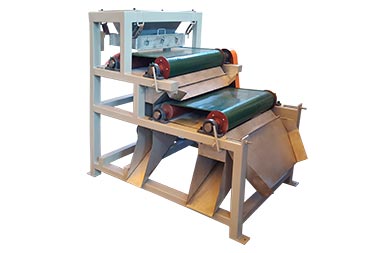
Foshan Wandaye Technology Co., Ltd. integrates scientific research, engineering design, complete production‑line installation, and commissioning services into one professional magnetic separator platform. The company focuses on high‑efficiency, energy‑saving, environmentally friendly, and intelligent magnetic separator solutions, and continuously upgrades its equipment with the support of industry experts and technical teams. Its main products include high‑gradient electromagnetic slurry machines, powder magnetic separator units, permanent magnetic separator systems, electromagnetic vertical ring machines, magnetic plates, iron‑removal cabinets, and magnetic rods for different industries and materials.
In recent years, Wandaye has also expanded into non‑metallic mineral raw materials, ceramic glaze, quartz, metals, plastics, food, and other sectors that require precise magnetic separation. The company holds multiple invention patents and operates advanced laboratories for magnetic separator testing and customization. From small stand‑alone magnetic separator machines to complete mineral processing lines, Foshan Wandaye can provide one‑stop services such as ore testing, process design, equipment selection, on‑site debugging, and long‑term technical support.
What Is a Magnetic Drum Separator?
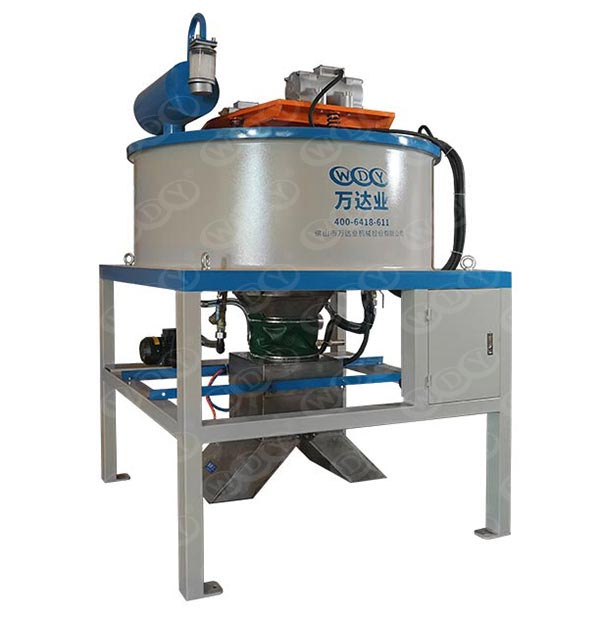
A magnetic drum separator is a self‑cleaning magnetic separator that uses a rotating drum and a stationary magnetic field to automatically separate magnetic particles and ferrous metals from bulk materials or slurries. It is widely used to remove tramp iron, clean raw materials, and recover valuable magnetic minerals in continuous processes. Because the drum rotates through a fixed magnetic field, the magnetic drum separator can operate 24/7 with minimal manual intervention.
Compared with manual iron removal, a magnetic drum separator provides higher throughput, consistent performance, and safer operation. It can handle both dry and wet feeds, depending on the design, and is easily integrated into existing conveying or pipeline systems. In complex plants, a magnetic drum separator is often combined with other types of magnetic separator, such as high‑gradient or roll separators, to create multi‑stage flowsheets that deal with both coarse and fine particles.
Core Components of a Magnetic Drum Separator
A typical magnetic drum separator consists of several coordinated components that ensure efficient and stable magnetic separation:
– Drum shell: A non‑magnetic cylindrical shell, usually made of stainless steel or wear‑resistant material, that rotates around the internal magnet system and carries the material through the separation zone.
– Internal magnetic system: A stationary arc of permanent magnets or an electromagnetic assembly that generates a strong magnetic field across part of the drum circumference.
– Feed system: A hopper, chute, or vibratory feeder that delivers a uniform curtain of material to the surface of the rotating drum to maximize contact with the magnetic field.
– Splitter and discharge chutes: Adjustable splitters and dedicated outlets for cleaned (non‑magnetic) product and captured magnetic fraction, ensuring clear separation of the two streams.
– Drive system and bearings: Motor, gearbox, and bearings that rotate the drum shell at a controlled speed, designed to handle continuous industrial duty with low maintenance.
Each component of the magnetic separator contributes to overall performance. For example, the design of the internal magnet system determines the intensity and distribution of the magnetic field, while the feed system influences how completely the material is exposed to the field.
Working Principle: How a Magnetic Drum Separator Works
The working principle of a magnetic drum separator is based on magnetism and gravity acting together on a moving stream of material. Although the mechanism is straightforward, it is extremely effective in continuous operation.
Feeding the Material
The process begins when bulk material or slurry is introduced into the housing of the magnetic drum separator. A vibratory feeder, belt conveyor, or chute distributes the material in a thin, even layer across the surface of the rotating drum shell. This thin layer is crucial because it ensures that magnetic particles come close enough to the drum surface for the magnetic field to capture them efficiently.
In dry applications, free‑flowing powders, granules, or crushed ore particles move by gravity or by conveyor over the drum. In wet applications, slurry flows across or around the drum in a specially designed tank. In both cases, the magnetic separator is positioned so that all material passes through the effective magnetic zone.
Creation of the Magnetic Field
Inside the drum, a stationary magnet system occupies a fixed segment of the circumference. This system may use high‑energy permanent magnets or energized coils in an electromagnetic design. The magnet system produces a high‑intensity magnetic field and gradient in the region where the material contacts the drum.
The magnetic field penetrates the thin layer of material on the drum surface. Strongly magnetic or ferrous particles experience a powerful attractive force toward the drum, while non‑magnetic particles feel little or no force. This difference in response is the fundamental basis of separation in any magnetic separator.
Attraction and Retention of Magnetic Particles
As the drum shell rotates through the magnetic zone, magnetic particles in the feed are attracted to and held on the drum surface. They “lock” onto the shell because the magnetic force is greater than the combined effects of gravity, inertia, and friction from the moving material. Non‑magnetic or weakly magnetic particles, by contrast, are not retained; they follow their natural trajectory and fall away from the drum.
Because the drum is rotating and the magnets are stationary, magnetic particles gradually move with the drum until they pass beyond the main magnetic arc. In this way, the magnetic separator physically relocates the magnetic fraction away from the non‑magnetic fraction, even though both were originally mixed in the feed.
Separation and Discharge
Once the captured magnetic particles travel past the end of the magnetic field, the holding force suddenly decreases. Gravity and centrifugal forces then dominate, and the magnetic material falls from the drum surface into a separate discharge chute. At the same time, the main product stream of non‑magnetic material has already left the magnetic zone and is collected in its own outlet.
This arrangement creates two distinct products: a cleaned non‑magnetic product and a concentrated magnetic or ferrous product. By adjusting the position of splitters, drum speed, and feed rate, operators can fine‑tune the performance of the magnetic drum separator for either high recovery of magnetic material, high product purity, or a balance between the two.
Continuous Self‑Cleaning Operation
Because the drum shell rotates continuously, the magnetic drum separator works in a self‑cleaning mode. Magnetic particles are automatically transported out of the magnetic field and discharged without stopping the equipment. No manual scraping or shutdown is needed for routine removal of captured metals.
This continuous self‑cleaning property is one of the main reasons magnetic drum separator equipment is preferred for high‑capacity industrial processes. Plants can maintain steady flow rates and consistent product quality while reducing labor and downtime.
Types of Magnetic Drum Separators
Different process conditions require different types of magnetic drum separator. The key variations include magnet type and whether the separator is designed for dry or wet operation.
Permanent Magnetic Drum Separator
A permanent magnetic drum separator uses high‑remanence magnets such as ferrite or rare earth materials to generate a stable magnetic field without external power. These units are widely used for tramp iron removal and basic magnetic separation in mining, coal, cement, and ceramics.
The advantages of a permanent magnetic separator include low operating cost, simple structure, and long service life of the magnet system. Because no excitation coil is used, there is no energy consumption for magnetization and no risk of coil overheating. Permanent magnetic drum separator machines are ideal when you process materials with relatively stable characteristics and primarily need to remove strongly magnetic contaminants.
Electromagnetic Drum Magnetic Separator
In an electromagnetic drum magnetic separator, the internal magnet system consists of coils supplied with direct current to generate a strong and controllable magnetic field. Operators can adjust the magnetic intensity by changing current, allowing fine tuning for different ores or process stages.
Electromagnetic designs are particularly useful when dealing with fine or weakly magnetic materials, or when different products are processed on the same line and require flexible magnetic separator settings. Although they consume more energy than permanent types, electromagnetic drum separators provide powerful performance and adaptability for demanding applications.
Wet and Dry Configurations
Magnetic drum separators are also categorized by the type of medium they handle:
– Wet drum magnetic separator: Used in slurry or pulp circuits, often for recovering magnetite or other magnetic minerals in iron ore and mineral processing. The drum typically rotates in a tank, with water carrying the particles through the magnetic zone.
– Dry drum magnetic separator: Used for powders, grains, pellets, and crushed ores where moisture is limited or not desired. These units are common in ceramics, glass, recycling, and dry mineral processing lines.
By selecting the correct combination of permanent or electromagnetic design and wet or dry configuration, engineers can match the magnetic separator precisely to the physical properties of their materials.
Key Features and Advantages of Magnetic Drum Separators
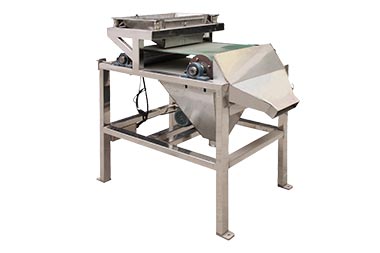
Modern magnetic drum separator equipment offers a range of features that deliver efficiency, reliability, and safety:
– Strong magnetic field and gradient: High‑intensity magnets or coils create strong attraction for ferrous particles, improving separation efficiency even at high throughput.
– Self‑cleaning operation: Continuous drum rotation automatically removes captured metals, reducing manual cleaning time and improving process continuity.
– Robust construction: Wear‑resistant shells and heavy‑duty bearings enable long service life in abrasive environments such as mineral or ceramic processing.
– Flexible sizing and configuration: Magnetic drum separator units are available in various diameters, widths, and magnetic circuit designs, allowing custom solutions for different capacities and particle sizes.
– Equipment protection: Removing tramp iron before crushers, mills, and screens reduces mechanical damage, unplanned shutdowns, and maintenance costs.
– Improved product purity: Effective magnetic separation reduces iron contamination, enhancing whiteness, surface finish, and physical properties in ceramics, glass, quartz, and pharmaceutical products.
For plants seeking energy‑saving and environmentally friendly solutions, selecting a high‑efficiency magnetic separator helps reduce both energy consumption and material waste.
Applications in Mining, Ceramics, Pharmaceuticals, and Beyond
A magnetic drum separator plays a crucial role in many industries where ferrous contamination or magnetic mineral recovery is important.
Mining and Mineral Processing
In mining, magnetic drum separator units recover magnetic minerals such as magnetite, remove tramp iron from conveyors, and clean non‑metallic minerals like feldspar, silica sand, and kaolin. Multi‑stage circuits may use a drum magnetic separator as a rougher, followed by high‑gradient or roll magnetic separators as cleaners to improve concentrate grade.
Magnetic separation also helps reduce wear on grinding media and downstream equipment. By removing hard iron pieces before sensitive machinery, the magnetic separator contributes directly to lower maintenance and higher plant availability.
Ceramics, Glass, and Quartz
Ceramic and glass manufacturers rely heavily on magnetic separator systems to remove iron and magnetic impurities from raw materials such as feldspar, quartz, and clay. Even small amounts of iron can cause discoloration, pinholes, or defects in finished tiles, sanitary ware, or glass products.
By installing a magnetic drum separator at key points in the production line—such as after crushing, before mixing, or before spray drying—plants can achieve higher whiteness, better color consistency, and improved mechanical strength. For ultra‑high purity products, the drum magnetic separator often works alongside high‑gradient magnetic separators to capture fine or weakly magnetic particles.
Pharmaceuticals and Fine Chemicals
In pharmaceuticals, food, and fine chemicals, magnetic separator equipment improves both safety and compliance by removing ferrous contamination from powders, granules, and liquids. A magnetic drum separator, sometimes combined with magnetic grids or drawer‑type magnets, can be integrated into gravity pipes, pneumatic lines, or process vessels.
These industries require hygienic design, easy cleaning, and traceability. Stainless steel housings, smooth welds, and fully enclosed magnetic separator structures make it easier to meet regulatory standards while maintaining strong magnetic performance.
Recycling and Environmental Protection
In recycling plants, magnetic drum separators help recover ferrous metals from municipal solid waste, construction debris, and scrap streams. By separating steel cans, iron pieces, and magnetic particles early in the process, recycling facilities increase metal recovery and reduce contamination in non‑metal fractions.
This use of magnetic separator technology supports circular economy goals by returning high‑value metals to production cycles and reducing landfill volumes.
Magnetic Drum Separator vs Other Magnetic Separators
There are several major categories of magnetic separator, each suited to specific tasks:
– Magnetic drum separator: Best for continuous bulk separation in main process streams where self‑cleaning and robustness are critical.
– High‑gradient magnetic separator: Designed for very fine or weakly magnetic particles, typically in slurry form, and often used as a finishing step for high purity.
– Magnetic roll separator: Ideal for precise dry separation of fine powders and concentrates, offering very strong fields at the belt surface.
– Belt conveyor type magnetic separator: Suspended above a conveyor to remove tramp iron before it reaches crushers or screens, often used purely for equipment protection.
In many plants, a magnetic drum separator serves as the “workhorse” magnetic separator, performing the first stage of cleaning, while more specialized separators downstream handle fine, weakly magnetic, or high‑value fractions.
Why Choose Foshan Wandaye for Magnetic Drum Separators?
Foshan Wandaye Technology Co., Ltd. offers comprehensive magnetic separator solutions that cover the entire project lifecycle. The company can conduct ore or material testing, design process flowsheets, select appropriate magnetic separator models, manufacture equipment, and provide on‑site installation and commissioning.
Its product portfolio includes electromagnetic slurry magnetic separator units for kaolin and other non‑metallic minerals, powder magnetic separator equipment for dry processing, permanent magnetic separator machines for tramp iron removal, and vertical ring high‑gradient magnetic separators for fine or weakly magnetic particles. Wandaye also supplies supporting components such as magnetic plates, rods, and drawer type magnetic separator systems.
By combining technical expertise, field experience, and a strong focus on innovation, Foshan Wandaye helps customers upgrade old lines or build new plants with higher efficiency, lower energy consumption, and better environmental performance. Whether you run a mine, ceramic factory, glass plant, chemical line, or pharmaceutical facility, you can design a customized magnetic separator solution centered around high‑performance magnetic drum separator equipment from Wandaye.
Conclusion
A magnetic drum separator is one of the most important pieces of equipment in modern magnetic separation, using a rotating drum and stationary magnetic system to continuously separate magnetic particles from non‑magnetic material. Through careful design of the drum shell, internal magnet circuit, feed system, and discharge arrangement, the magnetic separator achieves reliable self‑cleaning operation and stable performance in demanding industrial environments.
Across mining, ceramics, glass, pharmaceuticals, recycling, and many other sectors, the magnetic drum separator improves product purity, protects critical equipment, and contributes to energy‑saving and environmentally friendly production. By working with a professional manufacturer such as Foshan Wandaye Technology Co., Ltd., operators can integrate advanced magnetic drum separator units with other magnetic separator technologies to create complete, efficient, and flexible processing lines tailored to their exact material characteristics and quality targets.
Contact us to get more information!
FAQ
1. How does a magnetic drum separator differ from other magnetic separators?
A magnetic drum separator performs continuous bulk separation using a rotating drum and stationary magnetic field, making it ideal for main product streams and high throughput. Other magnetic separators, such as high‑gradient or roll types, often focus on fine or weakly magnetic particles and are used as more specialized stages with higher field gradients. In many plants, the drum magnetic separator acts as a primary cleaner, while other magnetic separator designs serve as secondary or finishing units.
2. What materials can be processed with a magnetic drum separator?
A magnetic drum separator can handle dry powders, grains, crushed ores, and wet slurries that contain ferrous or strongly magnetic particles. Common examples include iron ore, magnetite concentrates, coal, feldspar, quartz sand, kaolin, chemical powders, and various industrial raw materials. By adjusting magnet strength, drum speed, and feed configuration, the same magnetic separator concept can be adapted to many different bulk materials.
3. Where should I install a magnetic separator in my production line?
The best positions for a magnetic separator are locations where it can intercept contaminants before they cause quality or equipment problems. Typical installation points for a magnetic drum separator include after primary crushing, before fine grinding, before high‑value equipment such as mills or classifiers, and before final product storage. In some lines, multiple magnetic separator units are installed at different points, combining drum, belt, and high‑gradient designs for maximum protection and purity.
4. How do I choose between permanent and electromagnetic drum designs?
Permanent magnetic drum separator units are ideal when you need a robust, low‑energy solution for removing strongly magnetic contaminants under relatively stable operating conditions. Electromagnetic drum magnetic separator designs are preferred when you process fine or weakly magnetic materials or need adjustable magnetic intensity for different ores or product specifications. The choice depends on your material characteristics, required separation efficiency, energy constraints, and flexibility needs.
5. What support can Foshan Wandaye provide for my magnetic separator project?
Foshan Wandaye Technology Co., Ltd. can support your project from initial idea to stable operation. Services include material testing, process and flowsheet design, selection and customization of magnetic drum separator and related magnetic separator equipment, manufacturing and quality control, on‑site installation and commissioning, and long‑term technical service. With experience in mining, ceramics, pharmaceuticals, glass, and other industries, Wandaye can help you build a complete magnetic separator system that meets your capacity, purity, and energy‑saving goals.
Citations:
1. http://en.fswandaye.com
2. http://en.fswandaye.com/About-Us/
3. https://www.youtube.com/watch?v=7FvTOgjiRI8
4. https://magnetii.goldsupplier.com/product.html
5. https://magneticseparatormachine.sell.everychina.com
6. https://www.tinsleycompany.com/magnetic-drum-separator/
7. https://electrofluxpvtltd.com/blogs/magnetic-separators-enhanced-mineral-processing/
8. https://buntingmagnetics.com/blog/magnetic-separation-in-mining-and-mineral-processing
9. https://www.greatmagtech.com/info/how-magnetic-drum-separators-work-84145656.html
10. https://www.okonrecycling.com/magnet-recycling-and-applications/sustainability-and-magnets/magnetic-drum-separator-recycling/
11. https://www.goudsmitmagnetics.com/en-us/applications-magnet-filters-for-ceramic-minerals-and-salt
12. https://www.eriez.com/Products/Sample-Preparation/Magnetic-Separators/Dry-High-Intensity-Magnetic-Separators-DHIMS
13. https://ramato.en.ec21.com/
14. https://www.directindustry.com/prod/foshan-wandaye-machinery-equipment-co-ltd/product-235280-2367707.html
Hot tags: Magnetic Drum Separator Working Principle, Magnetic Drum Separator Operation, Industrial Magnetic Drum Separator, Drum Magnetic Separation Process, Magnetic Drum Separator Design, Ferrous Material Separation Drum, Wet Magnetic Drum Separator, Dry Magnetic Drum Separator, Mining Magnetic Drum Separator, Magnetic Separation Equipment