


Content Menu
● Why Iron Removal Matters in the Philippines
● Core Types of Iron Removal Equipment
>> Media‑Based Iron Removal Filters
>> Oxidation and Filtration Systems
>> Containerized and Skid‑Mounted Iron Removal Plants
>> Magnetic Separation and Iron Removal From Slurries
● Key Selection Criteria for Iron Removal Equipment Manufacturers and Suppliers
>> Process and Application Expertise
>> Range of Technologies Offered
>> Compliance, Certification, and Quality
>> Automation, Control, and Monitoring
● How International Manufacturers Serve the Philippine Market
● Role of Magnetic Separation Specialists for Industrial Iron Removal
● Typical Applications of Iron Removal Equipment in the Philippines
>> Municipal and Drinking Water Systems
>> Industrial Process Water and Cooling Systems
>> Mining and Mineral Processing
>> Ceramics and High‑Purity Manufacturing
● Illustrative Use of Visual and Multimedia Resources
● Working With Iron Removal Equipment Manufacturers and Suppliers: Practical Steps
● Common Challenges and How Manufacturers Help Solve Them
● FAQ
>> 2. How do media‑based iron removal filters work?
>> 3. When is magnetic separation preferred over conventional filtration?
>> 4. Can iron removal systems handle both iron and manganese in Philippine groundwater?
>> 5. What role do online analyzers play in iron removal plants?
Iron contamination is a persistent challenge for industrial plants and utilities across the Philippines, especially in sectors like mining, ceramics, pharmaceuticals, and municipal water treatment.
In this context, choosing reliable Iron Removal Equipment Manufacturers and Suppliers is essential to guarantee stable processes, protected equipment, and compliant water quality for both local and export-oriented industries.
Why Iron Removal Matters in the Philippines
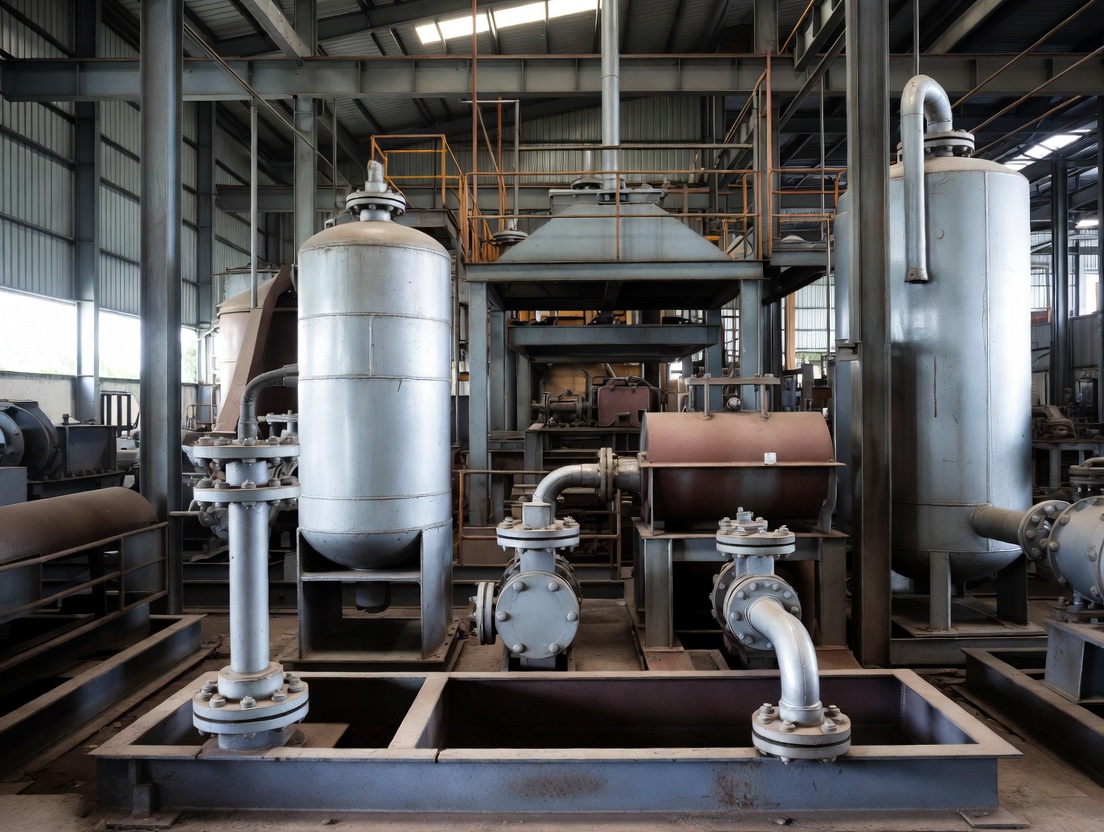
Groundwater and surface water in many parts of the Philippines contain elevated levels of dissolved iron and manganese, which can cause staining, off‑tastes, discoloration, and corrosion in pipelines and equipment.
For industries such as food and beverage, pharmaceuticals, and high‑end ceramics, even low residual iron can lead to product defects, batch rejections, and customer complaints, directly affecting brand reputation and export competitiveness.
Iron removal systems address these issues by combining oxidation, filtration, and sometimes adsorption or catalytic media to convert dissolved iron into filterable particulates that can be reliably separated and discharged.
Once iron is removed, facilities benefit from reduced maintenance, longer membrane life in downstream reverse osmosis systems, fewer unplanned shutdowns, and improved process stability and product consistency.
Core Types of Iron Removal Equipment
Iron Removal Equipment Manufacturers and Suppliers serving the Philippine market provide a wide portfolio of solutions to handle different feed water qualities, flow rates, and industrial requirements.
Below are the most common categories of equipment you will encounter when assessing potential partners and technical proposals.
Media‑Based Iron Removal Filters
Media filters are among the most widely used solutions offered by Iron Removal Equipment Manufacturers and Suppliers in the Philippines.
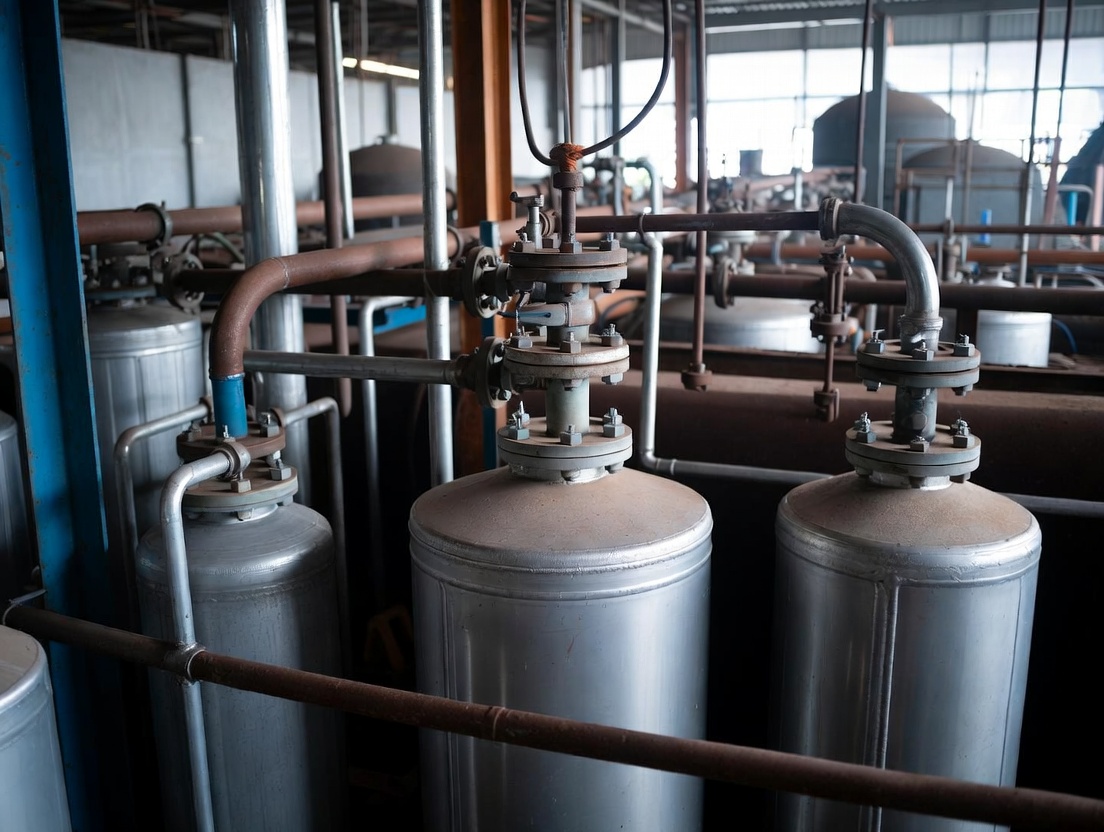
These systems pass water through layered or single‑media beds specifically engineered to oxidize and capture iron and manganese as water flows through the filter vessel.
Typical media options used by Iron Removal Equipment Manufacturers and Suppliers include a variety of catalytic and adsorptive materials designed to handle different concentrations and operating conditions.
– Greensand and greensand‑plus catalytic media, often used for simultaneous iron and manganese removal in well water and small municipal systems.
– Manganese dioxide‑based media for higher iron and manganese loads and for projects that require robust performance with minimal chemical consumption.
– Pyrolusite or proprietary catalytic media brands that enhance oxidation rates, reduce contact time, and allow compact vessel designs.
– Multi‑media beds that combine gravel and different grain sizes to optimize filtration, reduce pressure drop, and improve solids loading capacity.
These systems are common in municipal plants, industrial estates, resorts, and well‑water treatment packages supplied across the Philippines, where simplicity, reliability, and easy maintenance are critical decision factors.
Oxidation and Filtration Systems
Many Iron Removal Equipment Manufacturers and Suppliers design systems that combine an oxidation step with downstream filtration in an integrated process train.
Oxidants such as chlorine, air, or ozone convert soluble ferrous iron into insoluble ferric particles, which filters then remove through granular media or cartridge elements.
Depending on raw water quality and project requirements, these systems can be configured in several ways to balance capital expenditure and operating costs.
– Air injection followed by sand or multimedia filtration is a simple and cost‑effective configuration for moderate iron concentrations.
– Chlorine dosing plus catalytic media filtration is widely used for simultaneous iron and manganese removal and for disinfection benefits in drinking water applications.
– Combined oxidation–filtration trains with clarifiers, settling tanks, or dewatering units are common in large municipal projects and industrial facilities with high solids loading.
These solutions are well suited to high‑flow applications, such as city waterworks, central water treatment facilities, and industrial pre‑treatment plants in the Philippines that must run continuously with limited operator supervision.
Containerized and Skid‑Mounted Iron Removal Plants
To simplify installation and commissioning, many Iron Removal Equipment Manufacturers and Suppliers now offer containerized or skid‑mounted iron removal plants for fast deployment.
These “plug‑and‑play” units integrate pumps, dosing systems, filters, valves, piping, and control panels into compact modules that can be delivered, lifted into place, and connected to utilities in a short time.
For developers, communities, and industrial users, this approach significantly reduces project risk and onsite coordination requirements.
Key advantages include:
– Shortened project timelines because most fabrication and assembly are completed at the factory under controlled conditions.
– Reduced on‑site civil works, with many projects requiring only basic concrete pads and simple pipe connections.
– Easier relocation when industrial operations expand, change sites, or when temporary treatment capacity is needed for construction and emergency projects.
In the Philippines, containerized iron and manganese removal systems are increasingly used for small cities, private water utilities, industrial parks, and island communities where space, skilled labor, and infrastructure are limited.
Magnetic Separation and Iron Removal From Slurries
Beyond water treatment, many plants in mining, ceramics, and pharmaceuticals require removal of ferromagnetic or weakly magnetic contaminants from powders, slurries, and liquid raw materials.
Here, magnetic separation devices are a crucial category supplied by global Iron Removal Equipment Manufacturers and Suppliers serving the Philippine market, especially for high‑value products with strict purity requirements.
These magnetic systems can include different formats and levels of magnetic field strength to match the characteristics of the material being processed.
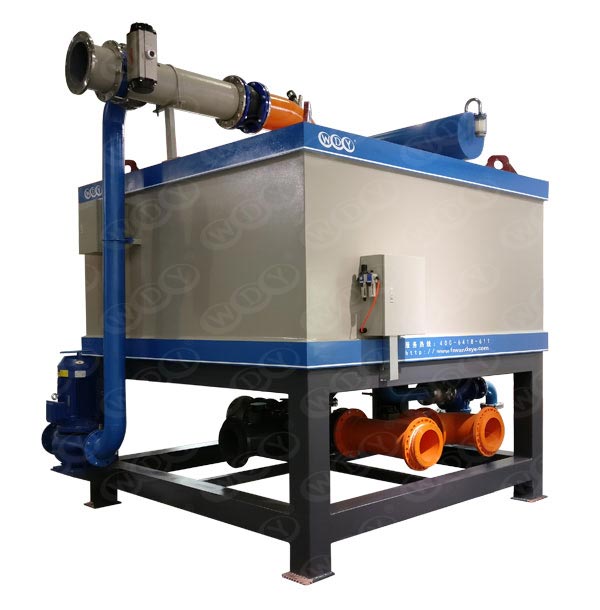
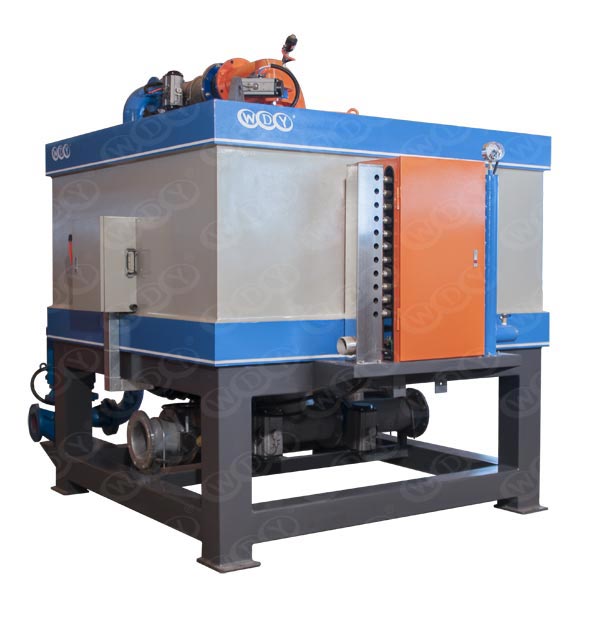
– High‑gradient electromagnetic slurry separators for fine mineral processing and for removing iron impurities from ceramic slips, glazes, and kaolin suspensions.
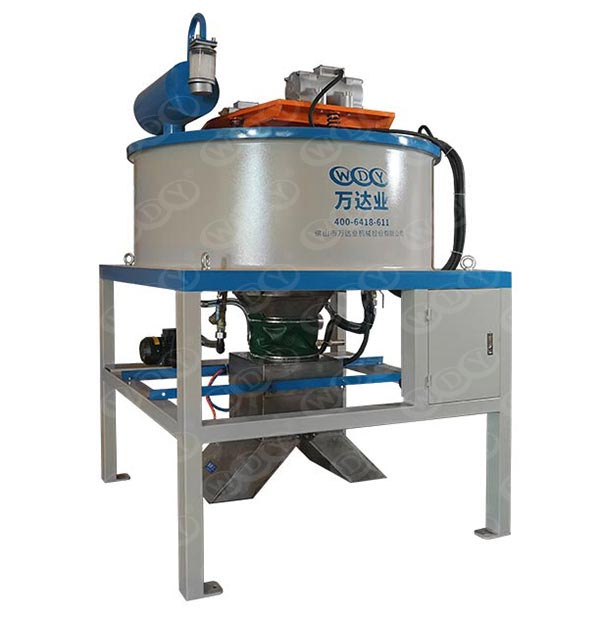
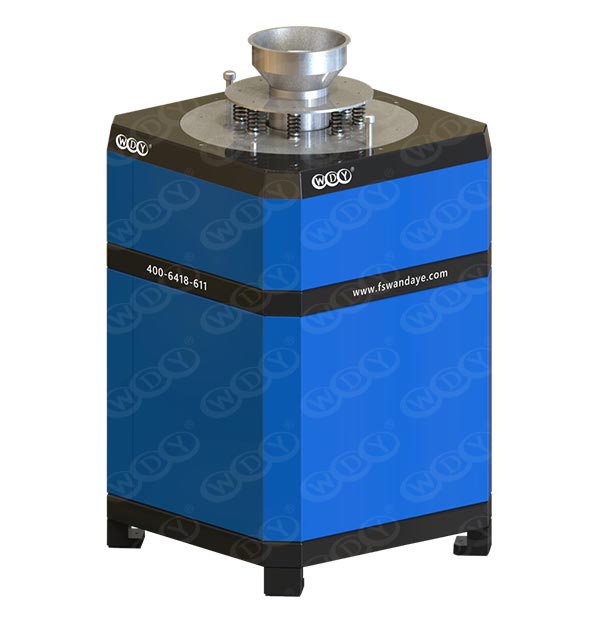
– Dry powder separators for ceramic powders, pigments, quartz sand, and other granular materials used in high‑whiteness products.
– Permanent magnet drums, plates, and bars installed in process lines to capture tramp iron from conveying systems and chutes.
– Magnetic cabinets and grids fitted into pipelines to protect downstream equipment, filters, and mills from metallic contamination.
Such technology helps Philippine manufacturers reduce product defects, improve whiteness and surface finish, protect grinding and milling equipment, and meet export‑grade quality standards in demanding markets.
Key Selection Criteria for Iron Removal Equipment Manufacturers and Suppliers
Choosing among Iron Removal Equipment Manufacturers and Suppliers in the Philippines involves much more than comparing purchase prices or catalog specifications.
Decision‑makers should evaluate several critical factors to ensure long‑term performance, regulatory compliance, and low life‑cycle costs.
Process and Application Expertise
Leading Iron Removal Equipment Manufacturers and Suppliers provide detailed water or slurry analysis, pilot testing, and full process design support before finalizing a proposal.
They can recommend the right combination of oxidation, filtration, and magnetic separation tailored to specific industries such as mining, ceramics, food and beverage, or pharmaceuticals.
An experienced supplier also understands how iron removal interacts with downstream processes like reverse osmosis, boiler feed systems, cooling towers, and high‑purity production lines.
When evaluating potential partners, prioritize Iron Removal Equipment Manufacturers and Suppliers that can present reference projects in similar applications and can clearly explain expected performance, operating costs, and maintenance requirements.
Range of Technologies Offered
Top Iron Removal Equipment Manufacturers and Suppliers usually cover a broad technology portfolio instead of pushing a single technology for all projects.
A wide product range allows the supplier to design integrated systems rather than forcing a one‑size‑fits‑all solution that might underperform or be too expensive.
Common elements in a strong portfolio include:
– Media filters using greensand, manganese dioxide, or proprietary catalytic media for iron and manganese removal.
– Advanced oxidation packages combined with clarifiers and dewatering units for high‑load or complex water sources.
– Magnetic separation systems for iron removal from slurries and powders in mining, ceramics, and chemical industries.
– Control and monitoring instruments such as online iron analyzers, flow meters, and automation systems to optimize operation.
The broader the toolkit of an iron removal specialist, the more likely they can customize a cost‑effective, robust solution for Philippine clients.
Compliance, Certification, and Quality
For municipal and pharmaceutical projects in the Philippines, equipment from Iron Removal Equipment Manufacturers and Suppliers often needs to comply with international standards and local regulations to ensure safety and reliability.
This can include pressure vessel design codes, hygienic design criteria, and certification of wetted materials for drinking water and food‑grade applications.
Proven reference projects, documented performance, and long‑term operating history in similar environments are strong indicators of supplier reliability and technical competence.
In addition, robust quality control during fabrication and assembly reduces the risk of leaks, premature corrosion, or structural failures during operation.
Automation, Control, and Monitoring
Modern systems from Iron Removal Equipment Manufacturers and Suppliers often integrate PLCs, automated valves, and remote monitoring to reduce manual intervention and operator workload.
In addition, online iron analyzers can continuously measure iron concentration and send feedback signals to adjust chemical dosing, backwash timing, or filter sequencing in real time.
These features help Philippine operators maintain stable product water quality, reduce chemical consumption, and quickly identify system upsets or equipment failures.
For remote islands and unmanned plants, advanced automation and remote diagnostics are particularly valuable, allowing centralized teams to supervise multiple sites efficiently.
How International Manufacturers Serve the Philippine Market
The Philippine market for iron removal equipment is supported by both local and international Iron Removal Equipment Manufacturers and Suppliers, often collaborating on large and complex projects.
International manufacturers commonly work through regional distributors, engineering firms, or project‑specific EPC contractors that understand local regulations and business practices.
Typical support offered includes a mix of technical and commercial services.
– Pre‑sales consultation, water or slurry analysis, and feasibility studies to select the most appropriate treatment concept.
– Customized system design, hydraulic calculations, 3D layout, and integration with other treatment steps like softening and disinfection.
– Factory‑assembled skids or containerized plants that minimize on‑site work and ensure consistent manufacturing quality.
– On‑site commissioning, operator training, and after‑sales service, including supply of spare parts, media replacement, and periodic audits.
Suppliers with strong references in Southeast Asia are particularly attractive to Philippine end users who need proven solutions for tropical climates, monsoon‑driven source water variability, and fluctuating power conditions.
Role of Magnetic Separation Specialists for Industrial Iron Removal
For industries dealing with mineral slurries, ceramic glazing slurries, or fine powders, magnetic separation specialists play a major role among global Iron Removal Equipment Manufacturers and Suppliers.
These companies focus on removing even trace iron impurities that could compromise product whiteness, purity, or mechanical properties, which is critical for export quality standards.
Typical value‑added services from such manufacturers include tailored engineering and close cooperation with plant operators.
– Application‑specific magnetic circuit design based on particle size, slurry viscosity, and required iron levels.
– Custom sizing of high‑gradient electromagnetic separators for slurry lines and powder handling systems.
– Integration of magnetic plates, grids, and rods into existing process pipelines and hoppers with minimal downtime.
– Turnkey engineering from research and development and pilot testing through to installation, commissioning, and long‑term technical support.
These capabilities make magnetic separation providers valuable partners for Philippine customers in mining, ceramic tile and sanitary ware manufacturing, glass production, and fine chemical production.
Typical Applications of Iron Removal Equipment in the Philippines
Iron Removal Equipment Manufacturers and Suppliers supply equipment into a wide range of applications across the country, from small communities to heavy industry.
Understanding typical use cases helps buyers benchmark their own requirements against established practice.
Municipal and Drinking Water Systems
City water utilities and private water districts in the Philippines need reliable iron removal to meet drinking water standards and maintain consumer trust.
Iron Removal Equipment Manufacturers and Suppliers deliver systems that combine oxidation, catalytic media filters, and automated backwashing units to handle fluctuating loads and seasonal variations in raw water quality.
For growing towns and peri‑urban areas, modular plants make it easy to increase capacity as demand rises without replacing entire facilities.
Containerized plants are particularly useful for fast‑track projects or remote communities, where civil works and infrastructure are limited, yet clean and safe drinking water is urgently needed.
Industrial Process Water and Cooling Systems
Industrial zones, refineries, power plants, and manufacturing facilities rely on iron‑free water to protect heat exchangers, cooling towers, boilers, and other process equipment from scaling, fouling, and corrosion.
Iron Removal Equipment Manufacturers and Suppliers support these users with skid‑mounted filtration trains and pre‑treatment lines ahead of reverse osmosis, ion exchange, and demineralization units.
By controlling iron and manganese at the pre‑treatment stage, plant operators can significantly reduce chemical cleaning frequency, extend membrane and resin life, and stabilize production output.
Proper iron removal therefore contributes directly to lower operating costs, improved energy efficiency, and a longer service life for critical assets in Philippine industrial plants.
Mining and Mineral Processing
The Philippine mining sector often handles slurries with metallic contaminants that can interfere with downstream separation processes such as flotation and magnetic beneficiation.
Magnetic equipment supplied by Iron Removal Equipment Manufacturers and Suppliers removes ferromagnetic and weakly magnetic particles to improve concentrate quality, increase recovery rates, and protect grinding mills, cyclones, and pumps from damage.
Additionally, iron removal from mine drainage and process water helps sites comply with environmental discharge regulations and avoid fines or forced shutdowns.
In many mining operations, combining magnetic separation with appropriate chemical treatment and filtration leads to more stable tailings management, safer operations, and improved community relations.
Ceramics and High‑Purity Manufacturing
Ceramic tiles, sanitary ware, tableware, and advanced ceramics require strict control of iron content to maintain whiteness, brightness, and surface quality in finished products.
Iron Removal Equipment Manufacturers and Suppliers serving this niche combine magnetic separation with high‑efficiency filtration to remove trace iron from glazes, slips, and process water, reducing defects such as spots, streaks, and color variations.
Similar stringent requirements apply in pharmaceutical and electronics manufacturing, where microscopic iron contamination can affect product performance, regulatory compliance, or safety.
For these industries, consistent support from experienced Iron Removal Equipment Manufacturers and Suppliers is essential to maintaining stable recipes, repeatable quality, and high equipment uptime.
Illustrative Use of Visual and Multimedia Resources
To better evaluate offers from Iron Removal Equipment Manufacturers and Suppliers in the Philippines, buyers often review visual and multimedia resources from vendors during the decision process.
These resources make complex technical concepts easier to understand for non‑specialist stakeholders, such as finance teams and senior management.
Common types of visual and multimedia content include descriptive diagrams and operational demonstrations that highlight key process steps and advantages.
– Flow diagrams that show oxidation, filtration, and backwash processes in water treatment plants, making hydraulic paths and control logic visible at a glance.
– Three‑dimensional models of containerized systems highlighting internal piping, valves, and filter arrangements, which help in planning plant layout and installation.
– Short process videos demonstrating backwash sequences, media expansion, and magnetic separator cleaning cycles, useful for training operators and maintenance staff.
– Visual comparisons of feed and treated water, illustrating reductions in turbidity, color, and staining potential after proper iron removal.
Such visual materials help engineering and purchasing teams compare alternative solutions side by side, clarify differences between proposals, and understand how iron removal systems will integrate into existing facilities.
Working With Iron Removal Equipment Manufacturers and Suppliers: Practical Steps
When Philippine companies engage with Iron Removal Equipment Manufacturers and Suppliers, a structured project workflow is essential for successful implementation and long‑term performance.
A clear step‑by‑step approach also makes it easier to coordinate among end users, engineering consultants, regulators, and financiers.
Typical steps include the following sequence, which can be adapted for project size and complexity.
1. Raw water or slurry analysis, including iron, manganese, pH, alkalinity, hardness, turbidity, and other key parameters that influence technology selection and sizing.
2. Technology selection, comparing media filters, oxidation methods, and magnetic separation where appropriate, and considering future expansion needs and operating cost constraints.
3. Pilot testing or demonstration units for critical or high‑risk applications to confirm performance, optimize chemical dosages, and fine‑tune control strategies before full‑scale investment.
4. Detailed engineering, including process flow diagrams, P&IDs, equipment specifications, layout drawings, and integration with existing utilities and control systems.
5. Factory acceptance tests followed by on‑site installation, commissioning, and performance validation under real‑world operating conditions.
6. Training of local operators and maintenance teams, development of preventive maintenance schedules, and establishment of spare parts and media replacement plans in cooperation with the Iron Removal Equipment Manufacturers and Suppliers.
By following this workflow, customers ensure that systems from Iron Removal Equipment Manufacturers and Suppliers perform as expected under Philippine operating conditions and can be sustainably operated for many years.
Common Challenges and How Manufacturers Help Solve Them
Even with good design, many iron removal projects encounter challenges during operation, especially when raw water quality fluctuates or when plant loading changes significantly over time.
Experienced Iron Removal Equipment Manufacturers and Suppliers anticipate these issues and provide design margins and support services to mitigate their impact.
Common challenges include:
– Sudden increases in iron or manganese levels during rainy seasons or due to changes in groundwater abstraction patterns, which can overload filters and reduce treated water quality.
– Inadequate backwash frequency or flow, leading to media fouling, increased pressure drop, and reduced filter run times.
– Poor chemical dosing control in oxidation systems, resulting in incomplete oxidation or excessive chemical usage.
– Mechanical wear on valves, pumps, and actuators in high‑duty installations, causing leaks or failures if not maintained properly.
To address these problems, reliable Iron Removal Equipment Manufacturers and Suppliers provide technical audits, operator retraining, optimization of control logic, and recommendations for upgrades such as improved automation, additional instrumentation, or media changes.
This long‑term partnership approach ensures that plants continue to meet performance targets despite changes in feed water quality, regulations, or production demands.
Conclusion
Iron contamination remains a significant challenge across the Philippine water and process industries, affecting municipal utilities, industrial zones, mining operations, and high‑purity manufacturing alike.
To address this challenge, companies increasingly rely on specialized Iron Removal Equipment Manufacturers and Suppliers offering advanced media filters, oxidation systems, and magnetic separation equipment tailored to their technical and commercial needs.
By focusing on process expertise, technology range, quality standards, automation capabilities, and strong after‑sales support, end users can identify Iron Removal Equipment Manufacturers and Suppliers that provide reliable, scalable systems with proven performance.
As investments in infrastructure, mining, and manufacturing continue throughout the Philippines, close collaboration with capable Iron Removal Equipment Manufacturers and Suppliers will be crucial to securing safe, efficient, and compliant operations over the long term.
Contact us to get more information!
FAQ
1. What factors should I consider when choosing Iron Removal Equipment Manufacturers and Suppliers in the Philippines?
When choosing Iron Removal Equipment Manufacturers and Suppliers in the Philippines, consider their experience with similar applications, the range of technologies they offer, and their track record in local projects.
You should also evaluate their ability to provide engineering design, pilot testing, commissioning, operator training, and long‑term after‑sales service, including spare parts and media replacement support.
2. How do media‑based iron removal filters work?
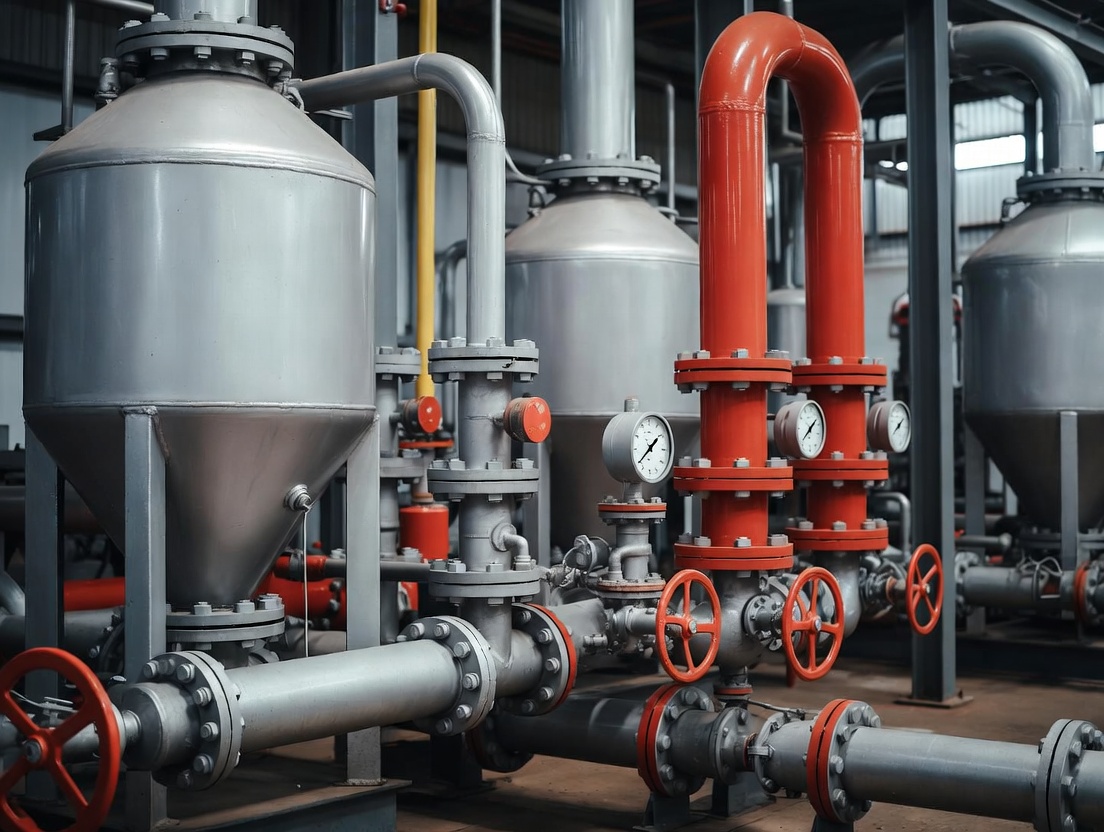
Media‑based filters from Iron Removal Equipment Manufacturers and Suppliers rely on catalytic or adsorptive media layers that promote oxidation and capture of dissolved iron and manganese as water flows through the vessel.
Dissolved ferrous iron is converted into insoluble ferric particles, which are trapped in the media bed until periodic backwashing flushes them out, restoring filtration capacity and preventing excessive pressure drop.
3. When is magnetic separation preferred over conventional filtration?
Magnetic separation is preferred when the main concern is ferromagnetic or weakly magnetic contamination in slurries or powders, such as in mining, ceramics, glass, and fine chemical production.
In these applications, Iron Removal Equipment Manufacturers and Suppliers offering magnetic separators can efficiently remove metallic particles that traditional media filters cannot capture, helping to protect equipment and improve product quality.
4. Can iron removal systems handle both iron and manganese in Philippine groundwater?
Many systems supplied by Iron Removal Equipment Manufacturers and Suppliers are designed to treat both iron and manganese using catalytic media, oxidation steps, or combined process trains optimized for the site conditions.
With the correct media selection, oxidant dosage, and operating parameters, these systems can deliver treated water that complies with relevant drinking water and industrial standards in the Philippines.
5. What role do online analyzers play in iron removal plants?
Online iron analyzers play an important role in monitoring plant performance, as they provide real‑time measurements of iron concentration before and after treatment.
Iron Removal Equipment Manufacturers and Suppliers that integrate such analyzers into their systems help operators maintain consistent water quality, optimize chemical dosing and backwash cycles, and quickly detect deviations that may indicate equipment or process issues.
Citations:
1. https://innovawatertreatment.com/philippines/iron-removal-media.html
2. http://en.fswandaye.com
3. https://www.yamit-f.com/reference/iron-removal-philippines/
4. https://avlon-php.com/water-treatment-manufacturers-philippines/
5. https://pureaqua.com/iron-removal-from-water/
6. https://www.facebook.com/groups/1660575534206451/posts/3933831173547531/
7. https://uniquewater.com.ph/solution/water-treatment/
8. https://new.abb.com/products/measurement-products/analytical/continuous-water-analysis/iron-measurement/aztec-aw633-iron-analyzer
9. https://www.dutcotennant.com/iron-removal-filter
10. https://www.atlasfiltri.com/en/products/water-treatment-equipments/media-filters
Hot Tags: Iron Removal Equipment Philippines, Magnetic Separator Suppliers Philippines, Iron Removal Systems Philippines, Industrial Iron Removal Equipment, Philippines Magnetic Filtration Systems, Magnetic Drum Separator Philippines, Iron Contamination Removal Equipment, Philippines Magnetic Grate Separators, High Efficiency Iron Removal Systems, Magnetic Separation Equipment Philippines