


Content Menu
● Why Source Magnetic Roller Separators in Vietnam
● How We Evaluate High‑Quality Magnetic Roller Separator Suppliers
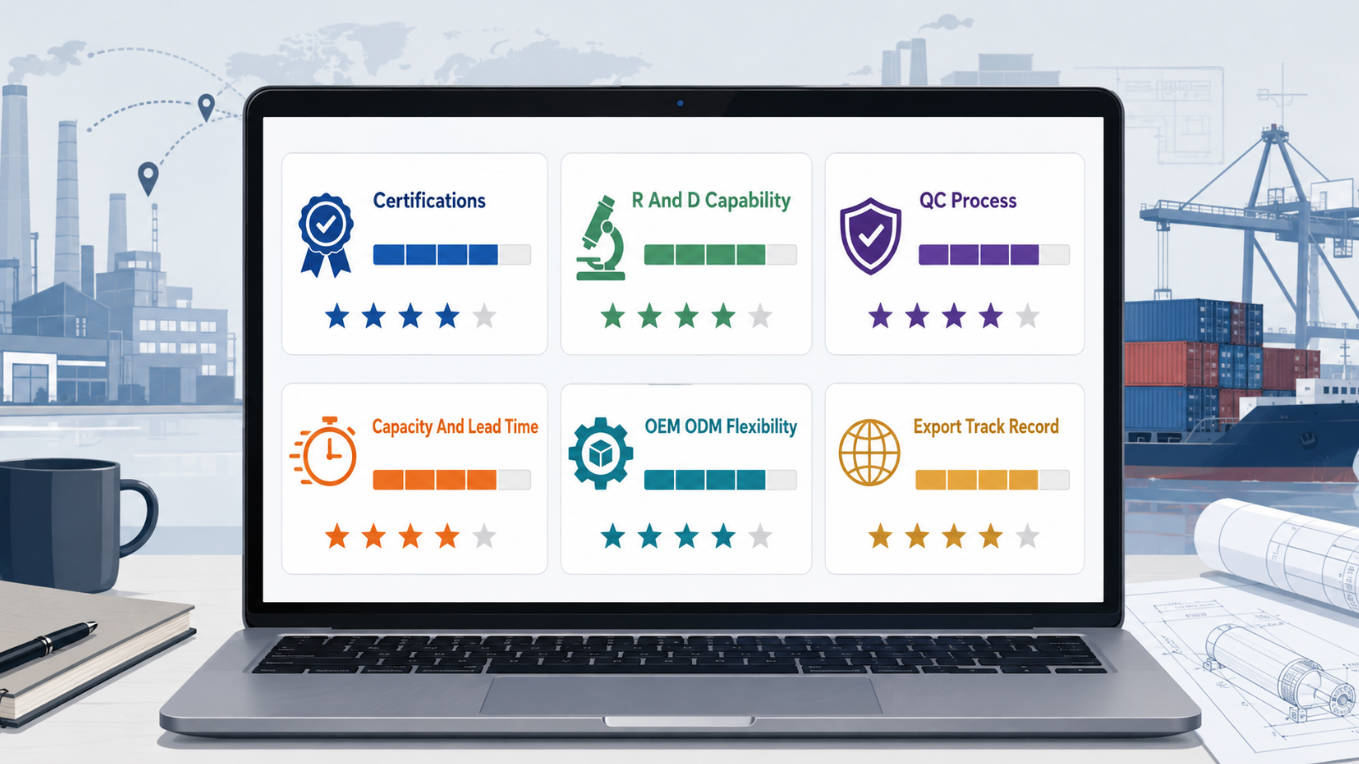
>> 1. Factory certification and compliance
>> 2. R&D depth and engineering capability
>> 3. Quality control (QC) and process stability
>> 4. Capacity, lead time and on‑time delivery
>> 5. OEM/ODM flexibility and engineering communication
>> 6. Export track record and market focus
● Top Magnetic Roller Separator Manufacturers and Suppliers Serving Vietnam
>> 3. Metso Outotec Corporation
>> 8. Kumar Magnet Industries – Vietnam‑Focused Web Presence
>> 9. Foshan Wandaye Technology – High‑Value OEM Partner for Vietnam
● Comparison Table: Typical Positioning of Key Suppliers
● Buyer’s Guide: How to Source Magnetic Roller Separators in Vietnam
>> 1. Verify ISO and other certifications properly
>> 2. Evaluate R&D and testing capabilities
>> 3. Conduct structured sample and trial runs
>> 4. Clarify logistics and after‑sales for Vietnam
>> 5. Internal “insider” risk that many buyers underestimate
>> 6. Common pitfalls when buying magnetic roller separators
● Conclusion and Call to Action
● FAQ: Advanced Questions Real Buyers Ask
>> 1. How can I verify whether a supplier’s ISO 9001 certificate is still valid and not misused?
>> 4. How can I compare the true capacity of different suppliers’ magnetic roller separators?
Why Source Magnetic Roller Separators in Vietnam
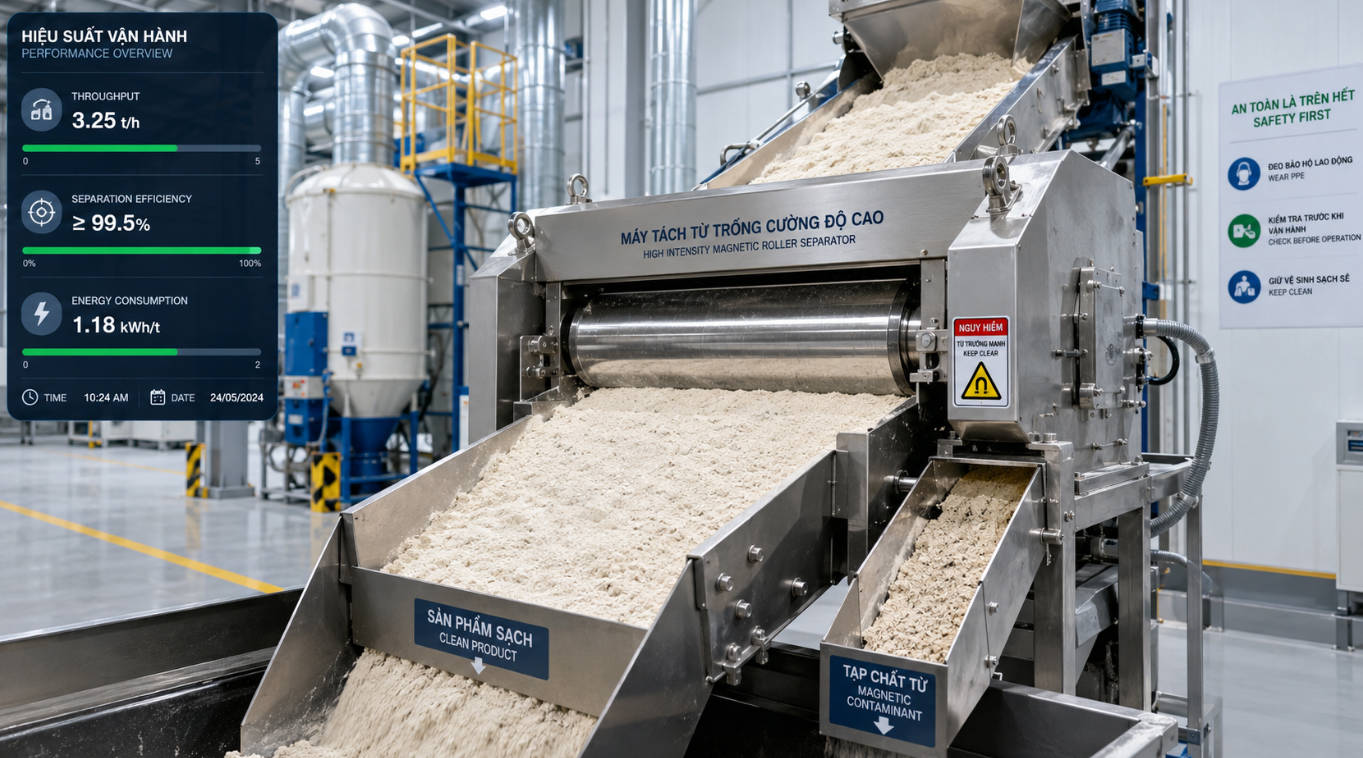
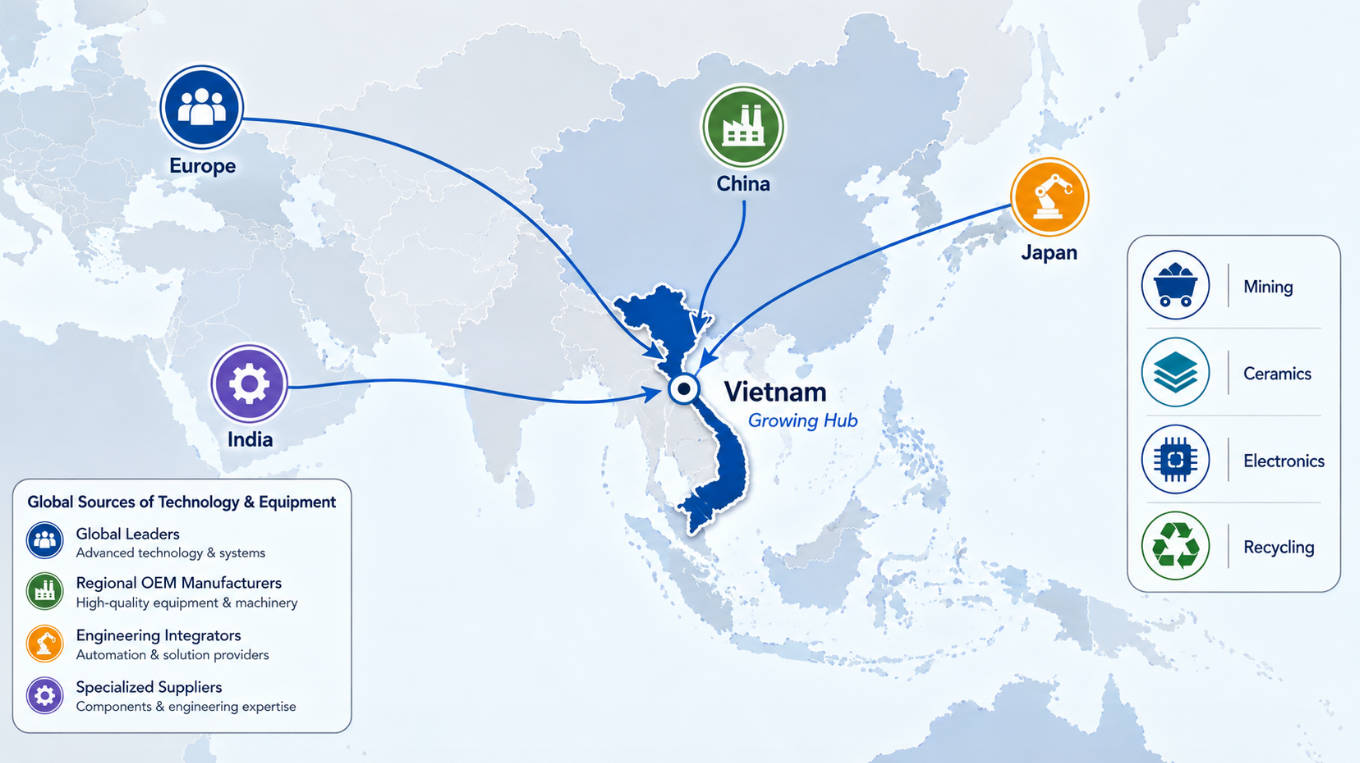
Vietnam has become one of ASEAN’s most dynamic bases for magnetic separation equipment, supported by rapid industrialization in mining, recycling, food processing and electronics manufacturing. Magnetic separators – including magnetic roller separators for dry powder and granular flows – are now critical to product purity, resource recovery and regulatory compliance across these sectors. [6wresearch]
Market research shows that Vietnam’s magnetic separator demand is growing in line with industrial diversification and stricter environmental standards, particularly in mining, recycling and food & beverage. At the ASEAN level, the magnetic separator market is projected to grow from about USD 82.0 million in 2025 to USD 122.6 million by 2035, a CAGR of 4.1%, with Vietnam among the key growth engines. [kumarmagnet]
Vietnam also benefits from being part of the broader ASEAN manufacturing and electronics supply chain, attracting FDI from global brands that expect ISO‑aligned quality systems and traceable QC processes. For buyers of magnetic roller separators, this means a growing mix of international OEMs, regional specialists and local integrators, but also more complexity in assessing real capabilities behind attractive offers. [6wresearch]
How We Evaluate High‑Quality Magnetic Roller Separator Suppliers
Before listing manufacturers, this guide uses transparent, procurement‑oriented criteria based on 15+ years of B2B sourcing experience in industrial equipment.
1. Factory certification and compliance
– ISO 9001 or equivalent quality management system in place and valid. [iso]
– Occupational health & safety systems such as ISO 45001 / OHSAS 18001 where available. [youtube]
– Product safety and market access certifications relevant to export markets, such as CE and RoHS for EU, and food‑grade compliance where separators are used in F&B processing. [youtube]
According to ISO, buyers should verify not just the certificate itself but also whether the certification body is accredited, for example via IAF CertSearch. This significantly reduces the risk of relying on outdated or misleading ISO claims. [iafcertsearch]
2. R&D depth and engineering capability
– Ability to design high‑intensity magnetic roller separators with consistent magnetic field and uniform belt tracking.
– Experience in high‑gradient, permanent magnet and electromagnetic designs for powders, ceramics, battery materials and plastics. [youtube]
– Access to laboratory testing, pilot lines or mineral/ore test facilities to validate separation efficiency on customer materials. [youtube]
In ASEAN, advanced players increasingly integrate sensors, remote monitoring and even AI‑driven diagnostics into magnetic separators, especially for high‑purity electronics and pharmaceutical applications. [6wresearch]
3. Quality control (QC) and process stability
– Documented incoming material inspection for magnets, stainless steel and wear components.
– Routine magnetic flux testing, demagnetization checks and belt wear monitoring at defined intervals.
– Acceptance test procedures (FAT) with measurable indicators such as separation efficiency, throughput and power consumption.
The most reliable factories align QC with international standards and maintain traceability from serial number down to batch‑level component data. [youtube]
4. Capacity, lead time and on‑time delivery
– Evidence of stable production capacity for magnetic roller separators, not only lab prototypes or one‑off custom builds. [kumarmagnet]
– Realistic standard lead times and historical on‑time delivery performance shared with reference customers.
– Ability to flex capacity for large projects (e.g., mining or large ceramics plants) without compromising QC.
ASEAN market studies highlight that small and medium enterprises often struggle with the high capex and maintenance requirements of advanced magnetic separators, so capacity claims should be carefully validated. [6wresearch]
5. OEM/ODM flexibility and engineering communication
– Willingness to support OEM branding, custom frame designs, special voltage/frequency, and integration with existing lines.
– Access to English‑speaking technical staff and remote troubleshooting tools such as online diagnostics and cloud monitoring. [youtube]
– Experience tailoring solutions for powders (battery materials, ceramics, plastics), where fine‑particle behavior and dust control are critical.
6. Export track record and market focus
– Proven installations in relevant industries: mining, ceramics, electronics, glass, plastics, food, battery materials, etc. [kumarmagnet]
– Export experience into demanding regions (EU, North America, Japan/Korea), which usually indicates higher documentation and compliance standards.
– References or case studies demonstrating long‑term performance in similar working conditions.
Top Magnetic Roller Separator Manufacturers and Suppliers Serving Vietnam
This list focuses on manufacturers and solution providers that actively serve the Vietnamese market for magnetic separation and have relevant capabilities in magnetic roller or high‑intensity dry separators. It combines global brands with regional specialists able to support OEM/ODM work for Vietnam‑based plants.
1. Eriez Manufacturing Co.
Eriez is identified as one of the key players in the Vietnam magnetic separator market, supplying a broad range of magnetic separation technologies. The company is globally known for high‑intensity dry magnetic separators, magnetic drums and magnetic roll systems for mineral processing, recycling and food applications. [kumarmagnet]
Eriez solutions in Vietnam are typically deployed in mining, recycling and food processing, where high separation efficiency and support for HACCP and similar standards are required. As a global supplier, Eriez works through regional offices and partners, which helps buyers secure local service while benefiting from centralized R&D and proven designs. [kumarmagnet]
2. STEINERT GmbH
STEINERT is another global technology leader highlighted in Vietnam magnetic separator market research, with strong specialization in combined magnetic and sensor‑based sorting systems. Its portfolio includes high‑intensity magnetic roll separators, eddy current separators and sensor sorting units for metal recycling, mining and resource recovery. [kumarmagnet]
In the Vietnamese context, STEINERT’s strengths lie in complex recycling and mining flows where magnetic separation must be integrated with optical or sensor sorting to maximize yield. Buyers typically turn to STEINERT for higher‑end projects requiring advanced automation, data integration and long lifecycle performance. [6wresearch]
3. Metso Outotec Corporation
Metso Outotec (Metso) is mentioned as a key contributor to the growth of magnetic separator technologies in Vietnam. The company offers a wide range of mining and mineral processing solutions, including high‑intensity and low‑intensity magnetic separators that can be configured for roller or drum applications. [kumarmagnet]
Vietnam’s expansion in rare earths, coal and iron ore mining creates a natural fit for Metso’s heavy‑duty, high‑capacity separators. Buyers often choose Metso where they need a full mineral processing solution – including grinding, flotation and magnetic separation – from a single engineering partner. [6wresearch]
4. Kumar Magnet Industries
Market data identifies Kumar Magnet Industries as an important player in the ASEAN magnetic separator market and notes its specialization in high‑intensity roller type magnetic separators, including supply to Vietnam. The company offers a range of high‑power permanent magnetic equipment, such as roller type separators, drum separators, overband magnets and lifting magnets. [kumarmagnet]
Kumar highlights the use of advanced features designed to ensure quick separation of contaminants from solids and liquids, which is critical in powder, ceramics and plastics lines. For Vietnam‑based buyers, Kumar can be a practical choice where cost‑effective high‑intensity roller designs and standard OEM customizations are needed without the price tag of top‑tier Western brands. [kumarmagnet]
5. LONGi Magnet Co., Ltd.
In ASEAN market share analysis, LONGi Magnet is listed as one of the largest global suppliers, with an estimated 20–25% share in the regional magnetic separator market. Its portfolio covers WHIMS, LIMS, magnetic drum and roller separators, eddy current systems and more, with solutions tailored for mining, recycling and industrial processing. [6wresearch]
LONGi’s strengths include its wide product range and experience in large mining projects, making it relevant for Vietnamese buyers in iron ore, coal and non‑metallic mine processing. For procurement teams, LONGi offers a balance of large‑scale capacity, established engineering know‑how and competitive pricing versus Western OEMs. [6wresearch]
6. Nippon Magnetics, Inc.
Nippon Magnetics is identified among leading companies in ASEAN for advanced magnetic technologies, emphasizing precision and integration with automation. It supplies high‑intensity magnetic separators, including roll and drum types, into electronics, chemical and food sectors where fine contaminant removal is critical. [6wresearch]
Given Vietnam’s push to be a global electronics manufacturing base, precise, high‑purity separation solutions from suppliers like Nippon Magnetics align well with PCB recycling, semiconductor materials and high‑grade glass and ceramics applications. Buyers typically engage Nippon Magnetics when they need tight process control and integration with existing automated production lines. [6wresearch]
7. Star Trace Pvt. Ltd.
Star Trace appears in ASEAN market research as a supplier of a wide range of magnetic and vibrating equipment for both wet and dry separation. Its dry magnetic separators and roller‑type systems are commonly used in mineral and metal processing, as well as in recycling and industrial powder handling. [6wresearch]
For Vietnamese mid‑scale projects, Star Trace can be attractive thanks to its broad portfolio and willingness to customize according to site conditions. However, as with other regional OEMs, buyers should evaluate case references, QC practices and local service arrangements carefully. [6wresearch]
8. Kumar Magnet Industries – Vietnam‑Focused Web Presence
Kumar Magnet additionally maintains Vietnam‑specific content positioning itself directly as a magnetic separator manufacturer and supplier in the country. This presence highlights its ability to offer high‑intensity roller type magnetic separators to Vietnamese buyers with industry‑specific adaptations. [kumarmagnet]
Such targeted communication can simplify communication and after‑sales coordination for Vietnam‑based purchasing teams and local integrators. For OEM orders, buyers should still verify the physical manufacturing base, certifications and realistic lead times before committing to strategic volumes. [iso]
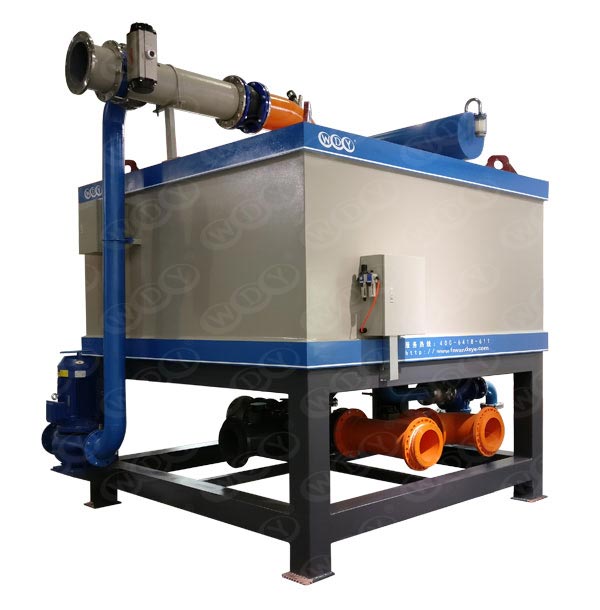
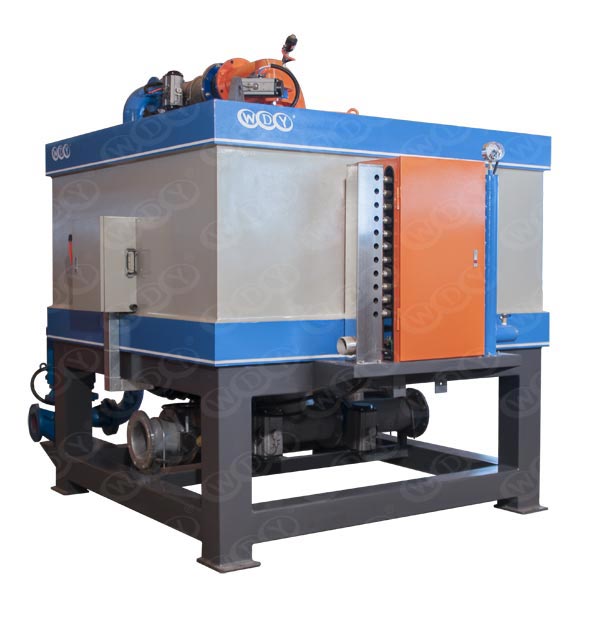
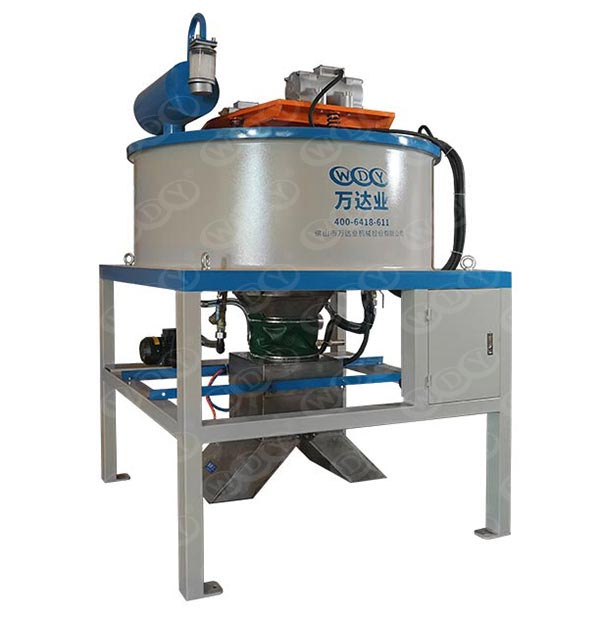
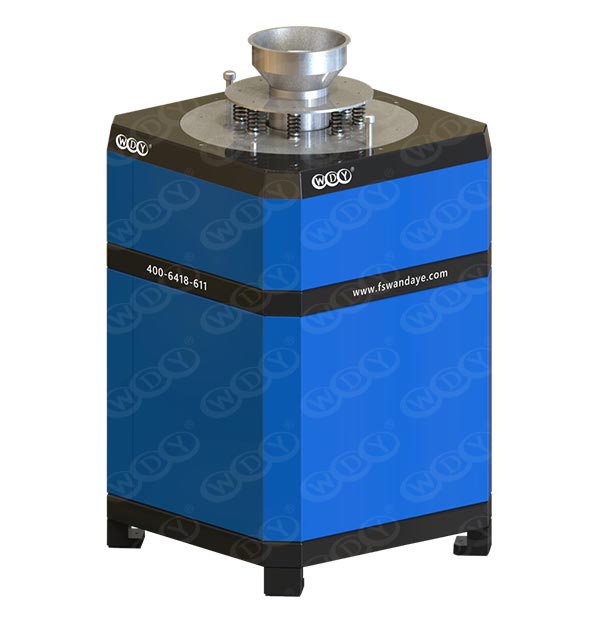
9. Foshan Wandaye Technology – High‑Value OEM Partner for Vietnam
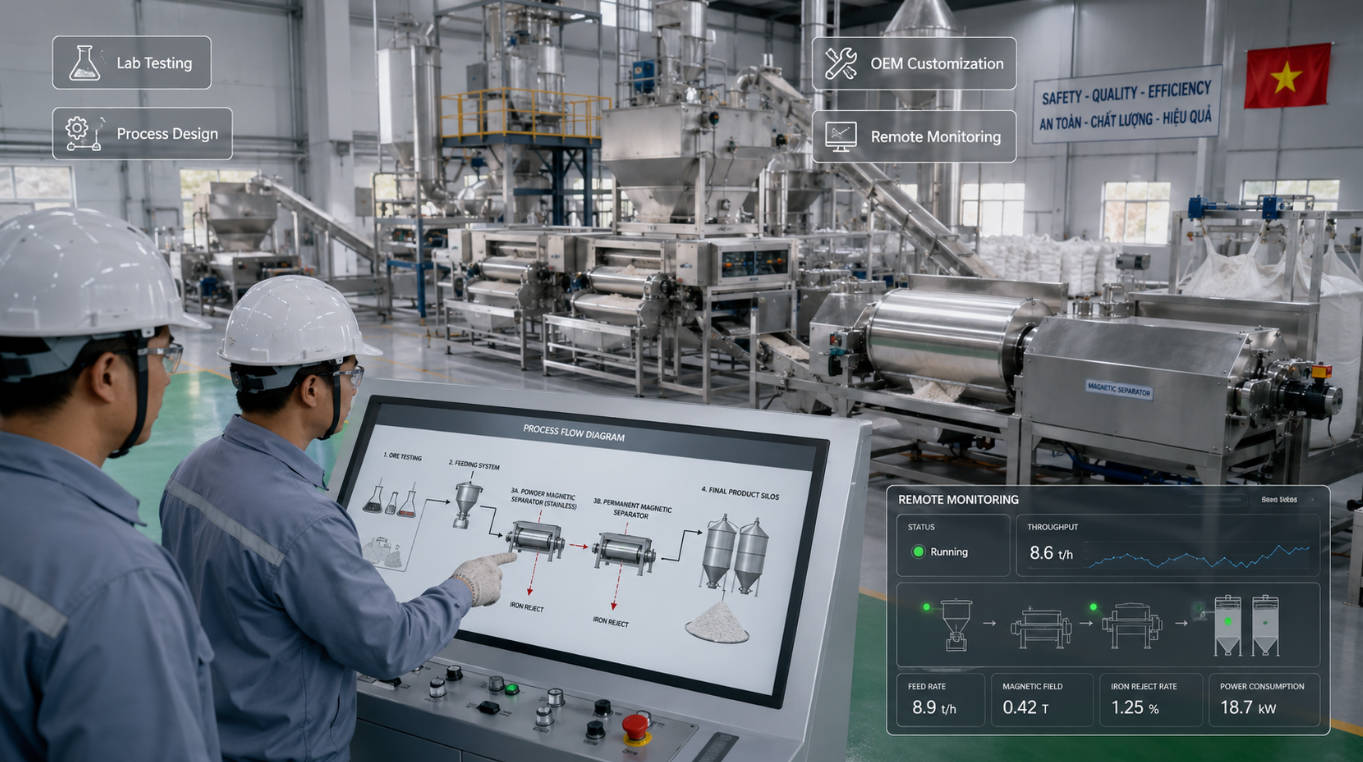
Foshan Wandaye Technology Co., Ltd. is a professional magnetic separator manufacturer integrating R&D, engineering design, production‑line installation and commissioning, with core products including powder magnetic separators, permanent magnetic separators and high‑gradient electromagnetic slurry machines. Its equipment is widely used in mining, ceramics, electricity, building materials, glass, environmental protection, rubber, plastics, medicine, food and battery anode/cathode materials, and is already exported to Vietnam, India, Iran, Egypt and Malaysia. [youtube]
From a buyer’s perspective, Wandaye’s value lies in combining high cost‑performance with engineering‑oriented services tailored to small and mid‑size brands: the company runs laboratory and pilot‑line facilities for ore analysis, process design and whole‑line plant erection in non‑metallic minerals such as kaolin, feldspar and quartz. It holds ISO 9001 quality management and OHSAS 18001/ISO 45001 occupational health & safety certifications, and positions its product development around “high‑efficiency, energy‑saving, environmental‑protection, smart” concepts, including remote monitoring and cloud‑based reporting for its separators. [youtube]
For Vietnam buyers – especially ceramics, glass, battery materials and plastics producers – Wandaye can function as a flexible OEM/ODM partner that helps design or upgrade entire powder lines, rather than just selling stand‑alone machines. This makes it particularly suitable for mid‑tier factories that need in‑depth engineering support, customized magnetic roller configurations and efficient communication in project execution, without the pricing of top global brands. [youtube]
Comparison Table: Typical Positioning of Key Suppliers
Note: Values are indicative and meant to guide sourcing strategy. Always request up‑to‑date data from suppliers.*
| Supplier / Role | Typical strength in capacity | Typical MOQ range for customized magnetic roller separators | Key certifications / focus | Notes for Vietnam buyers |
|---|---|---|---|---|
| Eriez Manufacturing Co. | High – global production network, strong large‑project capability kumarmagnet | Higher MOQ; often geared to sizeable projects or standardized models | Global quality systems; strong focus on food safety and mining standards kumarmagnet | Suitable for high‑spec mining, food and recycling projects with strict compliance needs |
| STEINERT GmbH | High – complex lines combining magnet + sensors kumarmagnet | Project‑based; MOQ usually tied to system scope | Focus on integrated, automated separation solutions | Best fit when magnetic roll separators are part of a larger smart sorting system |
| Metso Outotec | High – mining and mineral processing plants kumarmagnet | Project‑driven; MOQ linked to plant scale | Mining‑oriented standards and process guarantees | Ideal when buyer needs full flowsheet (crushing, grinding, separation) from one vendor |
| LONGi Magnet | High – broad portfolio and regional presence 6wresearch | Moderate MOQ; supports both projects and standard models | Mature QC; mining and recycling focus | Good option for large and mid‑size projects balancing performance and cost |
| Nippon Magnetics | Medium‑high – precision and automation‑oriented 6wresearch | Moderate MOQ; often linked to high‑purity requirements | High‑precision and automation integration | Attractive for electronics, chemical and food lines needing very fine contaminant removal |
| Star Trace | Medium – wide product range 6wresearch | Lower to medium MOQ; often flexible for developing markets | Standard industrial QC | Good for price‑sensitive mineral and recycling plants; verify execution track record locally |
| Kumar Magnet Industries | Medium – strong in roller type separators kumarmagnet | Relatively flexible MOQ for roller units kumarmagnet | Standard industrial certifications; focus on durability | Practical choice where buyers want cost‑effective high‑intensity rollers and can manage integration themselves |
| Foshan Wandaye Technology | Medium‑high – strong in non‑metallic, powder and slurry lines youtube | Flexible MOQ; willing to support small and mid‑size OEM orders youtube | ISO 9001, OHSAS 18001/ISO 45001; R&D‑driven with remote monitoring features youtube | Particularly suitable for Vietnam ceramics, glass, plastics, food and battery lines needing engineering support and high value‑for‑money OEM/ODM |
Buyer’s Guide: How to Source Magnetic Roller Separators in Vietnam
1. Verify ISO and other certifications properly
ISO itself does not certify companies; certification is done by independent bodies and may or may not be accredited. Buyers should: [iso]
– Request a recent copy of ISO 9001 (and, where relevant, ISO 14001, ISO 45001) certificates.
– Check the name of the certification body on the certificate and confirm its accreditation via national accreditation bodies or tools such as IAF CertSearch. [iafcertsearch]
– Confirm validity dates and scope – the scope should explicitly cover design and manufacture of magnetic separation equipment, not unrelated products.
This step filters out a surprising number of suppliers relying on outdated or narrowly scoped certifications.
2. Evaluate R&D and testing capabilities
Ask suppliers about:
– Availability of test facilities for your actual material (e.g., quartz, feldspar, PCB scrap, battery cathode/anode powder). [youtube]
– Ability to simulate your throughput, particle size distribution and moisture content.
– How they measure separation efficiency and what KPIs they can commit to in contracts.
Suppliers like Wandaye that operate their own ore testing labs and pilot non‑metallic processing lines can design more accurate process flows and reduce commissioning risks in Vietnam plants. [youtube]
3. Conduct structured sample and trial runs
– Start with small‑scale sample tests at the supplier’s lab to validate feasibility and indicative efficiency.
– Move to pilot or rental equipment on‑site if your project scale justifies it, especially for complex powders or sticky materials.
– Define acceptance criteria in advance – for example, maximum residual iron ppm in final product or minimum recovery rate of target minerals.
High‑intensity rollers are particularly sensitive to material presentation, so pilot‑level validation is often a good investment vs. purely catalogue‑based selection. [youtube]
4. Clarify logistics and after‑sales for Vietnam
– Confirm whether the supplier has local service partners or regional hubs to support Vietnam. [kumarmagnet]
– Agree on spare parts strategy – which items should be stocked locally (belts, bearings, magnets, control components).
– For imported equipment, plan for customs clearance, HS codes, certificates of origin and potential import duties.
ASEAN market reports highlight that logistics and high initial investment are key challenges for SMEs adopting advanced magnetic separation technologies. Building a clear after‑sales and spares plan early is essential. [6wresearch]
5. Internal “insider” risk that many buyers underestimate
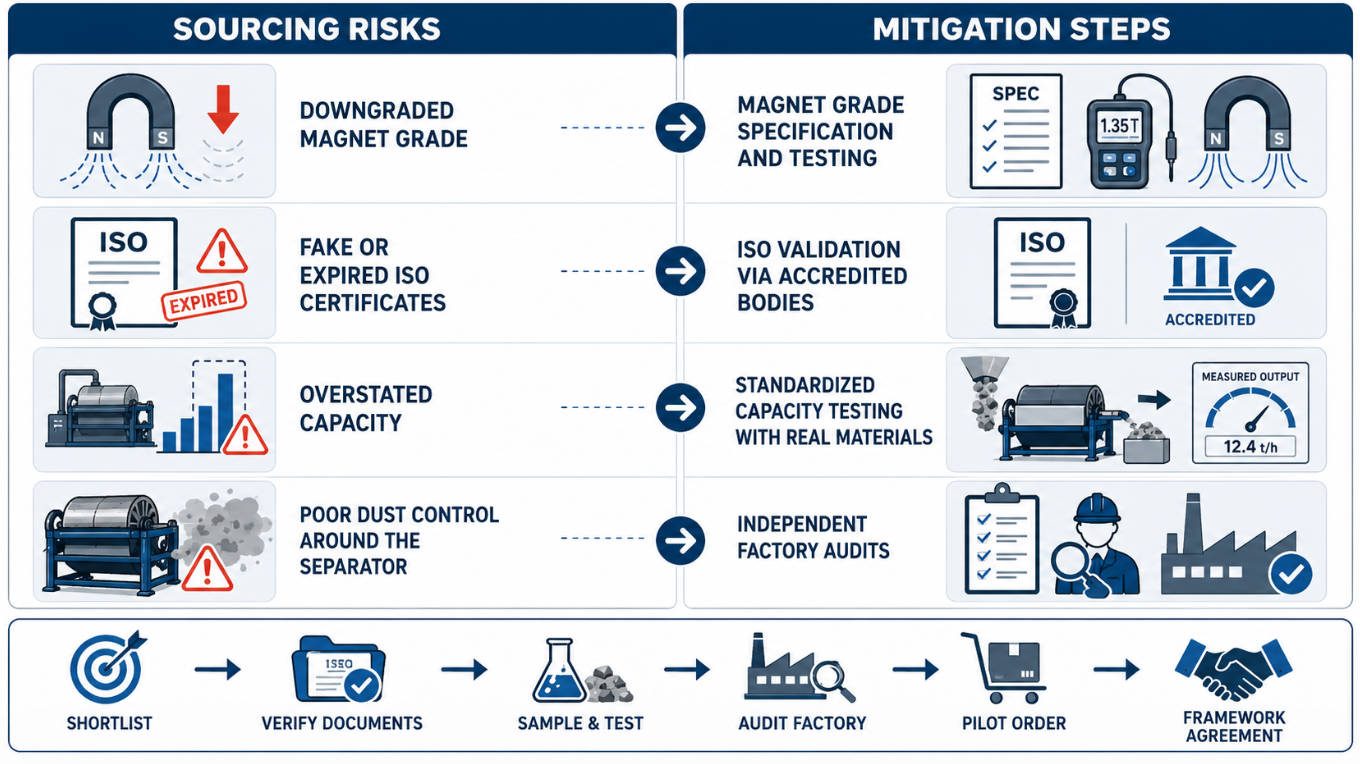
Within the industry, one widely known but rarely written‑about pitfall is magnet downgrade after FAT:
– Some low‑tier suppliers use higher‑grade magnets during factory acceptance tests to achieve good performance results, then replace them with lower‑grade magnets before final shipment to cut cost.
– The external dimensions and even surface flux readings may look similar, but long‑term performance and temperature stability drop noticeably in production.
To mitigate this:
– Specify magnet grade (e.g., NdFeB N42, N45SH) and coating in the technical agreement, not just “rare earth magnet”.
– Require random destructive sampling or third‑party inspection for at least one batch of magnets during production, especially for large orders.
– Track serial numbers and ask for magnet batch documentation to build traceability.
Experienced buyers and engineering consultants often use this approach with critical separators, but it is seldom disclosed in marketing materials.
6. Common pitfalls when buying magnetic roller separators
– Underspecifying intensity and pole configuration: A separator configured for coarse ore might be used for fine ceramic powder, leading to poor separation and dust problems.
– Ignoring belt and mechanical design: Cheap belts or poor tensioning lead to mis‑tracking, uneven separation and frequent downtime.
– Overlooking safety and dust control: Especially for fine powders and battery materials, inadequate enclosures and extraction can create explosion or health risks.
– Focusing only on magnet strength: Separation performance is a function of magnet design, pole arrangement, material presentation and process control, not just “maximum Gauss” claims.
Conclusion and Call to Action
Vietnam’s role in the regional magnetic separator ecosystem is expanding as its mining, electronics, recycling and food processing industries grow and adopt more sophisticated separation technologies. For buyers of magnetic roller separators, this creates access to a diverse set of suppliers – from global brands like Eriez, STEINERT and Metso to regional specialists such as LONGi, Nippon Magnetics, Kumar and Star Trace, and high‑value OEM partners like Foshan Wandaye Technology that already export to Vietnam and support deep engineering collaboration. [kumarmagnet]
A robust sourcing strategy should combine certification verification, real‑world material testing, careful review of capacity and QC systems, and insider‑level safeguards such as magnet grade traceability. By approaching supplier selection with this level of rigor, procurement managers can secure long‑term, reliable partners and avoid many of the hidden risks that still exist in this specialized market.
If you share your primary application (e.g., ceramics, battery materials, plastics, mining) and target export region, I can help you shortlist 2–3 most suitable supplier profiles and draft an RFQ template tailored to your situation.
FAQ: Advanced Questions Real Buyers Ask
1. How can I verify whether a supplier’s ISO 9001 certificate is still valid and not misused?
Obtain a copy of the certificate and check the issuing certification body and validity dates. Then confirm that the certification body is accredited through national accreditation bodies or global tools such as IAF CertSearch, which allows you to validate certificates and monitor supplier compliance. If the certificate cannot be found or details do not match, treat it as a red flag and request clarification from both the supplier and the certification body. [iafcertsearch]
2. What are realistic service lives for magnets in a magnetic roller separator, and how should I specify them?
Service life depends on magnet grade, operating temperature and mechanical shocks, but high‑quality rare‑earth magnets in properly designed rollers typically maintain effective performance for many years under rated conditions. In contracts, specify both magnet grade and acceptable demagnetization rate over time (for example, maximum percentage drop in surface field after a defined operating period), and require periodic field measurements as part of preventive maintenance. [youtube]
3. For ceramic and quartz applications in Vietnam, should I choose permanent or electromagnetic magnetic roller separators?
Permanent magnetic rollers are often preferred for energy efficiency and simpler maintenance when the required intensity can be met by high‑grade rare‑earth magnets. Electromagnetic designs provide adjustability and very high intensity but require more complex power and cooling systems. The best choice depends on your target impurity level, throughput and power cost; many buyers start with permanent designs and upgrade to hybrid or electromagnetic systems for ultra‑high‑purity lines. [6wresearch]
4. How can I compare the true capacity of different suppliers’ magnetic roller separators?
Ask each supplier to state capacity under standardized conditions: material type, bulk density, particle size distribution, moisture and target separation performance. Request test reports from comparable installations and, where possible, run your own material through their demo or test lines. Avoid comparing “nameplate capacity” without aligning test conditions; this is a common source of disappointment in real plants. [kumarmagnet]
5. What is the most effective way to structure OEM/ODM collaboration with a separator supplier for multi‑plant rollout?
Define a standard technical platform (frame, magnet configuration, controls) with clearly documented options for belt width, intensity and integration, then sign a multi‑year framework agreement that covers prices, lead times and exclusive or semi‑exclusive design use. Suppliers such as Wandaye that combine design, lab testing and line integration can co‑develop modular solutions which you replicate across plants in Vietnam and other ASEAN countries, reducing engineering time and spare parts complexity. [youtube]
References
1. 6Wresearch – Vietnam Magnetic Separator Market (2025–2031) Trends, Outlook & Forecast (accessed 2025/2026). [kumarmagnet]
2. Future Market Insights – ASEAN Magnetic Separator Market Size & Trends 2025–2035. [6wresearch]
3. ISO – Certification: How to choose a certification body and verify certificates. [iso]
4. Foshan Wandaye Technology Co., Ltd. – Company Profile, Honor Certificates, Advantages. [youtube]
5. Kumar Magnet Industries – Magnetic Separator Manufacturers in Vietnam & High Intensity Roller Type Magnetic Separator. [kumarmagnet]
6. IAF – IAF CertSearch: Global ISO Certification Validation Tool. [iafcertsearch]
Hot Tags: Magnetic Roller Separator, Manufacturers, Customized, Custom, Suppliers, Buy, Cheap, Quality, Advanced, Durable, in Stock, Made in China, Price, Quotation