


Content Menu
● Why Chromium Ore Beneficiation Matters Today
● Basic Chemistry and Industrial Role of Chromium
>> Chromium Properties and Compounds
>> Chromite as the Primary Chromium Mineral
● Core Chromite Beneficiation Technologies
>> Gravity Separation – The Classic Primary Step
>> Magnetic Separation in Chromite Processing
>> Electrostatic and Flotation Methods
>> Chemical and Integrated Processes
● New Deep‑Dive Section: How Magnetic Separation Solves Key Chromite Challenges
>> 1. Upgrading Cr/Fe Ratio in Ferruginous Chromite
>> 2. Recovering Ultrafine Chromite from Tailings and Slimes
>> 3. Magnetic Separator Selection Guide for Chromite Plants
● Implementation Tips and Best Practices
>> Process Design Considerations
>> Maintenance and Efficiency Monitoring
● Why Partner With Foshan Wandaye for Magnetic Chromite Processing
● Clear, Targeted Call to Action
● FAQs: Chromium Ore Beneficiation and Magnetic Separation
>> 1. What is the typical Cr₂O₃ specification for metallurgical chromite concentrates?
>> 2. Why is magnetic separation effective for chromite even though chromite is only weakly magnetic?
>> 3. Can magnetic separation replace flotation in chromite beneficiation?
>> 5. What factors should be considered when choosing a magnetic separator for a chromite plant?
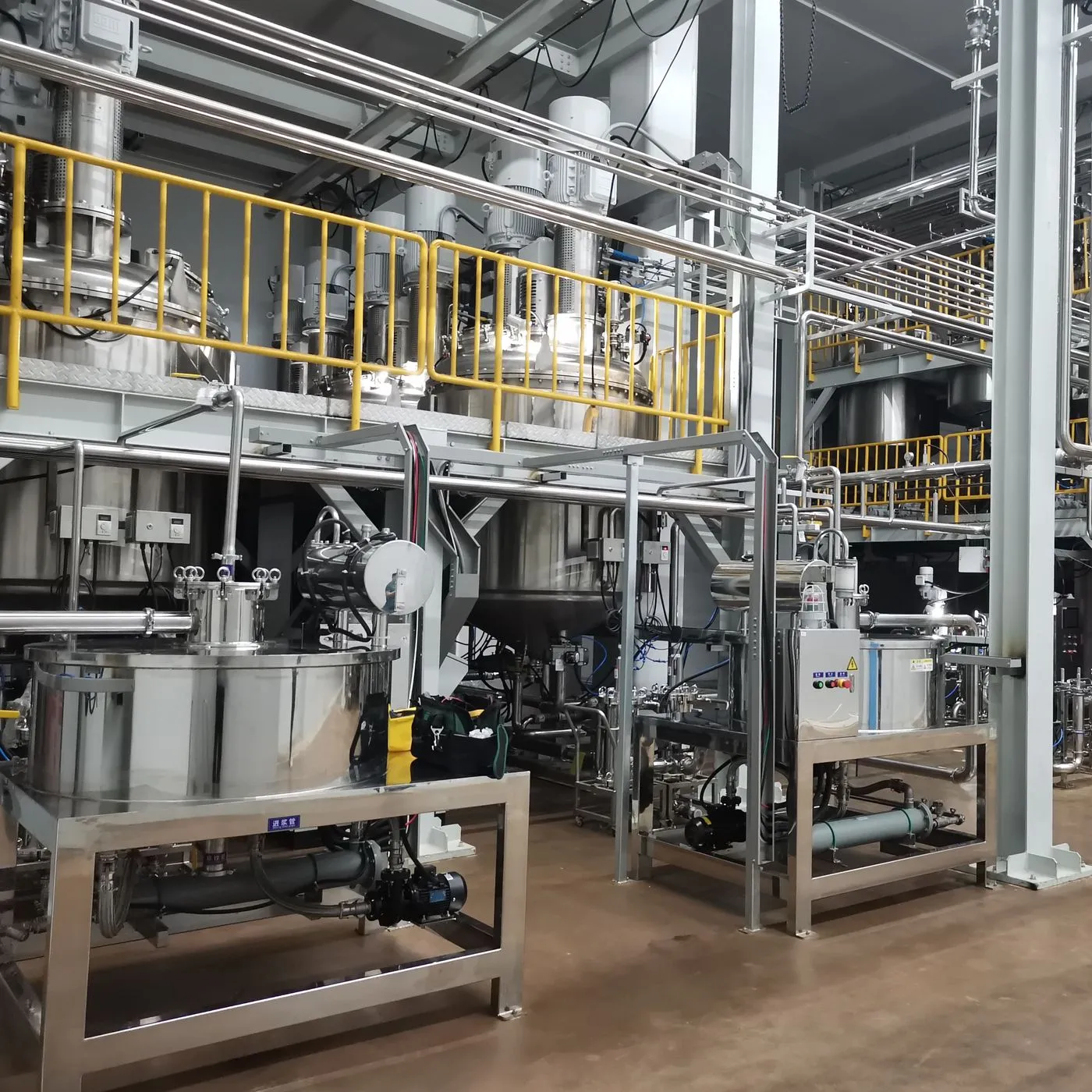
Chromium ore beneficiation technology is a critical step for producing high‑grade chromite concentrates that meet stringent metallurgical, chemical, and refractory standards. Foshan Wandaye Technology Co., Ltd., as a leading R&D‑driven manufacturer of magnetic separators and iron‑removal equipment, specializes in solutions for mining, ceramics, pharmaceuticals, and other industries that handle chromite‑bearing feeds.
Why Chromium Ore Beneficiation Matters Today
Chromium ore, primarily chromite, is the key source of chromium metal and ferrochrome alloys, which underpin stainless steel, high‑grade tool steels, and special‑purpose heat‑ and corrosion‑resistant materials. Modern markets demand both high Cr₂O₃ grades and low iron and silica impurities, forcing producers to refine beneficiation even for low‑ to medium‑grade ores.
For processors, the core economic levers are:
– Maximizing chromium recovery and Cr/Fe ratio.
– Minimizing tailings loss of valuable fines.
– Reducing reagent and energy costs, especially in flotation‑heavy flowsheets.
Foshan Wandaye’s magnetic separators for slurry and powder phases are increasingly used to remove magnetic impurities such as magnetite, hematite, and iron silicates, and to upgrade chromite before or after gravity and flotation stages.
Basic Chemistry and Industrial Role of Chromium
Chromium Properties and Compounds
Chromium is a transition metal with a body‑centered cubic lattice, silver‑white color, relatively high density, and a high melting point. It is well known for its hardness, wear resistance, and corrosion resistance. Chromium exhibits several oxidation states, but trivalent chromium dominates in chromite ores and forms very stable oxides.
Industrial compounds such as sodium dichromate are key intermediates for pigments, ceramics, textiles, catalysts, and leather‑tanning. These properties make chromium indispensable in:
– Stainless‑steel and alloy‑steel production, where chromium improves strength, corrosion resistance, and heat resistance.
– Refractories, including chrome‑magnesia bricks and other high‑temperature linings.
– Foundry sands, where chromite’s low thermal expansion and resistance to metal penetration are critical.
– Chemical applications, such as pigments, catalysts, electroplating, and leather processing.
Chromite as the Primary Chromium Mineral
Dozens of chromium‑bearing minerals occur naturally, but only chromite has significant industrial value. Chromite has the ideal formula (Mg,Fe)Cr₂O₄, with high Cr₂O₃ content and variable magnesium and iron substitution.
In real deposits, chromite often hosts minor aluminum, iron, manganese, titanium, vanadium, and zinc, which can complicate beneficiation when these elements report to either concentrates or tails. Industrial chromite concentrates are typically classified according to Cr₂O₃ content, with ores above roughly 46 percent Cr₂O₃ considered high‑grade and often requiring less intensive upgrading.
Process experience shows that even medium‑grade ores can be upgraded to ferrochrome‑ready concentrates by intelligently combining gravity separation and magnetic‑separation circuits.
Core Chromite Beneficiation Technologies
Most global chromite beneficiation flowsheets begin with gravity‑based processes, then add magnetic, electrostatic, flotation, or chemical methods depending on liberation characteristics and gangue mineralogy.
Gravity Separation – The Classic Primary Step
Gravity separation methods, such as spirals, shaking tables, jigs, and heavy‑medium separation, exploit the specific gravity contrast between chromite and common gangue minerals such as olivine, serpentine, and feldspars.
Key advantages of gravity separation include:
– Low reagent intensity and relatively modest capital cost for coarse‑ to medium‑size ore.
– High throughput for preconcentration and bulk rejection of low‑density gangue.
In practice, gravity circuits often recover a large proportion of chromite in the 60 to 90 micrometer range, with substantial Cr₂O₃ upgrades in a single pass. However, gravity methods alone struggle with very fine particles and ores with closely intergrown iron oxides.
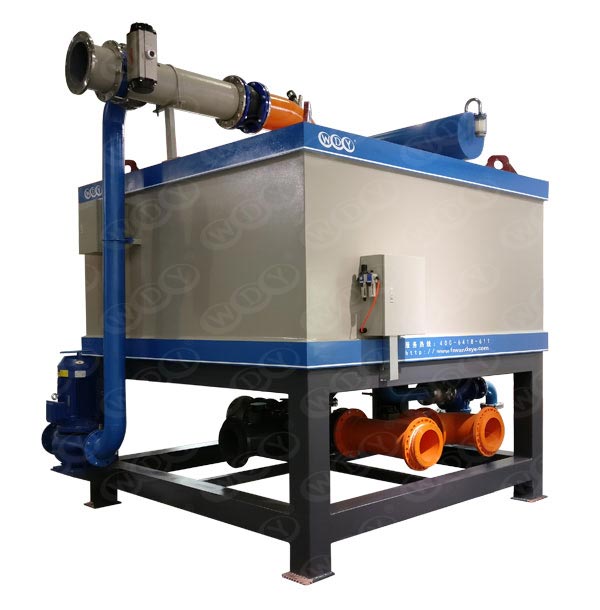
In many plants, undersize slurry from gravity circuits is fed to high‑gradient slurry magnetic separators to remove magnetite, ilmenite, and ferruginous silicates before final drying, packaging, or chemical use.
Magnetic Separation in Chromite Processing
Chromite is weakly paramagnetic, while associated iron oxides and some iron‑rich silicates are strongly magnetic. This contrast makes magnetic separation a powerful polishing stage in chromite flowsheets, especially where iron content must be reduced and Cr/Fe ratio must be improved.
Common magnetic workflows in chromium ore beneficiation include:
1. Low‑intensity magnetic separation
– Used to remove strongly magnetic gangue, mainly magnetite, prior to gravity or flotation.
– Improves Cr/Fe ratio by discarding excess iron that would otherwise burden smelting and increase slag volume.
2. High‑gradient magnetic separation
– Highly effective for fine‑grained chromite and ferruginous chromite, with particle sizes down to tens of micrometers.
– Typically applied as slurry‑phase separation for gravity‑concentrate polishing or as stand‑alone recovery for fines from tailings.
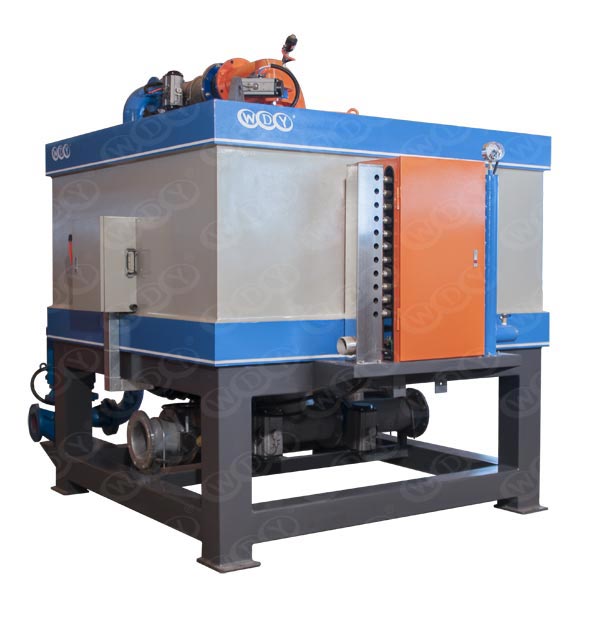
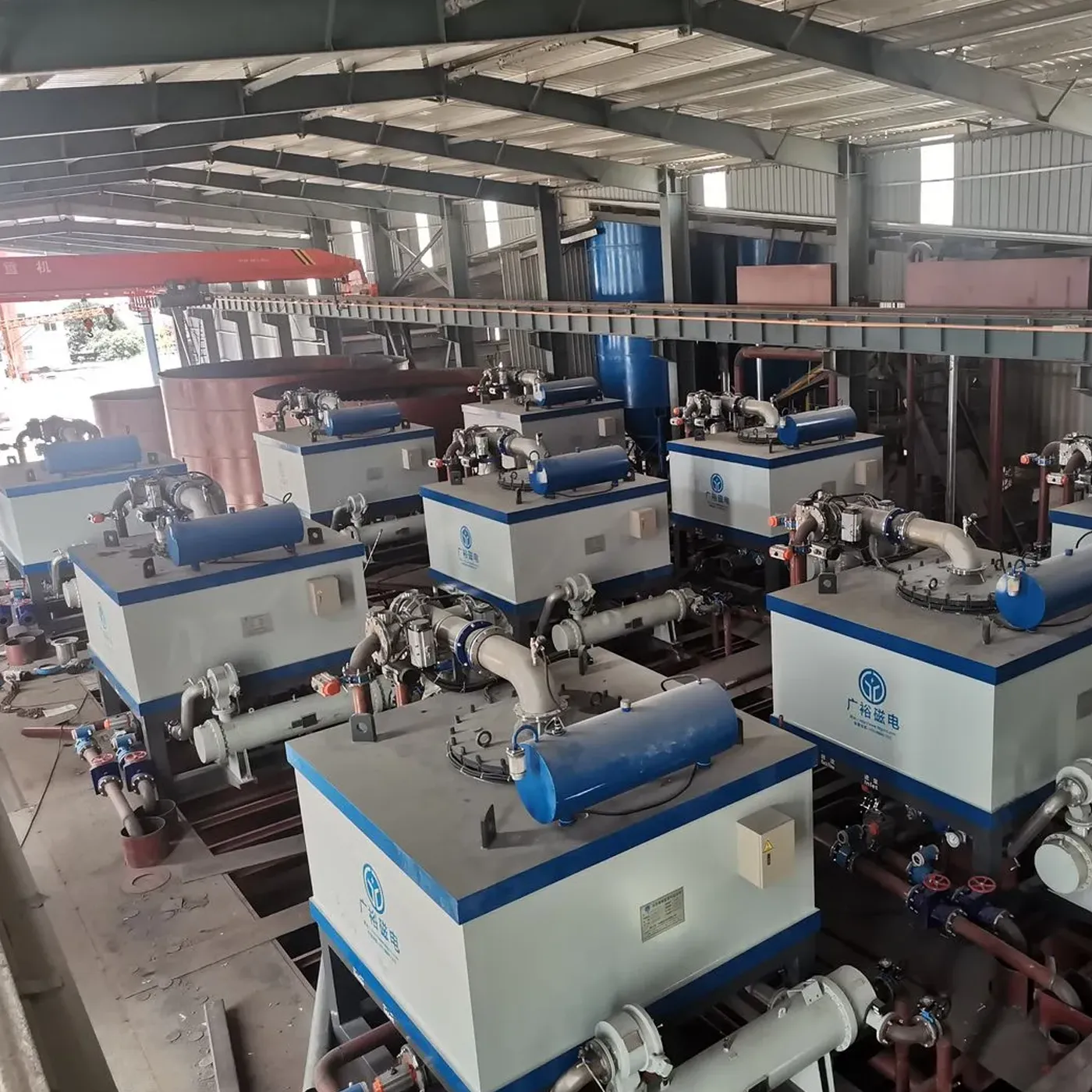
With well‑designed high‑gradient circuits, chromite concentrates can be upgraded to higher Cr₂O₃ levels and improved Cr/Fe ratios, making them suitable for ferrochrome production and high‑value downstream applications. For vertical‑ring high‑gradient slurry separators, this often means one‑stage or two‑stage cleaning of chromite slurry after spirals or hydrocyclones and reduced dependence on high‑cost flotation reagents.
Electrostatic and Flotation Methods
Electrostatic separation leverages differences in conductivity and dielectric constant to detach chromite from silicate gangue. It is typically relevant for dry, coarse‑size products where moisture is controlled.
Flotation is used to recover fine‑grained chromite, often smaller than 100 micrometers, that is lost in gravity tails. Typical flotation flowsheets may include:
– Grinding to an appropriate liberation size.
– Dispersion and depression of slimes with dispersants and regulators.
– Flotation using unsaturated fatty‑acid or other specialized collectors.
However, flotation has drawbacks, including high reagent consumption, complex water management, and sensitivity to ions such as calcium and magnesium that can leach from carbonates. For these reasons, many modern plants combine flotation with gravity and magnetic stages rather than relying on flotation alone.
Chemical and Integrated Processes
When physical methods alone are insufficient or uneconomical for complex ores, chemical beneficiation can be added to the flowsheet. Examples include selective leaching or acid and alkali scrubbing to remove silica or iron products, and reduction or leaching processes designed to improve Cr/Fe ratio beyond what physical upgrading can deliver.
These chemical routes frequently build on magnetic‑separation preconcentration so that only upgraded chromite is sent to higher‑cost chemical circuits. This integrated approach, combining physical pretreatment and targeted chemical finishing, aligns with the goal of maximizing recovery while controlling capital and operating costs.
New Deep‑Dive Section: How Magnetic Separation Solves Key Chromite Challenges
1. Upgrading Cr/Fe Ratio in Ferruginous Chromite
Many medium‑grade chromite ores contain significant iron, which lowers the Cr/Fe mass ratio and raises smelting power costs and slag volumes. A practical solution is to combine stage crushing, screening, gravity preconcentration, and wet high‑intensity electromagnetic separation on slurry.
A typical flow may include:
1. Coarse crushing and screening into size classes.
2. Gravity preconcentration to produce an initial chromite concentrate.
3. Wet high‑gradient magnetic cleaning of the concentrate to remove residual magnetite and ferruginous fines.
With a properly designed two‑stage magnetic system, plants can meaningfully raise Cr/Fe ratios and achieve metallurgical‑grade Cr₂O₃ levels, allowing direct feeding into ferrochrome smelters.
Practical operating tips include:
– Controlling slurry solids to an optimal range to avoid clogging and excessive viscosity in high‑gradient equipment.
– Adjusting grind size so that liberation is sufficient while avoiding excessive overgrinding of chromite, which complicates fine‑particle recovery.
2. Recovering Ultrafine Chromite from Tailings and Slimes
Significant amounts of chromite often reside in tailings and slimes, especially in older or gravity‑only plants. Recent flowsheet innovations have demonstrated that even ultrafine chromite can be recovered economically when a hybrid gravity–magnetic–flotation scheme is used.
A magnetic‑flotation synergy model may look like this:
– Stage 1: Gravity and coarse magnetic separation recover the bulk of chromite.
– Stage 2: Tailings thickening and classification, followed by slurry‑phase high‑gradient magnetic separation on the fine fraction.
– Stage 3: Residual ultrafine chromite recovery through carefully tuned flotation, applied only after most non‑chromite iron has been magnetically removed.
Compared with pure flotation, this integrated approach reduces reagent consumption and improves selectivity, while boosting overall chromium recovery. For operators, this often opens a new revenue stream by turning former tailings into saleable concentrate.
3. Magnetic Separator Selection Guide for Chromite Plants
Selecting the right magnetic separator is critical to chromite‑plant performance. Different ore scenarios demand different solutions:
| Ore Scenario | Recommended Magnetic Solution | Purpose |
| High magnetite chromite (crush or sand) | Belt type high intensity separator | Bulk iron rejection before gravity separation |
| Slurry after spirals or hydrocyclones | Vertical ring high gradient slurry separator | Fines polishing and Cr/Fe ratio improvement |
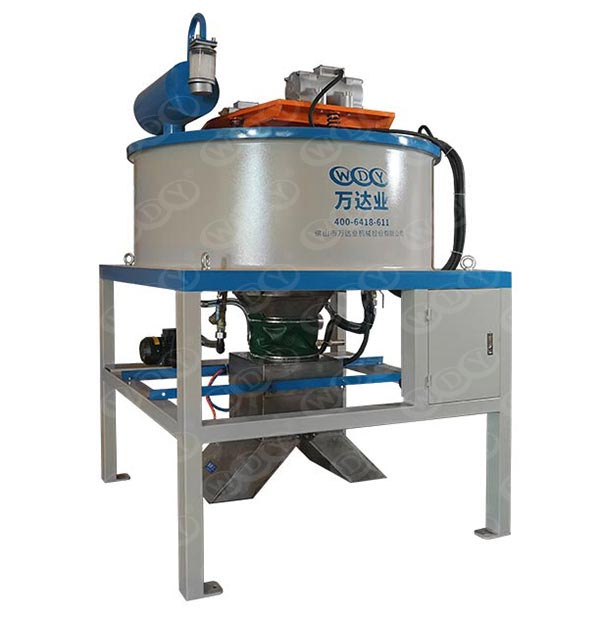
| Dry fine chromite concentrate | Electromagnetic dried powder separators | Final spot cleaning before packaging |
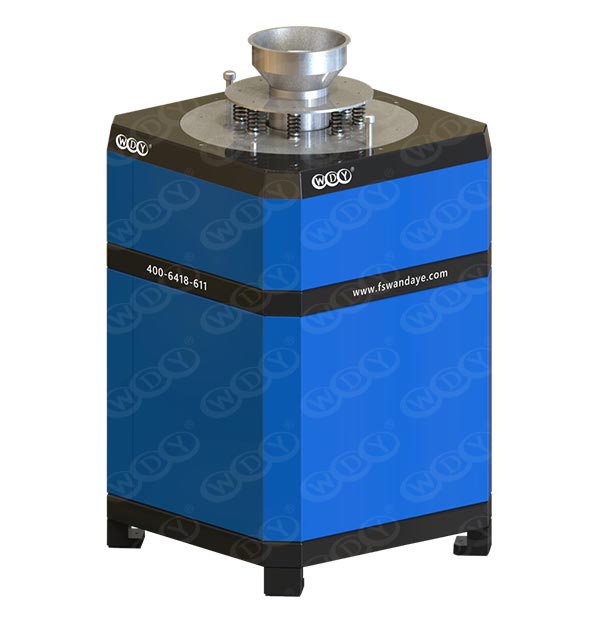
| Trace iron in ceramic or pharma feed | Powder type permanent or electromagnetic iron removal units | Ultra low iron guarantees for high purity users |
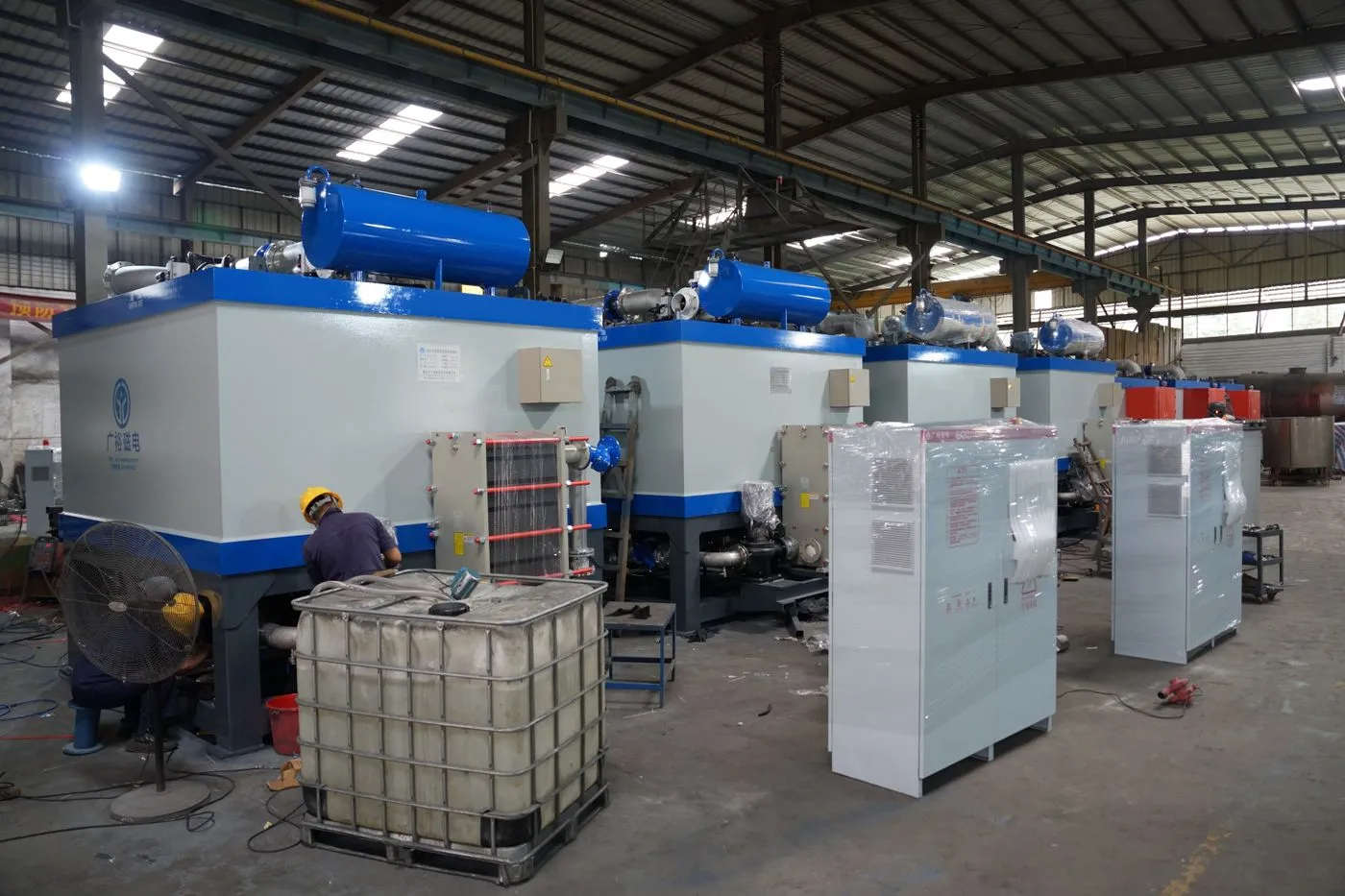
Modern program‑controlled water‑cooled electromagnetic slurry separators add feedback‑controlled field intensity and feed‑rate management, further stabilizing product quality and optimizing power consumption.
Implementation Tips and Best Practices
Process Design Considerations
When designing or upgrading a chromite flowsheet that includes magnetic separation, it is important to:
1. Conduct detailed liberation analysis to match grind size to chromite liberation without unnecessary overgrinding.
2. Place low‑intensity magnetic stages early to remove strongly magnetic gangue, and apply high‑gradient stages later for fine chromite and iron removal.
3. Balance capital and operating expenditure by comparing the cost of magnetic equipment against savings in reagents, energy, and improved concentrate quality.
Well‑designed plants frequently combine spiral circuits, hydrocyclones, and high‑gradient magnetic separators in a staged configuration, creating stable, high‑efficiency beneficiation lines.
Maintenance and Efficiency Monitoring
To keep a chromite beneficiation line operating at peak efficiency, operators should:
– Perform regular feed and product assays for Cr₂O₃, FeO, and key impurities across the circuit.
– Schedule periodic inspection and cleaning of magnetic media, coils, and matrix elements, especially in high‑gradient systems handling fine slurries.
– Maintain proper coolant‑water quality and flow in water‑cooled electromagnets to avoid overheating and efficiency loss.
Many modern plants also integrate real‑time grade monitoring and automatic feed‑rate control into their magnetic‑separation systems. When tuned correctly, these advanced control strategies can significantly improve recovery and stabilize product quality.
Why Partner With Foshan Wandaye for Magnetic Chromite Processing
Chromium ore beneficiation is shifting from single‑method workflows toward integrated physical and chemical lines, where magnetic separation acts as both gatekeeper and quality‑polisher. For important sectors such as mining, ceramics, and pharmaceuticals, this means higher recoveries, better Cr/Fe ratios, and more stable product specifications.
Foshan Wandaye Technology Co., Ltd. focuses on research, development, and manufacturing of magnetic separation and iron‑removal equipment tailored to these needs. Core strengths include:
– Customizable vertical‑ring high‑gradient magnetic separators and electromagnetic slurry machines for gravity‑tail and ultrafine‑slime polishing.
– Turnkey engineering services, from ore testing and process design to full‑line installation and technical training.
– Energy‑efficient equipment designs with optimized magnetic circuits and control systems to reduce power consumption per ton of product.
By combining high‑performance equipment with process expertise, Wandaye helps clients convert medium‑grade and complex chromite ores into consistent, high‑value concentrates.
Clear, Targeted Call to Action
If you are operating or planning a chromite mine, ferrochrome smelter, ceramic raw‑material line, or high‑purity mineral processing plant, now is the ideal time to optimize your beneficiation flowsheet with advanced magnetic‑separation technology. By upgrading ore quality, increasing recovery, and reducing reagent and energy costs, you can strengthen your competitive position and unlock new value from existing resources.
Contact Foshan Wandaye Technology Co., Ltd. today to discuss your ore characteristics, process challenges, and performance goals. Our engineering team can provide ore‑specific testing, flowsheet design recommendations, and a tailored equipment solution that helps you turn challenging chromite deposits into stable, high‑margin products.
Contact us to get more information!
FAQs: Chromium Ore Beneficiation and Magnetic Separation
1. What is the typical Cr₂O₃ specification for metallurgical chromite concentrates?
For standard ferrochrome production, many smelters target chromite concentrates with approximately 46 to 52 percent Cr₂O₃ and a Cr/Fe ratio at or above 2 to 1. High‑end alloy steels may demand even higher Cr/Fe ratios and lower silica levels, depending on furnace design and downstream requirements.
2. Why is magnetic separation effective for chromite even though chromite is only weakly magnetic?
Chromite’s weak paramagnetism is still enough to distinguish it from non‑magnetic silicate gangue when strong fields and high gradients are applied. At the same time, strongly magnetic iron minerals can be removed at lower field strengths, allowing a staged strategy that selectively rejects iron while recovering chromite.
3. Can magnetic separation replace flotation in chromite beneficiation?
In many dry, coarse‑ or medium‑grained ores, a flowsheet based on crushing, screening, gravity, and magnetic cleaning can largely replace or minimize flotation. For ultrafine slimes and highly complex ores, however, magnetic separation is more effective as part of a hybrid gravity–magnetic–flotation–chemical scheme rather than a complete replacement for flotation.
4. How much chromium recovery improvement can be achieved by adding magnetic separation to an existing gravity circuit?
Actual gains depend on ore characteristics and current plant performance, but adding properly sized magnetic separation to a gravity circuit can significantly reduce chromium losses in tailings. Many plants report meaningful increases in overall recovery when high‑gradient magnetic stages are introduced, particularly for fine fractions that gravity alone cannot capture efficiently.
5. What factors should be considered when choosing a magnetic separator for a chromite plant?
Key factors include ore mineralogy, particle‑size distribution, required product grade, moisture conditions, and whether the system will run in dry or slurry mode. Operators should also consider throughput, power availability, water quality, and maintenance capabilities when selecting between low‑intensity, high‑gradient, belt‑type, or powder‑type magnetic equipment.
Citations:
1. https://www.huatemagnets.com/news/the-accumulation-of-common-minerals-chromium-ore-properties-and-beneficiation-technology/
2. https://www.wdymagnetic.com
3. http://en.fswandaye.com
4. https://www.kazchrome.com/en/media/news/erg_launches_a_new_era_in_chrome_ore_beneficiation/
5. https://www.miningpedia.cn/dressing/how-to-choose-the-right-chrome-ore-beneficiation-process.html
Hot tags: What Is Chrome Ore Used for, Chrome Ore Uses, Chromium Ore Properties, Chromite Ore Beneficiation, Chromium Ore Processing Technology, Chromite Mineral Characteristics, Chromium Ore Concentration Methods, Mineral Beneficiation Chromium, Chromite Ore Separation, Chromium Mining Technology, Ore Dressing Chromium, Chromium Mineral Processing