


Content Menu
● What Are Silicate Minerals and Why Do They Matter?
● Key Silicate Minerals Used in Processing
● Major Silicate Minerals in Mining and Ceramics
>> Feldspar: Core Raw Material for Glass and Ceramics
>> Kaolinite: High-Value Clay for Fine Ceramics and Paper
>> Mica Group: Functional Fillers and Insulation Materials
>> Talc: Ultra-Soft Mineral for Fillers and Surface Quality
>> Muscovite (White Mica): High-Performance Insulating Filler
>> Sodalite: Refractory and Gemstone Silicate
>> Garnet: Abrasive and Gemstone Silicate
>> Biotite: Dark Mica in Building and Coating Applications
>> Olivine: High-Temperature and Fertilizer Mineral
● From Mineralogy to Process: Why Magnetic Separation Matters
● Application Scenarios: Silicate Minerals in Key Industries
>> Mining and Mineral Processing Plants
>> Ceramics and Glass Manufacturing
>> Pharmaceuticals, Coatings, and Polymer Fillers
● Practical Guide: How to Plan a Silicate Mineral Separation Line
● Take Action: Optimize Your Silicate Mineral Separation Today
● Frequently Asked Questions (FAQ)
>> 1. Why are silicate minerals so important in industrial processing?
>> 2. Which silicate minerals most often require magnetic iron removal?
>> 3. How does magnetic separation improve the quality of ceramic raw materials?
>> 4. Can the same magnetic separator handle multiple silicate ores?
>> 5. What information should I prepare before consulting an equipment supplier?
Silicate minerals are the backbone of the Earth’s crust and a critical focus for efficient mineral processing, magnetic separation, and iron removal in industries such as mining, ceramics, and pharmaceuticals.
What Are Silicate Minerals and Why Do They Matter?
Silicon and oxygen are the two most widely distributed elements in the Earth’s crust and combine to form a vast group of silicate minerals. There are over 800 known silicate minerals, accounting for about one-third of all known mineral species and roughly 85% of the Earth’s crust and lithosphere by weight. These minerals form the primary constituents of igneous, sedimentary, and metamorphic rocks and are important sources of many non-metallic and rare metal ores. Common examples include quartz, feldspar, kaolinite, illite, bentonite, talc, mica, asbestos, wollastonite, pyroxene, amphibole, kyanite, garnet, zircon, diatomite, serpentine, peridotite, andalusite, biotite, and muscovite.
For operators in mining, ceramics, and related processing plants, understanding silicate mineral properties directly supports better beneficiation flowsheets, optimized magnetic separation, and more stable product quality.
Key Silicate Minerals Used in Processing
| Mineral | Typical Hardness / Density | Key Industrial Uses | Common Separation Methods |
| Feldspar | Hardness 5.5–6.5; density 2.55–2.75 | Glass, ceramics, glazes, enamel, decorative stone, semi-precious gems | Handpicking, magnetic separation, flotation |
| Kaolinite | Hardness 2–3; density 2.61–2.68 | Ceramics, refractories, papermaking, coatings, rubber, plastics, textiles, fillers | Dry/wet magnetic separation, gravity separation, calcination, chemical bleaching |
| Mica (general) | Hardness 1–2; density 2.65–2.90 | Refractories, ceramics, electric porcelain, fiberglass, rubber, pigments, cosmetics | Handpicking, electrostatic separation, magnetic separation |
| Talc | Hardness 1 (Mohs) | Paper and rubber filler, textile whitening, ceramics, paints, coatings, plastics, cosmetics | Handpicking, electrostatic, magnetic separation, optical sorting, flotation, scrubbing |
| Muscovite | Hardness 2–3; density 2.70–2.85 | Insulation, welding rods, papermaking, rubber, pearl pigments, coatings, plastics | Flotation, wind selection, hand selection, peeling, friction selection, fine grinding |
| Sodalite | Hardness 5.5–7.0; specific gravity 3.53–3.65 | High-grade refractories, spark plugs, oil nozzles, gemstones, aluminum extraction | Crushing, grinding, tailored separation according to use |
| Garnet | Hardness 5.6–7.5; density 3.5–4.2 | Abrasives, gemstone raw material | Hand sorting, magnetic separation |
| Biotite | Soft, plate-like crystals | Building materials, fire protection, papermaking, plastics, coatings, pigments | Flotation, wind selection, hand selection, fine and ultrafine grinding |
| Olivine | Hardness 6.5–7.0; density 3.27–4.37 | Magnesium compounds, phosphate fertilizers, refractories, gemstones | Gravity separation, magnetic separation |
Major Silicate Minerals in Mining and Ceramics
Feldspar: Core Raw Material for Glass and Ceramics
Feldspar is one of the most widely distributed minerals on Earth and is essential to glass and ceramic formulation. Potassium-rich feldspar is referred to as potassium feldspar, with typical varieties including orthoclase, microcline, and albite. Feldspar shows good chemical stability, high acid resistance, and is generally difficult to decompose, with hardness of 5.5–6.5 and density of 2.55–2.75. Its melting point ranges from 1185 to 1490°C, and it often occurs with quartz, muscovite, biotite, sillimanite, garnet, and small quantities of magnetite, ilmenite, and tantalite.
Main industrial uses include:
– Glass melting and glass frits for flat glass and containers
– Ceramic body raw materials and ceramic glazes
– Enamel raw materials and potassium fertilizers
– Decorative stones and semi-precious gemstone materials
Typical processing flowsheets incorporate handpicking, magnetic separation, and flotation to reduce iron, remove accessory minerals, and reach strict whiteness and Fe2O3 limits for high-grade ceramics and glass.
Kaolinite: High-Value Clay for Fine Ceramics and Paper
Pure kaolinite is white but may appear light red, yellow, blue, green, or gray due to impurities, with density 2.61–2.68 and hardness 2–3. It is a critical raw material for daily-use ceramics, industrial ceramics, refractory products, papermaking, building materials, coatings, rubber, plastics, textiles, and various fillers and white pigments.
Key beneficiation technologies include:
– Dry and wet magnetic separation for iron removal
– Gravity separation for particle-size and impurity control
– Calcination and chemical bleaching to improve brightness and whiteness
Kaolinite is mainly formed from silica–alumina-rich igneous and metamorphic rocks through weathering or low-temperature hydrothermal alteration.
Mica Group: Functional Fillers and Insulation Materials
Mica minerals are commonly white or pale yellow, green, or gray, with glassy luster and pearly luster on cleavage surfaces. They form thin sheets that are flexible but non-elastic, with hardness 1–2 and density 2.65–2.90. Mica is used in refractory materials, ceramics, electric porcelain, crucibles, fiberglass, rubber, papermaking, pigments, pharmaceuticals, cosmetics, plastics, and fine art carving.
Standard separation includes handpicking, electrostatic separation, and magnetic separation depending on target purity and accompanying gangue. This group also includes muscovite and biotite, which have specific niches in insulating materials and building chemistry.
Talc: Ultra-Soft Mineral for Fillers and Surface Quality
Pure talc is colorless but typically appears yellow, green, brown, or pink due to impurities and exhibits a glassy luster with Mohs hardness of 1. It is widely used as a filler in papermaking and rubber industries and as a whitening agent in the textile industry. Talc also plays a role in ceramics, paints, coatings, plastics, and cosmetics.
Processing commonly combines:
– Handpicking and electrostatic separation for coarse impurity removal
– Magnetic separation to remove iron-bearing minerals
– Optical sorting, flotation, and scrubbing to upgrade purity and color
Muscovite (White Mica): High-Performance Insulating Filler
Muscovite occurs in white, gray, yellow, green, or brown shades and has a glassy luster with pearl-like cleavage surfaces. It is used in fire extinguishing agents, welding rods, plastics, electrical insulation, papermaking, asphalt paper, rubber, and pearl pigments.
Industrial beneficiation involves flotation and wind selection, hand selection and peeling, and friction selection, fine grinding, ultrafine grinding, and surface modification. Muscovite is generally formed by magmatic and pegmatitic processes and is often found in granite pegmatites and mica schists with quartz, feldspar, and rare radioactive minerals.
Sodalite: Refractory and Gemstone Silicate
Sodalite belongs to a triclinic crystal system, forming flattened cylindrical crystals with parallel stripes on crystal surfaces. It shows vitreous luster and glassy to pearly fracture, with colors from light to dark blue, green, yellow, gray, brown, colorless, or bright grayish-white. Hardness ranges from 5.5 to 7.0 and specific gravity from 3.53 to 3.65.
Sodalite is mainly produced by regional metamorphism in crystalline schists and gneisses, with notable deposits in several countries. When heated to 1300°C, it converts to mullite, a high-grade refractory material used for spark plugs, oil nozzles, and other high-temperature ceramic parts. Transparent crystals with attractive color serve as gemstone material, with some regions producing deep blue and green gem-quality sodalite.
Garnet: Abrasive and Gemstone Silicate
Garnet typically appears brown, yellow, red, or green, is transparent to translucent, and has vitreous luster with resinous fracture, no cleavage, hardness 5.6–7.5, and density 3.5–4.2. Its high hardness makes it a popular abrasive for sandblasting, waterjet cutting, and polishing, while high-quality crystals are used as gemstones.
It is widely distributed across geological settings. Calcium–aluminum garnets dominate in hydrothermal and alkaline rocks and some pegmatites, whereas magnesium–aluminum garnets occur in igneous and regional metamorphic rocks, gneisses, and volcanic rocks. Separation often relies on hand sorting and magnetic separation.
Biotite: Dark Mica in Building and Coating Applications
Biotite is mainly present in metamorphic rocks and some granites, with colors ranging from black to brown, red, or green. It has vitreous luster, elastic crystals, hardness lower than a fingernail, and is easily cleaved into plate-like or columnar fragments.
It is used in building materials fire protection, papermaking, asphalt paper, plastics, rubber, fire extinguishing agents, welding rods, jewelry, and pearl pigments. In recent years, biotite has been widely adopted in decorative coatings such as real stone paints. Industrial schemes use flotation, wind selection, hand selection, peeling, friction selection, fine grinding, ultrafine grinding, and surface modification.
Olivine: High-Temperature and Fertilizer Mineral
Olivine usually appears olive green, yellow-green, light gray-green, or green-black with vitreous luster and conchoidal fractures. It has a hardness of 6.5–7.0 and density of 3.27–4.37. Olivine is used as raw material for magnesium compounds and phosphates and in the production of calcium–magnesium phosphate fertilizers. Magnesium-rich olivine is also an important refractory material, and coarse transparent crystals can be cut as gemstones.
Olivine mainly forms through magmatic processes in ultrabasic and basic rocks and commonly associates with pyroxene, amphibole, magnetite, and platinum group minerals, making it relevant in complex ore processing.
From Mineralogy to Process: Why Magnetic Separation Matters
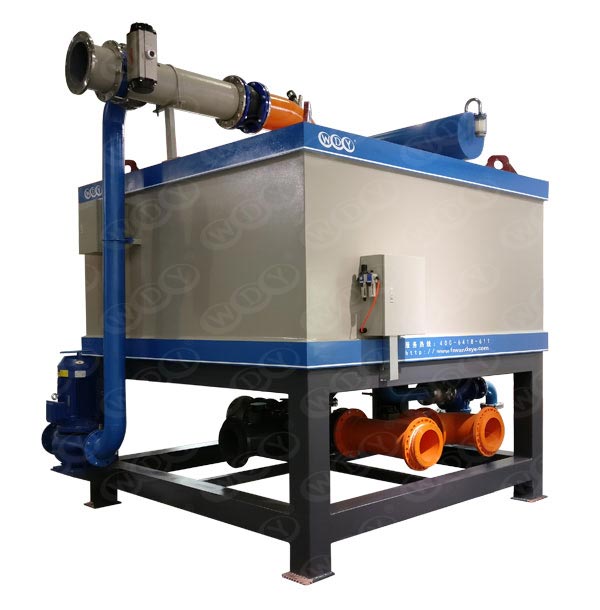
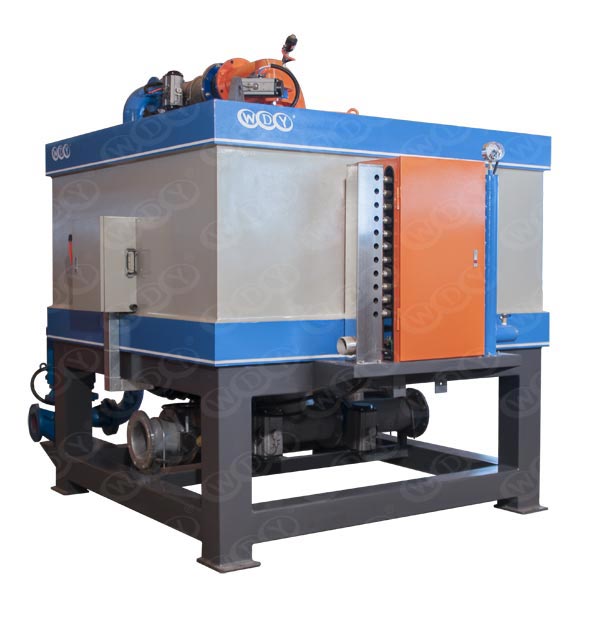
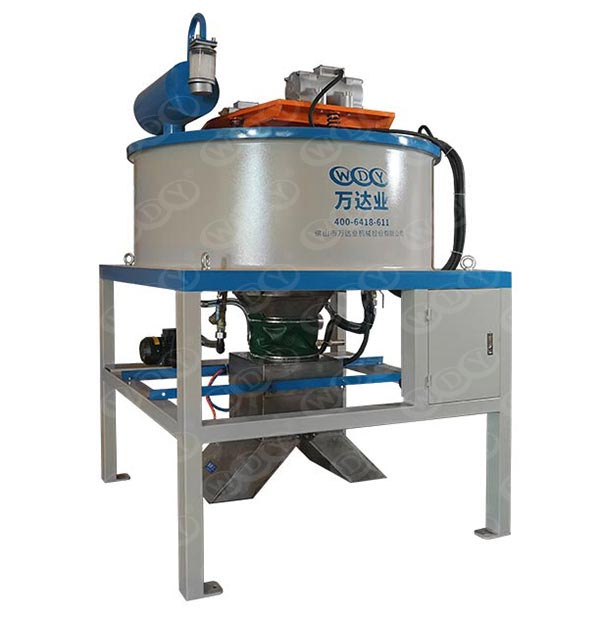
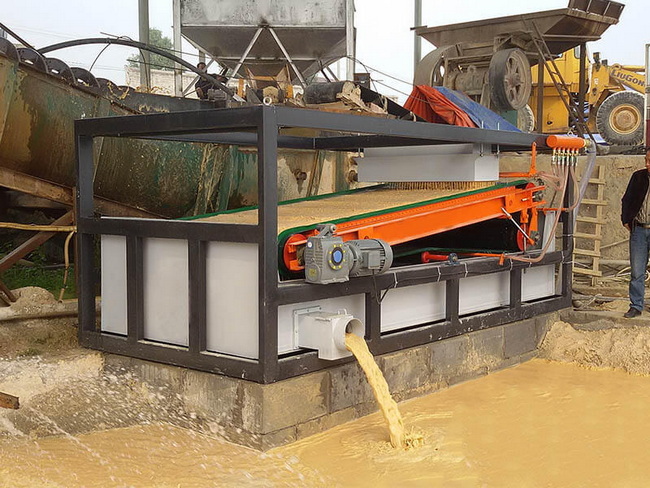
For many silicate minerals used in ceramics, glass, and high-purity industrial applications, iron removal is a critical stage to meet color, brightness, and performance requirements. Trace iron often comes from accessory minerals like magnetite, ilmenite, and biotite, or from contamination during crushing, grinding, and conveying. Magnetic separation allows operators to systematically remove weakly to strongly magnetic impurities, stabilizing product quality and reducing downstream rejection rates.
In typical silicate mineral processing flows:
1. Crushed ore is screened and classified to control particle size.
2. Slurry or dry feed is passed through magnetic separators with appropriate field strength.
3. Separated concentrates proceed to flotation, bleaching, or calcination, while magnetic fractions are discarded or reprocessed.
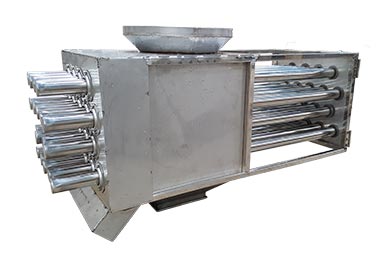
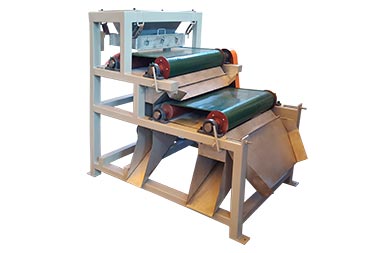
Modern high-gradient magnetic separation and multi-stage iron removal systems can significantly improve recovery of non-metallic silicates while reducing energy and reagent consumption in downstream steps.
Application Scenarios: Silicate Minerals in Key Industries
Mining and Mineral Processing Plants
In mining environments, silicate minerals are often recovered as main products, such as feldspar, kaolin, or talc, or as by-products from polymetallic deposits. Reliable separation of gangue and iron-bearing impurities improves concentrate grade, reduces processing costs, and enhances overall plant throughput.
Integrating efficient magnetic separation systems in the line helps:
– Protect grinding and classification equipment from metallic contamination
– Reduce Fe2O3 levels for high-grade industrial products
– Stabilize particle size distribution for flotation and filtration
Ceramics and Glass Manufacturing
Ceramic and glass producers rely heavily on feldspar, kaolinite, mica, talc, and quartz with strict chemical and color specifications. Even small amounts of iron can cause discoloration, affect translucence, and reduce mechanical performance of final products.
Optimized magnetic separation of silicate raw materials enables:
– Consistent whiteness and brightness in sanitary ware, tiles, tableware, and electrical ceramics
– Uniform melting behavior and viscosity in glass furnaces
– Reduced defect rates such as pinholes, black spots, and streaks
Pharmaceuticals, Coatings, and Polymer Fillers
Fine-grade kaolin, talc, and mica are increasingly used in pharmaceuticals, cosmetics, high-performance coatings, and engineered polymers. These markets demand controlled particle size, narrow distribution, and extremely low contaminant levels.
High-efficiency magnetic iron removal equipment supports:
– Stable rheology in coatings and paints
– Enhanced mechanical strength and barrier properties in plastics and rubber
– Improved smoothness and purity in pharmaceutical and cosmetic-grade powders
Practical Guide: How to Plan a Silicate Mineral Separation Line
Below is a concise, actionable framework for designing or upgrading a silicate mineral processing line with magnetic separation and iron removal:
– Define product specifications
Target chemical composition such as Fe2O3 and TiO2, color or whiteness, particle size distribution, and moisture content for each silicate product.
– Characterize the ore
Identify dominant silicate minerals such as feldspar, kaolin, talc, or mica along with magnetic and paramagnetic impurities such as magnetite, ilmenite, and biotite.
– Select separation technologies
Combine crushing, screening, gravity separation, flotation, and magnetic separation based on mineral properties and liberation size.
– Design magnetic circuits
Specify dry or wet magnetic separators, appropriate field intensity, and multi-stage layouts for roughing, cleaning, and scavenging.
– Integrate quality control
Install on-line or laboratory monitoring for iron content, whiteness, and particle size, and use feedback loops to optimize machine settings.
– Optimize energy and maintenance
Choose durable magnetic separation equipment with low energy consumption and easy maintenance to reduce downtime.
For operations handling multiple silicate ores or frequent product changes, modular magnetic separation stations and adjustable field strengths are especially valuable.
Take Action: Optimize Your Silicate Mineral Separation Today
If your plant processes silicate minerals such as feldspar, kaolin, mica, talc, or quartz, optimized magnetic separation and iron removal are critical to your long-term competitiveness. By working with a specialist in multi-specification magnetic separation and iron removal equipment, you can improve product quality, enhance recovery, and reduce operating costs across mining, ceramics, and pharmaceutical applications. Contact Foshan Wandaye Technology Co., Ltd. today to discuss your ore characteristics, process challenges, and capacity targets, and to explore a tailored solution that upgrades your silicate mineral processing line from end to end.
Contact us to get more information!
Frequently Asked Questions (FAQ)
1. Why are silicate minerals so important in industrial processing?
Silicate minerals make up the majority of the Earth’s crust and are central raw materials in mining, ceramics, glass, refractories, coatings, plastics, and pharmaceuticals. Their abundance and versatility make them foundational for many industrial value chains.
2. Which silicate minerals most often require magnetic iron removal?
Feldspar, kaolinite, mica, talc, and quartz frequently undergo magnetic separation to remove iron-bearing impurities such as magnetite, ilmenite, and biotite. Effective iron removal is essential to achieve the high whiteness and purity demanded by premium ceramic and glass products.
3. How does magnetic separation improve the quality of ceramic raw materials?
Magnetic separation lowers Fe2O3 and other metallic contaminants, improving whiteness and translucence and reducing defects such as black spots in ceramic and glass products. This directly enhances final product appearance, consistency, and mechanical performance.
4. Can the same magnetic separator handle multiple silicate ores?
Yes, a properly designed magnetic separation system can treat different silicate ores, provided that field strength, feed rate, and circuit configuration can be adjusted. However, flowsheets and settings should be optimized for each ore type to maintain efficiency and product quality.
5. What information should I prepare before consulting an equipment supplier?
You should prepare data on ore mineralogy, target products, required chemical and physical specifications, current processing challenges, and desired plant capacity. Clear technical information allows the supplier to propose a precise, cost-effective magnetic separation and iron removal solution.
Hot tags: What Is Silicates, Silicate Minerals, Silicate Mineral, Silicates Mineral, Silicate Minerals Examples, Examples of Silicate Minerals, Silicate Gems, Silicate Material, Silicate Minerals Explained, Silicate Mineral Structure, Types Of Silicate Minerals