


Content Menu
● Basic Types of Magnetic Separator Equipment
● Overband and Suspension Magnetic Separator
● Magnetic Roll and Rare‑Earth Separator
● High‑Gradient Magnetic Separator (HGMS)
● Magnetic Separator Equipment for Liquids and Slurries
● Magnetic Grids, Bars and Plate Magnetic Separator Units
● Auxiliary Equipment and System Integration
● How to Choose the Right Magnetic Separator Equipment
● How Foshan Wandaye Technology Co., Ltd. Supports Your Magnetic Separator Selection
● FAQ
>> 1. What are the most common types of magnetic separator equipment?
>> 2. Which magnetic separator is best for conveyor belt tramp iron removal?
>> 3. What magnetic separator equipment is used for mineral processing?
>> 4. How do I choose a magnetic separator for liquids and slurries?
>> 5. Why work with Foshan Wandaye Technology Co., Ltd. for magnetic separation equipment?
Foshan Wandaye Technology Co., Ltd. is a professional manufacturer focusing on the R&D and production of magnetic separator and iron‑removal equipment in multiple specifications, serving mining, ceramics, pharmaceutical and many other industries with complete engineering, installation and commissioning services.

Introduction
Magnetic separation relies on a magnetic separator to remove ferrous and weakly magnetic contaminants from bulk solids, powders, slurries and liquids in modern process lines. Choosing the right magnetic separator equipment is essential for protecting downstream machinery, improving product purity and ensuring stable, cost‑effective production in demanding applications.
In mining, ceramics and pharmaceuticals, different types of magnetic separator are used at different points in the process—above conveyors, in chutes, inside pipelines or as dedicated mineral processing machines. Understanding what equipment is used in magnetic separation helps engineers configure an efficient system that balances performance, maintenance and investment.
Basic Types of Magnetic Separator Equipment
Magnetic separation equipment can be grouped into several major families, each with distinct structures and working positions in the process line. The most common industrial magnetic separator categories include drum magnetic separator, overband or suspension magnetic separator, magnetic roll separator, high‑gradient magnetic separator and magnetic separator units for liquids and slurries.
A typical plant may use more than one type of magnetic separator: a powerful overband magnetic separator to remove large tramp iron from conveyors, a drum magnetic separator to handle bulk mineral flows and a pipeline magnetic separator to clean process slurry. Pharmaceutical or fine ceramics lines may integrate sanitary magnetic separator grids and bars in gravity lines, hoppers and inline housings to meet strict quality standards.
Because each magnetic separator is optimized for specific particle sizes, capacities and process conditions, equipment selection must consider material characteristics, required purity, temperature, viscosity and available installation space. Foshan Wandaye Technology Co., Ltd. supports users by analyzing these factors and configuring suitable magnetic separator combinations for each industry.
Drum Magnetic Separator
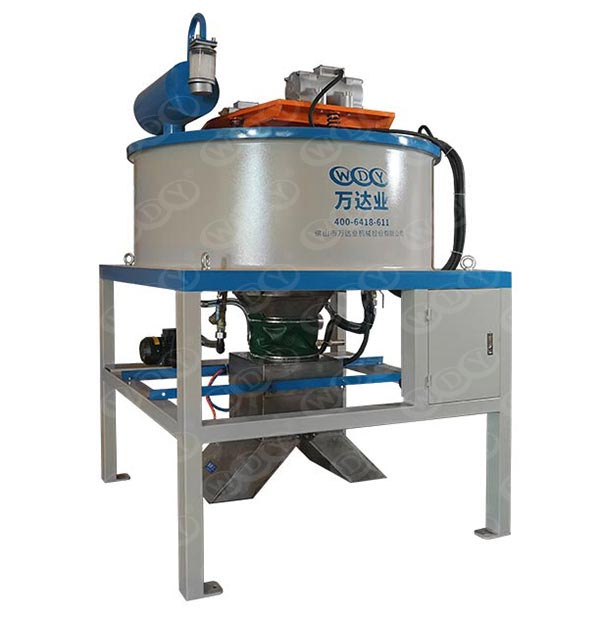
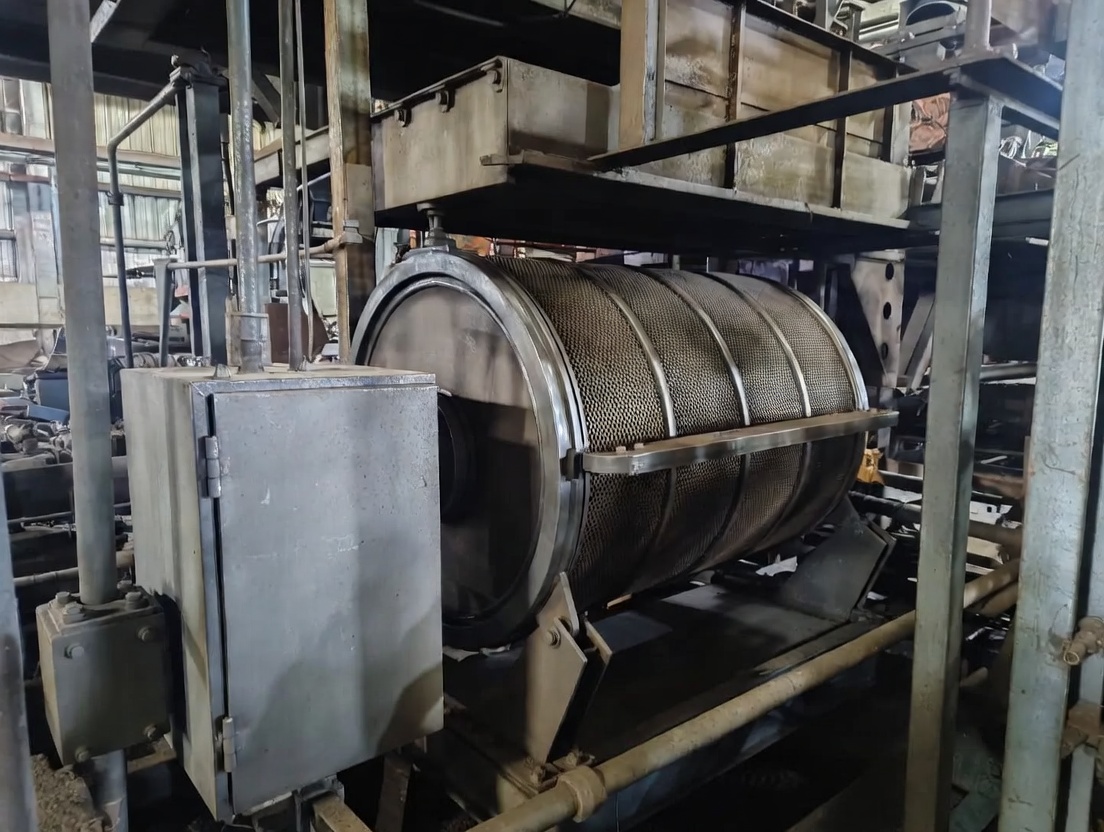
A drum magnetic separator is one of the most widely used pieces of magnetic separation equipment for handling bulk solids and slurries. It typically consists of a stationary internal magnetic system surrounded by a rotating non‑magnetic shell; ferrous particles are attracted to the magnetic separator drum surface and carried out of the product stream before being released as the drum rotates out of the magnetic zone.
Drum magnetic separator units can be designed as low‑intensity drums for tramp iron removal or as high‑intensity, alternating polarity drums for concentrating magnetic minerals and producing clean magnetic products. In mining and mineral processing, drum magnetic separator equipment is used to upgrade ores, remove magnetic gangue and recover valuable iron‑bearing minerals from crushed ore or milled pulp.
Manufacturers offer drum magnetic separator designs with permanent magnets or electromagnets, radial or axial pole configurations, and single or multi‑stage arrangements depending on capacity and separation objectives. Foshan Wandaye Technology Co., Ltd. can supply high‑gradient drum‑type magnetic separator solutions tailored for nonmetallic minerals, ceramic raw materials and fine iron removal in slurry systems.
Drum magnetic separator equipment can also be installed in wet and dry configurations. Dry drum magnetic separator units treat particles in air or under a small layer, ideal for coarse ores, while wet drum magnetic separator machines operate in a tank, handling slurries and enabling higher recovery of fine magnetic particles. This flexibility allows plants to select a magnetic separator arrangement that matches their particle size and moisture conditions.
Overband and Suspension Magnetic Separator
An overband magnetic separator, also called a cross‑belt or overbelt magnetic separator, is installed above conveyor belts to continuously remove tramp iron from moving material. This magnetic separator has a wide magnet block suspended over the belt and a self‑cleaning belt that carries captured metal away from the product stream and discharges it into a separate chute.
Overband magnetic separator equipment is heavily used in recycling plants, mining operations, cement plants and aggregate handling systems where large ferrous objects such as rebar, tools or bolts can damage crushers and screens. In some installations, simpler suspension magnets without self‑cleaning belts are used where tramp frequency is low and manual cleaning is acceptable.
By placing an overband magnetic separator at key transfer points, operators can significantly improve equipment safety and reduce downtime caused by unexpected metal entry. Foshan Wandaye Technology Co., Ltd. offers suspension and overband magnetic separator products that integrate into existing conveyors in mining, ceramics raw material handling and related applications.
To optimize performance, engineers must set the working gap, suspension height and belt speed of an overband magnetic separator correctly. Too high a mounting position reduces capture efficiency, while too low a position can interfere with material flow. A properly sized magnetic separator with adequate field strength and a suitable belt configuration will provide stable, long‑term tramp protection with minimal maintenance.
Magnetic Roll and Rare‑Earth Separator
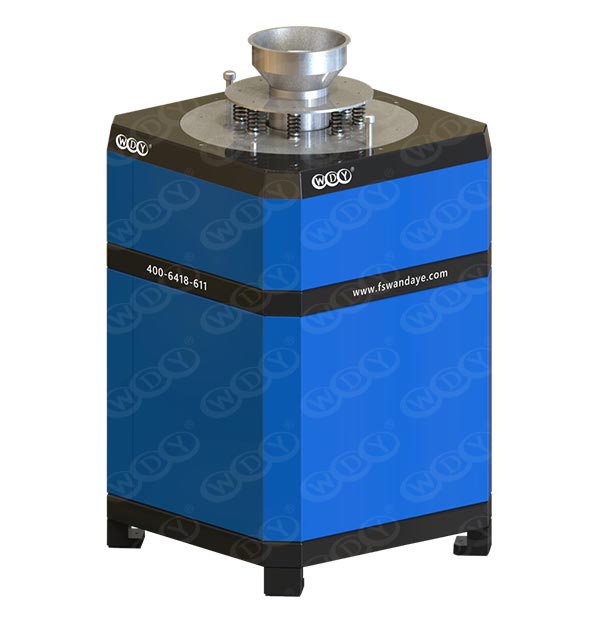
Magnetic roll separators use high‑intensity rare‑earth magnets arranged in a rotating roll to generate very strong surface fields for fine particle separation. Material is fed as a thin layer onto the roll; magnetic particles adhere to the magnetic separator roll surface and are carried further than non‑magnetic particles, which fall away earlier under gravity.
Rare‑earth roll magnetic separator machines are widely used for upgrading industrial minerals such as silica sand, feldspar, calcite, kyanite and beach sands by removing iron‑bearing minerals and concentrating weakly magnetic species. Compared with traditional low‑intensity separators, these high‑intensity magnetic separator designs provide better separation of fine and weakly magnetic particles at relatively small gaps.
Disc‑type magnetic separator equipment combines several high‑intensity electromagnetic discs to separate multiple magnetic fractions from complex mineral mixtures such as rutile‑zircon‑ilmenite sands. In advanced mineral processing lines, a combination of rare‑earth roll magnetic separator, disc separators and high‑gradient magnetic separator stages is used to achieve very precise multi‑product separation.
When selecting a roll‑type magnetic separator, factors such as roll diameter, belt material, magnetic pole configuration and feed rate must be matched to the ore characteristics. Plants often test samples on pilot magnetic separator units to optimize these parameters before full‑scale installation. Foshan Wandaye Technology Co., Ltd. can help users design such test programs and translate the results into reliable production‑scale magnetic separator solutions.
High‑Gradient Magnetic Separator (HGMS)
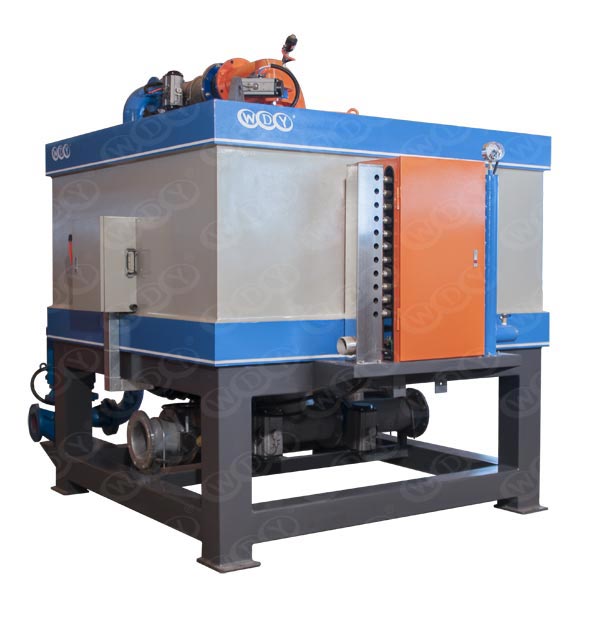
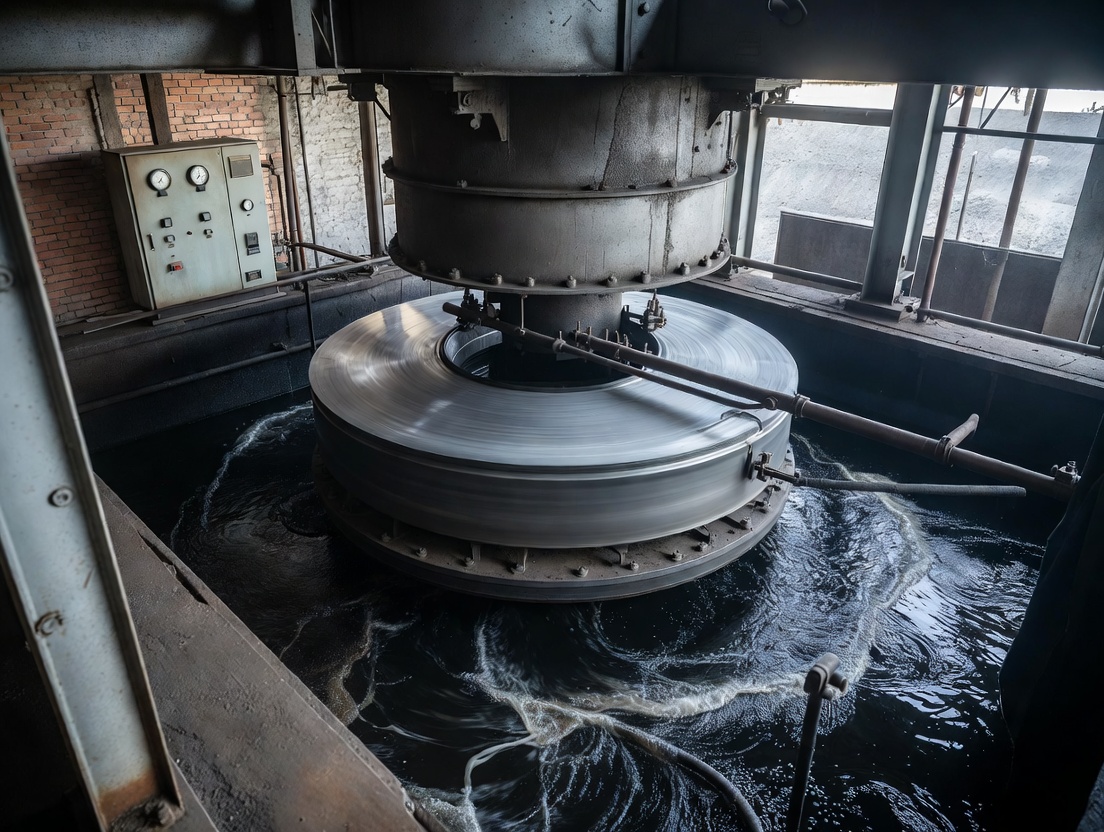
High‑gradient magnetic separation uses a strong magnetic field and a fine steel matrix to generate extremely high local field gradients that capture very weakly magnetic particles from slurries. A high‑gradient magnetic separator is particularly valuable when product purity targets are very strict or when the ore contains finely disseminated magnetic minerals that are difficult to recover with conventional machines.
In mining, high‑gradient magnetic separator systems recover weakly magnetic minerals such as hematite, limonite and garnet from non‑magnetic gangue, improving grade and yield. In the ceramics industry, a high‑gradient magnetic separator removes tiny iron contaminants from clay and slurry, enhancing whiteness and firing performance in tiles and sanitaryware.
Pharmaceutical and high‑purity chemical producers use compact, sanitary high‑gradient magnetic separator units to capture trace iron particles that could compromise product safety. Foshan Wandaye Technology Co., Ltd. focuses on high‑gradient magnetic separator technology for such applications, designing equipment that meets both performance and hygiene requirements.
In many designs, the matrix in a high‑gradient magnetic separator is periodically flushed to remove captured particles, either in batch cycles or in continuous self‑cleaning modes. The choice between vertical ring, horizontal ring or carousel configurations depends on slurry properties and capacity requirements. Correct selection and control of a high‑gradient magnetic separator allows users to achieve very low residual iron levels in sensitive products.
Magnetic Separator Equipment for Liquids and Slurries
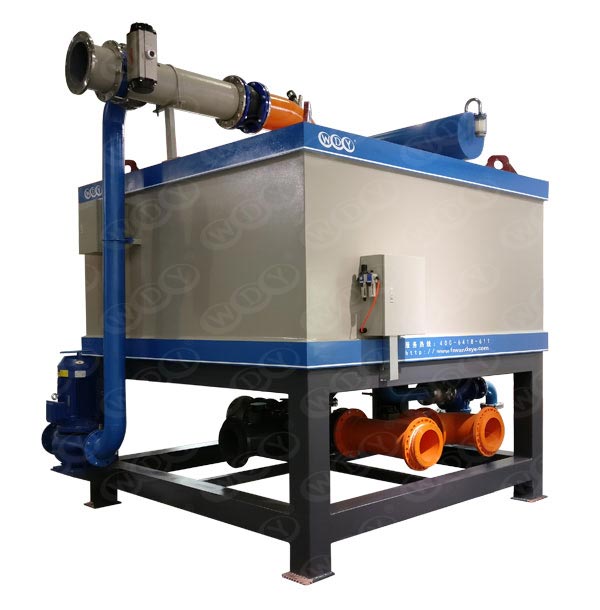
Liquid‑line and slurry magnetic separator equipment is installed inside pipelines to remove ferrous contamination from viscous liquids, emulsions and slurries. These magnetic separator designs typically use arrays of high‑intensity magnetic rods or probes placed directly in the flow path, creating strong capture zones as fluid moves around them.
In food, dairy and beverage processing, sanitary pipeline magnetic separator units remove metal fragments from chocolate, sauces, dairy products and other viscous liquids while maintaining hygienic standards. In mining and ceramics, robust slurry magnetic separator equipment handles abrasive mineral slurries, using wear‑resistant housings and strong magnets to capture iron under harsh conditions.
Advanced pipeline magnetic separator designs incorporate easy‑clean or automatic cleaning mechanisms that allow captured metal to be removed quickly without long production stops. Foshan Wandaye Technology Co., Ltd. provides liquid and slurry magnetic separator solutions for ceramic slips, mineral slurries and pharmaceutical intermediates, helping users maintain stable product quality and equipment protection.
When specifying a liquid‑line magnetic separator, engineers must consider line pressure, viscosity, flow rate and the acceptable pressure drop across the device. For thick, high‑solids slurries, a larger‑diameter housing and staggered magnetic separator rods are often used to maintain flow while still generating strong local magnetic fields. Properly designed, these magnetic separator units can significantly reduce downstream filter loading and equipment wear.
Magnetic Grids, Bars and Plate Magnetic Separator Units
Magnetic grids and bars are simple but highly effective magnetic separator elements used in hoppers, chutes and gravity feed lines. Stainless‑steel tubes filled with high‑strength magnets are arranged in frames so that material must pass close to the magnetic separator bars, enabling efficient capture of ferrous particles from powders, granules and flakes.
Plate‑type magnetic separator equipment uses flat or angled magnetic plates mounted in chutes or spouts to deflect and capture iron from flowing material. These plate and grid magnetic separator designs are widely used in food processing, plastics, chemicals and fine powder handling where compact, easy‑to‑clean solutions are needed.
Foshan Wandaye Technology Co., Ltd. can integrate magnetic separator grids, bars and plates into existing hoppers and pipelines in mining, ceramics and pharmaceutical plants to provide an extra safety layer against iron contamination. When combined with larger drum or overband magnetic separator units, these compact devices help achieve multi‑stage protection and high overall separation efficiency.
Grids and bars are usually designed for manual cleaning, where operators remove the magnetic separator assembly and wipe or scrape off accumulated metal. In higher‑throughput plants, quick‑release frames and easy‑clean designs help minimize downtime. By strategically placing these low‑profile magnetic separator units at key gravity feed points, plants can intercept contaminants that might bypass upstream equipment.
Auxiliary Equipment and System Integration
In real plants, a magnetic separator rarely works alone; it is part of a broader material handling and processing system. Feed hoppers, vibratory feeders, pumps, screens and conveyors all interact with magnetic separator equipment to ensure smooth, controlled material flow and adequate exposure to the magnetic field.
For example, vibratory feeders can spread material into a thin, even layer before it reaches a drum magnetic separator or roll separator, improving separation efficiency. In liquid systems, flow‑control valves and pressure indicators help keep conditions within the optimal window for a pipeline magnetic separator to function effectively.
Automation also plays a role. Many modern magnetic separator installations include sensors and control panels that monitor ferrous discharge, magnet temperature and cleaning cycles. By integrating the magnetic separator into a plant’s control system, operators can schedule automatic cleaning, generate alarms and record data for quality assurance and maintenance planning.
Foshan Wandaye Technology Co., Ltd. offers not only standalone magnetic separator units but also assistance in integrating them into complete lines. This includes advice on mounting structures, connection to existing control systems and coordination with filtration or classification stages. A well‑integrated magnetic separator system minimizes production bottlenecks and delivers consistent long‑term performance.
How to Choose the Right Magnetic Separator Equipment
Selecting appropriate magnetic separation equipment requires careful evaluation of process conditions and separation goals. Key factors include material type, particle size distribution, magnetic properties, required product purity, moisture content, flow rate, temperature, viscosity and available installation geometry.
For bulk tramp iron removal from conveyors or chutes, an overband magnetic separator or suspension magnet is usually the first choice. For mineral upgrading and concentration of magnetic ores, drum magnetic separator units, rare‑earth roll magnetic separator equipment and high‑gradient magnetic separator systems are commonly applied.
For slurries, emulsions and liquids, pipeline and slurry magnetic separator designs with high‑intensity rods or probes are more suitable, especially when combined with downstream filtration. Gravity lines, hoppers and small feed points benefit from compact grid, bar and plate magnetic separator units that can be easily cleaned and integrated into existing process steps.
In addition to technical performance, buyers should consider maintenance requirements, spare parts availability, energy consumption and total cost of ownership for each magnetic separator option. Consulting with experienced suppliers such as Foshan Wandaye Technology Co., Ltd. can help avoid over‑sizing or under‑sizing magnetic separator equipment and ensure that the chosen design aligns with future expansion plans.
How Foshan Wandaye Technology Co., Ltd. Supports Your Magnetic Separator Selection
Foshan Wandaye Technology Co., Ltd. specializes in tailoring magnetic separator solutions to the needs of mining, ceramics, pharmaceutical and related industries. The company’s engineers review process flows, contamination sources, capacity targets and layout limitations, then propose a combination of magnetic separator equipment that maximizes performance and cost‑effectiveness.
Typical project configurations may include an overband magnetic separator for conveyor protection, a high‑gradient drum magnetic separator for mineral purification and pipeline magnetic separator units for ceramic slip or pharmaceutical liquid purification. Foshan Wandaye Technology Co., Ltd. also focuses on ease of maintenance by designing magnetic separator products with accessible cleaning mechanisms and robust structures for long‑term operation.
Beyond standard models, the company offers customization services for magnetic separator equipment working under special conditions such as high temperature, corrosive environments or very high throughput. By combining strong magnetic circuits with optimized mechanical design, Foshan Wandaye Technology Co., Ltd. delivers magnetic separator solutions capable of continuous duty in demanding industrial environments.
By combining different types of magnetic separator equipment in a coordinated way, Foshan Wandaye Technology Co., Ltd. helps users achieve high product purity, reduced equipment wear, lower filter consumption and improved sustainability across the entire production line. This system‑level approach is particularly valuable for complex flows in mining, ceramics and pharmaceuticals where magnetic separation plays a central role.
Conclusion
A wide variety of equipment is used in magnetic separation, ranging from drum magnetic separator and overband units to rare‑earth roll magnetic separator, high‑gradient magnetic separator and specialized liquid‑line devices. Each magnetic separator type serves a specific purpose in removing ferrous and weakly magnetic contaminants from solids, powders, slurries and liquids in demanding industrial environments.
For mining, ceramics and pharmaceutical users, the best results come from combining multiple magnetic separator designs into a coherent system that matches the process flow and purity targets. Foshan Wandaye Technology Co., Ltd. provides professional support in selecting and integrating these magnetic separator solutions, helping global customers achieve safer, cleaner and more efficient operations.
Contact us to get more information!
FAQ
1. What are the most common types of magnetic separator equipment?
The most common types of magnetic separator equipment include drum magnetic separator, overband or cross‑belt magnetic separator, rare‑earth roll and disc separators, high‑gradient magnetic separator and various pipeline or slurry magnetic separator units. Each magnetic separator type is optimized for specific materials, capacities and installation positions in mining, ceramics, pharmaceuticals and other industries.
2. Which magnetic separator is best for conveyor belt tramp iron removal?
For conveyor belt tramp iron removal, plants typically install an overband magnetic separator or suspension magnet above the belt to continuously lift and discharge ferrous objects. This type of magnetic separator is rugged, self‑cleaning and widely used in mining, recycling, aggregates and cement plants to protect crushers and screens from damage.
3. What magnetic separator equipment is used for mineral processing?
Mineral processing circuits commonly use drum magnetic separator equipment, rare‑earth roll magnetic separator machines, high‑gradient magnetic separator systems and sometimes disc separators for multi‑stage separation. These magnetic separator units remove iron contamination, concentrate magnetic minerals and upgrade nonmetallic ores such as silica sand, feldspar and beach sands.
4. How do I choose a magnetic separator for liquids and slurries?
For liquids and slurries, you should select pipeline or slurry magnetic separator equipment with high‑intensity rods or probes and robust housings suited to the viscosity, temperature and abrasiveness of your fluid. In food, ceramics and mining applications, sanitary or wear‑resistant designs are important, and many plants combine these magnetic separator units with downstream filtration for final polishing.
5. Why work with Foshan Wandaye Technology Co., Ltd. for magnetic separation equipment?
Foshan Wandaye Technology Co., Ltd. focuses on designing and manufacturing magnetic separator and iron‑removal equipment for mining, ceramics, pharmaceuticals and other industries, offering high‑gradient and pipeline magnetic separator solutions matched to real process needs. By providing engineering support, customization and complete service, the company helps users select, install and maintain the right magnetic separator combinations to achieve long‑term performance and reliability.
Citations:
1. https://www.eclipsemagnetics.com/products/magnetic-separation-and-metal-detection/magnetic-separation/
2. https://dingsmagnets.com/different-types-of-magnetic-drums-and-how-they-are-used/
3. https://www.911metallurgist.com/equipments/magnetic-separators/
4. https://www.magnety.eu/overband-magnetic-separators/
5. https://osencmag.com/blog/magnetic-separator-types-guide/
6. https://www.wdymagnetic.com/how-to-build-a-high-gradient-magnetic-separator.html/
7. https://www.magnattackglobal.com/product/emulsion-and-slurry-pipeline-separator/
8. https://www.walkermagnet.com/blog/resource/separation-drum-type-magnetic-separators/
9. https://www.eriez.com/Products/Sample-Preparation/Magnetic-Separators/Dry-High-Intensity-Magnetic-Separators-DHIMS
10. https://www.newlandmag.com/magnetic-liquid-separator-the-ultimate-guide/
11. https://www.recyclingtoday.com/article/magnetic-equipment-guide—-magnetic-separators-large-diameter-magnetic-drum-separators/
12. https://www.prominetech.com/news/when-should-you-upgrade-to-high-gradient-magnetic-separation-hgms/
13. https://buntingmagnetics.com/product/magnetic-separation/liquid-magnetic-separator
14. https://www.goudsmitmagnetics.com/en-us/knowledge-base-magnetic-separator-types
15. https://buntingmagnetics.com/blog/magnetic-separators-for-mineral-processing
Hot Tags: Magnetic Separation Equipment, Types of Magnetic Separators, Industrial Magnetic Separation Machines, Magnetic Drum Separator Uses, Overband Magnetic Separator Applications, High Intensity Magnetic Separator Equipment, Magnetic Pulley Separator Systems, Wet Magnetic Separator Machines, Dry Magnetic Separator Equipment, Magnetic Separation Technology Machines