Content Menu
● Target Readers and Focus Keywords
● The History of Recycling: 5 Powerful Examples That Still Shape Today’s Industry
● Ancient Recycling Practices: When Scarcity Drove Smart Use of Resources
>> Evidence from Ancient Waste Dumps
>> Key Lessons From Ancient Recycling
● Plato and Early Written Records of Recycling
>> What This Tells Us About Early Societies
● Metal Recycling in Europe Before the Industrial Revolution
>> How Early Metal Recycling Worked
>> Lessons for Today’s Metal Recovery
● The “Dustman” Era: Turning Ash Into Bricks
>> Waste Collection as a Resource Business
>> Modern Parallels in Resource Recovery
● Peddlers, Secondary Goods, and the Rise of Organized Recycling
>> Informal but Effective Recycling Networks
>> Echoes in Modern Informal Recycling
● The Glass Bottle Deposit System Around 1800
>> Why Deposit Systems Worked So Well
>> Relevance of Deposit Systems Today
● Recycling During Wartime: A Strategic Necessity
>> Propaganda, Posters, and Public Mobilization
>> Communication Lessons for Modern Programs
● What Historical Recycling Teaches Modern Industry
>> Core Principles That Still Apply
● Modern Magnetic Separation in Recycling and Waste Management
>> Why Magnetic Separation Is Central to Today’s Recycling
>> Applications Across Key Industries
● Practical Steps to Build a Recycling Strategy Inspired by History
>> Step-By-Step Framework for Facilities
● Historical Recycling and Modern Practice Overview
● Call to Action: Turn Historical Insight Into Your Competitive Advantage
● Frequently Asked Questions (FAQ)
>> 1. When did recycling first start in human history?
>> 2. Why were metals recycled so actively before the industrial revolution?
>> 3. What was the role of “dustmen” in early recycling?
>> 4. How did early glass bottle deposit systems work?
>> 5. What can modern recycling learn from wartime campaigns?
Recycling is often described as a modern environmental solution, but humanity has been reusing materials for thousands of years.
From ancient civilizations to the industrial revolution, people have repeatedly turned scarcity into innovation, and those lessons are highly relevant to today’s circular economy and industrial waste management strategies.
Target Readers and Focus Keywords
This article is designed for professionals in recycling, waste management, mining, ceramics, pharmaceuticals, and manufacturing who want to understand how historical recycling practices can guide modern process optimization and equipment planning.
Primary keyword: history of recycling.
Secondary keywords: ancient recycling, industrial revolution recycling, glass bottle deposit system, recycling industry history, metal recycling, magnetic separation in recycling, waste management history, circular economy history.
The History of Recycling: 5 Powerful Examples That Still Shape Today’s Industry
The history of recycling is closely tied to the availability of resources and the cost of raw materials.
Whenever new materials became expensive or scarce, people found ways to reuse what they already had instead of discarding it as waste.
Understanding this long-term pattern helps businesses, governments, and recycling facilities design smarter and more efficient waste management systems today.
Ancient Recycling Practices: When Scarcity Drove Smart Use of Resources
Archaeological studies of ancient waste dumps show that, in difficult times, less household waste was thrown away.
Layers with fewer discarded items such as pottery, tools, and ash suggest that many of these materials were recovered, repaired, or recycled instead of being treated as rubbish.
Evidence from Ancient Waste Dumps
Researchers have found that during periods of war, famine, or economic hardship, the amount of broken tools and pottery in waste layers decreased.
This indicates that people were more careful, repairing items, repurposing broken pieces, or melting down metals for reuse rather than discarding them.
Materials were too valuable to waste, especially metals and ceramics, so recycling and reuse became a practical necessity rather than a choice.
Key Lessons From Ancient Recycling
Ancient societies show that recycling does not require modern technology, but it does require a clear understanding of material value.
Scarcity pushed people to extend the life of every item, from tools and vessels to building materials, which is exactly the mindset needed in modern circular economy planning.
Plato and Early Written Records of Recycling
Historical records indicate that recycling activities were mentioned as far back as Plato around 400 BC.
In his era, resource use, moderation, and the smart management of materials were already being discussed as part of broader social and economic thinking.
What This Tells Us About Early Societies
Recycling and reuse were part of everyday life, not special programs or government campaigns.
Material efficiency was associated with prudence and good governance, while wastefulness was seen as shortsighted and irresponsible.
The concept of a throwaway society is therefore a very recent historical development, emerging only with cheap mass production and disposable goods.
Metal Recycling in Europe Before the Industrial Revolution
Long before modern factories existed, scrap bronze and other metals were routinely collected and melted down for reuse in Europe.
Metal was expensive to mine and refine, so it made strong economic sense to recover it from broken tools, weapons, ornaments, and household items.
How Early Metal Recycling Worked
Craftspeople and foundries accepted scrap metal as feedstock and used it as a raw material for new production.
Damaged items were melted and cast into new tools, weapons, and components, creating a continuous loop of metal use and reuse.
Metal objects could go through multiple life cycles over decades or even centuries, passing through many hands and many different applications.
Lessons for Today’s Metal Recovery
In modern recycling plants, metal recovery operates on the same principle as historical scrap collection, but at industrial scale.
High quality metal streams support efficient remelting, lower energy consumption, and better product performance in downstream applications.
Efficiency now depends heavily on technologies such as magnetic separation, which enable fast, automated removal of ferrous metals from complex waste streams.
The “Dustman” Era: Turning Ash Into Bricks
The term “dustman” originates from workers who collected dust and ash from wood and coal fires in growing cities.
Instead of discarding this material, it was used as a base ingredient for brick making and other construction applications, creating an early form of industrial symbiosis.
Waste Collection as a Resource Business
Household ash and dust were systematically collected and sold as raw material to brickmakers and other producers.
This created an early form of organized waste management with built-in material recovery and value generation at multiple points in the chain.
The economic value of so-called waste justified labor, transport, and processing, proving that the right market can transform liabilities into assets.
Modern Parallels in Resource Recovery
Today, many recycling companies treat mixed municipal waste and industrial by-products as potential sources of secondary raw materials.
Efficient separation, including the use of magnetic separation and other sorting technologies, determines whether these materials can be upgraded and sold rather than landfilled.
This approach reduces disposal costs, protects the environment, and supports long-term resource security.
Peddlers, Secondary Goods, and the Rise of Organized Recycling
As the industrial revolution progressed, peddlers became important players in what would now be called the recycling supply chain.
These traders moved across city streets and dumps, buying or collecting discarded machinery, cooking pots, pans, and other metal items for resale or processing.
Informal but Effective Recycling Networks
Peddlers acted as mobile collection points between households and metal processors, connecting small, scattered waste sources to larger-scale users.
They identified value in items that others saw as waste, earning a living by spotting opportunities in discarded material.
Their activities helped keep large quantities of metal and other materials in circulation, reducing demand for new raw resources and supporting local economies.
Echoes in Modern Informal Recycling
This system resembles many modern informal recycling economies, where individual collectors and small businesses play a crucial role in gathering recyclable materials.
By integrating these networks with formal recycling and processing facilities, regions can achieve higher recovery rates and better social outcomes.
The Glass Bottle Deposit System Around 1800
Around 1800, some drinks manufacturers, notably Schweppes, introduced glass bottle recycling programs with refundable deposits.
Customers paid a small deposit when buying bottled drinks and received it back when the bottles were returned, encouraging repeated reuse of the same containers.
Why Deposit Systems Worked So Well
Bottles were designed to be sturdy and reusable many times, supporting a genuine closed-loop system.
Financial incentives encouraged customers to return packaging instead of discarding it, aligning consumer behavior with manufacturers’ cost-saving goals.
Manufacturers reduced costs by washing and refilling existing glass rather than producing new containers, saving energy and raw materials in the process.
Relevance of Deposit Systems Today
Deposit return schemes are still used for bottles and cans in many regions, proving the long-term effectiveness of this early recycling concept.
Modern digital tools and tracking systems can further improve return logistics, fraud prevention, and consumer engagement.
Recycling During Wartime: A Strategic Necessity
In times of war, even the wealthiest nations faced material shortages and turned aggressively to recycling as a strategic tool.
Governments encouraged citizens to donate metal, rubber, and other materials to support military production and essential industries.
Propaganda, Posters, and Public Mobilization
Historic posters and campaigns from major conflicts showed how seriously material recovery was taken by state authorities.
Citizens were urged to collect scrap metal, paper, and rubber, with messaging that linked recycling directly to national security and victory.
This period demonstrated that when the stakes are high enough, societies can rapidly scale up resource recovery and change public behavior in a short time.
Communication Lessons for Modern Programs
Modern recycling initiatives can learn from wartime campaigns by using clear messages, strong incentives, and a shared sense of purpose.
Effective communication helps bridge the gap between policy objectives and everyday behavior at household and industrial levels.
What Historical Recycling Teaches Modern Industry
The history of recycling offers several powerful lessons for today’s circular economy and waste management systems.
Core Principles That Still Apply
Scarcity drives innovation, and when resources are limited or expensive, recycling becomes an economic imperative rather than a purely environmental choice.
Waste only becomes a problem when organizations fail to see its material and commercial value.
Infrastructure, from dustmen to bottle depots, makes recycling possible, and modern equivalents include transfer stations, sorting lines, and advanced separation systems.
Technology multiplies impact by enabling higher recovery rates, better quality control, and more efficient operations across the recycling chain.
Modern Magnetic Separation in Recycling and Waste Management
While past generations relied on manual sorting and small-scale melting, modern recycling plants depend on advanced separation technologies to handle large, complex waste streams.
Why Magnetic Separation Is Central to Today’s Recycling
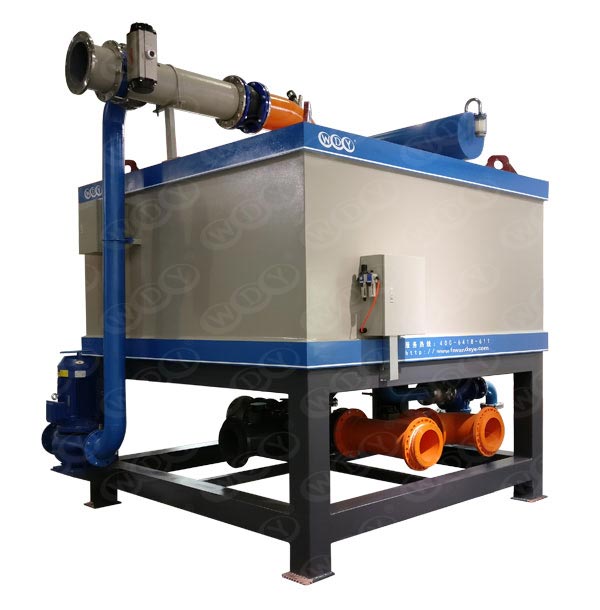
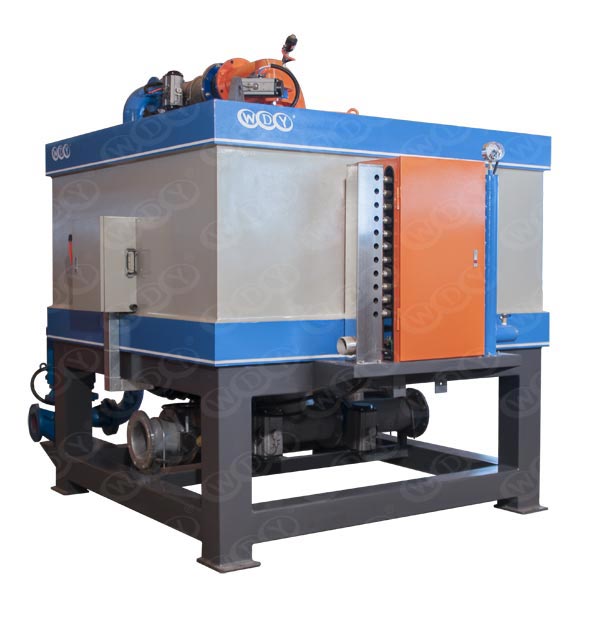
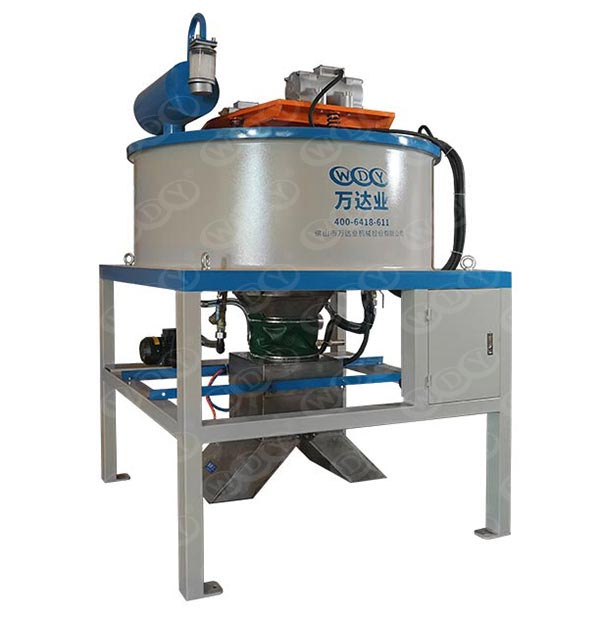
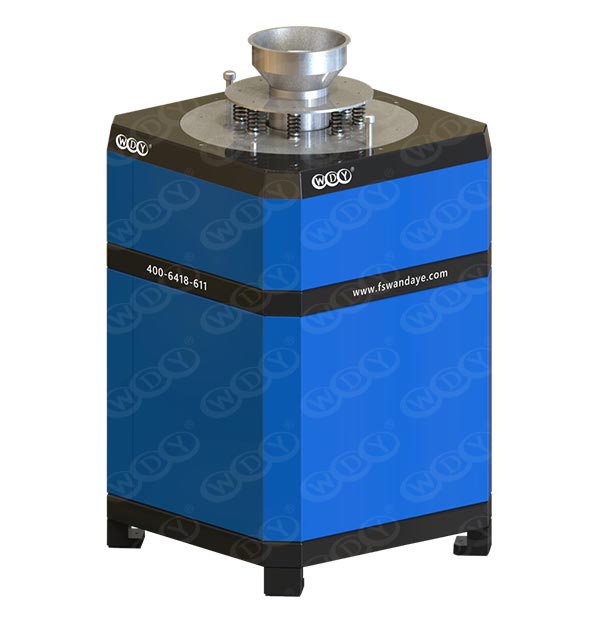
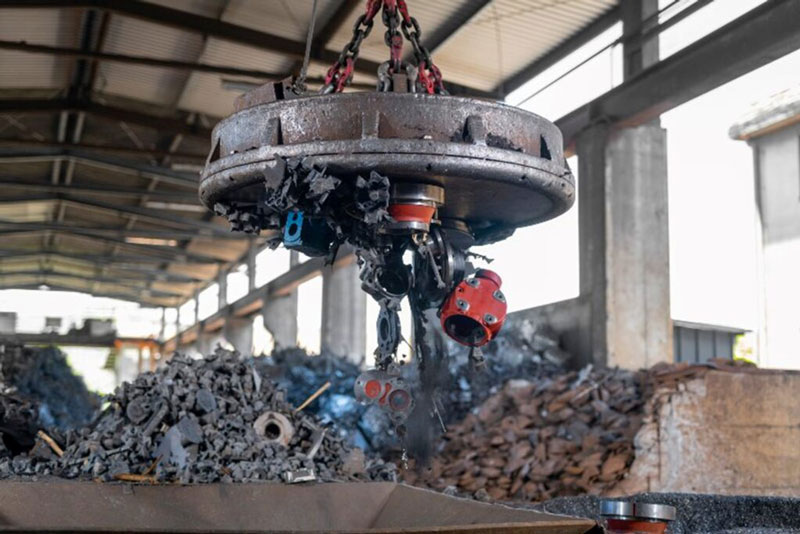
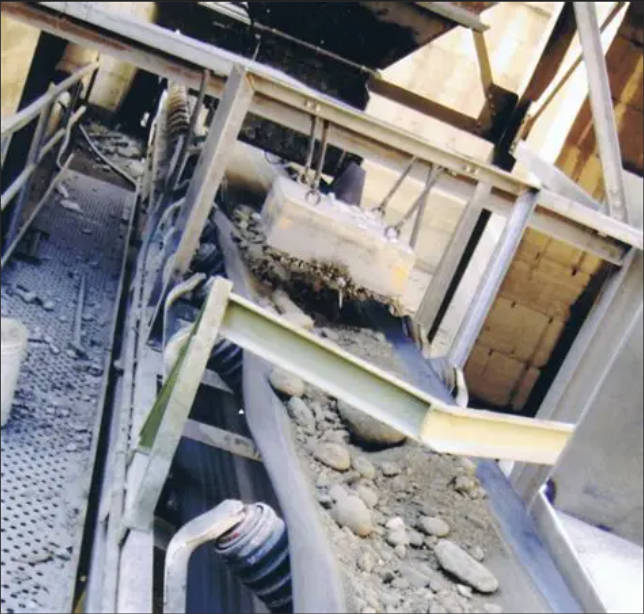
Magnetic separation equipment allows facilities to efficiently remove ferrous metals from mixed materials such as municipal solid waste, construction and demolition debris, and industrial process streams.
It is also widely used in sectors like mining, ceramics, and pharmaceuticals, where even small levels of metal contamination can damage equipment or compromise product quality.
Accurate metal separation delivers higher product purity, reduced equipment wear, increased recovery of recyclable metals, and lower disposal costs.
Applications Across Key Industries
In mining, magnetic separators help upgrade ore quality, remove unwanted ferrous particles, and recover valuable iron-bearing minerals from tailings.
In ceramics, they remove ferrous contamination that could cause defects, black spots, or damage to kilns and processing equipment.
In pharmaceuticals, high-intensity magnetic separators capture fine ferrous fragments, protecting both sensitive equipment and end-user safety.
Practical Steps to Build a Recycling Strategy Inspired by History
Businesses and facilities can apply historical lessons to modern operations by designing recycling strategies that balance economics, technology, and sustainability.
Step-By-Step Framework for Facilities
1. Map your material flows.
Identify where raw materials enter, where waste is generated, and which by-products have potential value for internal reuse or external sale.
2. Classify recyclable fractions.
Separate streams such as metals, plastics, glass, organics, and special contaminants to create clear targets for recovery and treatment.
3. Introduce efficient separation technology.
Use appropriate magnetic separators, screens, and sorting equipment to recover high-value materials and protect downstream processes.
4. Design incentives and processes.
Take inspiration from bottle deposit schemes to encourage returns, internal segregation, and clean collection within your organization or supply chain.
5. Measure and optimize over time.
Track recovery rates, contamination levels, and cost savings, then adjust your system for higher efficiency, better quality, and improved sustainability metrics.
Suggested Visuals to Insert
To further improve visual engagement and understanding, consider inserting the following visuals in your page layout.
A timeline infographic titled “History of Recycling from Ancient Times to Today” placed near the top after the introduction.
An illustration or historical photo of dustmen collecting ash, placed in the “Dustman Era” section.
Vintage wartime recycling posters to visually support the wartime recycling section.
A process diagram of a modern recycling plant with magnetic separation points clearly highlighted.
A comparative graphic based on the summary table below, showing “Then vs Now – Recycling Methods and Technologies”.
Historical Recycling and Modern Practice Overview
| Aspect | Historical Recycling Practices | Modern Recycling and Separation Practices |
|---|---|---|
| Main driver | Resource scarcity and high material cost | Sustainability goals, regulation, and cost optimization |
| Key actors | Households, peddlers, dustmen, small foundries | Industrial recyclers, material recovery facilities, manufacturers, municipalities |
| Typical materials | Metals, glass bottles, ash, pottery | Mixed municipal waste, metals, plastics, glass, e-waste, organics |
| Collection systems | Door-to-door peddlers, bottle deposits, ash collection | Centralized collection, sorting lines, automated systems |
| Technology level | Manual sorting, melting, simple reuse | Magnetic separation, eddy current systems, optical sorting, automation |
| Policy and incentives | Informal trade, deposits, wartime campaigns | Extended producer responsibility, recycling targets, tax and regulatory incentives |
| Strategic goal | Keep valuable materials in use | Build a circular economy and reduce landfill and emissions |
Call to Action: Turn Historical Insight Into Your Competitive Advantage
History makes one thing clear, recycling becomes indispensable whenever materials truly matter.
Today, rising resource costs, environmental expectations, and stricter regulations mean that efficient recycling and metal separation are strategic necessities for industrial operations.
If your facility handles mining outputs, ceramic materials, pharmaceutical products, or mixed industrial waste, now is the ideal time to evaluate how high-performance magnetic separation can improve product purity, increase metal recovery, and reduce operating risk.
Contact our technical team today to discuss your material streams, process challenges, and performance targets, and we will help you design or upgrade a tailored magnetic separation solution that brings historical lessons into your modern production line.
Contact us to get more information!
Frequently Asked Questions (FAQ)
1. When did recycling first start in human history?
Recycling-like behavior existed in ancient societies, where fewer broken tools and pottery were thrown away during periods of scarcity and people repaired or reused items instead of discarding them.
2. Why were metals recycled so actively before the industrial revolution?
Metals such as bronze were expensive and labor-intensive to produce, so collecting and melting scrap for reuse was both economical and practical for early European societies.
3. What was the role of “dustmen” in early recycling?
Dustmen collected ash and dust from wood and coal fires, which were then used as raw material in brick making and other construction products, turning household waste into industrial feedstock.
4. How did early glass bottle deposit systems work?
Drinks manufacturers charged a small deposit on glass bottles and refunded it when customers returned the empties, enabling bottles to be washed, refilled, and reused many times in a closed-loop system.
5. What can modern recycling learn from wartime campaigns?
Wartime recycling campaigns proved that clear communication, strong incentives, and a shared sense of purpose can dramatically increase material recovery rates within a short period of time.
Citations:
1. https://buntingmagnetics.com/blog/5-examples-recycling-history
Hot Tags: Recycling In History, Examples Of Recycling, Example Of Recycling, Recycling Examples, History Of Recycling Practices, Early Recycling Methods, Recycling In Ancient Civilizations, Historical Waste Reuse Techniques, Evolution Of Recycling Processes, Sustainable Recycling Practices