Content Menu
● How This Ranking of Electromagnetic Iron Remover Manufacturers Was Developed
>> Data and feedback sources behind the rankings
>> Key evaluation metrics used for supplier comparison
>> Common gaps in existing online content
● What Cambodian Customers Really Care About in Iron Removal Equipment
>> Stable operation in hot, humid and dusty environments
>> Ease of installation and everyday maintenance
>> Local service, spare parts and effective communication
>> Price versus lifetime value in Cambodian plants
● Tiered View of Electromagnetic Iron Remover Manufacturers and Suppliers in Cambodia
>> Supplier tiers and typical positioning
>> Tier 1 – High‑reliability, engineering‑driven manufacturers
>> Tier 2 – Cost‑effective options for small and medium plants
>> Tier 3 – Niche and emerging suppliers
● Case Studies from Cambodian Plants
>> Cement plant reducing crusher failures and downtime
>> Ceramics factory improving whiteness and defect rates
>> Quarry automating manual iron removal
● Practical Buyer’s Guide for Cambodian Procurement Teams
>> Step‑by‑step selection process
>> Key questions to ask during RFQ and technical meetings
>> When to work with an engineering‑driven partner like Wandaye
● Call to Action for Cambodian Industrial Buyers
>> FAQ 1 – How does an electromagnetic iron remover differ from a permanent magnet?
>> FAQ 2 – When should I choose an iron‑removal cabinet instead of an over‑belt magnet?
>> FAQ 3 – How can I estimate the payback period for upgrading my iron removal system?
>> FAQ 4 – What should I look for in a supplier’s service package?
>> FAQ 5 – Is it worth involving a specialized engineering company for design and installation?
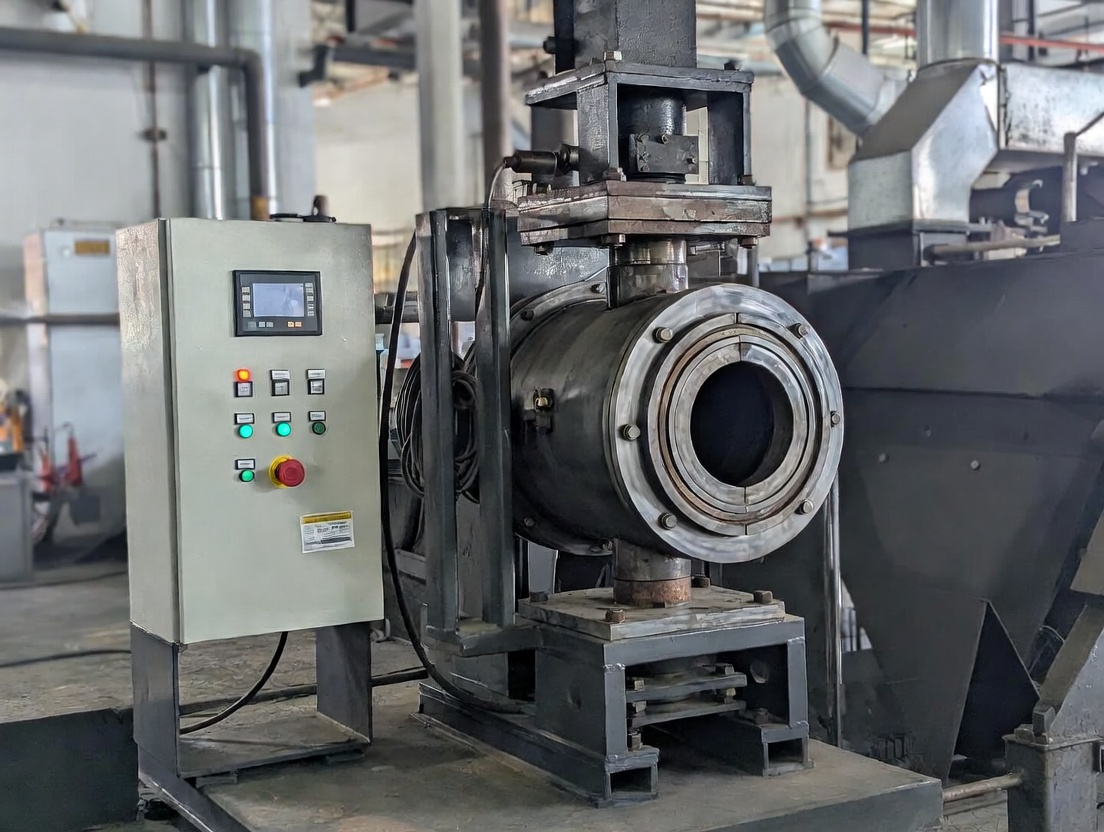
In Cambodia’s fast‑growing industrial zones, electromagnetic iron removers and iron‑removal cabinets are now core equipment for cement, mining, ceramics, glass, power, environmental protection, plastics, pharmaceuticals, food and battery materials lines. For plant managers and procurement engineers, choosing the right electromagnetic iron remover manufacturer in Cambodia is no longer only about initial price. It directly affects uptime, product quality, maintenance costs and safety.Based on real project experience in Southeast Asia and feedback from Cambodian users and engineering partners, this article explains how local buyers actually evaluate suppliers, what real customer experiences look like and how different tiers of manufacturers compare. It also shows where an engineering‑driven company such as Foshan Wandaye Technology Co., Ltd fits into modern Cambodian projects.
How This Ranking of Electromagnetic Iron Remover Manufacturers Was Developed
A ranking is only useful if you understand how it is built. Most “top manufacturer” articles online simply repeat catalog claims. In contrast, this guide follows the same logic that experienced Cambodian buyers and engineers use when shortlisting vendors.
Data and feedback sources behind the rankings
In practice, decision‑makers in Cambodia focus on three types of information. First, operational data from existing lines: unplanned downtime hours linked to iron removal failures, number of trips, mean time between failures of iron removers and iron‑removal cabinets. Second, production and quality data: scrap and rejection rates caused by metal contamination in clinker, aggregates, ceramics body, glass sand, powders and slurries. Third, service and communication records: onsite response times, spare‑parts delivery cycles and the quality of installation, training and remote support.When engineers in Phnom Penh or Sihanoukville talk about iron removal, they usually start with downtime histories and service stories rather than gauss numbers on paper.
Key evaluation metrics used for supplier comparison
To turn this real‑world feedback into a structured ranking, four main metrics are used. The first is reliability and uptime. The question is whether the equipment can withstand local heat, humidity, dust and power fluctuations without constant trips or coil failures. The second is separation performance. Buyers look at whether the system removes tramp iron and fine metal pieces effectively at real belt speeds and tonnages. The third is service and local support. Here they focus on how quickly suppliers respond, whether local partners exist and how easy it is to obtain spare parts. The fourth is total cost of ownership. This includes energy consumption, maintenance labour, spare‑parts cost and avoided damage to crushers, mills and downstream equipment over five to ten years.Instead of comparing only purchase prices, procurement teams map each manufacturer against these four pillars and then decide which tier they belong to.
Common gaps in existing online content
Most existing content about magnetic separators and iron removers is either a thin brand list or a technical brochure. Very few articles discuss how equipment behaves in Cambodia‑specific conditions such as monsoon humidity, high temperatures and unstable power. Practical checklists for RFQs and supplier interviews are often missing. This article fills those gaps by focusing on real customer concerns, decision metrics and actionable steps that B2B buyers can use immediately.
What Cambodian Customers Really Care About in Iron Removal Equipment
Stable operation in hot, humid and dusty environments
Conveyor lines in Cambodia often run in semi‑open structures with high ambient temperatures, heavy dust and seasonal humidity. In this environment, good electromagnetic iron removers need robust coil design, effective cooling and sealed enclosures. Control cabinets must handle local voltage variations and provide proper protection for sensitive components.Maintenance teams frequently describe units that run for months without nuisance trips as more valuable than theoretical high‑gauss designs that overheat or trip frequently. For them, stable operation during peak production is the top priority.
Ease of installation and everyday maintenance
Many plants rely on in‑house electricians and mechanics with strong practical skills but limited exposure to complex automation systems. They prefer clear drawings, simple mounting structures, easy belt tension adjustment and straightforward access to coils and cleaning zones. Installation manuals and troubleshooting guides in clear English, sometimes supported by visual aids, significantly reduce commissioning time and avoid mistakes.If an iron remover design is too complex, requires specialized tools or demands that an overseas engineer visit for every small issue, Cambodian users quickly lose confidence in that supplier.
Local service, spare parts and effective communication
For electromagnetic iron remover manufacturers and suppliers operating in Cambodia, local support is a decisive factor. Buyers want to know whether there is a local agent or service technician who can travel to site within a reasonable time window. They ask where key spare parts are stored and how long it typically takes to receive coils, belts or control components. Strong communication via phone, email and messaging apps, combined with clear escalation paths, is often what differentiates long‑term partners from one‑off vendors.Suppliers that provide structured training sessions for operators and maintenance personnel build trust more quickly and see more repeat business in the region.
Price versus lifetime value in Cambodian plants
Some projects still focus on the lowest quotation. However, more mature Cambodian buyers now estimate the cost of downtime per hour, the number of tramp‑iron incidents per year and the resulting damage to crushers, mills and belts. They then compare those figures with the cost of a more advanced solution.When the numbers are clear, higher‑quality electromagnetic iron removers and iron‑removal cabinets from reliable manufacturers often deliver a short payback period through reduced downtime and fewer emergency repairs. The conversation shifts from “cheapest unit” to “best lifetime value”.
Tiered View of Electromagnetic Iron Remover Manufacturers and Suppliers in Cambodia
Rather than a rigid ranking from one to ten, a tiered approach reflects how real buyers shortlist suppliers. The table below summarizes the positioning.
Supplier tiers and typical positioning
Tier 1 manufacturers offer high reliability and strong engineering capability. They are usually chosen for large cement, mining, glass, ceramics and battery material lines where downtime is very expensive. Tier 2 suppliers focus on cost‑effective solutions with simpler designs. They are common in small and medium quarries, brick plants and basic building materials lines. Tier 3 suppliers are niche or emerging players that concentrate on high‑temperature, corrosive or advanced material applications.
Tier 1 – High‑reliability, engineering‑driven manufacturers
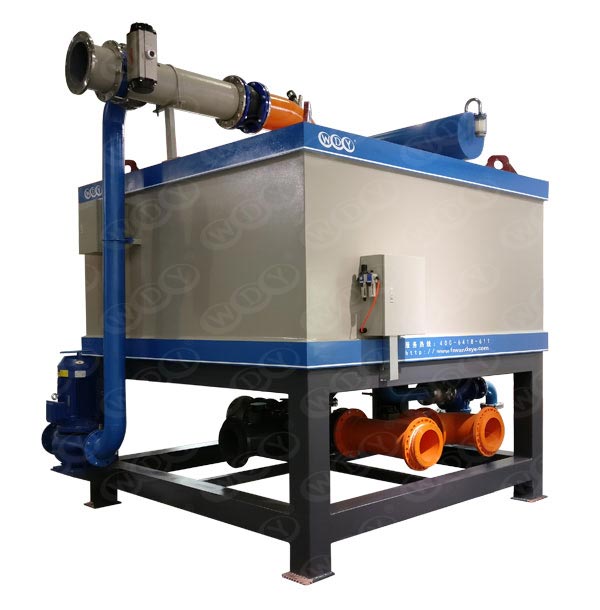
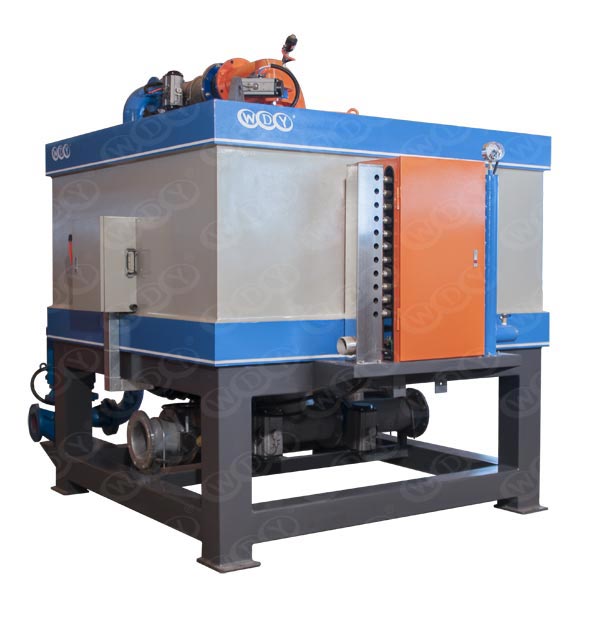
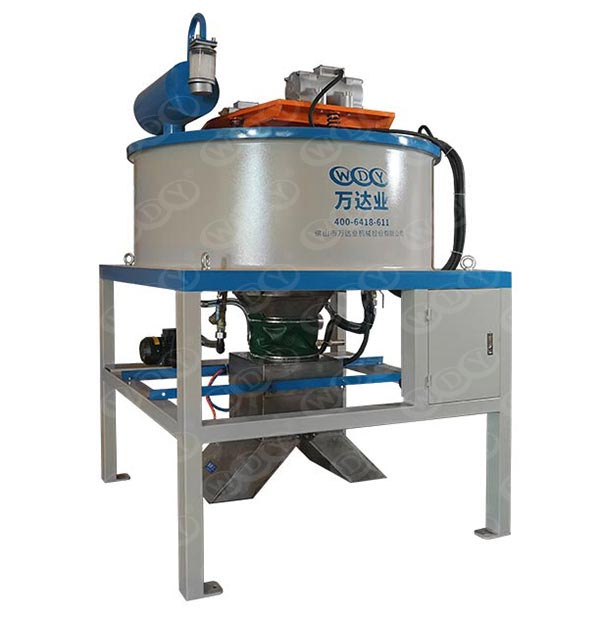
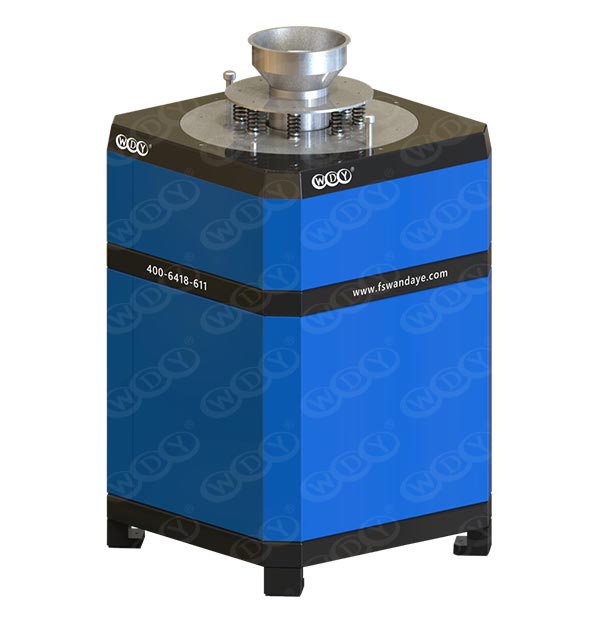
FLSmidth – Heavy‑Duty Leader for Cement and Mining can be seen as a typical heavy‑duty leader for cement and mining applications. Its portfolio includes electromagnetic iron removers designed for high throughput and large tramp iron, with strong focus on robust mechanical structure and heavy‑duty duty cycles. Their engineering teams support complex conveyor layouts, transfer points and integration with metal detectors and other protection devices. Large plants often praise predictable performance and well‑documented preventive maintenance guidance.Foshan Wandaye Technology Co., Ltd stands out as a specialist in high‑precision and multi‑industry solutions. It is a professional magnetic separation equipment manufacturer that combines research and development, engineering design, production line installation and commissioning into one integrated service. The company offers electromagnetic iron removers for belt conveyors and chutes, iron‑removal cabinets for pipelines and process protection and other magnetic separation systems.Wandaye’s solutions are widely applied in mining and mineral processing, ceramics, glass and building materials, power and environmental protection, rubber and plastics, pharmaceuticals and food, as well as positive and negative electrode materials for batteries. For Cambodian projects, the main strengths are application‑specific engineering for fine and high‑purity iron removal, full‑project capability from concept to commissioning and experience with cross‑border projects where equipment is manufactured in China and installed in Southeast Asia.For EPC contractors and plant owners who require tailored solutions rather than catalog items, Wandaye fits naturally into the Tier 1 group.
Tier 2 – Cost‑effective options for small and medium plants
Jiangxi Victor International Mining Equipment Co., Ltd – Budget‑Friendly Workhorse for Small and Medium Plants represents a budget‑friendly workhorse category. Such suppliers offer standardized electromagnetic iron removers with simple, proven designs and attractive pricing. They typically serve quarries, brick plants and mid‑size building materials factories. Support is often delivered through local agents. For moderate capacity and purity requirements, this tier can be a reasonable compromise between performance and cost.Local Cambodian Distributor Brand (importing from Chinese and Thai OEMs) operates as a local distributor brand. The company uses its own brand while sourcing equipment from multiple overseas manufacturers. Advantages include fast communication with local customers, onsite visits and spare parts held in domestic stock. However, product performance, documentation and long‑term consistency depend heavily on the original equipment manufacturers behind each model. B2B buyers should always ask for clear origin and technical details before buying.
Tier 3 – Niche and emerging suppliers
Local Cambodian Distributor Brand (importing from Chinese and Thai OEMs) focuses on high‑temperature and corrosive environments. Typical examples include clinker handling at temperatures that would damage standard designs, or corrosive and hygienic processes that require stainless steels and specialized coatings. These suppliers may not be visible in all sectors, but they can be the best match when process conditions are unusual and demanding.STEINERT GmbH – Specialist for High‑Temperature and Corrosive Processes is a newcomer in battery and advanced materials. These suppliers concentrate on positive and negative electrode materials, advanced ceramics and specialty powders. Before committing to them, buyers should carefully evaluate references in similar applications, review test reports, process documentation and confirm their ability to support factory acceptance tests and onsite optimisation in Cambodia.
Case Studies from Cambodian Plants
Cement plant reducing crusher failures and downtime
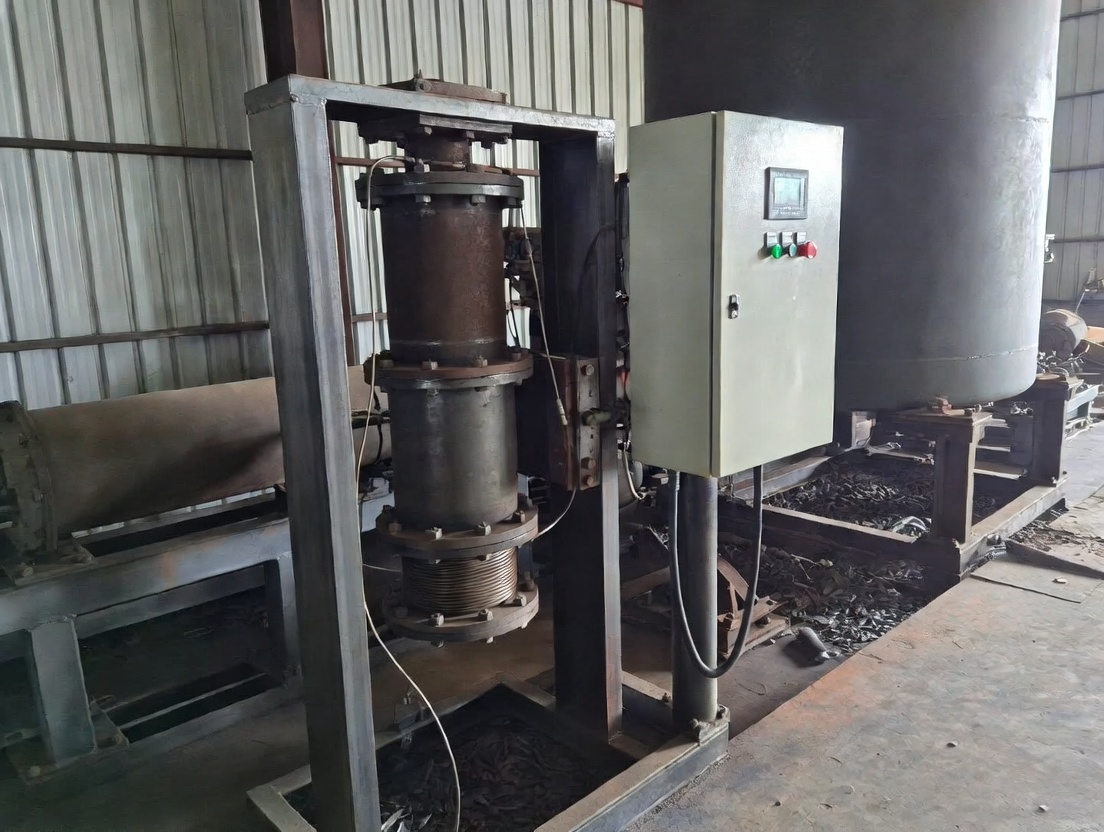
A cement producer near Phnom Penh suffered frequent damage to a primary crusher due to tramp iron in the limestone feed. The existing magnet caught large scrap but often missed smaller dense pieces. After upgrading to a Tier 1 electromagnetic iron remover with improved magnetic coverage and optimised installation height, unplanned shutdowns decreased significantly. The plant also reported reduced spare‑parts consumption and repair costs. The payback period for the upgrade was roughly one year, driven primarily by recovered production time.
Ceramics factory improving whiteness and defect rates
An export‑oriented ceramics factory supplying tiles and sanitary ware faced strict limits on black spots and surface defects. Fine metal contaminants in body and glaze materials were a recurring problem. The factory adopted high‑precision electromagnetic iron removers and iron‑removal cabinets similar to those offered by Foshan Wandaye Technology Co., Ltd. After commissioning, the plant captured much finer iron particles, saw a clear drop in defect rates and achieved more stable whiteness levels, helping it pass audits from overseas buyers more easily.
Quarry automating manual iron removal
A quarry supporting infrastructure projects originally used manual metal picking and a simple permanent magnet. This approach produced inconsistent protection for crushers and exposed workers to safety risks. By installing a self‑cleaning electromagnetic iron remover from a cost‑effective Tier 2 supplier, the quarry reduced manual handling of metal, improved operator safety and stabilised feed conditions for crushers. During peak demand periods, the line was able to maintain higher throughput thanks to fewer stoppages.
Practical Buyer’s Guide for Cambodian Procurement Teams
Step‑by‑step selection process
A structured process helps avoid costly mistakes. First, define your process conditions and risk level. List the material type, belt width, capacity, operating temperature, humidity and the financial impact of one hour of downtime. Second, shortlist suppliers from different tiers. At minimum, include one engineering‑driven partner such as Foshan Wandaye Technology Co., Ltd and one cost‑effective supplier. Third, request detailed proposals that address your specific materials and layout, not just standard catalog pages.Fourth, evaluate service capability and local presence. Ask how onsite service is delivered, what training is provided for your team and where spare parts are stored for fast delivery. Finally, compare total cost of ownership. Consider not only purchase price, but energy usage, spare‑parts costs and the expected reduction in downtime and equipment damage over several years.
Key questions to ask during RFQ and technical meetings
Some questions should appear in every RFQ. Ask each supplier which projects in Cambodia or neighbouring countries they have completed that are similar to your own. Request typical response times for breakdowns and clarification on remote support options. Confirm whether they can customise for your layout, including limited space or multi‑level conveyors. Check where critical spare parts are located and how quickly they can be shipped to your site.
When to work with an engineering‑driven partner like Wandaye
A specialised engineering partner is particularly valuable when you handle high‑purity or high‑value materials such as ceramics, glass raw materials, pharmaceuticals, food or battery electrode materials. It is also important when you are designing or upgrading a complete line, where iron removal must integrate with upstream and downstream processes. In these cases, working with a company like Foshan Wandaye Technology Co., Ltd, which combines research, design, manufacturing and commissioning, can significantly reduce integration risks and hidden costs over the life of the project.
Call to Action for Cambodian Industrial Buyers
If you are planning a new line or modernising an existing plant in Cambodia, now is the time to review your iron removal strategy. Start by quantifying your current tramp‑iron incidents and the real cost of downtime. Compare your existing equipment with the best practices and supplier tiers described in this guide.For projects in mining, cement, ceramics, glass, power, environmental protection, rubber, plastics, pharmaceuticals, food and positive or negative electrode materials, consider discussing your needs with an engineering‑driven supplier such as Foshan Wandaye Technology Co., Ltd. The right combination of electromagnetic iron remover, iron‑removal cabinet and integrated design can protect critical machinery, improve product quality and strengthen your position in Cambodia’s competitive industrial market.
Contact us to get more information!
Frequently Asked Questions
FAQ 1 – How does an electromagnetic iron remover differ from a permanent magnet?
Electromagnetic iron removers use a powered coil to generate a strong, controllable magnetic field that can be switched on or off and tuned to the application. Permanent magnets rely on fixed magnet blocks with constant strength. Electromagnetic units are generally better for high‑capacity or demanding lines, while permanent magnets are often used for simpler, lower‑risk applications.
FAQ 2 – When should I choose an iron‑removal cabinet instead of an over‑belt magnet?
Iron‑removal cabinets are ideal for closed pipelines and process lines where powders, granules or slurries must meet strict purity requirements. Material flows through a housing containing magnetic elements. Over‑belt magnets are mounted above open conveyors and are more suitable for bulk materials such as crushed stone, clinker or coal.
FAQ 3 – How can I estimate the payback period for upgrading my iron removal system?
To estimate payback, calculate your cost per hour of downtime and the yearly number of stoppages and failures caused by tramp iron. Include the cost of spare parts and repairs related to metal damage. Compare this total with the additional investment and operating cost of an upgraded system. Many plants achieve payback within one to two years when downtime and damage are reduced significantly.
FAQ 4 – What should I look for in a supplier’s service package?
Key points include warranty duration and coverage, availability of onsite commissioning, structured training for operators and maintenance staff, guaranteed response times, remote support channels and clear spare‑parts stocking strategies. A supplier with transparent and robust service commitments is more likely to deliver reliable performance over time.
FAQ 5 – Is it worth involving a specialized engineering company for design and installation?
For complex lines or high‑value materials, working with a specialized engineering company is usually worth the investment. An experienced provider such as Foshan Wandaye Technology Co., Ltd can help specify, position and tune electromagnetic iron removers and iron‑removal cabinets correctly. This reduces integration risks, avoids repeated modifications and cuts hidden lifecycle costs.
References
1. Magnetic Separator Components Selection Guide – [GlobalSpec:]
2. Magnetic Separator Manufacturers in Cambodia – [Example Supplier Page:]
3. Foshan Wandaye Technology Co., Ltd – [Company and Product Information:]
4. General Industrial Energy and Reliability Guidance – [Energy‑Related Resources: ]
5. Iron‑[Related Industrial Demand and Trade Listings for Cambodia: ]
Hot Tags: Electromagnetic Iron Remover, Manufacturers, Customized, Custom, Suppliers, Buy, Cheap, Quality, Advanced, Durable, in Stock, Made in China, Price, Quotation