Content Menu
● Key Evaluation Dimensions for Electromagnetic Iron Remover Suppliers in Indonesia
● Core Selection Criteria for Electromagnetic Iron Remover Manufacturers in Indonesia
>> Market presence and service footprint
>> Range of magnetic separation products
>> Performance, stability, and energy consumption
>> Industry experience and application cases
>> Certifications, quality systems, and compliance
>> Total cost of ownership (TCO)
● Representative Manufacturers Serving the Indonesian Market
>> Foshan Wandaye Technology (China) – High‑Gradient and Slurry‑Focused Solutions
>> Kumar Magnet Industries (India) – Process‑Oriented Magnetic Solutions
>> Permanent Magnets Ltd. (India) – Broad Portfolio for Multiple Process Steps
>> Jaykrishna Magnetics (India) – Experience in Indonesian Flour Milling
>> Other Global Suppliers Relevant to Indonesian Buyers
● Practical Comparison Matrix for Indonesian Buyers
● Matching Iron Remover Configuration to Indonesian Raw Material Conditions
● Integrating Electromagnetic Iron Removers into Indonesian Production Lines
● Energy‑Efficient Design and Sustainability Considerations
● Strategic Call to Action for Indonesian Buyers
● Frequently Asked Questions (FAQ)
>> FAQ 2 – Which Indonesian industries benefit most from high‑gradient electromagnetic slurry machines?
>> FAQ 3 – How do I determine the correct capacity for an electromagnetic iron remover?
>> FAQ 4 – Are there suppliers with proven experience specifically in Indonesia?
>> FAQ 5 – What information should Indonesian buyers prepare before requesting quotations?
Choosing the right electromagnetic iron remover manufacturer in Indonesia directly affects product purity, equipment uptime, and long‑term production cost. This fully updated guide explains the key evaluation criteria and profiles representative suppliers that serve the Indonesian market so that engineers and purchasing teams can make confident, well‑informed decisions.
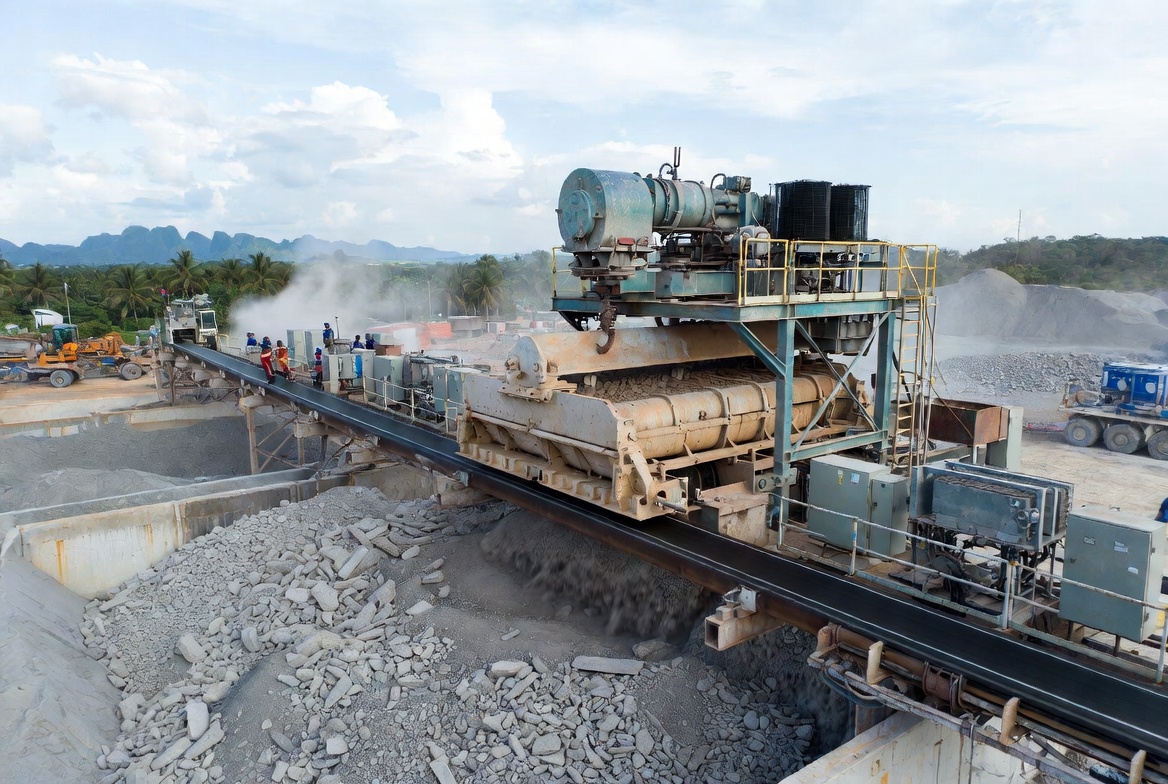
Key Evaluation Dimensions for Electromagnetic Iron Remover Suppliers in Indonesia
Before shortlisting manufacturers, Indonesian buyers usually compare brands along several practical dimensions that are directly tied to plant performance and risk control. These dimensions can be used as an internal checklist or scoring system in sourcing projects.
– Local availability and service coverage in major industrial hubs such as Jakarta, Surabaya, Medan, and Batam
– Product portfolio fitness for slurry, powder, and bulk solids, including high‑gradient applications for ultra‑fine particles
– Performance and energy efficiency of electromagnetic systems over their full operating life
– Experience in target industries such as ceramics, mining, battery materials, food, plastics, and environmental protection
– Compliance and certifications, including quality management, safety, and food‑grade or pharmaceutical requirements where applicable
– Total cost of ownership (TCO), not only initial purchase price but also power, maintenance, and downtime
Using these dimensions systematically helps Indonesian companies benchmark both local and international suppliers on a like‑for‑like basis.
Core Selection Criteria for Electromagnetic Iron Remover Manufacturers in Indonesia
Market presence and service footprint
For Indonesian plants, reliable logistics and after‑sales support are as important as the equipment itself. When evaluating manufacturers, buyers should clarify:
– Whether the supplier explicitly serves Indonesia or has active customers in Southeast Asia
– The presence of local agents, distributors, or OEM partners that can support installation and maintenance
– Typical response times for spare parts, emergency service, and remote troubleshooting
Manufacturers that already support customers in Indonesia or nearby markets generally understand local operating conditions, power supply realities, and typical process layouts. This reduces the risk of mis‑specifying equipment or facing extended downtime.
Range of magnetic separation products
A broad and technically coherent product range often reflects strong engineering capability and a deeper understanding of customer processes. In the context of electromagnetic iron removers and related equipment, it is advantageous if a supplier can provide:
– High‑gradient electromagnetic slurry machines for ceramic slurries, battery materials, and fine mineral suspensions
– Electromagnetic iron removers for dry powders such as ceramics, carbon black, graphite, and flame retardants
– Permanent magnetic separators, grids, rods, plates, and drums for bulk solids and preliminary separation stages
– Specialized electromagnetic systems for molten metals or other challenging media
Working with a single manufacturer that can cover slurry, powder, and bulk solid applications allows Indonesian plants to standardize technology, spare parts, and training, while simplifying long‑term vendor management.
Performance, stability, and energy consumption
The true performance of an electromagnetic iron remover is a combination of separation efficiency, stability over time, and energy consumption. When comparing technical offers, engineers should pay attention to:
– Magnetic field intensity and gradient, especially for capturing ultra‑fine ferromagnetic and weakly magnetic particles
– Effective magnetic penetration depth and capture area, suited to the material layer thickness in the process
– Energy‑saving features in the latest models, such as redesigned coils or optimized control strategies that lower power usage compared with earlier generations
– Cooling systems, automatic cleaning, and integrated controls that reduce operator workload and unplanned shutdowns
Small improvements in energy efficiency and uptime can translate into substantial savings for high‑throughput Indonesian plants over a 5–10‑year horizon.
Industry experience and application cases
Manufacturers with proven application experience in the buyer’s specific industry can typically deliver smoother implementation and more predictable results. When discussing with suppliers, it is helpful to ask for:
– Reference installations in ceramics, glass, non‑metallic minerals, and battery materials where product purity specifications are very stringent
– Case examples in food and grain processing, especially for flour mills and grain terminals in Indonesia or similar markets
– Projects in mining, construction materials, and environmental protection, where throughput, robustness, and ease of maintenance are critical
Case descriptions that include material type, capacity, and achieved purity levels provide a solid basis for evaluating how well a supplier’s technology will transfer to Indonesian conditions.
Certifications, quality systems, and compliance
Robust quality management and compliance reduce risk for both the plant and its customers. Industrial buyers should review:
– The manufacturer’s quality management systems and how long they have been in place
– Availability of food‑grade, pharmaceutical‑grade, or other hygienic designs where required by downstream customers
– Safety‑oriented design practices and documentation for sectors such as power, coal, or heavy industry
Suppliers that clearly document certifications and quality procedures simplify approval processes with internal QA teams and external auditors.
Total cost of ownership (TCO)
Focusing solely on purchase price can be misleading. A lower‑priced iron remover may consume more power, require more maintenance, and cause more downtime, ultimately costing more. Key considerations for TCO analysis include:
– Power consumption per ton of material processed, accounting for duty cycles and cleaning cycles
– Expected service life of coils, linings, and other wear‑prone components
– Frequency and complexity of preventive maintenance
– Spare parts availability and service support, both locally and remotely
A slightly higher upfront investment in energy‑efficient, low‑maintenance systems often leads to significantly lower lifetime costs for Indonesian producers.
Representative Manufacturers Serving the Indonesian Market
The following manufacturers are representative examples of suppliers whose magnetic separation solutions are relevant to Indonesian buyers. They illustrate the diversity of product strategies and application focus areas that buyers can leverage when constructing a vendor shortlist.
Foshan Wandaye Technology (China) – High‑Gradient and Slurry‑Focused Solutions
Foshan Wandaye Technology is a specialized magnetic separation company that integrates research and development, engineering design, production‑line installation, and commissioning services. Its portfolio includes:
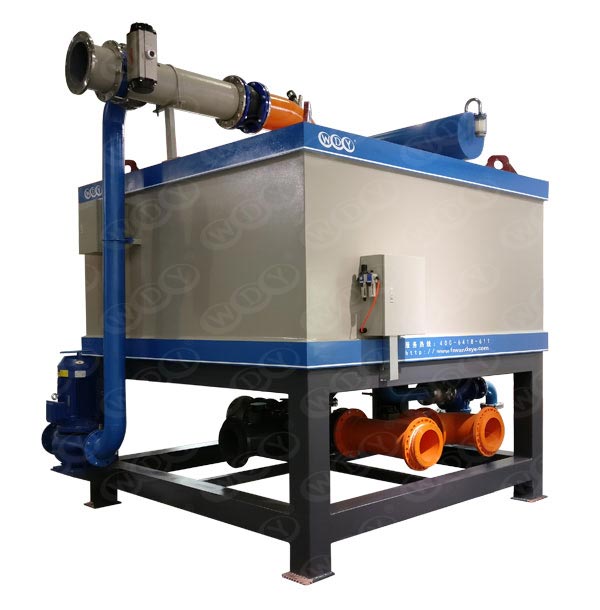
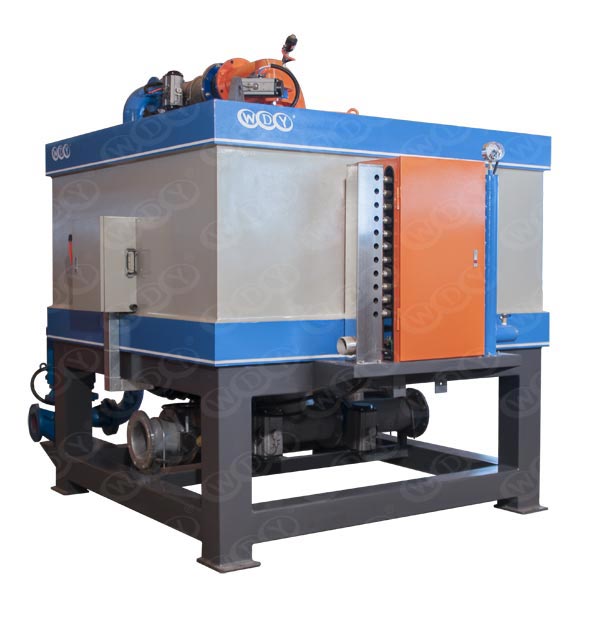
– High‑gradient electromagnetic slurry machines suitable for ultra‑fine particles in mines, ceramics, and battery materials
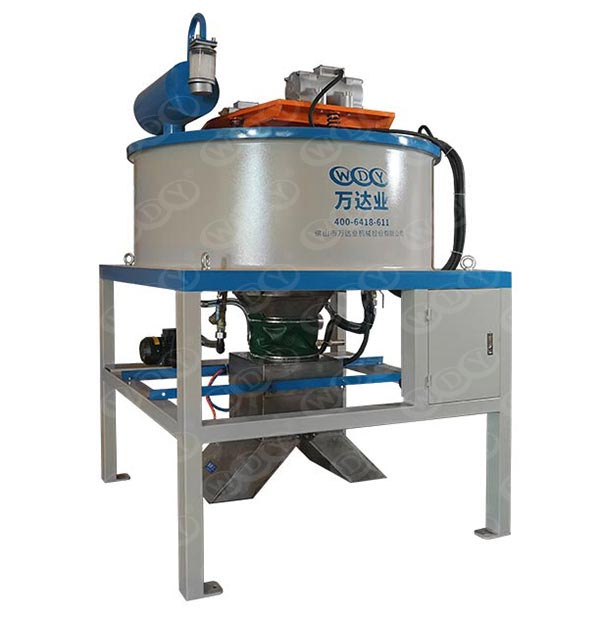
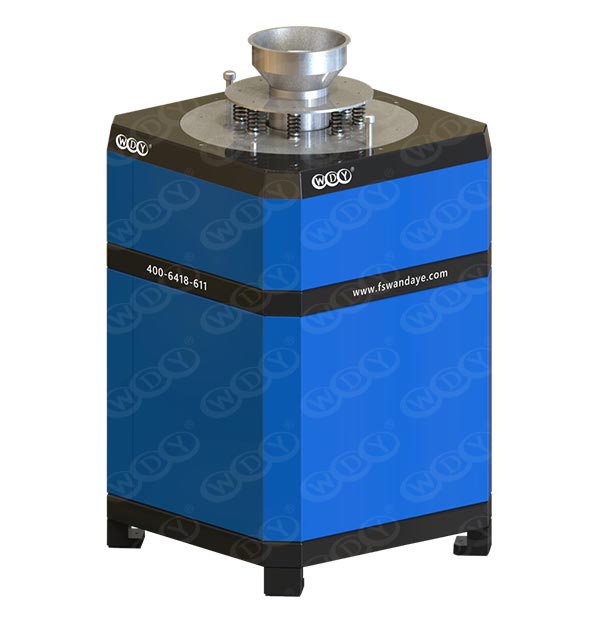
– Powder magnetic separators and permanent magnetic separators for dry, high‑purity applications
– Vertical ring separators, magnetic plates, iron‑removal cabinets, and magnetic rods for different process positions
These systems are widely applied in mines, ceramics, electricity, building materials, glass, environmental protection, rubber, plastics, medicine, food, and battery material production. The company has also developed newer high‑efficiency models designed to reduce energy consumption compared with earlier generations.
For Indonesian buyers, such a supplier can serve as a technical partner for high‑precision slurry and fine‑powder applications, supporting the country’s growth in ceramics, glass, and advanced materials.
Kumar Magnet Industries (India) – Process‑Oriented Magnetic Solutions
Kumar Magnet Industries markets itself as a trusted provider of magnetic separators and explicitly mentions supply into the Indonesian market. Its offerings cover:
– Magnetic separators for both solids and liquids, aimed at removing ferrous contaminants throughout processing lines
– Solutions for dairy, food, textile, chemical, plastics, grain and milling, oil, and recycling applications
The company emphasizes rugged construction, long service life, and customization according to process requirements. For Indonesian plants with diverse product lines and multiple contamination‑control points, this flexibility can be valuable.
Permanent Magnets Ltd. (India) – Broad Portfolio for Multiple Process Steps
Permanent Magnets Ltd. has decades of experience in magnetic separator design and manufacturing. Its portfolio spans:
– Magnetic pulleys, plates, grills, rods, filters, and suspended magnets
– Drum and cross‑belt separators for bulk materials and conveyor applications
For Indonesia, such a broad offering allows standardization of magnetic safety and quality control at intake, in‑process, and final packing stages across a variety of industries, including grain, sugar, chemicals, and recycling.
Jaykrishna Magnetics (India) – Experience in Indonesian Flour Milling
Jaykrishna Magnetics highlights magnetic destoners and separators that have been installed in flour mills in several Indonesian cities. Its equipment is used to:
– Protect milling machinery from metallic contamination
– Improve finished flour quality and reduce foreign particle complaints
This track record suggests familiarity with Indonesian grain and flour processes and with the local quality expectations of downstream customers. It can be particularly relevant for food producers that must demonstrate strong control over metal contamination.
Other Global Suppliers Relevant to Indonesian Buyers
In addition to the manufacturers above, Indonesian buyers often work with other global suppliers that can be accessed directly or via trading companies:
– Manufacturers of automatic electromagnetic iron removers combined with screening systems, suitable for powder processing lines
– Producers of dry‑powder and wet electromagnetic iron removers tailored to high‑purity battery, ceramic, or carbon black applications
– Companies specializing in electromagnetic iron removal for molten aluminum and other special media in metal processing
These suppliers are often selected when a plant needs high‑gradient or niche equipment that is not readily available from local sources.
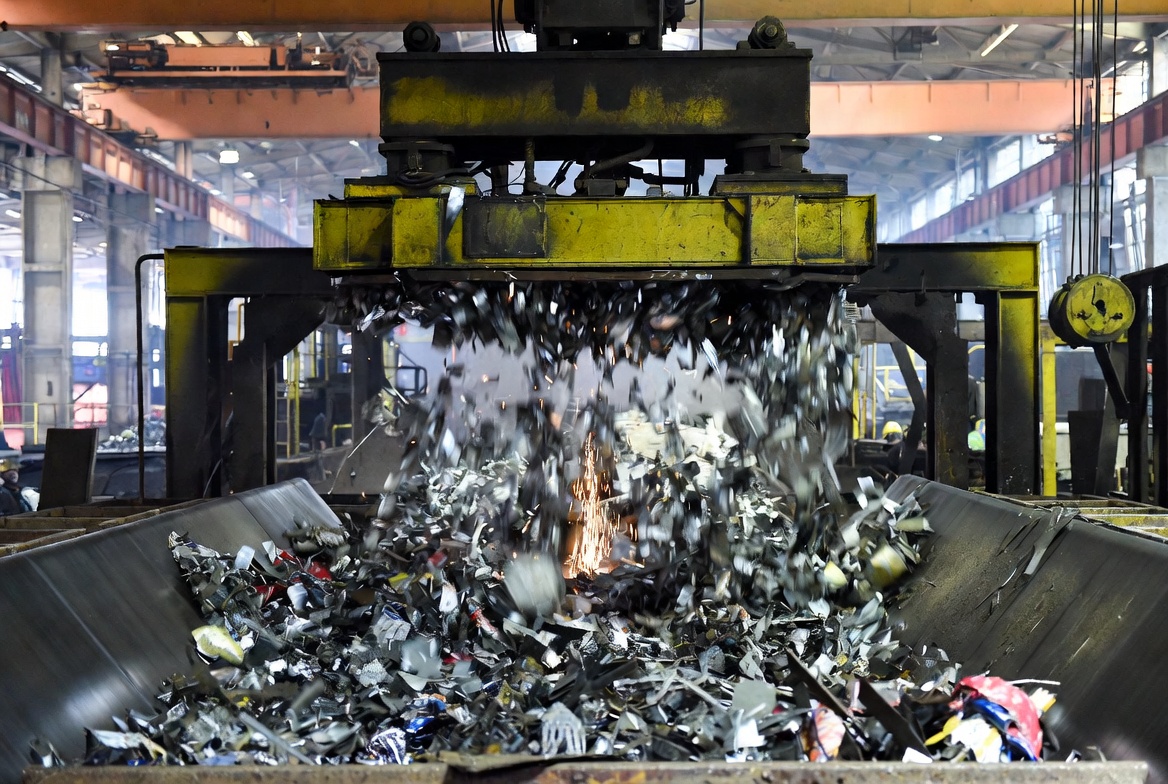
Practical Comparison Matrix for Indonesian Buyers
The table below shows how procurement teams can structure a high‑level comparison when sourcing electromagnetic iron removers and related systems. It can be expanded into a detailed internal selection tool.
| Manufacturer / Region | Key Strengths (Iron Removal Focus) | Typical Industries Served (Including/For Indonesia) | Notable Points for Buyers |
|---|---|---|---|
| Foshan Wandaye Technology (China) | High‑gradient electromagnetic slurry machines; powder and permanent magnetic separators; vertical ring units | Mines, ceramics, glass, building materials, battery materials, food, plastics, environmental protection | Strong in high‑precision slurry and fine‑powder applications; newer models focus on improved energy efficiency |
| Kumar Magnet Industries (India) | Magnetic separators for solids and liquids; ferrous contamination control in process lines | Dairy, food, textile, chemical, plastics, grain and milling, oil, recycling | Emphasis on customization and rugged design; actively markets solutions for Indonesia |
| Permanent Magnets Ltd. (India) | Wide portfolio of pulleys, plates, grills, rods, filters, drums, and cross‑belt separators | Grain, feed, sugar, chemical processing, powder handling, recycling | Long manufacturing history; flexible designs to fit existing plant layouts |
| Jaykrishna Magnetics (India) | Magnetic destoners and separators for milling | Flour mills and grain processing, including Indonesian plants | References in Indonesian flour mills; suitable for food‑grade metal control |
| Other global suppliers | Auto electromagnetic iron removers; dry and wet high‑gradient systems; molten‑metal solutions | Ceramics, battery materials, metal processing, advanced powder production | Often accessed via trading companies; good for specialized or custom equipment needs |
Companies can extend this matrix by adding columns for targeted throughput, particle size range, required purity, delivery time, and budget range.
Matching Iron Remover Configuration to Indonesian Raw Material Conditions
Indonesia’s raw materials—such as bauxite, coal, limestone, silica sand, grain, and various chemical feedstocks—often contain variable metallic and weakly magnetic impurities. Selecting the right electromagnetic iron remover configuration requires a structured technical approach:
1. Characterize feed material
– Determine particle size distribution, moisture content, and slurry density where applicable.
– Estimate the level and type of ferromagnetic and weakly magnetic contaminants present.
2. Define purity and safety targets
– For ceramics or battery materials, specify residual iron in ppm or percentage.
– For food products, align with regulatory and customer requirements for metal contamination.
3. Engage in testing and performance prediction
– Many manufacturers can test customer samples in laboratory or pilot‑scale rigs to estimate achievable separation performance and confirm that specifications can be met.
By following these steps, Indonesian plants reduce the risk of choosing under‑sized or over‑specified equipment and ensure that investments align with real process needs.
Integrating Electromagnetic Iron Removers into Indonesian Production Lines
A well‑chosen iron remover delivers its full value only when it is properly integrated into the production line. Successful integration typically follows several best practices:
– Install iron removers upstream of critical equipment, such as mills, kilns, reactors, or final packing stations, so that contaminants are captured before they cause damage or quality failures.
– Combine different magnetic stages, for example a permanent magnet pre‑separator followed by a high‑gradient electromagnetic slurry machine, to progressively remove larger particles and ultra‑fine impurities.
– Ensure that the iron remover’s control system is properly linked with existing PLC or SCADA systems to enable interlocks, alarms, and remote monitoring.
Suppliers that offer process design support, installation guidance, and on‑site commissioning can help Indonesian plants shorten ramp‑up time and stabilize product quality more quickly.
Energy‑Efficient Design and Sustainability Considerations
Energy cost and environmental performance are increasingly important for Indonesian industry. Electromagnetic iron removers, by their nature, consume power to generate strong magnetic fields, so buyers should seek energy‑efficient designs wherever possible. Important questions to ask suppliers include:
– What is the power consumption per ton of material processed at the target operating point?
– Does the manufacturer offer newer coil or control designs that reduce energy usage compared with earlier generations?
– Are there modes of operation or cleaning cycles that minimize unnecessary power draw during partial loads or low‑production periods?
Choosing energy‑efficient equipment supports both cost control and sustainability goals, and can contribute positively to corporate reporting on environmental performance.
Strategic Call to Action for Indonesian Buyers
After understanding the market and key selection criteria, the next practical step is to engage with shortlisted manufacturers on a technical level. Indonesian engineers and purchasing managers can:
– Share process information—such as material type, capacity, targeted purity levels, and layout drawings—with preferred suppliers to obtain tailored proposals.
– Request preliminary feasibility assessments comparing high‑gradient electromagnetic solutions with conventional magnetic separators for their specific lines.
– Establish direct technical communication channels (email, phone, or messaging) to speed up drawing reviews, layout adjustments, and final specification confirmation.
Positioning a qualified manufacturer as a long‑term technical partner, rather than a one‑time equipment vendor, is especially valuable for industries such as ceramics, glass, building materials, and battery materials where technology is evolving quickly and product quality requirements are strict.
Contact us to get more information!
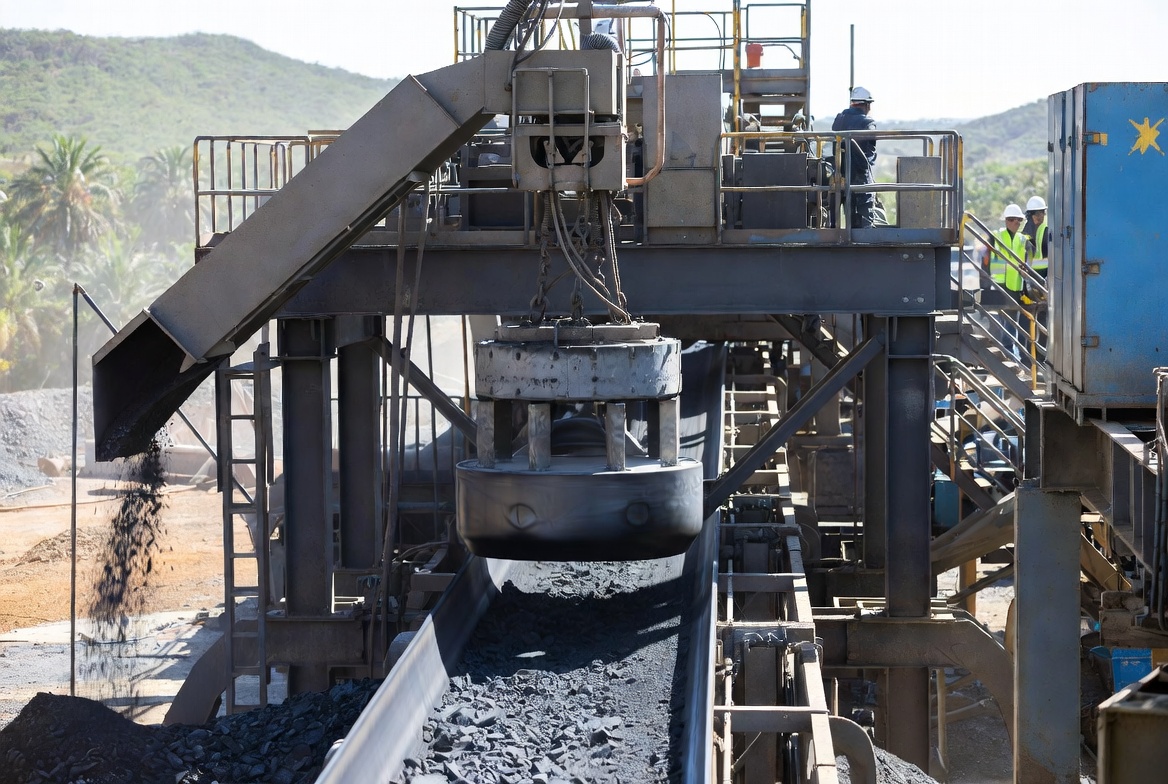
Frequently Asked Questions (FAQ)
FAQ 1 – What is the difference between an electromagnetic iron remover and a permanent magnetic separator?
An electromagnetic iron remover uses power‑driven coils to generate a controllable, often stronger magnetic field, allowing deeper penetration into the material stream and adjustable separation strength. Permanent magnetic separators use fixed magnets, which consume no power during operation but provide less flexibility in field control and adjustment. Electromagnetic systems are typically chosen when material layers are thick, impurities are fine, or process conditions change and require tunable performance.
FAQ 2 – Which Indonesian industries benefit most from high‑gradient electromagnetic slurry machines?
High‑gradient electromagnetic slurry machines are particularly valuable for Indonesian ceramics, non‑metallic mineral processing, high‑purity glass, and battery material producers. In these applications, very fine ferromagnetic and weakly magnetic impurities can severely affect product color, dielectric properties, mechanical strength, or electrochemical performance. By installing high‑gradient slurry machines at critical process points, producers can meet tight purity specifications, reduce defect rates, and strengthen their competitiveness in both domestic and export markets.
FAQ 3 – How do I determine the correct capacity for an electromagnetic iron remover?
To choose the right capacity, start with the actual process throughput, expressed as tons per hour or cubic meters per hour, and verify typical and peak loads. Then factor in material characteristics such as particle size distribution, bulk density, and, for slurry, solid content and viscosity. Share this information with the manufacturer so they can propose appropriate coil size, magnetic strength, cooling requirements, and cleaning systems. Allowing a reasonable safety margin for future capacity growth helps avoid early replacement or costly upgrades.
FAQ 4 – Are there suppliers with proven experience specifically in Indonesia?
Yes. Several manufacturers explicitly indicate experience or active marketing in Indonesia, including suppliers that have installed magnetic destoners and separators in flour mills across multiple Indonesian cities, as well as companies that promote magnetic separators for Indonesian process industries. In addition, specialized high‑gradient suppliers export to Southeast Asia and can adapt their solutions to Indonesian conditions through local partners or engineering support. When talking with vendors, it is advisable to request references that match your industry and capacity level.
FAQ 5 – What information should Indonesian buyers prepare before requesting quotations?
Before requesting quotations, Indonesian buyers should prepare a concise technical package that includes: material descriptions, capacity requirements, target purity levels, installation layout drawings or sketches, available utilities (power, water, compressed air), and any quality or certification requirements. Supplying this information early helps manufacturers design more accurate and cost‑effective proposals, reduces the number of clarification rounds, and shortens overall project timelines.
References
1. Kumar Magnet Industries – Magnetic Separator in Indonesia. [link]
2. Permanent Magnets Ltd. – Magnetic Separator in Indonesia. [link]
3. Foshan Wandaye Machinery Equipment – About Us. [link]
4. Foshan Wandaye Machinery Equipment – Magnetic Separation Equipment. [link]
5. Jaykrishna Magnetics – Magnetic Destoner for Food Processing (Indonesian Market). [link]
6. Weifang Hengji Magnetoelectric Machinery – Company Introduction. [link]
7. Guan Yu Machinery Factory – Auto Electromagnetic Iron Remover Products. [link]
8. Guan Yu Machinery Factory – Auto Electromagnetic Iron Remover for Powder Form Material. [link]
9. HCT Dry Powder Electromagnetic Iron Remover – Huate Magnets. [link]
10. Stainless Steel Wet Electromagnetic Iron Remover – Shibang. [link]
11. Electromagnetic Iron Remover – Xinhai. [link]
12. Molten Aluminium Electromagnetic Iron Remover – Brightstar. [link]
Hot Tags: Electromagnetic Iron Remover, Manufacturers, Customized, Custom, Suppliers, Buy, Cheap, Quality, Advanced, Durable, in Stock, Made in China, Price, Quotation