Content Menu
● Key Evaluation Criteria in the Philippine Market
● Understanding Electromagnetic Iron Removers and Their Applications
>> Core Industries Using Electromagnetic Iron Removers in the Philippines
● Key Technical and Commercial Dimensions for Philippine Buyers
>> 1. Magnetic Performance and Process Fit
>> 2. Compliance, Safety, and Certification
>> 3. Lifecycle Cost and Service Support
● Representative Manufacturers and Suppliers Relevant to the Philippines
>> Philippine‑Focused Magnetic Solutions Providers
>> International Manufacturers Serving the Region
● Sample Comparison Structure for B2B Buyers
● Deep‑Dive: Foshan Wandaye and High‑Gradient Slurry Applications
>> Technology Highlights for Philippine Plants
>> Practical Implementation Steps for Philippine Buyers
● Market and Technology Trends Influencing Supplier Selection
>> Rising Demand from Mining and Battery‑Materials Sectors
>> Automation, Data, and Smart‑Factory Integration
● How to Shortlist the Right Electromagnetic Iron Remover Supplier in the Philippines
>> 7‑Step Supplier Shortlisting Checklist
● Call to Action for Philippine Industrial Buyers
● FAQs
>> FAQ 2 – Which industries in the Philippines benefit most from electromagnetic iron removers?
>> FAQ 3 – How strong should the magnetic field be for high‑purity powder applications?
>> FAQ 4 – Do I need local service support if I buy from an international manufacturer?
>> FAQ 5 – How can I justify the investment in an electromagnetic iron remover to management?
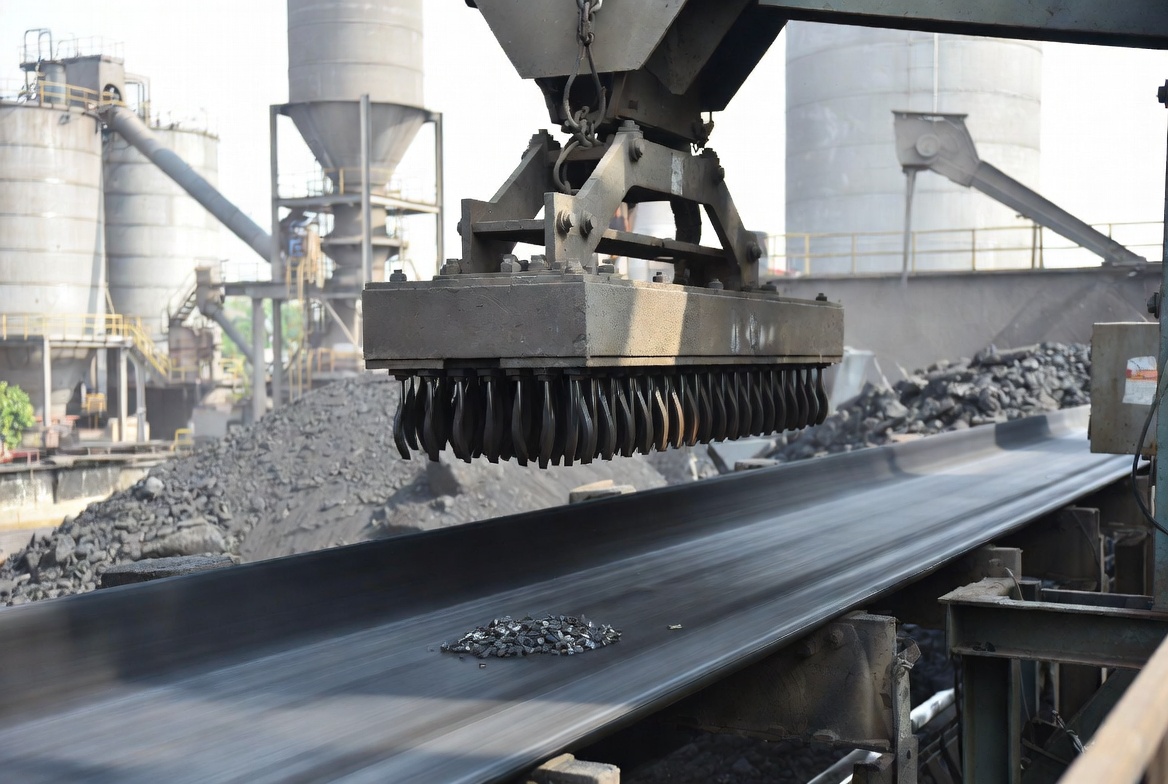
The Philippines is rapidly upgrading its mining, ceramics, food, plastics, and battery‑materials processing lines, and demand for electromagnetic iron removers and magnetic separators continues to grow. For B2B buyers, the key challenge is selecting the right manufacturer based on performance, compliance, and long‑term support instead of simply comparing catalog prices. [strategicmarketresearch]
Key Evaluation Criteria in the Philippine Market
Before comparing specific manufacturers, industrial buyers in the Philippines typically focus on several core dimensions that directly impact production efficiency, product quality, and regulatory compliance. [pmlindia]
– Magnetic performance and stability (Gauss strength, gradient, duty cycle).
– Application fit for local industries such as nickel and iron mining, ceramics, construction materials, plastics, food, and battery‑materials processing. [grandviewresearch]
– Compliance and certifications for food, pharma, and export‑oriented plants (HACCP, ISO, food‑grade contact).
– Total cost of ownership (TCO), including energy consumption, maintenance, and spare‑parts availability over the entire lifecycle. [strategicmarketresearch]
– Local presence and service capability, including Philippine‑based distributors, on‑site installation, and after‑sales support. [ensun]
– Technology maturity and innovation, such as automatic cleaning systems, advanced control, and smart‑factory integration. [en.fswandaye]
For B2B decision‑makers, structuring these criteria into a clear internal checklist helps standardize supplier evaluation across multiple plants and projects.
Understanding Electromagnetic Iron Removers and Their Applications
Electromagnetic iron removers use energized coils and carefully designed magnetic circuits to remove ferrous and weakly magnetic contaminants from powders, slurries, and granular materials. Compared with simple permanent magnets, they can deliver higher magnetic intensity, a steeper gradient, and adjustable field control, which is crucial in high‑purity and high‑value applications. [elcanindustries]
Core Industries Using Electromagnetic Iron Removers in the Philippines
In the Philippines, demand is concentrated in several fast‑developing industries. [pmlindia]
– Mining and minerals: Nickel ore, iron ore, and other metallic minerals rely on magnetic separation to improve grade, reduce tailings, and enhance downstream recovery in processing plants. [grandviewresearch]
– Ceramics and glass: Magnetic separators remove iron contamination to stabilize color, surface quality, and mechanical strength of tiles, sanitary ware, and glass products. [sgfrantz]
– Construction and building materials: Cement, fillers, glass aggregates, and other materials require iron removal to avoid product defects and premature wear of processing equipment. [sgfrantz]
– Plastics and rubber: Magnetic separation protects extruders and injection machines from metal contamination and helps maintain resin purity. [vithyfiltration]
– Food and beverages: Magnetic filters and separators support food‑safety programs by removing rust, iron filings, and other ferrous particles from ingredients and finished products. [vithyfiltration]
– Battery and new energy materials: High‑gradient electromagnetic slurry separators are increasingly used to purify cathode and anode materials for lithium‑ion batteries and related energy‑storage products. [en.fswandaye]
By understanding which sector each supplier serves best, Philippine buyers can quickly match potential partners to their own application portfolio.
Key Technical and Commercial Dimensions for Philippine Buyers
1. Magnetic Performance and Process Fit
For serious industrial users in the Philippines, magnetic performance is the primary screening factor. [huatemagnets]
Important sub‑criteria include:
– Magnetic field intensity and gradient, with advanced powder and slurry separators commonly targeting 18,000–21,000 Gauss to capture fine and weakly magnetic particles. [facebook]
– Ability to capture weakly magnetic contaminants, including iron oxides and certain stainless‑steel fragments, which are harder to remove than strongly ferromagnetic particles. [elcanindustries]
– Duty cycle and thermal stability in tropical, high‑humidity environments typical of the Philippines, where continuous operation and coil cooling are critical. [huatemagnets]
– Automation features, including automatic cleaning, continuous operation, and remote monitoring designed to minimize manual intervention and downtime. [en.fswandaye]
In B2B negotiations, asking suppliers for test data or case studies that demonstrate capture rates and throughput under conditions similar to your plant can significantly reduce technical risk.
2. Compliance, Safety, and Certification
Philippine manufacturers serving export markets must demonstrate robust and auditable contamination control processes. [strategicmarketresearch]
Key considerations:
– Food‑grade and sanitary design for food, beverage, and pharma applications, including smooth internal surfaces, hygienic welds, and compatibility with clean‑in‑place (CIP) systems. [pmlindia]
– HACCP and ISO‑aligned documentation, including written procedures for inspection, cleaning, and magnet strength verification at defined intervals. [strategicmarketresearch]
– Electrical and operator safety, including appropriate insulation, grounding, and protection measures consistent with relevant standards. [huatemagnets]
B2B purchasers should verify that equipment documentation, certificates, and material traceability meet the requirements of their customers and certifying bodies.
3. Lifecycle Cost and Service Support
While upfront price is easy to compare, the total cost of ownership often depends more on energy use, maintenance, and unplanned downtime. [vithyfiltration]
Buyers should examine:
1. Energy efficiency of the electromagnet coil and control system, especially in continuous or multi‑shift operations. [en.fswandaye]
2. Wear‑parts and spare‑parts availability within the Philippines or nearby regional hubs to minimize lead times for critical components. [ensun]
3. Local technical support, including commissioning, operator training, and scheduled preventive‑maintenance visits. [ensun]
4. Upgrade and retrofit options, such as adding automatic cleaning modules, increasing magnetic intensity, or connecting to plant‑wide control systems. [elcanindustries]
From a B2B perspective, requesting multi‑year maintenance and service proposals alongside equipment quotes provides a more realistic cost comparison between suppliers.
Representative Manufacturers and Suppliers Relevant to the Philippines
The Philippine market combines local integrators and distributors with international manufacturers that supply electromagnetic iron removers and magnetic separators through partners. [pmlindia]
> Note: The companies below are examples based on publicly available information and are provided to illustrate typical offerings and evaluation angles for buyers. [en.fswandaye]
Philippine‑Focused Magnetic Solutions Providers
– G. Magnetics Industrial Systems Inc. – Referenced as a specialist in custom magnetic separator solutions and metal‑contaminant detection systems, serving food and industrial clients. [ensun]
– Supreme Magnets – Listed among magnetic filter manufacturers active in the Philippine market, offering magnetic separation and filtration equipment for various sectors. [ensun]
– Permanent Magnets Ltd. (PML) – An established magnetic separator manufacturer supplying magnetic pulleys, plates, and other systems globally, including customers in the Philippines. [pmlindia]
These companies frequently act as system integrators, combining magnetic separators with metal detectors and sometimes X‑ray equipment to create complete foreign‑body control points in processing lines. [ensun]
International Manufacturers Serving the Region
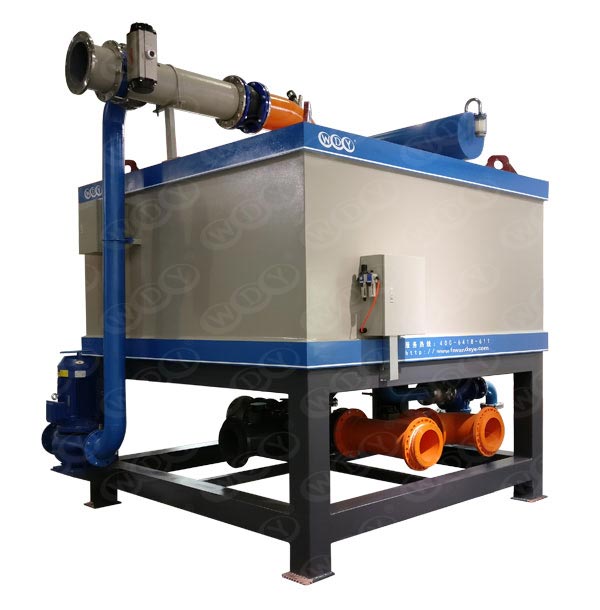
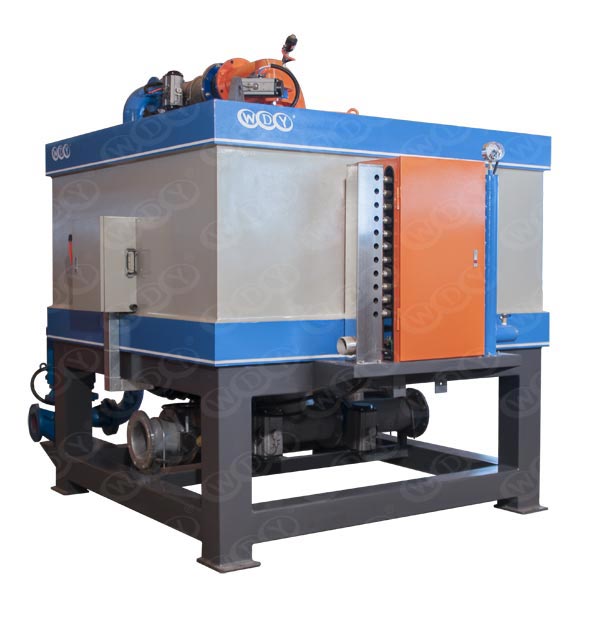
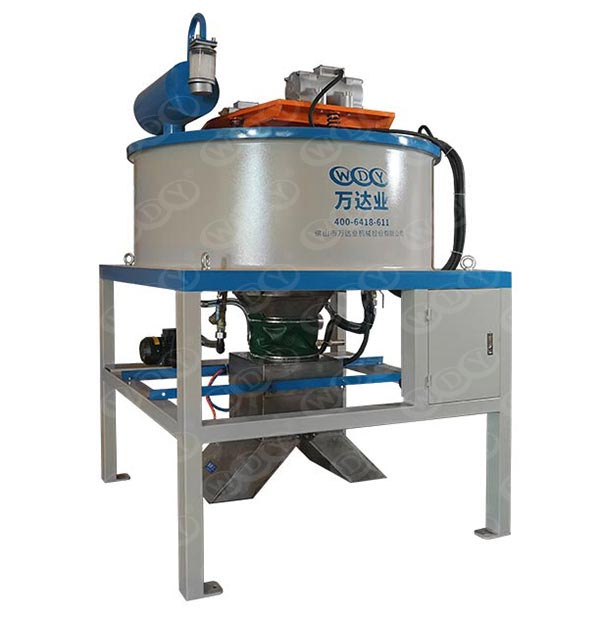
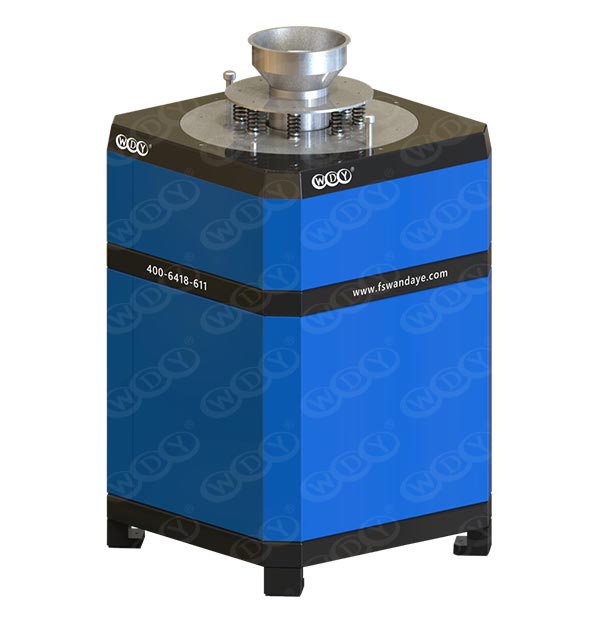
– Foshan Wandaye Technology Co., Ltd (Foshan Wandaye Machinery Equipment) – A specialized manufacturer of high‑gradient electromagnetic slurry machines, powder magnetic separators, and permanent separators used in mines, ceramics, electricity, building materials, glass, environmental protection, rubber, plastics, medicine, food, and battery materials. [en.fswandaye]
– Weifang Hengji Magnetoelectric Machinery Co., Ltd. – A producer of iron removers with decades of experience and an annual capacity exceeding 5,000 units, supplying multiple international markets. [hengjimagnetic.en.made-in-china]
– Weifang‑area electromagnetism equipment firms such as Zhuiri‑type suppliers – Focused on high‑intensity powder electromagnetic separators in the 18,000–21,000 Gauss range, targeting advanced powder processing lines. [megitgroup]
– Elcan Industries – Provides high‑powered electromagnetic separators for ceramics and glass powders, engineered for precise removal of iron and weakly magnetic impurities in high‑purity applications. [elcanindustries]
Many international manufacturers serve Philippine buyers through authorized agents, trading houses, or engineering partners that handle importation, installation, and on‑site service. [pmlindia]
Sample Comparison Structure for B2B Buyers
The following structure can be adapted into a concrete internal comparison table when evaluating suppliers based on RFQ responses:
| Factor | Local Integrator (e.g., G. Magnetics) | International OEM (e.g., Foshan Wandaye) |
|---|---|---|
| Magnetic strength options | Medium to high, depending on OEM partner ensun | High to very high, including high‑gradient slurry models en.fswandaye |
| Application engineering support | Strong local site integration and layout design ensun | Strong product and process expertise, remote and partner support en.fswandaye |
| Lead time for spares | Short to medium due to local stocking ensun | Medium via distributors or regional hubs pmlindia |
| Customization level | High for line integration and control interfaces ensun | High for magnetic circuit design and process optimization en.fswandaye |
| Upfront cost | Typically medium | Medium to high depending on specification and options strategicmarketresearch |
Deep‑Dive: Foshan Wandaye and High‑Gradient Slurry Applications
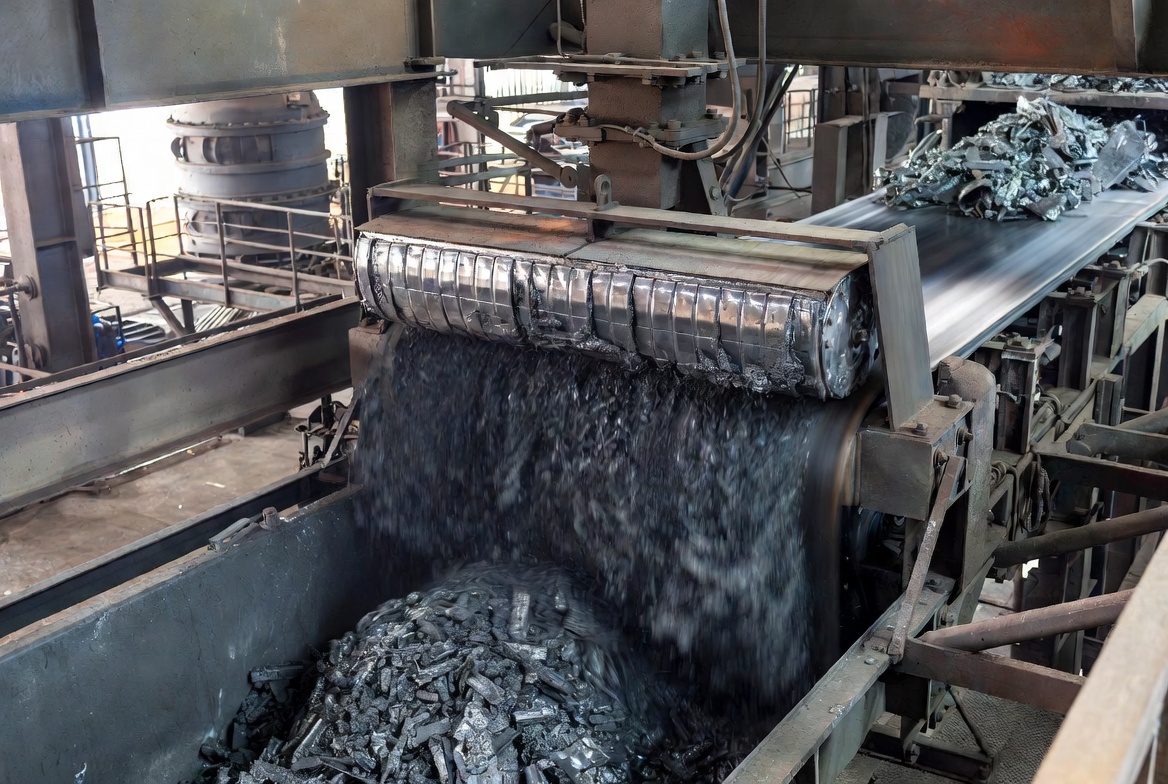
Although not located in the Philippines, Foshan Wandaye is widely cited as a specialist in advanced high‑gradient electromagnetic slurry magnetic separators used in ceramics, glass, electronics, food, medicine, and particularly in cathode and anode battery‑materials processing. [en.fswandaye]
Technology Highlights for Philippine Plants
Foshan Wandaye’s high‑gradient slurry separators offer several technical features that align with current industrial requirements in the Philippines. [en.fswandaye]
– High magnetic field intensity, with new‑type models delivering significantly stronger fields than older designs, improving fine particle capture and reducing residual contamination. [en.fswandaye]
– Special medium mesh materials designed to resist corrosion and simplify cleaning during automatic or semi‑automatic cycles. [en.fswandaye]
– Automatic operation and simplified control, reducing manual intervention and supporting plants facing tight labor budgets or skills shortages. [en.fswandaye]
– Suitability for high‑value battery slurries and precision ceramics, enabling manufacturers to move up the value chain and target export markets. [en.fswandaye]
For Philippine plants looking to differentiate on product purity, this kind of high‑gradient equipment can become a key process asset.
Practical Implementation Steps for Philippine Buyers
To convert technology features into measurable business outcomes, Philippine buyers can follow a structured implementation sequence. [strategicmarketresearch]
1. Define contamination targets
– Set quantitative limits for residual iron or magnetic contaminants (ppm or mg/kg) based on customer and regulatory requirements.
2. Characterize material and process conditions
– Document particle size distribution, bulk density, temperature, and slurry viscosity to support equipment selection.
3. Conduct lab or pilot tests
– Request sample testing with potential suppliers to compare separation efficiency, yield loss, and operating parameters under realistic conditions.
4. Select magnetic configuration
– Choose between dry powder, slurry, over‑belt, or other forms based on line layout, throughput, and the physical form of the material. [huatemagnets]
5. Plan integration and control
– Coordinate installation with mechanical, electrical, and automation teams to ensure consistent feeding, cleaning cycles, and interlocks. [huatemagnets]
6. Implement monitoring and audits
– Integrate magnet strength checks, contamination trend analysis, and maintenance records into existing quality‑management systems. [vithyfiltration]
This kind of step‑by‑step roadmap adds practical depth beyond typical supplier lists and supports internal engineering and quality teams.
Market and Technology Trends Influencing Supplier Selection
Rising Demand from Mining and Battery‑Materials Sectors
Market research indicates that the magnetic separation market, including mining applications, is forecast to expand steadily due to higher processing volumes, lower ore grades, and stricter purity requirements. For the Philippines, with its developing mining sector and interest in downstream processing, this translates into stronger demand for high‑capacity, energy‑efficient magnetic separation lines. [grandviewresearch]
In parallel, the growth of lithium‑ion batteries and energy‑storage systems continues to increase global demand for high‑purity cathode and anode materials, where high‑gradient electromagnetic slurry separators play a critical role. Philippine manufacturers that adopt this technology early can position themselves competitively in regional battery supply chains. [elcanindustries]
Automation, Data, and Smart‑Factory Integration
Modern electromagnetic separators are increasingly integrated with PLC and SCADA systems to support more advanced plant operations. [strategicmarketresearch]
Typical capabilities include:
– Real‑time monitoring of magnetic field status, coil temperature, and operating state.
– Automated cleaning and discharge cycles synchronized with conveyors, pumps, and upstream processes.
– Alarm and interlock functions to prevent contaminated material from bypassing the separator.
– Data logging for quality audits, traceability, and predictive maintenance analysis.
Philippine plants pursuing digitalization and Industry 4.0 initiatives should consider suppliers that offer strong automation and integration support as part of their solution package.
How to Shortlist the Right Electromagnetic Iron Remover Supplier in the Philippines
7‑Step Supplier Shortlisting Checklist
For B2B procurement and engineering teams, a structured checklist simplifies alignment across departments:
1. Clarify application scope: Define whether your primary need is for dry powder, slurry, or over‑belt separation, and list target industries such as mining, ceramics, food, plastics, or battery materials. [en.fswandaye]
2. Set performance benchmarks: Establish required Gauss strength, throughput, particle size range, and allowable residual contamination levels. [facebook]
3. Screen for local presence: Prioritize suppliers with distributors, installed bases, or reference projects in the Philippines. [pmlindia]
4. Evaluate references and case data: Request documented case studies or test reports for materials that closely match your own. [sgfrantz]
5. Compare lifecycle costs: Analyze total cost, including purchase price, energy, maintenance, lubrication, and downtime impacts over the planned service life. [vithyfiltration]
6. Confirm compliance and documentation: Verify that certificates, manuals, and validation documents meet the expectations of customers, auditors, and regulators. [vithyfiltration]
7. Negotiate service and support levels: Define guaranteed response times, preventive‑maintenance schedules, and spare‑parts stocking commitments in the contract. [ensun]
Using this checklist during RFQ evaluation helps ensure that strategic factors are not overshadowed by initial price comparisons.
Call to Action for Philippine Industrial Buyers
Selecting the right electromagnetic iron remover or magnetic separator is a strategic decision that influences product quality, compliance, and long‑term profitability in every major industrial sector. Whether your core business is mining, ceramics, food, plastics, or battery‑materials processing, a structured supplier evaluation process can significantly reduce operational risk. [strategicmarketresearch]
If your facility is planning a new line or upgrading existing contamination‑control equipment in the Philippines, consider engaging experienced magnetic‑separation specialists who can provide engineering assessments, sample testing, and lifecycle support packages. Initiating discussions early with both local integrators and international OEMs will give you more options for tailored solutions and better leverage in B2B negotiations. [en.fswandaye]
Contact us to get more information!
FAQs
FAQ 1 – What is the difference between an electromagnetic iron remover and a permanent magnetic separator?
An electromagnetic iron remover uses powered coils to generate a controllable magnetic field, enabling higher intensity and flexible operation, while permanent separators rely on fixed magnets with lower adjustability. Electromagnetic systems are generally preferred for high‑purity and high‑throughput applications but require more energy and more advanced control systems than permanent designs. [elcanindustries]
FAQ 2 – Which industries in the Philippines benefit most from electromagnetic iron removers?
Key sectors include mining and mineral processing, ceramics and glass, construction materials, plastics and rubber, food and beverages, and emerging battery‑materials manufacturing. Each of these industries faces contamination‑control requirements that can directly impact product quality, equipment reliability, and export competitiveness. [grandviewresearch]
FAQ 3 – How strong should the magnetic field be for high‑purity powder applications?
Advanced powder separators often target ranges around 18,000–21,000 Gauss to capture fine and weakly magnetic contaminants in high‑value powders and battery materials. The precise magnetic strength required depends on contamination limits, particle size distribution, and line throughput, so pilot testing with candidate equipment is recommended. [facebook]
FAQ 4 – Do I need local service support if I buy from an international manufacturer?
Local or regional service support is strongly recommended for commissioning, troubleshooting, and timely spare‑parts supply, especially in continuous‑operation plants in the Philippines. Many international OEMs collaborate with local partners or regional hubs to provide on‑site service and stock critical components closer to end users. [pmlindia]
FAQ 5 – How can I justify the investment in an electromagnetic iron remover to management?
A robust business case quantifies reductions in product recalls and rejections, lower equipment damage, improved product‑quality premiums, and reduced manual inspection costs compared with the capital and operating expenses of the separator. Incorporating data and case studies from suppliers that document contamination reduction and yield improvement can make the argument more persuasive to management. [sgfrantz]
References
1. Foshan Wandaye Machinery Equipment – *New Type Electromagnetic Slurry Magnetic Separator Series* and application scope. <http://en.fswandaye.com/Products/New_Type_Electromagnetic_Slurry_Magnetic_Separator_Series/> [en.fswandaye]
2. Foshan Wandaye Machinery Equipment – *About Us*, product lineup and industry applications. <http://en.fswandaye.com/About-Us/> [en.fswandaye]
3. Permanent Magnets Ltd. – *Magnetic Separator in Philippines*, product range and industry coverage. <https://www.pmlindia.com/pages/magnetic-separator-in-philippines> [pmlindia]
4. ensun – *Top Magnetic Filter Manufacturers in Philippines (2026)*, listing of G. Magnetics Industrial Systems Inc. and Supreme Magnets. <https://ensun.io/search/magnetic-filter/philippines> [ensun]
5. Grand View Research – *Magnetic Separation in Mining Market Report, 2033*, market growth drivers and regional trends. <https://www.grandviewresearch.com/industry-analysis/magnetic-separation-mining-market-report> [grandviewresearch]
6. Strategic Market Research – *Magnetic Separator Market Report*, global magnetic separator market size and drivers. <https://www.strategicmarketresearch.com/market-report/magnetic-separator-market> [strategicmarketresearch]
7. Weifang Zhuiri Electromagnetic Technology – Example of high‑intensity powder electromagnetic separators (18,000–21,000 Gauss). Facebook‑sourced description. <https://www.facebook.com/groups/1287011386032403/posts/1946456850087850/> [facebook]
8. HCTG automatic dry powder electromagnetic iron remover – Product description and applications. <https://www.huatemagnets.com/hctg-automatic-dry-powder-electro-magnetic-iron-remover-product/> [huatemagnets]
9. Elcan Industries – *Electromagnetic Separator for Ceramics and Glass*. <https://elcanindustries.com/electromagnetic-separator-for-ceramics-and-glass/> [elcanindustries]
10. S. G. Frantz – *Magnetic Separators for the Ceramics Industry*. <https://sgfrantz.com/ceramic-industry/> [sgfrantz]
11. Weifang Hengji Magnetoelectric Machinery Co., Ltd. – Company introduction and iron remover production capacity. <https://hengjimagnetic.en.made-in-china.com> [hengjimagnetic.en.made-in-china]
12. Vithy – *VIR Powerful Magnetic Separator Iron Remover*. <https://www.vithyfiltration.com/vir-powerful-magnetic-separator-iron-remover-product/> [vithyfiltration]
13. Megit Group – *Electromagnetism Magnetism Iron Remover*, overview of iron remover solutions. <https://www.megitgroup.com/electromagnetism-magnetism-iron-remover/> [megitgroup]
Hot Tags: Electromagnetic Iron Remover, Manufacturers, Customized, Custom, Suppliers, Buy, Cheap, Quality, Advanced, Durable, in Stock, Made in China, Price, Quotation