Content Menu
● Metal Recovery from Aluminium Dross: Why It Matters in 2026
● How a Modern Aluminium Dross Recovery Line Works
>> Step 1 – Crushing and Particle Size Classification
>> Step 2 – Removing Magnetic Contaminants With Drum Magnets
>> Step 3 – Recovering Aluminium “Pearls” With Eddy Current Separation
>> Step 4 – Capturing Fine Aluminium With Electrostatic Separation
● Case Study: Three‑Stage Dross Recovery in the Middle East
● Where Traditional Dross Recovery Falls Short
● The Growing Aluminium Dross Recycling Market (2025–2034)
● The Critical Role of Magnetic Separation in Dross and Non‑Ferrous Recycling
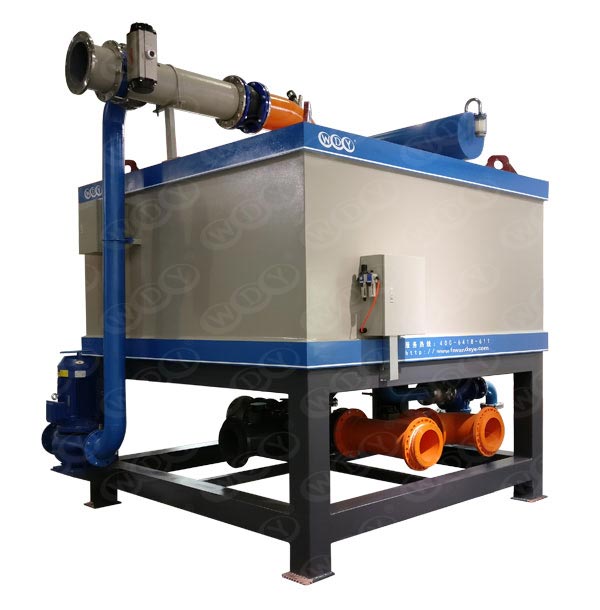
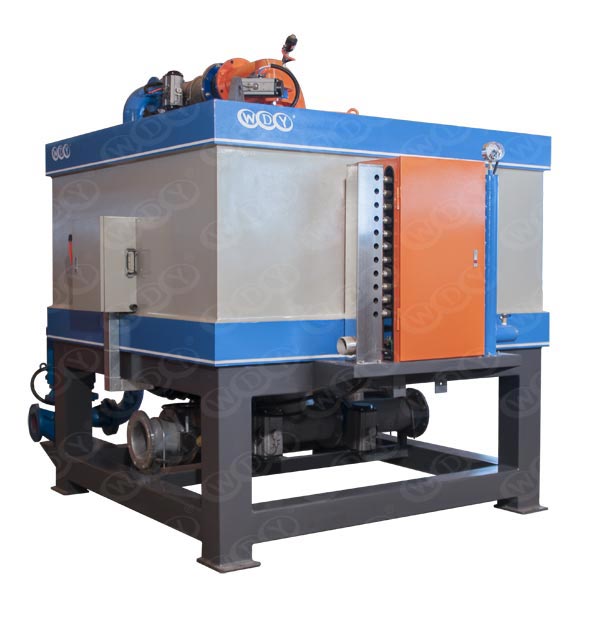
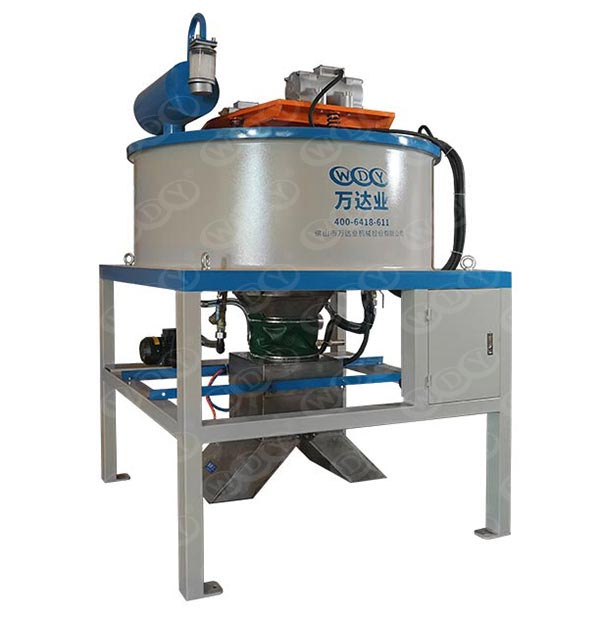
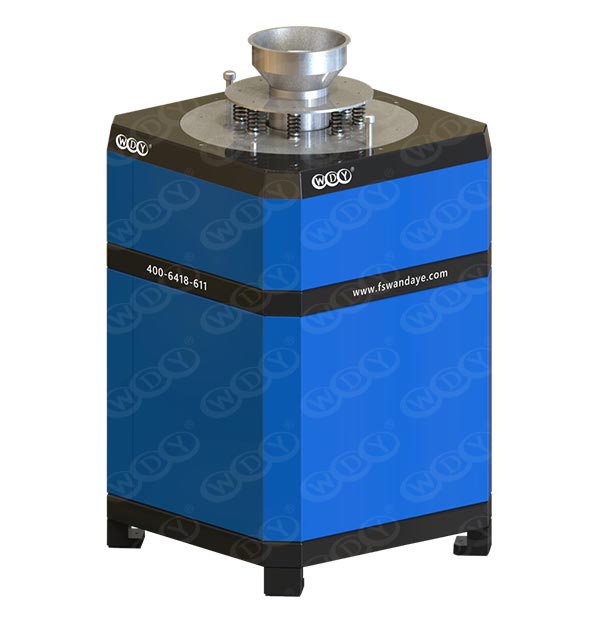
● Foshan Wandaye: Powder & Permanent Magnetic Separators for Dross and Powder Processing
● Practical Engineering Steps to Optimise an Aluminium Dross Line
>> 1. Characterise Your Dross Streams
>> 2. Design the Separation Flow Around Particle Size Windows
>> 3. Install Robust Magnetic Protection Upstream
>> 4. Integrate Control, Monitoring, and Data
>> 5. Close the Loop With Quality and Finance
● Metal Recovery and Magnetic Separation in Key Industries
● Why Partner With Foshan Wandaye for Aluminium Dross and Powder Separation
● Clear Next Steps (Call to Action)
● FAQs on Aluminium Dross Recovery and Magnetic Separation
>> 1. How much aluminium can realistically be recovered from dross?
>> 2. Why is magnetic separation important if aluminium is non‑magnetic?
>> 3. Can powder magnetic separators be used directly on aluminium dross?
>> 4. What is the typical throughput of an industrial dross recovery line?
>> 5. How does investing in dross recovery support sustainability goals?
Metal recovery from aluminium dross has moved from a “nice-to-have” to a profit-critical operation for secondary aluminium producers, casthouses, and recyclers worldwide. In this in‑depth guide, I’ll walk through how modern metal recovery lines work, where traditional systems fall short, and how advanced magnetic separation – including powder and permanent magnetic separators from Foshan Wandaye – can unlock higher yields and cleaner products. [alcircle]
Metal Recovery from Aluminium Dross: Why It Matters in 2026
Aluminium dross is the oxidized, foamy layer that forms on the surface of molten aluminium during smelting, casting, and remelting. Even after skimming, that “waste” typically contains a significant percentage of recoverable metal, often above 10–15% depending on process control and dross handling. [datainsightsmarket]
From my experience working with both recyclers and non‑ferrous smelters, three pressures now make high‑efficiency dross recovery strategically important:
– Tightening environmental regulations on landfilling and salt slag disposal. [dataintelo]
– Rising energy costs for primary aluminium, which make every kilogram of recovered metal more valuable. [datainsightsmarket]
– Growing customer demand for low‑carbon, circular aluminium in automotive, construction, and packaging applications. [dataintelo]
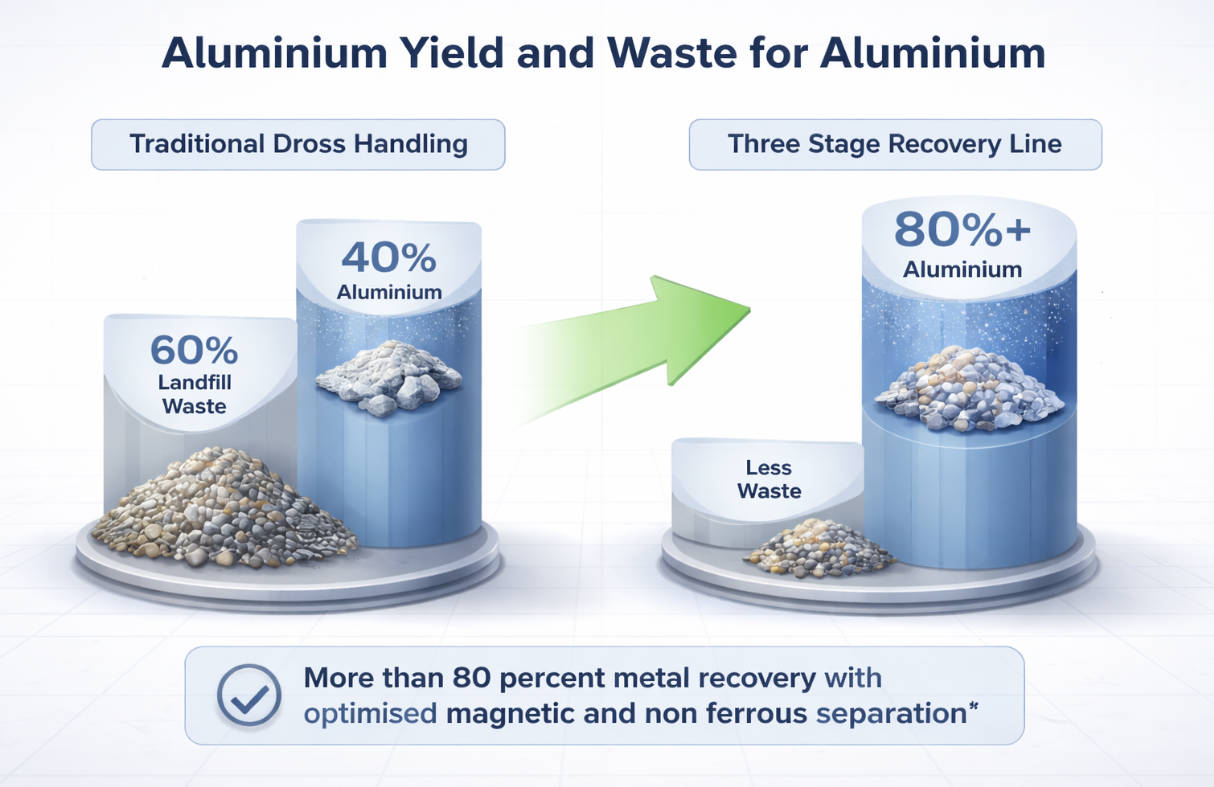
Well‑designed recovery lines combining mechanical sizing, magnetic separation, eddy current separation, and electrostatic separation can reliably recover more than 80% of the aluminium present in dross, often improving total yield by 10–20% compared with older, single‑stage methods. [alcircle]
How a Modern Aluminium Dross Recovery Line Works
Step 1 – Crushing and Particle Size Classification
In a typical plant, hot dross is cooled, then crushed and screened into controlled size fractions (for example 1.5–20 mm, with finer cuts for ultra‑fine recovery). This controlled sizing is critical: each downstream separator – magnetic, eddy current, electrostatic – performs best within defined particle size windows, and poor classification is one of the most common reasons I see for low recovery rates or dirty metal fractions. [alcircle]
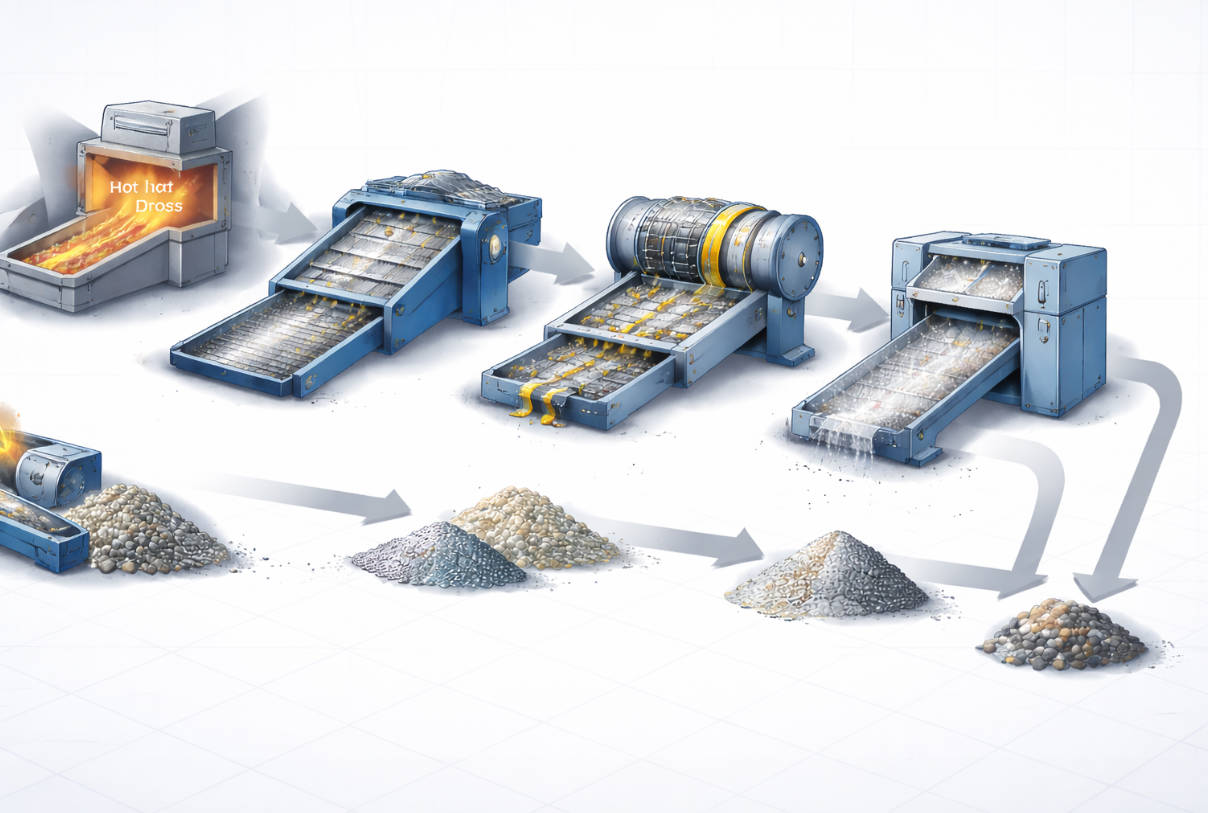
Step 2 – Removing Magnetic Contaminants With Drum Magnets
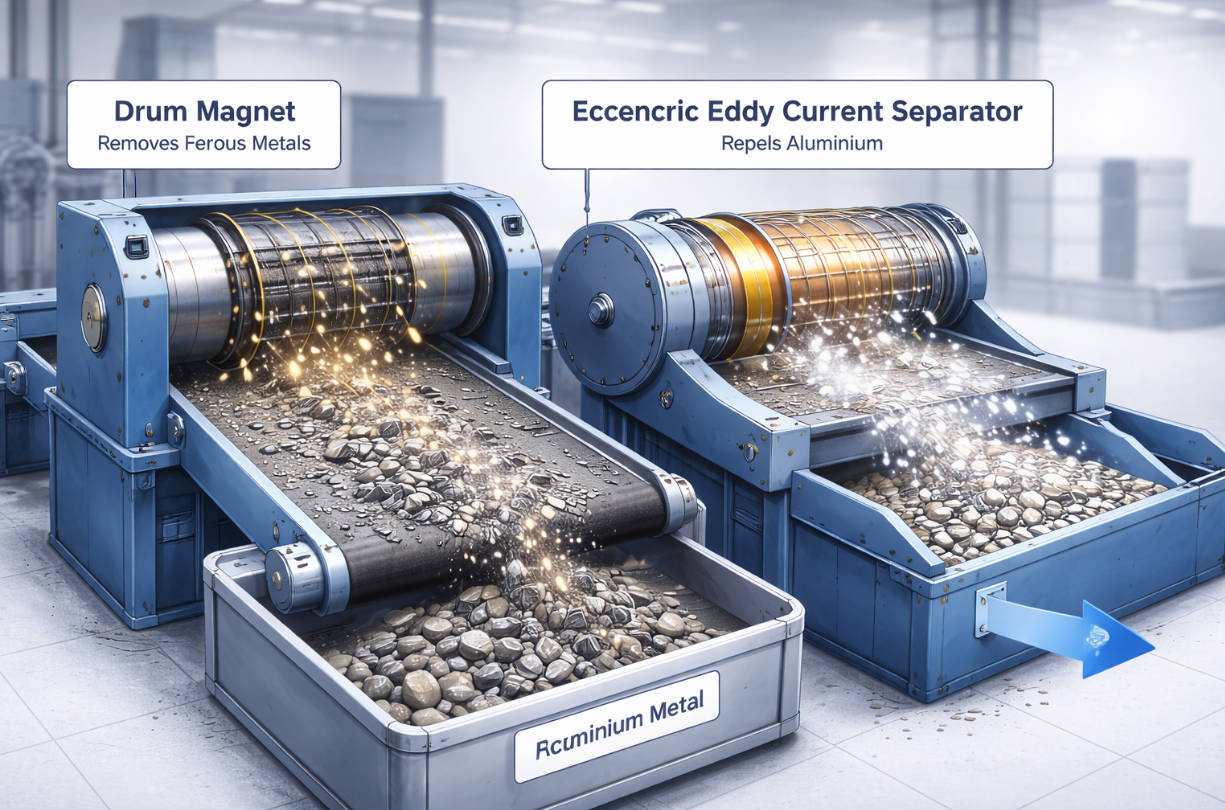
Once the material is sized, the first priority is to remove ferrous and strongly magnetic impurities that can damage downstream equipment or contaminate aluminium fractions. In the Bunting case study, tests showed that magnetic particles accounted for around 1% of the dross stream, and these were efficiently removed with a high‑intensity Rare Earth Drum Magnet. [alcircle]
A rare earth drum magnet works as follows: [alcircle]
– A stationary permanent magnetic core is housed inside a rotating non‑metallic shell.
– A vibratory feeder presents an even layer of dross onto the drum surface.
– Magnetic particles are attracted to the drum and carried out of the main flow, dropping into a dedicated discharge zone.
– Non‑magnetic material follows its natural trajectory and continues to the next stage.
Removing these contaminants early improves the performance of eddy current and electrostatic separators and reduces wear on mechanical equipment. [alcircle]
Step 3 – Recovering Aluminium “Pearls” With Eddy Current Separation
The next step targets larger, denser aluminium beads or “pearls” embedded in the dross matrix. In Bunting’s controlled tests, an eccentric eddy current separator recovered about 14% of the feed as aluminium metal, demonstrating how powerful this technology can be when dross is properly prepared. [alcircle]
An eccentric eddy current separator uses a fast‑rotating magnetic rotor with alternating poles inside a non‑metallic shell. As conductive aluminium pieces pass through the changing magnetic field, eddy currents are induced, creating a secondary magnetic field in the metal that opposes the rotor field. This repels the aluminium forward and away from the main trajectory, allowing it to be separated from non‑conductive oxides and fines using an adjustable splitter. [dingsmagnets]
Step 4 – Capturing Fine Aluminium With Electrostatic Separation
Even after an eddy current separator, a significant quantity of fine aluminium can remain locked in dross, especially in particle sizes too small or irregular for effective eddy current repulsion. To address this, the Middle East plant case study used an electrostatic separator for finer fractions and recovered an additional 6% aluminium. [alcircle]
In electrostatic separation:
– Dry, liberated particles are charged in a high‑voltage field.
– Conductive particles such as aluminium rapidly lose their charge and are attracted to grounded collection electrodes.
– Non‑conductive oxides retain their charge longer and follow a different path, enabling clean separation. [alcircle]
Combining these three stages – drum magnet, eddy current, and electrostatic – the tests showed that about 15% of the dross mass could be recovered as aluminium metal in that specific application, with scope for higher recovery when plant‑specific optimisation is applied. [datainsightsmarket]
Case Study: Three‑Stage Dross Recovery in the Middle East
The Bunting project in the Middle East is a strong illustration of how a structured, test‑driven approach delivers reliable performance. Controlled trials on three size‑segregated dross samples in a dedicated test centre were used to design a full‑scale system with: [alcircle]
– A 1250 mm‑wide, 350 mm diameter rare earth drum magnet.
– A 1250 mm‑wide eccentric eddy current separator with adjustable splitter.
– An electrostatic separator for fine fractions, 1000 mm wide, with adjustable splitter. [alcircle]
The full‑scale line was engineered to process around 3 tonnes per hour of 1.5–20 mm dross, with a shared frame and central control cabinet for the drum and eddy current stages and separate control for the electrostatic unit. [alcircle]
From an operations standpoint, three aspects are noteworthy:
– Particle size control: the feed size range was tightly managed to maximise separation performance in each stage. [alcircle]
– Magnetic pre‑cleaning: early removal of 1% magnetics significantly improved later separation and reduced contamination in final metal products. [alcircle]
– Test‑backed design: equipment selection and sizing were based on real samples rather than assumptions, an approach I strongly recommend for any serious dross‑recovery investment. [alcircle]
Where Traditional Dross Recovery Falls Short
When I review existing dross lines, I typically see three recurring limitations that cap recovery rates well below what modern technology can deliver:
– Single‑stage recovery: relying on only salt‑cake furnaces or only coarse mechanical separation leaves fine and mid‑range aluminium unrecovered.
– Inadequate magnetic separation: weak or poorly positioned magnets allow iron tools, steel shots, and tramp metal to reach furnaces or eddy current units, increasing downtimes and reducing metal quality. [jkmagnetic]
– Poor dust and fine management: fines are often landfilled or treated as unrecoverable, despite modern electrostatic and high‑gradient magnetic technologies being able to recover valuable metal from these streams. [datainsightsmarket]
In short, older systems treat dross as a side‑issue; best‑in‑class 2026 plants treat it as a designed recovery line with its own process engineering, data monitoring, and optimisation strategy. [dataintelo]
The Growing Aluminium Dross Recycling Market (2025–2034)
Industry data confirm that dross recovery is no longer a niche topic. Recent market research estimates: [dataintelo]
– The global aluminium dross recycling market was valued at about 8.4 billion USD in 2025 and is projected to reach nearly 14.9 billion USD by 2034, representing a CAGR of around 6.6%. [dataintelo]
– Broader aluminium dross recycling and secondary aluminium markets are expected to reach tens of billions of dollars in value by the mid‑2020s as advanced recovery technologies achieve >80% metal recovery rates. [datainsightsmarket]
– In Germany and other advanced manufacturing economies, dedicated aluminium dross machine markets are anticipated to grow at double‑digit annual rates, reflecting strong investment in modern treatment lines. [linkedin]
For plant managers, this translates into a clear message: not recovering aluminium from dross is leaving money on the floor, while competitors invest in efficient, automated lines that improve both yield and environmental performance. [linkedin]
The Critical Role of Magnetic Separation in Dross and Non‑Ferrous Recycling
Although eddy current and electrostatic separators often get the spotlight in non‑ferrous recycling, magnetic separation underpins the stability, safety, and economics of the entire line. [jkmagnetic]
Modern recycling facilities use several magnetic technologies across the process flow: [dingsmagnets]
– High‑gradient powder magnetic separators for ultra‑fine ferrous contamination in powders and dusts.
– Permanent magnetic drums and pulleys to remove bulk ferrous and weakly magnetic contaminants.
– Overband and belt‑conveyor separators to protect shredders, crushers, and downstream sorting systems.
In aluminium recycling and dross processing, these units prevent steel fragments, tools, and iron oxides from contaminating molten baths or interfering with eddy current separation. When combined with eddy current separators – which can repel non‑ferrous metals like aluminium using induced eddy currents – plants achieve clean separations even in complex mixed streams. [dingsmagnets]
Foshan Wandaye: Powder & Permanent Magnetic Separators for Dross and Powder Processing
Foshan Wandaye Technology Co., Ltd. is a specialised manufacturer of magnetic separation equipment, integrating R&D, engineering design, production line installation, and commissioning into complete turnkey solutions. With over 15 years of experience and more than 100 turnkey projects delivered globally, the company focuses on efficiency, energy saving, environmental protection, and intelligent control in all system designs. [wdymagnetic]
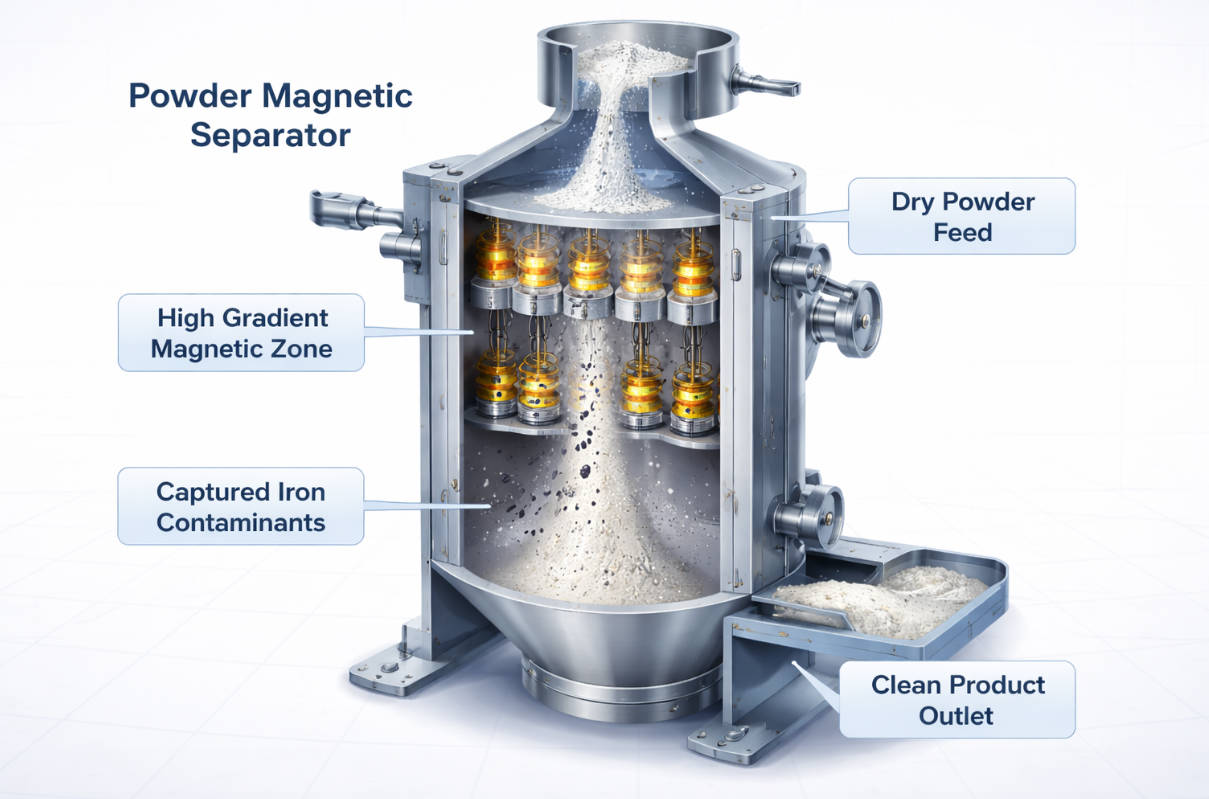
Key magnetic separation solutions relevant to aluminium dross, alloy scrap, and powder processing include: [fswandaye]
– Electromagnetic dried‑powder separators:
Designed with large wrap angles and multi‑pole fields, these units create strong, uniform high‑gradient magnetic zones ideal for removing ferrous and weakly magnetic contaminants from dry powders and granulates.
– New‑type electromagnetic powder magnetic separators:
Enhanced magnetic field geometry and expanded selection areas support ultra‑fine purification of ceramic, glass, and battery powders, which increasingly include aluminium and other non‑ferrous additives.
– Permanent and belt conveyor magnetic separators:
These permanent magnet systems provide robust tramp‑iron removal from conveyors feeding crushers, mills, or separation lines, with large magnetic areas, strong forces, and long service life, and no manual cleaning required.
– Vertical ring high‑gradient magnetic separators:
Developed to avoid clogging issues typical of flat‑ring designs, these units are well‑suited to continuous, high‑throughput mineral and powder processing lines.
Wandaye’s equipment is widely applied in mining, ceramics, glass, battery materials, plastics, food, pharmaceuticals, and environmental protection industries, and products are exported to countries such as Vietnam and India. For aluminium dross processors, the same platform of powder and slurry separators can be adapted for oxide‑rich fines, flux residues, and other challenging side streams. [fswandaye]
Practical Engineering Steps to Optimise an Aluminium Dross Line
From an engineering and operations perspective, I recommend a structured, step‑by‑step optimisation roadmap rather than isolated equipment upgrades.
1. Characterise Your Dross Streams
– Sample across furnace types, charge mixes, and seasons to capture variability.
– Measure aluminium content, particle size distribution, oxide content, and magnetic content.
– Test representative samples on pilot‑scale drum magnets, eddy current, and electrostatic separators before final equipment selection. [alcircle]
2. Design the Separation Flow Around Particle Size Windows
– Define specific size classes (e.g. >20 mm, 1.5–20 mm, <1.5 mm) and specify which separator treats which fraction.
– For fines (<1.5 mm or application‑specific threshold), evaluate electrostatic separation and high‑gradient magnetic separation in combination. [datainsightsmarket]
3. Install Robust Magnetic Protection Upstream
– Use permanent drum magnets or pulley magnets at key transfer points to remove ferrous contamination before eddy current or electrostatic stages. [jkmagnetic]
– In powder conveying and silo discharge, consider powder magnetic separators to protect downstream dosing systems and improve final product cleanliness.
4. Integrate Control, Monitoring, and Data
– Connect vibratory feeders, drum magnets, eddy current separators, and electrostatic units to a central control cabinet, as in the Middle East reference plant. [alcircle]
– Log throughput, power consumption, temperatures, and metal recovery to create a data set for continuous improvement.
5. Close the Loop With Quality and Finance
– Track recovered aluminium mass and purity versus dross generated to quantify yield improvement.
– Factor in avoided landfill fees, salt slag disposal costs, and reduced primary aluminium purchases.
– Use these metrics to justify further investment in higher‑intensity magnets, smarter control systems, or additional separation stages.
Metal Recovery and Magnetic Separation in Key Industries
Aluminium dross recovery technology is increasingly connected to a broader ecosystem of magnetic separation in recycling and advanced materials. [dingsmagnets]
Examples include:
– Battery and cathode/anode materials: Powder and permanent magnetic separators remove iron and stainless steel contamination from graphite, lithium compounds, and aluminium‑based components, protecting downstream calendering and coating processes.
– Ceramics and glass: Magnetic purification of feldspar, quartz, and kaolin improves whiteness and reduces defects, with Wandaye providing whole‑line solutions for these minerals.
– MSW and non‑ferrous scrap: High‑intensity magnets and eddy current separators work together to recover aluminium and other non‑ferrous metals from municipal solid waste, shredded scrap, and glass cullet. [jkmagnetic]
For operators working across multiple plants – for example, a group that runs both aluminium casthouses and ceramic tile factories – partnering with a single magnetic separation specialist capable of designing cross‑industry solutions can significantly reduce complexity and learning time. [wdymagnetic]
Why Partner With Foshan Wandaye for Aluminium Dross and Powder Separation
When selecting a technology partner for dross recovery and powder purification, I look at three dimensions: technical depth, engineering capability, and long‑term support. Foshan Wandaye’s profile aligns well with these criteria: [wdymagnetic]
– Integrated R&D and engineering: In‑house research teams and process engineers design complete production lines, from mineral testing and process design to installation and commissioning.
– Certified quality and safety systems: ISO 9001 quality management and OHSAS 18001/ISO 45001 occupational health and safety certifications underpin consistent manufacturing and safe implementation.
– Global project experience: More than 100 turnkey projects delivered to customers in China and abroad, across mining, ceramics, glass, battery, and recycling sectors. [wdymagnetic]
– Whole‑line solutions: Kaolin, feldspar, quartz sand, and other industrial mineral lines serve as a strong template for designing robust aluminium dross and alloy scrap processing systems.
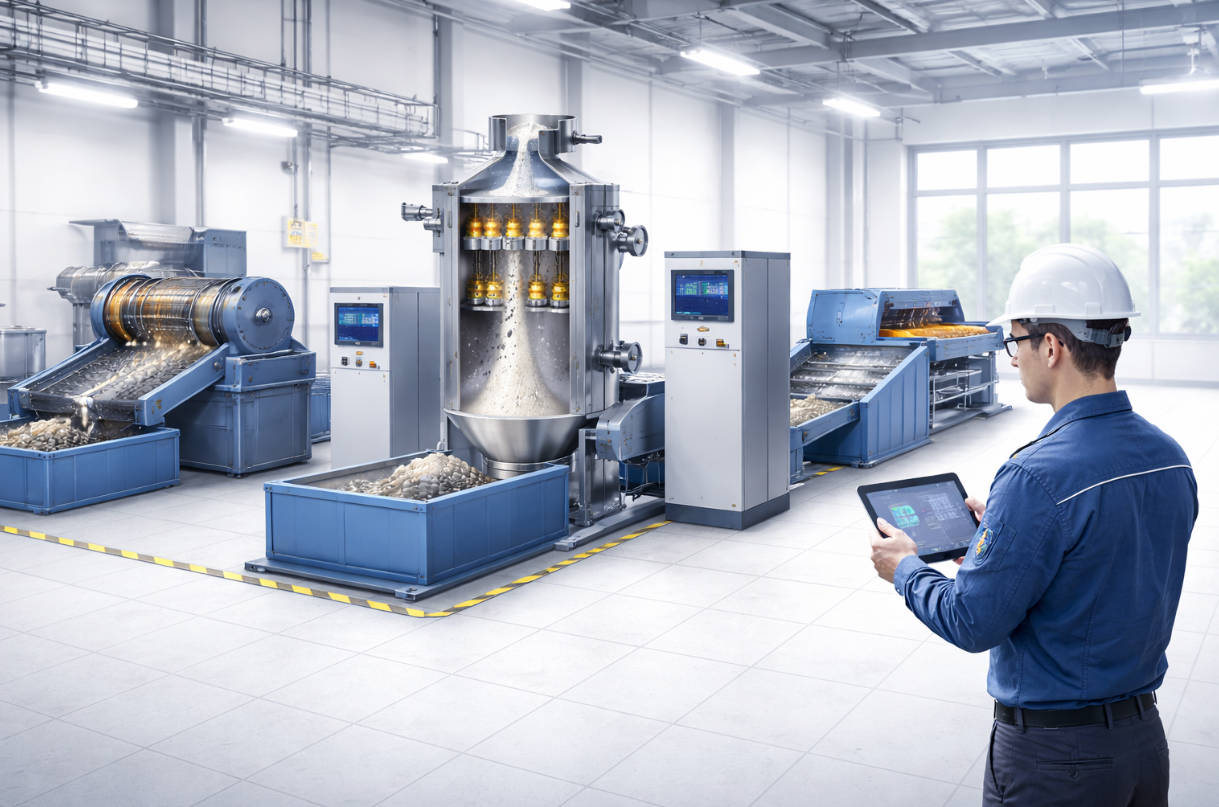
For aluminium producers and recyclers seeking to move beyond basic dross skimming and smelting, partnering with a specialised magnetic separation OEM offers a pragmatic path to higher recovery, lower risk, and measurable financial gains.
Clear Next Steps (Call to Action)
If you are planning or upgrading an aluminium dross recovery line, the fastest way to quantify your potential gains is to test your actual dross samples on industrial‑grade magnetic and non‑ferrous separation equipment.
Foshan Wandaye’s engineering team can:
– Analyse your dross composition and current recovery rates.
– Propose a tailored flow sheet combining powder magnetic separators, permanent drum magnets, and complementary separation technologies.
– Design, install, and commission a complete line, with training and after‑sales support.
To discuss your project or request a technical consultation, you can reach out via the official website and contact channels of Foshan Wandaye Technology Co., Ltd. [fswandaye]
FAQs on Aluminium Dross Recovery and Magnetic Separation
1. How much aluminium can realistically be recovered from dross?
Recovery rates depend on dross quality, handling, and technology, but modern three‑stage lines (magnetic, eddy current, electrostatic) often recover more than 80% of the metal content, and case‑study plants regularly achieve around 15% of total dross mass as recoverable aluminium in specific operating windows. [datainsightsmarket]
2. Why is magnetic separation important if aluminium is non‑magnetic?
Magnetic separation does not target aluminium itself but removes ferrous and magnetic contaminants that reduce eddy current and electrostatic efficiency, damage equipment, and contaminate recovered metal, making magnetic stages essential for both yield and product quality. [dingsmagnets]
3. Can powder magnetic separators be used directly on aluminium dross?
Powder magnetic separators are primarily designed to remove iron and weakly magnetic contaminants from fine powders and are most effective on oxide‑rich fines, salt slags, and processed dross fractions, where they protect downstream milling, classification, and packaging systems rather than directly separating aluminium from oxides. [fswandaye]
4. What is the typical throughput of an industrial dross recovery line?
Industrial lines vary widely, but reference systems such as the Bunting installation process around 3 tonnes per hour of 1.5–20 mm dross, with scalability up or down depending on furnace capacity, shift patterns, and dross generation rate. [alcircle]
5. How does investing in dross recovery support sustainability goals?
Efficient dross recovery reduces the need for primary aluminium, lowers total energy and carbon footprints, minimises hazardous waste disposal, and supports circular‑economy strategies that are increasingly required by regulators, investors, and downstream customers in sectors such as automotive and construction. [sciencedirect]
References
1. Bunting Magnetics, “Metal Recovery from Aluminium Dross – Case Study (Middle East Plant).” [Link] [alcircle]
2. Data Insights Market, “Aluminium Dross Recycling Market Analysis and Forecasts.” [Link] [datainsightsmarket]
3. Dataintelo, “Aluminium Dross Recycling Market Research Report 2034.” [Link] [dataintelo]
4. Dings Co. Magnetic Group, “Magnetic Separation for Recycling Processes.” [Link] [dingsmagnets]
5. JK Magnetics, “Magnetic Separators for Recycling Industry.” [Link] [jkmagnetic]
6. Foshan Wandaye Technology Co., Ltd., “Magnetic Separator Machine Manufacturer & Supplier in China.” [Link] [wdymagnetic]
7. Foshan Wandaye Technology Co., Ltd., Chinese‑language product and company profile. [Link] [fswandaye]
8. Aluminium Dross and Scrap Market Insights, “A Review of the Upcycling of Aluminum Scrap and Dross Using Molten Salt Technologies.” [Link] [sciencedirect]
9. Germany Aluminum Dross Machine Market Trends and Projected CAGR (2026–2033). [Link] [linkedin]
Hot Tags: Aluminium Dross Processing, Aluminium Dross, Manufacturers, Customized, Custom, Suppliers, Buy, Cheap, Quality, Advanced, Durable, in Stock, Made in China, Price, Quotation