Content Menu
● Understanding Magnet Types in Industrial Processing
● What Is Temporary Magnetism?
● Industrial Uses of Temporary Magnets and Electromagnets
>> 1. Electromagnetic separators in slurries and powders
>> 2. Magnetic separators in food and pharmaceuticals
>> 3. MRI, cranes, and lifting equipment
● How Permanent Magnets Work in Separators
● Key Differences: Temporary vs Permanent Magnets in Practice
● Where Each Magnet Type Excels: Real‑World Scenarios
>> 1. Ceramics, glass, and building materials
>> 2. Mining and mineral processing
>> 3. Food, rubber, and plastics
>> 4. Battery cathode/anode and advanced materials
● Latest Trends in Magnetic Separator Technology
● Practical Selection Guide: How to Choose the Right Magnet Type
>> Step 1: Define product and contamination
>> Step 2: Set performance targets
>> Step 4: Consider operating environment
>> Step 5: Evaluate lifecycle cost
● Call to Action: Optimize Your Magnetic Separation Strategy
● FAQs
>> FAQ 1: How do I know if I need an electromagnetic separator instead of a permanent one?
>> FAQ 2: How often should industrial magnets be inspected or tested?
>> FAQ 3: Can permanent magnets lose strength over time?
>> FAQ 4: What is the environmental impact of using rare‑earth permanent magnets?
>> FAQ 5: Where should I install magnetic separators in an existing line?
As an engineer working with powder magnetic separators and permanent magnetic separators on real production lines, I see every week how the choice between temporary (electromagnets) and permanent magnets directly affects yield, product purity, energy costs, and downtime. This guide demystifies magnet types from a real-world, plant-floor perspective, and shows how to select and apply them in industries from ceramics and mining to battery materials and food processing. [minejxsc]
Understanding Magnet Types in Industrial Processing
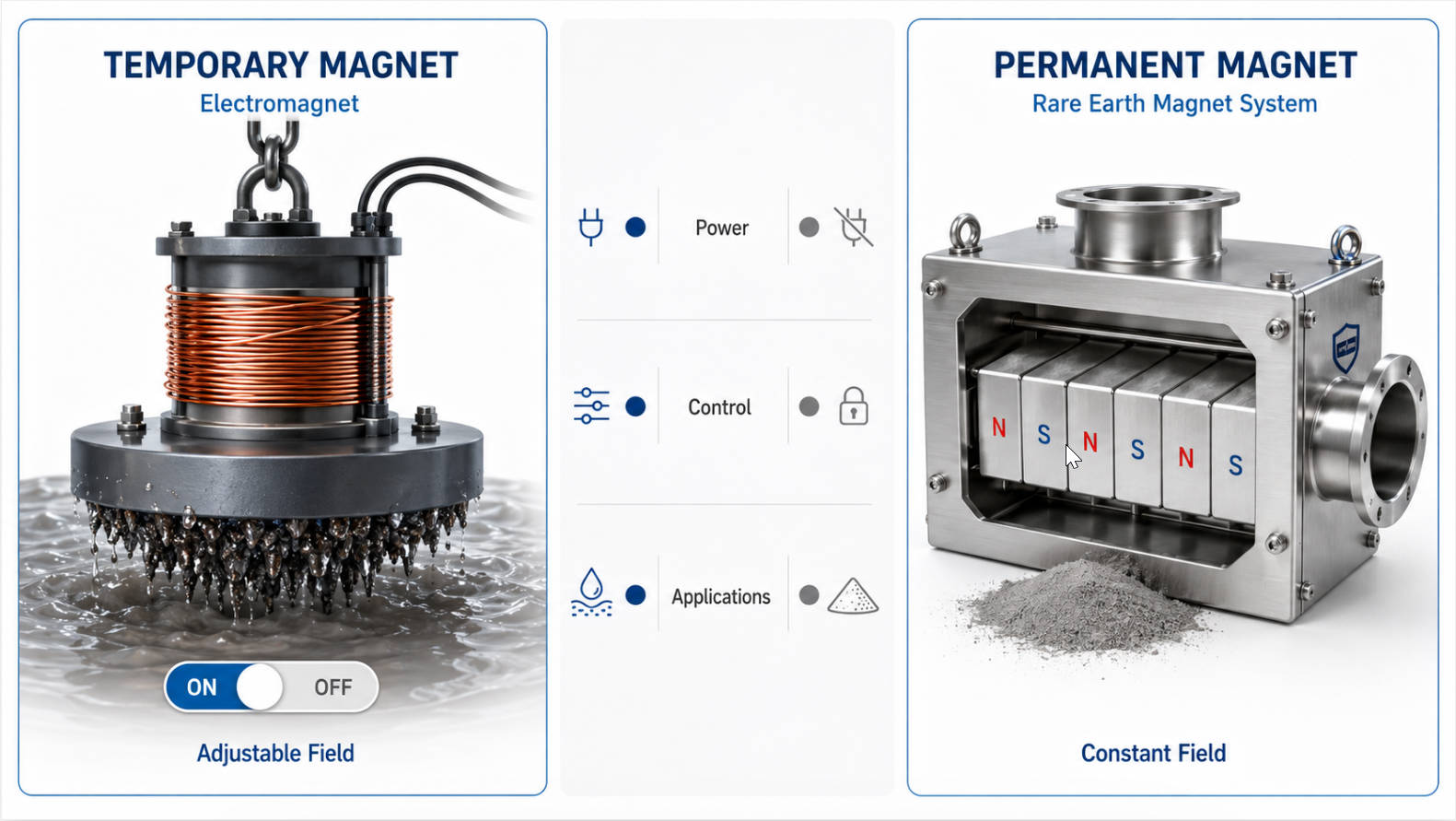
In industrial practice, we usually talk about three functional categories of magnets: temporary magnets, permanent magnets, and electromagnets used as controllable “temporary” magnets. Each behaves differently in a magnetic separator or process line, even if the physics behind them is the same. [greatmagtech]
– Temporary magnets: Materials like mild steel that only become magnetized in an external magnetic field and lose magnetism once that field is removed.
– Permanent magnets: Materials (such as ferrite and rare‑earth magnets) that maintain a strong magnetic field without any external power source.
– Electromagnets: Coils energized with current, often around a ferromagnetic core, that act as powerful, switchable temporary magnets. [greatmagtech]
In separation equipment, all three concepts show up: permanent magnetic separators, electromagnetic separators, and hybrid designs tailored to different products and particle sizes. [minejxsc]
What Is Temporary Magnetism?
Temporary magnetism describes materials that only hold magnetism while they are under the influence of an external magnetic field. Once you remove that field, the internal magnetic domains fall back into a random state and the part becomes effectively non‑magnetic again.
Materials and behavior
– Typical temporary magnetic materials: low‑carbon steels and other soft ferromagnetic alloys based on iron, nickel, and cobalt.
– They show low coercivity and low remanence, meaning they are easy to magnetize and just as easy to demagnetize.
Engineers like temporary magnetism because it gives precise control: you can turn the field “on” and “off” simply by energizing or de‑energizing an electromagnet. [greatmagtech]
Industrial Uses of Temporary Magnets and Electromagnets
From an industrial point of view, we almost always encounter temporary magnetism through electromagnets.
1. Electromagnetic separators in slurries and powders
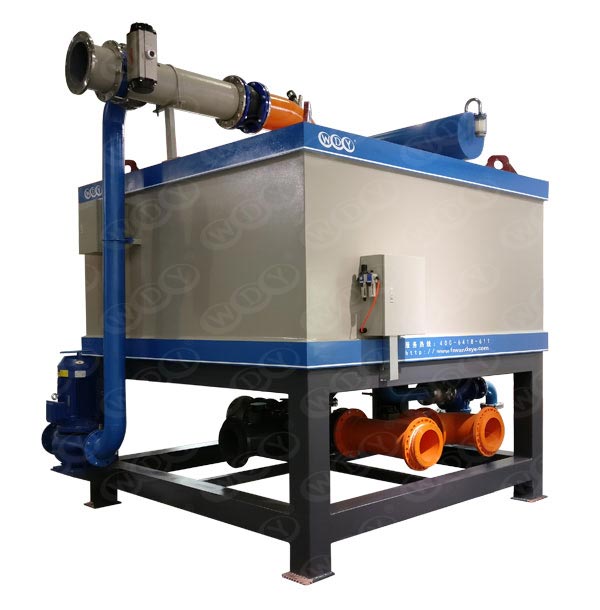
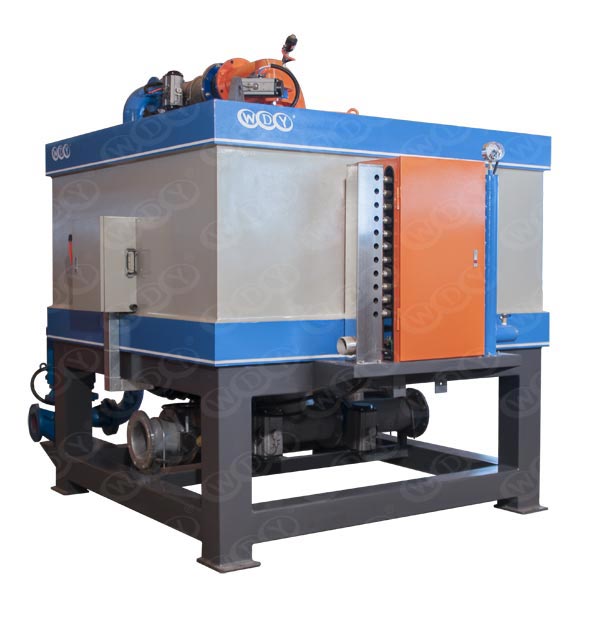
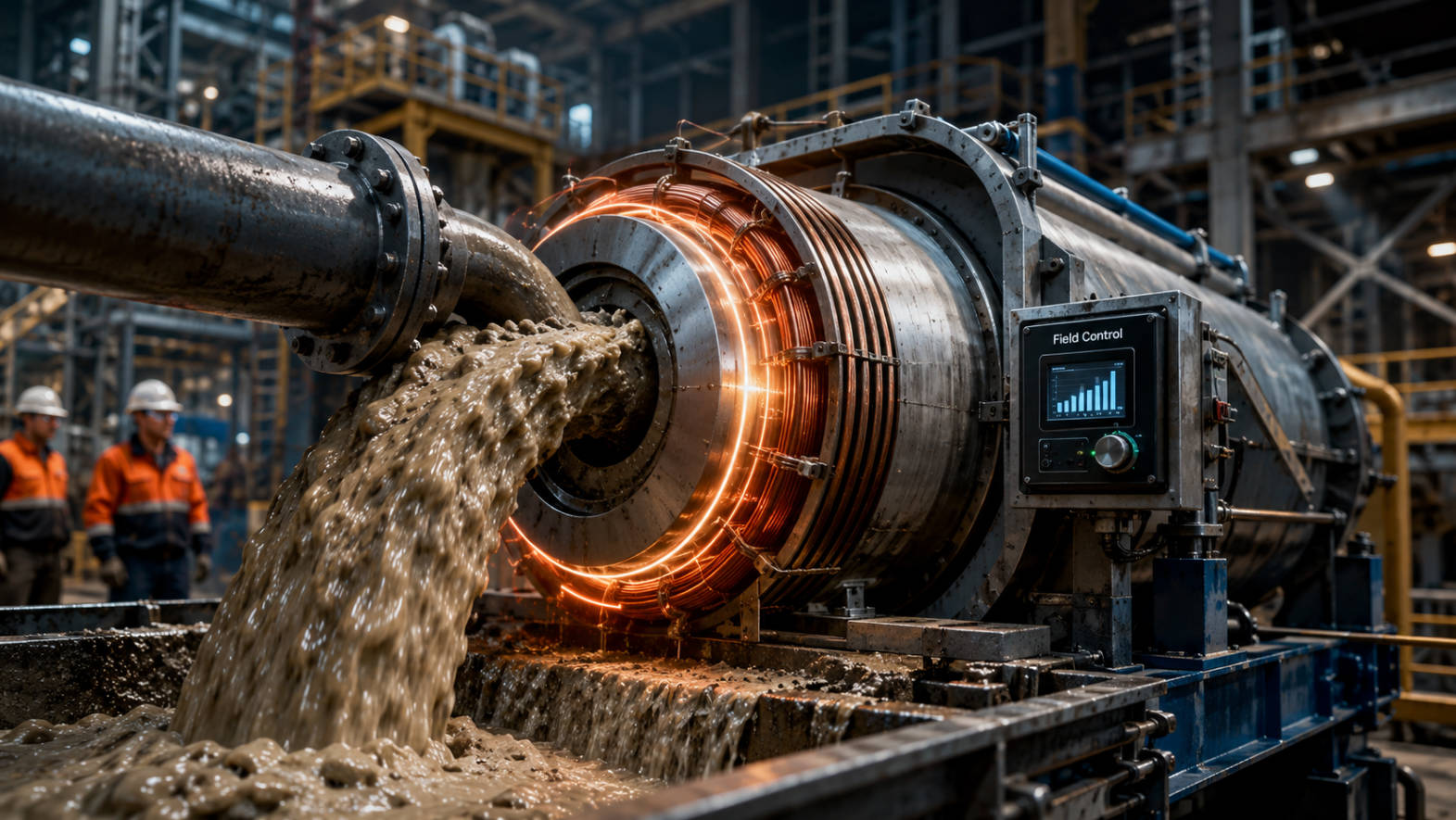
Wet drum and slurry‑type electromagnetic separators use coils to create a strong, controllable field inside a rotating drum or over a flow channel. These are widely used in: [imt-inc]
– Mining and mineral processing (e.g., iron ore upgrading, ilmenite recovery). [imt-inc]
– Ceramics and glass (removing iron impurities from kaolin, quartz, feldspar). [experts.umn]
– Battery cathode/anode materials (fine iron removal to protect downstream equipment and product performance).
Because the magnet is temporary, operators can adjust current, field strength, and duty cycle in real time to match product changes. [gme-magnet]
2. Magnetic separators in food and pharmaceuticals
Many high‑sensitivity metal control systems in food and pharma combine permanent magnets with electromagnetic elements, especially in liquid and slurry lines where automatic cleaning is required. Here, temporary magnetism supports: [magnattackglobal]
– Automated discharge of captured contaminants.
– Integration with CIP/SIP processes where thermal cycles and cleaning chemicals would otherwise demagnetize or corrode weaker materials.
3. MRI, cranes, and lifting equipment
Beyond processing lines, temporary magnets are central to MRI systems in healthcare and magnetic cranes in scrap yards and steel plants, where precise control over on/off states is safety‑critical. [greatmagtech]
What Is a Permanent Magnet?
A permanent magnet is a material where the magnetic domains are locked into a mostly aligned state, so the magnet keeps its field without any external power. Common industrial permanent magnet families include:
– Ferrite (ceramic) magnets – cost‑effective, corrosion‑resistant, moderate strength.
– Alnico magnets – high temperature stability but lower coercivity compared with rare‑earth magnets.
– Rare‑earth magnets such as NdFeB (neodymium) and SmCo (samarium–cobalt) – very high energy product and coercivity.
In powder and bulk handling, rare‑earth permanent magnets let you build compact, high‑intensity separators that can pull weakly magnetic contaminants from fine powders at very high throughput. [experts.umn]
How Permanent Magnets Work in Separators
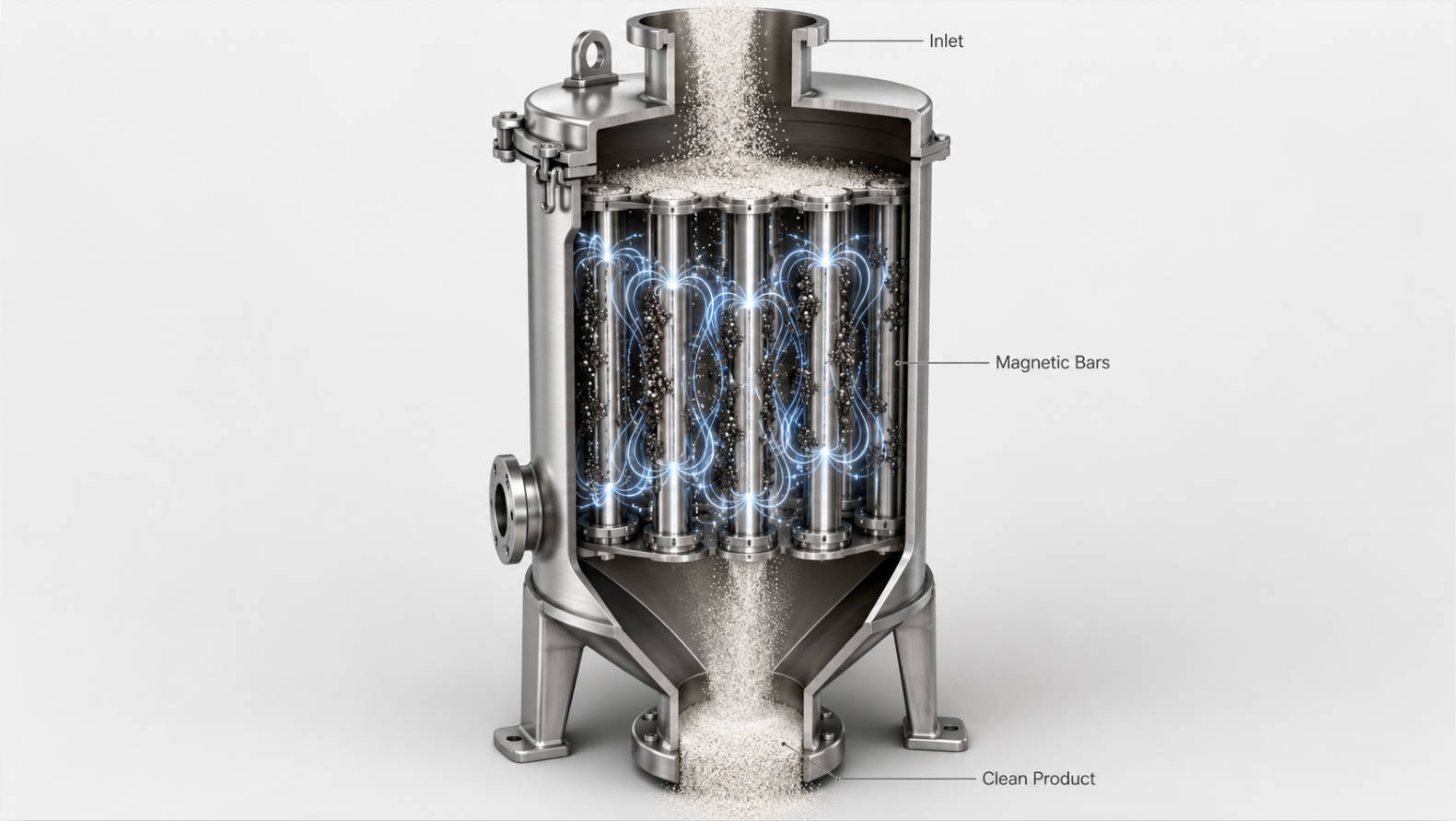
Permanent magnetic separators use static magnetic circuits (often multi‑pole) to generate an intense field in the working zone where powder or slurry passes. [minejxsc]
Typical permanent‑magnet process equipment includes:
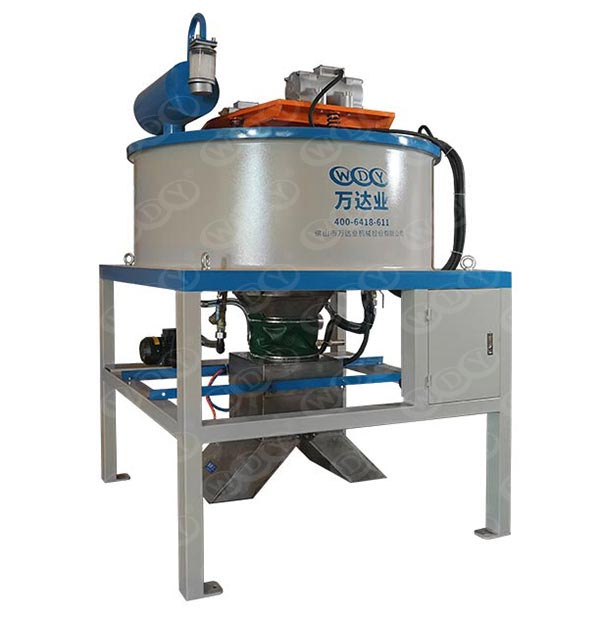
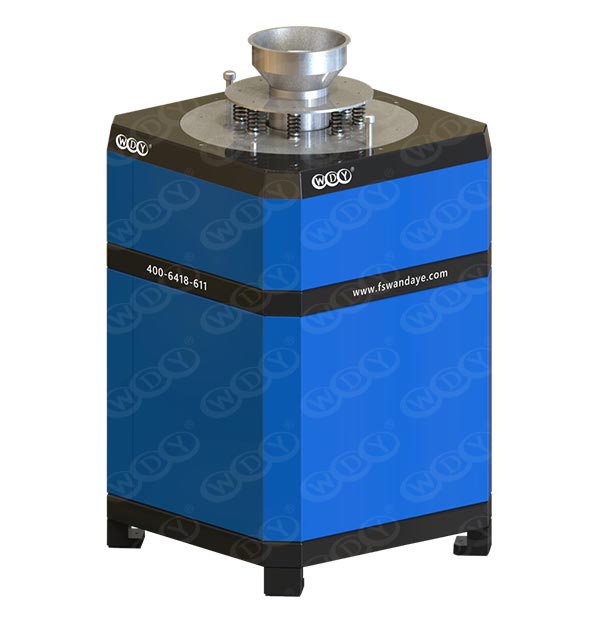
– Powder magnetic separators (gravity or pneumatic inline types) for ceramics, glass, plastics, food powders, and battery materials.
– Drawer magnets and grids in dry powder transfer lines. [magnattackglobal]
– Drum and roller separators for dry mineral sands, plastics regrind, and e‑scrap. [experts.umn]
Because there is no coil, these machines deliver constant field strength with zero operating energy consumption, aside from motors and automation systems. [minejxsc]
Key Differences: Temporary vs Permanent Magnets in Practice
From an engineering view, the “right” magnet is rarely the strongest one—it is the one that best fits your process constraints (temperature, throughput, cleaning method, energy, safety, and budget). [minejxsc]
Side‑by‑side comparison
| Aspect | Temporary / Electromagnet | Permanent Magnet |
|---|---|---|
| Magnetization source | Needs external current and field greatmagtech | Built‑in aligned domains, self‑sustaining |
| Coercivity & remanence | Low – easy to magnetize and demagnetize | High – strongly resists demagnetization |
| Field control | Field can be switched and tuned via current imt-inc | Fixed field; only mechanical adjustments possible |
| Operating energy use | Continuous power draw, may need cooling greatmagtech | No energy for the magnetic field itself greatmagtech |
| Typical separator uses | Wet drums, high‑gradient slurries, lifting, MRI imt-inc | Powder separators, drawer magnets, dry drums magnattackglobal |
| Cost profile | Higher CapEx and OpEx; complex controls gme-magnet | Lower operating cost; rare‑earth materials can raise CapEx gme-magnet |
| Environmental impact | Related to energy use; recyclable steel cores gme-magnet | Mining and refining of rare‑earths have higher environmental footprint if not managed responsibly |
In modern processing plants, the most robust systems combine both types: permanent magnets for baseline protection and energy‑efficient separation, and electromagnets where controllability and extreme field gradients are required. [gme-magnet]
Where Each Magnet Type Excels: Real‑World Scenarios
Drawing from recent industry projects and published case material, here is how we recommend choosing magnet types across typical sectors. [imt-inc]
1. Ceramics, glass, and building materials
– Challenge: Remove iron contamination from quartz, feldspar, kaolin, and glass batch to achieve high whiteness and low Fe content. [experts.umn]
– Best fit: High‑intensity permanent powder separators for dry phases; wet electromagnetic separators for slurries where ultra‑low residual iron is required. [imt-inc]
– Why: Permanent magnets protect day‑to‑day production economically, while electromagnets provide deep cleaning for premium grades.
2. Mining and mineral processing
– Challenge: Recover valuable magnetic minerals and protect crushers, mills, and screens from tramp iron. [gme-magnet]
– Best fit:
– Over‑belt electromagnets or powerful permanent cross‑belt magnets for tramp iron.
– Wet drum electromagnetic separators in concentration stages. [gme-magnet]
– Why: Temporary magnetism allows high‑throughput slurry processing with adjustable field strength and automatic discharge.
3. Food, rubber, and plastics
– Challenge: Metal contamination threatens consumer safety, regulatory compliance, and equipment life. [mainrichmagnets]
– Best fit: Rare‑earth permanent grid, trap, and bullet magnets in gravity lines and pneumatic conveying; in some liquid systems, self‑cleaning designs with magnet bars that can be pneumatically withdrawn. [mainrichmagnets]
– Why: Permanent magnets provide continuous protection with no risk of line‑stopping in case of power dips.
4. Battery cathode/anode and advanced materials
– Challenge: Ultra‑fine powders with strict impurity limits; any iron particle can damage performance or cause safety issues.
– Best fit: High‑gradient permanent powder magnetic separators at several points in the process: raw material, milling, classification, and final packaging. [experts.umn]
– Why: Permanent rare‑earth magnets deliver stable, very high field intensities needed to capture weakly magnetic fines.
Latest Trends in Magnetic Separator Technology
Recent industry reports and technical articles highlight several trends that matter when you design or upgrade a line. [elcanindustries]
– Higher‑intensity rare‑earth circuits: Modern NdFeB grades provide stronger fields in smaller footprints, enabling more compact powder separators and retrofits into tight plant layouts. [gme-magnet]
– Wet drum separator optimization: Manufacturers now offer variable‑speed drums, optimized pole configurations, and improved wear linings to reduce maintenance and boost recovery. [imt-inc]
– Hygienic and easy‑clean designs: In food and pharma, fully weld‑sealed housings, high polish finishes, and tool‑less bar removal are becoming standard to meet stricter audit requirements. [magnattackglobal]
– Automation and monitoring: Smart separators integrate with plant PLCs to log metal capture events, alert operators when cleaning is required, and track separator performance over time. [elcanindustries]
These innovations are particularly relevant for producers in ceramics, new energy materials, and food who face steadily tightening quality and traceability demands. [magnattackglobal]
Practical Selection Guide: How to Choose the Right Magnet Type
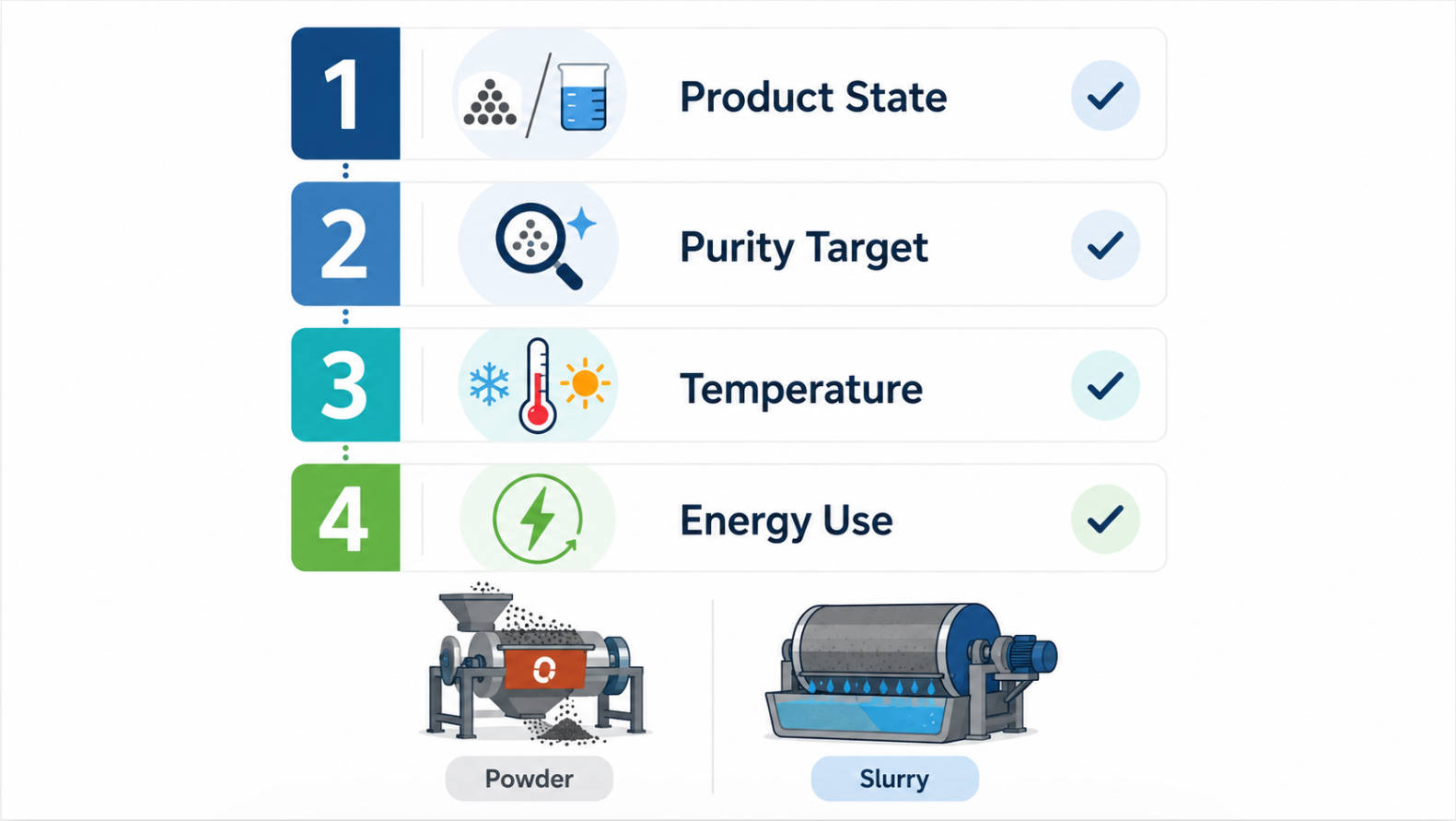
From an engineer’s perspective, the fastest way to a good decision is to work through a short, structured checklist.
Step 1: Define product and contamination
– Is the product dry powder, granules, slurry, or liquid? [magnattackglobal]
– What is the predominant contaminant type (tramp iron, process wear particles, stainless fragments, etc.)? [magnattackglobal]
– Typical particle size range and bulk density? [minejxsc]
Step 2: Set performance targets
– Maximum allowable metal ppm or count per ton.
– Critical control points for regulations (e.g., HACCP in food) or customer specs in ceramics and battery materials. [magnattackglobal]
Step 3: Match magnet type
– If your process is wet or slurry‑based and you need adjustable, very high gradients, lean toward an electromagnetic separator. [imt-inc]
– If it is dry powder or granules, start with permanent magnet solutions; they will usually deliver the best lifecycle cost. [minejxsc]
Step 4: Consider operating environment
– Maximum and minimum temperature—permanent magnets have defined upper temperature limits, while electromagnets are limited by coil insulation and cooling. [greatmagtech]
– Corrosion and abrasion—choose appropriate housings and liners.
Step 5: Evaluate lifecycle cost
– Energy use, planned uptime, cleaning frequency, and maintenance resources. [gme-magnet]
– For 24/7 lines with stable products, permanent magnets often win on total cost; for highly variable or extremely demanding applications, electromagnets can be worth the extra energy and CapEx. [imt-inc]
Common Mistakes to Avoid
From field audits and troubleshooting visits, three mistakes recur:
1. Overspecifying magnet strength without considering flow dynamics
Simply choosing the strongest magnet does not guarantee better separation. If the housing design promotes bypass channels or dead zones, metal will still escape. [experts.umn]
2. Ignoring cleanability and access
Magnets that are difficult to inspect and clean will not be maintained properly, especially in busy plants. This leads to gradual performance drift that is hard to detect. [magnattackglobal]
3. Treating magnets as standalone devices
Magnetic separators are most effective as part of a layered contamination control strategy with screens, metal detectors, and process controls. Your magnet type and placement should align with upstream and downstream equipment. [minejxsc]
Designing around these pitfalls is where experienced magnetic‑separation suppliers add the most value.
Call to Action: Optimize Your Magnetic Separation Strategy
If you are designing a new line or upgrading an existing plant in ceramics, mining, glass, environmental protection, rubber, plastics, pharmaceuticals, food, or battery materials, the smartest next step is to review your current metal control strategy against the principles above. A focused consultation with a specialist magnetic separator manufacturer can often reveal low‑cost improvements that deliver fast gains in product purity, yield, and line uptime. [elcanindustries]
FAQs
FAQ 1: How do I know if I need an electromagnetic separator instead of a permanent one?
Electromagnetic separators are preferred when you handle wet slurries, high throughput, and variable ore or feed conditions, and you need to fine‑tune field strength for different products. If your process is dry, stable, and energy efficiency is a priority, a high‑intensity permanent separator is usually the better starting point. [gme-magnet]
FAQ 2: How often should industrial magnets be inspected or tested?
Most plants benefit from quarterly performance checks and at least annual pull‑test verification, aligning with food safety and quality audit practices. Inspection frequency should increase where contamination risk is high or customer specifications are especially tight. [magnattackglobal]
FAQ 3: Can permanent magnets lose strength over time?
Yes, but with modern rare‑earth materials and normal operating temperatures, loss is usually very slow and often negligible over many years. Abrasive wear, mechanical shock, and excessive heat are the most common causes of noticeable demagnetization in industrial settings. [greatmagtech]
FAQ 4: What is the environmental impact of using rare‑earth permanent magnets?
The main environmental footprint comes from mining and refining rare‑earth elements, which must be managed responsibly. However, because permanent magnets operate without power, they can reduce overall plant energy use compared with large electromagnets, partially offsetting that footprint. [gme-magnet]
FAQ 5: Where should I install magnetic separators in an existing line?
Prioritize early in the process to protect critical equipment and just before final packaging to protect product quality and end‑user safety. Additional magnets may be justified before high‑value or sensitive unit operations such as milling, classification, or coating. [minejxsc]
References
1. Great Magtech. “Magnet Types Demystified: Temporary vs. Permanent Magnets.” *GME Magnet Knowledge Center*.
2. Great Magtech. “Magnetic Separators: Principles and Everyday Applications.” *GME Magnet Knowledge Center*. [greatmagtech]
3. IMT. “Wet Drum Magnetic Separators Explained.” *Industrial Magnetics Technical Article*. [imt-inc]
4. GME Magnet. “Wet Drum Magnetic Separators: Trends, Insights & Strategies.” *Industry Insights Article*. [gme-magnet]
5. JXSC. “The Role of Magnetic Separation in Diverse Industries.” *JXSC Mining Blog*. [minejxsc]
6. Magnattack Global. “A Guide to Magnets for Bakery Manufacturing Processes.” *Magnattack Blog*. [magnattackglobal]
7. Mainrich Magnets. “What Are Industrial Magnets and How Do They Work?” *Mainrich Technical Overview*. [mainrichmagnets]
8. Elcan Industries. “Top Magnetic Separator Manufacturers and Suppliers in The USA.” *Elcan Industry Guide*. [elcanindustries]
9. Academic work on particle flow modeling of dry induced roll magnetic separators, highlighting their use in mineral, food, textile, plastic, and ceramic processing. [experts.umn]
Hot Tags: Temporary Magnet, Manufacturers, Customized, Custom, Suppliers, Buy, Cheap, Quality, Advanced, Durable, in Stock, Made in China, Price, Quotation