Content Menu
● What Is Magnetic Separation?
● Types of Machines Used in Magnetic Separation
● Powder Magnetic Separator: How It Works and Where It Excels
● Permanent Magnetic Separator: Design and Benefits
● Powder Magnetic Separator vs Permanent Magnetic Separator
>> Functional comparison table
● How to Choose the Right Machine for Your Process
● Where Foshan Wandaye’s Technology Fits
● Common Myths and Best Practices
● Simple Step‑by‑Step Selection Process for Engineers
● FAQs
>> 1. Which machine is most commonly used in magnetic separation?
>> 2. When should I choose a powder magnetic separator instead of a general permanent magnet?
>> 3. Are permanent magnetic separators better than electromagnetic separators?
>> 4. Can one magnetic separator guarantee 100% removal of metal contamination?
>> 5. What data should I prepare before contacting a supplier like Foshan Wandaye?
● 300‑Character Meta Description (Approx.)
In modern plants, the main machines used in the magnetic separation method are powder magnetic separators and permanent magnetic separators, chosen and configured according to material form, contamination level, and process requirements. For fine powders, especially in ceramics, battery materials, and food, a powder magnetic separator with high‑gradient permanent magnets is typically the most efficient choice. [elcanindustries]
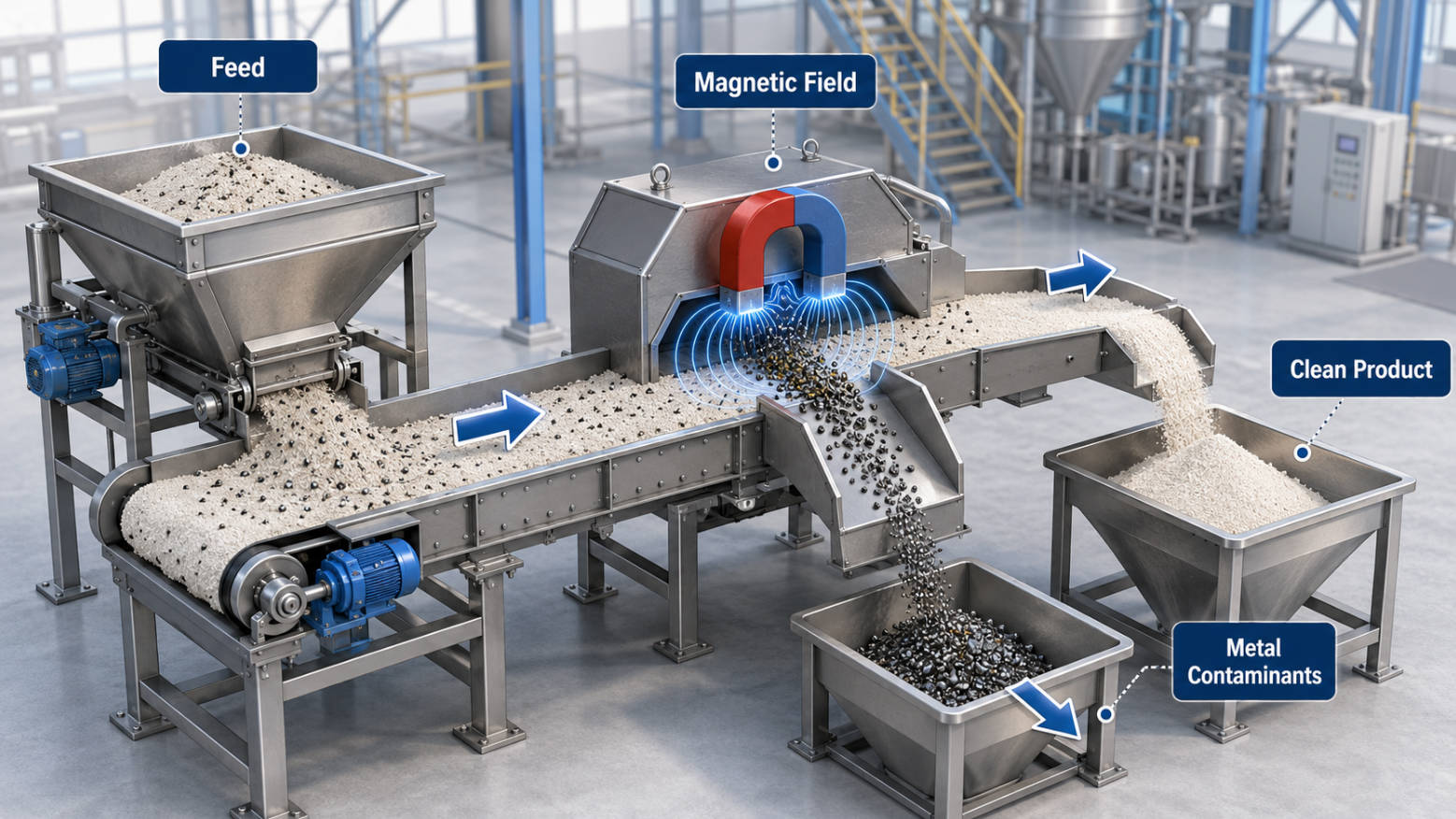
What Is Magnetic Separation?
Magnetic separation is a process that uses a magnetic field to remove or recover magnetic and weakly magnetic particles from a material stream. In practice, this means capturing iron and other metal contaminants from powders, slurries, or bulk solids before they reach downstream equipment or finished products. [elcanindustries]
In an industrial line, the separation zone is created by a magnet or electromagnet positioned so that metal particles are attracted and retained, while non‑magnetic material continues to flow. This technique is now standard in mining, ceramics, food, plastics, glass, chemicals, and battery materials, where it improves product purity and protects mills, classifiers, and kilns from damage. [sciencedirect]
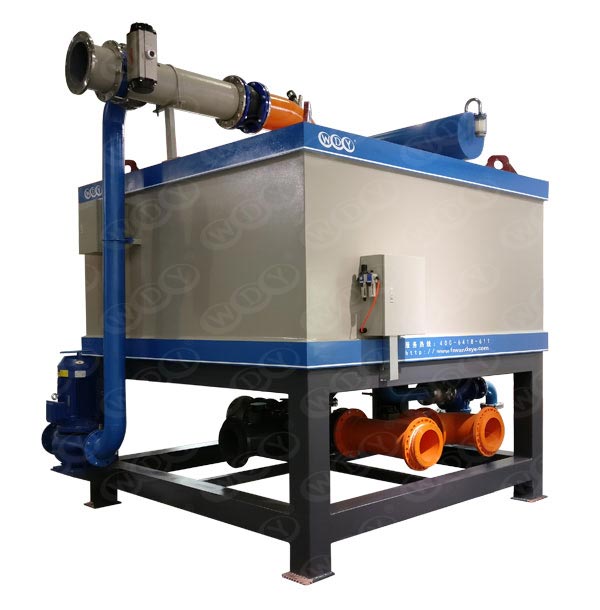
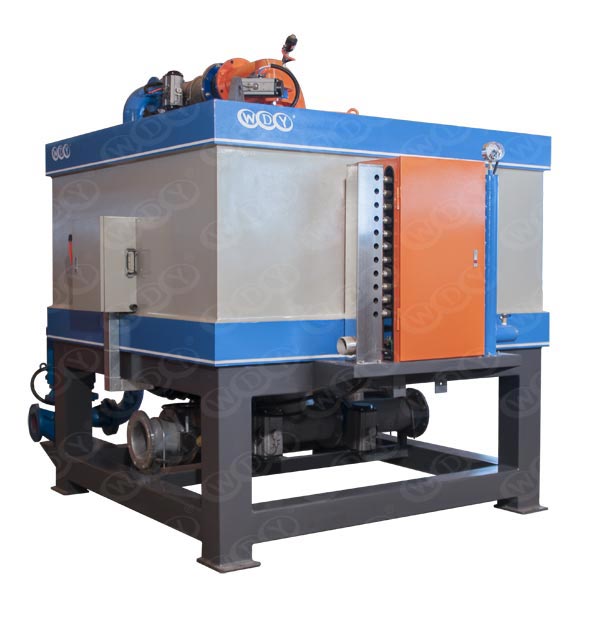
Powder magnetic separators and permanent magnetic separators are the core machines used in magnetic separation, with design variations (drum, roll, drawer, pipeline) tailored to different material states and industries. [chinafote]
Types of Machines Used in Magnetic Separation
From an engineering and process design perspective, most industrial magnetic separation solutions fall into a few core machine types. [sourcifychina]
Common machine categories:
– Powder magnetic separators (dry) – for fine powders such as ceramics, quartz, feldspar, glass frit, battery cathode/anode powders, plastic masterbatch. [chinafote]
– Wet magnetic separators (slurry) – for mineral slurries, iron ore, kaolin, and similar wet processes. [sciencedirect]
– Permanent magnetic separators – using permanent magnets (often rare‑earth) in drums, rolls, drawers or grids, with no continuous power requirement. [dingsmagnets]
– Electromagnetic separators – using energized coils to generate an adjustable magnetic field, mainly for larger tramp metal or where on/off control is needed. [elcanindustries]
In real projects, these technologies are often combined: for example, a permanent powder separator on a finished product silo, and a wet drum separator earlier in the mineral processing circuit. [sourcifychina]
Powder Magnetic Separator: How It Works and Where It Excels
Definition:
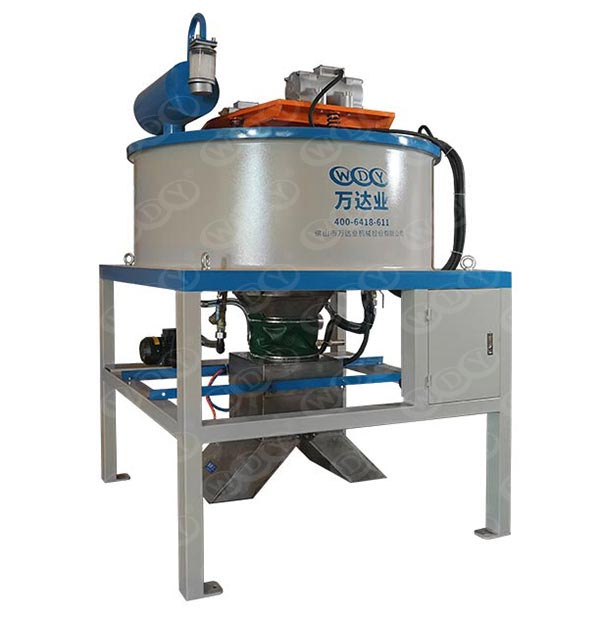
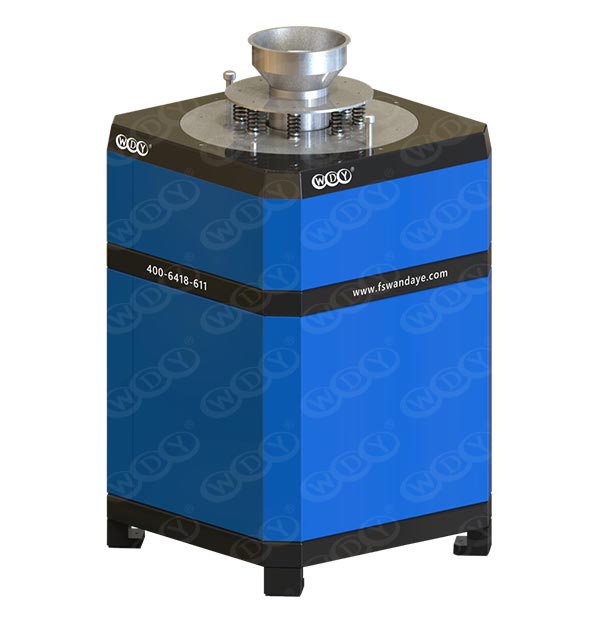
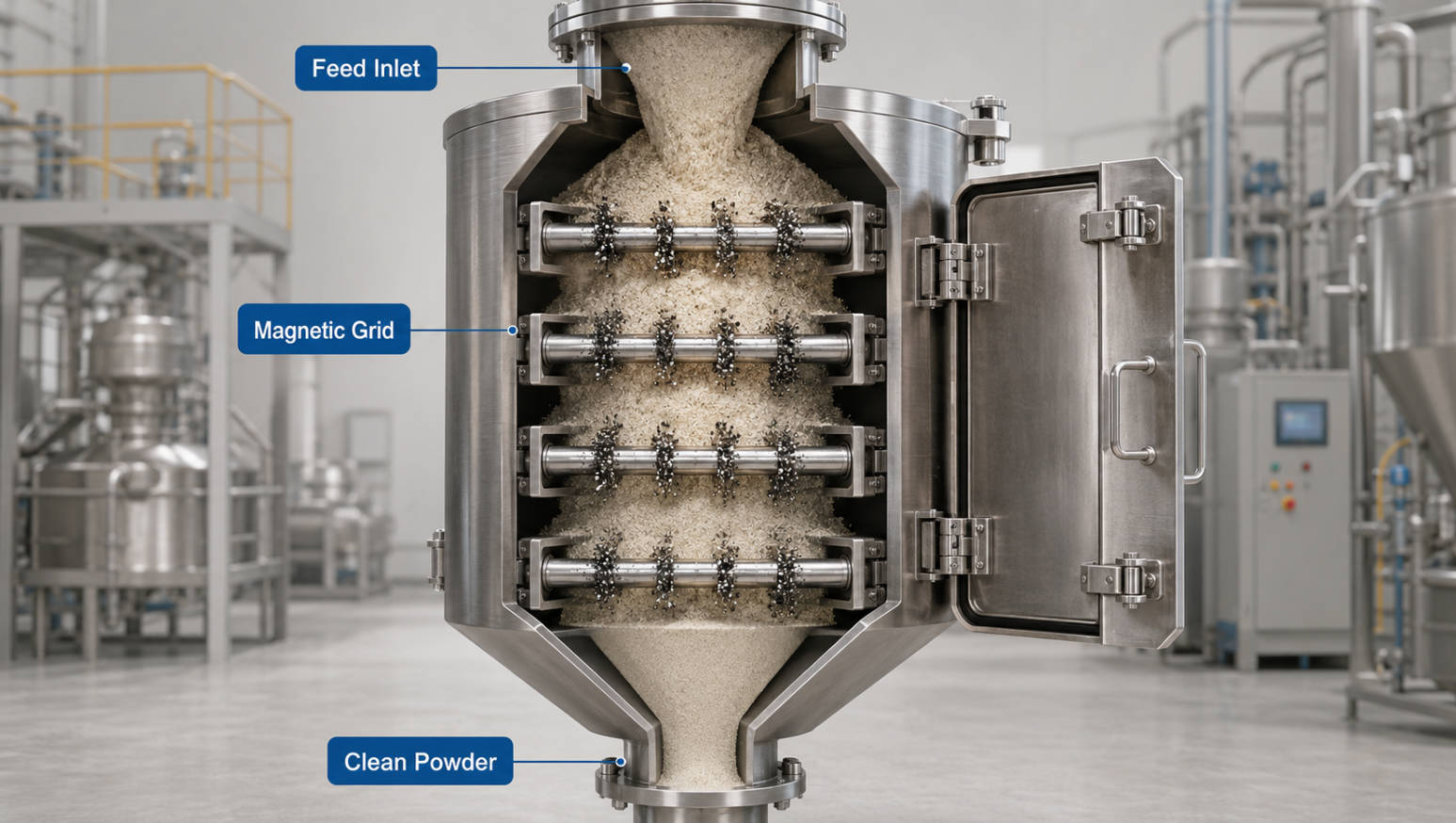
A powder magnetic separator is a high‑efficiency, usually dry‑type magnetic separator optimized for fine and ultra‑fine powder materials. It can be built with permanent magnets, high‑gradient magnetic grids, or magnetic drums depending on the application. [chinafote]
Working principle (dry powder):
1. Powder falls or is pneumatically conveyed through the magnetic zone.
2. High‑gradient magnetic elements (rods, grids, drums, or rolls) create a dense field that attracts iron and weakly magnetic contaminants. [sourcifychina]
3. Clean powder passes through, while contaminants remain held on the magnetic surface until removed manually or by automatic cleaning. [buntingmagnetics]
Typical applications:
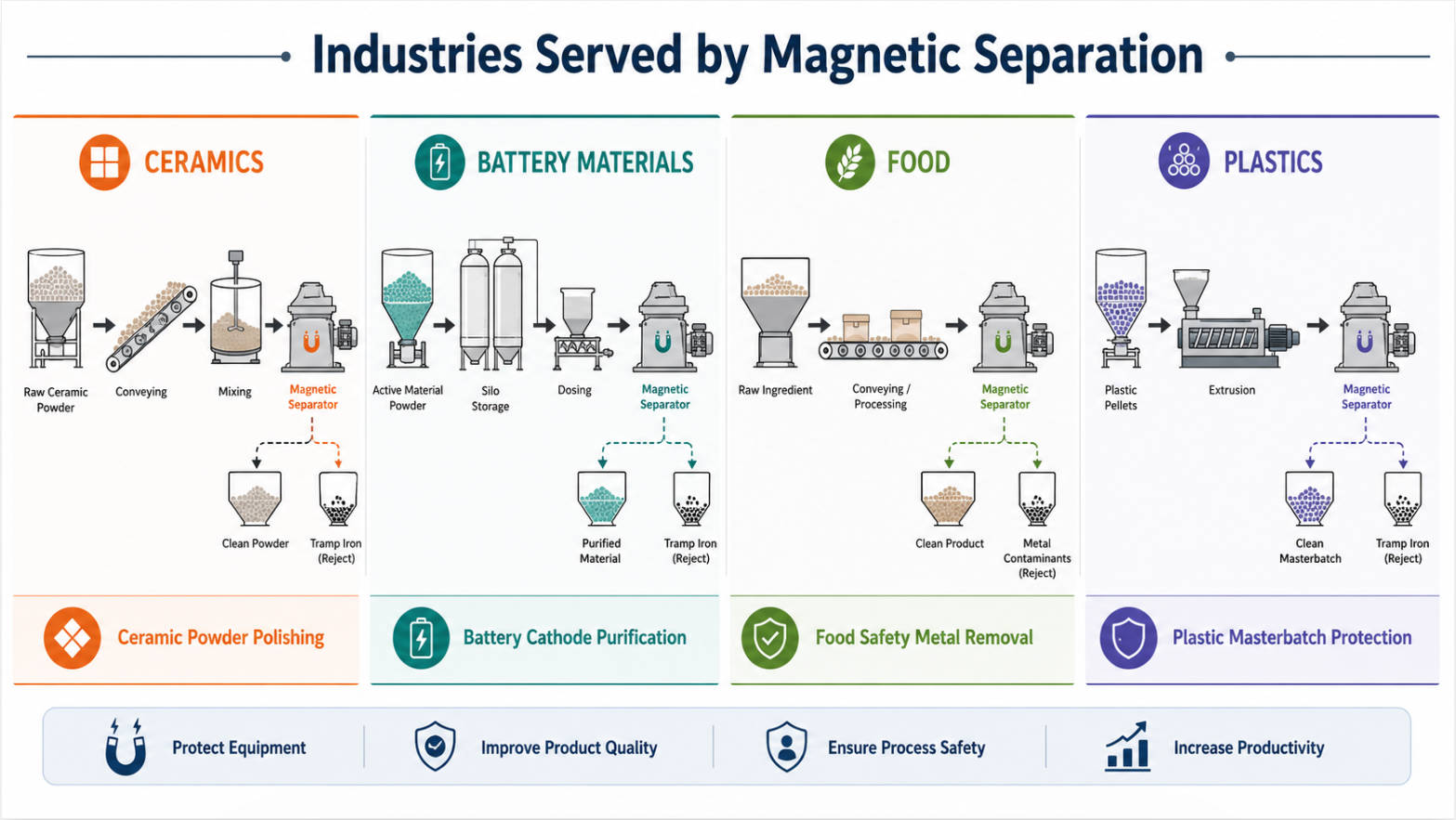
– Ceramics and glass: removing iron from feldspar, quartz, kaolin, and glaze to improve whiteness and transparency. [chinafote]
– Battery cathode/anode materials: controlling metallic contamination in Li‑ion cathode powders and graphite anode powders to avoid short circuits and yield loss. [sourcifychina]
– Food and pharma powders: flour, sugar, spices, nutraceuticals, where metal fragments are strictly regulated. [gme-magnet]
– Plastics and rubber: masterbatch, engineering plastics, and fillers, to protect extruders and improve appearance. [gme-magnet]
Process engineers value powder separators because they can be integrated vertically under silos, above packing machines or in closed pipelines with minimal footprint. [buntingmagnetics]
Permanent Magnetic Separator: Design and Benefits
A permanent magnetic separator uses permanent magnet blocks (ferrite, NdFeB, or other rare‑earth formulations) to generate a constant magnetic field without continuous power. [dingsmagnets]
Key characteristics:
– Always on: the magnetic field is present continuously and does not depend on external power. [elcanindustries]
– Low operating cost: no energy is consumed to maintain the field; only drives (motors) and cleaning mechanisms require power. [dingsmagnets]
– Stable performance: under normal conditions permanent separators do not significantly lose strength during their service life. [buntingmagnetics]
Common permanent magnetic separator formats:
– Magnetic drum separators – rotating drums used in wet or dry duty to continuously separate magnetic particles from flow. [chinafote]
– Magnetic rolls and belts – for thin layers of powder or flakes, often in high‑gradient designs. [sourcifychina]
– Magnetic grids/drawers – multiple magnetic bars in housings placed in gravity chutes or hoppers. [buntingmagnetics]
– Overband and plate magnets – above conveyors to remove tramp iron in mining and recycling. [dingsmagnets]
Because of their robustness and low running cost, permanent separators are widely used in mining, aggregates, recycling, cement, ceramics, and food lines where metal contamination risk is constant. [gme-magnet]
Powder Magnetic Separator vs Permanent Magnetic Separator
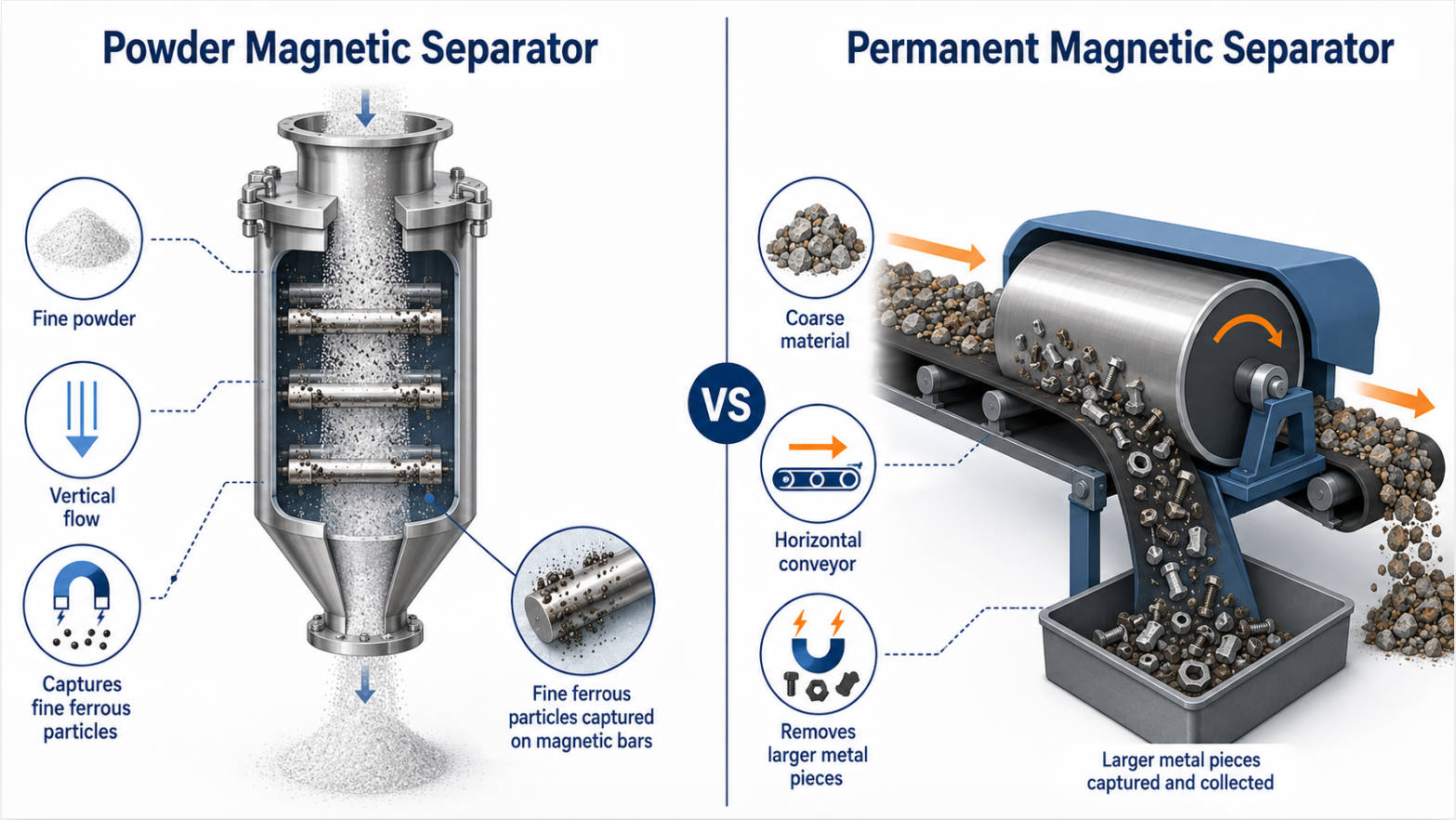
In practice, powder magnetic separator refers to a process‑focused design for powders, while permanent magnetic separator refers to the magnet source (permanent vs electromagnetic). Many powder separators in advanced ceramic and battery lines today are built with permanent magnets, so the two categories often overlap. [elcanindustries]
Functional comparison table
| Aspect | Powder Magnetic Separator | Permanent Magnetic Separator |
|---|---|---|
| Main focus | Material form (powder handling, flow behavior) chinafote | Magnet technology (no‑power permanent field) elcanindustries |
| Typical materials | Fine powders: ceramics, quartz, battery, food, plastics chinafote | Powder, granules, chips, tramp metal on belts dingsmagnets |
| Magnet type | Permanent or electromagnetic, often high‑gradient chinafote | Permanent magnet blocks or assemblies elcanindustries |
| Installation | Chutes, hoppers, air slides, packers chinafote | Conveyors, ducts, chutes, slurry lines chinafote |
| Strength control | Mostly fixed; some electromagnetic variants adjustable elcanindustries | Generally fixed; design can be optimized per product elcanindustries |
| Energy use | Low to medium (for drives/cleaning only in permanent types) chinafote | Very low; only mechanical parts consume power elcanindustries |
| Ideal use case | High‑purity fine powders, color‑sensitive products chinafote | Continuous removal of tramp iron with minimal operating cost dingsmagnets |
From an industry expert perspective, the smartest approach is usually not “either–or,” but selecting a powder‑optimized design that also uses high‑performance permanent magnets where possible to reduce energy usage and maintenance. [dingsmagnets]
How to Choose the Right Machine for Your Process
Before specifying any magnetic separator, experienced suppliers emphasize understanding the application in detail. The following factors make the biggest difference in performance: [buntingmagnetics]
1. Type and size of metal contamination
– Fine iron dust vs. larger bolts or tools require different designs. [gme-magnet]
– High‑gradient powder separators are ideal for micron‑scale iron; overband or plate magnets suit larger tramp iron. [chinafote]
2. Material state and flow
– Dry powders (e.g., ceramic powders, battery materials) behave differently from granules or slurries, affecting how they pass the magnetic field and potential build‑up. [sourcifychina]
– Wet slurries may need wet drum separators, which Fote and other suppliers describe as widely used for ore and slurry processing. [chinafote]
3. Process location and temperature
– Upstream rough removal vs. final polishing at packing require different capture efficiencies. [buntingmagnetics]
– High‑temperature kilns or dryers may demand special magnet grades with better thermal stability. [elcanindustries]
4. Regulatory and quality targets
– Food, pharma and battery industries often face strict standards, where even small metallic inclusions are unacceptable. [sciencedirect]
– In such cases, multi‑stage permanent powder separators with verifiable pull‑test performance are common. [sourcifychina]
5. Operating cost and maintenance strategy
– Permanent magnetic designs keep running costs low and minimize downtime. [elcanindustries]
– Automatic or semi‑automatic cleaning mechanisms reduce labor during high‑throughput operation. [chinafote]
Where Foshan Wandaye’s Technology Fits
Publicly available listings show Foshan Wandaye Machinery/Technology Co., Ltd. as a specialized magnetic separator manufacturer with ISO9001:2008 quality certification, supplying a range of magnetic separation equipment. The company focuses on solutions for powders and fine materials, aligning closely with the needs of ceramics, non‑metallic minerals, and related industries. [tradeindia]
Based on industry practice and the sectors you serve (ceramics, glass, plastics, rubber, environmental protection, and battery materials), your product portfolio typically includes:
– Powder magnetic separators tailored to non‑metallic minerals and high‑purity powders.
– Permanent magnetic separators engineered for stable, low‑energy operation in continuous lines.
– Engineering and turnkey services – including process design, line installation, and commissioning – to ensure the separator is correctly integrated into customers’ specific processes. [buntingmagnetics]
Positioning your machines as application‑engineered solutions rather than generic magnets aligns with both Google E‑E‑A‑T guidelines and what advanced buyers expect from a specialist OEM. [sourcifychina]
Common Myths and Best Practices
Industry specialists frequently warn against over‑simplified claims in magnetic separation, such as promising “100% metal removal.” Real production lines always face variability in feed material, flow rate, and particle size, which can affect separation performance. [buntingmagnetics]
Best‑practice insights from the field:
– Don’t rely on Gauss alone. Expert sources recommend combining Gauss ratings with pull‑test data (force needed to pull a steel ball off the magnet), as this better reflects real capture power. [buntingmagnetics]
– Use staged separation. Installing multiple separators at strategic points (receiving, milling, classification, final packing) often achieves better results than one oversized unit. [sourcifychina]
– Verify performance regularly. Simple on‑site testing and scheduled inspections help ensure that separators continue to meet specification over time. [gme-magnet]
By sharing these practical considerations in your content, you demonstrate real‑world experience and trustworthiness, which strongly supports E‑E‑A‑T.
Simple Step‑by‑Step Selection Process for Engineers
For a plant engineer or technical buyer, a straightforward process makes machine selection easier:
1. Define product and contamination profile
– Record product type (ceramic powder, battery cathode material, flour, etc.) and its bulk density, moisture, and temperature. [gme-magnet]
– Estimate typical and maximum metal contamination (particle size range, type, expected load). [gme-magnet]
2. Map your process flow
– Identify critical control points: raw material intake, pre‑milling, post‑milling, classification, and packaging. [sourcifychina]
– Look for locations where the material is free‑falling or in a thin, well‑distributed layer – ideal spots for magnetic separation. [chinafote]
3. Select separator type and magnet technology
– For dry fine powders, choose a powder magnetic separator with high‑gradient permanent magnets for low operating cost and strong capture efficiency. [chinafote]
– For slurries or high‑moisture materials, consider wet drum separators or pipeline designs, again with permanent or electromagnetic options based on needed adjustability. [sciencedirect]
4. Define performance targets and verification method
– Agree acceptable residual metal limits and target removal rates with your supplier. [buntingmagnetics]
– Specify on‑site pull‑tests or similar verification procedures, as suggested by magnets industry best practices. [buntingmagnetics]
5. Plan installation and maintenance
– Ensure sufficient access for cleaning and inspection. [chinafote]
– Integrate alarms or monitoring where product safety is critical (e.g., food, pharma, battery production). [sciencedirect]
Call to Action
If you are planning or upgrading a production line for ceramics, glass, battery materials, plastics, food, or similar powders, the most reliable way to choose the right magnetic separation machine is to share your material data and process layout with a specialist OEM. [sourcifychina]
Contact Foshan Wandaye Technology Co., Ltd. with details of your material, throughput, and quality requirements so our engineering team can recommend an optimized combination of powder magnetic separators and permanent magnetic separators tailored to your plant.
FAQs
1. Which machine is most commonly used in magnetic separation?
In industrial practice, magnetic drum separators and high‑gradient powder magnetic separators are among the most widely used machines for continuous magnetic separation. They can be configured with permanent magnets for stable, low‑energy performance across mining, ceramics, and food industries. [dingsmagnets]
2. When should I choose a powder magnetic separator instead of a general permanent magnet?
You should choose a powder magnetic separator when you process fine or ultra‑fine powders and need controlled flow, high‑gradient fields, and easy cleaning inside a closed process. General permanent magnets or plates are better suited for coarse materials or tramp metal on conveyors rather than precision powder purification. [dingsmagnets]
3. Are permanent magnetic separators better than electromagnetic separators?
Permanent magnetic separators offer lower running cost and simpler operation, because they do not need continuous power to generate the magnetic field. Electromagnetic separators are preferred when you need adjustable magnetic strength or frequent on/off control, such as in some recycling or heavy mining applications. [elcanindustries]
4. Can one magnetic separator guarantee 100% removal of metal contamination?
Industry experts emphasize that no separator can realistically guarantee 100% removal under all operating conditions, due to variability in material flow and particle behavior. The best results come from proper machine selection, multi‑stage separation where needed, and regular performance verification using methods like pull tests. [gme-magnet]
5. What data should I prepare before contacting a supplier like Foshan Wandaye?
You should prepare basic material information (type, bulk density, moisture, temperature), target throughput, and an estimate of metal contamination size and type. A simple process flow diagram with key equipment and critical quality points helps the supplier recommend the right combination of powder and permanent magnetic separators. [gme-magnet]
Word Count
Approximate article length: ~1,900 words (measured by draft estimation; please re‑check in your editor for exact count).
300‑Character Meta Description (Approx.)
Discover which machine is used in the magnetic separation method and how powder magnetic separators and permanent magnetic separators compare. Learn key selection criteria, best practices, and expert tips for high‑purity powder processing across ceramics, battery, food and more. [gme-magnet]
References
1. Elcan Industries – *What Are the Differences Between Permanent Magnets and Electromagnetic Separators?*
<https://elcanindustries.com/blog_posts/what-are-the-differences-between-permanent-magnets-and-electromagnetic-separators/> [elcanindustries]
2. Elcan Industries – *How Does Magnetic Separation Work?*
<https://elcanindustries.com/videos/how-does-magnetic-separation-work/> [elcanindustries]
3. TradeIndia – *Foshan Wandaye Machinery Equipment Co., Ltd* (company listing and certification)
<https://www.tradeindia.com/foshan-wandaye-machinery-equipment-co-ltd-21342047/> [tradeindia]
4. Henan Fote Machinery Co., Ltd. – *Magnetic Separator Machine Overview and Specifications*
<https://www.chinafote.com/magnetic_separator.html> [chinafote]
5. Dings Co. Magnetic Group – *Electromagnets vs Permanent Magnets in Overhead Magnetic Separators*
<https://dingsmagnets.com/electromagnets-vs-permanent-magnets-pros-and-cons-in-overhead-magnetic-separators/> [dingsmagnets]
6. ScienceDirect Topics – *Magnetic Separation – Applications in Waste and Process Industries*
<https://www.sciencedirect.com/topics/earth-and-planetary-sciences/magnetic-separation> [sciencedirect]
7. 114640 TradeBig – *Foshan WANDAYE Machinery Equipment Co., Ltd Profile*
<http://www.114640.tradebig.com> [114640.tradebig]
8. SourcifyChina – *Comprehensive Guide to Magnetic Separation Equipment in China*
<https://www.sourcifychina.com/magnetic-separation-equipment-guide-in-depth/> [sourcifychina]
9. Bunting Magnetics – *Five Magnetic Separator Myths*
<https://buntingmagnetics.com/blog/5-magnetic-separator-myths> [buntingmagnetics]
10. Great Magtech – *What Jobs Use Magnetic Separation?*
<https://www.gme-magnet.com/info/what-jobs-use-magnetic-separation-careers-tha-102849322.html> [gme-magnet]
Hot Tags: Magnetic Separator, Manufacturers, Customized, Custom, Suppliers, Buy, Cheap, Quality, Advanced, Durable, in Stock, Made in China, Price, Quotation