Content Menu
● Understanding Iron Ore and Industrial Demand
● Key Industrial Stages of Iron Extraction
>> 1. Ore Exploration and Mining
>> 2. Crushing and Grinding: Preparing Ore for Beneficiation
>> 3. Magnetic Separation: Core Technology for Iron Beneficiation
>> 4. Beneficiation: Upgrading Iron Content
>> 5. Agglomeration: Pelletizing and Sintering
>> 6. Smelting in the Blast Furnace
● Why Advanced Magnetic Separation Matters Today
● Industrial Case Perspective: From Lean Ore to High‑Grade Feed
● Practical Steps to Optimize Your Iron Extraction Line
● Typical Use Cases in Mining, Ceramics, and Pharmaceuticals
>> Mining and Beneficiation Plants
>> Ceramics and Non‑Metallic Minerals
>> Pharmaceutical and Fine Chemical Industries
● Comparison of Key Process Stages
● How to Choose Magnetic Separation and Iron Removal Equipment
>> 1. What is the main industrial method for extracting iron from ore?
>> 2. Why is magnetic separation so important in iron ore processing?
>> 3. Do ceramics and pharmaceuticals really need iron removal equipment?
>> 4. Can low‑grade, lean iron ore be used economically?
>> 5. What information should I prepare before selecting a magnetic separator?
What This Guide Covers
This in‑depth guide explains how iron is extracted from ore in industrial production, step by step, from mining to smelting, and highlights how advanced magnetic separation and iron removal equipment improve efficiency, product quality, and environmental performance. It is written for engineers, procurement managers, and plant operators in mining, ceramics, pharmaceuticals, and related industries who need a clear, technically sound overview of iron ore beneficiation and magnetic solutions.
Understanding Iron Ore and Industrial Demand
Iron ore is one of the most widely used mineral resources and the backbone raw material for iron and steel manufacturing worldwide. Today, many deposits are characterized by lean ore, complex mineral compositions, and more associated gangue compared with earlier rich ore bodies. This shift forces producers to rely on more precise ore beneficiation and advanced separation technologies to maintain competitive grade and recovery.
The two most common iron‑bearing minerals used in industry are hematite and magnetite, each with different magnetic and processing behavior. In an industrial context, the core objective is to turn these natural ores into high‑grade iron‑bearing feed suitable for blast furnaces, direct reduction plants, or specialty applications such as ceramics and high‑purity materials.
Key Industrial Stages of Iron Extraction
1. Ore Exploration and Mining
The industrial extraction of iron starts with identifying economically viable ore bodies through geological surveys, sampling, and modeling. Once a deposit is confirmed, mining companies deploy open‑pit or underground methods to remove the ore, depending on depth, ore geometry, and environmental constraints.
– Open‑pit mining is typically used for near‑surface, large deposits and relies on drilling, blasting, and truck‑shovel systems.
– Underground mining is preferred where ore is deep, needs selective extraction, or when surface impact must be minimized.
Careful ore zoning and grade control at this stage directly influence downstream beneficiation efficiency and cost.
2. Crushing and Grinding: Preparing Ore for Beneficiation
After mining, iron ore lumps must be reduced in size so that iron‑bearing minerals can be liberated from gangue. In industrial plants, this comminution flow typically includes:
– Primary crushing using jaw crushers to reduce run‑of‑mine ore to manageable sizes.
– Secondary or tertiary crushing with cone crushers to further refine particle size.
– Grinding in autogenous mills or ball mills to achieve fine particles where iron minerals are sufficiently liberated for separation.
An optimized crushing and grinding circuit lowers energy consumption and maximizes liberation, which is essential for both magnetic separation and other beneficiation steps.
3. Magnetic Separation: Core Technology for Iron Beneficiation
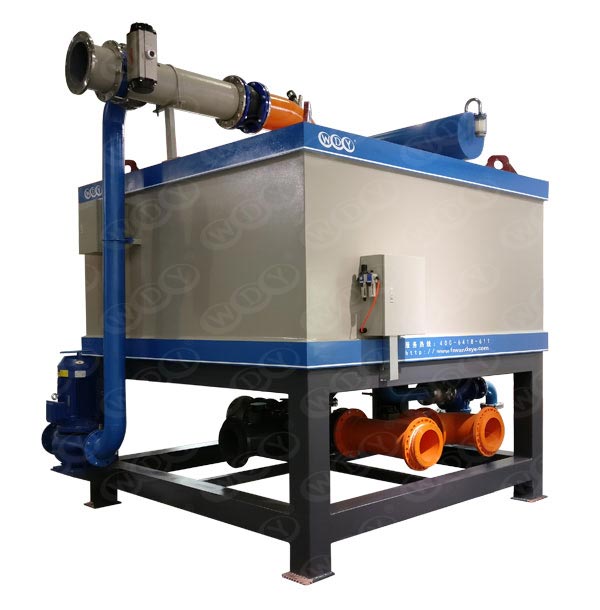
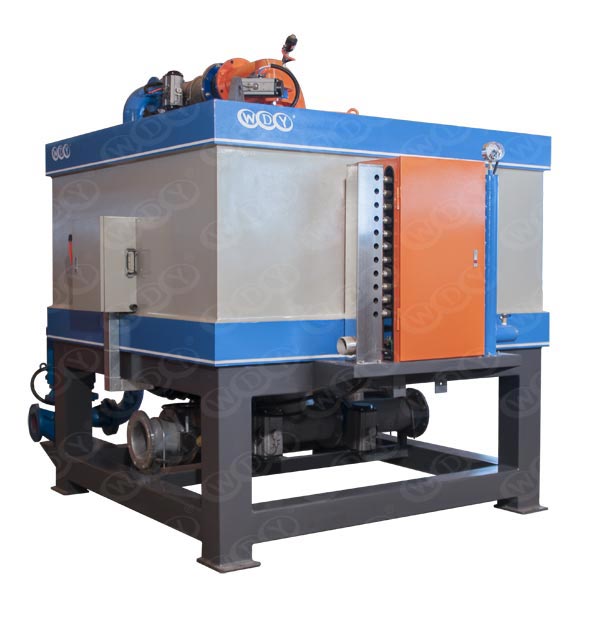
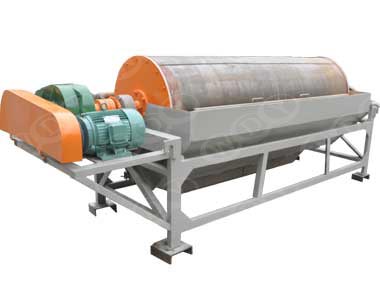
Magnetic separation is a critical stage for many iron ores, especially magnetite and some hematite ores that respond to magnetic fields. In this step, strong magnets attract iron‑bearing particles while non‑magnetic gangue is discharged, significantly improving the grade and purity of the ore.
Modern magnetic separation systems, such as high‑intensity or high‑gradient magnetic separators, allow:
– Efficient removal of weakly magnetic impurities,
– Recovery of fine iron particles that would otherwise be lost,
– Stable, continuous operation integrated with existing plant flows.
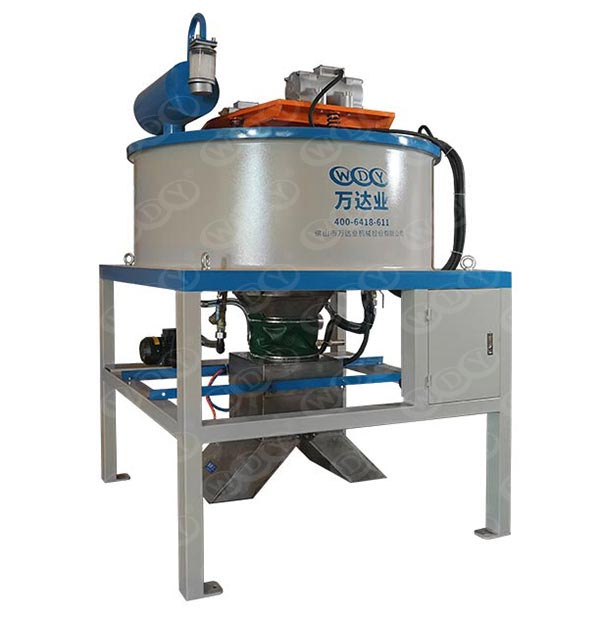
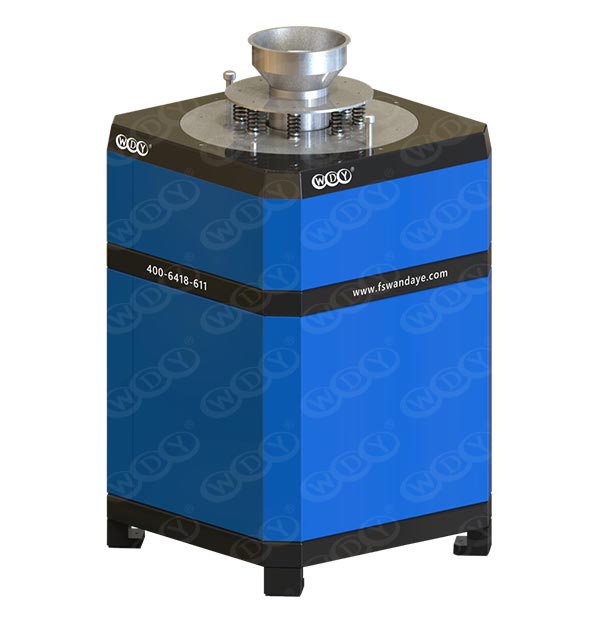
In multi‑industry applications such as mining, ceramics, and pharmaceuticals, specialized iron removal equipment also protects downstream crushers, mills, and process lines from ferrous contamination, reducing wear and improving product quality.
4. Beneficiation: Upgrading Iron Content
After initial magnetic separation, ore typically undergoes additional beneficiation to reach target iron grades and impurity levels. Common operations include:
– Washing and de‑sliming to remove clays, fines, and soluble contaminants.
– Screening to classify particles into different size fractions for tailored treatment.
– Gravity separation to separate denser iron minerals from lighter gangue, often using spirals or shaking tables.
– Flotation, where reagents selectively attach to iron minerals so they can be floated and separated from unwanted material.
The optimal combination of these methods depends on ore type, target product specification, and downstream smelting or direct reduction requirements.
5. Agglomeration: Pelletizing and Sintering
Fine iron ore particles produced by grinding and beneficiation are not suitable for direct use in blast furnaces. To improve permeability and handling, the industry uses two major agglomeration routes:
– Pelletizing: Fine ore is mixed with binders such as limestone, bentonite, or dolomite and rolled into spherical pellets, which are then indurated at high temperature.
– Sintering: Fines, fluxes, and coke breeze are heated to form a semi‑fused porous mass called sinter, which is crushed and screened to the proper size.
These processes improve mechanical strength, size uniformity, and gas flow characteristics inside the blast furnace, directly influencing productivity and fuel consumption.
6. Smelting in the Blast Furnace
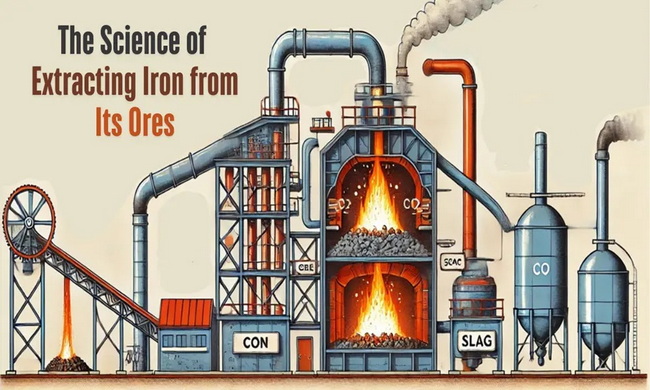
In traditional integrated steelworks, smelting is carried out in a blast furnace using iron ore agglomerates, coke, and fluxes such as limestone. At high temperatures, iron oxides are reduced to molten iron, while gangue combines with fluxes to form slag, which floats and is removed.
– The molten iron collected at the bottom is tapped and cast into ingots, billets, or sent to basic oxygen furnaces for steelmaking.
– The slag can be processed and utilized in cement, road construction, or other industrial applications.
Process control, burden quality, and consistent feed from beneficiation lines are critical for stable furnace operation and high metallurgical efficiency.
Why Advanced Magnetic Separation Matters Today
Modern ore bodies, especially lean and complex ores, require more precise separation of iron minerals from gangue and harmful impurities. As a result, high‑performance magnetic separators and customized iron removal systems have become essential for maintaining both productivity and product quality.
Strategic integration of magnetic technology can help industrial users to:
– Increase recovery of valuable iron from low‑grade ores,
– Improve product purity in downstream industries such as ceramics and pharmaceuticals by removing trace ferrous contaminants,
– Reduce equipment wear and unplanned downtime by capturing tramp iron before it reaches sensitive machinery.
For plants processing ceramics, pigments, or excipients, installing dedicated magnetic iron removal units in the production line is often both a quality and compliance requirement.
Industrial Case Perspective: From Lean Ore to High‑Grade Feed
Consider a mining operation handling a high proportion of lean magnetite ore with significant silica and other gangue. Without robust separation, the plant would either accept lower iron grades or face high rejection rates and waste.
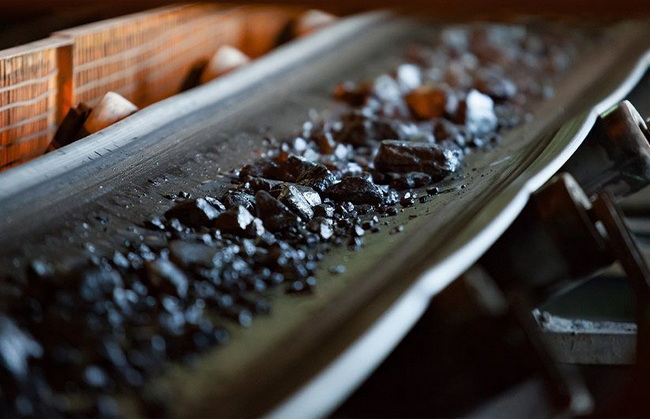
By deploying a staged process of crushing, fine grinding, and multi‑stage magnetic separation, supported by washing and screening, such a plant can:
– Upgrade ore to a stable, high iron content suitable for pelletizing.
– Reduce silica and other deleterious components to meet blast furnace specifications.
– Lower overall operating costs by optimizing water, energy, and reagent use.
In non‑metallic mineral plants such as ceramics or quartz, inline magnetic separators ensure that even fine ferrous particles are removed, supporting high whiteness, low contamination, and consistent batch quality.
Practical Steps to Optimize Your Iron Extraction Line
Below is a concise, user‑oriented framework that plant engineers and decision‑makers can use to review or design their iron extraction and iron removal systems.
1. Assess ore characteristics
Determine mineralogy such as hematite, magnetite, or mixed ores, grain size, and gangue composition. Evaluate magnetic properties to decide on low‑, medium‑, or high‑intensity separation.
2. Design the comminution circuit
Size primary and secondary crushers according to expected throughput. Optimize grinding to achieve liberation without excessive energy consumption or over‑grinding.
3. Configure magnetic separation stages
Use rougher, cleaner, and scavenger stages where needed to balance grade and recovery. Integrate tramp iron removal equipment upstream of critical machinery.
4. Select complementary beneficiation methods
Combine washing, gravity separation, or flotation based on impurity type and target specifications. Implement appropriate water treatment and tailings management solutions.
5. Plan for agglomeration and smelting compatibility
Choose pelletizing or sintering based on furnace type and logistics. Ensure stable chemical composition to reduce blast furnace fluctuations.
This structured approach helps align equipment selection, process design, and long‑term operating performance.
Typical Use Cases in Mining, Ceramics, and Pharmaceuticals
Mining and Beneficiation Plants
In mining operations, magnetic separators are positioned after grinding and classification to maximize iron recovery from slurries. High‑gradient or high‑intensity units capture both coarse and fine magnetic particles, improving overall plant yield.
These systems are often configured in series, allowing roughing and cleaning stages that can be tuned for different ore blocks and changing feed quality. Continuous monitoring ensures that product grade remains within specification for pellet plants or sinter plants.
Ceramics and Non‑Metallic Minerals
In ceramic production, tiny iron contaminants cause defects, color changes, and lower product quality. Installing magnetic iron removal equipment in glaze preparation, slip lines, and raw material handling removes ferrous particles before firing.
This results in improved whiteness, more consistent color, fewer black spots, and reduced rework rates, directly impacting brand reputation and production cost.
Pharmaceutical and Fine Chemical Industries
In pharmaceuticals and fine chemicals, even trace levels of iron contamination can affect product performance, stability, or regulatory compliance. Specialized sanitary magnetic separators and iron removers are used to ensure process purity in powders, granules, and liquid suspensions.
Equipment is typically designed with easy‑clean features, hygienic surfaces, and validation‑friendly documentation to align with strict industry standards.
Comparison of Key Process Stages
| Process Stage | Main Objective | Typical Equipment | Role of Magnetic Separation |
| Mining | Extract ore from deposit | Drills, shovels, trucks, loaders | Not normally applied at this step |
| Crushing and Grinding | Liberate iron minerals from gangue | Jaw crushers, cone crushers, ball mills | Tramp iron removal to protect crushers and mills |
| Magnetic Separation | Separate magnetic iron minerals from gangue | Low or high intensity magnetic separators | Core separation and iron upgrading |
| Beneficiation | Further upgrade ore and remove impurities | Spirals, flotation cells, screens | Often combined with magnetic stages for higher efficiency |
| Agglomeration | Form pellets or sinter for efficient smelting | Pelletizing discs, sinter strands | Quality depends on effectiveness of prior separation |
| Smelting | Produce molten iron for steelmaking | Blast furnace, hot metal handling | Relies on clean, high grade, consistently prepared feed |
How to Choose Magnetic Separation and Iron Removal Equipment
When selecting magnetic separation or iron removal solutions for your plant, evaluate these factors carefully:
– Ore and material type: Magnetite versus hematite versus mixed ores, ceramic raw materials, pharmaceutical powders, and other industrial feeds.
– Particle size: Coarse, fine, or ultra‑fine particles require different magnetic configurations and strengths.
– Operating environment: Dry versus wet separation, temperature conditions, and any chemical exposure.
– Capacity and integration: Required throughput, compatibility with existing conveyors, pipelines, silos, or process vessels.
– Regulatory and quality requirements: Industry‑specific hygiene, safety, and traceability standards.
A tailored solution that aligns with your material characteristics and process flow can significantly improve efficiency and reduce lifecycle cost.
Targeted Call to Action
If you are planning a new project or upgrading an existing line for iron ore beneficiation, ceramic production, or pharmaceutical processing, this is the ideal time to re‑evaluate your magnetic separation and iron removal strategy. Share your ore data, process flow, and capacity requirements with a specialized magnetic equipment supplier to receive a customized solution that improves product quality, boosts yield, and stabilizes long‑term operations.
Contact us to get more information!
Frequently Asked Questions
1. What is the main industrial method for extracting iron from ore?
Most integrated plants extract iron from ore using a combination of beneficiation, including magnetic separation, followed by blast furnace smelting of pellets or sinter. In some cases, direct reduction processes are also applied, especially where suitable ores and gas‑based technologies are available.
2. Why is magnetic separation so important in iron ore processing?
Magnetic separation selectively removes or concentrates iron‑bearing minerals, improving grade and reducing impurities, especially in magnetite‑rich or mixed ores. It also helps recover fine iron that would otherwise be lost, enhancing both yield and resource utilization.
3. Do ceramics and pharmaceuticals really need iron removal equipment?
Yes. Even small amounts of ferrous contamination can cause defects, color variations, or black spots in ceramics and glass. In pharmaceutical and fine chemical products, trace iron can affect performance, shelf life, and regulatory compliance, so iron removal equipment is often part of standard quality control.
4. Can low‑grade, lean iron ore be used economically?
With suitable crushing, grinding, multi‑stage magnetic separation, and complementary beneficiation such as gravity separation or flotation, many lean ores can be upgraded to commercially viable feedstocks. The key is designing a flowsheet that balances investment, operating cost, and target product quality.
5. What information should I prepare before selecting a magnetic separator?
Prepare ore or material analysis, including chemical composition and mineralogy, along with particle size distribution and moisture content. You should also define capacity targets, process layout, and any industry‑specific quality or hygiene standards so that equipment can be correctly sized and configured.
Hot tags: How Is Iron Extracted, Iron Extraction Process, How Iron Is Extracted From Ore, Industrial Iron Production, Iron Ore Processing Steps, Blast Furnace Iron Making, Iron Smelting Process, Iron Ore Beneficiation Process, Steelmaking Raw Materials, Metallurgical Iron Extraction, Iron Manufacturing Industry