Content Menu
● Understanding High Gradient Magnetic Separator Technology
● Why Start With Foshan Wandaye Technology Co., Ltd.
● Core Working Principle of a High Gradient Magnetic Separator
● Step‑by‑Step: How to Build a High Gradient Magnetic Separator
>> Step 1: Define Application Requirements
>> Step 2: Choose Magnetic System and Matrix
>> Step 3: Design the Mechanical Structure
>> Step 4: Engineer the Magnetic Circuit and Cooling
>> Step 5: Integrate Feed, Washing, and Discharge Systems
>> Step 6: Choose Automation, Control, and Safety Features
● Typical High Gradient Magnetic Separator Configurations
● Using Foshan Wandaye Turnkey Solutions
● Rich Media Support for High Gradient Magnetic Separator Projects
● Best Practices for Operating and Maintaining a High Gradient Magnetic Separator
● FAQ
>> 1. What is a high gradient magnetic separator?
>> 2. Where are high gradient magnetic separators used?
>> 3. How do I choose between electromagnetic and permanent magnet designs?
>> 4. What makes Foshan Wandaye a good partner for my project?
>> 5. How can I improve the performance of my existing high gradient magnetic separator?
Foshan Wandaye Technology Co., Ltd. is a specialized manufacturer dedicated to the research, design, and production of magnetic separator equipment, offering complete high gradient magnetic separator solutions for mining, ceramics, and pharmaceutical customers worldwide.
When you plan to build a high gradient magnetic separator, using the engineering experience, product range, and turnkey capabilities of Foshan Wandaye Technology Co., Ltd. will greatly reduce technical risk and speed up project implementation.
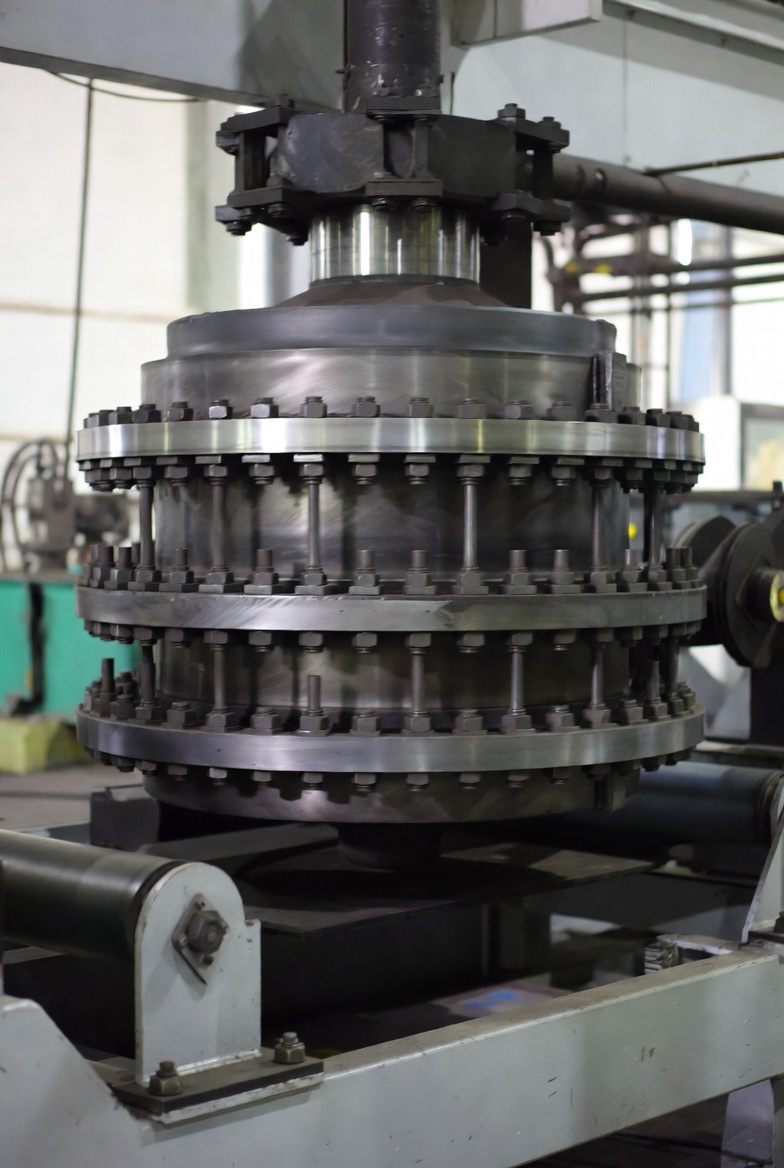
Understanding High Gradient Magnetic Separator Technology
A high gradient magnetic separator is designed to separate magnetic and non‑magnetic particles from a feed, usually a slurry, by generating a very strong magnetic field with an extremely steep gradient around a ferromagnetic matrix.
In this type of magnetic separator, the matrix behaves like a collection of tiny magnets, capturing fine or weakly magnetic particles while allowing non‑magnetic material to pass through as tailings.
High gradient magnetic separators are widely used in mining and mineral processing to purify non‑metallic ores and recover valuable magnetic minerals.
In the ceramics industry, these magnetic separator systems remove iron contaminants from clay and slurries, improving color consistency and product reliability.
In pharmaceuticals, finely engineered magnetic separator designs protect product purity by extracting trace ferrous particles from powder or liquid streams.
Why Start With Foshan Wandaye Technology Co., Ltd.
Foshan Wandaye Technology Co., Ltd. focuses on magnetic separation and iron removal equipment across multiple specifications, providing professional magnetic separator solutions for mining, ceramics, and pharmaceutical users.
The company integrates scientific research, engineering design, and production line implementation, having completed many turnkey production line projects that include high gradient magnetic separator systems.
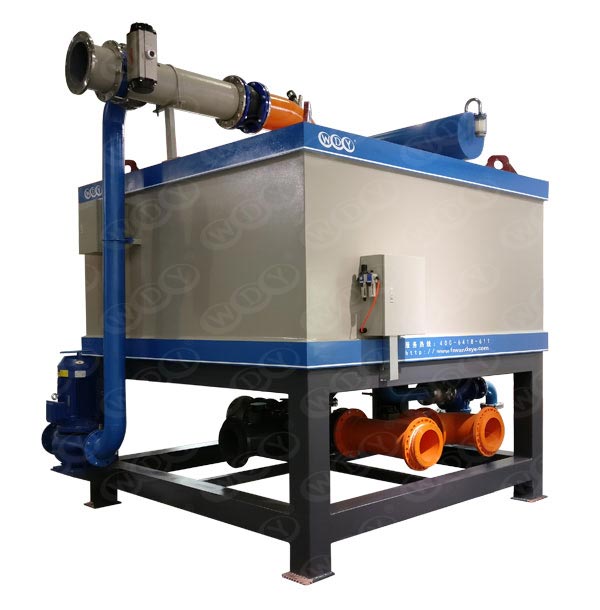
Its product portfolio covers high gradient electromagnetic slurry machines, powder magnetic separator units, permanent magnetic separator designs, electromagnetic vertical ring machines, and related iron‑removal components such as magnetic plates, iron‑removal cabinets, and magnetic rods.
Foshan Wandaye emphasizes high efficiency, energy saving, environmental protection, and intelligent control in each magnetic separator, and has developed new models that achieve notable energy savings compared with earlier generations.
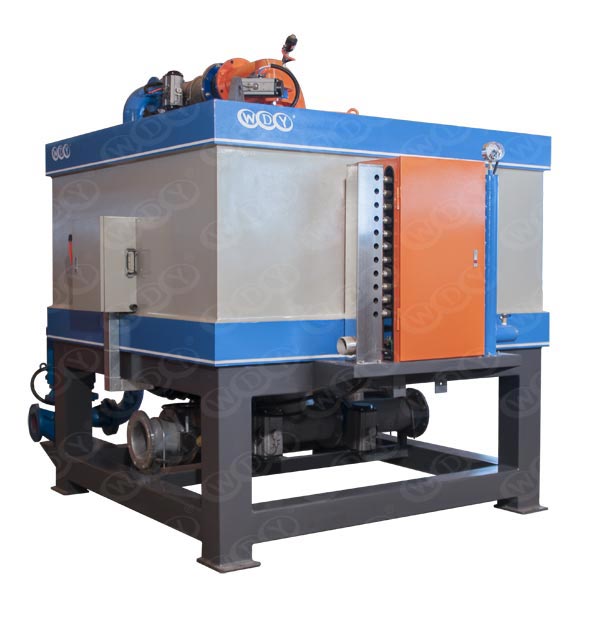
Foshan Wandaye’s vertical ring high gradient magnetic separator series solves the blocking problems common in traditional flat ring designs, enabling more stable and continuous separation.
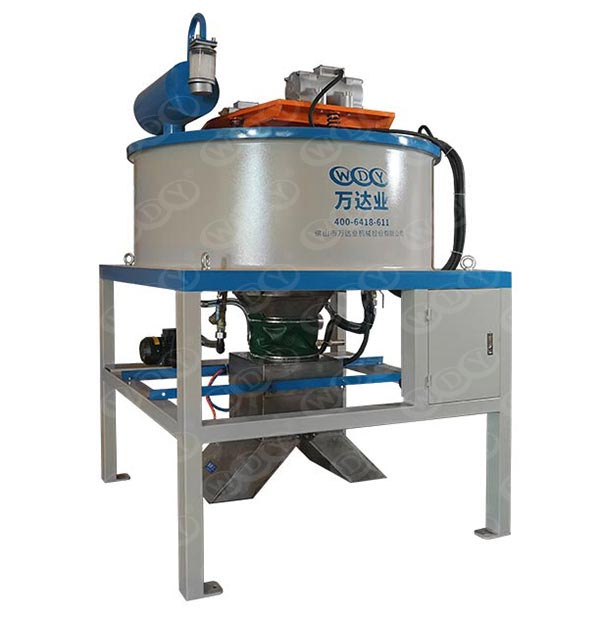
Its automatic water‑cooling electromagnetic slurry magnetic separator and electromagnetic dried‑powder magnetic separator series allow users to match equipment to different materials, from ultra‑fine mineral slurries to dry powder.
Core Working Principle of a High Gradient Magnetic Separator
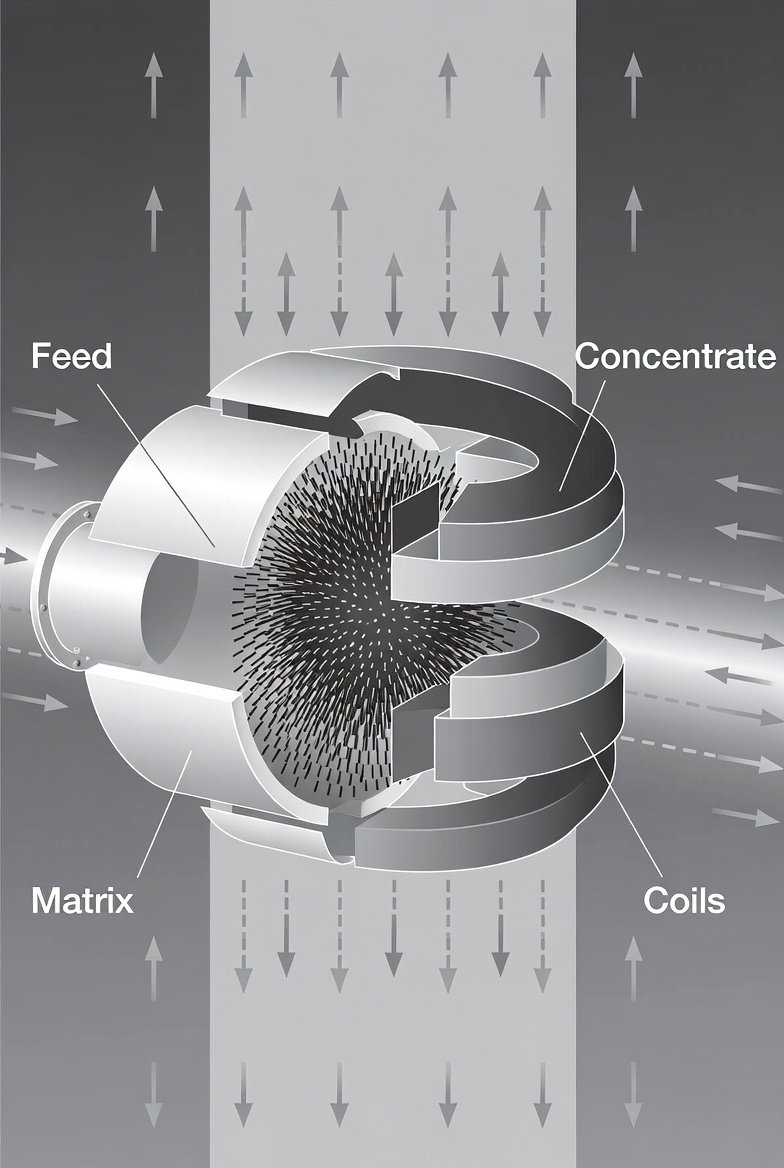
In a high gradient magnetic separator, an energizing coil or high‑intensity permanent magnet creates a powerful magnetic field in the separating zone.
A ferromagnetic matrix—often made of expanded steel, steel wool, or specially profiled elements—is placed in this field so that many points of high field gradient are formed, where magnetic forces are concentrated.
When the slurry flows through the matrix in the magnetic separator, magnetic particles are attracted and held at these high gradient points, while non‑magnetic particles continue to flow through as tailings.
In a typical rotating ring or vertical ring high gradient magnetic separator, the ring carries the matrix from the strong field region, where it captures particles, to a weaker field region, where the captured magnetic particles are rinsed or flushed off as concentrate.
The cycle of magnetization, capture, rinsing, and discharge allows the magnetic separator to operate continuously with high throughput.
For belt‑type high gradient magnetic separator designs, a thin belt passes through the intense field region where magnetic particles adhere to the belt surface, are carried upward, and are later washed off in a separate zone.
The presence of ribs on the belt enhances capture of weakly magnetic material and reduces mechanical inclusion of non‑magnetic particles in the final concentrate.
Step‑by‑Step: How to Build a High Gradient Magnetic Separator
Step 1: Define Application Requirements
Before selecting or designing a high gradient magnetic separator, you must clearly define the separation objectives for your process.
Key factors include feed characteristics, magnetic properties of the target minerals, and industry‑specific quality standards that the magnetic separator has to meet.
Typical aspects to clarify are:
– Feed type and state: slurry or dry powder, particle size distribution, solid content, and temperature requirements.
– Magnetic characteristics: whether the key minerals are strongly magnetic, weakly magnetic, or paramagnetic, and what level of residual iron or other contamination is acceptable in the final product.
– Industry and product standards: purity levels for ceramic body and glaze, concentrate grade targets in mining, or stringent cleanliness norms for pharmaceutical products handled by the magnetic separator.
In mining, a high gradient magnetic separator may be designed to recover weakly magnetic minerals such as hematite or limonite from non‑metallic gangue.
In ceramics, the same type of magnetic separator focuses on removing iron contaminants to improve whiteness, firing performance, and surface quality.
In pharmaceutical processing, hygienic design, smooth surfaces, and easy cleaning of the magnetic separator become mandatory requirements to comply with regulatory audits.
Step 2: Choose Magnetic System and Matrix
The heart of any high gradient magnetic separator is the magnetic system and the ferromagnetic matrix that creates the high gradient.
You must decide between an electromagnetic system, which uses a current‑carrying coil, and a high‑intensity permanent magnet system based on rare earth materials.
Electromagnetic high gradient magnetic separator units allow you to control field strength by adjusting current and are suited for applications requiring variable operating conditions or different product grades on the same line.
Permanent magnet high gradient magnetic separator units can be more energy efficient and simpler to maintain, but offer less flexibility in field adjustment and are usually optimized for a narrower operating window.
The matrix inside the magnetic separator is usually formed from fine ferromagnetic elements that create many sharp edges and contact points to concentrate the magnetic field gradient.
By optimizing matrix geometry and packing density, you help the magnetic separator capture very fine or weakly magnetic particles while minimizing pressure drop and reducing the risk of clogging.
In practice, this means balancing matrix fineness with the viscosity and solid content of the feed so that the magnetic separator remains stable and easy to clean.
Step 3: Design the Mechanical Structure
A robust mechanical structure ensures that the magnetic separator can operate continuously under industrial conditions with minimal downtime.
For a vertical ring high gradient magnetic separator, the ring rotates around a horizontal axis and passes through the magnetic zone, the feed zone, and the rinsing zone in sequence to complete the separation cycle.
Key structural components include the following elements that must be carefully designed and aligned:
– Frame and housing: support the magnetic separator, provide access doors, and ensure safe enclosure of the magnetic field and moving parts while also simplifying routine inspection and maintenance.
– Separating chamber: contains the matrix or belt and is shaped to ensure even flow through the magnetic separator, avoiding dead zones or excessive turbulence that could reduce separation efficiency.
– Transmission system: motor, reducer, shafts, and rollers or ring drives that rotate the belt or ring of the magnetic separator at a controlled speed, matched to feed characteristics and desired residence time.
In some designs, such as vertical ring high gradient magnetic separator units, mechanical innovations reduce matrix blockage and facilitate continuous discharge of captured magnetic particles.
Careful selection of wear‑resistant materials, corrosion‑resistant linings, and appropriate sealing reduces maintenance and ensures the magnetic separator remains reliable over long operating periods even in abrasive or chemically aggressive environments.
Step 4: Engineer the Magnetic Circuit and Cooling
To build an effective high gradient magnetic separator, the magnetic circuit must generate a strong, uniform field where needed while minimizing energy losses and stray leakage fields.
The design of the core, yoke, and pole pieces controls how magnetic flux passes through the matrix and largely defines the separation performance of the magnetic separator.
In electromagnetic high gradient magnetic separator units, current flowing through the coils produces heat that must be managed carefully.
Water‑cooling systems, oil cooling, or forced air cooling can be used; many industrial slurry magnetic separator products employ automatic water‑cooling to maintain coil temperature and extend equipment life.
Adequate cooling ensures that the magnetic separator can operate at high field strengths for long periods without overheating or damaging insulation.
For belt‑type high gradient magnetic separator devices, the depth of the magnetic field above the belt surface must be matched to the belt thickness and the intended sorting depth so that the effective separation zone stays within the high‑intensity field.
Proper design of the magnetic circuit guarantees that magnetic particles are captured efficiently on the belt as they pass through the effective area of the magnetic separator, while weaker particles still have a chance to be trapped by the ribs and carried to the washing area.
Step 5: Integrate Feed, Washing, and Discharge Systems
The performance of a high gradient magnetic separator depends heavily on how the feed, washing water, and discharge streams are engineered and controlled.
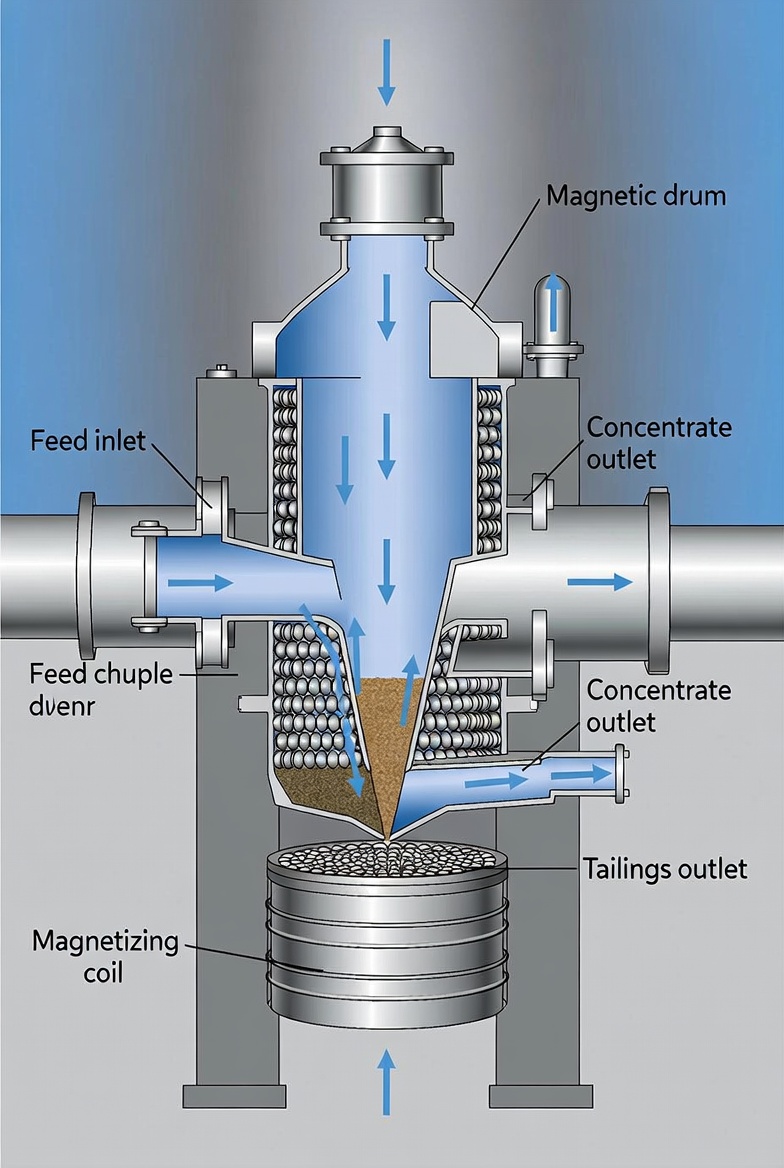
A carefully designed feed distributor spreads slurry into a thin, uniform layer across the matrix or belt so that the magnetic separator can capture particles efficiently with consistent exposure time for the whole cross‑section.
In the magnetic zone, the magnetic separator captures magnetic particles, which are later rinsed off in a separate washing area using controlled water jets or spray bars.
The rinsing system must generate enough shear and flow to release magnetic particles from the matrix or belt without dislodging excessive non‑magnetic material, preserving the concentrate grade produced by the magnetic separator.
The non‑magnetic tailings stream exits the magnetic separator through a dedicated outlet, while the magnetic concentrate is collected separately, often under slight vacuum, gravity discharge, or pumping to a concentrate collection tank.
Correctly designed outlets, launders, and hoppers help the magnetic separator avoid mixing of streams, reduce splashing or foaming, and minimize the risk of blockages that could affect plant availability.
Step 6: Choose Automation, Control, and Safety Features
Modern high gradient magnetic separator systems benefit from automation and intelligent control to maintain optimal operating conditions with minimal manual adjustment.
Variable‑frequency drives adjust motor speed to match feed rate, while sensors monitor slurry level, pressure, and temperature in the magnetic separator and its auxiliary systems.
Program‑controlled automatic high gradient magnetic separator units can manage magnetization cycles, rinsing sequences, demagnetization steps, and alarm responses, increasing uptime and reducing operator workload.
In addition, safety features like emergency stop buttons, interlocks on access doors, lock‑out tag‑out points, and clear warning labels protect operators from strong magnetic fields and moving parts in the magnetic separator area.
Typical High Gradient Magnetic Separator Configurations
A vertical ring high gradient magnetic separator is widely used for fine mineral processing because it allows continuous feeding, magnetic capture, and cleaning with reduced blockage compared with older flat ring designs.
The vertical ring magnetic separator carries the matrix through zones of different magnetic intensity and washing conditions, enabling precise control of separation and concentrate quality.
Belt‑type high gradient magnetic separator designs are especially suited to slurry treatment where a thin film of material flows over or under the belt in relation to the magnetic poles.
Ribs on the belt enhance the ability of the magnetic separator to retain captured particles as they travel to the washing area, thereby reducing magnetic material loss and improving recovery.
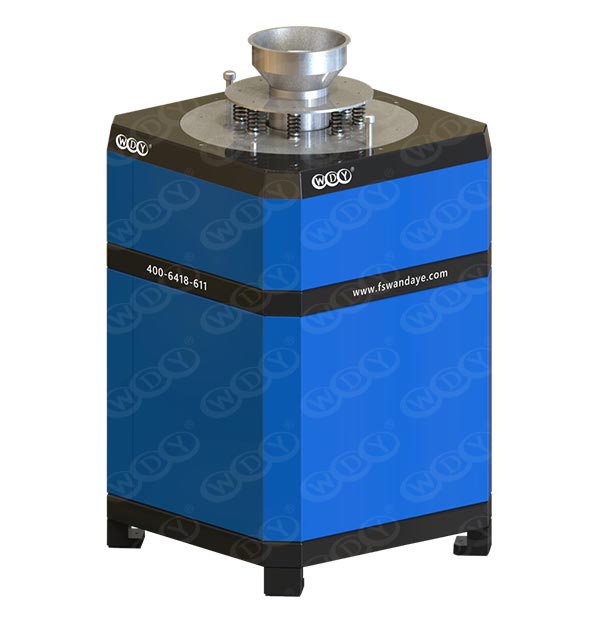
For dry powders, high‑intensity roll or disc magnetic separator systems combine strong fields with carefully positioned poles and adjustable gaps to separate weakly magnetic particles from non‑magnetic material.
By adjusting the current, the matrix configuration, or the mechanical gap, operators can tune the magnetic separator to match different mineral compositions, moisture contents, and particle sizes, achieving flexible production across multiple products on the same line.
Using Foshan Wandaye Turnkey Solutions
Instead of building every aspect of a high gradient magnetic separator from scratch, many customers rely on Foshan Wandaye Technology Co., Ltd. for complete engineering support from concept to commissioning.
Wandaye can provide mineral processing experiments, mineral analysis, process design, equipment selection, installation, commissioning, and after‑sales service, covering every stage of a magnetic separator project.
With its dedicated R&D team, Foshan Wandaye designs customized magnetic separator configurations to meet unique requirements in mining, ceramics, and pharmaceuticals, as well as other non‑metallic mineral fields.
The company’s experience in high gradient electromagnetic slurry magnetic separator systems and vertical ring magnetic separator equipment helps customers achieve stable, large‑scale production with reliable separation performance and predictable operating costs.
For international clients, Foshan Wandaye has already supplied magnetic separator equipment and whole‑line solutions to overseas markets, demonstrating its global project execution capability and understanding of different regulatory environments.
By partnering with Foshan Wandaye, users benefit from proven high gradient magnetic separator designs, standardized modules, and strong technical support instead of attempting trial‑and‑error development alone.
Rich Media Support for High Gradient Magnetic Separator Projects
When planning or training staff for a high gradient magnetic separator installation, rich media resources greatly enhance understanding and reduce training time.
Demonstration media that show slurry flowing through the separating chamber, magnetic capture in the matrix, and rinsing of concentrate make it easier to visualize how the magnetic separator actually operates in three dimensions.
Explainer resources can present step‑by‑step sequences of energizing the magnetic system, starting feed pumps, adjusting belt or ring speed, and fine‑tuning washing flows for the magnetic separator under different operating scenarios.
Time‑lapse presentations of maintenance procedures, such as cleaning the matrix of a high gradient magnetic separator, replacing worn seals, or checking cooling circuits, can help technicians work more efficiently and safely.
In addition, animation‑style sequences can illustrate how field lines concentrate around the matrix in a high gradient magnetic separator, how particles move relative to the magnetic forces, and how process parameters affect capture efficiency and throughput.
These types of media are especially useful when training new teams to operate complex high gradient magnetic separator systems in mining concentrators, ceramic body and glaze lines, or pharmaceutical cleanrooms where downtime is costly.
Best Practices for Operating and Maintaining a High Gradient Magnetic Separator
To get the best results from any high gradient magnetic separator, operators should follow consistent operating procedures that match the original design parameters of the equipment.
Maintaining stable feed density, appropriate ring or belt speed, and correct washing pressure helps the magnetic separator maintain high recovery and concentrate grade over long campaigns.
Regular inspection of the matrix or belt in the magnetic separator prevents excessive clogging, detects mechanical wear, and maintains open flow channels for the slurry or powder stream.
Cleaning cycles should be scheduled according to the nature of the material; for example, sticky clays in ceramic slurries may require more frequent washing of the magnetic separator than free‑flowing hard rock mineral feeds.
Electrical and cooling systems of electromagnetic high gradient magnetic separator units must be checked for stable current, correct water‑cooling or oil‑cooling flow, and secure electrical connections.
Keeping accurate logs of operating parameters, maintenance interventions, and product quality indicators helps engineers tune the magnetic separator over time, optimize production costs, and detect issues before they cause unplanned downtime.
Conclusion
Building a high gradient magnetic separator involves much more than assembling a coil and a tank; it requires careful integration of magnetic circuit design, matrix selection, mechanical structure, process flows, and intelligent control matched to the specific ore or product.
By understanding the working principle, selecting appropriate components, and applying best practices in design and operation, you can create a magnetic separator that delivers high recovery, high purity, and reliable performance in mining, ceramics, and pharmaceutical environments.
Foshan Wandaye Technology Co., Ltd. stands out as a partner capable of supplying complete high gradient magnetic separator solutions, from customized equipment to full process engineering and after‑sales service.
Leveraging the company’s experience with vertical ring, slurry, and powder magnetic separator systems allows you to accelerate project delivery, reduce technical and financial risk, and achieve consistent industrial‑scale results.
Contact us to get more information!
FAQ
1. What is a high gradient magnetic separator?
A high gradient magnetic separator is a type of magnetic separator that uses a strong magnetic field and a specially designed ferromagnetic matrix to capture fine or weakly magnetic particles from a slurry or dry feed.
The high field gradient around the matrix allows the magnetic separator to separate magnetic particles from non‑magnetic material with high efficiency, even when the magnetic particles are very small or weakly responsive.
2. Where are high gradient magnetic separators used?
High gradient magnetic separator systems are widely used in mining and mineral processing to purify non‑metallic minerals and recover magnetic ores at different stages of the flowsheet.
They are also commonly applied in the ceramics industry to remove iron contaminants from slips, glazes, and body slips, and in the pharmaceutical and chemical industries to protect product purity and downstream equipment.
3. How do I choose between electromagnetic and permanent magnet designs?
Electromagnetic high gradient magnetic separator designs allow you to adjust magnetic field strength by changing the current, making them suitable for processes needing flexible control or frequent product changeovers.
Permanent magnet high gradient magnetic separator units can be more energy‑efficient and simpler to install and maintain, but they offer less adjustability in the magnetic field and are usually selected for more stable, single‑product applications.
4. What makes Foshan Wandaye a good partner for my project?
Foshan Wandaye Technology Co., Ltd. specializes in magnetic separator equipment and offers integrated services from mineral testing and process design to installation, commissioning, and long‑term technical support.
Its portfolio includes high gradient electromagnetic slurry magnetic separator systems, powder magnetic separator units, permanent magnetic separator solutions, and vertical ring magnetic separator models, all supported by a professional R&D and engineering team with extensive project experience.
5. How can I improve the performance of my existing high gradient magnetic separator?
To enhance performance, you can optimize feed density, adjust ring or belt speed, fine‑tune washing water pressure and flow, and verify that operating parameters match the original design of the magnetic separator.
Regular cleaning of the matrix or belt, monitoring of electrical and cooling systems, replacement of worn components, and periodic review of process data also help maintain high separation efficiency and stable capacity in a high gradient magnetic separator.
Citations:
1. https://www.wdymagnetic.com
2. http://en.fswandaye.com
3. http://en.fswandaye.com/About-Us/
4. https://en.wikipedia.org/wiki/High-intensity_magnetic_separator
5. https://gtekmagnet.com/high-gradient-magnetic-separator-how-it-work/
6. https://magneticseparatormachine.sell.everychina.com/p-110633075-wet-high-intensity-magnetic-separation-equipment-for-kaolin.html
7. https://magnetii.goldsupplier.com
8. https://www.jkmagnetic.com/magnetic-separators-for-pharmaceutical-industry/
9. https://gtekmagnet.com/magnetic-separator-for-ceramic-industry/
10. https://www.911metallurgist.com/blog/high-gradient-magnetic-separator/
Hot Tags: High Gradient Magnetic Separator Design, How To Build A High Gradient Magnetic Separator, HGMS Magnetic Separator Construction, High Gradient Magnetic Separation Equipment, Industrial High Intensity Magnetic Separator, Magnetic Matrix Separator System, Wet High Gradient Magnetic Separator, Magnetic Separation For Fine Particles, Magnetic Separator For Mineral Processing, Laboratory High Gradient Magnetic Separator