Content Menu
● What Is Magnetic Separation in Powder Processing?
● The Physics of Magnetism – A Clear, Practical View
● Types of Magnetic Materials You Need to Know
● Core Magnetic Separator Types for Powders
>> Common Industrial Separator Designs
>> Powder Magnetic Separator vs. Permanent Magnetic Separator
● Where Magnetic Separation Adds the Most Value
>> Mining and Non‑metallic Minerals
>> Ceramics, Glass, and Building Materials
>> Food and Pharmaceutical Industries
>> New Energy and Battery Materials
● Advantages and Limitations of Magnetic Separation
● Expert Best Practices for Optimizing Powder Magnetic Separation
>> 1. Understand Your Product and Risks
>> 2. Select the Right Separator Type
>> 3. Engineer for Contact, Not Just Field Strength
>> 4. Validate, Monitor, and Maintain
>> 5. Learn from Real Projects
● Latest Trends and Future Directions in Magnetic Separation
● Where to Place Magnetic Separators in Your Line
● Why Work with Foshan Wandaye Technology Co., Ltd.?
● Call to Action – Optimize Your Powder Magnetic Separation
● Frequently Asked Questions (FAQ)
>> 1. How small a particle can a powder magnetic separator capture?
>> 2. Do I still need a metal detector if I use magnetic separators?
>> 3. How often should I test the strength of my magnets?
>> 4. Are permanent magnetic separators enough for high‑purity non‑metallic minerals?
>> 5. Can magnetic separators be retrofitted into existing powder lines?
Magnetic separation is no longer just a textbook concept; it is a mission‑critical technology that keeps modern powder processing lines clean, efficient, and compliant across mining, ceramics, glass, batteries, food, pharmaceuticals, and more. Drawing on real industrial practice at Foshan Wandaye Technology Co., Ltd. and the latest market insights, this guide explains how powder magnetic separators and permanent magnetic separators really work, where they add value, and how to choose and optimize them in your own plant. [wdymagnetic]
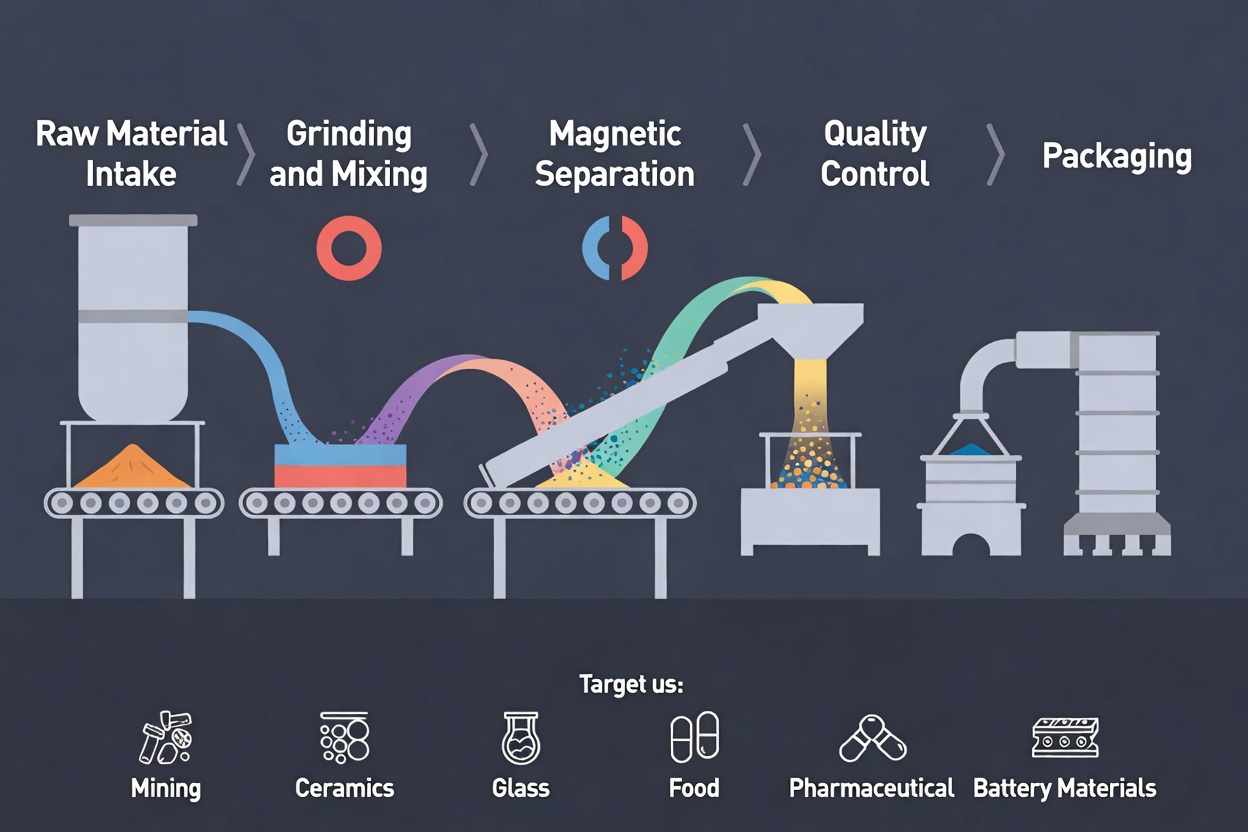
What Is Magnetic Separation in Powder Processing?
Magnetic separation is a physical process that uses a magnetic field to remove ferromagnetic and weakly magnetic particles from a bulk material stream, without changing the chemistry of the product. In powder processing, this typically means extracting iron filings, rust, stainless steel fines, or battery material residues from non‑magnetic powders such as quartz, feldspar, kaolin, glass batch, cathode and anode materials, flour, or pharmaceutical excipients. [goudsmitmagnetics]
For operators, the key benefit is risk control: a properly designed separator prevents metal contamination, protects downstream equipment, and stabilizes product quality with minimal energy and no process chemicals. [energiesmedia]
The Physics of Magnetism – A Clear, Practical View
At its core, magnetism is generated by the motion and spin of electrons in atoms, creating microscopic magnetic moments that can align into a macroscopic magnetic field. When enough of these magnetic domains align in a material like iron or certain oxides, the material becomes strongly attracted to a magnetic field. [wdymagnetic]
From an engineering standpoint, what matters most on your line is:
– Field strength: measured in tesla or gauss; higher fields pull smaller or weaker magnetic particles. [fsqservices]
– Field gradient: how quickly the field changes in space; high‑gradient designs capture fine, weakly magnetic particles in powders or slurries. [goudsmitmagnetics]
– Contact and residence time: how long and how closely your powder passes the magnetic surface. [fsqservices]
When you design a powder line, you are really designing how your product meets the magnetic field – its speed, thickness, angle, and turbulence all impact capture efficiency. [fsqservices]
Types of Magnetic Materials You Need to Know
For process engineers, understanding which particles respond to a magnet is crucial. Magnetic materials are usually grouped into three practical categories: [wdymagnetic]
– Ferromagnetic materials
Strongly attracted to magnets; include iron, low‑carbon steels, many wear particles from conveyors and mills, and some iron‑bearing minerals. [lenoir-mec]
– Paramagnetic materials
Weakly attracted and only captured under high‑intensity or high‑gradient fields; examples include some oxides and non‑metallic minerals contaminated with trace iron. [sciencedirect]
– Diamagnetic materials
Slightly repelled or effectively unaffected by magnets; examples include many pure ceramics, plastics, and organic powders. [wdymagnetic]
In powder plants, your product (ceramic body powder, quartz, cathode powder, flour) is usually diamagnetic or very weakly paramagnetic, while the contaminants (iron scale, rust, grinding media, bolts) are ferromagnetic. This contrast is what makes magnetic separation so powerful. [wdymagnetic]
Core Magnetic Separator Types for Powders
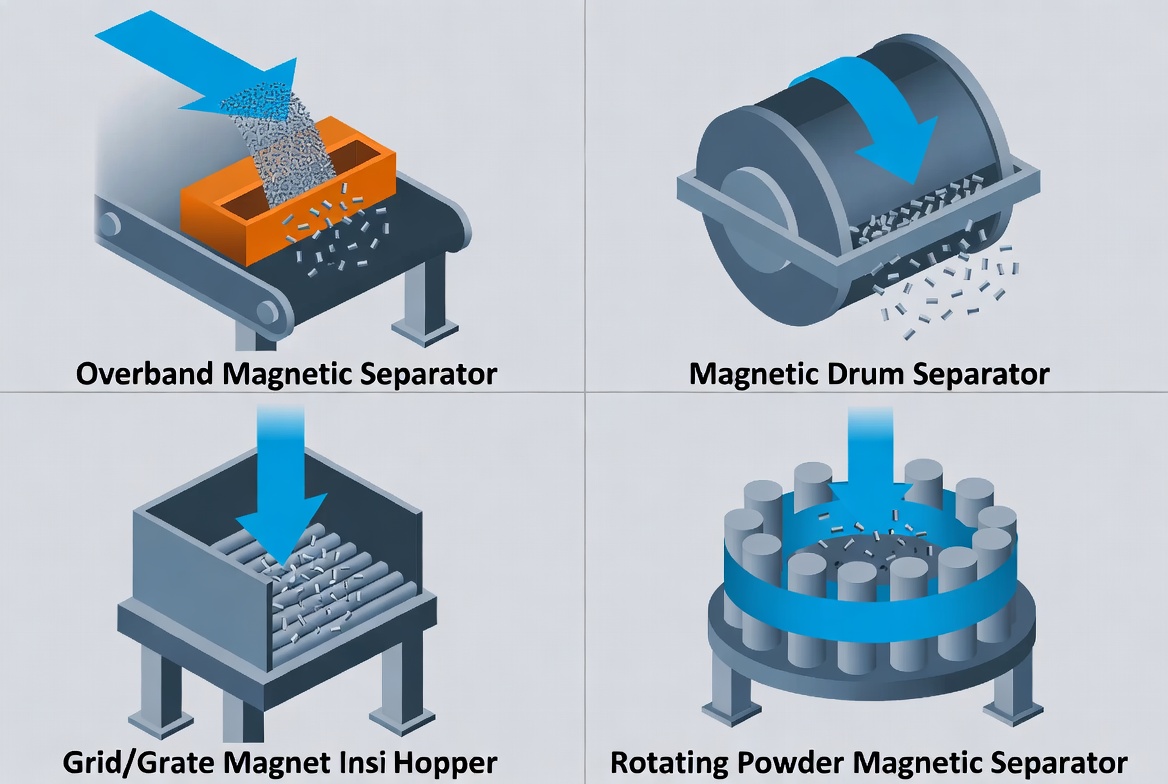
Different magnetic separators suit different flow forms (free‑falling powder, dense phase conveying, slurry) and contamination levels. Below is a simplified overview oriented to powder applications. [lenoir-mec]
Common Industrial Separator Designs
– Overband magnetic separators
Mounted above belt conveyors to remove tramp iron from bulk flows before crushing, grinding, or packaging. [wdymagnetic]
– Magnetic drums
Rotating drums that continuously attract and discharge ferrous particles from granular and powder streams; widely used in mining and mineral processing. [lenoir-mec]
– Magnetic grids / grates
Arrays of high‑intensity magnetic bars installed in hoppers or chutes to capture iron from gravity‑fed powders and granulates. [goudsmitmagnetics]
– Rotating magnetic separators for powders
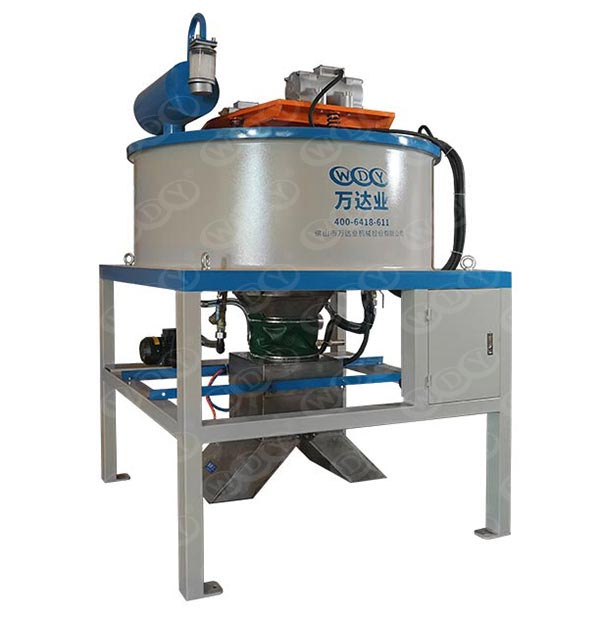
Advanced grid designs that rotate to keep powder flowing across high‑intensity fields, minimizing bridging and dead zones; these are increasingly used in ceramics, glass, and battery materials. [powderbulksolids]
– High‑gradient magnetic separators (HGMS)
High‑intensity systems with dense matrices that capture very fine and weakly magnetic particles, ideal for ultra‑clean non‑metallic minerals and some water treatment powders. [sciencedirect]
Powder Magnetic Separator vs. Permanent Magnetic Separator
| Aspect | Powder Magnetic Separator (Process‑oriented) | Permanent Magnetic Separator (Magnet type) |
|---|---|---|
| Main function | Optimize separation for powders and slurries on specific lines | Provide a constant magnetic field using permanent magnets |
| Power requirement | Often needs power for rotation, cleaning, control; field can be permanent or electromagnetic | No external power for the field itself; only for mechanisms if any |
| Typical applications | Ceramics, quartz, feldspar, kaolin, battery powders, mineral slurries | Tramp metal removal in conveyors, chutes, hoppers across many industries |
| Maintenance focus | Cleaning frequency, matrix wear, sensor and control health | Checking magnet strength, surface condition, mechanical mounting |
In practice, many powder lines combine permanent magnetic separators at key points with HGMS or rotating powder separators where ultimate purity is required. [permagproducts]
Where Magnetic Separation Adds the Most Value
Mining and Non‑metallic Minerals
In mining and mineral processing, magnetic separators are used to upgrade ore and purify industrial minerals such as quartz, feldspar, and kaolin. By removing iron‑bearing contaminants and weakly magnetic impurities, operators can raise Fe2O3 specifications and achieve higher‑value grades for glass, ceramics, and electronics. [buntingmagnetics]
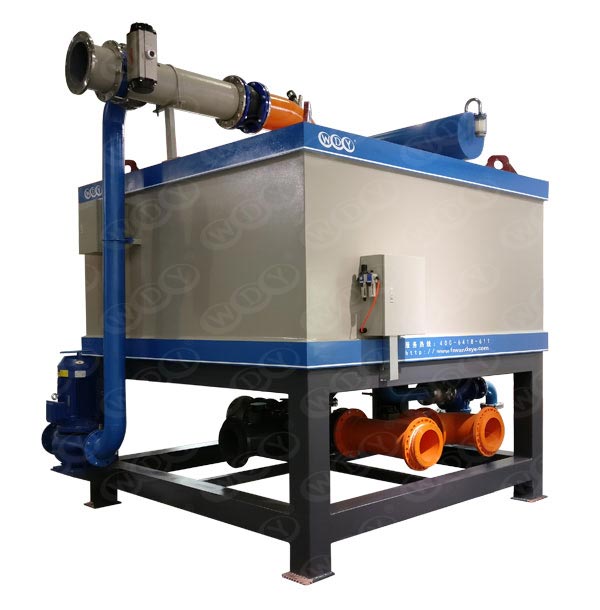
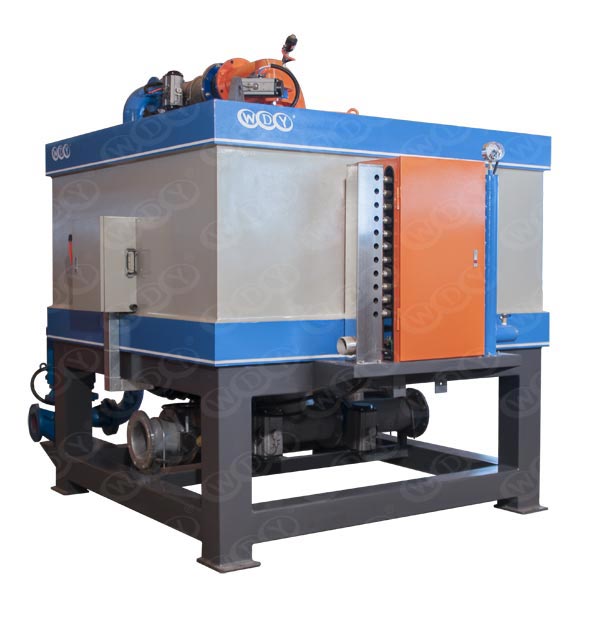
Foshan Wandaye solutions, for example, are widely applied to granite tailings, quartz sand, feldspar, and kaolin purification projects, often combining oil‑cooled slurry electromagnetic separators with high‑gradient ring separators for stable, continuous operation. These projects typically move from pilot trials to full production once iron content and whiteness improvements are confirmed by lab testing. [linkedin]
Ceramics, Glass, and Building Materials
Ceramic tiles, sanitary ware, and advanced technical ceramics all demand very low metallic contamination to avoid black spots, pinholes, and firing defects. In glass production, seed bubbles and color shifts can also be triggered by metallic particles and oxides. [linkedin]
By integrating powder magnetic separators at the raw material intake, before spray drying, and after milling, manufacturers can significantly reduce defects and scrap rates while stabilizing color and surface quality. Non‑metallic mineral clients typically report improved product whiteness and yield once stable high‑gradient separation is in place. [linkedin]
Food and Pharmaceutical Industries
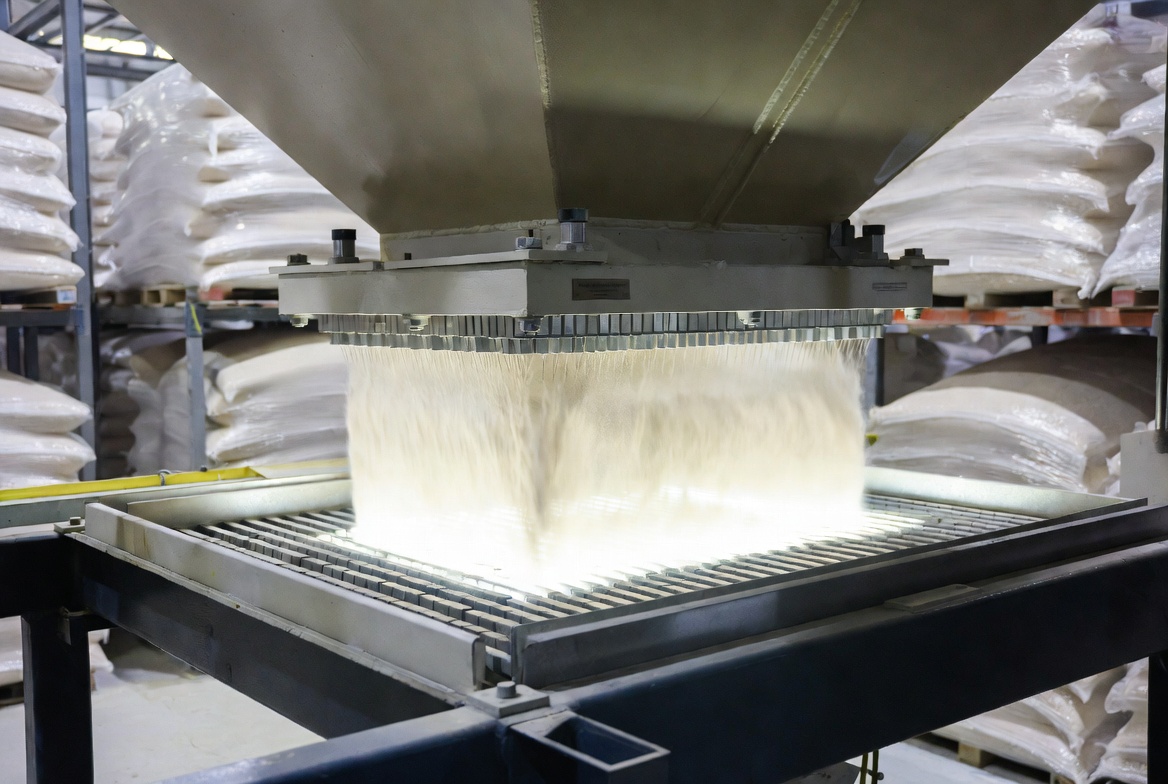
In food and pharmaceuticals, magnetic separators serve both quality and compliance: they protect consumers from foreign bodies and help facilities meet HACCP, GMP, and other safety standards. Grate magnets, rotary traps, and pipeline separators are often installed upstream of metal detectors to remove the bulk of ferrous contamination and reduce false rejects. [magnattackglobal]
Guidelines from food safety experts emphasize regular validation of magnet strength, hygienic design, and documented testing programs as best practice for compliance. For powder products such as flour, spices, nutraceutical granules, and excipients, magnetic separation is a frontline control measure, not an optional add‑on. [permagproducts]
New Energy and Battery Materials
High‑purity cathode and anode powders for lithium‑ion batteries are extremely sensitive to metallic contamination, which can cause internal short circuits and safety incidents. Recent developments include rotating magnetic separators designed specifically for lithium battery powders, enabling metal‑free processing at very fine particle sizes. [powderbulksolids]
As an equipment manufacturer serving positive and negative electrode material lines, Foshan Wandaye focuses on high‑intensity, stable‑temperature magnetic systems with optimized flow channels to minimize dead angles and ensure uniform, repeatable separation. For battery producers, these systems become a core part of their quality and safety strategy. [powderbulksolids]
Advantages and Limitations of Magnetic Separation
Key Advantages
– Environmentally friendly: No need for chemical reagents or solvents; separation is purely physical, reducing secondary pollution and waste streams. [energiesmedia]
– Energy and cost efficient: Once installed, magnetic separators operate with low energy consumption and minimal consumables, especially permanent magnet systems. [buntingmagnetics]
– High selectivity: They target magnetic contaminants specifically, allowing non‑magnetic product to pass through largely unaffected. [goudsmitmagnetics]
– Continuous operation: Many designs support fully automatic, in‑line, 24/7 operation with self‑cleaning features, ideal for modern production lines. [lenoir-mec]
Practical Limitations
– Dependence on magnetic properties: Only materials with sufficient magnetic susceptibility can be captured, so purely non‑magnetic contaminants will pass through. [wdymagnetic]
– Equipment investment: High‑gradient and slurry systems require significant up‑front capex, which may challenge small plants despite long‑term savings. [buntingmagnetics]
– Need for expertise: Achieving consistent performance demands proper selection, engineering, installation, and routine verification of magnet strength and flow conditions. [magnattackglobal]
For most powder applications, combining magnetic separation with sieving, air classification, and, where necessary, metal detection delivers a balanced, robust contamination control strategy. [permagproducts]
Expert Best Practices for Optimizing Powder Magnetic Separation
Drawing on field projects and industry guidelines, here is a practical step‑by‑step approach to designing and maintaining an effective system. [magnattackglobal]
1. Understand Your Product and Risks
– Identify your powder type (quartz, feldspar, kaolin, glass batch, ceramic body, battery powder, flour, pharma excipient, etc.). [linkedin]
– Characterize likely contaminants: source (conveyors, mills, pumps), size range, hardness, and expected concentration. [fsqservices]
– Define quality targets: maximum permissible iron content, black spot rate, food safety limits, or battery safety criteria. [permagproducts]
2. Select the Right Separator Type
– For bulk tramp metal on belts: overband or drum separators.
– For gravity‑fed powders: grate/grid magnets or rotating powder separators.
– For ultra‑clean non‑metallic minerals or battery slurries: high‑gradient or slurry electromagnetic separators. [sciencedirect]
Partnering with an experienced OEM like Foshan Wandaye allows you to match separator design, magnet type (permanent vs. electromagnetic), and cooling method (oil‑cooled, water‑cooled) to your process conditions. [fswandaye]
3. Engineer for Contact, Not Just Field Strength
Industry case experience and technical papers consistently show that magnet strength alone does not guarantee performance; you also need sufficient product contact with the magnetic field. To achieve this: [goudsmitmagnetics]
– Design chutes and hoppers so powders form a thin, even curtain over magnetic grids.
– Use rotation or vibration to prevent bridging and ensure particles continuously present fresh surfaces to the magnet. [goudsmitmagnetics]
– Minimize dead zones and bypass paths where powder can avoid the magnetic area. [fsqservices]
4. Validate, Monitor, and Maintain
Food safety and magnet‑specialist guidelines recommend structured validation and maintenance programs. In practice, that means: [magnattackglobal]
– Periodic gauss or pull‑test measurements to track magnet strength over time.
– Scheduled cleaning of magnetic surfaces, especially in sticky or dusty powders. [magnattackglobal]
– Regular inspection for corrosion, mechanical damage, and wear in high‑flow or abrasive applications. [fsqservices]
– Third‑party verification where required by customer or regulatory audits. [magnattackglobal]
By treating magnetic separators as critical control points, not passive components, plants can maintain their designed protection level over years of operation. [permagproducts]
5. Learn from Real Projects
Case studies from mineral, food, and energy sectors show that combining high‑intensity magnetic separation with process optimization often yields double‑digit reductions in scrap, rework, and unplanned downtime. Typical improvements include higher whiteness or purity for ceramics and glass, fewer customer complaints in food and pharma, and lower filter and maintenance costs in energy pipelines. [blackpowdersolutions]
Foshan Wandaye has implemented full‑line solutions in regions such as Guangxi for granite tailings, where oil‑cooled slurry separators and ring high‑gradient machines were deployed in staged configurations to reach commercial‑grade purity and stable production. [linkedin]
Latest Trends and Future Directions in Magnetic Separation
Recent publications and industry reports highlight several important trends: [buntingmagnetics]
– Higher‑intensity permanent magnets: Advances in rare‑earth magnet technology continue to boost capture of ultra‑fine contaminants while reducing energy demands. [buntingmagnetics]
– Rotating and self‑cleaning designs: New rotating grids and drums for powders maintain flowability, support continuous operation, and reduce manual labor. [powderbulksolids]
– Integration with digital monitoring: Sensors for temperature, vibration, and magnetic field strength are increasingly used to support predictive maintenance. [lenoir-mec]
– Application expansion: Alongside traditional mining and food uses, magnetic separation is now critical in battery materials, hydrogen and biofuel pipelines, and advanced ceramics. [blackpowdersolutions]
As regulatory and customer expectations tighten around purity, traceability, and sustainability, robust magnetic separation will remain a core technology across powder‑processing industries. [blackpowdersolutions]
Where to Place Magnetic Separators in Your Line
To maximize both safety and yield, consider installing magnetic separation at multiple points: [permagproducts]
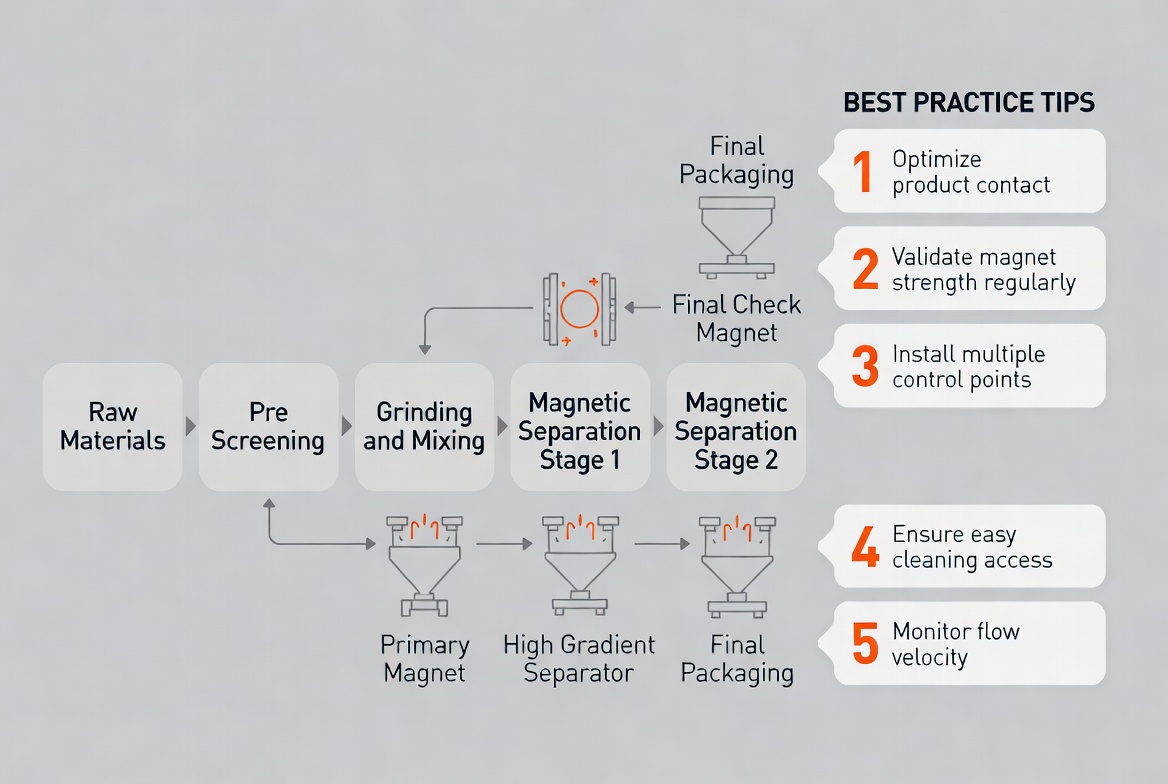
– At raw material receiving: Remove tramp iron from incoming ores, sand, feldspar, kaolin, and other powders.
– Before critical grinding or mixing equipment: Protect mills, mixers, and pumps from metal damage.
– Before classification and fine filtration: Reduce load on cyclones, filters, and air classifiers.
– At final product discharge or packaging: Provide a last line of defense for food, pharmaceutical, ceramic, and battery powders.
Designing this multi‑stage layout not only improves capture efficiency but also makes troubleshooting easier: if metal is detected downstream, you can quickly identify which control point failed. [permagproducts]
Why Work with Foshan Wandaye Technology Co., Ltd.?
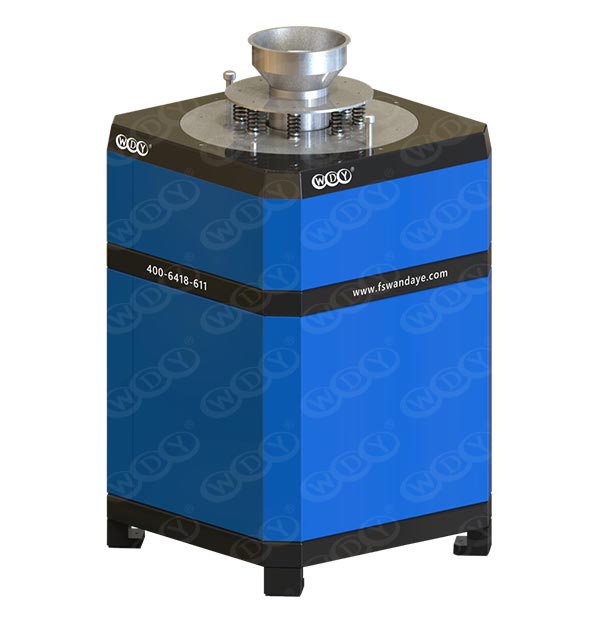
As a specialized magnetic separation equipment manufacturer, Foshan Wandaye integrates R&D, engineering design, production, installation, and commissioning for powder and slurry magnetic separators. Our portfolio covers oil‑cooled and water‑cooled electromagnetic slurry separators, high‑gradient ring machines, and custom powder magnetic separators tailored to non‑metallic minerals, ceramics, glass, building materials, environmental protection, rubber, plastics, pharmaceuticals, food, and battery materials. [fswandaye]
With reference projects across quartz, feldspar, kaolin, granite tailings, and battery material lines, we help customers move from lab testing to full‑scale, stable, and automated production, supported by professional after‑sales service and process optimization. If you are planning a new line or upgrading an existing one, our engineering team can evaluate your powders, contamination risks, and quality targets to design a practical, maintainable magnetic separation solution. [linkedin]
Call to Action – Optimize Your Powder Magnetic Separation
If metallic contamination, black spots, or unstable product quality are affecting your business, professional magnetic separation is one of the most cost‑effective levers you can pull. Whether you process non‑metallic minerals, ceramics, glass, building materials, food, pharmaceuticals, or battery materials, a well‑engineered combination of powder magnetic separators and permanent magnetic separators will improve purity, protect your equipment, and support regulatory compliance. [linkedin]
Contact Foshan Wandaye Technology Co., Ltd. today to discuss your current line layout, product specifications, and quality challenges, and we will help you design, install, and commission a magnetic separation system that fits your real‑world operating conditions. [fswandaye]
Frequently Asked Questions (FAQ)
1. How small a particle can a powder magnetic separator capture?
With modern high‑intensity and high‑gradient designs, well‑engineered powder magnetic separators can capture metallic particles down to tens of micrometers, depending on product flow, magnet strength, and field gradient. Battery and advanced ceramic lines may use specialized systems to handle even finer fractions under controlled conditions. [powderbulksolids]
2. Do I still need a metal detector if I use magnetic separators?
Yes. Magnetic separators and metal detectors are complementary technologies. Magnets remove most ferrous contamination and reduce load and false rejects, while metal detectors can also identify non‑magnetic metals such as certain stainless steels and aluminum, providing an extra layer of protection. [fsqservices]
3. How often should I test the strength of my magnets?
Industry guidelines recommend regular in‑house testing (for example, monthly or quarterly), combined with annual or biennial third‑party validation for food and other high‑risk applications. The exact interval depends on your risk assessment, customer requirements, and the criticality of each separator in your process. [magnattackglobal]
4. Are permanent magnetic separators enough for high‑purity non‑metallic minerals?
Permanent magnets are suitable for many applications, but high‑purity quartz, feldspar, and kaolin often require high‑gradient or electromagnetic systems to remove weakly magnetic impurities to very low levels. A process audit and lab testing are usually needed to define the right combination. [sciencedirect]
5. Can magnetic separators be retrofitted into existing powder lines?
In most cases, yes. Overband magnets, grid magnets, and some rotating powder separators can be integrated into existing chutes, hoppers, and conveyors with modest modifications. For slurry systems or high‑gradient installations, more extensive piping or structural changes may be required, but these can often be scheduled into planned shutdowns. [lenoir-mec]
References
1. Great Magtech, “A ciência por trás do magnetismo na separação de misturas (The Science Behind Magnetism in Separating Mixtures).” [wdymagnetic]
2. Foshan Wandaye Technology Co., Ltd. official website – product descriptions and case applications for oil‑cooled slurry electromagnetic separators, high‑gradient magnetic separators, and non‑metallic mineral projects. [fswandaye]
3. Goudsmit Magnetics, “Rotating magnet cleans powder and granulate without stopping production.” [goudsmitmagnetics]
4. Permag Products, “The Role of Magnetic Separators in Food and Pharmaceutical Industries.” [permagproducts]
5. FSQ Services, “Magnetic Separation Efficiency in the Food Related Industries.” [fsqservices]
6. Magnattack Global, “How To Ensure Magnetic Separators Meet Compliance Standards.” [magnattackglobal]
7. Bunting Magnetics, “30 Year Magnetic Separator Market Evolution.” [buntingmagnetics]
8. Industry report, “Powder Magnetic Separator Industry Report Examines Recent Innovations.” [linkedin]
9. Black Powder Solutions, “Magnetic Separation Technology Enhances Safety and Preserves the Environment.” [energiesmedia]
10. Goudsmit / Powder & Bulk Solids, “Magnetic Separator for Lithium Battery Powder.” [powderbulksolids]
11. Lenoir‑Mec, “Industrial magnetic separators: 80 years of expertise.” [lenoir-mec]
Hot Tags: Magnetic Separators, Electromagnet, Manufacturers, Customized, Custom, Suppliers, Buy, Cheap, Quality, Advanced, Durable, in Stock, Made in China, Price, Quotation