Content Menu
● Industrial Background: Why Myanmar Needs Reliable Iron Removal Equipment Manufacturers and Suppliers
● Key Application Industries for Iron Removal Equipment in Myanmar
>> Mining and Mineral Processing
>> Ceramics, Tiles, and Construction Materials
>> Pharmaceuticals and Fine Chemicals
● Types of Solutions Provided by Iron Removal Equipment Manufacturers and Suppliers
>> Permanent Magnetic Iron Separators
>> Electromagnetic Iron Removers
>> High‑Gradient Magnetic Separators
>> Custom Turnkey Systems and Automation
● How Myanmar Buyers Can Work with Overseas Iron Removal Equipment Manufacturers and Suppliers
>> Step 1: Define Process Requirements and Targets
>> Step 2: Evaluate Technology, Experience, and References
>> Step 3: Consider Total Cost of Ownership, Not Just Purchase Price
>> Step 4: Plan Installation, Commissioning, and Training
● Foshan Wandaye Technology Co., Ltd. as a Partner for Myanmar Projects
● Practical Tips for Selecting Iron Removal Equipment Manufacturers and Suppliers in Myanmar
● FAQ
>> 1. What types of iron‑removal equipment are commonly used in Myanmar?
>> 2. How do I choose between permanent and electromagnetic iron removers?
>> 3. Why are high‑gradient magnetic separators important for ceramics and rare earths?
>> 4. What information should Myanmar buyers prepare before contacting suppliers?
>> 5. How can overseas suppliers provide service and support to Myanmar projects?
Myanmar’s growing mining, ceramics, and pharmaceutical sectors are creating strong demand for professional Iron Removal Equipment Manufacturers and Suppliers that can deliver stable, efficient magnetic separation and iron‑removal solutions.
For local plants and international buyers, choosing the right Iron Removal Equipment Manufacturers and Suppliers is essential to improve product purity, protect downstream equipment, and meet export‑level quality standards.
Industrial Background: Why Myanmar Needs Reliable Iron Removal Equipment Manufacturers and Suppliers
Myanmar has become an important source of minerals, including rare earths and other mining products exported to neighboring countries.
At the same time, the country’s ceramics and construction materials markets are expanding with urbanization and infrastructure projects, pushing manufacturers to upgrade process quality and reduce contamination.
The pharmaceutical sector, led by several state‑owned factories and private enterprises, is also modernizing its production and quality systems, requiring strict control of metallic impurities.
In this context, professional Iron Removal Equipment Manufacturers and Suppliers can help Myanmar plants meet international standards, cut maintenance costs, and strengthen their competitiveness in global supply chains.
Myanmar’s investment climate is evolving, and many industrial projects rely on a mix of local resources and overseas technology partners.
For mining and mineral processing, environmental and social pressures are also growing, especially around rare earth and other sensitive resource projects, which makes process stability and clean production more important than ever.
Iron removal systems that prevent equipment damage and reduce reject rates can indirectly support more sustainable operations by lowering energy consumption and waste tonnage.
Therefore, cooperation with capable Iron Removal Equipment Manufacturers and Suppliers is not only a technical decision but also an important part of long‑term industrial planning in Myanmar.
Key Application Industries for Iron Removal Equipment in Myanmar
Mining and Mineral Processing
Myanmar’s mining industry covers rare earths, metallic minerals, and industrial minerals, many of which are exported for refining and advanced processing abroad.
During crushing, grinding, and classification, tramp iron such as broken liners, grinding media, and steel scraps can enter the material flow, damaging crushers, mills, and high‑value separation equipment.
Professional Iron Removal Equipment Manufacturers and Suppliers provide overband magnets, electromagnetic iron removers, drum separators, and high‑gradient magnetic separators to capture ferromagnetic and weakly magnetic particles before they reach sensitive equipment.
In rare earth mining and other high‑value mineral operations, efficient iron‑removal systems reduce downtime, stabilize product quality, and support more sustainable environmental performance.
In addition, many Myanmar mines operate in mountainous or remote areas where heavy maintenance and spare‑parts logistics are difficult.
Robust iron‑removal equipment with simple structures and reliable automatic cleaning systems can significantly lower the frequency of unplanned shutdowns.
By reducing the volume of scrap metal circulating in the system, mines can also protect pumps, cyclones, and flotation cells, thereby increasing the overall recovery rate of valuable minerals.
Ceramics, Tiles, and Construction Materials
Myanmar’s ceramic tiles and sanitary ware markets are growing in line with construction and real‑estate development, with manufacturers increasingly focusing on higher product quality and design.
Metallic contamination in ceramic raw materials can cause black spots, pinholes, and firing defects, leading to high scrap rates and customer complaints.
Iron Removal Equipment Manufacturers and Suppliers support Myanmar’s ceramics industry with permanent magnetic grids, rotary drum separators, and high‑gradient magnetic filters for slurry and powder processing lines.
By installing iron removal equipment before pressing, glazing, and firing, ceramic plants can raise yield, improve whiteness and color stability, and meet stricter export requirements.
In the field of glass, sanitary ceramics, refractories, and advanced construction materials, customers often demand higher whiteness, smoother surface finish, and consistent color from batch to batch.
This pushes factories to control iron and other magnetic contaminants at an earlier stage in the raw‑material preparation line.
Combining screens, de‑dusting equipment, and iron‑removal machines allows plants to stabilize feed quality and better control firing curves in kilns.
Pharmaceuticals and Fine Chemicals
Myanmar’s pharmaceutical sector is gradually improving its production infrastructure and quality management, guided by national policies and international standards such as ISO and GMP.
In tablet, capsule, oral liquid, and injectable production, metallic fragments from equipment wear, tools, or packaging can pose serious safety and compliance risks.
Iron Removal Equipment Manufacturers and Suppliers offer sanitary‑grade magnetic filters, pipeline magnets, and metal traps designed for clean‑in‑place and high‑hygiene applications.
These solutions help local pharmaceutical manufacturers reduce contamination, pass audits, and protect their brand reputation in domestic and regional markets.
Fine chemical plants producing active ingredients, additives, or specialty intermediates can also benefit from iron‑removal systems.
By installing appropriate magnetic equipment in slurry transfer lines, mixing tanks, and filtration stages, producers can avoid discoloration, unwanted side reactions, and filter clogging caused by metallic particles.
This not only supports product quality but also extends the service life of downstream filtration and drying equipment.
Types of Solutions Provided by Iron Removal Equipment Manufacturers and Suppliers
Permanent Magnetic Iron Separators
Permanent magnetic separators use high‑performance magnets to create strong magnetic fields without continuous power consumption.
Iron Removal Equipment Manufacturers and Suppliers design permanent overband separators, magnetic plates, and grids that can be installed above belts, in chutes, or inside hoppers to remove tramp iron from bulk materials.
These devices are widely used in Myanmar’s mining and ceramics plants because of their low operating cost and simple maintenance.
For remote sites and unstable power conditions, permanent magnetic solutions can provide reliable basic protection for equipment and product quality.
Permanent magnetic separators are also suitable as secondary protection downstream of larger electromagnetic units.
In that configuration, they can capture smaller residual particles and provide an additional safety layer before critical process steps.
Because they have no coils and require no continuous power, permanent units are generally compact and easy to retrofit into existing production lines with limited space.
Electromagnetic Iron Removers
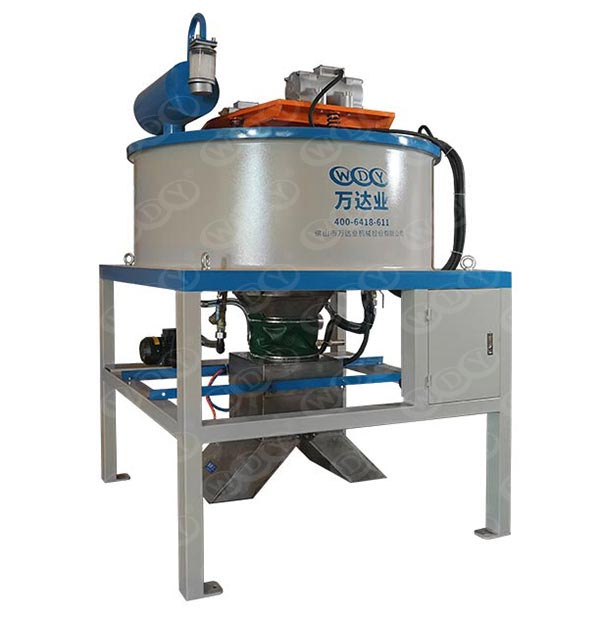
Electromagnetic iron removers use energized coils to create adjustable magnetic fields, often combined with automatic cleaning belts to discharge captured iron.
Compared with permanent magnets, electromagnetic iron removers give Iron Removal Equipment Manufacturers and Suppliers more flexibility to adjust field strength for different material properties and capacity levels.
In Myanmar’s larger mining and bulk‑material handling projects, heavy‑duty electromagnetic iron removers are commonly used above main conveyors, ahead of crushers, and before high‑precision separation equipment.
Their automatic cleaning mechanisms reduce manual labor and support continuous, high‑throughput operation, which is important where labor resources and technical skills may be limited.
These systems can also incorporate temperature monitoring, current monitoring, and interlocks with conveyor‑control systems.
If over‑temperature or overload conditions occur, the equipment can trigger alarms or automatic shutdowns to protect the coils and power supply.
Such features help maintain stable performance in environments with fluctuating power quality and heavy dust, which are common challenges in some Myanmar industrial zones.
High‑Gradient Magnetic Separators
High‑gradient magnetic separators are specialized systems designed to capture very fine, weakly magnetic impurities from slurries and powders.
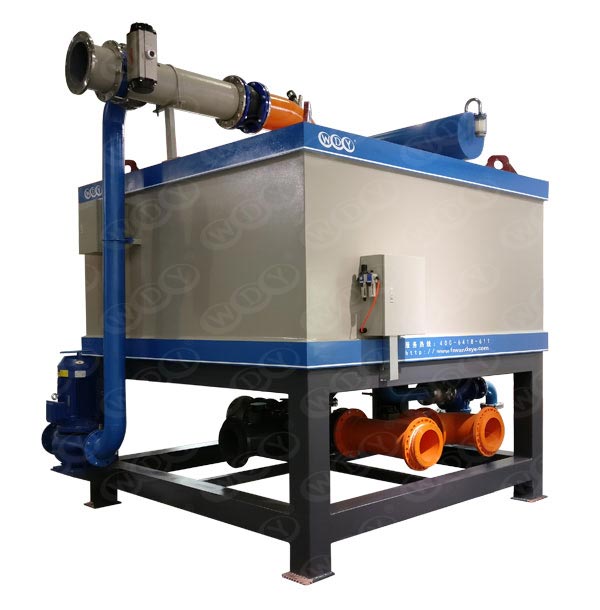
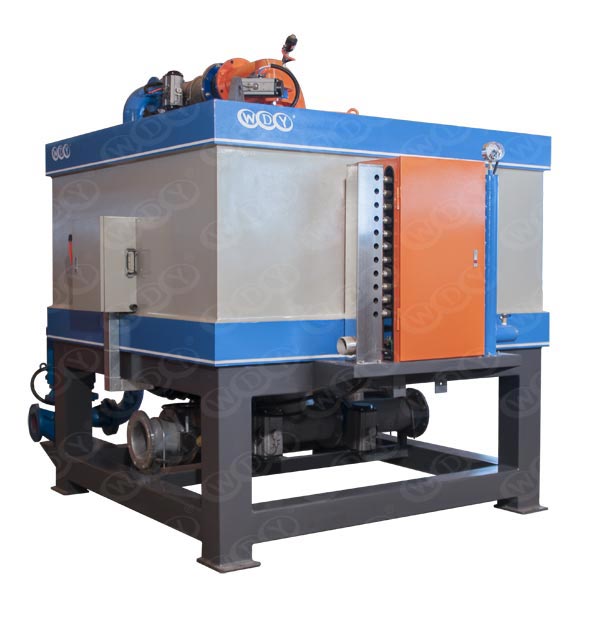
Iron Removal Equipment Manufacturers and Suppliers integrate high‑intensity magnetic circuits with finely structured matrices to maximize magnetic capture efficiency.
For Myanmar’s high‑value ceramics, rare earths, and advanced materials, high‑gradient magnetic separators can significantly reduce iron content, improve whiteness or purity, and raise product value.
When combined with intelligent controls and remote monitoring, these systems also support predictive maintenance and performance optimization across the entire process line.
Because high‑gradient units are often installed in critical positions, such as final polishing of ceramic slurries or upgrading of concentrate products, correct equipment selection and configuration are essential.
Parameters such as matrix type, magnetic field intensity, flow velocity, and cleaning cycle must be carefully matched to the material characteristics.
Experienced Iron Removal Equipment Manufacturers and Suppliers can provide laboratory testing and pilot‑scale trials to determine the best configuration for each Myanmar project.
Custom Turnkey Systems and Automation
Beyond single machines, leading Iron Removal Equipment Manufacturers and Suppliers provide complete engineering services that cover process evaluation, equipment selection, layout design, installation, and training.
In Myanmar, where plant infrastructure, raw materials, and power conditions may vary greatly, customized turnkey solutions are often more effective than standard catalog products.
Suppliers that understand mining, ceramics, and pharmaceuticals can integrate iron removal equipment with screening, grinding, and classification systems, ensuring smooth material flow and stable performance.
Some projects also adopt automation and data monitoring so that plant managers can track iron‑removal efficiency in real time and schedule maintenance proactively.
Modern control systems can record key data such as throughput, iron capture volume, coil temperature, and alarm status, providing valuable information for process optimization.
Through remote access, engineers can diagnose common problems, adjust setpoints, and support local teams in fine‑tuning equipment settings without long on‑site visits.
For Myanmar plants located far from major service centers, this kind of digital support significantly improves the practicality of advanced iron‑removal technologies.
How Myanmar Buyers Can Work with Overseas Iron Removal Equipment Manufacturers and Suppliers
Step 1: Define Process Requirements and Targets
Before contacting Iron Removal Equipment Manufacturers and Suppliers, Myanmar buyers should collect detailed information about their process, including material type, particle size range, capacity, current iron content, and target iron level.
Clear technical data allow suppliers to evaluate whether permanent magnets, electromagnetic iron removers, or high‑gradient magnetic separators are more suitable for the application.
When buyers also share layout drawings and photos of existing equipment, overseas suppliers can design more practical and cost‑effective solutions that fit local site constraints.
This preparation step reduces project risk and speeds up the quotation and design stages.
In addition, recording issues such as frequent blockages, bearing failures, or product‑quality complaints helps suppliers understand where iron contamination is causing the most damage.
By mapping these pain points to specific process sections, Iron Removal Equipment Manufacturers and Suppliers can prioritize which nodes should be upgraded first.
Step 2: Evaluate Technology, Experience, and References
Not all Iron Removal Equipment Manufacturers and Suppliers have the same level of technology or experience in mining, ceramics, and pharmaceuticals.
Myanmar buyers should pay attention to a supplier’s research capabilities, patents, quality certifications, and reference projects in similar industries and materials.
Case studies in rare earths, ceramic powders, or pharmaceutical ingredients are especially valuable because they show how iron‑removal solutions perform under strict quality requirements.
Buyers can also request test reports, videos of trial runs, and performance data from existing installations to verify that the proposed equipment meets their expectations.
It is also helpful to communicate with existing customers in nearby countries who use the same Iron Removal Equipment Manufacturers and Suppliers.
Their feedback about stability, after‑sales service, and spare‑parts response speed can provide realistic insight into long‑term cooperation quality.
Step 3: Consider Total Cost of Ownership, Not Just Purchase Price
While initial investment is important, long‑term operating cost and reliability usually have a larger impact on overall project economics.
Iron Removal Equipment Manufacturers and Suppliers that focus on energy‑saving designs, robust wear‑resistant materials, and easy maintenance can help Myanmar plants reduce spare parts consumption and unplanned downtime.
For remote mining sites or high‑humidity ceramic plants, buyers should also consider spare‑parts availability, local service options, and remote technical support.
In many cases, a slightly higher purchase price is justified by longer lifetime, higher iron‑removal efficiency, and better protection of critical process equipment.
When comparing proposals, buyers can estimate the total cost of ownership over five to ten years, including power consumption, expected spare‑parts cost, labor for cleaning, and potential losses from downtime.
This approach makes it easier to see the true value offered by different Iron Removal Equipment Manufacturers and Suppliers, instead of focusing only on the initial quotation.
Step 4: Plan Installation, Commissioning, and Training
Professional Iron Removal Equipment Manufacturers and Suppliers usually provide detailed installation guidance, wiring diagrams, and commissioning procedures for their equipment.
For Myanmar projects, it is useful to coordinate early with local construction teams, electricians, and operators to schedule necessary civil works, power connections, and crane services.
During commissioning, supplier engineers can help fine‑tune belt speed, magnetic gap, and process parameters to reach optimal performance, either on‑site or through remote video support.
Adequate operator training ensures that the iron‑removal systems are used correctly, cleaned regularly, and monitored effectively over time.
Training should cover daily inspections, cleaning procedures, basic troubleshooting, and safety rules for working around magnetic and electrical equipment.
By building local technical capacity, Myanmar plants can rely less on emergency visits and maintain more stable operation across the entire lifecycle of the iron‑removal systems.
Foshan Wandaye Technology Co., Ltd. as a Partner for Myanmar Projects
Foshan Wandaye Technology Co., Ltd. is a specialized manufacturer focusing on magnetic separation and iron‑removal equipment for mining, ceramics, pharmaceuticals, and related industries.
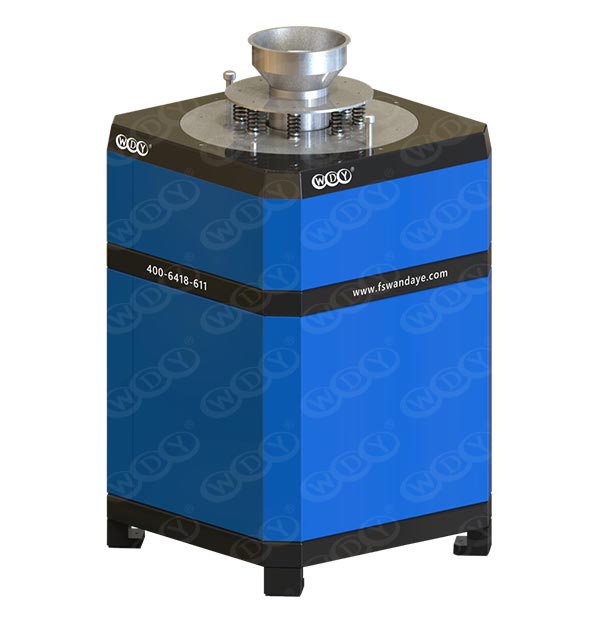
The company integrates research, engineering design, production, and service to provide high‑gradient magnetic separators, electromagnetic iron removers, permanent magnetic separators, and customized iron‑removal systems.
For Myanmar markets, Foshan Wandaye can cooperate with local partners to conduct material testing, propose suitable solutions, and support full‑line upgrades for mining and ceramic plants.
Its experience in high‑purity ceramic raw materials and fine mineral processing makes it a valuable partner for buyers seeking advanced Iron Removal Equipment Manufacturers and Suppliers tailored to local conditions.
By leveraging its technical team and project experience in other Asian markets, Foshan Wandaye can help Myanmar customers balance performance, cost, and reliability in real industrial environments.
From initial consultation to long‑term technical support, the company aims to build stable cooperation relationships and provide continuous optimization suggestions as customer production lines evolve.
Practical Tips for Selecting Iron Removal Equipment Manufacturers and Suppliers in Myanmar
– Clarify which processes such as crushing, grinding, slurry preparation, and finished product handling require iron removal and what level of iron reduction is needed.
– Shortlist Iron Removal Equipment Manufacturers and Suppliers with proven experience in similar materials and industries, especially mining, ceramics, and pharmaceuticals.
– Request material testing or pilot trials when dealing with high‑value or sensitive products to verify equipment performance before placing large orders.
– Check supplier support for spare parts, remote diagnostics, and training, especially for plants located in remote or hard‑to‑access areas.
– Plan phased upgrades, starting from critical nodes such as post‑grinding or pre‑firing stages and gradually expanding to the entire production line as budget allows.
Conclusion
Myanmar’s expanding mining, ceramics, and pharmaceutical industries are driving demand for reliable Iron Removal Equipment Manufacturers and Suppliers that can deliver stable, high‑efficiency iron‑removal solutions under diverse local conditions.
By working with professional Iron Removal Equipment Manufacturers and Suppliers, Myanmar plants can reduce metallic contamination, protect critical equipment, and produce higher‑value products that meet regional and international standards.
Careful evaluation of process requirements, supplier technology, project references, and total cost of ownership helps buyers avoid under‑sized or poorly matched equipment and ensures long‑term benefits from their investment.
With strong experience in mining, ceramics, and pharmaceuticals, Foshan Wandaye Technology Co., Ltd. is well positioned to support Myanmar customers seeking advanced magnetic separation and iron‑removal solutions for demanding industrial applications.
Contact us to get more information!
FAQ
1. What types of iron‑removal equipment are commonly used in Myanmar?
Common solutions in Myanmar include permanent magnetic plates and grids, overband magnets, electromagnetic iron removers with automatic cleaning, drum separators, and high‑gradient magnetic separators for fine powders and slurries.
Different process stages and material characteristics determine which technologies Iron Removal Equipment Manufacturers and Suppliers will recommend for a specific project, so it is important to share detailed process data with the supplier.
2. How do I choose between permanent and electromagnetic iron removers?
Permanent magnetic devices are typically chosen for low‑to‑medium capacity applications, simpler installations, and locations where power supply is unstable or limited.
Electromagnetic iron removers are preferred when adjustable magnetic intensity, higher throughput, or automatic cleaning is required, especially in large mining and bulk‑handling lines where continuous operation is critical.
3. Why are high‑gradient magnetic separators important for ceramics and rare earths?
High‑gradient magnetic separators can capture extremely fine and weakly magnetic particles that traditional iron‑removal devices cannot remove efficiently.
For high‑whiteness ceramic raw materials and rare earth concentrates, this level of performance is essential to achieve low iron content, better color, and higher market value in both domestic and export markets.
4. What information should Myanmar buyers prepare before contacting suppliers?
Buyers should prepare data on material type, particle size distribution, moisture or slurry concentration, capacity, current and target iron content, and layout constraints of their production line.
Photos or drawings of existing equipment and process flow diagrams also help Iron Removal Equipment Manufacturers and Suppliers design realistic and efficient solutions that fit within the actual plant space and infrastructure.
5. How can overseas suppliers provide service and support to Myanmar projects?
Many Iron Removal Equipment Manufacturers and Suppliers offer remote technical support, video‑based commissioning assistance, and training materials for local teams to ensure correct installation and operation.
For larger projects, they may cooperate with regional partners or send engineers for on‑site guidance, performance optimization, and long‑term maintenance planning, which helps Myanmar plants keep their iron‑removal systems in stable working condition.
Citations:
1. https://e360.yale.edu/features/myanmar-rare-earth-mining
2. https://www.statista.com/outlook/io/mining/myanmar
3. https://eastasiaforum.org/2025/10/04/myanmars-rare-earth-gold-rush-is-fools-gold/
4. https://news.mongabay.com/2025/09/satellite-data-show-burst-of-deforestation-in-myanmar-rare-earth-mining-hotspots/
5. https://www.newsecuritybeat.org/2025/08/northern-myanmars-rare-earths-are-shaping-local-power-and-global-competition/
6. https://www.6wresearch.com/industry-report/myanmar-ceramic-tiles-market-outlook
7. https://www.mpmdma.org/bpi-insein/
8. https://www.6wresearch.com/industry-report/myanmar-pharmaceuticals-market-outlook
9. https://www.state.gov/wp-content/uploads/2025/09/638719_2025-Burma-Investment-Climate-Statement.pdf
10. https://www.csis.org/analysis/dangerous-allure-myanmars-rare-earths
11. https://placematters.net.au/inspirations-2/twante-pottery-area-southern-myanmar/
12. https://www.seaceramic.org.sg/resources/the-ceramics-of-southeast-asia/myanmar-ceramics/
Hot Tags: Top Iron Removal Equipment Manufacturers And Suppliers In Myanmar, Myanmar Iron Removal Machine Suppliers, Magnetic Iron Separator Manufacturers Myanmar, Industrial Iron Removal Equipment Myanmar, Overband Magnet Suppliers Myanmar, Magnetic Separator Equipment Companies Myanmar, Belt Conveyor Iron Remover Systems, Permanent Magnet Iron Removal Machines, Mining And Recycling Iron Separator Myanmar, Myanmar Magnetic Separation Technology Providers