Content Menu
● How to Evaluate Iron Separator Suppliers
● Technical Overview of Iron Separators
● Laos and Regional Cluster Advantages
● Selection Criteria for the Top Manufacturers List
● Leading Iron Separator Manufacturers and Suppliers Serving Laos
>> 1. Foshan Wandaye Technology (China, Serving Laos)
>> 2. Huate Magnet (China, High‑Intensity Systems)
>> 3. Sinoneo Magnet (China, Roller and Pulley Specialist)
>> 4. Kumar Magnet Industries (Thailand / Regional ASEAN)
>> 5. Other Regional and Project‑Based Suppliers
● Supplier Comparison: Capacity, MOQ, and Certifications
● Common Industry Pain Points and How to Avoid Them
● Insider “Avoid‑the‑Pit” Guide
● Buyer’s Guide for Lao Procurement Managers
● Conclusion and Call to Action
● Frequently Asked High‑Level Questions
>> Q1. How can I verify if a supplier’s ISO certificate is valid or expired?
>> Q2. How do I confirm magnet grade and performance used in an iron separator?
>> Q3. What is the most important technical parameter when comparing iron separators?
>> Q4. How often should iron separators be inspected in a Lao mining plant?
>> Q5. How can I integrate a new iron separator into an existing line without major redesign?
Laos does not yet have a large cluster of native iron separator manufacturers, so most projects in mining, ceramics, glass, and battery materials rely on regional suppliers in China and ASEAN that can reliably ship and support equipment into the country. This guide focuses on how professional buyers in Laos can shortlist credible iron separator partners and which manufacturers are best positioned to serve the Lao market in 2026. [san-lan]
How to Evaluate Iron Separator Suppliers
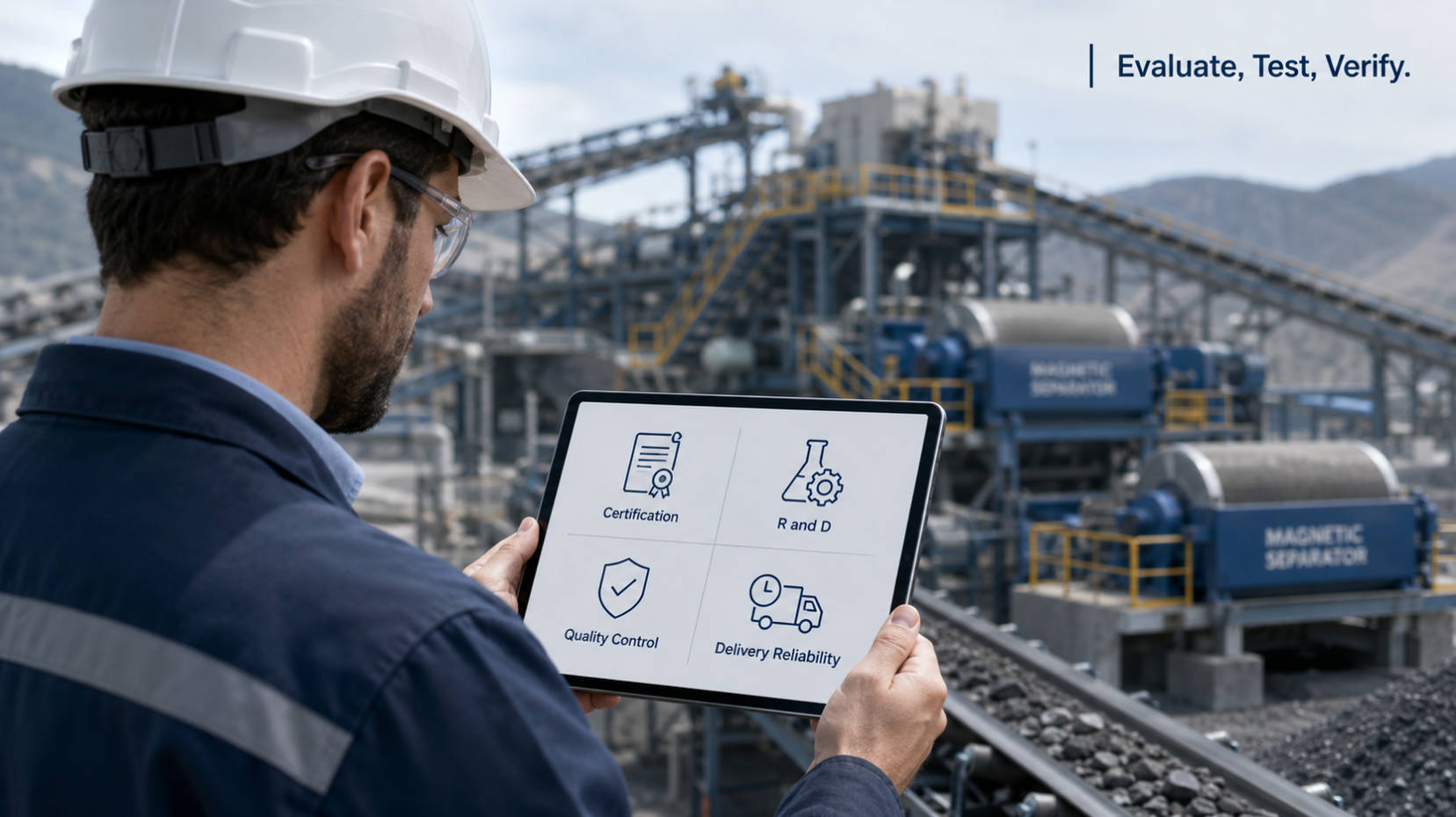
Before looking at specific manufacturers, procurement managers in Laos should define a clear evaluation framework covering certification, R&D, QC, and delivery reliability. The same logic applies whether you are sourcing high‑gradient electromagnetic slurry machines, powder magnetic separators, permanent magnetic separators, or complete iron‑removal systems. [san-lan]
Key evaluation dimensions:
– Factory certification and compliance
– Prioritize ISO 9001 quality management and, if you export to the EU or other regulated markets, CE and sometimes RoHS for electrical and environmental compliance.
– For mining‑related projects in Laos, ensure your supplier understands the licensing rules enforced by the Lao Ministry of Energy and Mines for mining service businesses and equipment imports. [bned.moic.gov]
– R&D and engineering capability
– Look for suppliers integrating laboratory testing, process simulation, engineering design, and complete line solutions rather than only single machines. [san-lan]
– A strong R&D setup should offer ore testing, mineral analysis, and process design for non‑metallic minerals such as kaolin, feldspar, and quartz, plus tailings utilization and environmental improvement schemes. [san-lan]
– QC process and traceability
– Check for documented incoming inspection of rare‑earth magnets, full‑load equipment tests, and traceable inspection reports for each batch or project.
– Advanced suppliers equip machines with remote monitoring, cloud diagnostics, and intelligent reporting, which improves transparency over performance and maintenance. [san-lan]
– Delivery reliability and after‑sales service
– Ask about average lead times, on‑time delivery rates, and availability of urgent spare‑part shipments into Laos and neighboring countries.
– Confirm whether they can send engineers for commissioning and training or provide structured remote guidance plus local partners. [san-lan]
A practical approach combines remote audits (video factory tours, document reviews) with a pilot order, so you validate real performance before committing to a multi‑year supply contract.
Technical Overview of Iron Separators
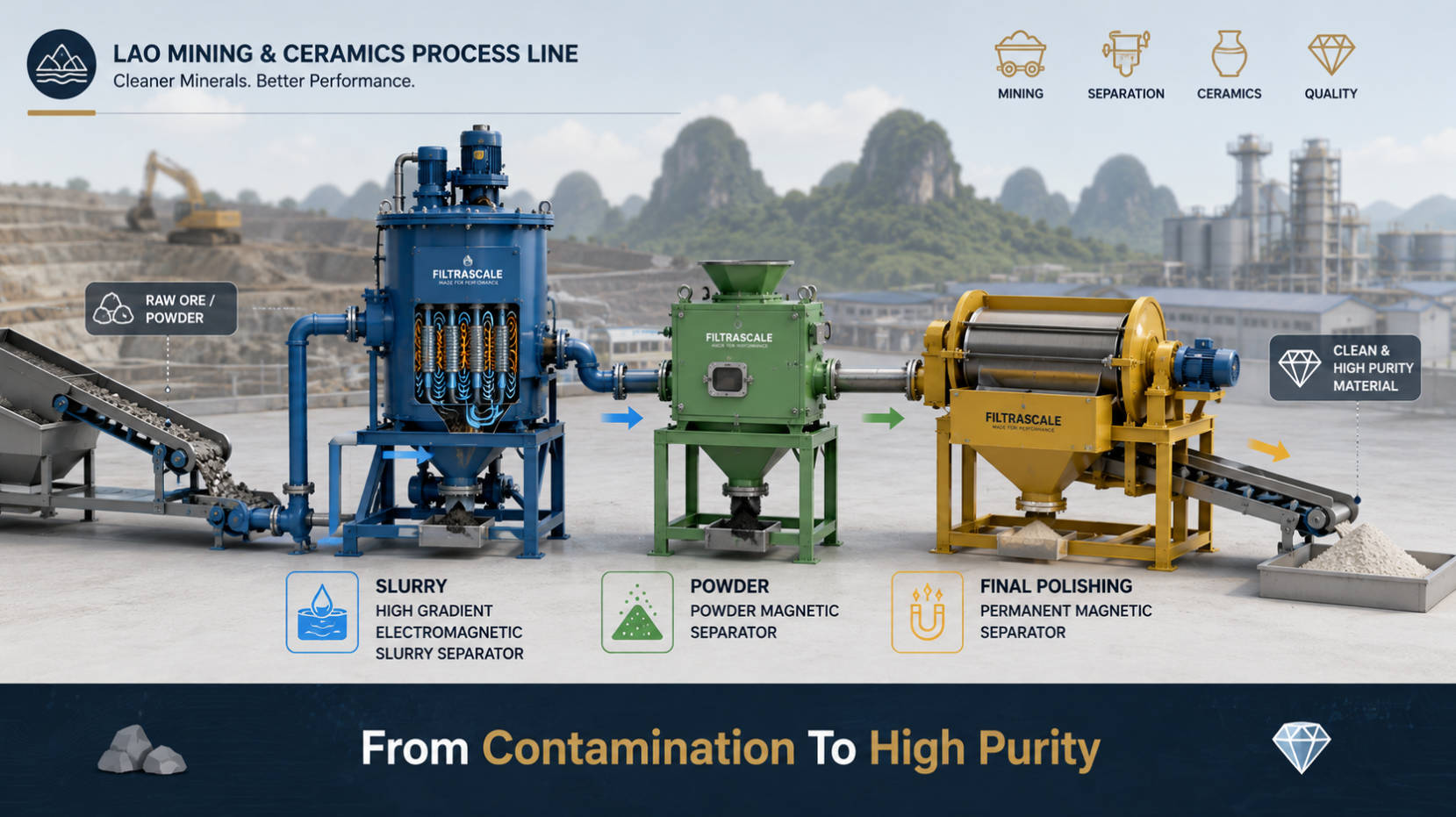
“Iron separator” in Lao industry usually refers to a portfolio of magnetic separation equipment covering slurry, powder, and bulk material applications. A technically competent supplier should be able to engineer solutions across the following categories: [san-lan]
– High gradient electromagnetic slurry machines
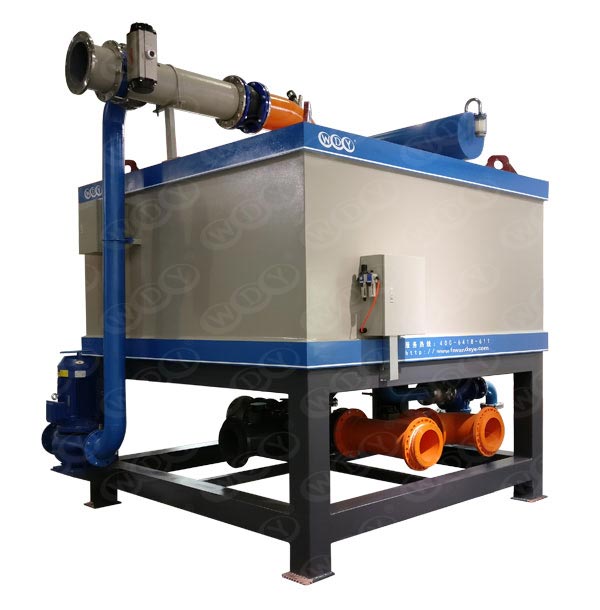
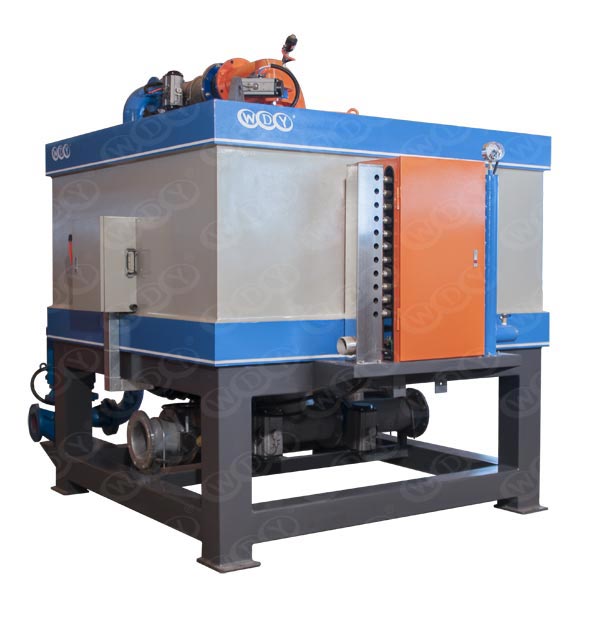
– Designed for removing iron contaminants and magnetic particles from liquid or slurry materials such as ceramic glaze, glass frit, and chemical slurries. [fswandaye]
– Key parameters include magnetic field strength, field gradient, cooling method, and continuous duty performance under high‑solids conditions.
– Powder magnetic separators and permanent magnetic separators
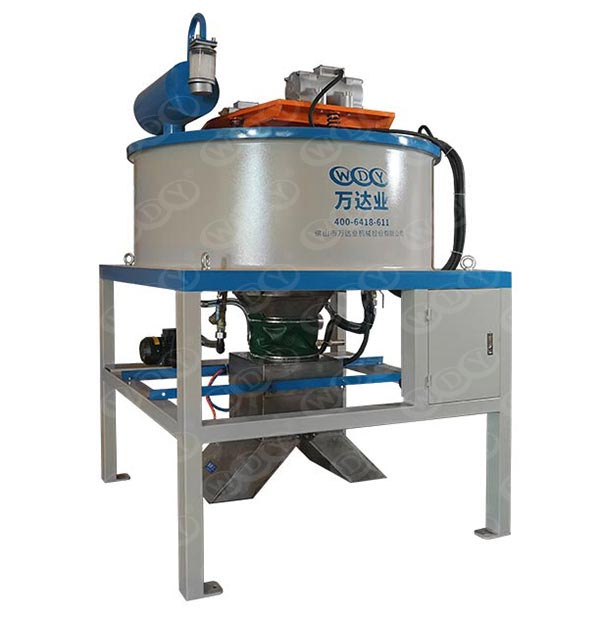
– Used on dry powder lines (e.g., silica, feldspar, cathode/anode powders) to remove tramp iron and weakly magnetic contaminants. [san-lan]
– Advanced designs use high‑grade NdFeB magnets, optimized pole configurations, and tailored working widths to match required throughput.
– Auxiliary iron‑removal devices
– Magnetic plates, iron‑removal cabinets, magnetic rods, vertical ring separators, and complete magnetic separation lines integrated into beneficiation or processing plants. [san-lan]
– For mining projects in Laos, these are typically combined with crushers, mills, spiral separators, and shaking tables to form complete flowsheets. [benefication]
– Compliance and certifications
– For exports to developed markets, buyers commonly expect CE conformity for mechanical and electrical safety and, in specific industries, RoHS‑type environmental compliance.
– In mining environments, some end‑users also look for equipment acceptance by recognized safety authorities for underground use, similar in concept to MSHA approvals widely referenced internationally. [msha]
Globally, the magnetic separator market is on a moderate growth track, projected to move from roughly USD 1.17–1.50 billion around 2025 to about USD 2.2–2.4 billion by the early‑ to mid‑2030s, driven by mining, recycling, and high‑purity demands in food and battery materials. [futuremarketinsights]
Laos and Regional Cluster Advantages
Laos is a downstream user market for iron separators rather than a manufacturing hub, with domestic demand concentrated in mining, mineral processing, and emerging battery‑material projects. Mining‑related service providers must obtain specific licenses from the Mine Management Department, which imposes requirements on legal status, capital adequacy, technical staff experience, and safety regulations. [tradingeconomics]
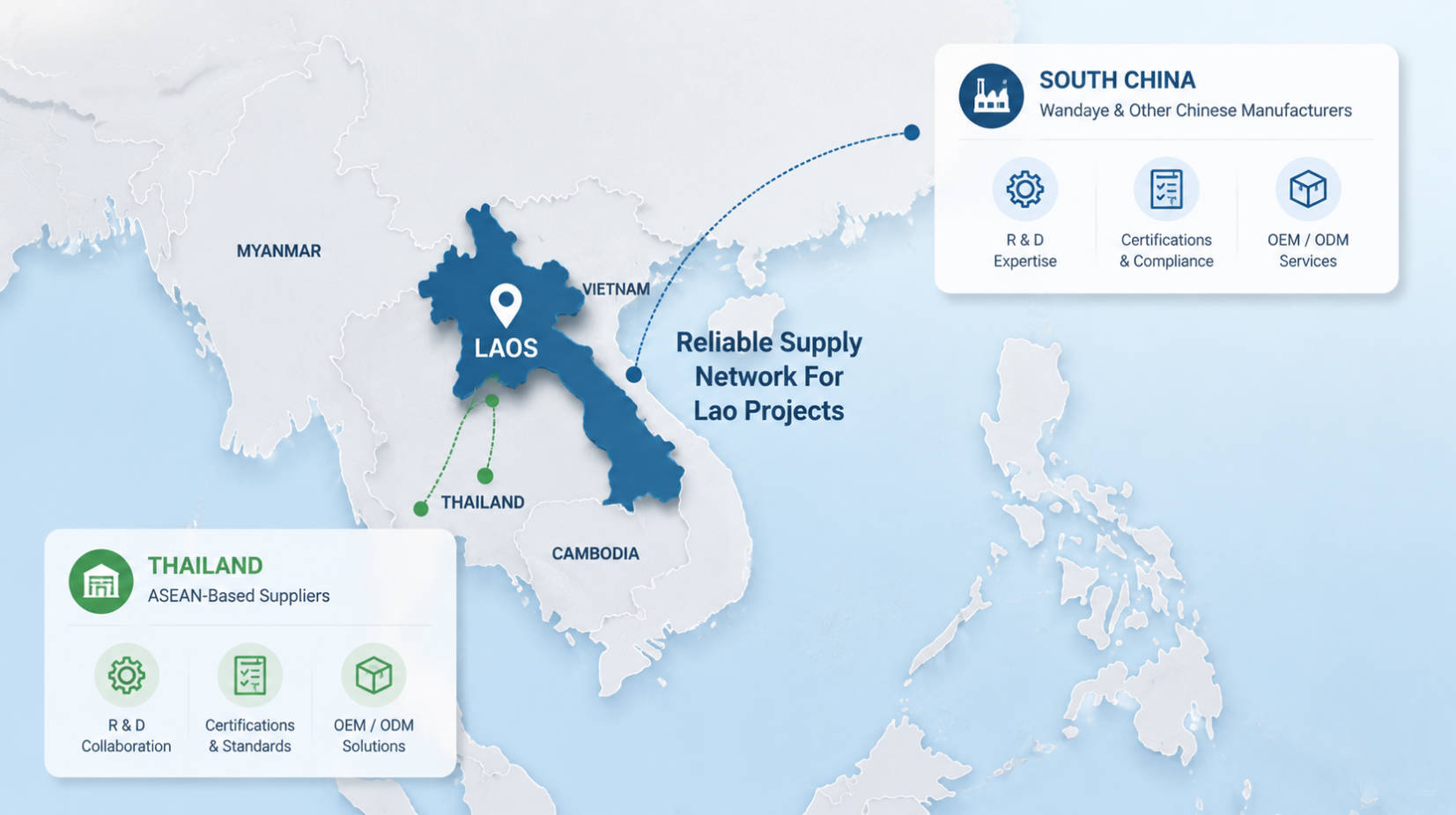
Because Laos lacks a mature magnetic‑equipment cluster, most high‑performance separators installed in Lao plants are sourced from:
– China’s Pearl River Delta (Guangdong) – a dense cluster of magnet production, precision machining, and magnetic equipment integrators able to provide complete lines and advanced R&D. [san-lan]
– Regional ASEAN hubs – especially Thailand, where manufacturers and distributors can act as logistics and service bridges into Laos for smaller orders. [multicoasia]
– Global OEMs – large international mining‑equipment suppliers that integrate magnetic separators into turnkey beneficiation projects in Laos. [benefication]
This regional model allows Lao plants to access high‑spec equipment while keeping logistics and service response times within manageable limits, provided the supplier understands Lao customs and sector‑specific regulations. [trade]
Selection Criteria for the Top Manufacturers List
Because there are few domestically headquartered iron separator OEMs in Laos, this list focuses on manufacturers and exporters that actively supply or are technically and logistically suited to serve Lao projects. The selection criteria emphasize long‑term partnership suitability rather than brand fame alone:
– Product scope in magnetic/iron separation (slurry, powder, or bulk handling) relevant to mining, ceramics, glass, plastics, and battery materials. [san-lan]
– Use of high‑grade magnets, engineered magnetic circuits, and the ability to tailor field strength and working dimensions to the client’s application.
– Export experience to Southeast Asia and emerging markets, including familiarity with mining‑related export and import rules. [benefication]
– Robust quality systems and compliance documentation (ISO, CE and related) available on request. [san-lan]
– Service and engineering support, including lab testing on customer samples, process design, and commissioning support. [san-lan]
– Fit for small and mid‑sized enterprises (SMEs) – willingness to accept reasonable MOQs and provide OEM/ODM services, not just standard catalog models.
Leading Iron Separator Manufacturers and Suppliers Serving Laos
1. Foshan Wandaye Technology (China, Serving Laos)
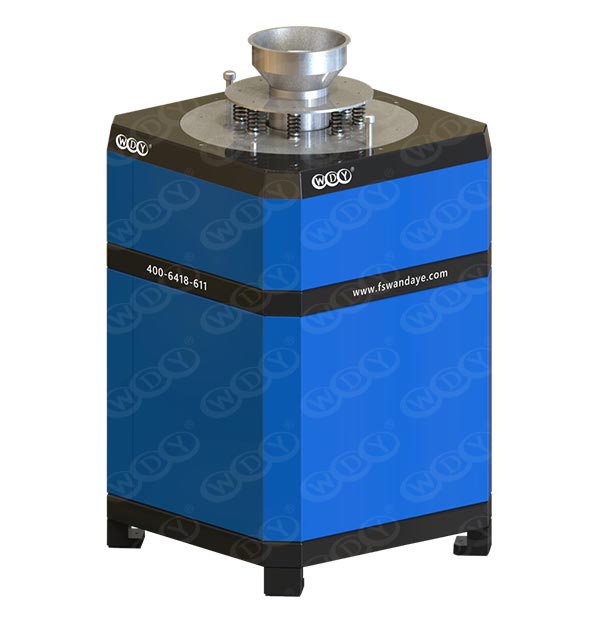
Foshan Wandaye Technology (Foshan Wandaye Machinery Equipment Co., Ltd.) is a high‑tech magnetic separator enterprise listed on China’s NEEQ in 2015 (stock code 833886), integrating R&D, engineering design, production‑line installation, and commissioning. The company’s portfolio spans high gradient electromagnetic slurry machines, powder magnetic separators, permanent magnetic separators, electromagnetic vertical ring machines, magnetic plates, iron‑removal cabinets, and magnetic rods. [san-lan]
– Founded / background: Developed within the Pearl River Delta cluster, Wandaye has grown into a recognized magnetic equipment brand with “High‑efficient – Energy‑saving – Environmental‑protection – Smart” as its core product concept. [san-lan]
– Core strengths:
– Strong R&D team including industry experts and professors, with a dedicated lab for mineral analysis, ore chemical testing, and physical property evaluation. [san-lan]
– Ability to provide whole‑line process design and plant erection for non‑metallic minerals such as kaolin, potassium sodium feldspar, and quartz sand. [san-lan]
– Continuous product innovation, including high‑efficiency magnetic separators with around 25% energy savings compared with previous generations and remote monitoring capabilities. [san-lan]
– Main markets and applications: Mines, ceramics, electricity, building materials, glass, environmental protection, rubber, plastics, medicine, food, and cathode/anode materials, with products widely used in the Pearl River Delta and exported to Vietnam, India, Iran, Egypt, and Malaysia. [san-lan]
– OEM/ODM and pricing position: Wandaye is well suited for small and mid‑sized brands seeking high cost‑performance, flexible OEM customization, sample testing on their own materials, and iterative process optimization.
For Lao buyers, Wandaye is particularly attractive when projects need tailored flowsheets (not just stand‑alone machines), strong technical support, and the possibility to start with small MOQs or pilot lines before scaling up. [san-lan]
2. Huate Magnet (China, High‑Intensity Systems)
Huate Magnet is known for engineered high‑intensity magnetic separator systems, including rare‑earth roller magnetic separators under series such as CFLJ. These machines are designed with complex magnetic circuits, double‑pole structures, and large field gradients for weakly magnetic minerals and fine particles.
– Technical highlights: High‑intensity rare‑earth magnet systems, optimized for fine‑grained and weakly magnetic material separation in beneficiation plants.
– Application focus: Non‑ferrous mineral processing, industrial minerals, and high‑purity materials where tight iron limits are critical.
– Certifications and documentation: Operates under ISO‑based systems and provides detailed engineering documentation and CE conformity where applicable.
For complex Lao mining projects run by international investors, Huate is a candidate for critical stages where separation precision, process modeling, and integration into large beneficiation circuits are required. [benefication]
3. Sinoneo Magnet (China, Roller and Pulley Specialist)
Sinoneo Magnet is identified as a manufacturer and exporter focusing on magnetic rollers, magnetic head pulleys, and roller separator assemblies used in bulk material handling and contamination control.
– Product breadth: Custom magnetic rollers tailored to conveyor diameter, width, and required magnetic field strength, suitable for mining, recycling, and bulk handling plants.
– Manufacturing capability: Supports customized roller dimensions and magnet configurations for replacing or upgrading existing conveyor head pulleys.
– Export orientation: Supplies into multiple regions in Asia, making it suitable for Lao buyers wanting to retrofit existing lines rather than install complete new systems.
For plants in Laos with existing conveyor networks, Sinoneo is a practical option to implement cost‑effective iron removal by replacing or adding magnetic head rollers in the current layout. [benefication]
4. Kumar Magnet Industries (Thailand / Regional ASEAN)
Kumar Magnet Industries operates manufacturing and sales in Thailand and other markets, supplying magnetic separation equipment such as magnetic roller separators to diverse industries.
– Regional advantage: Proximity within ASEAN simplifies logistics into Laos and enables faster deliveries for smaller orders and spare parts. [multicoasia]
– Product features: Magnetic roller separators designed for efficient ferrous contamination removal from powders and granular materials, with designs suitable for standard industrial capacities.
– Market coverage: Serves multiple Southeast Asian markets and is familiar with regional customs and compliance contexts. [trade]
For small and mid‑sized Lao factories that prefer intra‑ASEAN sourcing to reduce customs complexity and lead time, Kumar Magnet is often an easier partner than remote suppliers.
5. Other Regional and Project‑Based Suppliers
Several international mining‑equipment and process‑plant EPC companies indirectly supply magnetic and iron separators to Laos as part of turnkey beneficiation plants. Some specialize in gravity separation (spirals, shaking tables) and integrate magnetic separation to upgrade final concentrates or protect downstream equipment. [benefication]
– These suppliers are generally project‑driven and suitable when you are building a full plant (crushing‑milling‑classification‑magnetic‑gravity) rather than just adding a separator. [benefication]
– For mid‑size Lao plants, it can be advantageous to work with a main process‑equipment provider while specifying that critical magnetic equipment comes from recognized specialists like Wandaye or Huate. [san-lan]
Supplier Comparison: Capacity, MOQ, and Certifications
Below is a qualitative comparison of representative suppliers from the perspective of a Lao procurement manager. Values are typical ranges and should be confirmed in current quotations. [san-lan]
| Supplier | Typical capacity range (TPH) | Usual MOQ (sets) | Typical certifications | Notable strengths for Lao buyers |
|---|---|---|---|---|
| Foshan Wandaye Technology | Approx. 5–200 TPH across different slurry, powder, and permanent magnetic models. san-lan | Often supports trial orders of 1–2 sets for new projects. | ISO‑based QC, CE documentation for key export models, national high‑tech enterprise credentials. san-lan | Strong R&D, complete line design, flexible OEM/ODM, and energy‑saving intelligent separators suitable for SMEs and mid‑size plants. san-lan |
| Huate Magnet | Up to several hundred TPH in large rare‑earth roller and high‑intensity systems integrated into beneficiation plants. | Project‑based orders, usually multiple units within a line. | ISO quality system, detailed engineering and CE documentation for major systems. | High‑intensity, high‑precision separation for complex mining flowsheets and international‑standard projects. benefication |
| Sinoneo Magnet | Typically about 5–150 TPH equivalent throughput depending on conveyor/roller size. | Often 2–3 rollers minimum for custom builds or retrofits. | Factory QC with customer‑specific performance specs and inspection records. | Focused on rollers and pulleys, ideal for upgrading existing conveyors in Lao plants with targeted iron‑removal points. |
| Kumar Magnet Industries | Approx. 3–100 TPH for standard industrial roller separator configurations. | Supports small and medium orders tailored to ASEAN buyers. | Standard factory QC, documentation aligned with regional requirements. multicoasia | ASEAN‑based logistics, more straightforward customs, suitable for smaller Lao factories and regional projects. trade |
Common Industry Pain Points and How to Avoid Them
Even experienced buyers can encounter hidden issues when sourcing iron separators for Lao plants. The most frequent pitfalls include:
– Magnet grade downgrades
– Some low‑cost suppliers substitute lower‑grade NdFeB magnets, reducing field strength and long‑term stability, which leads to declining separation performance over one to three years.
– Countermeasure: Request magnet batch certificates and, for critical projects, ask for third‑party or in‑house magnet characterization at operating temperatures.
– Under‑specified rollers and circuits
– Roller diameter, working width, and wrap angle are sometimes chosen without matching material characteristics, causing poor separation, high wear, or product loss.
– Countermeasure: Provide detailed data on particle size, moisture, feed rate, and target residual iron; insist on application‑specific design rather than catalog selection.
– Inadequate dust control and safety
– For fine powders, poor sealing leads to dust emissions, contamination, and unsafe working conditions, which can create additional compliance risks.
– Countermeasure: Specify dust‑tight housings, inspection doors, and appropriate extraction points, and verify them during FAT (Factory Acceptance Test).
– Weak documentation and traceability
– Missing test reports, spare‑parts drawings, and maintenance instructions increase downtime and complicate audits.
– Countermeasure: Build detailed documentation requirements into contracts, including as‑built drawings, PLC programs, and electronic manuals. [san-lan]
Insider “Avoid‑the‑Pit” Guide
An internal industry practice that rarely appears in public guides is overly narrow focus on “initial gauss” and price, ignoring long‑term magnet stability and serviceability. Buyers sometimes approve equipment that performs well during acceptance tests but degrades quickly in actual operating conditions.
Two specific insider checks:
– Ask for accelerated aging or temperature‑cycle test data
– Well‑designed separators should demonstrate stable magnetic performance under repeated heating/cooling cycles at or above your plant’s operating temperature.
– Request case histories or test reports that simulate 1–3 years of operation; suppliers that cannot provide such data may be using marginal magnet grades.
– Confirm refurbishability of magnet modules
– Some low‑cost designs permanently seal magnet assemblies inside the roller with no practical refurbishment path, forcing complete replacement when performance drops or bearings fail.
– Insist on designs that allow disassembly and replacement of magnet modules and bearings so you can rebuild rather than scrap the entire unit; this dramatically reduces lifecycle cost.
Experienced procurement managers in mining and ceramics often treat these two questions as “filters” during technical clarification calls; the response quality is a strong proxy for the supplier’s engineering depth. [san-lan]
Buyer’s Guide for Lao Procurement Managers
A structured sourcing process helps Lao buyers manage both technical and regulatory risks. [bned.moic.gov]
1. Define application and performance targets
– Specify material type, particle size distribution, throughput, moisture, and target residual iron or magnetic contaminant levels.
– Clarify whether the separator is for rough cleaning, final polishing, or upgrading weakly magnetic minerals; this determines field strength and configuration.
2. Shortlist and verify factories
– Check registration and scope via company registries and reputable trade portals covering Laos‑related suppliers and global exporters. [trademo]
– Request ISO and CE documents and verify validity through issuing bodies or online databases; Lao mining authorities expect technically competent partners in licensed operations. [bned.moic.gov]
3. Sample testing and technical due diligence
– Send representative samples to shortlisted suppliers for lab tests on actual or similar equipment. [san-lan]
– Demand full test reports (feed vs product iron levels, yield, operating settings) and, where possible, cross‑check with independent lab tests on returned product samples.
4. Contracting and logistics into Laos
– Align on Incoterms, customs responsibilities, and documentation (HS codes, origin, equipment descriptions) in line with Lao licensing and trade rules. [trade]
– For large mining projects, coordinate with legal and compliance teams to ensure import and operating licenses are in place before shipment. [bned.moic.gov]
5. Installation, commissioning, and training
– Clarify whether the supplier offers on‑site commissioning or structured remote support, and ensure training covers operation, cleaning, troubleshooting, and safety. [san-lan]
– Consider service contracts or at least agreed response times and spare‑parts stocking plans to protect uptime.
Conclusion and Call to Action
For Lao buyers, choosing an iron separator partner is less about finding a “local brand” and more about selecting regional manufacturers that combine verifiable engineering depth, robust quality systems, and realistic support into Laos. Foshan Wandaye Technology stands out as a flexible, R&D‑driven option for cost‑efficient OEM/ODM solutions, while Huate Magnet, Sinoneo Magnet, and Kumar Magnet Industries cover high‑intensity projects, conveyor retrofits, and ASEAN‑friendly logistics respectively. [san-lan]
If you are planning a new line or upgrading iron‑removal stages in Laos, your next steps should be to define precise performance targets, shortlist two or three qualified suppliers, and run comparative tests on your own material before committing to a long‑term contract. This structured approach will help you avoid common pitfalls, reduce lifecycle risk, and ensure your separators deliver the product purity and compliance your customers expect. [bned.moic.gov]
Frequently Asked High‑Level Questions
Q1. How can I verify if a supplier’s ISO certificate is valid or expired?
You can verify ISO certificates through the issuing certification body’s online database or by contacting them directly with the certificate number and company name; many platforms show status and validity dates. Always confirm that the certified scope covers design and manufacture of magnetic separation equipment, not unrelated services.
Q2. How do I confirm magnet grade and performance used in an iron separator?
Request material and performance certificates for the magnets, ideally with batch numbers; for critical projects, conduct independent magnetic or chemical analysis on sample magnets supplied by the OEM. Some buyers specify approved magnet vendors and require traceability from magnet batch to finished machine serial number.
Q3. What is the most important technical parameter when comparing iron separators?
Beyond nominal surface gauss, the effective combination of field strength and field gradient at the working gap, plus actual separation results on your material, is most critical. Real test data (feed/product iron content, recovery, and yield) is more meaningful than catalog gauss numbers alone.
Q4. How often should iron separators be inspected in a Lao mining plant?
Inspection intervals depend on dust, abrasiveness, and operating hours, but many mining operations do weekly cleaning and visual checks, with more detailed mechanical inspections quarterly or semi‑annually. High‑dust environments may require more frequent cleaning to keep housings and magnets free of buildup.
Q5. How can I integrate a new iron separator into an existing line without major redesign?
Many suppliers can design retrofit separators or magnetic rollers to match your existing conveyor or pipeline dimensions, including diameter, face width, and mounting interfaces. Accurate site measurements and, if necessary, minor structural changes to optimize material presentation and wrap angle often allow integration with limited downtime. [benefication]
References
1. Foshan Wandaye Machinery Equipment Co., Ltd. – Company profile and product scope. http://en.fswandaye.com/About-Us/ [san-lan]
2. Wandaye Magnetics – “Top Magnetic Roller Separator Manufacturers and Suppliers in Laos.” https://www.wdymagnetic.com/top-magnetic-roller-separator-manufacturers-and-suppliers-in-laos.html
3. Ministry of Energy and Mines, Lao PDR – “License to Provides Services Related to the Mining Business.” http://www.bned.moic.gov.la/en/formalities/744 [bned.moic.gov]
4. Lao licensing and trade guidance – “Laos – Licensing Requirements.” https://www.trade.gov/country-commercial-guides/laos-licensing-requirements [trade]
5. Cassiterite tin ore beneficiation project in Laos – beneficiation flowsheet including magnetic separation. http://www.benefication.com/case/case/68.html [benefication]
6. Global magnetic separator market size and forecasts (Market Research Future / FMI / other reports summarised in secondary sources). https://www.marketdataforecast.com/market-reports/magnetic-separator-market; https://www.futuremarketinsights.com/reports/global-magnetic-separator-market; https://www.prnewswire.co.uk/news-releases/global-magnetic-separator-market-likely-to-total-us-2-2-billion-by-2033–rising-at-a- [marketdataforecast]
7. Laos iron ore and concentrates export data (UN COMTRADE via Trading Economics). https://tradingeconomics.com/laos/exports/qatar/iron-ores-concentrates-including-roast-pyrites [tradingeconomics]
8. MSHA Equipment Approval and Certification – mining product safety approvals (conceptual reference for compliance expectations). https://www.msha.gov/compliance-and-enforcement/equipment-approval-certification [msha]
Hot Tags: Iron Separator, Manufacturers, Customized, Custom, Suppliers, Buy, Cheap, Quality, Advanced, Durable, in Stock, Made in China, Price, Quotation