Content Menu
● Why Brunei Buyers Look Abroad for Magnetic Roller Separators
● How to Evaluate a High‑Quality Magnetic Roller Separator Supplier
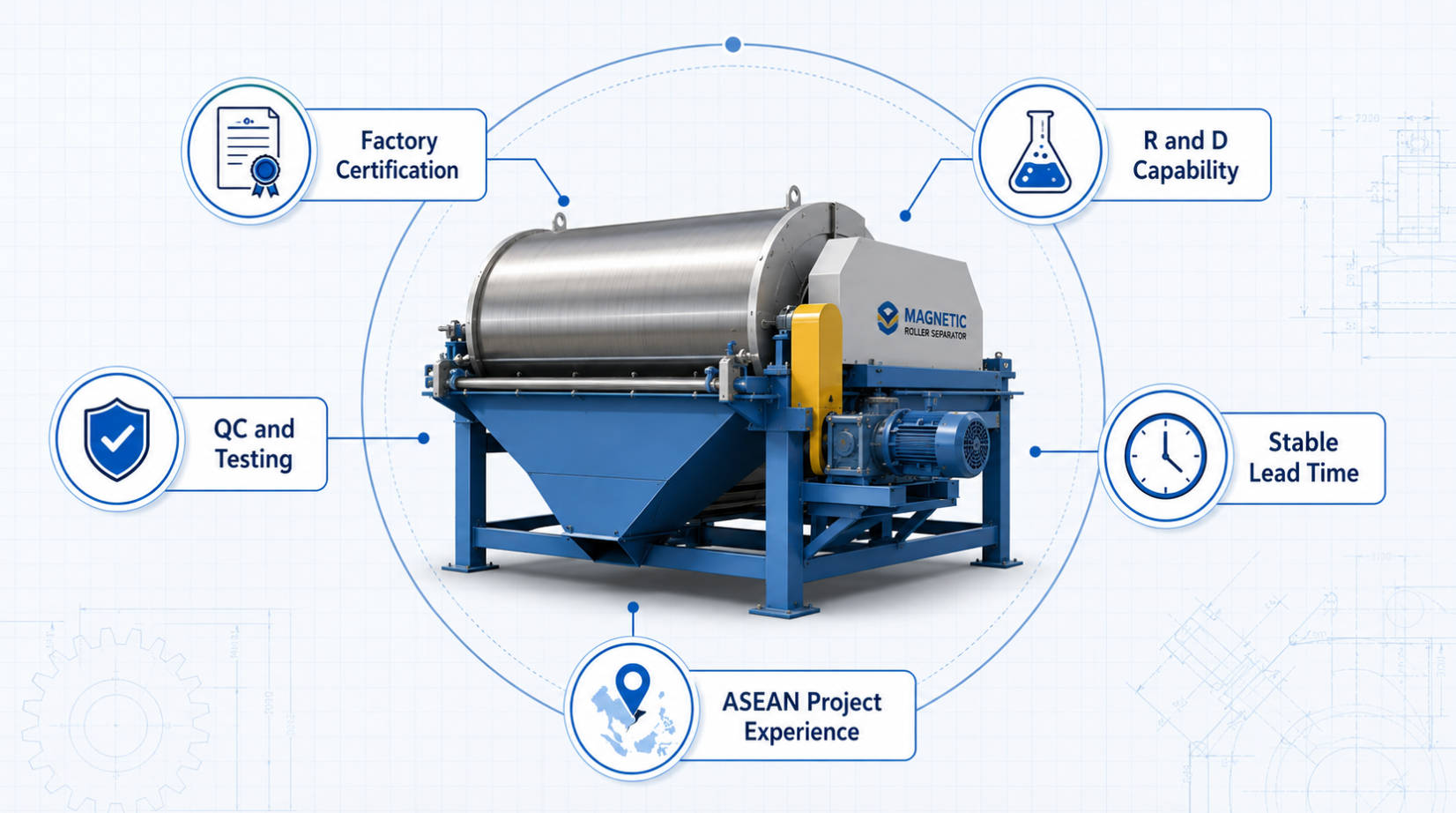
>> 1. Factory certifications and compliance
>> 2. R&D depth and engineering support
>> 3. QC process and traceability
>> 4. Delivery stability and project execution
>> 5. Experience in ASEAN and Brunei‑related projects
● Technical Essentials: What Matters in Magnetic Roller Separators
>> Magnet materials and configuration
>> Construction and process standards
>> Compliance and sector‑specific demands
● Transparent Selection Criteria for This “Top Suppliers for Brunei” List
● Leading Magnetic Roller Separator Suppliers Serving Brunei Projects
>> 2. Bunting Magnetics (USA/UK)
>> 3. Goudsmit Magnetics (Netherlands)
>> 5. Nippon Magnetics (Japan)
>> 6. Weifang GUOTE Mining Equipment (China)
>> 7. Foshan Wandaye Technology (China) – Flexible, R&D‑Focused Partner for SMEs
● Key Supplier Attributes at a Glance
● Buyer’s Guide: How to De‑Risk Your Magnetic Roller Separator Sourcing
>> Step‑by‑step sourcing workflow
>> Common pitfalls and “internal” de‑risking tips
● Conclusion and Recommended Next Steps
● FAQs
>> 1. How can I verify that a supplier’s ISO certificate is genuine and not expired?
>> 2. What documents should I insist on before shipping a magnetic roller separator to Brunei?
>> 3. How do I realistically compare suppliers’ magnetic performance beyond gauss numbers?
>> 5. How can I ensure after‑sales support if the factory is overseas?
Why Brunei Buyers Look Abroad for Magnetic Roller Separators
Brunei’s economy is dominated by mineral fuels and chemicals, with machinery and transport equipment representing only a small share of its export basket. This means the country relies heavily on imports for specialized process equipment such as magnetic roller separators used in mining, ceramics, plastics, and food lines. [multotec]
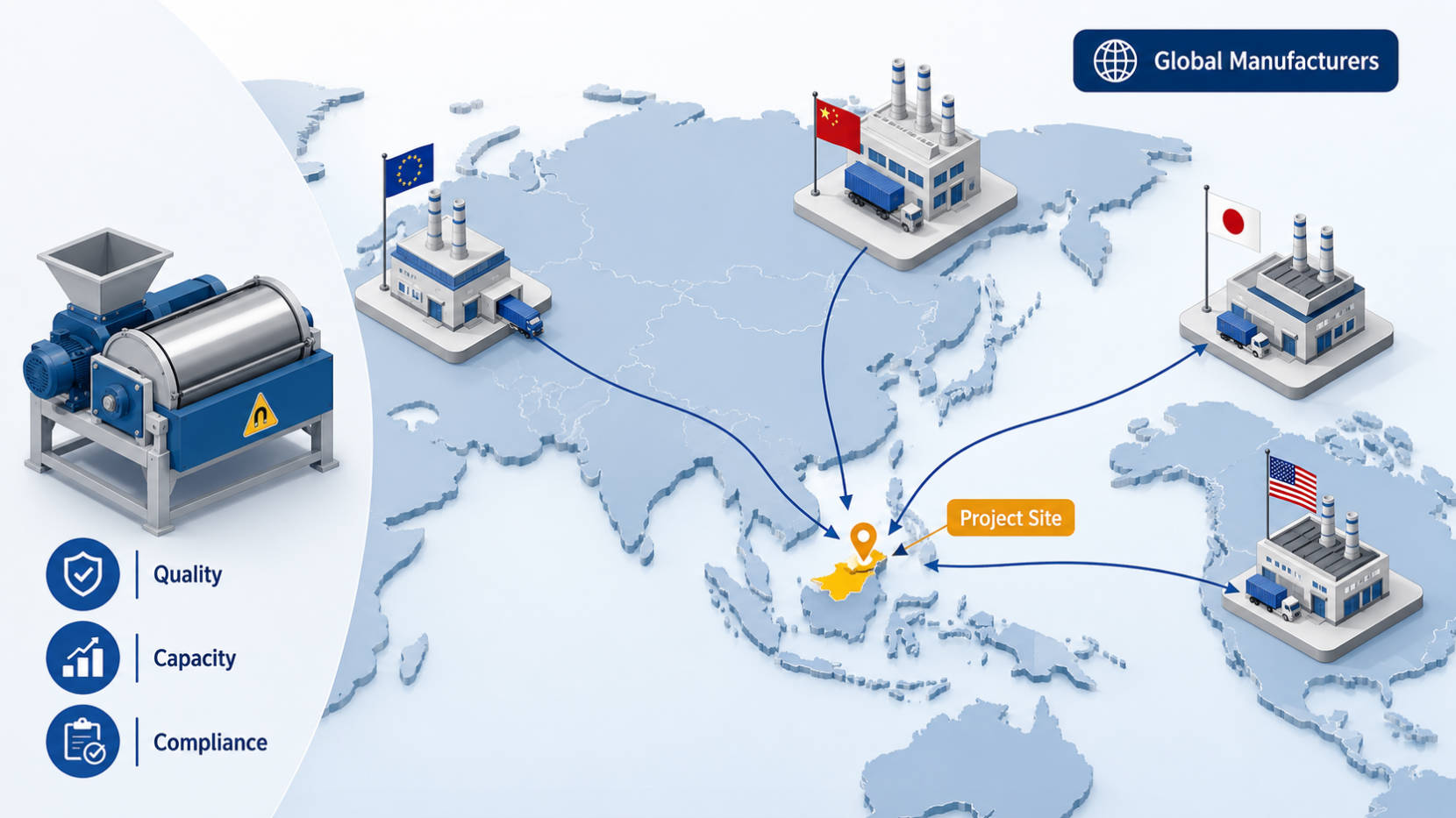
Global magnetic separator demand is growing steadily, with market value projected around 1.24–1.56 billion USD by 2030 and a CAGR in the range of 5–6%, driven by stricter quality and safety standards in food, mining, and recycling. Within this, magnetic roller separators are one of the key product types, alongside drum and over‑band separators. For buyers serving projects in Brunei, the practical approach is to source from leading clusters in China, Europe, Japan, and other Asia‑Pacific hubs, then ensure the supplier is familiar with ASEAN logistics and regulatory requirements. [researchandmarkets]
How to Evaluate a High‑Quality Magnetic Roller Separator Supplier
Before looking at specific companies, it helps to define objective screening criteria that match the expectations of professional procurement teams working on long‑term projects.
1. Factory certifications and compliance
– Check system certifications such as ISO 9001 (quality management), ISO 14001 (environment), and ISO 45001 (occupational health), and verify validity, scope, and issuing body. ISO itself does not certify companies; certification is done by accredited third‑party bodies. [iso]
– Confirm product‑level compliance for your target markets, including CE for the EU and, where relevant, RoHS for hazardous substances in electrical and electronic components. [globalspec]
A robust ISO certification verification workflow will include authenticating the certificate with the issuing body, checking scope versus the supplied product, and confirming that the certificates are current and renewed on time. [hyperbots]
2. R&D depth and engineering support
For magnetic roller separators, small design details—magnet grade, pole arrangement, shell speed, gap, and sealing—directly impact separation efficiency and lifetime. Look for suppliers that: [buntingmagnetics]
– Publish or share application notes for industries such as ceramics, glass, plastics, and battery materials.
– Offer lab‑scale testing or pilot runs on your actual material to optimize gauss level and roller configuration.
– Provide full process design support rather than just a stand‑alone machine quote. [en.fswandaye]
3. QC process and traceability
In a mature factory, QC is integrated from material incoming to final performance testing. Typical controls include:
– Magnetic flux density measurement for each production batch of rollers.
– Run‑out and balance checks on shells, especially for high‑speed dry separators.
– Performance test reports on representative material, documenting capacity and residual iron content. [multotec]
Strong traceability allows you to link a delivered separator to its material lot, magnet batch, and test record, which is crucial when you run multi‑site projects in different ASEAN countries.
4. Delivery stability and project execution
Buyers serving Brunei projects often work with tight shutdown windows on refineries, power plants, and food lines. You should examine:
– Standard lead times for single separators and full lines.
– Historical on‑time delivery performance and stock of standard models.
– Ability to handle rush orders or phased shipments to match construction and installation sequences. [marketsandmarkets]
5. Experience in ASEAN and Brunei‑related projects
Because Brunei’s local manufacturing base for magnetic separation is limited, global suppliers that regularly ship to Southeast Asia have a real advantage. Trade data show Brunei importing specialized machinery from countries such as Norway and others, underscoring its reliance on external industrial equipment. Suppliers familiar with ASEAN customs, port documentation, and halal‑sensitive sectors (food and pharma) will typically deliver smoother projects. [oec]
Technical Essentials: What Matters in Magnetic Roller Separators
Magnet materials and configuration
Magnetic roller separators commonly use high‑energy rare‑earth magnets (such as NdFeB) to achieve strong fields in compact footprints, especially for fine or weakly magnetic particles. A well‑designed roller will optimize: [marketresearchfuture]
– Field strength and gradient (surface gauss and its decay profile).
– Pole pitch and pattern around the circumference.
– Magnetic circuit design to minimize leakage and energy loss. [buntingmagnetics]
For Brunei‑related applications such as mineral processing, ceramics, or battery materials, higher field strengths and refined pole configurations are important to reach low residual iron targets.
Construction and process standards
Key construction elements include stainless‑steel grades for shells, wear liners, bearings, and sealing systems for dusty or abrasive environments. International manufacturers serving regulated markets commonly align with applicable machinery safety directives and recommend regular inspection and demagnetization checks where necessary. [globalspec]
Compliance and sector‑specific demands
Food, pharma, and battery production require tighter contamination limits and stronger documentation. In these sectors, suppliers often pair magnetic roller separators with upstream or downstream metal detectors to create a layered protection strategy. Certifications such as CE and sector‑specific HACCP support are increasingly standard expectations for global buyers. [marketdataforecast]
Transparent Selection Criteria for This “Top Suppliers for Brunei” List
Because Brunei does not have a domestic cluster of magnetic roller separator manufacturers, this list focuses on international factories that can reliably support Brunei‑based projects via export. The selection criteria include: [thestar.com]
– Demonstrated product portfolio in magnetic separators, specifically including roller‑type or equivalent high‑gradient dry separators. [marketsandmarkets]
– Evidence of global export activity, including to Asia‑Pacific or ASEAN. [elcanindustries]
– Established history and reputation in industrial or mining sectors.
– Availability of engineering support and OEM/ODM customization suitable for integrators and EPCs.
– Certifications and quality systems oriented toward international markets (e.g., ISO, CE). [iso]
This is not an exhaustive list of all possible suppliers, but a curated set that aligns well with Brunei‑linked projects and the expectations of professional global procurement teams.
Leading Magnetic Roller Separator Suppliers Serving Brunei Projects
Below is an overview of 7 representative manufacturers that global buyers often consider for projects in markets like Brunei, along with one flexible mid‑size Chinese factory—Wandaye Technology—that is particularly suitable for small and mid‑sized brands seeking high value‑for‑money solutions. [en.fswandaye]
1. Eriez (USA)
Eriez is a long‑established global manufacturer of magnetic separation and metal detection equipment, with solutions covering mining, food, recycling, and process industries. Its product range includes high‑intensity magnetic roll and drum separators capable of handling fine minerals and powders. [buntingmagnetics]
Founded in the mid‑20th century, Eriez has a broad international presence and regularly supports projects through regional offices and distributors across Asia‑Pacific. The company focuses strongly on R&D, application testing, and turnkey systems, which is valuable when Brunei projects require integration into complex processing lines. [marketsandmarkets]
2. Bunting Magnetics (USA/UK)
Bunting Magnetics designs and manufactures a wide range of permanent and electromagnetic separators, including high‑intensity magnetic roll separators for mineral and industrial applications. The company has engineering teams in North America and Europe and regularly supports food, plastics, recycling, and mining customers globally. [buntingmagnetics]
Bunting’s solutions emphasize process safety and equipment protection, and its technical content shows strong attention to field configuration and application‑specific design. For buyers serving Brunei’s oil & gas downstream, power, or food projects, Bunting’s documented experience in plant‑wide metal contamination control can reduce engineering risk. [buntingmagnetics]
3. Goudsmit Magnetics (Netherlands)
Based in Europe, Goudsmit Magnetics supplies separation, recycling, and metal detection solutions, including magnetic roller and drum separators. The company is known for its engineering‑driven approach and thorough documentation of performance, which supports technical bid evaluations. [elcanindustries]
Goudsmit’s portfolio covers food, recycling, and high‑purity industrial minerals, which aligns with potential Brunei applications like ceramics and high‑end glass components used in construction projects. Buyers who prioritize CE compliance and EU‑style documentation often rate this vendor highly. [multotec]
4. Multotec (South Africa)
Multotec is a process‑equipment specialist with a strong footprint in mining and minerals processing, providing magnetic separators among other separation technologies. Its range includes magnetic drums and other equipment for ferromagnetic and paramagnetic separation in slurries and dry streams. [multotec]
The company’s strength lies in turnkey solutions for mines and mineral plants, from design to commissioning. For Brunei projects that depend on imported ore‑processing modules or regional mining projects feeding Brunei‑based processing facilities, Multotec’s experience in harsh operating environments is a practical advantage. [multotec]
5. Nippon Magnetics (Japan)
Nippon Magnetics manufactures a wide array of magnetic separation equipment, including high‑intensity roll separators used in battery materials, metals recycling, and chemicals. Its positioning in Asia and experience in precision sectors such as electronics and advanced materials give it strong technical credibility. [elcanindustries]
The company focuses on tailored solutions for specific material characteristics and has a strong reputation in both Japan and international markets. For Brunei buyers sourcing for high‑value chemical or battery‑related projects, Japanese suppliers like Nippon Magnetics are often shortlisted for their process stability and quality culture. [elcanindustries]
6. Weifang GUOTE Mining Equipment (China)
Weifang GUOTE is a Chinese manufacturer specializing in magnetic separation and quartz‑sand processing equipment for mining and industrial minerals. Its portfolio includes high‑intensity magnetic separators suitable for silica sand, feldspar, and related materials used in glass and ceramics. [elcanindustries]
The company’s main strengths are cost‑effective equipment and familiarity with non‑metallic mineral projects, including large‑scale sand and feldspar processing. For Brunei projects—especially when sourcing for construction glass or ceramics supply chains—GUOTE often competes on price while still offering engineering support. [elcanindustries]
7. Foshan Wandaye Technology (China) – Flexible, R&D‑Focused Partner for SMEs
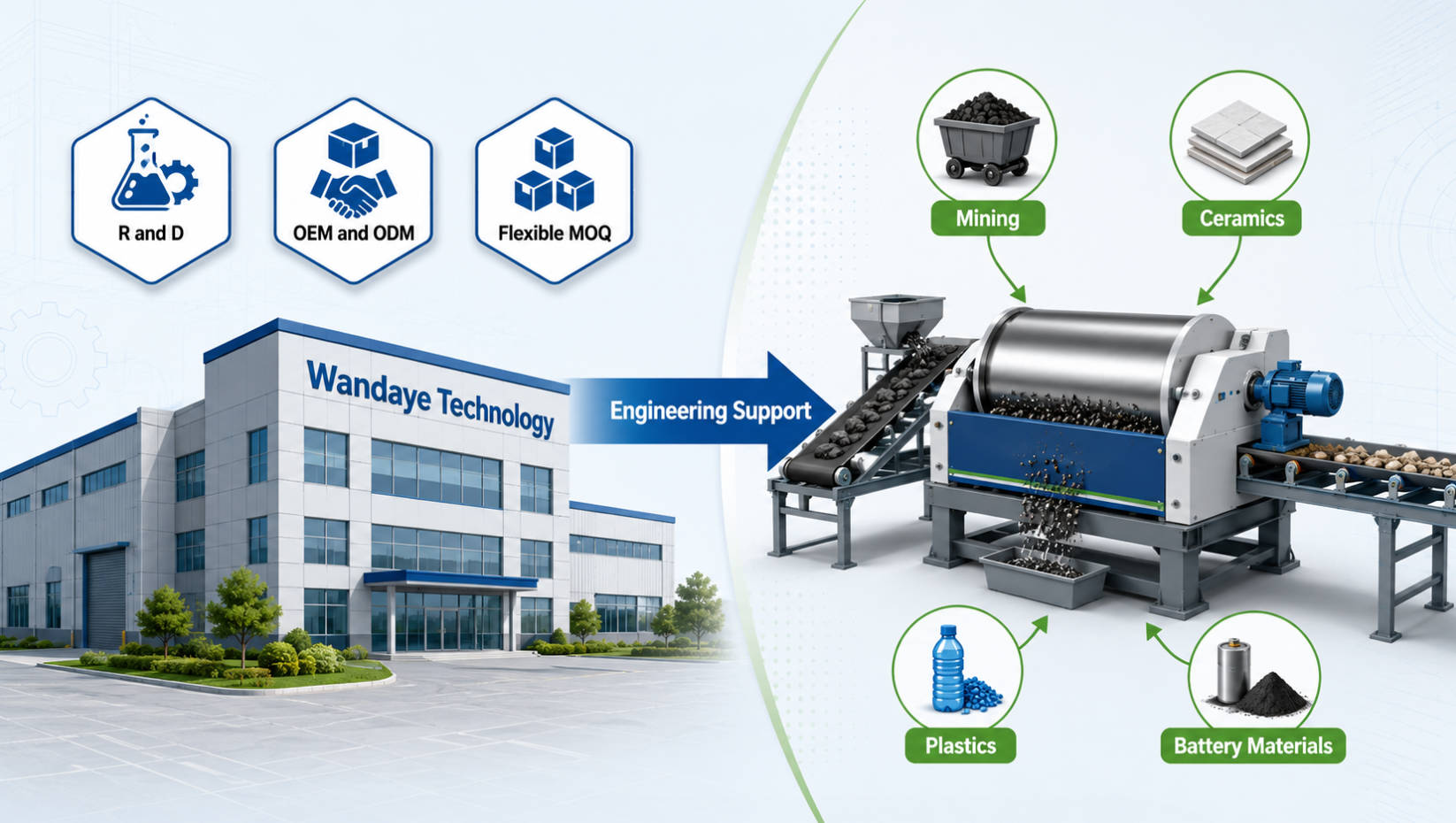
Foshan Wandaye Machinery Equipment Co., Ltd. (Wandaye Technology) is a specialized magnetic separator enterprise that integrates R&D, engineering design, production‑line installation, and commissioning services. The company is listed on China’s National Equities Exchange and Quotations (NEEQ) since 2015 (stock code 833886), which signals a certain level of governance and transparency compared with many small private factories. [en.fswandaye]
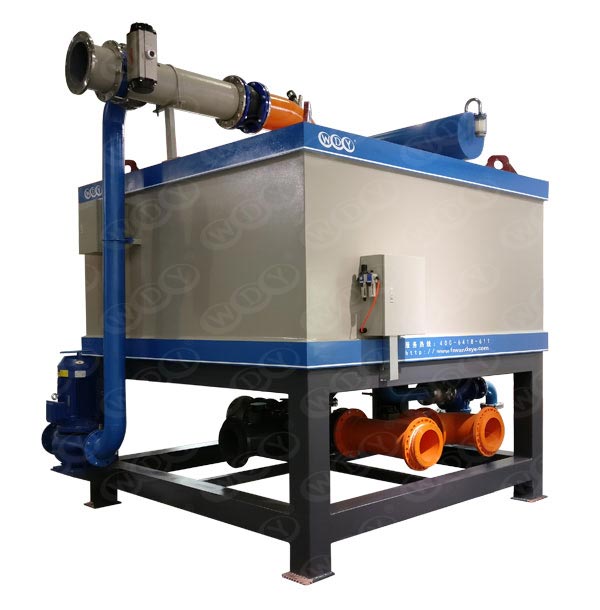
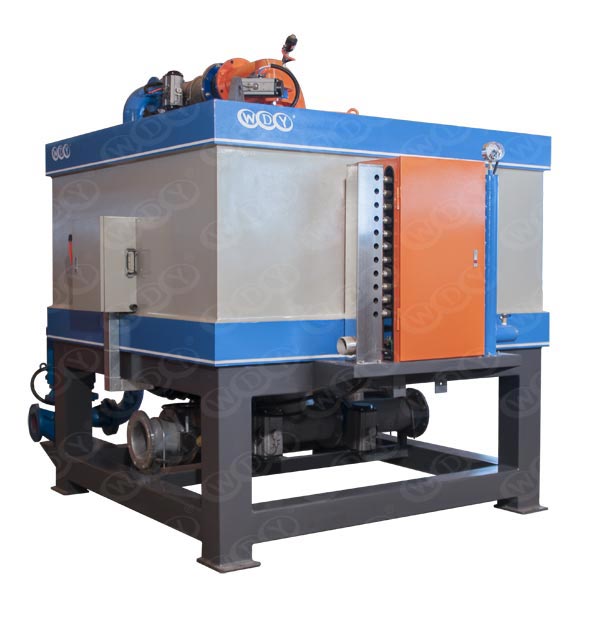
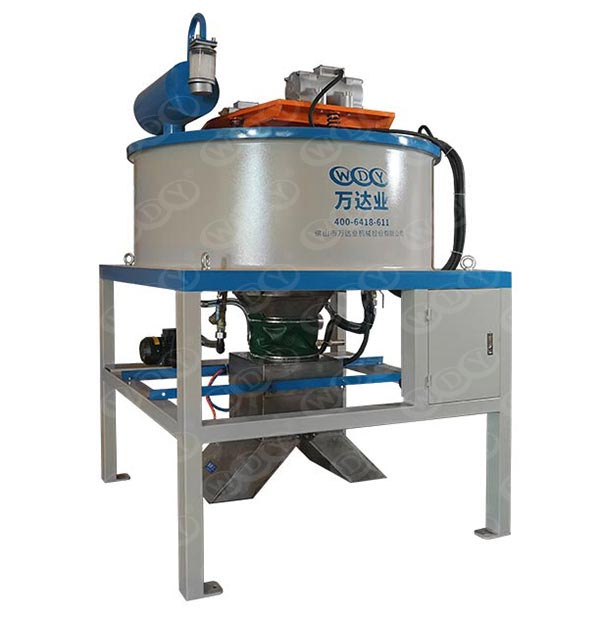
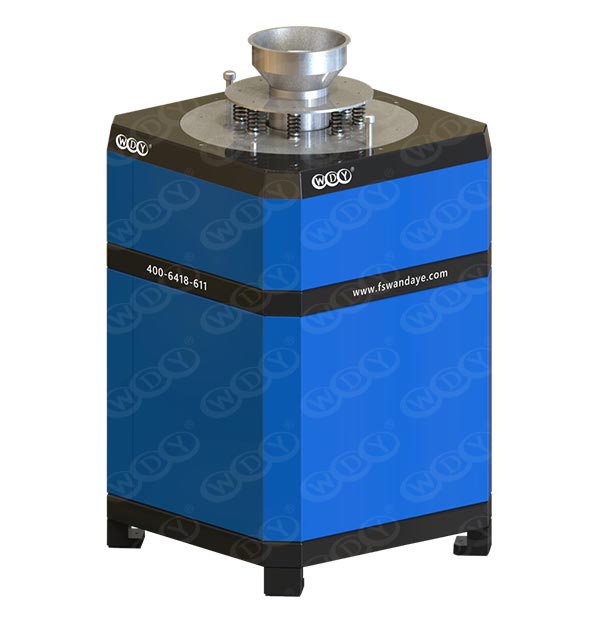
Wandaye’s product line covers high‑gradient electromagnetic slurry separators, powder magnetic separators, permanent magnetic separators, electromagnetic vertical rings, magnetic plates, iron‑removal cabinets, and magnetic rods. These are widely used in mining, ceramics, electricity, building materials, glass, environmental protection, rubber, plastics, medicine, food, and anode/cathode materials—directly matching many of the industrial segments relevant to Brunei and neighboring markets. [en.fswandaye]
From a buyer’s perspective, Wandaye is particularly attractive for:
– R&D‑driven design: The company proposed a “High‑efficient – Energy‑saving – Environmental‑protection – Smart” development concept and has developed magnetic separators that improve energy efficiency by about 25%, with a 30% target under development. [marketresearchfuture]
– Engineering and OEM/ODM support: Wandaye can provide mineral beneficiation tests, process design, full‑line erection for kaolin, feldspar, quartz sand, and other non‑metallic minerals, along with integrated tailings utilization and environmental improvement solutions. This is valuable if you are customizing a full process line rather than buying a single machine. [en.fswandaye]
– Export experience: The company exports to Vietnam, India, Iran, Egypt, Malaysia, and other markets, which means it is used to cross‑border projects and documentation. [en.fswandaye]
For Brunei‑related projects, Wandaye’s combination of moderate scale, strong engineering, and willingness to support smaller and mid‑size brands makes it a practical choice when you need tight technical collaboration without tier‑one price tags.
Key Supplier Attributes at a Glance
The following table summarizes indicative strengths for the manufacturers discussed above from the perspective of a Brunei‑focused buyer. Values are generalized based on public information and typical market positioning. [marketsandmarkets]
| Supplier | Typical capacity range (t/h, indicative) | Typical MOQ for OEM (sets) | Notable certifications / focus | Export / regional strength for Brunei‑type projects |
|---|---|---|---|---|
| Eriez | Medium–large mineral and process lines marketsandmarkets | 1–3 for engineered units (project‑based) marketsandmarkets | Strong quality systems; global food & mining focus marketsandmarkets | Global offices, active in Asia‑Pacific; suitable for complex CAPEX marketsandmarkets |
| Bunting Magnetics | Small–large, from food to recycling plants buntingmagnetics | Often 1+ (standard units stocked) buntingmagnetics | CE, food‑grade designs; contamination control focus buntingmagnetics | Strong US/UK base; experience exporting to many regions marketsandmarkets |
| Goudsmit Magnetics | Small–medium, high documentation industries elcanindustries | 1–5 depending on customization elcanindustries | EU compliance emphasis; detailed technical documentation elcanindustries | Strong in Europe, regular export to global industrial users marketsandmarkets |
| Multotec | Medium–very large mining and minerals plants multotec | Project‑based; often part of full plant package multotec | Mining focus; process guarantees in some projects multotec | Africa‑origin with global projects; relevant to mineral imports to ASEAN multotec |
| Nippon Magnetics | Small–medium, high‑precision materials elcanindustries | Lower MOQs possible, but with premium pricing elcanindustries | Japanese quality, advanced materials and battery focus elcanindustries | Strong in East Asia; familiar with regional logistics elcanindustries |
| Weifang GUOTE | Medium–large sand and mineral lines elcanindustries | 1–3 sets common for OEM lines elcanindustries | Focus on quartz, feldspar; competitive pricing elcanindustries | China‑based; exports to multiple emerging markets elcanindustries |
| Wandaye Technology | Small–medium lines; high‑gradient and OEM projects en.fswandaye | Flexible, often supportive of small batches for SMEs en.fswandaye | High‑efficiency, energy‑saving designs; non‑metallic ore focus en.fswandaye | Pearl River Delta cluster; exports to Asia, Middle East, Africa en.fswandaye |
For Brunei‑linked projects, many buyers use a hybrid strategy: selecting one large global brand for mission‑critical units and pairing it with a flexible Chinese OEM such as Wandaye for cost‑optimized or highly customized lines.
Buyer’s Guide: How to De‑Risk Your Magnetic Roller Separator Sourcing
Step‑by‑step sourcing workflow
1. Define the process envelope
– Document throughput (t/h), particle size distribution, moisture, and target residual iron or magnetic contaminants.
– Clarify the upstream and downstream equipment to ensure mechanical fit and safety compliance. [multotec]
2. Shortlist suppliers by technical fit, not just price
– Screen for experience in your specific material (e.g., silica sand for glass, ceramic body, battery cathode materials). [buntingmagnetics]
– Request application notes or case studies in similar industries and climates.
3. Lab or pilot testing
– Send material samples for lab testing, requesting performance curves that show recovery or residual iron versus field strength and feed rate. [multotec]
– For key projects, consider paid pilot runs or on‑site trials in nearby facilities.
4. Verify certifications and QC rigor
– Obtain copies of system certificates (ISO 9001, etc.) and confirm authenticity via the issuing body or accredited registries; ISO itself does not issue certificates. [hyperbots]
– Review internal test reports, inspection plans, and the traceability system for magnets and critical components. [buntingmagnetics]
5. Negotiate clear technical and commercial terms
– Freeze a detailed technical attachment: materials, coatings, insulation class (if powered), allowable temperature, IP rating, and documentation set.
– Define acceptance criteria, factory acceptance test (FAT), and site acceptance test (SAT) in writing.
6. Plan logistics to Brunei
– Agree on Incoterms (FOB, CIF Muara, etc.) and clarify who handles import permits, insurance, and local customs clearance.
– For time‑critical shutdowns, split shipments or keep critical spares in regional hubs. Trade data suggest that specialized machinery imports into Brunei can be modest in value but sensitive in timing. [tradingeconomics]
Common pitfalls and “internal” de‑risking tips
In magnetic separation projects, some of the most expensive failures are not visible in catalog specs. Based on industry practice, pay extra attention to these issues:
– Over‑optimistic gauss claims: Some factories quote surface gauss figures measured at unrealistic points or without load. Always request test methods and compare performance on your actual material, not just nominal gauss values. [buntingmagnetics]
– Magnet degradation under heat: If your line operates at elevated temperatures, confirm magnet grade and temperature coefficients. In high‑temperature zones, inappropriate magnet grades can permanently lose strength over time. [marketresearchfuture]
– Shell wear and balance: In dry, abrasive streams (e.g., silica sand), thin shells and poor balancing will lead to vibration and early bearing failure. Ask to see shell thickness, wear‑liner options, and balance reports.
– Hidden OEM layering (internal tip rarely discussed publicly): Some “manufacturers” are in fact trading companies buying from multiple small workshops with inconsistent QC. One practical test is to ask for a factory video call that moves from office to shop floor, plus random photos of work‑in‑progress items with traceable nameplates. Resistance, heavy editing, or constant deferral often indicates a trading‑heavy structure.
Conclusion and Recommended Next Steps
For Brunei‑linked projects, the most effective sourcing strategy is to treat Brunei as an application market rather than a manufacturing base and to work directly with established global magnetic separator manufacturers and capable Chinese OEMs. Companies such as Eriez, Bunting, Goudsmit, Multotec, Nippon Magnetics, Weifang GUOTE, and Wandaye Technology each bring different strengths in scale, documentation, cost structure, and customization flexibility. [marketsandmarkets]
If you are planning a new line or upgrade in Brunei, a practical next step is to:
– Shortlist 2–3 suppliers for your specific industry and material.
– Arrange lab or pilot testing using your actual material.
– Run structured ISO and compliance verification before final commercial negotiations. [hyperbots]
From there, you can negotiate OEM or ODM arrangements that fit your brand strategy, using flexible partners such as Wandaye Technology when you need deeper engineering collaboration with manageable MOQs.
FAQs
1. How can I verify that a supplier’s ISO certificate is genuine and not expired?
Request a scan of the certificate, then check the certificate number, company name, and scope directly with the issuing certification body or via its public database where available. Confirm the expiry date and any suspension or withdrawal notices. Remember that ISO itself does not certify companies; only accredited certification bodies do. [iso]
2. What documents should I insist on before shipping a magnetic roller separator to Brunei?
Ask for a full document set, including general arrangement drawings, wiring diagrams (if powered), material certificates for product‑contact parts, test reports, packing lists, and a quality certificate. For CE‑targeted designs, request the Declaration of Conformity and risk assessment records as well. [researchandmarkets]
3. How do I realistically compare suppliers’ magnetic performance beyond gauss numbers?
Use standardized test conditions on your own material—same throughput, particle size, and moisture—and request performance curves showing either recovery rates or residual iron levels. This avoids misleading comparisons that rely only on surface gauss. [multotec]
4. What is the right way to specify a magnetic roller separator for ceramic or glass applications linked to Brunei projects?
Start from the required product quality (e.g., iron content below a certain ppm), then work backward to define feed characteristics and the necessary magnetic intensity and configuration. Suppliers like Wandaye, GUOTE, and Multotec that have experience in quartz, feldspar, and ceramic materials can often provide reference flow diagrams. [en.fswandaye]
5. How can I ensure after‑sales support if the factory is overseas?
Include service terms in the contract: remote support response times, availability of English documentation, spare‑parts lists, and optional on‑site commissioning packages. Ask for references of past projects where the supplier supported remote installations in Southeast Asia or similar markets. [en.fswandaye]
References
1. MarketsandMarkets – Magnetic Separator Market: company list and global trends. [marketsandmarkets]
2. ResearchAndMarkets – Magnetic Separator Market Global Report 2026: size and CAGR. [researchandmarkets]
3. MarketDataForecast – Global Magnetic Separator Market Size, 2025–2034. [marketdataforecast]
4. Market Research Future – Magnetic Separator Market Size and forecasts to 2035. [marketresearchfuture]
5. ISO – Official guidance on certification and accredited bodies. [iso]
6. Hyperbots – ISO Certification Verification process overview. [hyperbots]
7. Multotec – Magnetic separators product and application information. [multotec]
8. Bunting – Magnetic separators and separation equipment overview. [buntingmagnetics]
9. GlobalSpec – Magnetic separator components selection guide. [globalspec]
10. The Star – Brunei trade structure and export composition, 2025. [thestar.com]
11. OEC / Trading data – Brunei machinery‑related trade flows. [oec]
12. Elcan Industries – Overview of leading magnetic separator manufacturers worldwide. [elcanindustries]
13. Great Magtech – Overview of top magnetic separator manufacturers. [greatmagtech]
14. Foshan Wandaye Machinery Equipment – Official “About Us” and capabilities. [en.fswandaye]
Hot Tags: Magnetic Roller Separator, Manufacturers, Customized, Custom, Suppliers, Buy, Cheap, Quality, Advanced, Durable, in Stock, Made in China, Price, Quotation